

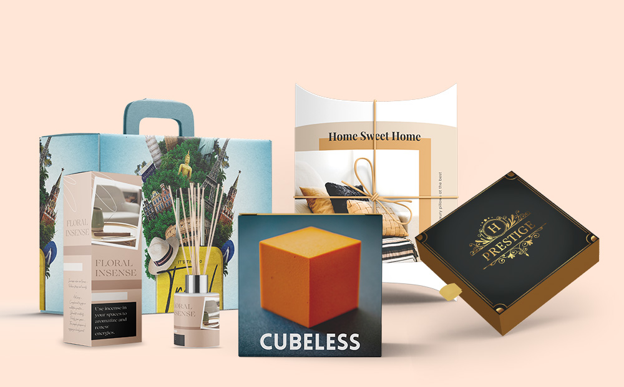
Expanding into a new market is rarely just about the product. A business can have a great item, solid pricing, and a clear customer base back home, and still struggle the moment it tries to move into a new city, state, or country. One of the quieter reasons this happens is packaging. What worked for a small, local customer base doesn’t always hold up once a brand is competing on unfamiliar shelves, shipping longer distances, or trying to earn trust with people who’ve never heard of it before. Retail packaging ends up doing a lot more work during expansion than most business owners plan for, and getting retail packaging solutions right early on tends to save a lot of trouble later.
Packaging Is Often the First Real Introduction to a Brand
When a business is selling locally, word of mouth and personal relationships often do some of the heavy lifting. A customer in a new market doesn’t have that. The first real interaction they have with a brand is usually the box or bag sitting on a shelf, and that single moment has to carry the weight that a referral or an existing reputation would normally carry at home.
This is where custom retail boxes with logo printing become more than a branding nice-to-have. A clear, well-printed logo signals that a business is established and serious, even if it’s brand new to that particular market. Customers unconsciously read packaging quality as a stand-in for product quality — a flimsy, generic box next to a competitor’s clean, branded one puts a new entrant at a disadvantage before anyone even picks either product up. This is exactly the gap that branded packaging boxes and consistent custom boxes with logo printing are meant to close.
Retail Packaging Has to Adjust to New Distribution Realities
Expanding into a new market almost always changes how a product gets from the business to the customer. A brand that used to hand-deliver orders locally might suddenly be shipping through third-party logistics, working with new wholesale partners, or stocking shelves in stores it doesn’t directly manage. Each of these changes puts different pressure on packaging.
Wholesale packaging solutions need to hold up through more handling steps — loading docks, pallet stacking, longer transit times — without the business having direct control over how carefully it’s handled along the way. A box that survived a short local delivery route might not survive a multi-state freight run. This is often where businesses discover, sometimes the hard way, that their original packaging wasn’t built for the volume or distance a new market demands, and it’s usually the point where they start looking into proper wholesale boxes Australia suppliers instead of patching together whatever was available locally.
Retail display boxes matter here too, particularly for businesses moving into physical retail for the first time in a new region. A product that used to sell through direct online orders suddenly needs packaging that can stand upright on a shelf, catch attention next to established competitors, and survive being handled by browsing customers before it’s even purchased. This transition — moving from packaging for online to retail — is one of the more common turning points where businesses realise their existing boxes simply weren’t designed for shelf life.
Meeting Local Expectations Without Losing Brand Identity
Every market has its own quiet expectations around packaging, even when nobody states them outright. Some regions lean heavily toward eco-friendly retail packaging and will notice — and sometimes actively avoid — a brand that shows up with excessive plastic or non-recyclable materials. Others place more weight on premium presentation, where a plain box can read as underinvestment rather than simplicity. Choosing the right eco-friendly packaging materials for a specific region is often less about personal preference and more about reading what that market already expects.
This creates a real tension for expanding businesses: how do you adjust to a new market’s expectations without diluting the identity that made the brand recognisable in the first place? The businesses that handle this well usually use customized packaging to keep their core branding elements, including logo placement, colour palette and tone, consistent while adjusting material choice, size, or finishing to fit what the new market responds to. A custom packaging boxes supplier that can work across multiple material and finish options makes this adjustment far easier than starting from scratch with a new manufacturer every time a business enters a new region. Working with one custom retail packaging Australia provider across every region also keeps quality and turnaround predictable, which matters a lot when a business is juggling several markets at once.
Packaging Costs Change the Expansion Math
Business expansion is, at its core, a numbers exercise, and packaging is part of that math whether business owners plan for it or not. Shipping further distances usually means either sturdier materials or accepting higher damage and return rates — both of which affect margins. Entering a market with more competition often pushes businesses toward better-quality retail packaging just to hold shelf space next to established brands, which adds cost per unit but can pay off through fewer returns and stronger repeat purchases. This is often where packaging for small business budgets get stretched the most, since the temptation to cut corners on materials is highest right when consistency matters most.
This is also where order volume starts to matter more directly. A business testing a new market cautiously might need smaller, flexible order runs rather than committing to a huge batch of packaging before knowing whether the expansion will actually work. Suppliers who offer custom sizing and lower minimum order quantities give expanding businesses room to test packaging decisions in a new market without locking in a large sunk cost before the numbers are proven. Flexible custom box sizes and small-batch runs let a business trial a new region without overcommitting on stock it may need to redesign later.
Packaging as a Trust-Building Tool in Unfamiliar Territory
Trust is harder to earn in a new market, and packaging quietly contributes to that in ways that are easy to overlook. Consistent branding across every unit — the same logo, the same finish quality, the same attention to detail — tells a new customer base that the business is stable and not cutting corners just because it’s new to the area. Inconsistent packaging, on the other hand, can read as improvisation, which undermines confidence exactly when a business most needs to build it. This is where brand packaging consistency becomes less of a design preference and more of a trust signal.
This is part of why many growing businesses lean on a single reliable packaging partner rather than switching suppliers every time they enter a new region. Packaging Bee AU works with a number of Australian businesses going through exactly this kind of expansion — moving from a single city into wholesale distribution, or shifting from online-only sales into physical retail across new states — and the packaging decisions during that transition tend to matter more than business owners expect going in. Keeping material quality, printing consistency, and custom retail boxes with logo work aligned across every order, regardless of where it’s shipping, helps a brand look like the same trustworthy business no matter which market it’s entering. Businesses that stick with one packaging supplier world-wide, rather than sourcing differently in every state, tend to have an easier time keeping that consistency intact.
Getting the Sequencing Right
Businesses that handle expansion well tend to treat packaging as part of the planning process rather than something sorted out after the market decision is already made. That means thinking through distribution changes, local material or sustainability expectations, and volume flexibility before committing to a full packaging redesign. It’s a smaller, more manageable set of decisions when it’s made early, rather than something rushed through under pressure once products are already sitting in a new warehouse with the wrong boxes. Planning for shelf-ready packaging and product packaging for retail from the outset, rather than retrofitting it after the fact, is usually what separates a smooth market entry from a scramble.
Final Thoughts
Retail packaging rarely gets credited as a growth tool, but it quietly shapes how a business is received the moment it steps into a market where nobody knows its name yet. From distribution durability to shelf presence to the trust that consistent branding builds over time, packaging carries more of the expansion workload than most business plans account for. Investing in reliable custom printed boxes and a supplier that scales with the business is a small decision early on that tends to pay off across every new market that follows. Getting it right early — rather than treating it as a detail to fix later — tends to make the difference between a smooth entry into a new market and a rocky one.

