


For many drivers, a car is one of their largest household purchases. Yet vehicle security often receives less attention than insurance, maintenance, or fuel costs. GPS tracking technology is changing that by giving vehicle owners a way to check a car’s location, review trips, and receive movement alerts through a connected app.
But with plug-in devices, battery-powered trackers, and smartphone-based location services competing for attention, choosing the best GPS tracker for a car requires more than comparing prices.
Understanding the Main Types of Car GPS Trackers
The first step is understanding how different trackers work.
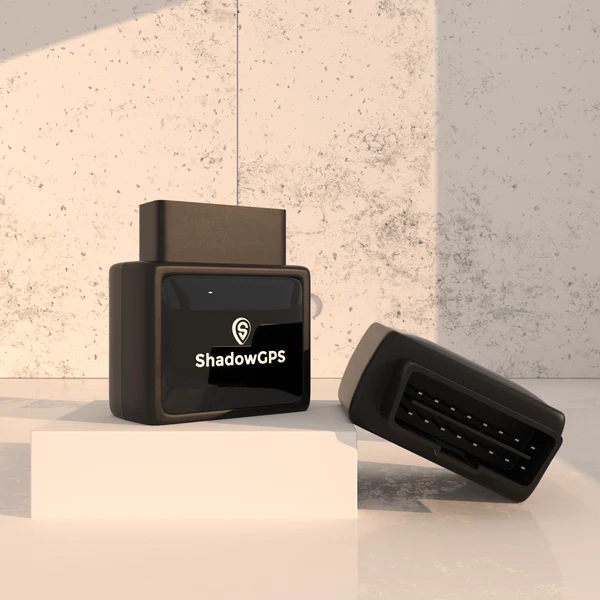
OBD-II trackers plug into a vehicle’s diagnostic port and draw power from the car. They are generally straightforward to install and may offer vehicle diagnostics alongside location tracking. However, they can be disconnected easily if someone knows where to look.
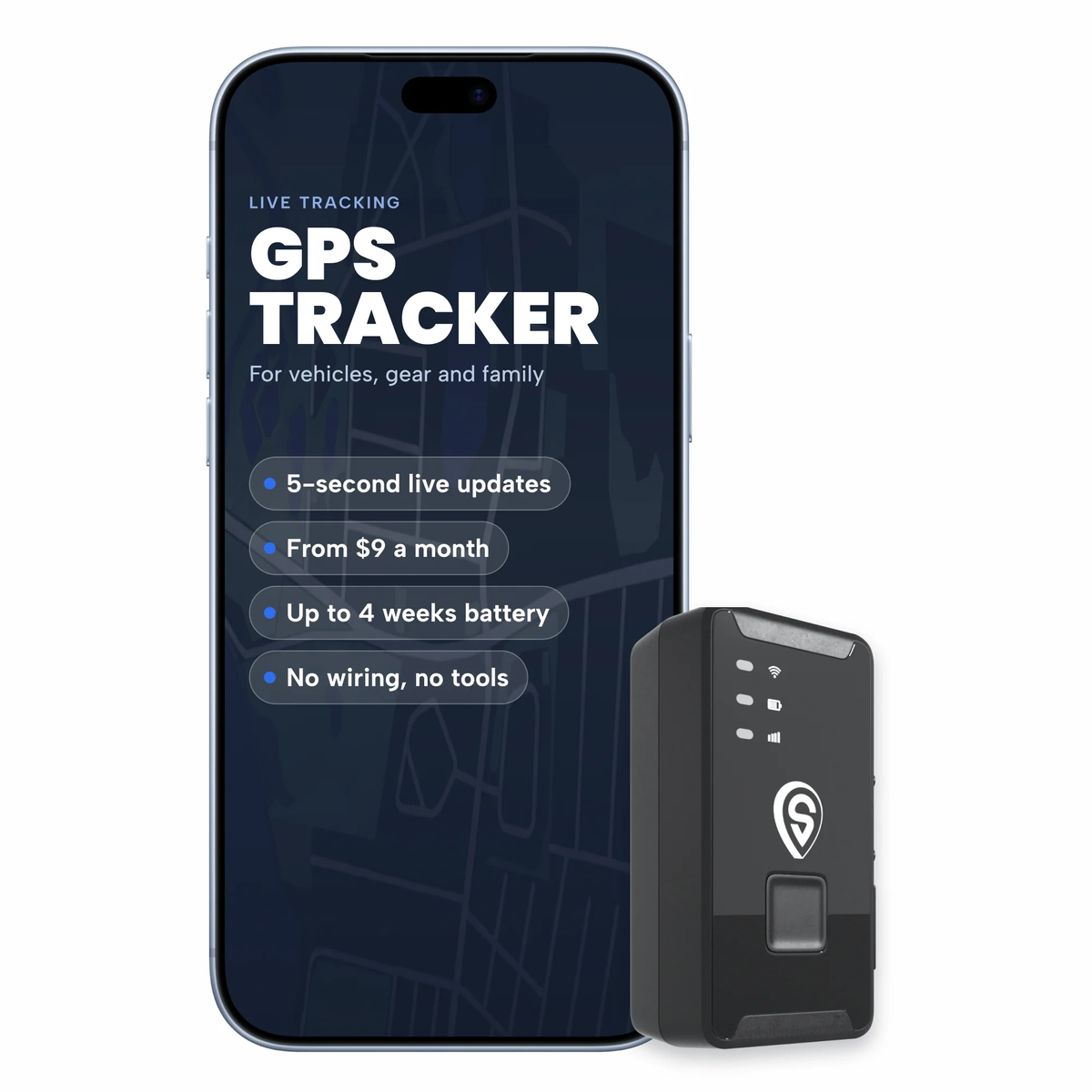
Battery-powered GPS trackers operate independently of the vehicle’s electrical system. Some models use magnetic mounts, making them useful for cars, trailers, and other assets. Their main trade-off is battery maintenance and the need to recharge the device periodically.
Hardwired trackers connect to a vehicle’s electrical system. They can provide a permanent installation, but setup may require professional assistance.
Smartphone-based tracking apps can help families share locations and coordinate travel. However, they track a phone rather than independently tracking the vehicle, which makes them less suitable for theft recovery when the phone is not inside the car.
What Makes the Best GPS Tracker for a Car?
A useful buying decision starts with five practical considerations.
1. Location update speed
Not every tracker refreshes its location at the same frequency. A device that updates every few minutes may be sufficient for checking a parked vehicle, but faster updates can provide a more current picture when a vehicle is moving. Buyers should check the refresh rate included in the subscription they intend to purchase.
2. Total ownership cost
The advertised device price is only part of the expense. Buyers should also compare monthly service charges, activation fees, contract terms, and any costs associated with replacing or maintaining the device.
3. Installation and power
Drivers who prefer a simple installation may favour a plug-in or battery-powered model. Those seeking a more permanent solution may prefer a hardwired unit. The right choice depends on the vehicle, the intended use, and the owner’s maintenance preferences.
4. Alerts and trip history
Movement notifications, geofencing, and trip history can make a tracker more useful than a map showing a vehicle’s current position alone. These features may help owners identify unexpected movement or review when a vehicle travelled between locations.
5. Reliability and privacy
GPS performance depends on factors such as satellite visibility, cellular coverage, device design, and service availability. Buyers should also check how location data is stored, who can access it, and whether the service provides adequate account-security controls.
Where Does ShadowGPS Fit In?
ShadowGPS offers two approaches for vehicle owners with different priorities.
ShadowAuto is an OBD-II tracker designed for drivers who want a straightforward installation and vehicle-powered operation. ShadowTrack is a battery-powered alternative with a magnetic mount for applications where a plug-in connection is less practical.
According to the manufacturer’s published specifications, both devices offer location updates every five seconds while the vehicle is moving. ShadowTrack is rated for up to approximately 15 days of battery life per charge, depending on usage and conditions.
These features illustrate why buyers should compare products by installation method, update frequency, power source, and ongoing service costs rather than relying on a single headline specification.
More details are available on the ShadowGPS.
The Bottom Line
The best GPS tracker for a car depends on what the owner needs most. An OBD-II device may suit everyday drivers who want simple installation, a battery-powered tracker may be preferable for vehicles or assets without a convenient power connection, and a hardwired device may suit owners seeking permanent installation.
Before purchasing, compare the full cost of ownership, included features, update frequency, and privacy protections. Also verify compatibility, service coverage, and applicable tracking laws in your location.
As connected vehicle technology becomes more accessible, informed buyers will be better positioned to choose a tracking solution that fits their budget, vehicle, and security priorities.

