

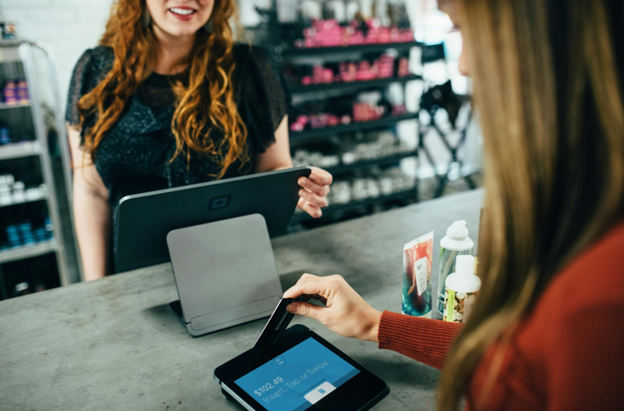
Retailers must protect customer data wherever a shopper interacts with the brand. A purchase made in a store, an order placed through a mobile app, a customer-service conversation, and a loyalty account can all generate valuable information that needs to be handled securely. As retail becomes more connected, protecting personal and payment information has become part of the everyday customer experience.
The challenge goes beyond keeping hackers out of a database. Retail businesses have to think about employees, third-party vendors, point-of-sale systems, websites, mobile platforms, cloud services, and the many connections between them. A weak point in one channel can create problems across the broader retail ecosystem.
Strong data protection therefore requires more than a single security tool or an isolated IT department. Retailers need coordinated policies, informed employees, thoughtful technology decisions, and leaders who understand both cybersecurity and business operations. Looking at the most common customer touchpoints can help explain where that work begins.
Build Cybersecurity Leadership Into Retail Strategy
Cybersecurity decisions increasingly belong in conversations about operations, customer experience, budgeting, and long-term growth. Retail leaders may need to decide which systems should be upgraded, how vendors handle sensitive information, and what procedures employees should follow when suspicious activity occurs.
Professionals who want to connect business management with information security can explore a cybersecurity MBA program designed around both areas. Baylor University’s Dallas program, for example, includes business coursework alongside information security foundations and cybersecurity policy and planning, providing a business-oriented perspective on managing information risks.
A leadership perspective matters because cybersecurity rarely operates in isolation. Decisions about convenience, staffing, customer service, technology spending, and vendor relationships can all affect how well customer information is protected.
Protect the Point of Sale
Point-of-sale systems remain one of the most important places for retailers to focus their attention. Customers expect transactions to be quick and convenient, but payment systems also handle sensitive information that can make them attractive targets for criminals.
Retailers should regularly review how payment data moves through their systems and who can access related information. Strong authentication, timely software updates, network segmentation, and carefully controlled permissions can reduce unnecessary exposure.
Employee practices matter here, too. A cashier, store manager, or support employee may encounter a suspicious device, unusual login request, or unexpected software prompt before anyone on the IT team sees it. Clear procedures make it easier for employees to recognize and report potential problems instead of trying to resolve them on their own.
Treat E-Commerce and Mobile Channels as Connected Systems
Online shopping creates another layer of customer data to protect. Retail websites and mobile applications can collect names, addresses, contact information, account credentials, purchase histories, and payment-related information, depending on how the retailer’s systems are configured.
Retailers should avoid treating each digital channel as a completely separate security project. A customer may move from an email promotion to a website, log into a loyalty account through an app, and then contact customer support about the same order, creating several points where information can be accessed.
A connected security strategy can help retailers identify where information travels between systems. Regular access reviews and monitoring can also reveal whether employees, applications, or vendors have more access than they actually need.
Give Customer Accounts More Protection
Customer accounts can contain years of purchasing history and personal information, making them valuable even when payment details are not stored directly in the account. Loyalty programs are particularly important because they encourage shoppers to maintain ongoing relationships with retailers.
Simple account protections can make a meaningful difference. Retailers can focus on measures such as:
- Strong authentication requirements
- Limited employee access
- Secure password recovery
- Login monitoring
- Regular account reviews
Convenience still matters, so retailers should consider how security measures affect the shopping experience. Requiring customers to jump through unnecessary hoops can create frustration, while insufficient protection can expose accounts to avoidable risks.
Make Employees Part of the Security Strategy
Technology cannot compensate for every human error. Retail employees interact with customer information in countless situations, from processing returns to answering questions about loyalty accounts and updating shipping information.
Training should reflect the situations employees actually encounter rather than relying entirely on generic cybersecurity presentations. Staff members should know how to recognize phishing attempts, verify unusual requests, protect login credentials, and escalate questionable activity.
Short, recurring training can also be easier to absorb than an annual information dump. Retail environments change quickly, and employees may need reminders when new systems, scams, or procedures are introduced.
Look Closely at Third-Party Access
Retailers rarely operate entirely on their own. Payment processors, shipping providers, marketing platforms, customer-service tools, analytics companies, cloud providers, and other vendors may connect to systems containing customer information.
Vendor relationships should therefore include more than pricing and service-level discussions. Retailers also need to understand what information a vendor can access, how long the information is retained, and what security responsibilities each party has.
A useful vendor review can cover several practical questions:
- What data does the vendor receive
- Why does the vendor need access
- Who can access the information
- How is information protected
- What happens after the contract ends
Regular reviews are especially useful when a vendor adds new services or changes how information is stored. A relationship that was low-risk when it began may look different after several years of system integrations.
Prepare for Problems Before They Happen
Even strong security programs cannot guarantee that an incident will never occur. Retailers need a response plan that explains what happens when suspicious activity is detected and who takes responsibility for each step.
A response plan can identify internal contacts, outside specialists, communication procedures, system-isolation steps, and documentation requirements. Having those decisions established ahead of time can reduce confusion when employees are dealing with an active problem.
Customer communication deserves special attention. People want clear information about what happened, what information may have been affected, and what actions they should take. A prepared communication process can help retailers provide useful updates without creating additional confusion.
Turn Data Protection Into an Ongoing Process
Customer data security is not a project that ends when a new firewall, authentication system, or employee training program is implemented. Retail technology changes constantly, and every new sales channel, vendor integration, app feature, or customer service tool can create new considerations.
Retailers can strengthen their programs by regularly reviewing access permissions, testing response plans, evaluating vendors, updating employee training, and examining how customer information moves through the organization. Leaders should also make sure security discussions remain connected to broader business decisions rather than being treated as a separate technical concern.
The modern retail front line extends far beyond the checkout counter. Every digital interaction, employee touchpoint, and connected system can influence how customer information is protected, making coordinated cybersecurity an essential part of running a trustworthy retail operation.

