

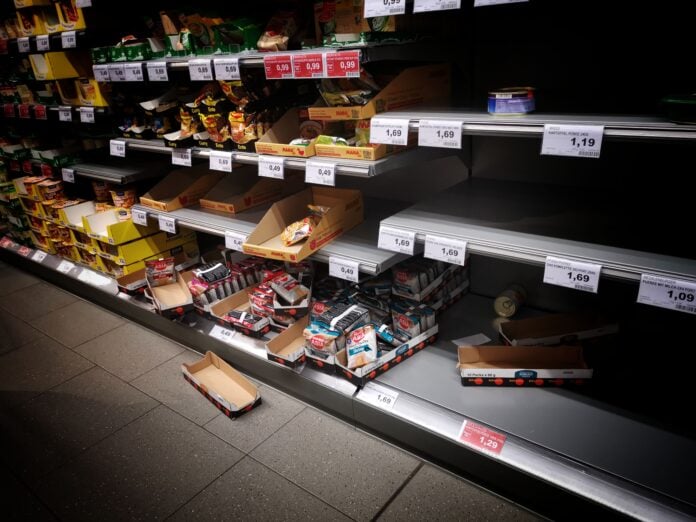
When a brand sells its product through a shop, it puts a lot of faith in the people who work there to showcase it properly. A lot, but not unlimited. To confirm that what was agreed with the retailer is what shoppers actually find, UK brand representatives make regular visits to retailers in a practice known as retail execution. They make sure a product is where it should be, at the agreed price, and with the promotion running when it was promised.
The question now is not how much data a field team can gather, but how old it is by the time someone acts on it.
Where does the delay come from?
A rep photographs a bay in a supermarket on Tuesday. The numbers go into a spreadsheet, then a summary, then onto the trade marketing manager’s desk the following week. By then, a delivery has landed, a promotion has started, and another brand has taken a facing. Retail execution software exists to close that gap by moving field data capture to the visit itself and not the days after it.
Manual in-store data collection also depends on who is doing it, so the information is uneven and late, and it still informs the decision.
The gap matters because shelves fail often. A study by Thomas W. Gruen, Daniel Corsten, and Sundar Bharadwaj (1) put the average shelf out-of-stock rate across Europe at 8.6 per cent. A late report rarely catches that in time.
What can a few seconds of video capture?
This is how the software works in practice. It runs as an app on the rep’s phone. The rep films the shelf for a few seconds, and image recognition reads the footage and reports which products are present, how much of the shelf they hold, what they cost and where the gaps are. Out-of-stock detection happens in the aisle, so the rep can raise it with the store manager before leaving. The results reach the team straight away, without anyone compiling a report first. Time once spent counting and typing goes back into selling.
What happens in a shop with no signal?
Plenty of shops have a poor signal. A merchandising app that needs a connection will skip those stores, and nobody notices, because an unscanned shop leaves no gap in the report. Ask one thing up front. Does it work offline and send the data on its own once the signal returns?
Why do reps stop using new tools?
Mostly because it’s extra work. If the app has nothing to do with the CRM or sales force automation (SFA) system the team already uses, they end up entering everything twice. If the results show up in the reports their managers already look at, there’s nothing new to learn, and field sales teams tend to keep using it.
How old is too old?
It depends on what the data is for. For a promotion, a day or two. After that, there is nothing left to fix. For a range review, a week is probably fine.
A useful starting point is to ask how long a problem can sit on the shelf before it costs money, then check whether your data arrives within that time. If it doesn’t, the reporting calendar is setting the limit, not the business. Shelf monitoring is worth having only if it delivers the data while there is still time to act on it.
Sources:
- Retail Stockouts: A Worldwide Examination of Extent, Causes, and Consumer Responses by Thomas W. Gruen, Daniel Corsten, and Sundar Bharadwaj (quoted from https://losspreventionmedia.com/what-to-do-about-oos-in-retail/).

