

Anyone who’s ever tried to plan a garden will tell you that choosing plants, paving materials, and outdoor furniture is the easy part. The real difficulty is in imagining how all the elements will work together. A customer may absolutely love a particular set of plants or may have found exactly the right patio stones, but will still be put off in the end because they’re not sure whether it all works in their own garden.
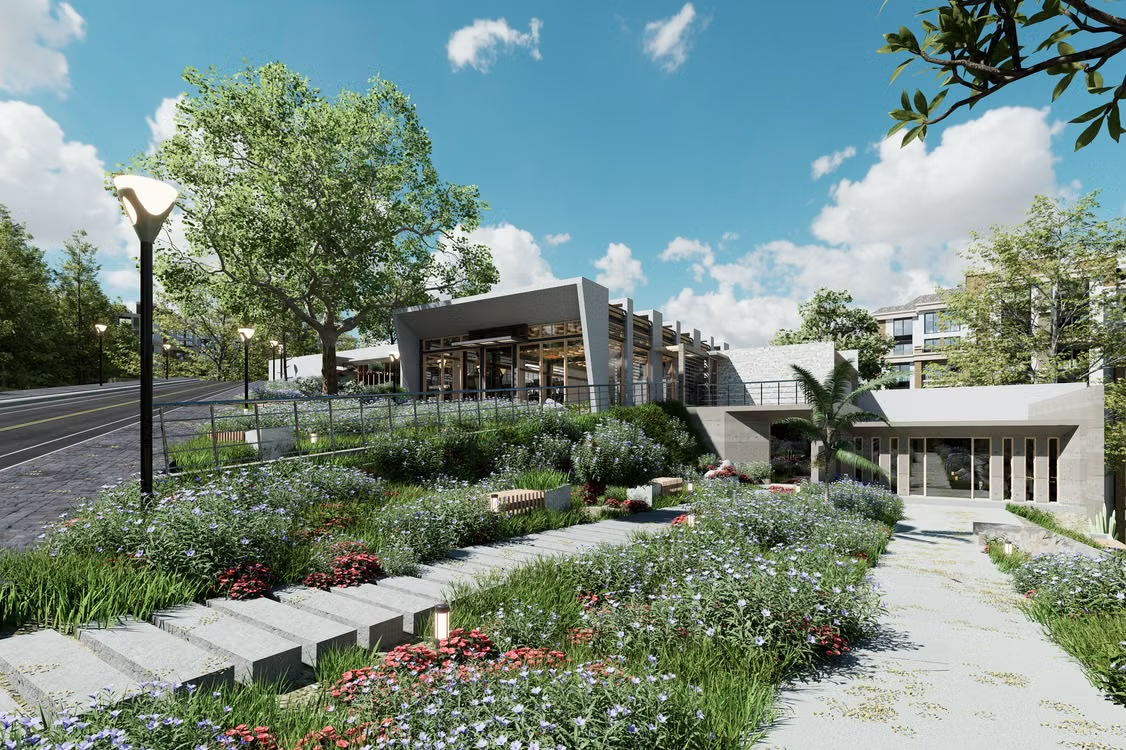
This is where 3D landscape visualization comes in handy. It enables the customer to try out different options, play around with various layouts and get a much better feel for what their finished garden could look like prior to committing any cash. For Canadian garden centres it’s also a good way of being able to give better advice, introduce the customer to other products and turn a single purchase into a multi-product project. Of course it all begins with the right software and a landscaping software comparison can be a useful tool for retailers to use in their evaluation. So how can they actually go on to use these tools to improve the customer experience and drive sales? Let’s have a look.
Why Visualization Matters in Modern Garden Retail
Choosing individual garden products is easy enough really. The difficulty comes in working out whether they will actually work together.
A customer may love a certain type of paving or a particular range of plants and still be unsure as to whether they’ll work in their own garden. With such a large project and a significant amount of money involved it’s quite reasonable that they want to get it right.
Product displays and photos can only provide so much information. 3D landscape visualization enables the customer to see how their choices might work together and that alone can be a massive help in the decision to buy. For a garden centre it’s a chance to help the customer plan well beyond the next purchase.
How 3D Landscape Visualization Works
Landscape design software allows you to create a digital version of your garden using either photos, measurements or a completely new layout. You can then add in the plants, the landscaping materials and all the various outdoor features to see what the finished garden would look like.
Garden centres can use these tools to help customers:
- Plan the garden layouts (i.e. the layout of the lawns, planting beds, borders, patios and outdoor living areas).
- Visualize the plants and trees: the varieties, the colours, the heights and the combinations of planting.
- Look at the various landscaping materials: the different types of paving, gravel, decking and decorative stone.
- Add the outdoor features: pathways, fencing, lighting, water features and garden furniture.
- Compare the design options: play with different layouts and product combinations.
Depending on the software, customers can also view their designs in real 3D from a number of angles.
The aim is simple: to make garden planning easier and help people understand how their choices will work together.
Turning Individual Products Into Complete Garden Projects
One of the biggest commercial benefits of 3D visualization is the ability to sell complete garden solutions rather than just individual products.
Imagine someone going to a garden centre to buy paving for a new patio, with no design advice at all and ending up with some paving stones and a few plants. However, seeing those products in a complete garden design could encourage them to consider additional features, such as:
- Decorative planters and seasonal flowers.
- Shrubs and small trees for privacy.
- Outdoor dining sets and comfortable seating.
- Garden lighting and accessories.
- Pathways, gravel, mulch and edging materials.
Show the customer how the product fits into the finished design and you get them thinking about the whole project. It also gives the staff a natural opportunity to recommend other things. Rather than just go ‘oh we’ve got this other plant’ or ‘we’ve got this other accessory’ you can actually show them where it would go.
This makes the shopping experience more personal and can in fact increase the value of the sale.
Helping Customers Make More Confident Purchasing Decisions
Customers may put off a landscaping project if they’re not sure what the finished garden will look like. They may be concerned about whether the paving will work with the house, whether the plants will work as a group or whether a new feature will fit in the space available.
A digital garden design will go a long way to deal with those issues prior to any expenditure at all.
For instance, a customer renovating their backyard could be looking at different patio shapes, different paving colours and different planting options. Making those decisions at the planning stage gives them a real sense of confidence in what they’re going to end up with.
It also makes the conversations with the staff at the garden centres a lot more useful. Rather than just having to go on product descriptions and physical samples, they can actually demonstrate how the various materials and plants will contribute to the end result.
For those customers considering a bigger investment, that extra reassurance can go a long way to making the decision to buy much easier.
Creating a More Engaging In-Store Customer Experience
Product selection and pricing are important, but the overall shopping experience is also a factor in the decision to buy.
Garden centres can have dedicated design areas where the customer works with the staff to design their outdoor space. That could be a very straightforward addition to the existing retail offering or it could be part of a more comprehensive garden design service.
For instance someone out looking for plants to form a new border could work with an employee to put together a very basic digital layout. The staff could suggest various combinations, explain the impact of mature plant size on spacing and suggest other products to go with them.
This gives the customer far more than a standard shopping experience as it provides them with useful advice they can put into practice in their own garden.
It can also be used to position the garden centre as a source of advice rather than just a place to buy plants and garden goods.
Supporting Seasonal Promotions and Product Merchandising
Seasonality is absolutely key in the Canadian garden retail market. Spring is all about planting, summer is the season for outdoor entertaining and autumn is the time for landscaping and garden improvements.
3D visualization enables retailers to show seasonal products as part of a full outdoor design.
A spring promotion could be around flowering perennials, ornamental grasses, shrubs and decorative mulch. Summer could be all about outdoor living with patio furniture, planters and lighting.
These can be used in stores, on the website, in email and across social media.
By showing the products in context garden centres can produce far more inspiring displays and can actually get customers to see products they may not have thought of at all.
Connecting Digital Design With Online and In-Store Sales
Lots of customers will be looking at their garden online prior to even coming into the store. They’ll be doing their research, collecting ideas and looking at what they could do to improve their garden prior to making a purchase.
Garden centres can use 3D visualization to link in to this early research and the in-store experience.
Adding digital design tools to the site would allow customers to explore their ideas prior to coming into the store. They could then come in and take their design to the team to discuss what products, materials, quantities and delivery would be appropriate.
Saved designs can also be used to support future sales. A customer may return to them at a later date to continue with their project, make some seasonal changes or to buy additional products.
Some software platforms also allow the retailer to add in their own products and their own specifications to the digital designs, which in turn makes the recommendations more relevant to what they actually have in stock.
Helping Garden Centre Staff Become Design Advisors
3D landscape visualization provides garden centre staff with yet another tool to share their knowledge with customers.
Staff are already familiar with plants, growing conditions, soil and the various landscaping materials. With a bit of training they can use the design software to produce basic layouts, show product combinations and assist the customer in developing their own ideas.
For instance, someone looking for a low-maintenance garden could look at a design incorporating the right shrubs, perennials and ground covers. A customer with a very small urban backyard could look at how to combine planting areas with seating without the space getting too full.
The software doesn’t in any way replace the value of experienced staff. It simply gives them a much more effective way of communicating their expertise and demonstrating why a particular product is the right one.
Getting Started With 3D Landscape Visualization
Introducing digital landscape design doesn’t have to be a massive investment or a complete overhaul of your current operations. Garden centres can start small and build the service up as they see the results.
- Identify the customer’s needs. Look at projects where visual planning would be of benefit (patio layouts, garden redesigns, planting schemes etc).
- Choose the right software. You’re looking for something easy to use with reasonably good 3D views and a good range of plants, materials and outdoor features.
- Train the staff. Begin with a small group of staff who are interested and give them the skills to produce the basic designs and to be able to guide the customer.
- Include products sold in store. Wherever possible use actual products and materials available at the garden centre to make the recommendations as practical as possible.
- Promote the service. Use store signage, website copy, social media and seasonal campaigns to show the customer what they can achieve.
- Measure the results. Track the design consultations, conversion rates, average transaction value and sales of complementary products to get a clear understanding of the commercial impact.
The Future of Garden Retail Is More Visual
There is often a big gap between seeing an attractive product in a garden centre and knowing how it will look in a finished outdoor space. 3D landscape visualisation helps close that gap.
It allows customers to explore their ideas, make more confident decisions and understand how individual products can work together. For garden retailers, it creates opportunities to promote complete projects, recommend additional products and build stronger customer relationships.
