In a recent interview with Retail Insider, Ani Nersessian, owner of VM ID, shared her expert insights on how retailers can optimize their store layouts to enhance customer experience and boost sales. As visual merchandising becomes increasingly important in the competitive retail landscape, understanding store design’s impact on consumer behaviour is critical for maximizing return on investment.
Ani emphasized the significance of a store’s layout, starting with window displays, which she describes as crucial even for stores lacking a dedicated display area. These displays should capture potential customers’ attention and draw them inside. Once inside, creating a focal point or “feature zone” is key. This zone should tell a compelling story and evoke urgency to encourage purchases.
Retailers must also pay attention to areas like the point-of-purchase (POP) sections, particularly near the checkout, where add-on sales opportunities can arise. Ani stressed the importance of organizing products intuitively so customers can easily find what they need, allowing for a seamless shopping experience without always relying on staff intervention.
With the rise of e-commerce, in-store experiences have taken on new significance. To compete with online shopping, retailers must offer engaging experiences in-store. Whether through interactive technology, customer service innovations, or unique in-store events, creating memorable experiences is now more vital than ever.
Ani also noted that the layout of the checkout area, such as positioning it towards the back of the store, is often a deliberate strategy to prioritize selling space in high-traffic zones. This approach ensures that the store maximizes product visibility while minimizing operational disruptions.
For small independent retailers, while resources may be limited, paying attention to store layout and visual merchandising is still essential. Even minor adjustments can transform a simple space into a powerful selling environment.
In conclusion, the importance of visual merchandising and strategic store layouts cannot be overstated. As Ani Nersessian points out, the key to success lies in the balance between product presentation and the overall customer experience.
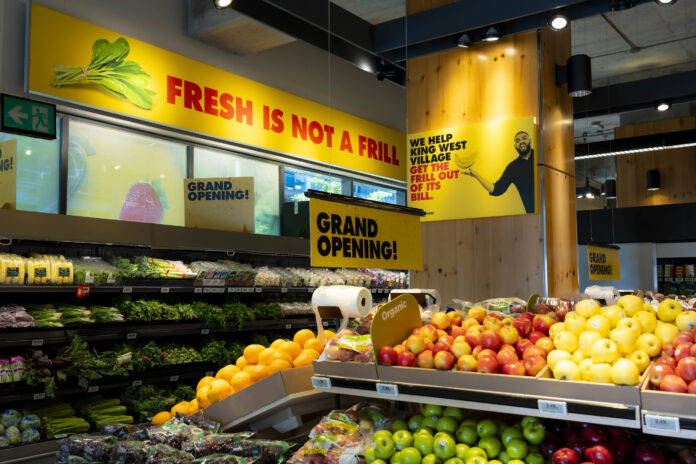
New small format No Frills opens in downtown Toronto (CNW Group/Loblaw Companies Limited - Public Relations)
The Canadian grocery sector continues to show impressive resilience and growth, despite ongoing challenges in the broader retail landscape.
According to Paul Ferreira, Senior Vice President at JLL, the country’s three major grocery chains—along with discount banners like No Frills—are thriving, with store counts increasing steadily across the nation.
Paul Ferreira
Ferreira notes that grocers are expanding to meet the demands of a growing population while also adapting to shifting consumer preferences, including changes in demographics and pricing strategies.
Grocery-anchored retail remains one of the most stable and sought-after asset classes in real estate, with post-pandemic recovery driving increased foot traffic to these centres. Ferreira highlights how grocery stores have responded to rising concerns over food prices by bolstering their discount offerings, with brands like Loblaws continuing to expand their No Frills banner in response to market pressures. As Canadians become more value-conscious, this shift towards budget-friendly shopping options is expected to continue gaining momentum in the year ahead.
The overall outlook for grocery-anchored retail is optimistic, with stronger co-tenant activity as increased traffic benefits surrounding retailers. As hybrid work models become the norm and more Canadians spread their shopping visits throughout the week, this increased footfall is proving advantageous for the broader retail real estate sector.
Ferreira emphasizes that for both grocers and their retail partners, maintaining a robust and adaptable presence is key to staying competitive in this dynamic market.
JLL’s Grocery Report 2025 said grocers have remained resilient in the face of persisting (although improved) inflation and economic uncertainty, following through on their long-term growth plans and opening new locations. However, as consumer preferences change with the times, so must grocers. To better appeal to and maintain relevancy with consumers today, grocers continue to innovate, investing in their brands and services, further enhancing the grocery shoppers’ experiences.
Photo: Ad Age
“We have our three major grocery chains in Canada that have various banners underneath them. Through consolidation, over the years they have gotten stronger and stronger. We have seen considerable increase in store counts across the country. They’ve continued to grow across different banners, but they’ve always generally been in growth mode as population has grown and they’re expanding to meet those needs,” said Ferreira.
“And they’ve also been expanding and re-bannering stores to meet different responses to consumers. Whether that’s a changing demographic, a changing price point that perhaps might better suit a trade area. So we’re always seeing them respond to market changes. That’s always been inherent in our grocery industry in Canada and, and beyond.”
Ferreira said grocery-anchored retail has for a long time been the steadiest retail asset class.
“It’s been the most in-demand asset class from an investment perspective. it’s the type of retailers that want to be present in grocery-anchored retail that has been the kind of retailers that we’ve seen expand the most, especially in a post-pandemic environment where we’ve seen the most activity,” he said.
“Grocery prices have been very prominent in media discussion around the grocery industry. It’s been a kitchen table topic and a cocktail party topic of discussion for Canadians in general. That being said, I think we are seeing our grocers respond to the public, to Canadians’ call to see a growing response to the concern on prices. One of those responses is expanding their discount banners. We’re seeing Loblaw doing that across the No Frills banner. We’re seeing the other grocers re-bannering some stores. But we’re also seeing growth in the mainline store as well.
“There’s data showing that visits to grocery stores in the post-pandemic era have increased and that is good for grocery-anchored real estate. Seeing traffic increase in those centres in general. If the grocers were able to report increased traffic, that’s good for all of the co-tenants that can feed off that traffic and that increase in traffic is both in response to new hybrid working conditions where people aren’t having to do their shopping in one day. They’re leaving it for multiple points throughout the week and perhaps more competitive shopping that we’ve seen in response to those higher prices where people are visiting multiple stores to try and get the most value for their grocery dollar.”
Over half (60%) feel overwhelmed by the sheer volume of AI-related information and hype.
This research was based on insights from nearly 1,400 industry leaders across key global markets.
Outdated legacy systems, concerns about AI-specific risks, and regulatory compliance, can slow progress.
Other key retail findings:
A staggering 74% of retailers identify data management as a primary barrier to scaling AI.
Only 19% of retailers have a highly specialized and influential AI team driving strategy across their organization.
“Artificial intelligence isn’t just transforming retail; it’s disrupting it at its core, unlocking game-changing opportunities while forcing retailers to rethink how their entire business functions, from product design through to customer engagement. AI is the ultimate double agent — on one hand, it gives retailers the power to craft immersive, hyper-personalized experiences that captivate customers and streamline operations,” said the report.
“On the other, smarter tools empower consumers to hunt for better deals, compare products instantly and align purchases with their personal values — all with just a few clicks. The customer experience is now a high-stakes battleground, where loyalty can be won or lost in seconds. As consumer expectations escalate, retailers face relentless pressure to deliver seamless, frictionless and deeply personalized interactions across digital and physical spaces.
“The collision of e-commerce, social commerce, omnichannel shopping and rapidly shifting buying behaviors has pushed traditional retail technology and operating models to their limits. To survive, retailers need more than just smarter tools; they need a radically more intelligent and adaptable approach. Retailers are already harnessing AI to supercharge personalization, predict customer needs before they arise, automate customer service with near-human precision and optimize inventory in real time. But this is just the beginning. Over the next five years, AI will likely obliterate the line between online and offline experiences, transforming retail into a seamlessly intelligent, hyper-personalized ecosystem where every interaction feels frictionless.
“But here’s the catch — getting there isn’t automatic. To unlock this future, retailers need more than scattered AI experiments or isolated tools. They need a clear, strategic AI roadmap, modernized systems and collaborative teams that can bridge the gaps between data, technology and customer experience. This report, based on extensive research and interviews with leading retailers, is your guide to navigating this transformation. The future is still being shaped, but emerging trends and patterns provide a clear path forward. By identifying key actions that form a no-regrets approach, we’ll explore how to scale AI effectively, navigate common challenges and help unlock new opportunities for growth. Those who move fast, adapt wisely and embed AI at the core of their business won’t just keep up — they’ll set the pace.”
Isabelle Allen
“In a sector already challenged by a high technology debt, retailers cannot look at AI as yet another line to manage in constrained budgets, or as the panacea for their current challenges. To unlock its potential, retailers must overcome inertia, embrace transformation and integrate AI as a core enabler of customer-centric sustainable growth,” said Isabelle Allen Global Head of Consumer & Retail.
The survey found that 82% of respondents believe that retailers that embrace AI will develop a competitive edge over those who do not.
The report said former Costco CEO Jim Sinegal famously observed that “retail is detail” success is about getting one million small details right every single day.
“For decades, retailers built intricate, interdependent workflows to handle that complexity. But those legacy operating models and legacy systems, designed for a world of in-store, physical transactions, are now struggling under the pressure of today’s hyper-connected, always-on, infinite-choice shopping landscape. Historically, retailers would call all the shots; now the tables have turned and there has been a systemic shift from transaction to relationship-based commerce. Retailers have rushed to plug the gaps — rolling out AI in silos to boost efficiency and control costs, personalize experiences and drive sales. However, our research finds that most of these AI efforts are stuck behind departmental walls, with data trapped in isolated systems. Online, in-store, mobile, marketing, inventory, payments and last-mile delivery — none of them share data in the way AI needs it to, it said.
“Traditional retail tech, built for linear supply chains and one-size-fits-all customer journeys, simply can’t keep up with AI’s real-time requirement for data and speed.
“In the future, autonomous AI agents (agentic) won’t just support retail operations — they’ll run them. Imagine intelligent systems that autonomously interact with customers, adapt in real time to shifting preferences, manage end-to-end shopping experiences, and dynamically optimize inventory, pricing and service.”
“AI agents will likely become always-on digital advisors, delivering hyper-personalized experiences, anticipating needs before customers even think of them and automating routine service with near-perfect precision.”
Loblaw Companies Limited has appointed three external healthcare advisers to its Patient Care and Quality Committee of the Board of Directors.
For two decades, pharmacists have been responding to an urgent need for more accessible healthcare. What began with administering flu shots in 2007, has become an important part of how Loblaw and Shoppers Drug Mart pharmacists are doing their part for patients who are increasingly turning to their local pharmacists for proven, convenient care for a growing number of specific acute and chronic conditions, said the company.
“The Company is a strong supporter of universal access to care within Canada’s single payor system. It is focused on continuing to adhere to the highest standards of care. The Committee takes its inspiration from public health systems across Canada and provides oversight, separate from business management, for quality improvement, risk management and incident response across Shoppers Drug Mart, Loblaw Pharmacies and Lifemark. It complements essential provincial regulatory oversight already in place in every jurisdiction in the country,” it said.
Formed in January 2025, the committee will benefit from each of the newly appointed advisors’ experience in quality care delivery, said Loblaw:
Dr. Andy Smith: Dr. Andy Smith is a surgeon and leader in colorectal cancer management, and has served as President and CEO of Sunnybrook Health Sciences Centre since 2007. His board experience includes the Toronto Academic Health Sciences Network, ORNGE, Public Health Ontario, HealthCareCAN, and Toronto Innovation Acceleration Partners.
Galen G. Weston
“The expertise and judgement these healthcare leaders bring to Loblaw’s Patient Care and Quality Committee will directly benefit the millions of Canadians who increasingly count on their local pharmacist for care,” said Galen G. Weston, Chair, Loblaw Board of Directors. “As the enhanced role of pharmacists continues to reduce pressure on Canada’s primary care system, I want to thank them for agreeing to serve.”
Jeff Leger
“The healthcare landscape is constantly evolving, demanding we reinforce our commitment to patient well-being,” said Jeff Leger, President, Shoppers Drug Mart. “Our pharmacists have been highly responsive to changing needs of the health care system and the guidance from these independent advisors will be instrumental in shaping our practices and ensure we exceed the expectations of our patients.”
Loblaw is Canada’s food and pharmacy leader, and the nation’s largest retailer. Loblaw provides Canadians with grocery, pharmacy, health and beauty, apparel, general merchandise, financial services and wireless mobile products and services. With more than 2,500 corporate franchised and Associate-owned locations, Loblaw, its franchisees and Associate-owners employ more than 220,000 full- and part-time employees, making it one of Canada’s largest private sector employers.
It has more than 1,100 grocery stores that span the value spectrum from discount to specialty; full-service pharmacies at nearly 1,400 Shoppers Drug Mart® and Pharmaprix® locations and close to 500 Loblaw locations; PC Financial® services; Joe Fresh® fashion and family apparel; and four of Canada’s top-consumer brands in Life Brand®, Farmer’s MarketTM, no name® and President’s Choice.®
Retail Insider is streamlining its Canadian retail news from around the web to include a handful of top news stories that can be viewed quickly during the day. Here are the top stories from the past 24 hours.
Over the past few weeks, the Dairy Farmers of Canada, with the full backing of the Bloc Québécois, has launched a well-coordinated charm offensive to extol the virtues of supply management. According to its proponents, this system is the best tool to safeguard Canada’s food sovereignty. But beyond the usual slogans, hard data on actual production costs, profit margins, and the broader economic impacts on consumers and processors is conspicuously absent.
Supply management, in its current form, rests on the logic of state-administered scarcity—a delicate balance that more closely resembles a house of cards. While often portrayed as a stabilizing force for dairy producers, it conceals a set of opaque mechanisms that are poorly understood by the public—and, more troublingly, by many of our elected officials.
When Canada signs major trade agreements—such as CUSMA, CETA, or the CPTPP—the federal government often makes tariff concessions to its trading partners. Yet dairy producers never incur a net financial loss. Why? Because they are routinely compensated—generously—with billions in public funds, even when the import quotas allocated under these agreements go largely unfilled.
Quota Allocation and Accumulated Wealth
Moreover, production quotas—now treated as high-value financial assets—are allocated to producers at no cost. These quotas are currently valued between $24,500 and $55,000 per unit. On average, a single dairy farm now holds over $2 million in quota value. The more quota a producer receives, the more wealth they can accumulate—either by expanding production or by reselling quota on a loosely regulated secondary market. In some cases, these publicly granted entitlements have yielded windfall profits for their holders, all while marketing boards remain silent.
On top of this, the system provides “incentive days,” allowing producers to exceed their quotas without penalty. These additional production days generate further income in a framework already engineered to ensure profitability. When production outpaces demand? The excess milk is dumped. In this model, waste isn’t an accident—it’s a structural feature.
This has a cost. Canada’s processors, artisanal cheesemakers, and restaurateurs are forced to contend with some of the highest industrial milk prices in the world. Innovation is stifled, competitiveness erodes, and the agility of our agri-food sector is compromised. Unsurprisingly, countries that once embraced similar models—Australia, New Zealand, South Korea, the United Kingdom, and several EU member states—have since dismantled them in the name of economic efficiency and transparency.
A System Resistant to Reform and Transparency
In Canada, however, the status quo continues to benefit a closed, protected, and largely unaccountable system. The “Buttergate” controversy—where it was revealed that dairy cows were being fed palm-oil byproducts—alongside annual footage of milk being dumped, are merely the visible symptoms of a much deeper problem. The current model disincentivizes efficiency, perpetuates opacity, and erodes public trust.
This is not about vilifying producers. They play a critical role in national food security. But if they want to retain public support, they must commit to honest dialogue, grounded in facts, transparency, and a willingness to modernize. The time of behind-the-scenes lobbying, political complacency, and unconditional media endorsements must give way to a more rigorous and evidence-based conversation.
Canadians deserve full access to the facts about supply management. And our decision-makers—regardless of political stripe—must finally acknowledge the economic, trade, and social distortions created by a model that has become politically untouchable.
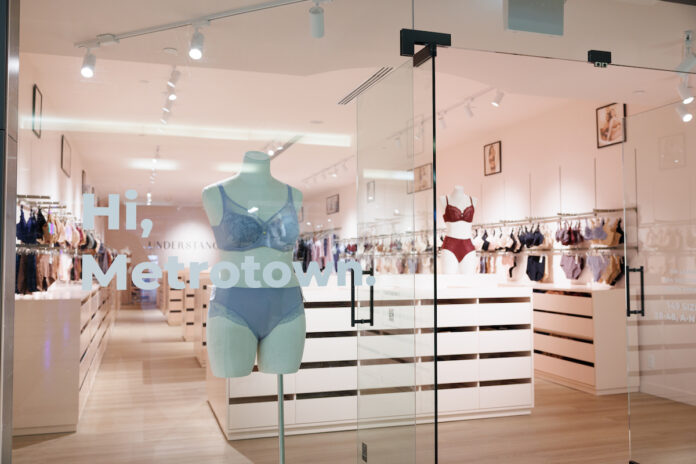
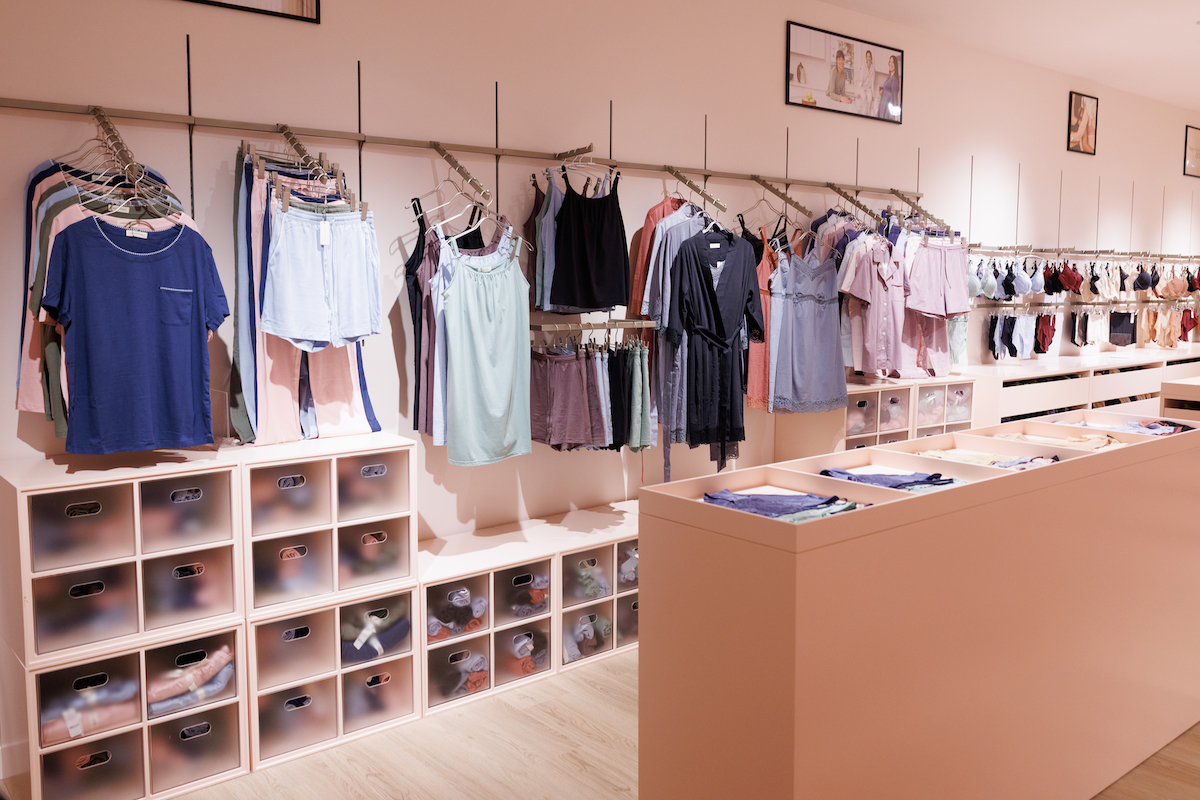
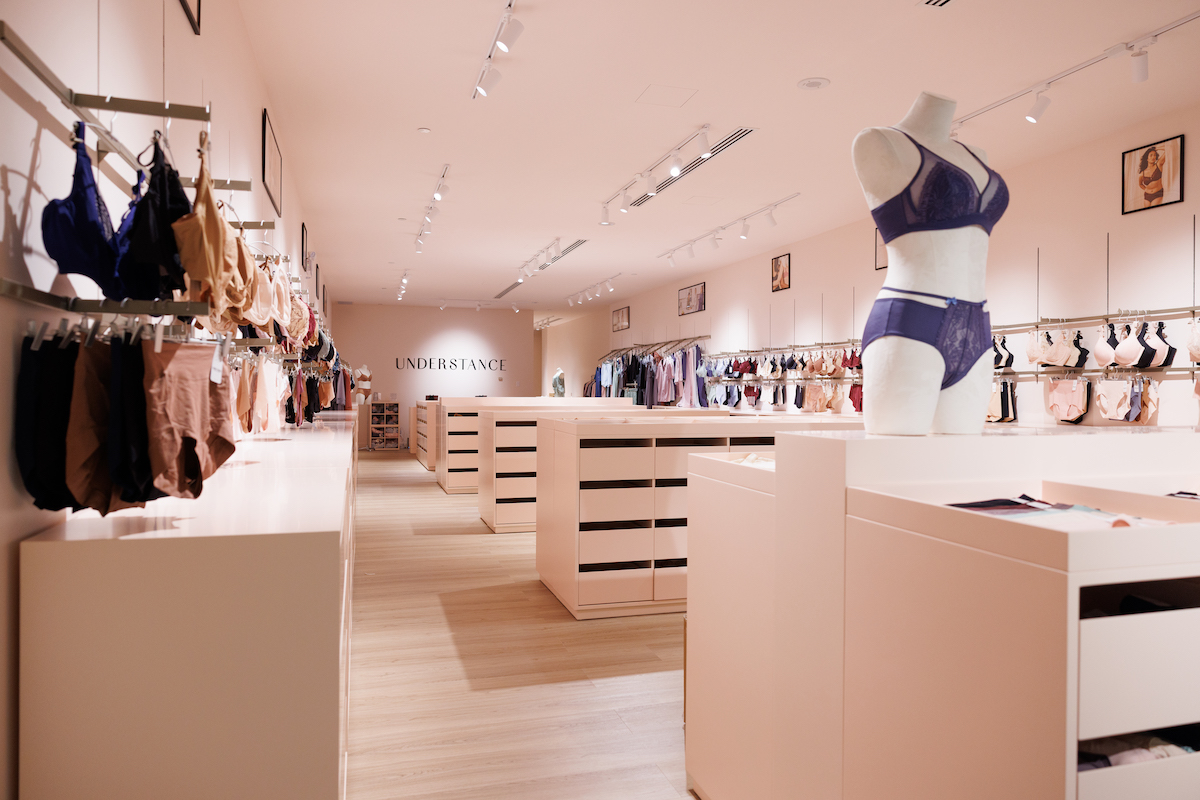
Understance at Metropolis at Metrotown in Burnaby, BC. Photo: Understance
Canadian lingerie brand Understance is continuing its ambitious brick-and-mortar expansion with the opening of a new boutique in Burnaby, BC. Opened on March 28, the store is located at Metropolis at Metrotown, the largest shopping mall in the province.
The Burnaby store marks Understance’s fourth physical location and its second in British Columbia, further cementing its commitment to providing comfort-focused, size-inclusive lingerie through a personalized in-store experience.
New Store Designed with Comfort and Community in Mind
Spanning 2,000 square feet, the Burnaby location offers Understance’s full range of solution-based bras, underwear, and sleepwear. Known for its wide selection of 149 sizes, Understance caters to a diverse customer base, with band sizes from 28 to 48 and cups up to an N, making it one of the most inclusive offerings in North America.
“From day one, Understance has been committed to the humble yet challenging task of providing high-quality, reasonably priced, and thoughtful products to bra wearers,” said Jiayi Lyu, Director of Understance. “With an unmatched selection of sizes and options for different breast shapes, we’re proud to provide a range that no other brand does.”
Designed by Vancouver-based Mahtab Kiani of Kiani Design Group, the boutique reflects the brand’s aesthetic of brightness and approachability. The interior layout is intended to create a welcoming, educational space where customers can explore product options and receive expert fittings.
Understance at Metropolis at Metrotown in Burnaby, BC. Photo: Understance
A Key Part of Understance’s Growth Strategy
The Burnaby opening follows Understance’s 2024 store launches in Toronto and Calgary, located in Bloor West Village and Inglewood, respectively. These followed the 2022 debut of the brand’s flagship store at 1024 Robson Street in downtown Vancouver, which marked Understance’s initial move from a direct-to-consumer online model to physical retail.
“Our physical stores play a key role in our mission, offering personalized fittings to ensure everyone finds their perfect fit,” added Lyu. “The opening of our Burnaby boutique brings us closer to Canadians, providing more chances to experience the comfort and care Understance is known for.”
Understance plans to open 30 retail locations across Canada within the next five years. The brand’s continued investment in brick-and-mortar underscores a belief in the value of in-person fittings and tactile product discovery—something that remains challenging in an online-only format.
Understance at Metropolis at Metrotown in Burnaby, BC. Photo: Understance
Grand Opening Promotions and New Product Launch
To celebrate the launch of its newest location, Understance is offering 30% off all in-store items from March 28 to April 6, 2025. In addition, shoppers can be among the first to experience Understance’s latest innovation: the Bust Support Sleepwear collection.
This new line includes sleep and loungewear designed to provide gentle breast support throughout the night—addressing a growing demand for functional sleepwear that prioritizes comfort without compromising on aesthetics.
Customers visiting the Burnaby boutique will also have access to professional bra fittings provided by trained staff, part of Understance’s strategy to combat the widespread issue of ill-fitting bras. According to the brand, many people are still unaware they are wearing the wrong size, and its highly trained staff aim to fix that—one fitting at a time.
Understance at Metropolis at Metrotown in Burnaby, BC. Photo: Understance
Backed by Industry Experience and Innovation
Founded in 2021, Understance is a subsidiary of Shenzhen Huijie Group Co., Ltd., a leading global lingerie manufacturer with more than 27 years of experience in the industry. That deep supply chain expertise enables Understance to innovate quickly and deliver quality products at an accessible price point.
The brand has distinguished itself in the competitive lingerie landscape with a focus on inclusivity, comfort, and function—a market segment that has often been underserved. As Understance expands across Canada, it continues to emphasize its founding vision: that every bra-wearer deserves supportive, well-fitting, and thoughtfully designed undergarments.
The pet retail industry has experienced remarkable growth in recent years, becoming a booming sector that continues to captivate consumers and businesses alike.
As more people consider pets as beloved family members, the demand for quality pet products and services has skyrocketed. Pet owners now prioritize not only basic pet care but also premium products, innovative technology, and unique services to enhance their pets’ well-being.
This surge in spending reflects a significant shift in consumer behaviour, with pet-related expenditures reaching new heights.
Several factors have contributed to this growth, including the increasing number of pet adoptions in recent years, a growing awareness of pet health and wellness, and the rise of e-commerce platforms that make pet products more accessible than ever before. Moreover, the pet humanization trend, where pets are treated with the same care and attention as family members, has played a pivotal role in driving the demand for high-quality pet food, luxury accessories, and personalized services.
Looking ahead, the future of the pet retail industry appears bright. Innovations in pet technology, such as smart pet devices and health monitoring gadgets, are expected to continue gaining traction. Sustainability is also emerging as a key focus, with eco-friendly pet products and services leading the charge. Additionally, the rise of subscription-based services and direct-to-consumer business models will likely reshape the retail landscape, making it easier for pet owners to keep their furry friends happy.
Photo by Tranmautritam
As the industry continues to evolve, staying on top of the latest trends will be crucial for businesses looking to capitalize on this flourishing market.
Here are the top five trends driving the future of pet retail:
Pet Health & Wellness Products – An increasing focus on nutritional pet food, supplements, and wellness products aimed at improving the overall health of pets.
Sustainable & Eco-Friendly Products – Consumers are increasingly prioritizing eco-conscious and biodegradable products, leading to a rise in sustainable pet care solutions.
Pet Tech Innovations – The growing demand for smart pet devices, including trackers, automatic feeders, and health monitoring gadgets.
Personalized Pet Products – Customizable pet items, from food to accessories, reflecting a shift toward personalized experiences for pets.
Online & Subscription-Based Services – E-commerce platforms and subscription services continue to grow, making it easier for pet owners to receive products on demand.
The pet retail industry is poised for even greater success in the years to come, driven by passion, innovation, and a deep love for pets.
Richard Maltsbarger
Richard Maltsbarger, CEO of Pet Valu, said although the industry had a slightly below-average year last year with industry growth at approximately 3% to 4% the industry is still “pretty solid.” The long-term average for the industry is generally around 5% to 6%.
“We’re expecting roughly 3% to 5% market growth again this year. I’d say it’s stable but just a little uncertain, given the overall uncertainty for the consumer in Canada,” he said.
“We’ve had a really good run. Over the last five years, we’ve seen more than 100% revenue growth. This growth has been supported by really strong same-store sales growth for many of those years. We had a 5% same-store sales growth in 2023, we were just a bit below flat last year, but we’re expecting another 1% to 4% same-store sales growth this year. We’re expecting revenue growth closer to 7% to 9%. Part of this is due to a 53rd week year, so even without that, we would still be expecting revenue growth above 5% this year. Overall, we expect a relatively solid market.
“We are seeing a bit of a bifurcation in the consumer market. We’re seeing really strong results in our culinary products, such as frozen raw, freeze-dried, and gently cooked products. We’re also seeing strong results in our super-premium holistic kibble. However, we are also seeing some consumers seeking more value. For us, that’s reflected in our entry-level natural products, similar to grocery store premium food, like our Performatrin Naturals.”
But Maltsbarger said the market is also seeing customers looking for value, and the business has adjusted its go-to-market strategy to meet their needs.
According to Statistics Canada, Out of 12.2 million households that own a dog(s) and/or a cat(s) and a cat/dog population of 17.2 million in Canada, 50.9% owned a cat(s) compared to 49.1% whom owned a dog(s) in 2024. Over the year in Canada, the total pet population consisted of 8.9 million cats, 8.3 million dogs (majority large dog – 43.5%), 2.5 million birds, 8.6 million fish, 1.2 million small mammals, and 274.3 thousand of reptiles.
Photo by Lauren Whitaker
In 2023, Canada exported to the world a total of Can$963.3 million (217.1 thousand tonnes) in dog and cat food products – put up for retail sale, and Can$143.5 million (125.6 thousand tonnes) in canary seed – which grew at a combined value compound annual growth rate (CAGR) of 5% (2019-2023).
Over the year, leading Canadian provinces exporting the most in value exports of dog/cat food & canary seed were Ontario (44%), Alberta (22%), and British Colombia (14%). Top global export markets from Canada included the United States (Can$561.0 million), China (Can$54.8 million), and Mexico (Can$49.1 million) in 2023.
In 2024, food retail sales in the Canadian market totalled Can$6.7 billion growing at a CAGR of 10.0% for sales of dog & cat food (Can$6.6 billion) and at a CAGR of 8.1% for sales of other food (Can$122.0 million) between 2019 and 2024. Dog food sales accounted for 66.4% of the total market share within the sector, followed by cat food (31.8%), fish food (0.8%), bird food (0.7%), and small mammal/reptile food (0.4%) in 2024.
Bruce Winder
Bruce Winder, a retail analyst, said the Canadian food and accessory market has grown significantly over the last decade, and we can expect this kind of growth to continue.
“Why? Millennials are opting to have a pet instead of having children. Baby Boomers and Seniors are also getting a pet for companionship,” he said. “In addition, the premium pet food and accessory market is projected to grow even more as customers see pets as a family member and want to ensure their dog or cat is happy and healthy.
“You just need to look into your local Canadian Tire store to see these trends in play. The storied retailer has shops within shops with much greater linear footage, brand names and price points on offer vs. 10-15 years ago. PetSmart has done a great job as a category killer within the market which includes a massive assortment and services such as pet dog grooming, dog birthday parties and pet hotel services.”
“I’ve consulted in this sector. Over 60% of households have pets, which are part of the family. However, all sectors, including food and pet care, such as grooming and boarding, veterinary, and even insurance companies, benefit from the growth.
“I’ve seen large food distributors being acquired by private equity. The industry is estimated to be between $11.0 to $13.0 Billion annually. A great deal of consolidation is happening with veterinary clinics, and the costs to pet owners are increasing.”
And, Minakakis added, you have new operators who plan to open large hospitals offering significant inclusive services.
“I know of families that have spent thousands of dollars on their pets because they are so emotionally attached to them. This industry is fascinating, with significant future demand. Revenue is coming from retail stores, clinics, and online,” he said.
“This growth is tied to the humanization of pets and the premiumization of services and commercialization created by consolidation. It is more akin to what is happening in the dental industry, which has also been consolidated over the last decade. There are always growth challenges, but the industry is working through them and always looking to manage the pet owners’ experience.”
Monika Blachut
Monika Blachut, with Fairfield Commercial Real Estate, is a dog owner and says she thinks that the industry will continue to thrive in Alberta, albeit not necessarily grow, but definitely maintain current market cap.
“We may not see an increase in pet licenses, but what we are seeing is that many people view their pets as true companions and many are doing research on the benefits of cleaner eating – there will always be a market for the grocery store food brands, but just as with human food, many pet owners are reading the ingredients and are opting for specialty, cleaner ingredient options that only specialty stores offer,” she said.
“It will be interesting to see how the tariff’s impact the business though, many products are American made – the stores may need to seek Canadian options to fulfill demand and navigate price changes. I noticed there are a lot of options coming out of Quebec – dehydrated and freeze dried raw food is gaining traction and many Quebec farmers are providing options.”
“Over the past few decades, the percentage of households that own a pet in Canada has grown and the numbers are increasing,” says Jeewani Fernando, provincial consumer market analyst with the Alberta government. “Not only has pet ownership increased, but more owners are also treating their pets like family members. In addition, there is greater demand for higher quality and more natural pet foods and treats. And as pets have become increasingly important members of the family, their owners are spending more on pet food.”
Photo by Japheth Mast
With rising ownership trends, Canadian pet food and treat producers have grown as an industry over the years. Retail food sales experienced positive growth recently despite the effects of COVID-19 on the Canadian economy. It is expected the ownership trend will continue. In 2023 alone, more than a million Canadians are expected to add a pet to their household. This suggests the population could continue to increase, and demand for food and other goods and services will continue to grow, according to Fernando.
“Given the expected continued growth of pet populations, ownership and pet food retail sales, both domestically and internationally, Canadian pet food producers have an opportunity to maintain and increase their presence and distinct brand image within both domestic and global markets.”
Fernando said there are several trends in the Canadian pet food industry:
increasing demand for premium food products with the humanization trend
Canadian manufacturers focusing on premium food
premium foods featuring local ingredients
smaller local companies performing well
e-commerce sales increasing
“Catering to the pets-as-family trend will continue to be an important marketing strategy into the future,” said Fernando. “As owners seek to provide pets with a happy and healthy life filled with human-like products and experiences, the market will continue to grow. There is significant opportunity for companies to develop innovative, premium products with customized formulas and functional ingredients focused on health and wellness.”
Source- Pet Valu
Maltsbarger said the long-term growth in the industry has been driven primarily by the humanization of pets. As we bring them closer to us as family members, we tend to buy them higher-quality products. Thirty years ago, dogs used to live in the doghouse. Now, the only people in doghouses are boyfriends and husbands, he joked.
“The dog has moved from the doghouse into the house, and possibly even into the bedroom and onto the bed. As we bring pets, particularly dogs and cats, closer into our lives, we are buying better products for them, including more human-grade ingredients, higher-quality toys, and more durable supplies. This has been the largest factor driving long-term growth in the industry, and it’s still true today.
“What we saw during COVID was a few years of abnormally high levels of pet adoptions, but that has now normalized. We are back to our long-term average of about 65% of Canadian households having a pet. So, while we saw adoption levels a bit higher during COVID, they’ve now returned to pre-COVID norms.
“We continue to expect long-term interest from pet owners in improving the quality of the products and supplies they provide for their pets. We’ll keep leaning into that.
“We also think the future will be an omnichannel retail environment, where customers want to have the full choice of buying from the same retailer, either online or in stores. Our omnichannel customers—those who buy both online and in-store—spend four times as much and visit five times as often as our online-only customers. So, we expect quality will continue to be a focus, and access to both in-store and online shopping will be important.
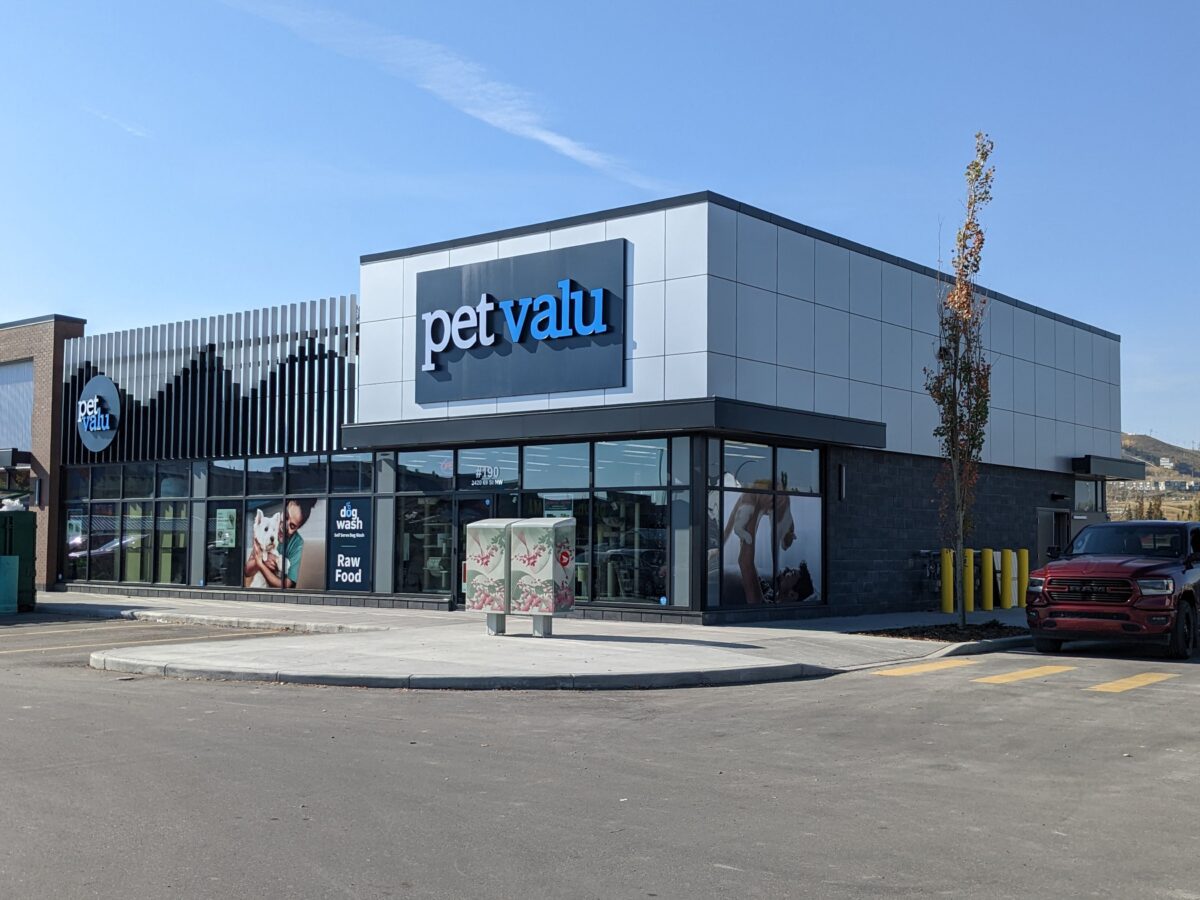
“We also expect the role of pets in families will continue to grow. We’ll keep opening around 40 stores a year, as we see an opportunity to have over 1,200 stores in Canada. We recently opened our 835th store, and we’ll keep opening about 40 stores annually. We’ll also continue reinvesting in our older stores and aim to be there for customers both in-store and online.”
According to IBISWorld, Canada’s pet stores have performed strongly in recent years. Cats, dogs, fish and birds remain popular home companions and owners are increasingly spending on their care. High existing ownership rates, combined with an increasing number of new parents, have supported demand for industry products. During the pandemic, demand for animal companionship and the required products spiked. Even after COVID-19, demand for products and services remained high, although revenue increased slower. Over the past five years, industry revenue is expected to grow at a CAGR of 3.8% to $3.8 billion, including an increase of 0.4% in 2024 alone. However, industry profit decreased over the past five years as wage growth outpaced revenue, said a report.
Photo by Helena Lopes
Traditionally, small and independently owned stores have endured mounting competition from supermarkets and mass merchandisers. In addition to luring consumers with competitive prices, these retailers offer the convenience of one-stop shopping. In response to heightened competition, pet stores have emphasized specialty services, like one-on-one consultations with pet nutritionists and veterinarians. Grooming and premium boarding options have also grown in popularity as stores aim to leverage their price-premium retail space and increase foot traffic. Also, pet stores have become actively engaged in community initiatives and partnerships with animal shelters, charities and adoption services. Such involvement helps raise consumer awareness and drives foot traffic to pet stores, noted the report.
Through the end of 2029, stores will maintain strong growth, although at a slower rate than the previous period. As the economy continues its upward trajectory and pet ownership continues to rise, revenue will be supported by strong demand for pet products and services. However, competition from supermarkets and discount department stores is expected to accelerate, limiting demand and threatening profit growth. Consequently, industry revenue is expected to increase at a CAGR of 1.4% to $4.1 billion through the end of 2029, added the report.
Trends and Insights according to IBISWorld:
Pet ownership rates have increased over the past five years, benefiting pet stores. This trend was driven by consumers having increased leisure time during most of the period.
Pet food is the largest product segment in the industry. The non-discretionary and frequent nature of purchasing pet food keeps demand for this segment high and steady.
The geographic distribution of the Canadian Pet Stores industry closely follows the distribution of the population. The number of pet stores is primarily dependent on the number of households in each region because it generally increases the number of pets in the area.
Pet stores compete with each other based on price, quality and product selection, similar to most retail industries. Customer service is also a key point of competition, given that consumers are particular about their pets.
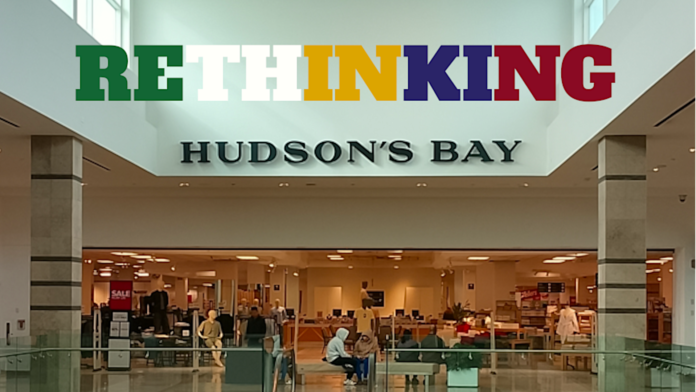
As Hudson’s Bay continues liquidating the majority of its stores across Canada, the question many are asking is whether the iconic 354-year-old retailer can still be saved. For Ashwin Raman, a seasoned retail and interior design strategist, the answer is a resounding yes—but only if the company adopts bold and practical solutions centred around design thinking and customer experience.
“Hudson’s Bay doesn’t need to disappear—it needs to evolve,” says Raman. “There’s still life in the brand if it takes a design-led, experience-driven, and customer-first approach.”
Ashwin Raman
A Firsthand Look: The State of Hudson’s Bay Stores
In response to the news of Hudson’s Bay’s court-supervised restructuring, Raman visited two of the chain’s Mississauga locations—at Square One and Erin Mills Town Centre—to assess the in-store experience.
“It was eye-opening,” he explains. “I went in as a designer, not just a shopper. There’s no distinct entry experience, the wayfinding is confusing, and the store feels like it’s stuck in the past.”
Raman, formerly the Director of Design at Walmart Canada and Target U.S., took a hands-on approach: walking the stores, sketching ideas, and identifying practical, low-cost solutions that could be implemented quickly.
“We’re talking about human intelligence—HI—not just AI. Sometimes the best insights come from going to the ground and seeing things for yourself,” he says.
Reimagining the Storefront: From Invisible to Inviting
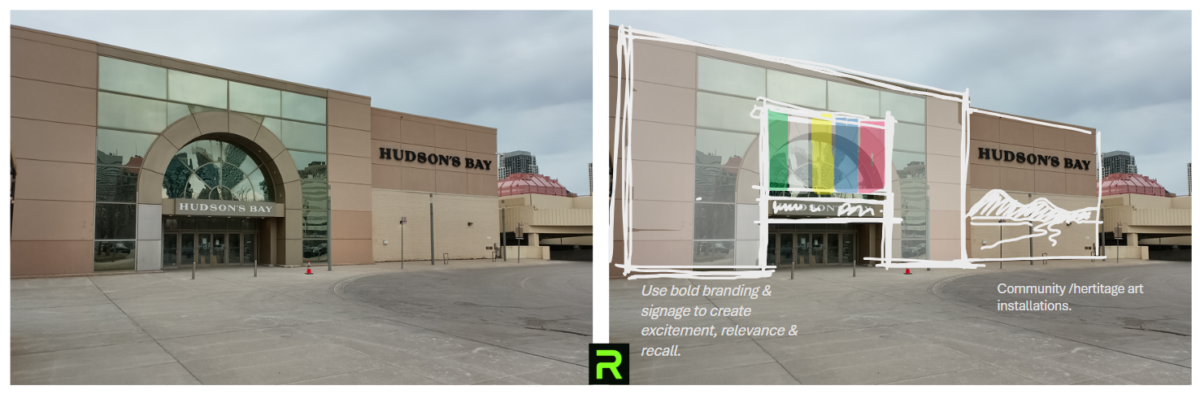
One of Raman’s key observations was the uninspired and dated storefront design.
“The brand has heritage, but you wouldn’t know it from looking at the building,” says Raman. “The façade is dull, the signage is minimal, and there’s no visual excitement to draw customers in.”
His recommendation? Add large-format digital screens at entrances for dynamic seasonal content, reinforce Hudson’s Bay’s Canadian legacy through bold typography, and transform vestibules into immersive brand moments.
“Even something simple like a storytelling wall or digital concierge screen could reframe the customer’s first impression,” he explains.
Navigating the Maze: Optimizing Layout and Floor Zoning
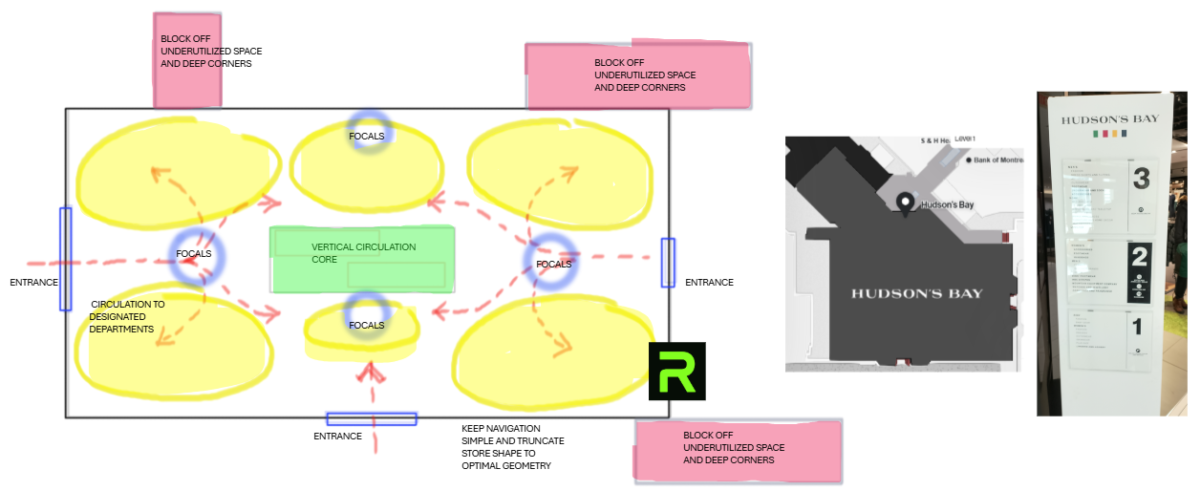
Once inside, the shopping experience doesn’t get much easier. Raman points out that stores are often far too large, with no clear zoning or intuitive customer journey.
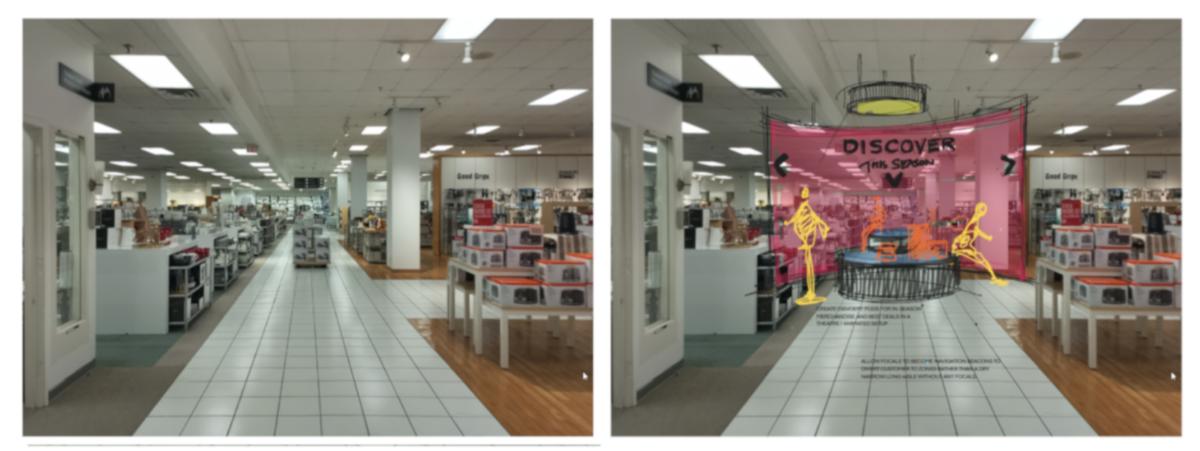
“You walk in and think: am I in women’s, men’s, home? There’s no focal point,” he says. “Retail should be about guiding customers, not tiring them out.”
He suggests reducing underperforming square footage and creating concept shops or “hero brand” zones near entrances to highlight key designers or seasonal themes. Clear signage and intuitive floor planning could vastly improve navigation.
“Why not create an artificial rectangular footprint within the store and convert dead space into storage or curated pop-ups?” Raman proposes.
Poor lighting, especially in apparel sections, was another critical issue Raman observed.
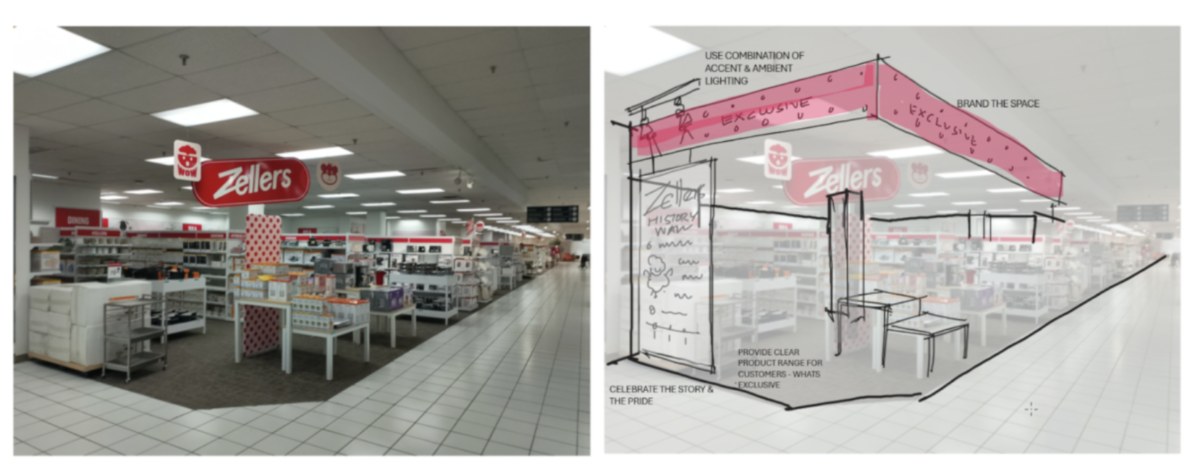
“Lighting makes or breaks a retail experience,” he explains. “Many Hudson’s Bay stores use flat, white LED panels that wash out the products. There’s no warmth, no drama.”
He advocates for targeted accent lighting, bold feature walls, and seasonal focal points to create more inviting spaces. Drawing from his background in lighting engineering, Raman suggests affordable upgrades like modular displays and adjustable lighting tracks.
“You don’t need to spend millions,” he says. “You just need to be intentional.”
Revitalizing Zellers: More Than Nostalgia
The relaunch of Zellers within Hudson’s Bay stores was intended as a value-driven draw—but Raman says the execution has fallen short.
“When I visited the Zellers section, it was dark, the carpet was dirty, and there was zero storytelling,” he recalls. “There’s so much missed opportunity there.”
His solution? Transform Zellers into a youthful, experience-focused sub-brand with engaging displays, nostalgic product tie-ins, and a clearly differentiated identity.
“Wrap it like a gift box, create a history wall about Zellers, and turn it into something people want to explore,” says Raman. “Right now, it’s just merchandise on shelves.”
Bundled Products and Smart Signage: A New Way to Sell
On the sales floor, Raman also recommends introducing “Discovery Zones” that group products into themed bundles—such as vacation kits or wedding packages—creating an instant sense of value and cohesion.
“It’s about turning shopping into storytelling,” he says. “Show people how your products fit into their lives, not just what’s on sale.”
Raman also suggests implementing smart signage through digital price tags that update automatically to reflect promotions—an approach that improves efficiency and reduces labour costs.
“You can change promotions instantly, and customers always see the best deal,” he explains. “It’s a one-time investment with long-term benefits.”
Reinventing Loyalty: Tiered and App-Based Rewards
While Hudson’s Bay has dabbled in digital loyalty, Raman argues the approach lacks depth. He recommends a tiered system that rewards long-time customers and incentivizes frequent purchases, all tied into a sleek mobile app.
“Think Canadian Tire money, but reimagined,” says Raman. “Track purchase history, recognize loyalty, and offer instant perks. It builds emotional connection.”
The Call to Action: Creative Collaboration Over Corporate Silence
As Hudson’s Bay prepares to wind down the majority of its stores by June 15—leaving only six open in Toronto and Montreal—Raman believes the brand still has a chance at survival.
“What they need is a one-day innovation workshop,” he says. “Bring together creatives, store managers, the design team, and strategists. Just put all the ideas on the table.”
He sees value in cross-collaboration to co-create a future vision for the six remaining locations, including the flagship on Queen Street in Toronto and the Montreal downtown store.
“They’re getting hit with ideas from all directions, but they need a filter—a forum to brainstorm, prioritize, and act,” he adds.
Final Thoughts: Rebuilding Canada’s Retail Icon
In Raman’s view, Hudson’s Bay still has brand equity, real estate, and a place in Canadian hearts. What it lacks is a focused vision and the courage to implement change at pace.
“The challenges are real, but they’re not insurmountable,” he says. “You can do a lot with a little—if you think creatively.”
For a retailer steeped in history, the future may hinge not on nostalgia but on nimble, customer-first design thinking. Whether Hudson’s Bay answers that call may determine if it remains a symbol of Canadian retail—or a cautionary tale.
Goodwill Industries Ontario Great Lakes, headquartered in London, Ontario, is making significant strides in sustainability while maintaining its core mission: changing lives and communities through the power of work. The organization operates the largest Goodwill territory in Canada, covering 5.1 million households. Last year alone, Goodwill Industries Ontario Great Lakes collected over 65 million pounds of donated goods, with 41 million pounds being reused and another 14 million pounds recycled, resulting in an impressive 85% diversion rate from landfills.
“We are repurposing 85% of the goods we receive,” said Bev Kobe, President and CEO of Goodwill Industries Ontario Great Lakes. “And we want to do even better than that.”
Bev Kobe, President and CEO of Goodwill Industries Ontario Great Lakes
Sustainability at the Core
Goodwill has long been a pioneer in the circular economy, ensuring that donated items are resold, repurposed, or recycled instead of being discarded. “Reuse is always our first priority,” Kobe explained. “Keeping goods in use longer and extending the life cycle of post-consumer goods is critical. North Americans are major consumers, and Goodwill’s infrastructure allows us to manage high volumes of donated goods effectively.”
To enhance sustainability, Goodwill collaborates with national brands, retailers, and industries to co-design solutions that support a circular economy. Their efforts help protect the planet, support businesses in achieving sustainability goals, and create social and economic benefits.
Take-Back Programs with Retailers
Goodwill is actively working with retailers to implement take-back programs, providing an end-of-life solution for products that would otherwise end up in landfills. These programs allow brands to return unsold or damaged goods to Goodwill, where they can be repurposed or recycled.
“We have the infrastructure to manage returns,” said Kobe. “This helps retailers reduce costs and align with emerging Extended Producer Responsibility (EPR) legislation.” Goodwill also provides valuable sustainability data to retail partners, allowing them to report on their environmental impact.
Business-to-Business (B2B) Solutions for Sustainability
Beyond working with consumers, Goodwill supports businesses and industries in achieving sustainability goals. One key initiative is de-manufacturing end-of-life products and streaming components into various recycling opportunities. This approach benefits manufacturers looking to responsibly dispose of post-industrial and post-consumer materials.
“For example, we work with an automotive manufacturer that produces interior car parts. Their unused door handles were previously sent to landfills, but we now break them down and stream their components into recycling markets,” Kobe explained. “In another case, a company producing acrylic tub surrounds sends us their waste material, which we shred and return for reuse in new products.”
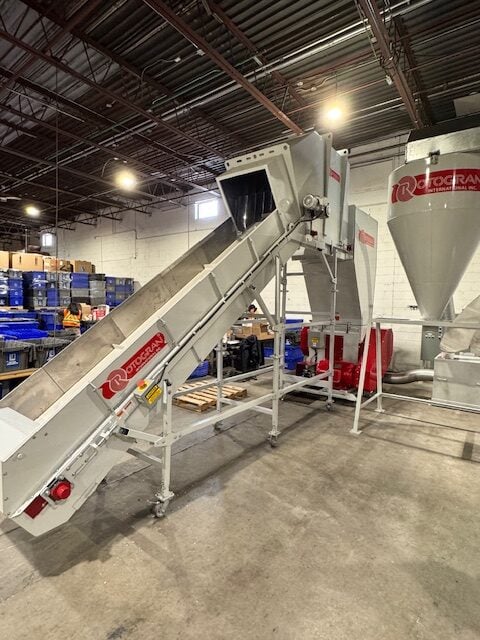
Plastics granulator at the Ontario facility. Photo: Goodwill
Investment in Plastics Recycling
Goodwill recently invested in a plastics granulator, which is expected to divert over 600,000 pounds of hard plastics from landfills in its first year alone. The granulated plastics are used by an Ontario manufacturer in the production of recycled decking.
“This initiative is a game-changer,” Kobe said. “Hard plastics were previously being discarded because there was no aftermarket solution. Now, we have a circular solution that keeps these materials in use.” Goodwill is also exploring partnerships with municipal governments to scale up plastic waste management efforts.
Biochar: A Sustainable Solution for Textile Waste
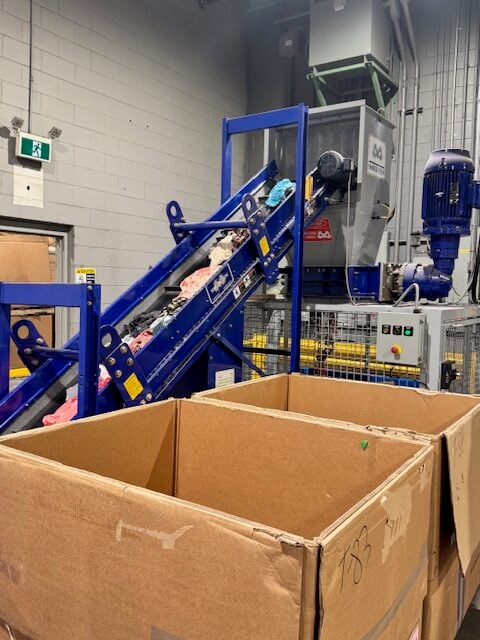
The organization is also working on innovative ways to recycle textiles, particularly the 50% of donated apparel that is not resellable. One promising initiative involves converting textile waste into biochar, which can be used as a soil amendment in agriculture.
“This process not only repurposes textiles but also produces off-gases and liquids that can be used as energy sources,” Kobe explained. “We are partnering with Western University and Fanshawe College to test and scale this solution.”
Textile shredder at the Ontario facility. Photo: Goodwill
Textile Recycling and Sorting Innovations
Textile recycling remains a challenge due to the complexity of fiber sorting. However, Goodwill is making progress by manually sorting textiles by fiber type to match them with appropriate recyclers. Some fibers are sent to mechanical recyclers to create new products, while others go to chemical recyclers that break down polyester into plastic PET for use in new textiles.
“We need scalable technology to automate textile sorting,” Kobe noted. “Currently, sorting textiles by fiber composition is labor-intensive and costly. We’re actively working with innovators to develop solutions that can help scale this process.”
The Largest Reseller and Workforce Development Provider in North America
Goodwill Industries Ontario Great Lakes is part of the broader Goodwill network, which is the largest reseller in North America, with 3,300 retail stores. Beyond sustainability, the organization is also a major job creator.
“In February alone, we created 54 new jobs in a small community with no thrift retailers,” said Kobe. “Across Canada, Goodwill added over 1,100 new jobs that month. Our mission is about people—helping those who are typically shut out of the labor market get a second chance.”
Expanding Goodwill’s Footprint
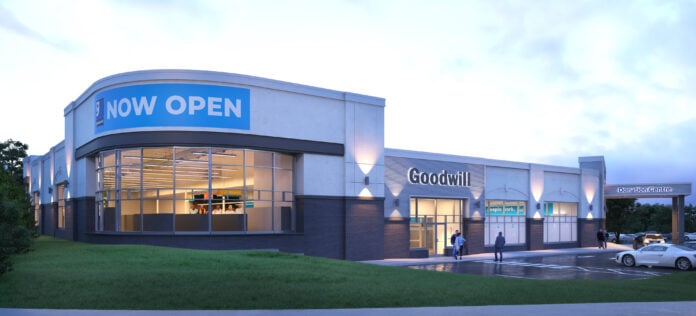
As demand for sustainable solutions grows, Goodwill Industries Ontario Great Lakes is expanding. The organization is planning to open new locations along Ontario’s Highway 401 corridor, with additional stores in the Greater Toronto Area.
“Right now, we have a store in Mississauga, a boutique in Newmarket, and a donation center on St. Clair,” Kobe said. “We aim to open three to five new stores per year for the next seven years to better serve communities.”
Goodwill corporate headquarters in London, ON. Photo: Goodwill
Driving a Nationwide Shift in Sustainability
Goodwill Industries Ontario Great Lakes is not just transforming its own operations but is also working to influence sustainability efforts across Canada. Kobe envisions a regional hub model where Goodwill collaborates with non-profit and for-profit thrift retailers to create a national recycling framework.
“This isn’t just about Goodwill,” Kobe emphasized. “We need to bring together business, industry, and government to co-design circular solutions that keep goods in our local economy. Our long-term goal is to create a model that can be replicated nationwide.”
A Call for Collaboration
As governments move toward stricter regulations on waste management, Goodwill is positioning itself as a key partner for retailers, brands, and industries seeking sustainable solutions.
“Our ability to track data and report on sustainability outcomes is a huge advantage,” Kobe said. “We can provide retailers with detailed insights on how much of their product we’ve repurposed and where it has gone, helping them meet environmental, social, and governance (ESG) requirements.”
The future of sustainability in Canada may well depend on initiatives like those led by Goodwill Industries Ontario Great Lakes. As the organization continues to innovate and expand, it offers a compelling example of how circular economies can be both environmentally responsible and socially impactful.