Leading provider of cloud-based point-of-sale and e-commerce solutions Lightspeed Commerce Inc. has introduced a new product aimed at revolutionizing the retail industry. The company’s latest offering, Retail Insights, promises to equip Canadian retailers with powerful data-driven tools to optimize their inventory management and capitalize on sales opportunities.
With its new Retail Insights platform, Lightspeed is taking a significant step forward in addressing the evolving needs of modern retailers. The comprehensive suite of analytical tools leverages historical and real-time data to forecast demand, predict stock-outs, and streamline the purchase order process.
Dax Dasilva, CEO and Founder of Lightspeed, emphasized the importance of advanced insights in today’s rapidly changing retail landscape. “Retailers need cutting-edge tools to keep pace with the demands of their customers, suppliers, and staff,” Dasilva stated. “Retail Insights provides our clients with a clear view of product performance, sales trends, and inventory levels, enabling them to make informed decisions and plan for increased sales opportunities.”
The platform’s features are designed to adapt to the diverse needs of retailers, regardless of catalog size, supplier network, or number of locations. One of the key functionalities is the ability to estimate missed sales due to out-of-stock periods, allowing merchants to make more accurate ordering decisions. This feature alone has the potential to significantly reduce lost revenue opportunities for retailers.
Another notable aspect of Retail Insights is its forecasting capability for non-seasonal replenishment. By analyzing past sales volumes and stockouts, the system can suggest order quantities, eliminating the need for time-consuming manual estimations. This feature is particularly valuable for retailers dealing with a wide range of products and fluctuating demand patterns.
The platform also streamlines the purchase order process by allowing merchants to create draft orders directly from inventory reports. This integration saves time and reduces the risk of errors that can occur when switching between different systems or screens.
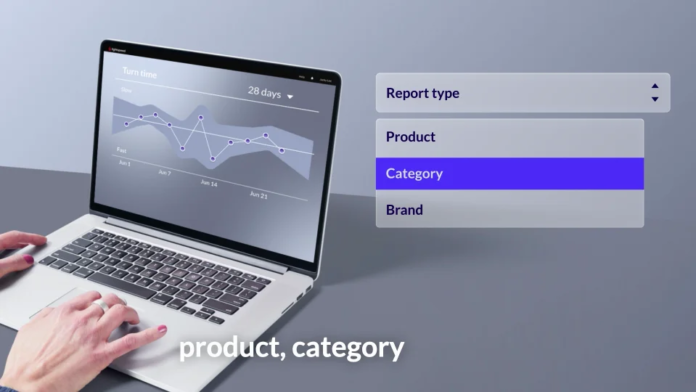
For retailers seeking a deeper understanding of their business performance, Retail Insights offers detailed visual reporting on various metrics. Users can track daily, weekly, or monthly trends at a glance, while also diving into granular data on product performance and costs. The ability to customize and save reports according to specific requirements further enhances the platform’s utility for strategic decision-making.
Lightspeed says its commitment to innovation is evident in its impressive client roster, which includes renowned brands such as Birkenstock in Australia, Evenko and Air Canada in Canada, and L’Occitane in New Zealand. The company’s solutions are currently available in several countries, including Canada, the United States, the United Kingdom, and Australia.
7-Eleven is facing potential store closures in Winnipeg, long hailed as the Slurpee capital of the world.
According to two Winnipeg city councillors, 7-Eleven executives have disclosed that 10 stores within the city limits are at risk of shutting down due to ongoing challenges with crime and shoplifting. The company is reportedly seeking assistance to prevent these closures, which could significantly affect local neighbourhoods and consumers.
This is not the first time 7-Eleven locations in Winnipeg have faced closure threats. In late 2019, the William Avenue store was shuttered due to criminal activity, leaving a noticeable gap in the community.
Councillors met with 7-Eleven officials, including the CEO and a local store manager, to discuss the dire situation. The company representatives explained that several locations are incurring significant losses due to rampant shoplifting and criminal activities, making their operations unsustainable.
The potential closures pose a particular concern for inner-city and North End residents who rely on 7-Eleven stores for accessible food options.
In response to the crisis, 7-Eleven has called upon city officials to help develop solutions to curb criminal activity at their stores. Discussions have included proposals for increased police patrols and the possibility of implementing security measures similar to those used in Liquor Mart locations.
The province of Manitoba is currently funding a police overtime program targeting businesses affected by retail theft.
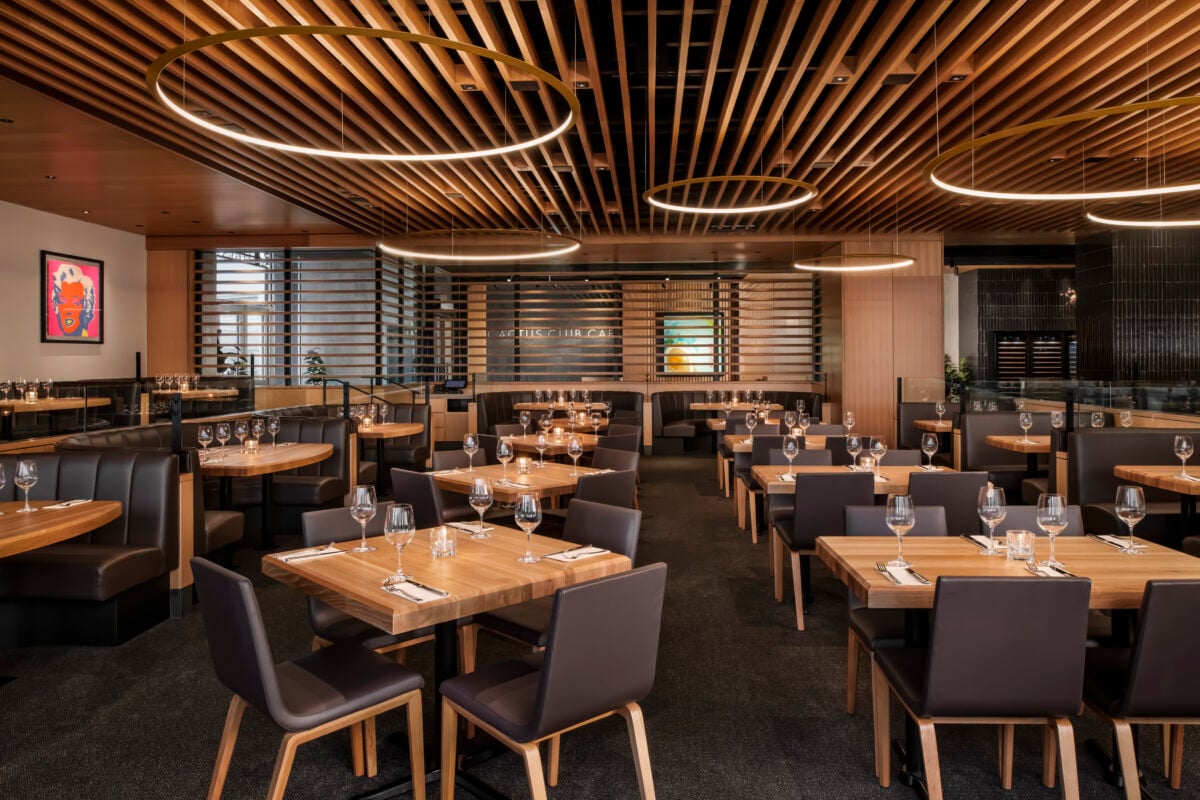
The new establishment, spanning over 14,000 square feet, will accommodate more than 350 diners, offering a diverse menu that caters to lunch, happy hour, dinner, and late-night crowds. This expansion marks Cactus Club Cafe’s continued growth in Ontario and its commitment to serving the Greater Toronto Area.
Corina Phu, Regional Manager for Cactus Club Cafe, expressed enthusiasm about the new location: “We’re proud to unveil this eagerly awaited restaurant and bring our fresh menu and unique Cactus vibe to North York. This opening represents our continued expansion in Ontario, with plans for more locations on the horizon.”
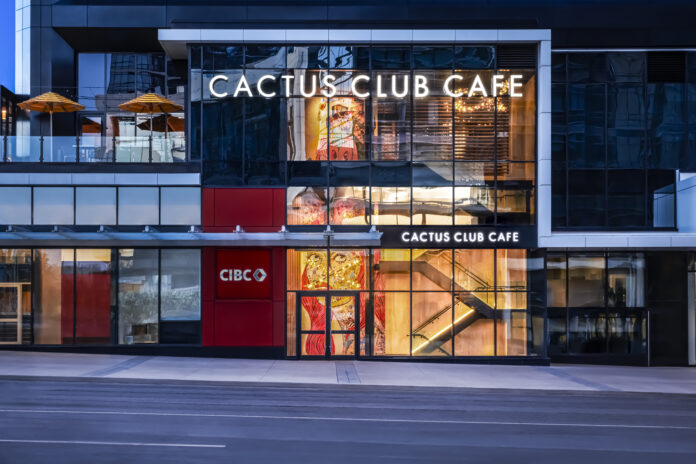
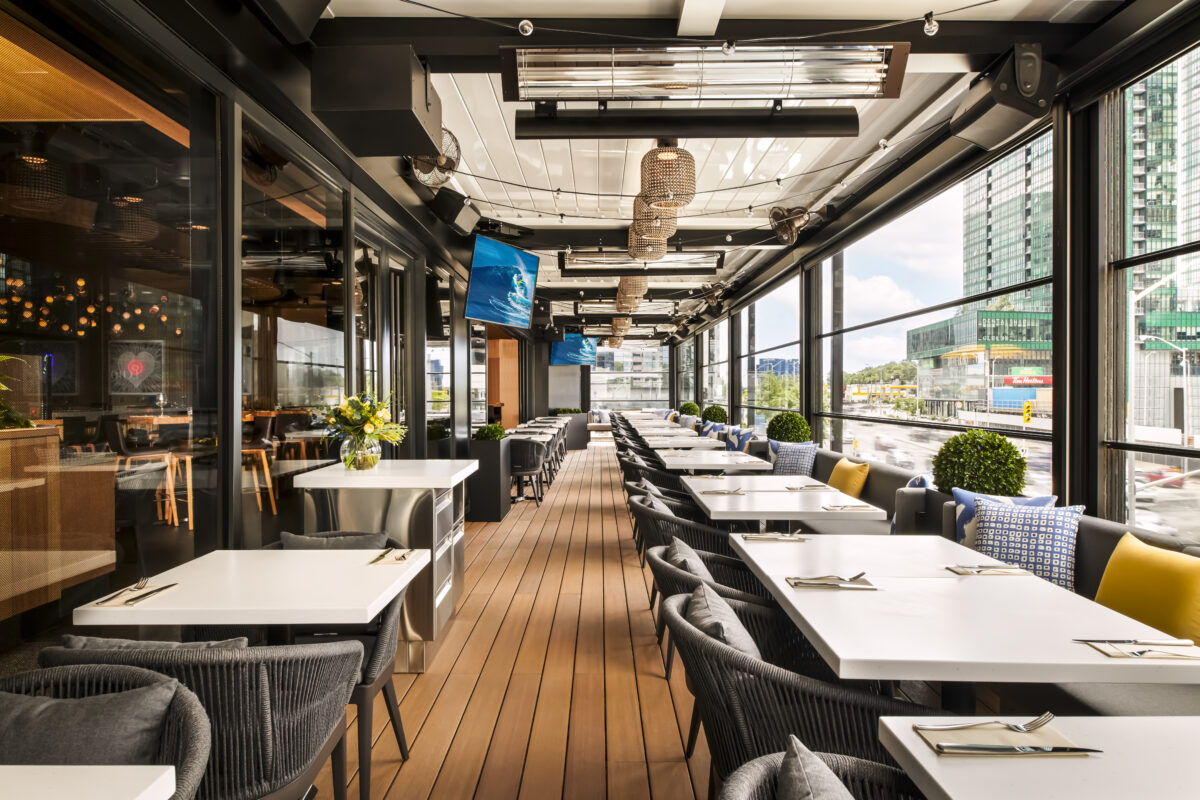
Cactus Club Cafe, Yonge Sheppard Centre in Toronto. Photo suppliedPatio at the new Cactus Club Cafe, Yonge Sheppard Centre in Toronto. Photo supplied
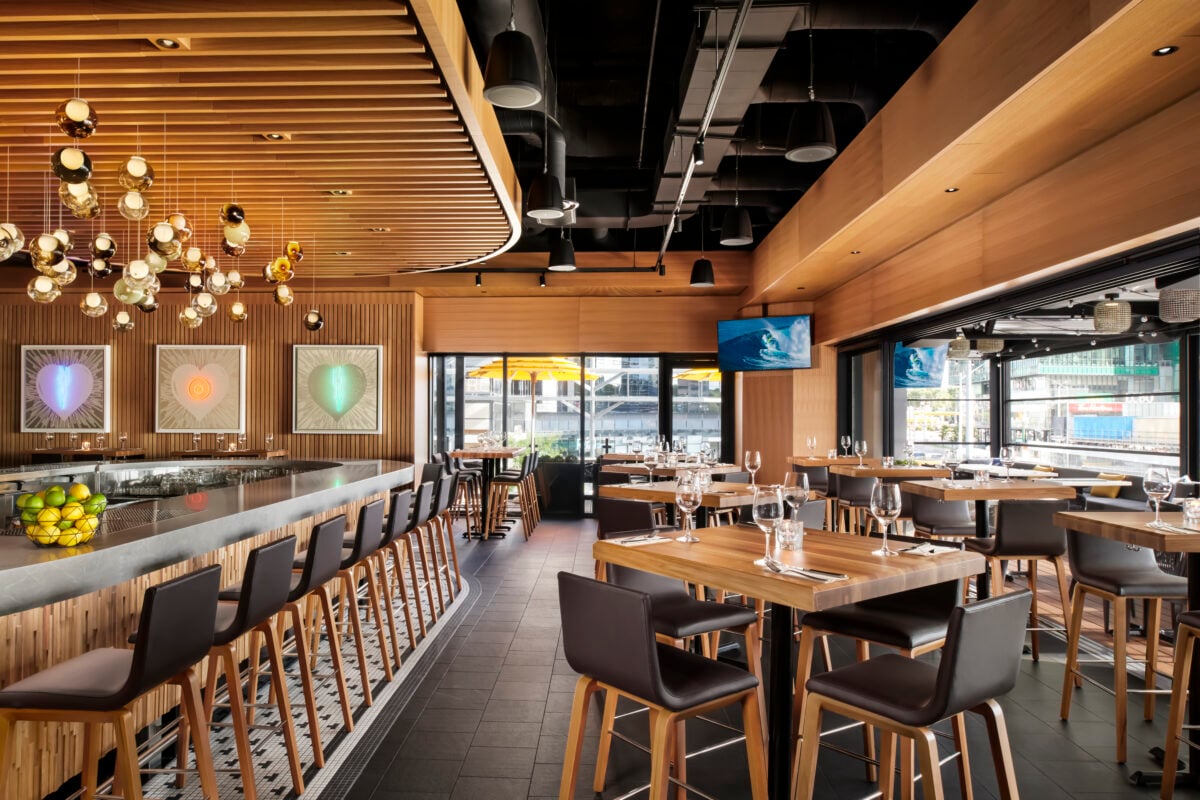
The Yonge Sheppard Centre location will feature three distinct dining areas: a lounge designed to become a North York hotspot, a warm and inviting dining room ideal for various group sizes, and an enclosed all-season patio. Each space has been thoughtfully designed to provide a unique atmosphere while maintaining the signature Cactus Club Cafe experience.
Culinary offerings at the new location will be overseen by Regional Chef Paul Woodham and Red Seal Chef Jared Cachero, ensuring the high standards of quality and consistency that Cactus Club Cafe is known for. The menu will include new items such as Thai Red Curry, Green Goddess Salad, and London Fog Crème Brûlée, alongside an extensive selection of beverages, including custom cocktails and a sommelier-selected wine list.
In line with the company’s commitment to sustainability and local sourcing, the Yonge Sheppard kitchen will partner with organizations like the Canadian Roundtable for Sustainable Beef and Ocean Wise™ to promote improvements across the food supply chain and support Canadian farmers.
The restaurant’s interior will feature standout art pieces, including a two-level mural by Toronto artist Daniel Mazzone, Andy Warhol prints, and neon-lit works by Miami artist Rubem Robierb, adding to the vibrant and stylish ambiance.
As part of its community engagement efforts, Cactus Club Cafe will be raising donations during its training dry runs, with all proceeds going to North York Community House, an organization that assists newcomers to Toronto in settling and integrating into their community.
The new Cactus Club Cafe at Yonge Sheppard Centre will be open seven days a week, offering daily Happy Hour specials and half-priced bottles of wine every Tuesday. Its location provides easy access via public transit and secure underground parking for those driving.
Cactus Club Cafe, founded in 1988 in North Vancouver has evolved from a single restaurant to a prominent chain of premium casual dining establishments across Canada. The brainchild of former Earls waiters Richard Jaffray and Scott Morison, Cactus Club Cafe emerged from humble beginnings, with the founders selling their first venture, “Café Cucamongas,” to fund their new concept.
The company’s journey has been marked by strategic expansion and culinary innovation. By 1998, just a decade after its inception, Cactus Club Cafe had already established 10 locations across British Columbia and Alberta, demonstrating its appeal and success in Western Canada. The chain’s growth continued steadily, reaching 19 locations by 2008.
Today, Cactus Club Cafe boasts over 30 locations across Canada, with a presence in British Columbia, Alberta, Saskatchewan, and Ontario. The company’s expansion into Eastern Canada, including its growing footprint in Toronto, represents a new chapter in its national growth strategy.
In February 2022, a significant change in ownership occurred when the Fuller family acquired full control of Cactus Club Cafe from Richard Jaffray.
Canadian food and pharmacy retailer Metro Inc. says it is witnessing a significant shift in consumer shopping habits as discount grocery stores continue to outperform their conventional counterparts. This trend, which has been gaining momentum in recent years, is putting increased pressure on traditional store models and forcing retailers to adapt.
Eric La Flèche, CEO of Metro Inc., addressed this challenge during the company’s third quarter earnings call on Wednesday, August 14. He emphasized the need for conventional stores to differentiate themselves and enhance the customer experience. “The experience for the customer has to be elevated,” La Flèche stated, highlighting the company’s strategy for its Metro banner stores.
To combat the growing popularity of discount grocers, Metro says it is investing heavily in its conventional stores and loyalty programs. The company aims to provide a unique offering that sets it apart from discount competitors. This approach is being implemented on a market-by-market and store-by-store basis, tailoring the shopping experience to local consumer preferences.
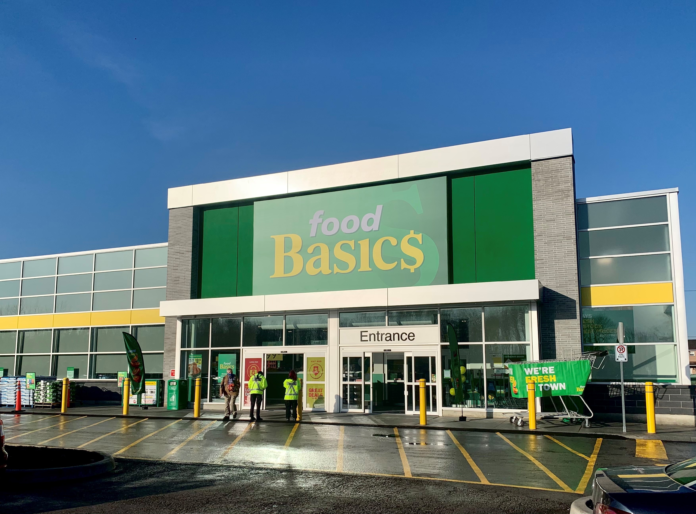
Metro Inc. operates a diverse portfolio of retail brands across Ontario and Quebec. In addition to its namesake Metro stores, the company owns the Jean Coutu pharmacy chain. On the discount side, Metro operates Super C in Quebec and Food Basics in Ontario. The multi-banner strategy allows the company to cater to various consumer segments and price points.
La Flèche noted that in markets where no conversions between formats have occurred, discount stores are experiencing faster growth than conventional stores. This trend underscores the importance of maintaining a presence in both market segments. “That’s why we like to have both banners, and we go to market with both banners,” he explained.
The company reported higher food same-store sales for its third quarter, primarily driven by its discount banners. However, La Flèche expressed satisfaction with the performance of conventional stores on a relative basis, despite acknowledging the pressure they face in both Quebec and Ontario markets. When combining discount and conventional sales, Metro is seeing gains in market share and sales volume.
Expansion plans are underway for Metro Inc., with six Super C stores already opened this year. The fourth quarter will see the addition of a Food Basics store in Ottawa, a Super C in Montreal, and a Metro location in Ottawa. These openings reflect the company’s commitment to growing its presence in key markets.
La Flèche observed that the discount market is growing more rapidly in Quebec compared to Ontario, partly due to square footage additions and massive conversions by a competitor. He said that he anticipates that once this conversion wave ends, the Metro banner will be well-positioned to resume growth, while the Super C banner will continue to capture growth in the discount sector.
The town of Banff has decided against keeping its summer pedestrian zone on Banff Avenue. The decision comes after a recent vote that has sparked considerable debate among residents and visitors alike.
The Town of Banff, renowned for its stunning natural beauty and bustling tourism industry, held a referendum this week to determine the fate of the pedestrian zone. The initiative, which began in 2020 as a response to the COVID-19 pandemic, had become a popular feature during the summer months. However, the voting results reveal a divided community, with a narrow majority opposing the continuation of the car-free area.
Out of 2,523 votes cast, 1,328 residents voted against maintaining the pedestrian zone, while 1,194 supported its continuation. This close margin highlights the complexity of balancing tourism, local business interests, and community preferences in a town that relies heavily on visitor traffic.
The pedestrian zone, which operated annually from the May long weekend to the Thanksgiving long weekend, had transformed Banff Avenue into a vibrant, walkable space. It featured additional public seating, bicycle parking, and flower planters, creating an inviting atmosphere for both tourists and locals. Many restaurants had expanded their patios onto the street, while retailers took advantage of the increased foot traffic with outdoor displays.
As a result of the vote, the Banff Town Council is now required to pass a bylaw rescinding the original decision to maintain the annual summer pedestrian zone. The dismantling process will begin promptly after the bylaw is passed, with the removal of public amenities, followed by the deconstruction of restaurant patios and retail displays.
The town will also need to make several logistical changes to accommodate the return of vehicle traffic. This includes adjusting traffic light signal timing at key intersections such as Wolf Street and Buffalo Street, and coordinating with lights on Spray Avenue. The gates that allowed Roam Transit to enter the pedestrian zone will be removed, along with the large planter barricades at each end of the zone and on Caribou Street.
The decision to create a pedestrian zone on Banff Avenue was initially implemented in 2020 as part of the town’s response to the COVID-19 pandemic. It continued through subsequent summers and was maintained as a pilot project in 2022 and 2023. Earlier this year, in January 2024, the Banff Town Council had voted to make the annual pedestrian zone a permanent summer feature.
However, the decision faced opposition from a group of residents concerned about the impacts of traffic being detoured off Banff Avenue. In March, these residents submitted a petition to overturn the council’s decision, leading to the recent vote.
It comes at a time when other cities are pedestrianizing streets, with mixed success. Business owners in Vancouver’s Gastown area complain that business is down after Water Street had cars removed for the summer, and Montreal has also been pedestrianizing streets with what appears to be greater success.
Canadian grocery and pharmacy retailer Metro Inc. reported a decrease in third-quarter profit despite a notable increase in sales.
The Montreal-based retailer announced a profit of $296.2 million for the quarter ended July 6, down from $346.7 million in the same period last year. This translates to earnings of $1.31 per diluted share, compared to $1.49 per diluted share in the previous year. Despite the profit decline, Metro’s sales showed a positive trend, rising 3.5% to reach $6.65 billion, up from $6.43 billion in the corresponding quarter of the previous year.
Metro’s food segment demonstrated resilience, with same-store sales increasing by 2.4%. The pharmacy division performed even stronger, posting a 5.2% gain in same-store sales. This growth was driven by a 6.3% increase in prescription drug sales and a 3.0% rise in front-store sales, highlighting the diverse strengths within Metro’s retail portfolio.
Eric La Fleche, Metro’s Chief Executive Officer stated, “We recorded solid comparable sales growth in the third quarter, on top of a very strong quarter last year, reflecting effective merchandising and good execution in our food and pharmacy banners.” This growth is particularly noteworthy given the challenging comparison to the previous year’s robust results.
However, Metro faces significant operational changes that may impact its financial outlook. The company had previously warned investors about potential headwinds in its 2024 fiscal year related to the transition to new distribution centres. These facilities, located in Terrebonne, Quebec, and Toronto, Ontario, represent a major investment in Metro’s supply chain infrastructure.
Providing an update on this transition, La Fleche noted, “Our new automated fresh and frozen facility in Terrebonne is now fully operational with productivity levels ramping up in line with our plans, and the transfer to the last phase of our automated fresh facility in Toronto has begun.” The progress suggests that Metro is navigating the complexities of modernizing its distribution network while maintaining its market position.
The company’s adjusted earnings per diluted share remained steady at $1.35, matching the figure from the same quarter last year.
Coffee giant Starbucks has been struggling of late and this week, after reporting declining worldwide sales, the company announced a change of leadership at its top level.
It’s an indication that all is not well for the corporation these days.
“Once the gold standard of coffee culture, it now faces a stark reality: it’s struggling to maintain its allure in a rapidly evolving market. Let’s start with the simple argument that economically, a cup of coffee at this brand is a luxury for many, and that’s why sales are dropping. That’s just the tip of the iceberg.
“Many issues are challenging Starbucks. Let me be blunt: you don’t part with a CEO because sales decline in a slower economy. There is something more under the brand that isn’t working, and the board of directors acted. Given (the recent) announcement, a search has been underway for a while.
He said COVID changed the work culture in society and as a result, fewer people meet in person for coffee because we can stream meetings.
In China, Starbucks is being beaten by LuckIn, a Chinese brand that offers affordable coffee and has twice as many stores.
“Over the last few years, the brand has been at odds with its own employees, who turned to unions for job security. This was an Artisan Coffee Maker with a cult following of caffeine drinkers looking for innovative brewed mixes. Baristas were the talk of every retailer, who highlighted their service skills as a model to follow. That was the past. Then came the drive-thru, which moved consumers from sitting in the store to sitting in their cars, never allowing them to experience the brand’s culture.
“When you change consumer models so drastically, something will break in the brand. I am sure that they have lost sales in second cups of coffee and food. What’s missing is greater product innovation, and the in-store experience has to be brought back to life, inviting guests back in to have a seat, listen to music, talk to people, and do their work! Starbucks needs to revive its alchemy if it wants to differentiate itself from all the other fast-food giants that have drive-thrus and sell coffee. Right now, they are beginning to look like everyone else in the food service industry. The new CEO has to figure out how to reassemble this whole thing.”
“Then the rest of the coffee world began catching up. But instead of doubling down on its core strengths – things like community, customer experience and craft – Starbucks instead began commoditizing its own brand by doing away with many of the cultural and experiential elements that made them so special and important in people’s lives, replacing them with label printers, a watered down loyalty programme and drive-thrus,” he said.
“In my opinion the brand has never been the same since Howard Shultz left and later returned as CEO in 2008 to salvage the brand. At the time Shultz said that “growth had become the strategy.” And that, he maintained had killed the soul of the company. Shultz righted the ship but I’m not sure he ever regained the soul.”
Bruce Winder
Bruce Winder, retail analyst, advisor and speaker, said Starbucks finds itself in an unfavorable position on many fronts and has thus taken the drastic step of replacing its CEO after a short tenure.
“Numerous issues circle the company including poor value perception after raising prices too high and too often, slow execution times in store that have frustrated guests and delivery drivers, slow sales, issues surrounding employee unionization and boycotts as a result of the war in the Middle East,” he said.
“Exacerbating this situation is the current flight to value by the global consumer who has changed how they see premium brands and premium consumption. People are scrutinizing every purchase as interest rates remain elevated (but are decreasing) and inflation, although lower than previous years, leave consumers with elevated prices to contend with.
“Starbucks was once the poster child for social consciousness and has strayed from this positioning of late. Hopefully new leadership will help the troubled brand reclaim their once enviable position.”
Michael Kehoe
Michael Kehoe, Broker of Record at Fairfield Commercial Real Estate Inc., said the coffeehouse business in Canada is extremely competitive and the world’s largest coffee chain, the multinational Starbucks is facing challenges globally that include headwinds at its Canadian store operations.
“This is a big company with complex problems experiencing recent slumping same-store sales and store traffic numbers. Starbucks is a premium brand in the coffeehouse category and with Canadian consumers under increasing financial pressures the firm’s value proposition with its Canadian customer is rather fuzzy,” he said.
“The Canadian Starbucks customer experience is nothing special and the firm’s food offerings for the most part are weak and unappealing. I can’t think of a menu innovation, marketing program or a memorable customer experience at a Canadian store in recent memory and I am a frequent customer. To recapture lost sales and customer footfall there needs to be a focus on efficient coffeehouse operations. This will include a focus on the speed of service, new food offerings and the overall customer experience to differentiate the chain from its numerous competitors.
“The repositioning of many stores to add drive-thru capability and the closure of underperforming stores are all positive moves for the Starbucks Canadian store network. Price conscious Canadian consumers vote with their feet and their wallets, and I am confident that the big ‘green mermaid’ brand with new leadership at the top will win Canadian customers back to regain their sales and traffic momentum.”
“For years, the brand was a pioneer, offering a distinct value proposition centred on a premium coffee experience, featuring high-quality, ethically sourced beans, and establishing itself as a welcoming “third place” for consumers. Starbucks set itself apart through personalization, consistency, and by cultivating a global coffee culture that turned coffee consumption into a lifestyle. However, this clear, singular purpose has faded over time,” he said.
“As competitors adopted similar concepts, Starbucks’ once-unique proposition began to blur in the eyes of consumers. This shift prompted customers to scrutinize quality, pricing, experience and brand values more critically, often finding greater value elsewhere. Despite intensifying competition, evolving consumer preferences, rising operational costs, and broader economic pressures, Starbucks must realign with its core audience and reconnect with it on a more personal level. Indeed, Canadians increasingly favour brands that resonate with their values and communities.
“To regain its edge, Starbucks could look to McDonald’s successful global-local strategy, tailoring its offerings to better reflect Canadian tastes and preferences, introducing locally-inspired menu items, and collaborating with local brands and influencers to reestablish an authentic connection. Ultimately, by speaking directly to Canadians and Québécois in their own tonality, lifestyle, and cultural codes, Starbucks would touch Canadians at the heart, revitalizing its relevance and fostering deeper emotional connections with its customers.”
Recently, Starbucks announced that Brian Niccol has been appointed chairman and chief executive officer. Niccol will start in his new role on September 9, 2024. Starbucks chief financial officer, Rachel Ruggeri, will serve as interim CEO until that time. Mellody Hobson, Starbucks board chair, will become lead independent director.
Niccol currently serves as Chairman and CEO of Chipotle.
Laxman Narasimhan is stepping down from his role as CEO and as a member of the Starbucks board with immediate effect.
Starbucks recently announced its financial results for its 13-week fiscal third quarter ended June 30, 2024, which showed that global comparable store sales declined three per cent, driven by a five per cent decline in comparable transactions, partially offset by a two per cent increase in average ticket.
The company opened 526 net new stores in Q3, ending the period with 39,477 stores: 52 per cent company-operated and 48 per cent licensed.
Consolidated net revenues declined one per cent to $9.1 billion.
Businesses in the retail and hospitality sectors should be aware that federal government recently made a few updates to the Temporary Foreign Worker Program including: tighter enforcement of the 20 per cent cap on temporary foreign workers; stricter oversight in high-risk areas during Labour Market Impact Assessment (LMIA) processing and inspections; and potential LMIA fee increases and regulatory changes regarding employer eligibility.
“More concerning however was Minister (Randy) Boissonnault’s (Minister of Employment, Workforce Development and Official Languages) warning that he is considering eliminating future applications under the low-wage stream of the program. While many of these elements are proposals for now, his tone and possible change in policy direction could hurt retailers who use temporary foreign workers. RCC is actively engaged with other stakeholders to oppose these changes due to their potential impact on retailers facing labour shortages,” said the Retail Council of Canada.
Photo by Paul Efe
In a statement, Restaurants Canada said it supports the federal government’s announcement that it is considering new regulations aimed at enhancing the integrity of the Temporary Foreign Worker program and is seeking long-term solutions to address the labour shortage.
It said the restaurant industry was devastated during the COVID pandemic with many workers leaving due to the uncertainty of steady employment. The use of the TFW program was necessary to allow the industry to reopen and recover following the lifting of public health restrictions. As a result, the percentage of the restaurant industry’s workforce made up of TFWs increased from one per cent pre-COVID to three per cent post COVID (made up primarily of cooks and supervisors). Restaurants Canada is expecting use of the program to continue to steadily decline over the next year.
Today, the foodservice industry has 73,000 job vacancies, but the organization said its focus now is on longer-term solutions, specifically providing opportunities for newcomers such as refugees and asylum seekers to fill the gaps permanently. There are currently more than one million of these individuals without work in Canada.
Kelly Higginson
“Our priority is not TFW’s, but to provide unemployed newcomers, already in Canada, with employment opportunities in our industry,” said Kelly Higginson, President and CEO of Restaurants Canada. “These individuals are facing significant barriers to employment, and we have asked Minister Boissonnault’s office to help facilitate matching and training for these individuals. This kind of program would represent a win-win-win scenario for governments, newcomers and the restaurant industry.”
“There is a place for the TFW program, particularly in areas without the population to support services, such as seasonal tourist destinations. Now the government’s attention needs to turn to supporting the more than one million newcomers already in Canada without a job.”
The federal government said Canada’s Temporary Foreign Worker program is designed as an extraordinary measure to be used when a qualified Canadian is not able to fill a job vacancy. When an employer hires a temporary foreign worker, they are required to provide a healthy and safe workplace, and to treat employees with dignity and respect.
Recently, Boissonnault said the TFW Program cannot be used to circumvent hiring talented workers in Canada, and the federal government will take further action to weed out misuse and fraud within the system.
“I’ve been clear over the last year; abuse and misuse of the TFW program must end. The health and safety of temporary foreign workers in Canada is a responsibility I take very seriously. Bad actors are taking advantage of people and compromising the program for legitimate businesses. We are putting more reforms in place to stop misuse and fraud from entering the Temporary Foreign Worker Program.”
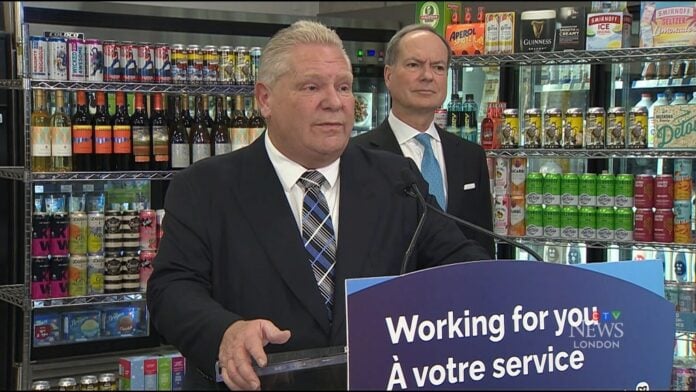
Screen shot from a CTV News broadcast with Ontario Premier Doug Ford
Ontario’s convenience store landscape is on the brink of a significant transformation as the province gears up to allow alcohol sales in these retail outlets. Beginning September 5, 2024, more than half of Ontario’s convenience stores will be permitted to stock their shelves with beer, cider, wine, and ready-to-drink alcoholic beverages, marking a pivotal shift in the province’s alcohol retail strategy.
According to the Alcohol and Gaming Commission of Ontario (AGCO), 3,866 convenience stores have already secured their liquor licenses, with 1,617 of these licenses—approximately 42 percent—being issued to gas stations. The development affects more than 50 percent of Ontario’s estimated 6,700 convenience stores.
While convenience stores are set to begin alcohol sales in early September, newly licensed grocery stores will follow suit on October 31. The staggered approach allows for a gradual implementation of the new policy, giving retailers and regulators time to adjust to the expanded marketplace.
The AGCO has emphasized that despite receiving their licenses, stores are strictly prohibited from selling alcohol before the official start dates. To ensure compliance and maintain responsible sales practices, the commission has bolstered its inspection capacity by approximately 25 percent. The increase in oversight is supported by additional funding from the provincial government.
Eligible stores must meet a series of criteria outlined in the province’s Liquor Licence and Control Act to obtain and retain their liquor licenses. These requirements include a comprehensive compliance monitoring process and specific operational guidelines. For instance, employees involved in alcohol sales must be at least 18 years old and complete an AGCO Board-approved training program. Additionally, alcohol sales are restricted to the hours between 7 a.m. and 11 p.m., seven days a week, regardless of a store’s regular operating hours.
Further regulations stipulate that grocery store licensees can only sell beverages with an alcohol content no greater than 7.1 percent by volume, and wine must not exceed 18 percent alcohol content. These measures are designed to promote responsible consumption and align with existing liquor control policies.
The expansion of alcohol sales to convenience stores has not been without controversy. The move prompted a strike by approximately 10,000 Liquor Control Board of Ontario (LCBO) workers earlier this summer, who expressed concerns about the potential impact on their job security. The dispute was resolved with a three-year agreement that includes wage increases, the conversion of casual positions to permanent part-time roles, and assurances against store closures during the contract period.
KORT Payments, formerly known as Merrco Payments, is making headlines with its recent rebranding and strategic shift, led by industry veteran and CEO Joel Leonoff. The move signifies a significant transformation in the payment processing sector, particularly as the company aims to expand its footprint beyond its Canadian origins.
Joel Leonoff, who has been a prominent figure in payment processing since the late 1990s, shared insights into the evolution of the industry. His journey began with BCE Emergis, where he was instrumental in developing an early online processing engine for merchants to accept Visa and MasterCard. The initial focus was on online gambling, a field that showed early promise compared to other sectors. The venture eventually led to the creation of Surefire Commerce, which evolved into Optimal Payments and then Paysafe.
Joel Leonoff
The decision to rebrand Merrco Payments as KORT Payments reflects a broader strategic shift. Leonoff highlighted the success of Paysafe, which grew significantly under his leadership, reaching a market value of around $13 billion after its acquisition by Blackstone and CVC in 2017. With the new venture, KORT Payments aims to leverage Merrco’s strong Canadian platform to tap into new markets in the United States, Europe, and South America.
Leonoff pointed out that the payment processing landscape in Canada has evolved dramatically, especially post-pandemic. Retailers face the challenge of integrating online and offline payment systems seamlessly. As consumer behaviour shifts towards hybrid models—where online purchases are often picked up in-store—the lines between online and brick-and-mortar transactions blur. This presents a unique challenge for retailers who must adapt to new payment models and fraud prevention measures.
Key challenges in the industry include optimizing conversion rates and managing fraud. Leonoff emphasized the importance of having a versatile payment system that supports various payment methods to avoid losing customers after acquiring them through costly marketing efforts. Fraud management has also become more sophisticated, with advanced tools for detecting and preventing fraudulent transactions.
Looking towards the future, digital wallets are emerging as a significant trend. Leonoff discussed various types of digital wallets, such as stored value wallets and stored credential wallets, and their applications across different industries. He also noted the rise of crypto wallets, which allow for the storage and use of cryptocurrencies. These wallets not only enhance security but also facilitate international transactions, broadening the reach for retailers.
Loyalty programs, another hot topic in payment processing, are evolving rapidly. Beyond traditional cash-back programs offered by credit card companies, digital wallets and merchant-specific rewards are gaining traction. Leonoff highlighted how loyalty programs drive consumer behaviour, citing examples like Aeroplan and various merchant-based promotions.
Leonoff also pointed to the transformative potential of data and AI in payment processing. AI is reshaping how retailers understand customer behaviour, offering more personalized and relevant experiences. This technological advancement is expected to revolutionize credit assessments and customer profiling, surpassing traditional methods like FICO scores.
As KORT Payments embarks on its new journey, Leonoff said that the company is poised to capitalize on these trends, positioning itself at the forefront of the payment processing industry’s next wave of innovation.