Home Blog Page 687

IBM Study Reveals Massive Gap Between Consumer Expectations and Retail Experiences [Interview]

Image: IBM

A new global study from the IBM Institute for Business Value reveals a widening gap between shopper demands and the current retail offering.

“IBM’s 2024 Consumer Study has uncovered that only nine per cent of consumers are satisfied with their in-store experiences and 14 per cent with online shopping. However, there is a burgeoning eagerness among consumers to embrace AI throughout their shopping journey,” said Luq Niazi, Global Managing Partner, Industries & Global Consumer Industry Leader, IBM Consulting.

Luq Niazi

“Roughly four in five consumers who haven’t yet tried AI for shopping said they would like to use it to research products, look for deals, ask questions, and resolve issues.

“This signals a clear demand for a seamless integration of technology, like AI, in retail, moving beyond the traditional paradigms to a more dynamic, personalized shopping environment. Personalization and targeted offerings are in demand, with 52 per cent of consumers surveyed interested in receiving information, advertisements, and offerings from stores that are relevant to their specific interests. The challenge and opportunity for retailers lies in responding to this eagerness for AI, leveraging the technology to enrich consumer shopping experiences at every point, from personalized recommendations to real-time inventory updates.”
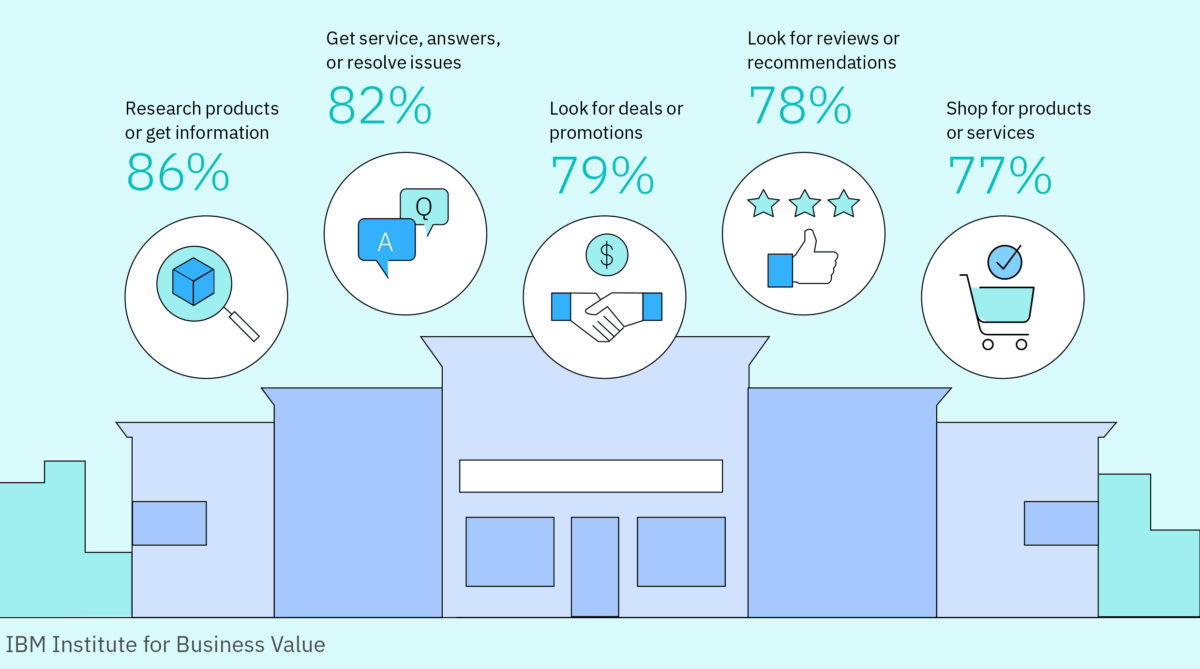
Image: IBM

He said today’s consumers are not just buying products but they are seeking an enriched shopping experience, deeply integrated with technology. 

“Our study reveals a definitive shift towards AI and digital technologies in retail. Shoppers want personalized, seamless experiences that blend the physical and digital worlds, particularly through the use of AI, virtual assistants, and augmented reality. The modern consumer, often using their mobile device as a shopping aid, which we found in IBM’s 2024 Consumer Study, expects a seamless omnichannel experience that many retailers are still striving to provide,” said Niazi.

“The current landscape shows a gap between consumer expectations and the retail experiences being offered. With satisfaction levels hovering around nine per cent for in-store and 14 per cent for online shopping, it’s clear there’s room for improvement. Retailers are making strides in integrating AI and advanced technologies, but the challenge remains to implement these tools in a way that truly resonates with the consumer’s desire for a more interconnected and intuitive shopping experience.”

To elevate the in-store experience, retailers must leverage the power of AI and digital innovation, he said.

“This includes deploying AI for personalized recommendations and assistance, using augmented reality for a ‘try before you buy’ experience, and providing real-time product information through mobile apps. Our research indicates that a majority of consumers use their smartphones in-store. Retailers who capitalize on this by offering a more digitized, interactive in-store experience will lead the way in meeting modern consumer needs,” added Niazi.

“Improving the online shopping experience is about harnessing AI for personalization and efficiency. Our findings highlight the need for online platforms that not only recommend products tailored to individual preferences but also offer a streamlined browsing experience. Effective use of AI-powered chatbots for customer service, user-friendly interfaces, and a seamless connection between online and offline channels can significantly enhance the consumer’s online journey, making shopping not just a transaction, but an engaging experience.”

Generated via AI

The study found that 55 per cent of respondents indicated they are eager for AI enhancements like virtual assistants and 59 per cent for AI applications as they shop. Influenced by inflation, six in ten consumers surveyed also say inflation has impacted how they shop, with 62 per cent saying that price is a top reason they switch stores or brands.

IBM said noteworthy findings from the study include:

  • In-Store Experience Lacks Luster: Despite a preference for physical stores by 73 per cent of those surveyed, only nine per cent are satisfied with the in-store experience. Consumers surveyed want greater variety of products available (37 per cent), more information about products (26 per cent), and faster checkout (26 per cent) in stores. Most consumers surveyed (65 per cent) are supplementing their in-store experience by using mobile apps while shopping — demonstrating a trend toward a digitally integrated in-store experience; 
  • Online Shopping Shortcomings: Online retail isn’t immune to criticism; two-thirds of consumers surveyed discover new products via the web, yet many have expressed dissatisfaction with their online shopping journey, citing challenges finding the products they want (36 per cent), not enough information about products (33 per cent), and a cumbersome return process (33 per cent);
  • Consumers Desire Digital Integration: Consumers surveyed showed a strong interest in using AI technology to enhance various aspects of their shopping. Most consumers (59 per cent) said they would like to use AI applications as they shop and four in five consumers who haven’t used the technology for shopping reported an interest in trying it. Personalization and targeted offerings are in demand, with 52 per cent of consumers surveyed interested in receiving information, advertisements, and offerings from stores that are relevant to their specific interests. Yet there remains a stark satisfaction gap for current AI assistant users surveyed. Only about one-third of responding consumers who have used virtual assistants are satisfied with the experience and nearly 20 per cent were so disappointed that they don’t want to use virtual assistants again, signalling a mismatch between current tech offerings and shopper expectations;
  • Economic Forces at Play: Economic challenges, particularly inflation, are influencing shopping behaviours. Consumers surveyed are seeking flexible payment options, with 55 per cent desiring more varied payment options and 46 per cent reporting they would like to pay for their purchase in instalments. As inflation and economic uncertainty pinch pocketbooks, 62 per cent of consumers surveyed also say price is a top reason they would switch stores or brands.

The IBM Institute for Business Value surveyed 20,000 consumers across 26 countries on their digital habits, their use of AI and generative AI, and their expectations for brands. IBM is a leading provider of global hybrid cloud and AI, and consulting expertise. It has clients in more than 175 countries.


Canadian Retail News From Around The Web For January 15th, 2024

Canadian Retail News From Around The Web

News at a Glance

Retail Insider is streamlining its Canadian retail news from around the web to include a handful of top news stories that can be viewed quickly during the day. Here are the top stories from the past three days.

Holt Renfrew CEO sets sights on future of Canadian luxury retailer (Postmedia)

Halal food industry growing to meet demand as Muslim population continues rising (CityNews)

Porsche Cars Canada reports best sales year in 2023 (Financial Post)

Climate change behind ferry disruptions and shipping delays, Marine Atlantic says (CBC)

Gildan board moves up new CEO’s start date as battle with shareholders rages on (Postmedia)

French wording must make up two-thirds of commercial signage in 2025, Quebec says (CTV)

Josh Freed: My pharmacy lost its community feel, so I’ve moved on (Montreal Gazette)

Ford government to pay for Staples retrofit as retailer looks to ‘monetize’ ServiceOntario (CityNews)

How the LCBO cleverly filled its talent pipeline during a labour shortage (Ottawa Business Journal)

Winnipeg small business owner faces uncertain future as CEBA repayment deadline looms (Global)

Calgary Co-op’s pharmacy acquisition shows focus shifting from overcrowded grocery sector: expert (Calgary Herald)

Kawartha Dairy to open first GTA store in Burlington (Burlington Today)

Beloved ADL ice-cream flavours will soon melt away from P.E.I. store freezers (CBC)

Downtown Ottawa needs ‘visionary and transformative action,’ report says (Ottawa Citizen)

Man wanted after allegedly setting fire to books in Toronto store (Global)

REMEMBER THIS: Newmarket shoppers flocked to new plazas (Newmarket Today)

Loblaw Drops 50% Discounts on Expiring Items in Act of ‘Discount-Fixing’ [Op-Ed]

Loblaw Lower Jarvis Street in Toronto (Image: Dustin Fuhs)

With rising food prices, consumers seeking deals can benefit from food rescuing. According to a recent survey conducted by our Lab, nearly 20% of consumers now regularly purchase “last day of sale” deals at grocery stores, often referred to more broadly as “enjoy tonight” deals. Some of these discounts can be significant.

However, that is about to change if you are accustomed to seeing food products discounted at 50%. Starting on January 14th, Loblaw will cease to offer “last day of sale” items at a 50% discount. Although Loblaw did not immediately confirm this, the company eventually responded to an inquiry from Dalhousie’s Agri-Food Analytics Lab, confirming the policy change. Going forward, consumers will only find products discounted at 30% in all of Loblaw’s owned and operated stores. While this policy was already in effect in some parts of the country, it is now extended nationally. So, fellow shoppers, the days of 50% discounted products are behind us. It’s disappointing, but Loblaw’s explanation for discontinuing the 50% practice deserves attention. This is what Loblaw had to say:

“Historically, our stores offered discounts ranging from 30% to 50% on ‘serve tonight’ type products. We are now moving towards a more consistent and predictable pricing strategy, aligning ourselves with our competitors. Nevertheless, we will continue to provide a range of discounts through in-store promotions and flyers, as well as offering deep discounts on food nearing expiration through the Flashfood app.”

Loblaw’s response raises two important questions. Firstly, the company states that it is aligning its discounting approach with competitors. Generally, discount-matching policies at grocery stores are not inherently seen as anti-competitive. However, if multiple grocery stores adopt similar policies to maintain high prices, even on products close to expiration, it could potentially be considered anti-competitive behaviour.

Loblaw Lower Jarvis Street in Toronto (Image: Dustin Fuhs)

What is concerning is that Loblaw may not have considered the broader public’s perception of its discount-matching strategy. It likely never occurred to them that this move could raise suspicion. This is another example of how price-fixing or discount-matching practices are prevalent in the industry, and this issue extends beyond just Loblaw. The culture within the industry seems to have normalized the coordination of prices across competitors, without admitting to it, say akin to an individual alcoholic in denial about having a problem.

In a free market, the focus should be on finding innovative ways to remain competitive, rather than simply mirroring the competition. Canadians expect more from their grocers.

The other issue highlighted by Loblaw’s statement is the role of food-rescuing apps like Flashfood. Food Hero and Too Good To Go are also other very popular apps. The change in Loblaw’s discount policy is likely to steer more “last-day sale” enthusiasts towards these apps. It is highly unlikely that Loblaw’s decision to end 50% discounts will lead to more food waste; instead, the products will be sold through other channels. What Loblaw is doing, however, is preventing more consumers from focusing exclusively on discounted items at the periphery of the grocery store, where the more profitable fresh goods are located.

While Loblaw didn’t make a public announcement about this change, it would have been appreciated for them to have released something, anything. Although this change may be frustrating, the rationale behind reducing discounts is quite perplexing. This is an issue that the Competition Bureau should investigate. Otherwise, Canadians may continue to find similar pricing strategies in all major grocery stores. If this is not collusion, it certainly appears to be very close to it.

Once again, it’s important to emphasize that this issue extends beyond Loblaw; it is an industry-wide concern that needs to be addressed. The bread-price-fixing scandal was just the tip of the iceberg.

Visual Merchandising and its Significance for Retailers [Video Interview]

The Rest by Sleep Country at Yorkdale Shopping Centre (Image: Sleep Country Canada)

Retail Insider’s Craig Patterson and Ani Nersessian, Founder at VM ID Inc., discuss the role of visual merchandising in the retail sector. Nersessian emphasizes the importance of visual merchandising in creating inviting retail environments and enhancing customer engagement. She highlights the challenges small businesses face in visual merchandising, noting that it often gets neglected due to various operational demands. She advocates for the strategic use of visual elements to optimize retail presentation and elevate customer experiences.

Ani Nersessian

Nersessian points out how larger companies set trends, and she discusses the importance of adapting these trends to fit the needs of smaller businesses. She shares her approach to consulting and package design, offering tailored visual merchandising solutions. Nersessian also touches on the psychological aspects of merchandising, such as customer navigation, product grouping, and creating an inviting space layout, which all contribute to the overall shopping experience and potentially increase sales.

Nersessian then goes on to talk about the practical aspects of visual merchandising, including the use of planograms, software tools, and the importance of experience over formal education in this field. She addresses the challenges of meeting tight client deadlines, especially during peak retail seasons, and the importance of adaptability in visual merchandising. The conversation concludes with a discussion on measuring the success of visual merchandising efforts, focusing on metrics like unit per transaction, average sales, and customer conversion rates. Ani emphasizes that visual merchandising is not just about aesthetics but is a critical component of the retail engine, driving sales and enhancing brand value.

The Interview Series video podcasts by Retail Insider Canada are available through our Retail Insider YouTube Channel where you can subscribe and be notified when new video episodes are available.

If you prefer to listen to the audio version, it is available below:

The Interview Series audio podcasts by Retail Insider Canada are available on Apple Podcasts, Stitcher, TuneIn, Google Play, or through our dedicated RSS feed for Overcast and other podcast players. Also check out our The Weekly audio podcast where Craig and Lee discuss popular content published on Retail Insider which is part of the The Retail Insider Podcast Network.

Subscribe, Rate, and Review our Retail Insider Podcast!

Follow Craig:

Follow Retail Insider:

Listen & Subscribe:

Share your thoughts!

Drop us a line at Craig@Retail-Insider.com. You can also rate us in Apple Podcasts or recommend us in Overcast to help more people discover the show!

Background Music Credit: Hard Boiled Kevin MacLeod (incompetech.com). Licensed under Creative Commons: By Attribution 3.0 License. http://creativecommons.org/licenses/by/3.0/

Thousands of Small Businesses in Canada on the Brink with CEBA Repayment Deadline Due this Week [Video Interview]

King Street in Downtown Toronto (Image: Dustin Fuhs)

Thousands of Canadian businesses could be on the brink of closure with the upcoming January 18 deadline to repay their Canada Emergency Business Account loans. 

Dan Kelly

And it’s highly unlikely the federal government will provide small businesses more time to repay their loan in order to keep the forgivable portion.

“Following many conversations with government, I’m convinced there won’t be any last-minute extension to the current January 18 deadline,” said Dan Kelly, President of the CFIB. 

“For business owners who remain eligible, now is the time to repay if you possibly can. There’s only (a few days) left to repay the loan while securing the up to $20,000 forgivable portion. And with over 900,000 small businesses holding CEBA loans and 22 per cent not in a position to repay at this time, this decision has huge implications for Canada’s economy.”

In this video interview, Kelly talks about the situation and the consequences for businesses who can’t come up with the money to repay the loan as well as the consequences of business closures to the overall Canadian economy.

The CFIB said it has been flooded with calls from panicked small business owners who are struggling to repay their loans and getting inconsistent answers and little help from government and banks. 

According to the CFIB, here are a few things CEBA loan holders need to know:

  • If you are looking to borrow to repay your CEBA loan and keep the forgivable portion, you need to apply for a refinancing loan with the bank that issued your original CEBA loan before January 18, 2024, to qualify for a special extension to March 28, 2024. As bank staff often do not understand these rules, CFIB recommends small business owners ensure they document any requests or applications for refinancing;
  • If you are rejected for refinancing from your CEBA bank, you will still qualify for the extension to March 28, 2024, as long as your account is in good standing. This provides some extra time to look for alternative financing;
  • If you remain eligible but cannot repay or borrow to repay your loan, you will lose the forgivable portion, but you will have three years until the end of 2026 to repay the balance at five per cent interest; and
  • For approximately 50,000 small businesses that have been deemed ineligible for the loan they received and spent, they have already passed their deadline of December 31, 2023 and have lost access to the forgivable portion. Collection efforts will begin in the spring of 2024. After extensive pressure from CFIB, the government announced it will provide new flexibility for these cases, including up to a two-year repayment period with no penalties and five per cent interest.
Corinne Pohlmann

“With the increase in payroll taxes (EI and CPP) on January 1, this is not a good start to 2024 for small businesses. This is all the more reason for Ottawa to reduce the cost of doing business and alleviate some of the cost pressures facing small firms. The federal government can start by returning the $2.5 billion in carbon tax revenue it promised to small businesses as soon as possible,” said Corinne Pohlmann, Executive Vice-President of Advocacy at CFIB.

The Video Interview Series by Retail Insider is available on YouTube.

Interviewed this episode:

  • Dan Kelly

Like, Share and Subscribe to Mario Toneguzzi on YouTube!

Follow Mario:

Also check out the other series offered by Retail Insider, including The Weekly podcast and The Interview Series, which are both available on Apple Podcasts, Stitcher, TuneIn, Google Podcasts, or through our dedicated RSS feed for Simplecast and other podcast players.

Follow Retail Insider:

Share your thoughts!

2024’s Top Retail Experts: Retail Insider’s Dustin Fuhs & Mario Toneguzzi Honoured [Video Interview]

RETHINK Retail Top Retail Experts 2024

Craig Patterson, Founder & Publisher of Retail Insider, congratulates the achievements of Dustin Fuhs, Editor-in-Chief, and Mario Toneguzzi, Senior News Editor at Retail Insider, who have been honoured as RETHINK Retail Top Retail Experts for 2024 in the ‘Media’ category.

Dustin and Mario discuss the prestigious recognition, marking them as key influencers in the Retail and Consumer Packaged Goods (CPG) industries. Their selection for the Top Retail Experts (TRE) award is not just a personal achievement but also a significant milestone for Retail Insider, as it becomes the only Canadian publication to have members recognized in this category.
In this engaging conversation, we’ll discuss:

  • The journey and contributions of Dustin and Mario in reshaping the retail landscape.
  • The rigorous selection process for the TRE award and what it means to be recognized among the industry’s best.
  • Insights into the future of retail and CPG industries from two of Canada’s leading retail experts.
  • The role of Retail Insider in providing cutting-edge industry news and analysis.

We’ll also dive into how Dustin and Mario are leveraging their expertise to influence and redefine the retail industry.

Don’t forget to like, subscribe, and share this video for more insightful content from Retail Insider.

Congratulations once again to Dustin Fuhs and Mario Toneguzzi on this outstanding achievement!

The Interview Series video podcasts by Retail Insider Canada are available through our Retail Insider YouTube Channel where you can subscribe and be notified when new video episodes are available.

The Interview Series audio podcasts by Retail Insider Canada are available on Apple Podcasts, Stitcher, TuneIn, Google Play, or through our dedicated RSS feed for Overcast and other podcast players. Also check out our The Weekly audio podcast where Craig and Lee discuss popular content published on Retail Insider which is part of the The Retail Insider Podcast Network.

Subscribe, Rate, and Review our Retail Insider Podcast!

Follow Craig:

Follow Retail Insider:

Listen & Subscribe:

Share your thoughts!

Drop us a line at Craig@Retail-Insider.com. You can also rate us in Apple Podcasts or recommend us in Overcast to help more people discover the show!

Background Music Credit: Hard Boiled Kevin MacLeod (incompetech.com). Licensed under Creative Commons: By Attribution 3.0 License. http://creativecommons.org/licenses/by/3.0/

CF Toronto Eaton Centre Seeing Big Changes with Various Retailers Opening and Closing in Early 2024 [Photos]

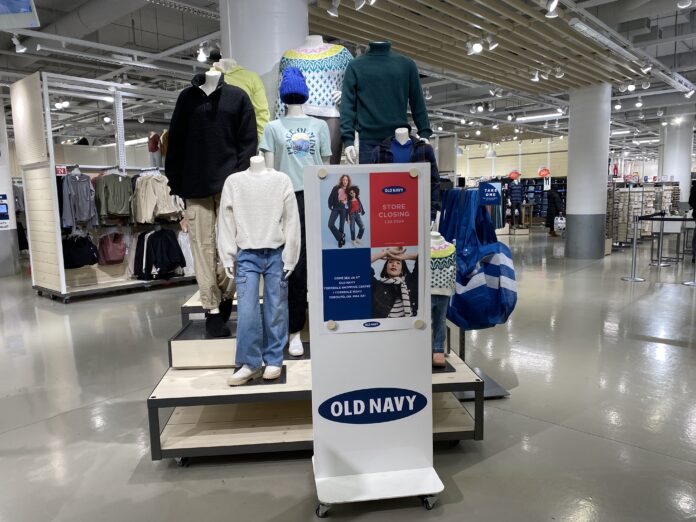
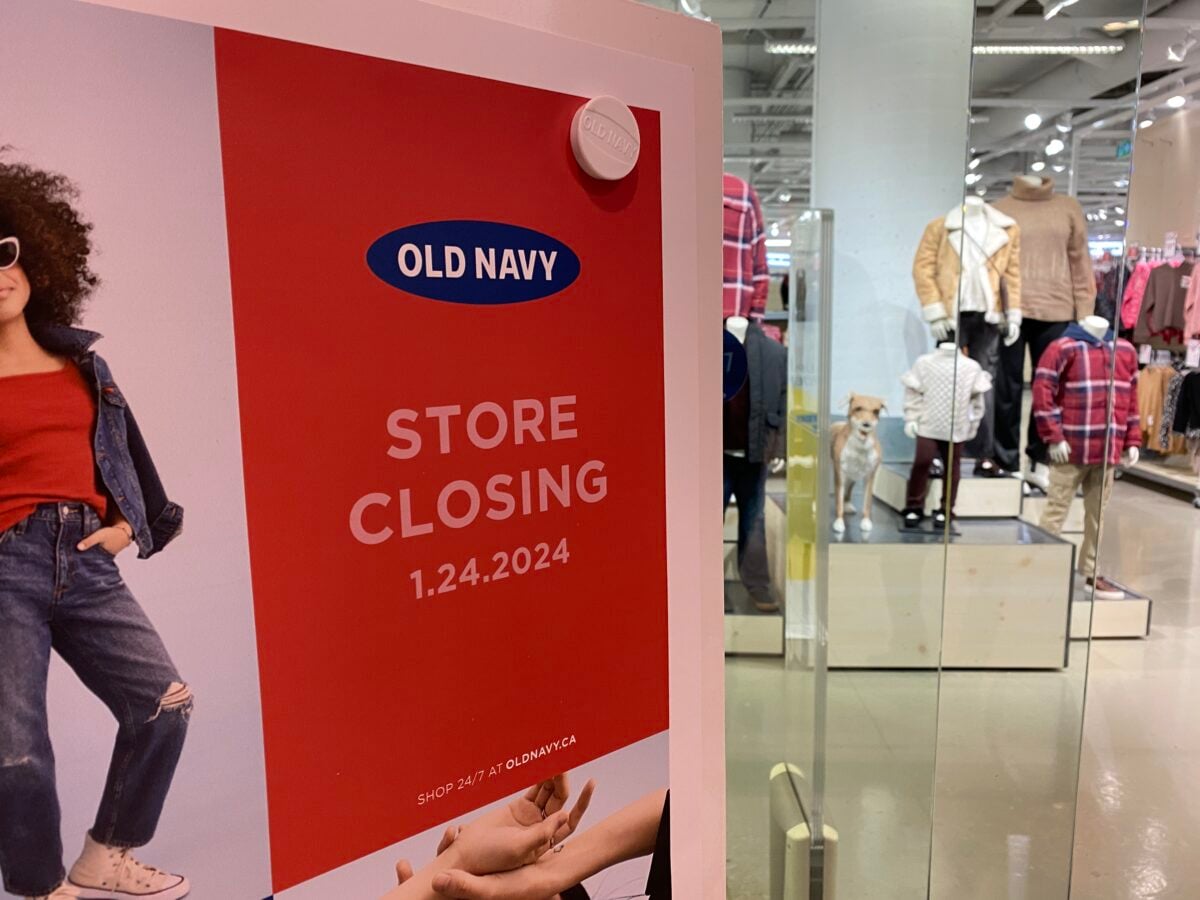
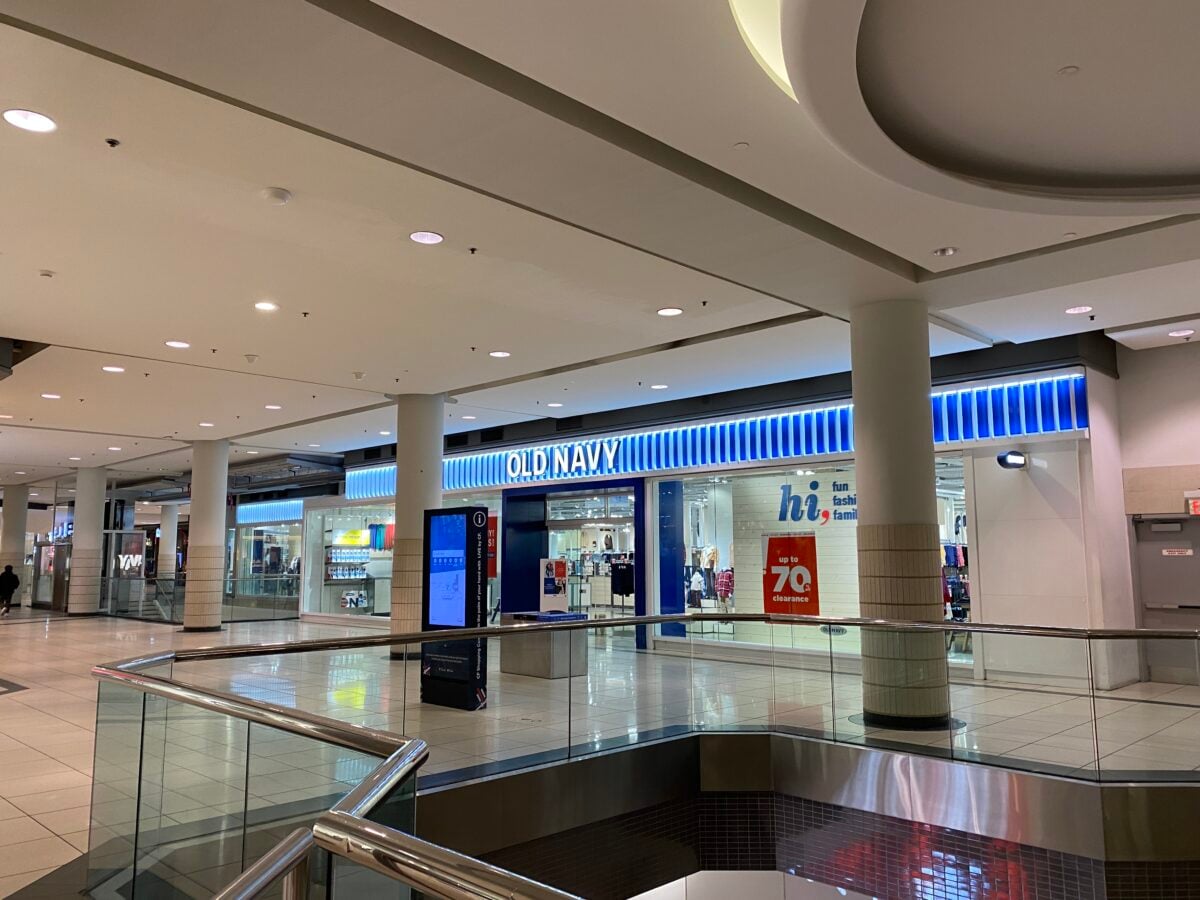
Old Navy at CF Toronto Eaton Centre Closing (Image: Dustin Fuhs)

As the dust begins to settle from an eventful holiday season in Canadian retail, properties across the country are starting to be a hive of leasing activity.

CF Toronto Eaton Centre in downtown Toronto is a prime example.

The shopping centre is about two million square feet of space with around 250 tenants. In total, with four office towers and a total of 4.5 million square feet of office and retail, the mixed-use property is one of the busiest and most recognizable hubs in all of Canada.

CF Toronto Eaton Centre (Image: Dustin Fuhs)

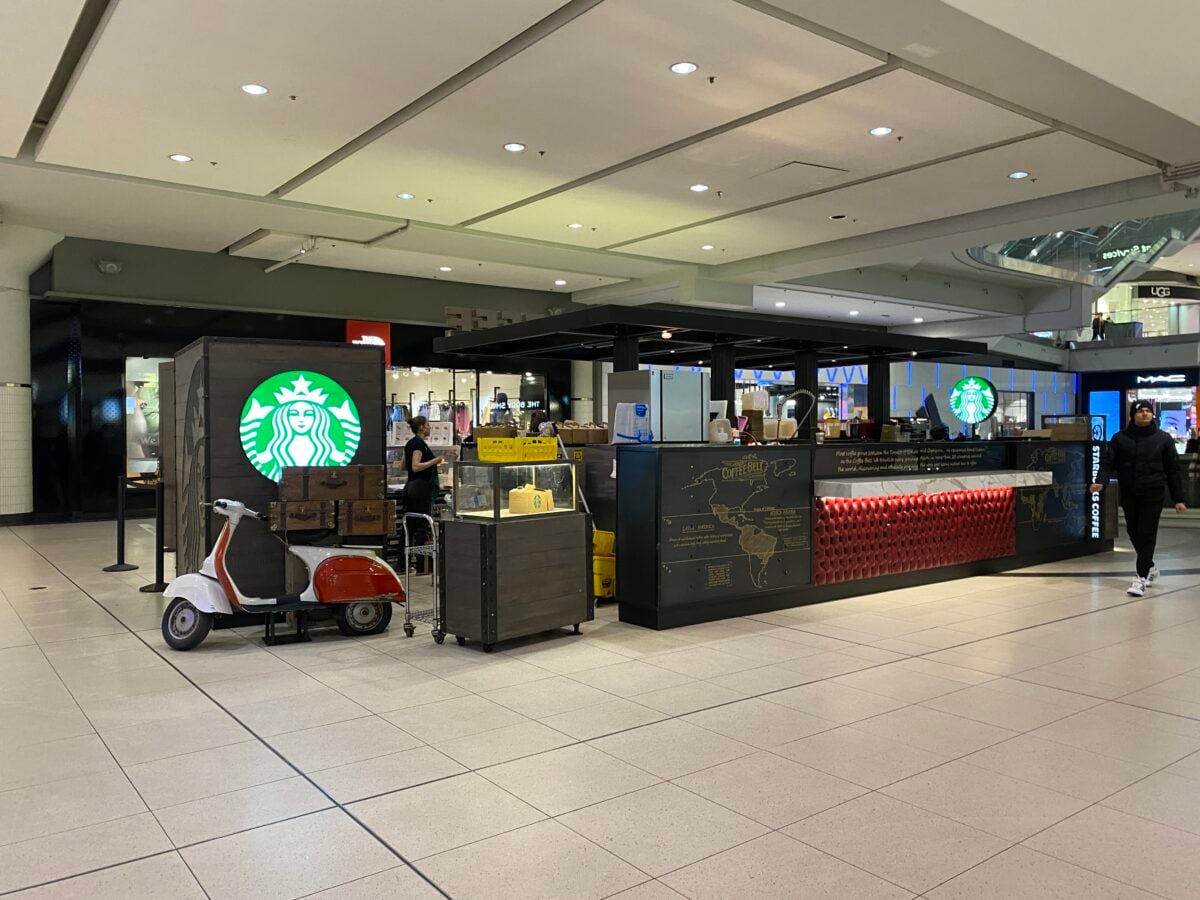
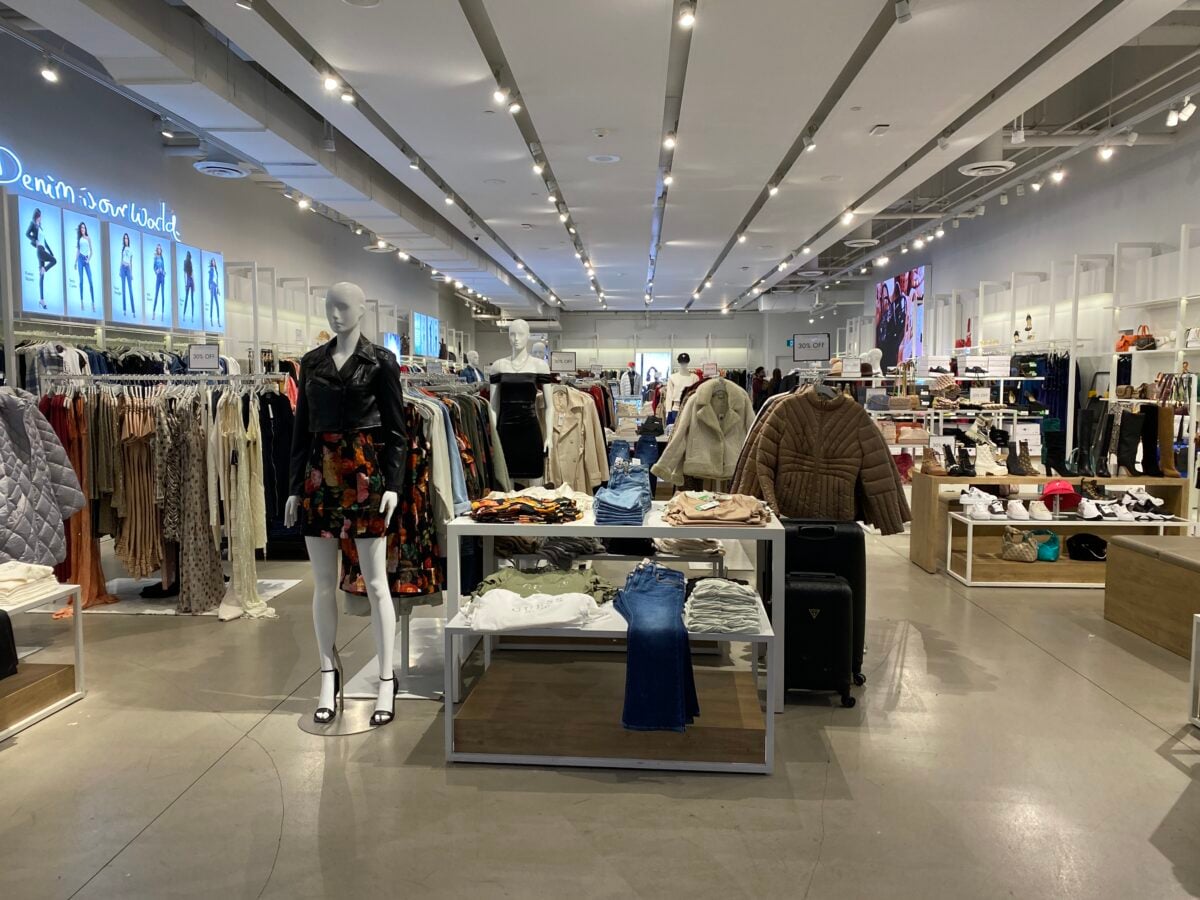
There are a number of tenants that will be exiting the property, including long-term brands like Old Navy and Williams Sonoma. Retailer Guess will be shuttering its first floor storefront in the coming month and Starbucks will be moving from its single centre court kiosk footprint to open two new locations.

With all of these moves comes news of what will be taking the spaces of these soon-to-be-empty storefronts.

Old Navy at CF Toronto Eaton Centre Closing (Image: Dustin Fuhs)

The brand that has been discussed widely in the national media was Old Navy, which has confirmed that two of its stores, CF Markville and CF Toronto Eaton Centre, will be closing by the end of the month. Closing signage was installed at the end of December.

“Old Navy is always evaluating its real estate portfolio to ensure a healthy fleet of stores that can provide the best possible experience for our customers,” a store spokesperson said. “Because of this, we have made the difficult decision to close two locations in Ontario. Local customers can continue to shop other nearby Old Navy locations in Toronto, Vaughan, Richmond Hill and Scarborough.”

Old Navy at CF Toronto Eaton Centre Closing (Image: Dustin Fuhs)

Gap-owned brands have a large presence in the downtown Toronto mall, including The Gap, which has a combined Gap/Gap Kids location after a standalone kids’ store shuttered in 2020.

Banana Republic has two stores in the mall, with an 8,584 square foot women’s store on level three and a 7,091 square foot men’s store on level two. The most recent Gap-owned store to open at CF Toronto Eaton Centre was a 4,825 square foot Athleta in February 2023 on the third floor, located between Ted Baker and Coach.

As Old Navy winds down operations, multiple sources have shared with Retail Insider that TJX-owned Winners will be taking the 25,000 square foot space for an expanded presence in the downtown market.

Old Navy at CF Toronto Eaton Centre Closing — Winners will be the new retail tenant (Image: Dustin Fuhs)
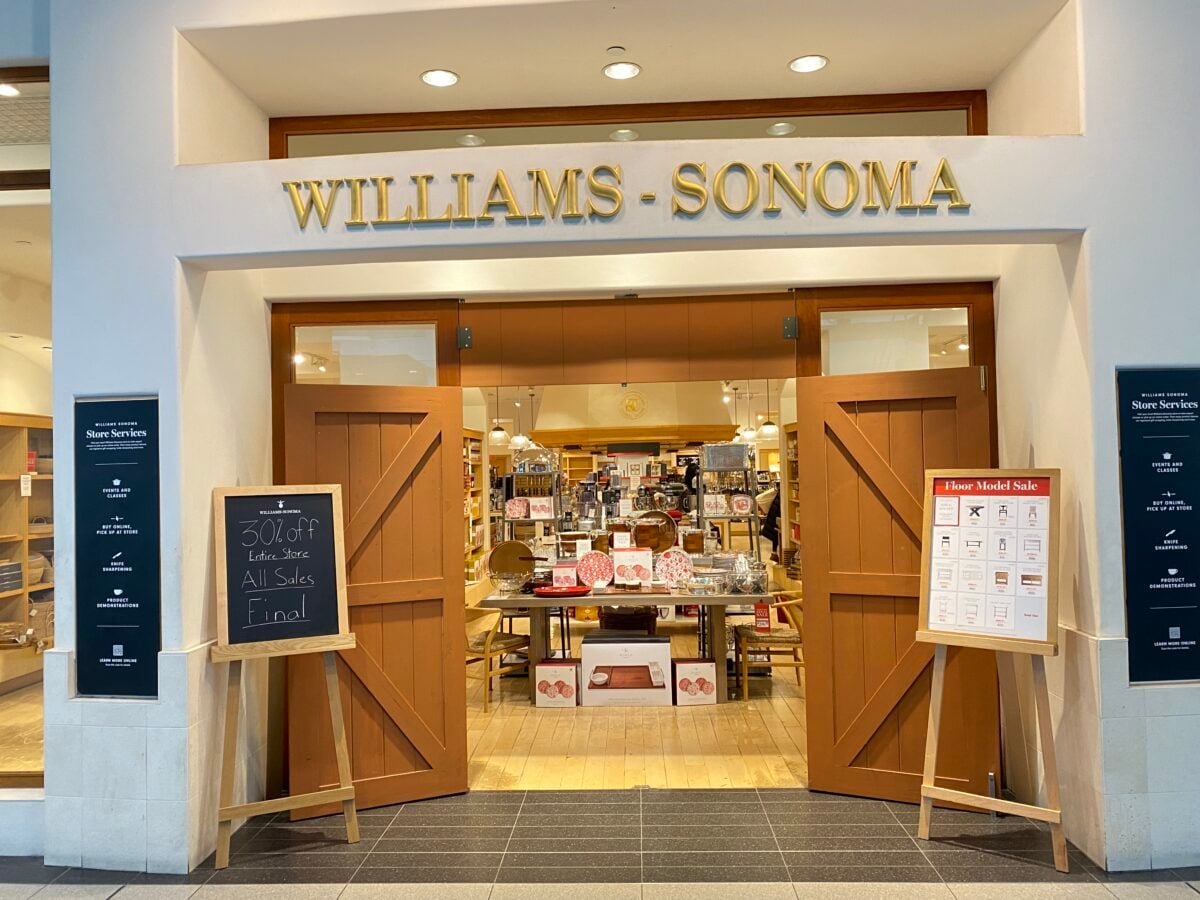
Williams Sonoma Closing at CF Toronto Eaton Centre (Image: Dustin Fuhs)

Williams Sonoma has also confirmed to be closing its third floor 4,099 square foot location and is in full liquidation mode at this point, with sales at 50% to off-load its remaining stock.

The California-based home goods specialty retailer operates stores in Canada under multiple banners, including West Elm, Pottery Barn and Pottery Barn Kids.

Retail Insider reported in 2019 on Williams Sonoma’s exit from the Quebec market. The brand opened its first store in Quebec in November of 2012 at CF Carrefour Laval, and opened several more before exiting the province in November 2019.

Williams Sonoma will be left with four Canadian locations after CF Toronto Eaton Centre closes, including CF Chinook Centre in Calgary, Granville Street in Vancouver, CF Sherway Gardens in Toronto and Yorkdale in Toronto.

There is no confirmed replacement for the Williams Sonoma space at CF Toronto Eaton Centre, and we’ll update when Retail Insider learns more.

Williams Sonoma Closing at CF Toronto Eaton Centre (Image: Dustin Fuhs)
Future % Arabica at CF Toronto Eaton Centre (Image: Dustin Fuhs)

Retail Insider is also able to confirm that world-renowned Japanese coffee brand % Arabica will be opening in CF Toronto Eaton Centre, which is part of a larger expansion for the coffee brand.

“After a successful first launch into the Canadian market in 2022 at Yorkdale Shopping Centre and the launch of our first Downtown Toronto location at Union Station in July, % Arabica is excited to continue our expansion in Canada,” said the brand with an exclusive report to Retail Insider. “We have plans to continue opening stores in the Toronto market with expected store openings in the Eaton Centre, Sherway Gardens and Queen St. We also look forward to bringing the world’s best coffee to the wider Canadian market with upcoming store openings in Whistler, Vancouver and Montreal.” 

Michael Betel of Cushman & Wakefield represents % Arabica for its real estate selection in Canada.

Starbucks Coffee Company at CF Toronto Eaton Centre (Image: Dustin Fuhs)

The new % Arabica location will be replacing Starbucks on the first floor atrium, across from adidas and The North Face pop-up.

Starbucks will be opening two new locations at CF Toronto Eaton Centre, with the first being a 1,702 square foot store in between GEOX Respira and Jack & Jones by the Queen Street entrance of the shopping centre. The second new Starbucks location will be at the former Shoo by Steve Madden, which closed its only concept location back in January 2023. The future 1,692 square foot Starbucks will be across from DAVIDsTEA and beside Lindt.

Future Starbucks at CF Toronto Eaton Centre (Image: Dustin Fuhs)
Soon to Close Guess at CF Toronto Eaton Centre (Image: Dustin Fuhs)

And finally, Retail Insider has learned that Guess By Marciano will be closing its 5,474 square foot store at CF Toronto Eaton Centre by the end of January.

Guess relocated its Yorkdale location in 2023 to the former Victoria’s Secret, taking a unit beside Canada’s first Mango store. This was as a result of Vancouver-based Aritzia expanding its storefront to the corner unit across from Sport Chek and H&M. The retailer grew from an original 5,000 sf unit to 10,000 sf and eventually to its current 20,000 square feet corner location, which resulted in the relocation and downsizing for Guess.

The CF Toronto Eaton Centre location is prime real estate, as the soon-to-be-former Guess unit is in the infamous bottleneck of traffic that’s often showcased in Black Friday & Boxing Day holiday shopping images. Alongside TNA, Bath & Body Works, B2 by Browns Shoes, Levis, Nike and Under Armour.

Soon to Close Guess at CF Toronto Eaton Centre (Image: Dustin Fuhs)
CF Toronto Eaton Centre (Image: Dustin Fuhs)

We’ll be reporting more on CF Toronto Eaton Centre in 2024 as new retailers open in the mall.

Shopify Study Reveals Enterprise Shift Towards More Agile E-Commerce Platforms [Interview]

Shopify Headquarters in Ottawa (Image: Dustin Fuhs)

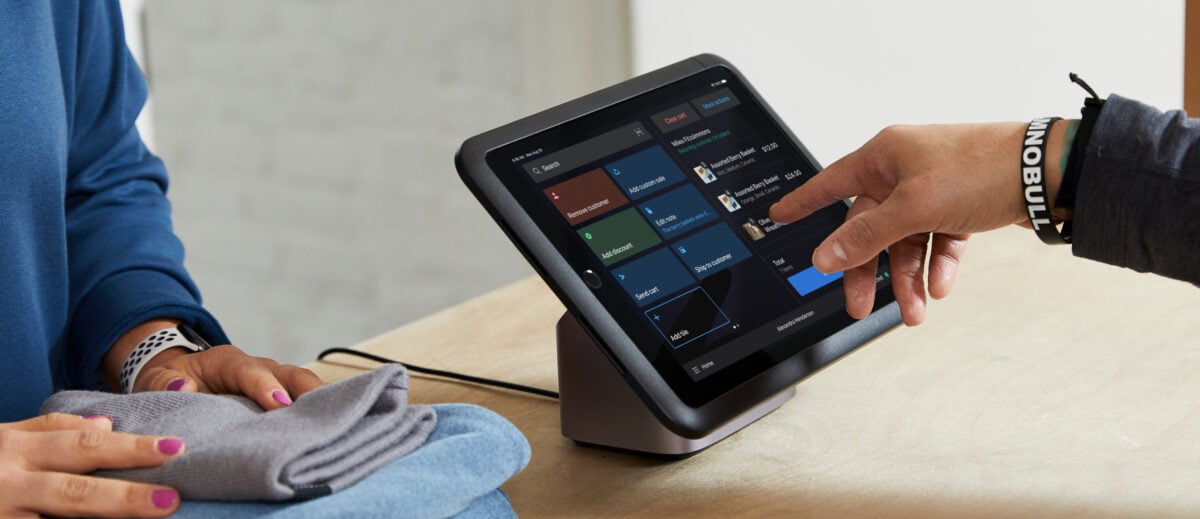
Multi-national ecommerce platform Shopify, founded in Ottawa, has released a new study which finds that most enterprises are thinking about upgrading their commerce platform, but they have no patience for implementations that drag on, and they have zero tolerance for costs that run out of control.

The data was collected from 1,000 enterprises in partnership with International Data Corporation.

Highlights include:

  • 67 per cent are at least considering changing their commerce platform in the next three years, but nearly as many (61 per cent) said the cost of implementing new tech will be tough;
  • 94 per cent said a timely implementation is important;
  • 67 per cent cited ease of use as one of the top things they value in a commerce platform;
Image: Shopify

When it comes to enterprise SaaS, there’s a clear winner when you look at the data, said Shopify:

  • 27 per cent are fully headless and modular, using a mix of modules and apps from different vendors;
  • 29 per cent have a full-stack platform; an all-in-one solution;
  • 45 per cent have a composable front-end and a full-stack back-end; the perfect blend

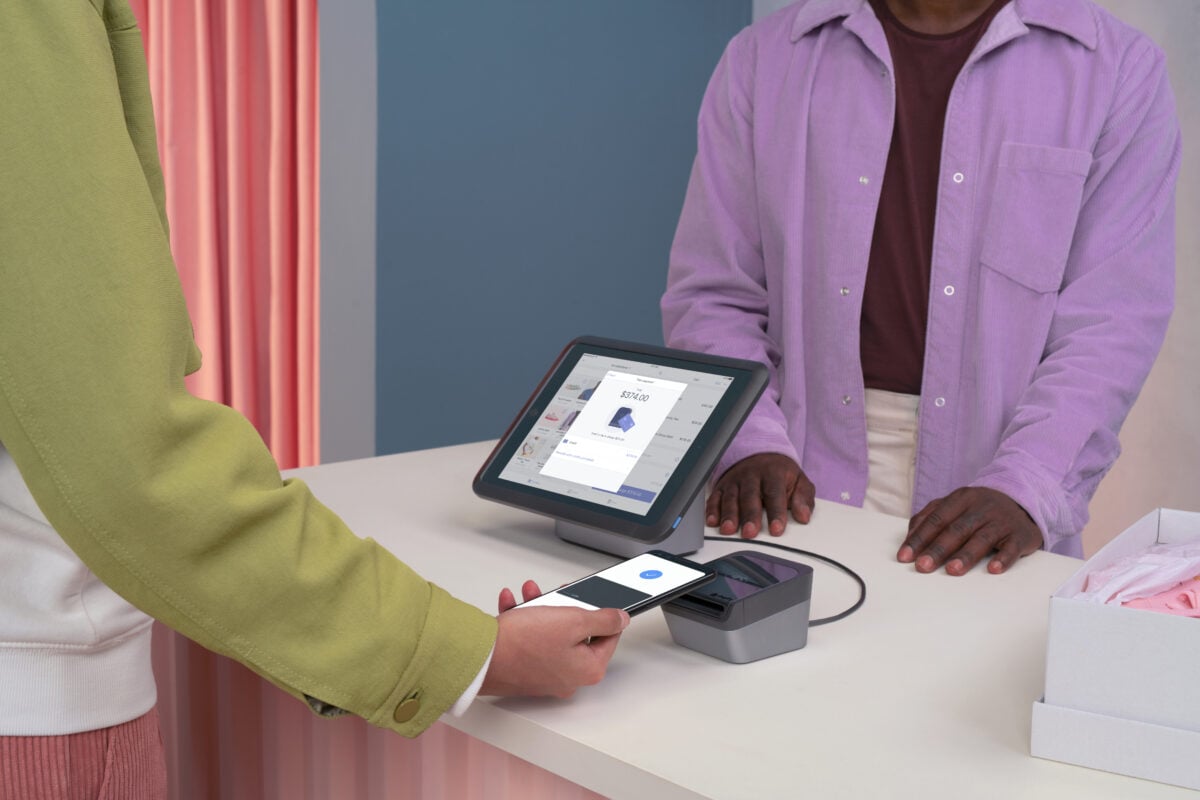
“Since launching Commerce Components in early 2023, we’ve expanded our solutions for enterprise retailers. One example is that we now offer Shop Pay offering to enterprise retailers (on or off Shopify),” said Shopify.

“Shop Pay boosts conversion by as much as 50 per cent compared to a guest checkout, outpacing all other accelerated checkouts by at least 10 per cent, according to a recent study by one of the Big Three consulting firms.”

“Commerce moves fast. Like all merchants, enterprises are trying to keep up. But there’s one big problem getting in their way: The software many of them rely on is an unwieldy monster,” explained Shopify.

The IDC report, SaaS Commerce Platforms: The Future of Simplified Business Operations, said commerce platforms are evolving to align with changing business priorities. 

Ritu Khanna

“In the fast-paced world of commerce and retail, one of the most significant obstacles enterprise businesses face is the cumbersome nature of the software they depend on,” shared Ritu Khanna, VP, Global Partnerships at Shopify.

“Shopify wanted to dig deeper into how enterprises are using SaaS commerce platforms to support their sales strategies. That’s why we commissioned IDC, a leading provider of IT research and advice, to conduct a survey of 1,000 retail enterprise businesses in the US, UK, Germany, France, Australia and Japan.”

There were a number of key findings from the report worth noting:

  • 67% are at least considering changing their commerce platform in the next three years, but nearly as many (61%) said the cost of implementing new tech will be tough
  • 94% said a timely implementation is important
  • 67% cited ease of use as one of the top things they value in a commerce platform
  • 28% of companies have already gained significant benefits and efficiencies through the deep integration of a SaaS commerce platform into their business
  • A lack of technology scalability was the second most common internal challenge they cited (31%), behind a lack of digital skills (38%).
  • Cost effectiveness is a must-have with 91% of enterprises on average saying that low total cost of ownership is important when changing their SaaS commerce platform.
Image: Shopify

“Enterprise decision-makers are facing immense pressure to drive outcomes while being told to do more with less,” shared Khanna. “Now, more than ever, simplicity and speed are critical. Cumbersome SaaS implementations are no longer tolerated. Enterprise businesses are looking for a modular platform that can be customizable and pave the way for innovation and connectivity to rapidly build and launch new customer experiences.

“Shopify’s goal is to bring our vision of commerce to enterprises all over the world. That’s why we’ve doubled down on building to ensure enterprises have access to the best tools for commerce with speed, customization, and conversion, so they can match all the shifts in commerce and boardrooms.”

“Shoppers have come to expect the convenience of shopping wherever they are and they want seamless experiences when engaging with their favorite brands. As the leading global commerce company, Shopify provides retailers with the necessary tools, whether it’s through online, social platforms or offline channels.

“We’ve also seen that checkout is the most crucial part of the shopping experience, which is why we offer Shop Pay to enterprise retailers on and off our platform. Everlane is a great example of this. Their composable front-end allows them to integrate with Shop Pay, while they continue to use their existing back-end stack. Available through Shopify Payments, Shop Pay boosts conversion by as much as 50% compared to a guest checkout, outpacing all other accelerated checkouts by at least 10%, according to a recent study by one of the Big Three consulting firms.”

Image: Shopify

“Lack of talent and fierce competition are significant challenges for businesses. As companies adopt more advanced omnichannel business models, the commerce architecture they require must deliver greater speed, efficiency, and scalability. However, this could result in increased IT complexity,” said the report.

“As enterprise decision-makers have a low tolerance for cumbersome implementations, enterprise software as a service (SaaS) should be simple and fast; cost-effectiveness, speed, and innovation are crucial. To better understand how enterprises are using SaaS commerce platforms to support their sales strategies, Shopify commissioned IDC to conduct a survey of 1,000 retail enterprises globally. Results of the survey show that fast time to market and ease of use are considered key platform features by 75 per cent and 67 per cent of enterprise companies, respectively.

“Companies are exploring different models, from full stack to blended and fully composable, depending on their requirements. Platforms that can deliver features such as enhanced payment, AI, and social commerce are strongly favored, as are strategies to achieve lower total cost of ownership (TCO). Migrating from legacy commerce platforms means decision-making is driven by customer experience, cost-effectiveness, and fast time to market.” 

The report said an increasingly competitive and complex market environment is a major concern for companies, as it can threaten their business and market share. Additionally, companies are facing a shortage of digital skills and talents (which can make it difficult to keep up with the latest technological developments) and a lack of technology scalability (which can limit their ability to grow and hamper innovation and competitiveness). 

“Companies are prioritizing efficiency and productivity, as well as enhancing customer experience and streamlining the path to purchase. To achieve these goals, companies see digital commerce as key in better understanding their customer’s preferences and behaviors and providing personalized shopping experiences. Breaking data silos and fostering better internal communication and collaboration is also a key benefit of digital commerce. Leveraging digital commerce solutions can give companies a competitive edge and position them for long- term success,” added the report. 

“Companies require the right tools to improve customer experience, increase cost-effectiveness, and accelerate time to market. Enterprise commerce SaaS platforms are instrumental in achieving these goals. 

Self Checkout at Rexall in Metro Hall (Image: Dustin Fuhs)

“Full-stack commerce platforms offer comprehensive, all-in-one solutions; are cost-effective and easier to run; and are suitable for companies with basic digital commerce requirements. 

“As companies embrace more advanced omnichannel models, they seek more agile capabilities with greater composability. A blended approach to SaaS commerce platforms, or a full-stack back end and composable front end, can be the optimal solution. This mix of pre-integrated modules and optionally selected applications delivers fast time to market, improved customer experience, and cost-effectiveness without requiring advanced in-house technology expertise. 

“Blended SaaS commerce platforms might not be enough for more digitally mature companies with a more advanced omnichannel mix and stronger in-house IT skills. These companies have ambitious innovation strategies that require fully headless and modular platforms, consisting of a mix of individual modules or applications from different vendors. These give access to advanced features and cutting-edge technologies to deliver enhanced customer experience and operational gains (e.g., faster updates, accelerated time to market, and increased cost-effectiveness).”

As the omnichannel customer journey evolves and the complexity of retail operations increases, the business environment becomes more demanding and requires more advanced commerce architectures, explained the IDC report. 

Canadian Retail News From Around The Web For January 11th, 2024

Canadian Retail News From Around The Web

News at a Glance

Retail Insider is streamlining its Canadian retail news from around the web to include a handful of top news stories that can be viewed quickly during the day. Here are the top stories from the past 24 hours.

Aritzia looking to new stores to boost business as it reports Q3 net income drop (Canadian Press)

‘Is this brand dead?’ Aritzia’s hype fizzled in 2023, but U.S. expansion offers hope of turnaround (Financial Post)

Clothier Harry Rosen turned a $500 loan into a national menswear chain (Globe & Mail/Feature)

Walmart unveils AI-powered search and replenishment features at CES 2024 (Grocery Business)

Gord celebrates six decades with Shoppers Drug Mart (Loblaw Companies)

Some ServiceOntario centres to close, province says new locations coming in select Staples stores (CBC)

One-fifth of Alberta businesses ‘most likely’ to close due to looming CEBA repayment deadline: CFIB (CTV)

Committee members vote 8-3 to support land sale next to Glenmore Landing (Calgary Herald)

Peterborough police chief fires back at critics after store clerk charged with assaulting robber (CTV)

After 42 years, downtown fixture the Flour Barrel changes hands (Guelph Today)

Ontario craft brewers want faster review of alcohol taxes, warn breweries at risk of closing down (CBC)

Brampton non-profit store to close permanently (Brampton Guardian)

Parks Canada letter forces Banff to pause pedestrian zone decision (CBC)

The Return-It to Reuse-It and Recycle-It program for Cups will be expanding in Vancouver (Yahoo)