

A new global study from the IBM Institute for Business Value reveals a widening gap between shopper demands and the current retail offering.
“IBM’s 2024 Consumer Study has uncovered that only nine per cent of consumers are satisfied with their in-store experiences and 14 per cent with online shopping. However, there is a burgeoning eagerness among consumers to embrace AI throughout their shopping journey,” said Luq Niazi, Global Managing Partner, Industries & Global Consumer Industry Leader, IBM Consulting.

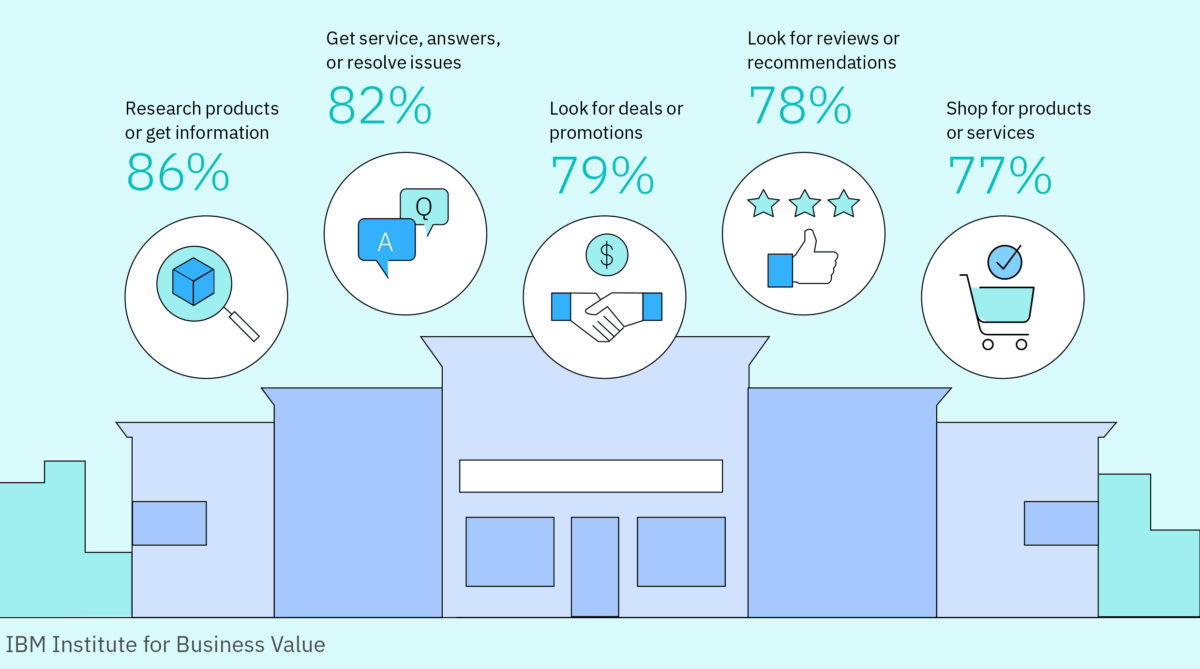
“Roughly four in five consumers who haven’t yet tried AI for shopping said they would like to use it to research products, look for deals, ask questions, and resolve issues.
“This signals a clear demand for a seamless integration of technology, like AI, in retail, moving beyond the traditional paradigms to a more dynamic, personalized shopping environment. Personalization and targeted offerings are in demand, with 52 per cent of consumers surveyed interested in receiving information, advertisements, and offerings from stores that are relevant to their specific interests. The challenge and opportunity for retailers lies in responding to this eagerness for AI, leveraging the technology to enrich consumer shopping experiences at every point, from personalized recommendations to real-time inventory updates.”
He said today’s consumers are not just buying products but they are seeking an enriched shopping experience, deeply integrated with technology.
“Our study reveals a definitive shift towards AI and digital technologies in retail. Shoppers want personalized, seamless experiences that blend the physical and digital worlds, particularly through the use of AI, virtual assistants, and augmented reality. The modern consumer, often using their mobile device as a shopping aid, which we found in IBM’s 2024 Consumer Study, expects a seamless omnichannel experience that many retailers are still striving to provide,” said Niazi.
“The current landscape shows a gap between consumer expectations and the retail experiences being offered. With satisfaction levels hovering around nine per cent for in-store and 14 per cent for online shopping, it’s clear there’s room for improvement. Retailers are making strides in integrating AI and advanced technologies, but the challenge remains to implement these tools in a way that truly resonates with the consumer’s desire for a more interconnected and intuitive shopping experience.”
To elevate the in-store experience, retailers must leverage the power of AI and digital innovation, he said.
“This includes deploying AI for personalized recommendations and assistance, using augmented reality for a ‘try before you buy’ experience, and providing real-time product information through mobile apps. Our research indicates that a majority of consumers use their smartphones in-store. Retailers who capitalize on this by offering a more digitized, interactive in-store experience will lead the way in meeting modern consumer needs,” added Niazi.
“Improving the online shopping experience is about harnessing AI for personalization and efficiency. Our findings highlight the need for online platforms that not only recommend products tailored to individual preferences but also offer a streamlined browsing experience. Effective use of AI-powered chatbots for customer service, user-friendly interfaces, and a seamless connection between online and offline channels can significantly enhance the consumer’s online journey, making shopping not just a transaction, but an engaging experience.”
The study found that 55 per cent of respondents indicated they are eager for AI enhancements like virtual assistants and 59 per cent for AI applications as they shop. Influenced by inflation, six in ten consumers surveyed also say inflation has impacted how they shop, with 62 per cent saying that price is a top reason they switch stores or brands.
IBM said noteworthy findings from the study include:
- In-Store Experience Lacks Luster: Despite a preference for physical stores by 73 per cent of those surveyed, only nine per cent are satisfied with the in-store experience. Consumers surveyed want greater variety of products available (37 per cent), more information about products (26 per cent), and faster checkout (26 per cent) in stores. Most consumers surveyed (65 per cent) are supplementing their in-store experience by using mobile apps while shopping — demonstrating a trend toward a digitally integrated in-store experience;
- Online Shopping Shortcomings: Online retail isn’t immune to criticism; two-thirds of consumers surveyed discover new products via the web, yet many have expressed dissatisfaction with their online shopping journey, citing challenges finding the products they want (36 per cent), not enough information about products (33 per cent), and a cumbersome return process (33 per cent);
- Consumers Desire Digital Integration: Consumers surveyed showed a strong interest in using AI technology to enhance various aspects of their shopping. Most consumers (59 per cent) said they would like to use AI applications as they shop and four in five consumers who haven’t used the technology for shopping reported an interest in trying it. Personalization and targeted offerings are in demand, with 52 per cent of consumers surveyed interested in receiving information, advertisements, and offerings from stores that are relevant to their specific interests. Yet there remains a stark satisfaction gap for current AI assistant users surveyed. Only about one-third of responding consumers who have used virtual assistants are satisfied with the experience and nearly 20 per cent were so disappointed that they don’t want to use virtual assistants again, signalling a mismatch between current tech offerings and shopper expectations;
- Economic Forces at Play: Economic challenges, particularly inflation, are influencing shopping behaviours. Consumers surveyed are seeking flexible payment options, with 55 per cent desiring more varied payment options and 46 per cent reporting they would like to pay for their purchase in instalments. As inflation and economic uncertainty pinch pocketbooks, 62 per cent of consumers surveyed also say price is a top reason they would switch stores or brands.
The IBM Institute for Business Value surveyed 20,000 consumers across 26 countries on their digital habits, their use of AI and generative AI, and their expectations for brands. IBM is a leading provider of global hybrid cloud and AI, and consulting expertise. It has clients in more than 175 countries.












I mean,
This is truly an IBM piece to influence AI in shopping?
Te title had us really thinking the What’s, who’s, where’s and why’s to people underwhelmed with in-store experience, but this really was just showing consumers interest in AI.
How is AI to improve in-store experience? how is it to lead clients to a successful inshore experience? with 73% wanting in store experiences the article didn’t really cover how to satisfy the experience the majority is looking for? digitally integrated experiences have already been a thing for years.