

Mountain Equipment Company (MEC)—Canada’s leading outdoor specialty retailer since 1971—is returning to its roots under new Canadian ownership. The company has been acquired by a group of private Canadian investors who bring deep industry experience and a vision of reshoring some of MEC’s manufacturing back to Canada.
The investor group is led by Tim Gu, a veteran in Canadian retail, manufacturing, and investment. Gu is Chairman of Unisync Corp. (TSX: UNI), a publicly traded Canadian uniform and workwear company, and an investor in iconic Canadian heritage brands including Tilley and Roots.
Other Canadian investors joining Gu include MEC’s Chief Executive Officer Peter Hlynsky and Chief Merchandising Officer Chris Speyer—both longtime MEC members—making this a partial management buyout.
Founded in 1971, MEC has built a legacy of expert staff, community connection, and a passion for the outdoors. The company’s mission is simple but enduring: to equip Canadians for a lifetime outdoors. With 24 stores and over 6 million members across the country, MEC is more than just a retailer—it’s a national community for outdoor enthusiasts.

“It really was the place that Canadian customers went for great advice, great product, a sense of community,” said Speyer, who joined MEC as Chief Merchandising Officer in July 2024 and is now part of the new ownership group.
Speyer, a seasoned industry executive who previously spent seven years at REI Co-op, the largest specialty outdoor retailer in the U.S., watched MEC’s journey closely—especially after it filed for court protection from creditors and was acquired in 2020 by U.S.-based Kingswood Capital Management, ending its 49-year run as a member-owned co-operative.
“I had a lot of questions around whether or not the model would continue to exist under American ownership,” Speyer said. “I was really pleased to see that it continued to serve the outdoor specialty business and remain relevant.”
What began as informal conversations with CEO Peter Hlynsky in early 2024 soon became a deeper commitment. “The more time I spent around MEC, the more I thought that it had a really important purpose in Canada,” he said.
With that belief in MEC’s unique Canadian role, Speyer committed to helping lead the company forward—and investing in its future. “If there was an opportunity to be part of the investment group, that was something I wanted as well—so I wasn’t just talking the talk, I was investing in what I believed in.”
The new ownership plans to deepen MEC’s local manufacturing footprint. “Tim brings this extraordinary background in Canadian manufacturing,” Speyer said. “He builds a lot of product for Canada Goose and others domestically. You’re going to see us lean into how we can, with our own MEC label, grow a higher penetration of made-in-Canada products.”
This marks a strategic shift from the short-term mindset often seen in private equity. “They tend to operate with a relatively short time frame—invest and exit,” said Speyer. “We’re coming in with a long-term mindset. We’re investing in value—not just for today, but for the future.”
That long-term value will be built around four core pillars: in-store expertise, activity-specific assortments, community connection, and values-based retailing centered on sustainability and access to nature.
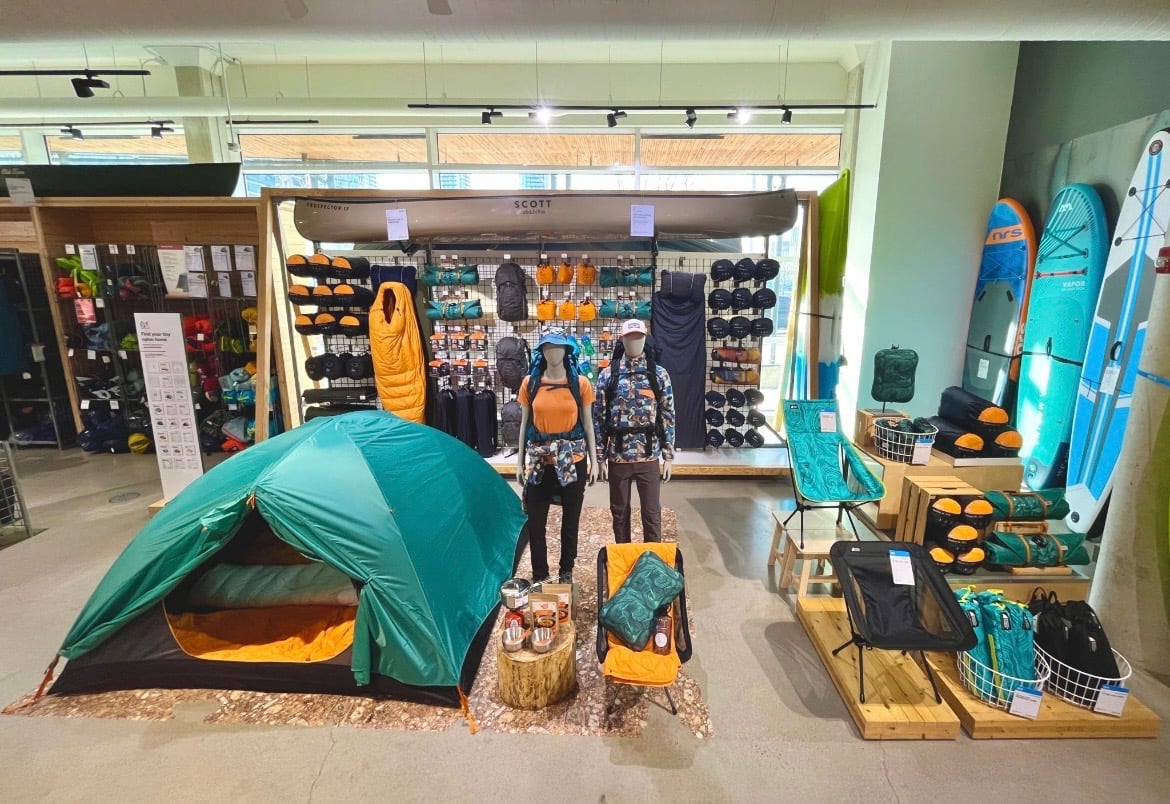
“How do we show up through the people working the floor and double down on their expertise?” Speyer said. “How do we curate meaningful assortments for camping, hiking, climbing, backpacking? How do we act as a gathering place for the outdoor community and demonstrate our values in protecting outdoor spaces?”
Local relevance will also be key to MEC’s strategy. “There are very different ways people recreate in Quebec, in Vancouver, in Halifax,” said Speyer. “We want to double down on that local relevancy—so we can show up in a way that makes sense for each community.”
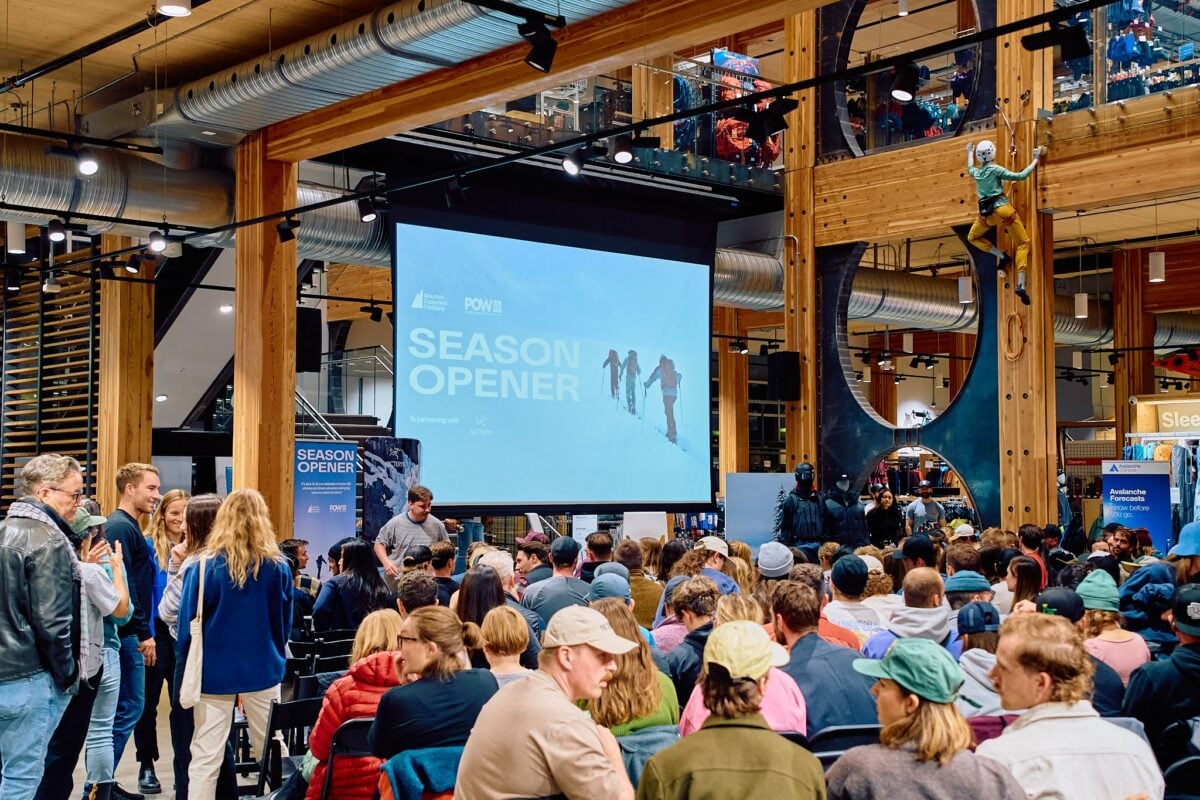
According to Speyer, customers are already responding to the return to Canadian ownership. “This weekend, we really heard from Canadians that, at this juncture in history, MEC being a Canadian-owned company matters a lot,” he said. “Canadians want to buy Canadian. They want to support Canadian companies. This shift in ownership really matters.”
While expansion is still on the table, Speyer says it’s not the immediate focus. “We’re always looking at opportunities,” he said, “but our focus right now is on doing things right—with purpose, patience, and a Canadian lens.”
For Speyer, the company’s mission to get Canadians outside is also personal. “In moments of stress, getting outdoors for a walk, bike ride, paddle or backpacking trip really matters,” he said. “Hopefully we all get a chance to enjoy some fresh air instead of just reading the newspapers and whatever the latest challenge is.”
So too is MEC’s journey—from co-operative to corporate to now Canadian again. Under its new ownership and leadership, the company is set to reforge its identity with a focus on homegrown values, local production, and a renewed connection with the customers who made it a national institution.
Related Retail Insider stories:
- MEC announces new Canadian ownership
- New MEC CEO Peter Hlynsky Discusses the Retailer’s Growth Plans [Feature Interview
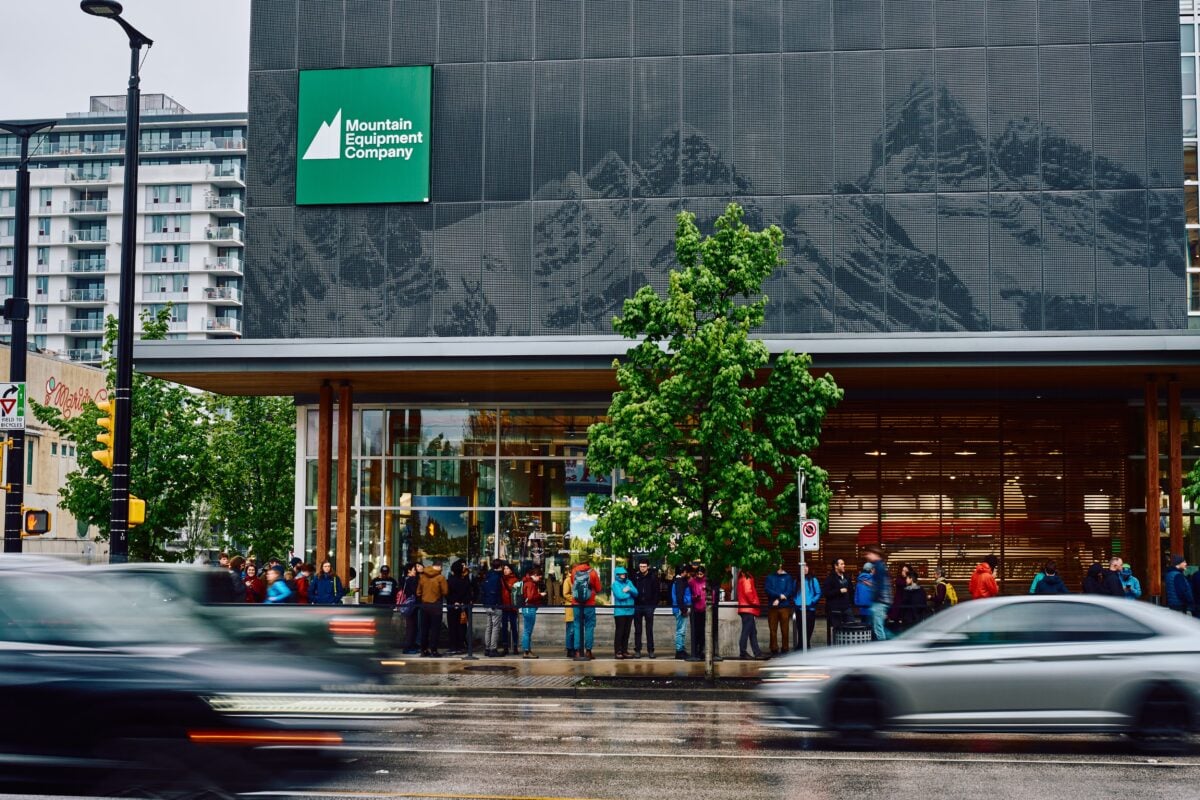












I haven’t set foot in MEC since it went from a cooperative to a private company. I’m glad it’s back under Canadian ownership. But the Montreal stores are badly located in the suburbs and far from major transit corridors. I shop downtown so I’ll continue buying at Decathlon and La Cordée.