Winnipeg-based Warehouse One and Bootlegger are preparing to liquidate all 128 stores across Canada after filing for creditor protection under the Companies’ Creditors Arrangement Act (CCAA), marking the collapse of one of the country’s last major regional denim-focused apparel chains.
Court documents filed in the Court of King’s Bench of Manitoba show that Warehouse One Clothing Ltd. was granted an Initial Order on May 6, beginning a court-supervised liquidation process that is expected to impact 982 employees nationwide.
The retailer said it intends to conduct an orderly wind-down of all operations rather than pursue a restructuring or sale process. Liquidation sales are expected to begin as early as May 16 pending court approval.
The filing marks the end of a nearly 50-year history for Warehouse One, a Winnipeg-founded apparel retailer that began in 1977 when founder Max Maryk sold denim from the trunk of a car before opening the company’s first store on Henderson Highway.
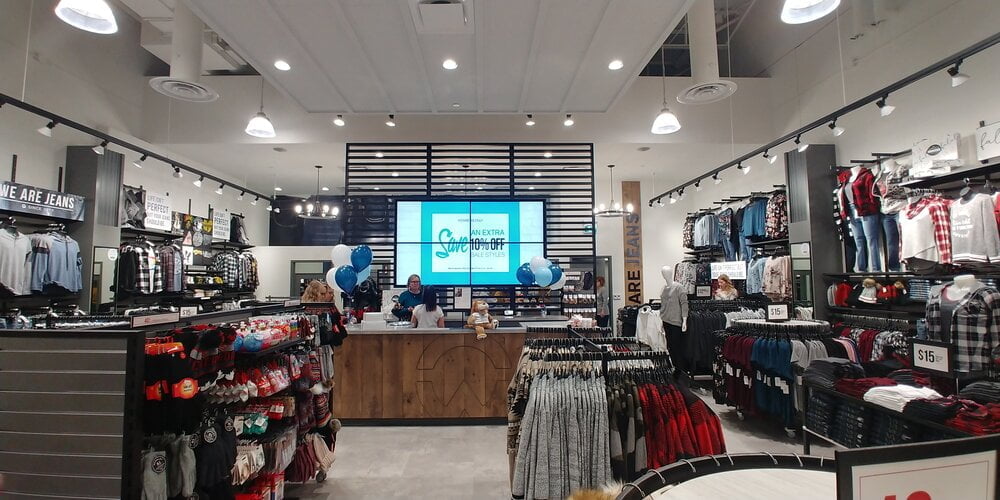
Retailer Operated 128 Stores Across Canada
According to court filings, the combined business operated:
- 95 Warehouse One locations
- 25 Bootlegger stores
- 8 combined Warehouse One/Bootlegger locations
The stores were spread across eight provinces and one territory, with a particularly strong presence in Western Canada and smaller regional markets.
Unlike many national apparel retailers that focused heavily on downtown urban centres or luxury malls, Warehouse One built much of its business in regional shopping centres and smaller Canadian communities including Cold Lake, Fort McMurray, Quesnel, Meadow Lake, Thompson, Prince Rupert, Weyburn, Whitehorse, and Flin Flon.
The company also maintained stores in larger markets including Calgary, Edmonton, Regina, Saskatoon, Winnipeg, Burlington, and St. John’s.
Court materials state that approximately 232 employees are based in Manitoba, including workers tied to the company’s Winnipeg corporate office, warehouse, and distribution operations.
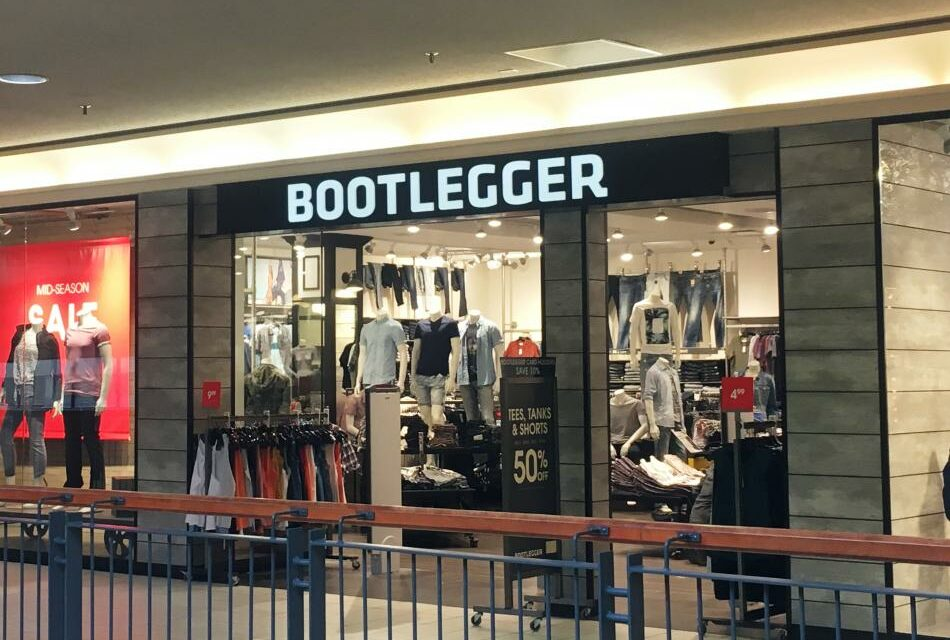
Filing Cites Ultra-Low-Cost Fashion Competition
The Warehouse One CCAA filing paints a difficult picture of mounting losses, shrinking liquidity, and rising competitive pressure across the Canadian apparel sector.
According to the filings, the retailer lost approximately $15 million during fiscal 2026 after posting an estimated $6.5 million loss the previous year.
The company cited several factors contributing to its insolvency, including:
- increased competition from ultra-low-cost fashion retailers
- online shopping pressure
- operational losses following the acquisition of Bootlegger
- generally poor sales performance
The filing specifically references “consumer uptake of ultra low cost fashion retailers and other online competition.”
The documents also state that many smaller-market stores experienced double-digit sales declines as mall traffic weakened and consumers increasingly shifted spending online.
Most of the company’s merchandise was sourced internationally and purchased in U.S. dollars, creating additional pressure as the Canadian dollar weakened against the U.S. currency.
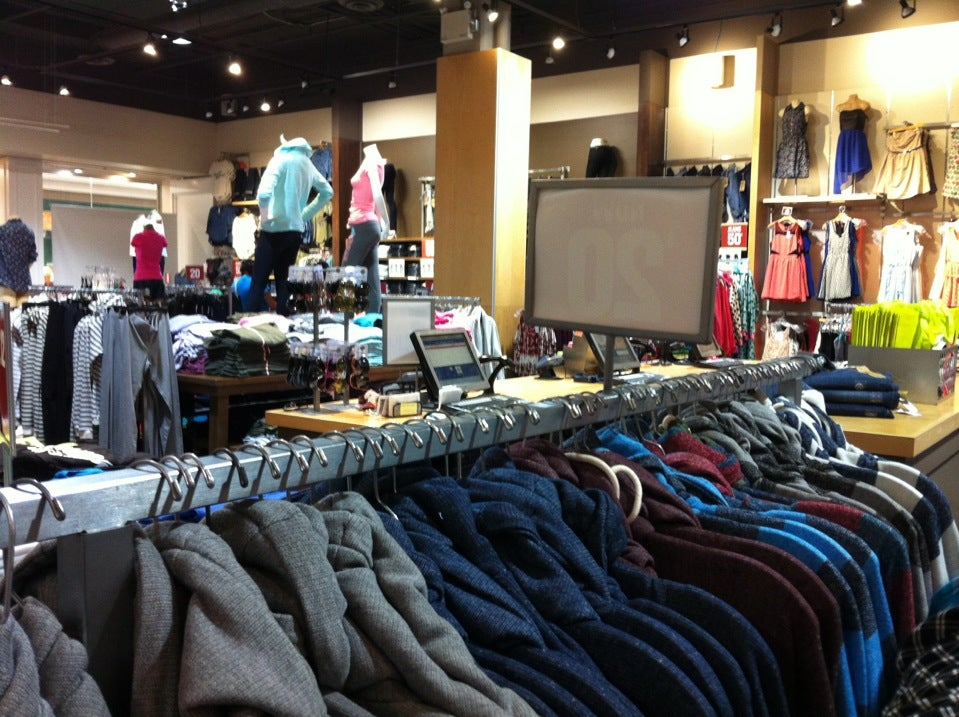
Bootlegger Acquisition Became Part of the Challenge
One of the most notable elements of the filing involves Warehouse One’s acquisition of Bootlegger in April 2025.
At the time, Warehouse One was viewed as one of the remaining survivors in Canada’s struggling middle-market apparel sector, stepping in to acquire the Bootlegger brand and preserve stores and jobs following earlier retail distress tied to the Comark Group insolvency proceedings.
However, court materials filed this week state that the company experienced “operational challenges and losses” following the Bootlegger acquisition.
The filing also states that shareholders and affiliated entities advanced more than $39 million to support operations since 2020, including approximately $20.5 million following the acquisition period beginning in early 2025.
While revenue increased following the transaction, costs reportedly rose even faster. Court documents state that store-level, corporate, and overhead expenses increased by approximately 50% year-over-year after the Bootlegger acquisition.
Ultimately, the filing states that shareholders were no longer prepared to continue funding losses.
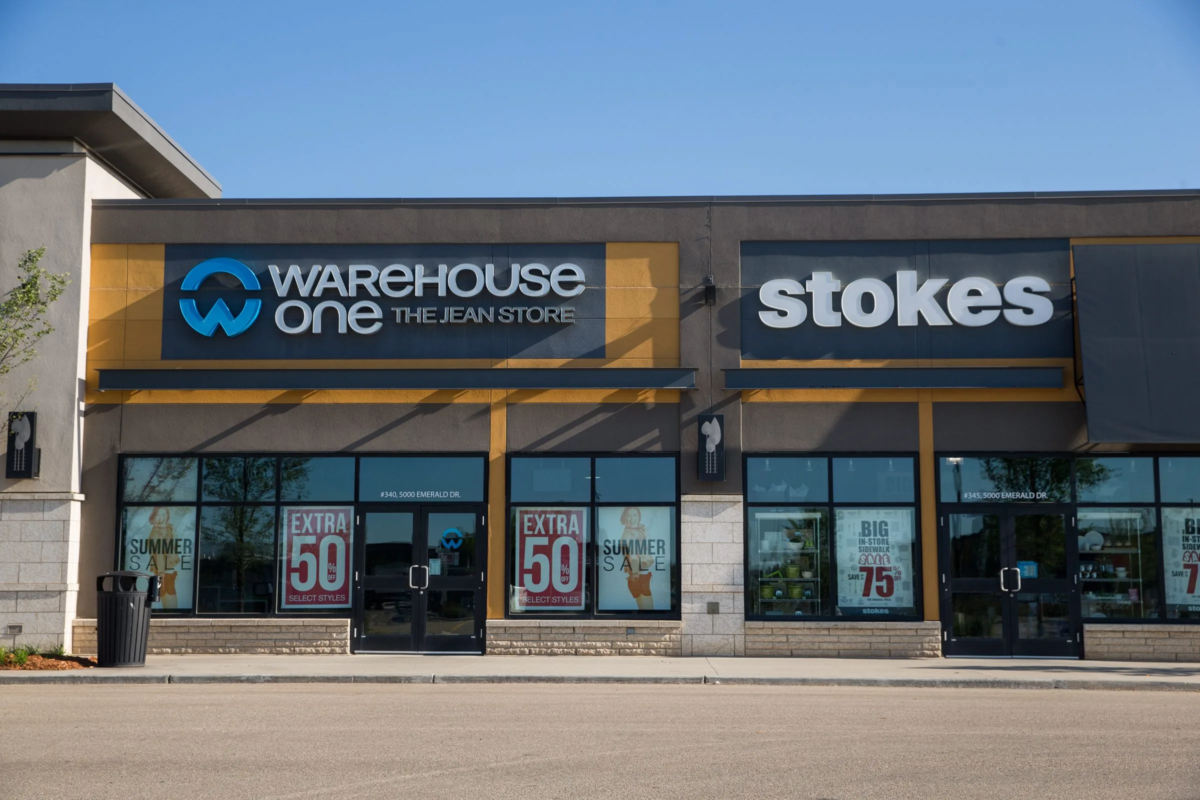
Customers Face Tight Deadlines
Warehouse One said customers will only be able to use gift cards, loyalty rewards, and complete returns or exchanges until May 13, 2026.
The company is expected to return to court on May 15 to seek approval for liquidation sale procedures across all remaining locations.
Alvarez & Marsal Canada Inc. has been appointed monitor for the proceedings.
The filing adds another major name to the growing list of Canadian apparel retailers that have disappeared or significantly retrenched in recent years as the sector faces mounting pressure from e-commerce, discount retail formats, and changing consumer spending patterns.