Dupray, a Montreal-based small appliance company, has just moved part of its production to Canada instead of China or Vietnam.
That includes its award-winning air purifier, in a category that is rarely, if ever, manufactured here, said Sébastien Dupéré, President & CEO, Dupray.
“The decision came after our manufacturing partner in Spain went bankrupt and we had to choose where to move production. With roughly 70% of our sales in the U.S., tariff uncertainty and erratic U.S. tariff actions materially changed that decision.”
Dupray is not primarily a Canadian-market company protecting domestic sales. Most of its customers are American, but it is a Canadian company bringing manufacturing home while continuing to compete predominantly in the United States.
“Rather than move further offshore, we chose to manufacture here at home, near Montreal,” said Dupéré.
“My business partner, Brent Gray, and I started Dupray 18 years ago as 20-year-old students, cleaning the streets of Montreal. Today, we sell across North America and Europe, and in 2025 our Neat Steam Cleaner was the #1-selling steam cleaner on Amazon in North America.”
Amazon featured their story in the summer in its Rising Stars series, including Dupray’s decision to bring production back to Canada.
In an interview with Retail Insider, Dupéré talked about the company’s decision.

Question: How did U.S. tariff uncertainty and the changes in U.S. trade policy influence Dupray’s decision to move part of its manufacturing from overseas back to Canada?
Answer: When trade rules change every few weeks, you can’t build a plan around them. What we could control was where we placed our bet, and Dupray decided to bet on Canadian suppliers, Canadian workers and a policy environment we actually understand. The math wasn’t the deciding factor. We’re a Canadian company, and we felt a responsibility to put our money into the economy we’re part of.
And why not the U.S.?
They aren’t providing any programs to actually bring manufacturing to the U.S. When 50% of your costs are components you can’t source within North America, that means you’re hit with tariffs on 50% of your production costs — a large and uncertain exposure.
Q: What are the practical challenges and costs of manufacturing a consumer appliance such as an air purifier in Canada compared with producing it in China or Vietnam?
A: Canada has no shortage of talent or know-how. But China and Vietnam are genuine superpowers in small household appliances, and the reason is the ecosystem more than the labour rate. In China, if a supplier can’t deliver a component, there are a hundred others within driving distance.
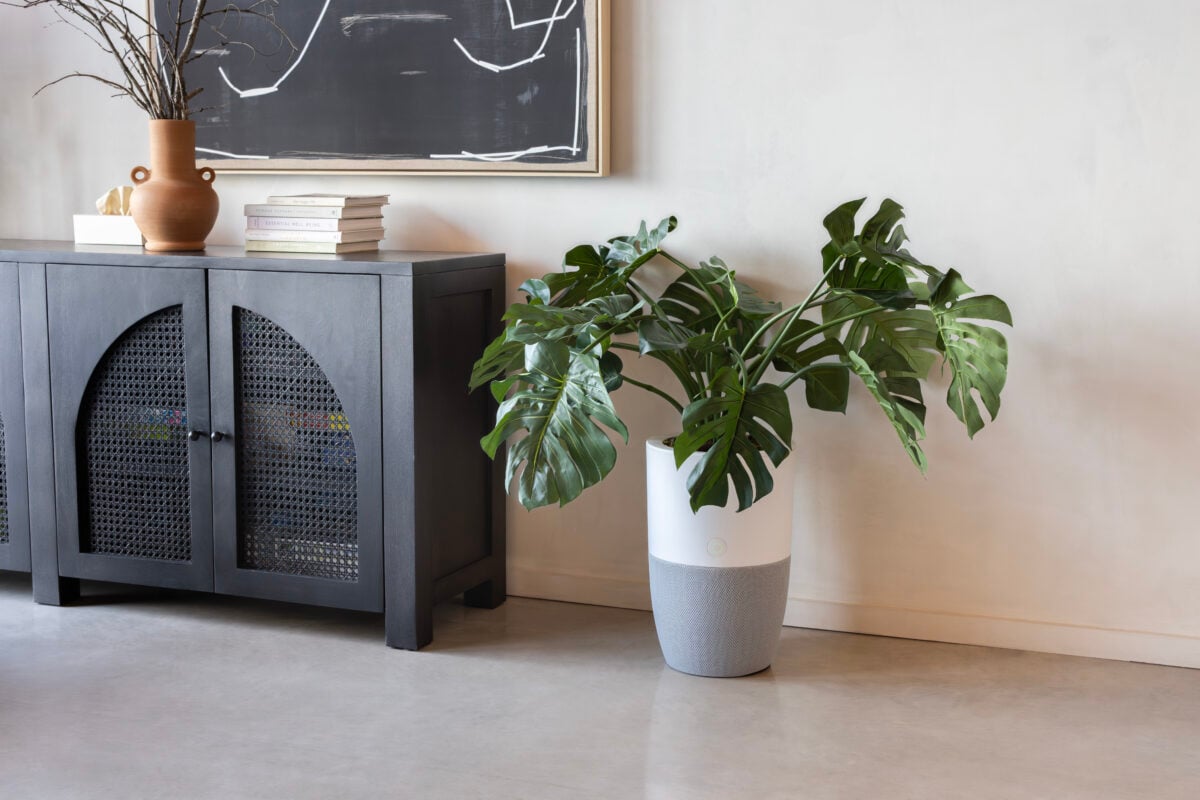
Here you might have two or three. Building the Bloom air purifier in Canada meant a real learning curve on sourcing and a lot more legwork per part. The important thing is that most of those costs are one-time setup costs, not permanent structural ones. You pay to build the supply base once.
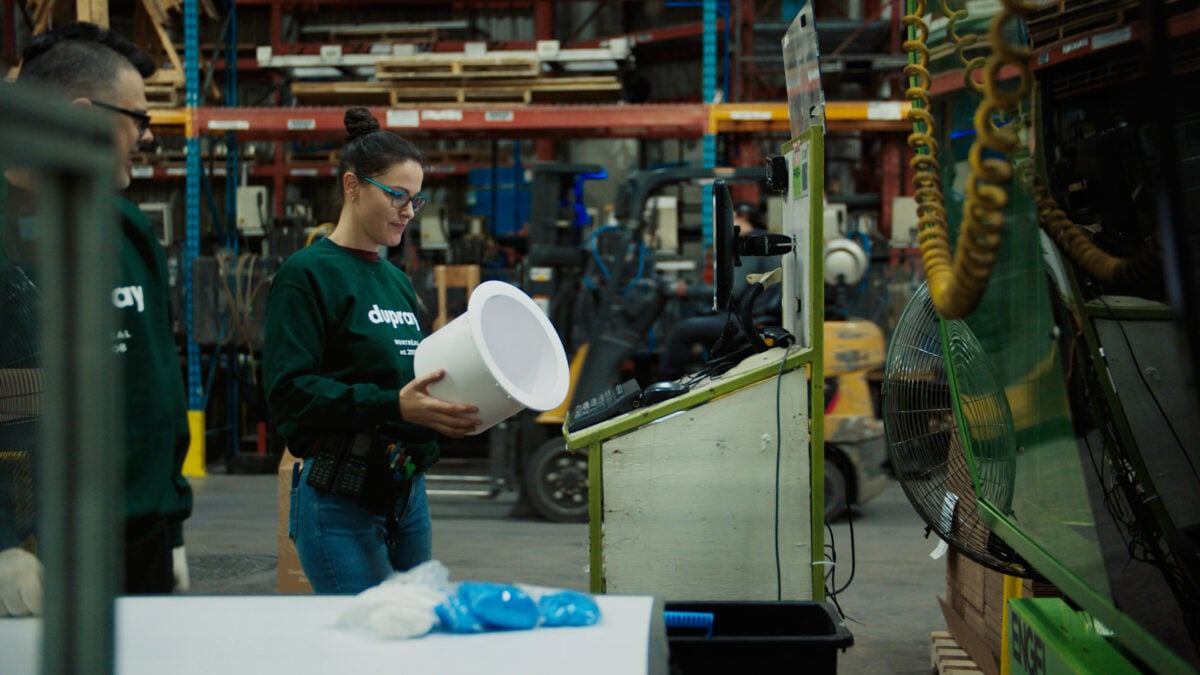
Q: How much of Dupray’s production is now taking place in Canada, what products are being manufactured here, and do you expect to bring additional production home?
A: It’s a small share of our volume today. We deliberately started with one product as a pilot — the Bloom air purifier — because we wanted to learn on something real rather than theorize about it. Air purifiers are a category that’s rarely, if ever, manufactured in Canada, so it was a genuine test. It’s gone very well and we’re in the process of launching a second product here. We expect to bring more over time, and at minimum we’re doing a serious evaluation of what makes sense to reshore. But we’re being disciplined about it. We’d rather under-promise and deliver than announce a number we can’t stand behind.
Q: With roughly 70 per cent of your sales coming from the U.S., how do you balance the advantages of Canadian manufacturing with the challenges of competing in the U.S. market against much larger brands such as Hoover, Dyson and Bissell?
A: There are soft advantages to producing locally, like brand image and corporate responsibility. Those are real, but they’re not the whole case. The concrete advantage is proximity. Having production close to the customer makes you faster and more responsive, and that’s how a company our size competes with legacy brands. We’re never going to outspend them, so we have to out-manoeuvre them: improve products on the fly, react to what customers tell us in weeks instead of quarters. That’s how our Neat Steam Cleaner became the #1-selling steam cleaner on Amazon in North America in 2025 — not by outspending Bissell, but by iterating faster than they do. When your supply chain is measured in weeks rather than many months, that’s a structural advantage, not a marketing line.
Q: What does Dupray’s experience tell you about whether reshoring consumer-product manufacturing to Canada is realistically viable for other small and mid-sized Canadian companies?
A: If you’re doing it purely to save money, you’ll be disappointed. But the cost gap is a lot narrower than most people assume once everything is accounted for, and what you give up in margin you get back in speed, control and resilience. For Dupray those benefits outweigh the difference. Any company considering it should run the numbers honestly and then ask what the non-financial benefits are worth to them.
More from Retail Insider: