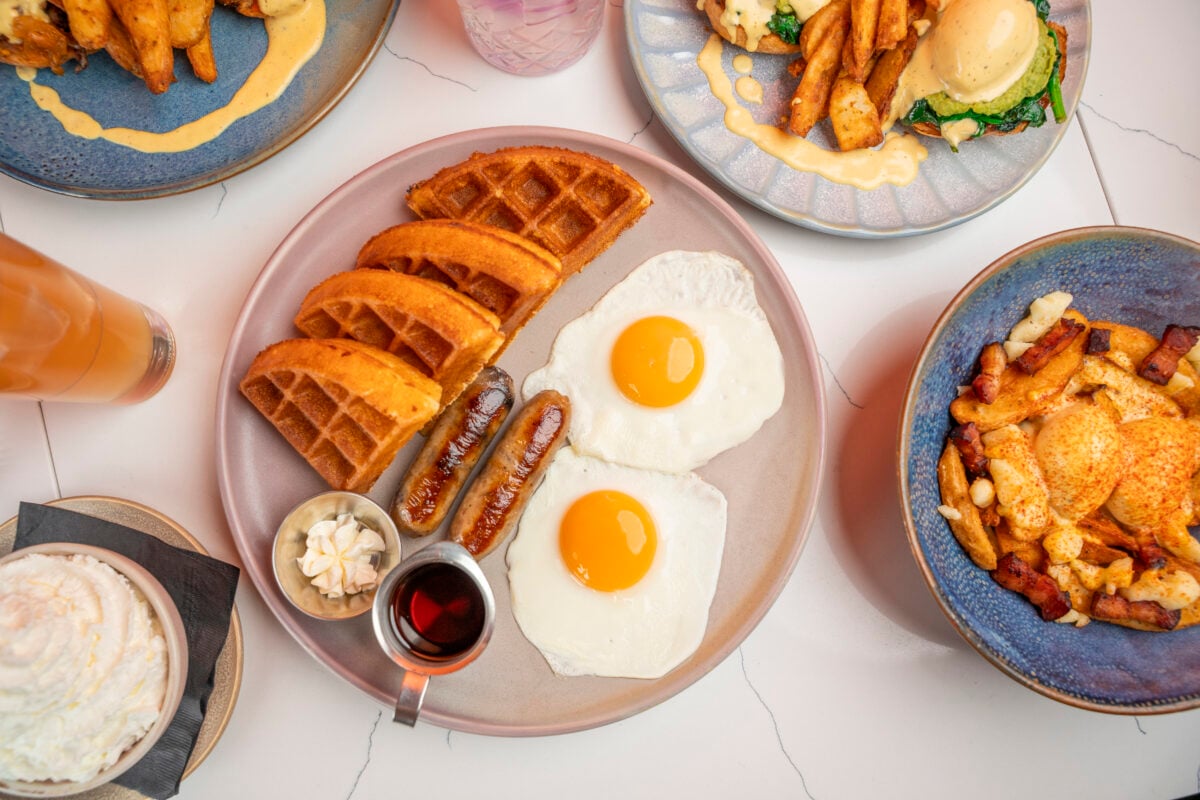
OEB Breakfast Co.’s 2025 sales data shows that three familiar breakfast dishes — the Classic Breakfast, The Threesome and Traditional Benny — accounted for more than 434,000 orders across its Canadian restaurants last year.
For a brand known for approaching breakfast differently, the numbers raise an interesting question: why do familiar breakfast foods continue to outperform when consumers have more choice than ever?
In an interview with Retail Insider, OEB CEO Dave Orsten spoke about the industry.

What does OEB’s 2025 sales data tell you about why customers continue to choose familiar breakfast dishes such as the Classic Breakfast, The Threesome and Traditional Benny despite the brand’s focus on menu innovation?
I think the 434,000 orders give us an entry point into a bigger part of the OEB story, which is comfortable, approachable food done exceptionally well.
One of the things we’ve always believed is that something doesn’t need to be complicated to be special. In some ways, the simplest food is actually the hardest place to differentiate yourself because the guest already knows exactly what it should taste like. There’s nowhere to hide with eggs, bacon, potatoes and toast.
I think familiarity actually raises the standard. When you introduce an ingredient or flavour someone has never experienced before, there’s an element of discovery. With a Classic Breakfast, guests bring a lifetime of reference points to the table. The differentiation has to come from the quality of the ingredients, how they’re prepared and how consistently you execute them.
A simple egg is a good example. It may be one of the most basic ingredients in breakfast, but we put a lot of thought into what that egg is before it ever reaches one of our restaurants. Our eggs come from free-run, pecking hens fed a vegetarian diet bolstered with flax and marigold, which produces that deep yellow, rich and creamy yolk. Our meats are made to our specifications with clean ingredient decks and no fillers, and our breads are signature recipes produced specifically for OEB.
Those choices aren’t necessarily obvious when someone looks at a Classic Breakfast on the menu, but they become obvious when they eat it.
To me, that’s what more than 434,000 orders reinforces. Guests don’t always need us to reinvent breakfast. Sometimes they want us to take something they already know and love, obsess over the details and simply make it better.
How do familiarity and consistency influence customer trust, repeat visits and ordering decisions at OEB?
I think the classics establish trust.
Guests have a very clear expectation of what familiar breakfast food should be. If they order a Benny today and come back weeks later, they expect that same quality and experience. Consistently delivering on that expectation is part of how you earn the right to ask them to trust you with something less familiar.
If we’re going to put truffle or caviar on the menu and talk about pushing breakfast forward, we had better also be able to cook a great egg, make exceptional potatoes and serve a Benny consistently.
I think that’s an important relationship between familiarity and innovation that sometimes gets overlooked. They’re not competing strategies. Being exceptional at the fundamentals gives you credibility as a culinary brand and creates a foundation from which you can introduce guests to something different.
After many years, one of the biggest lessons for me is that innovation can get someone’s attention, but quality, craveability and consistency are what earn their trust and bring them back.
What have you learned from OEB’s ordering patterns about when customers are willing to try new or more inventive dishes versus returning to their favourites?
We’ve talked internally about our guests and menu through three broad lenses: Traditional, Adventurous and Lifestyle.
Roughly two-thirds of our guests lean Traditional. They value familiarity and approachable food done well. About 25% lean Adventurous — they’re our foodies who want to discover flavours and ingredients they wouldn’t necessarily expect from a typical breakfast restaurant. The remaining 10% or so lean Lifestyle, where things like health, nutrition and dietary considerations are more prominent in their choices.
But one of the most important things we’ve learned is that people don’t actually live in those three boxes.
The same person can have a balanced, protein-forward breakfast today and order something completely indulgent tomorrow. Someone who generally gravitates toward familiar dishes can become Adventurous when something catches their eye. Occasion matters. Who you’re dining with matters. What you’re craving that particular day matters.
That’s why I don’t think the goal is necessarily to turn a Traditional guest into an Adventurous guest. It’s to build enough trust and variety into the menu that OEB can serve that same person across different occasions and different needs.
Our more adventurous dishes — whether that’s truffle, caviar, great smoked salmon or duck — give people opportunities to discover something and help define OEB as a culinary brand. But sometimes that same guest simply wants the breakfast they already know they love.
Understanding that fluidity has been important for us. Consumer behaviour isn’t always about identifying what type of guest someone is; sometimes it’s about understanding what that guest needs from you on that particular visit.
How does OEB balance introducing new menu items and keeping the classic dishes that consistently generate strong sales?
For us, innovation has to create craveability. Being different for the sake of being different isn’t enough.
I also don’t think innovation necessarily means introducing something unfamiliar. Sometimes the opportunity is to take something people already understand and rethink how good it can be.
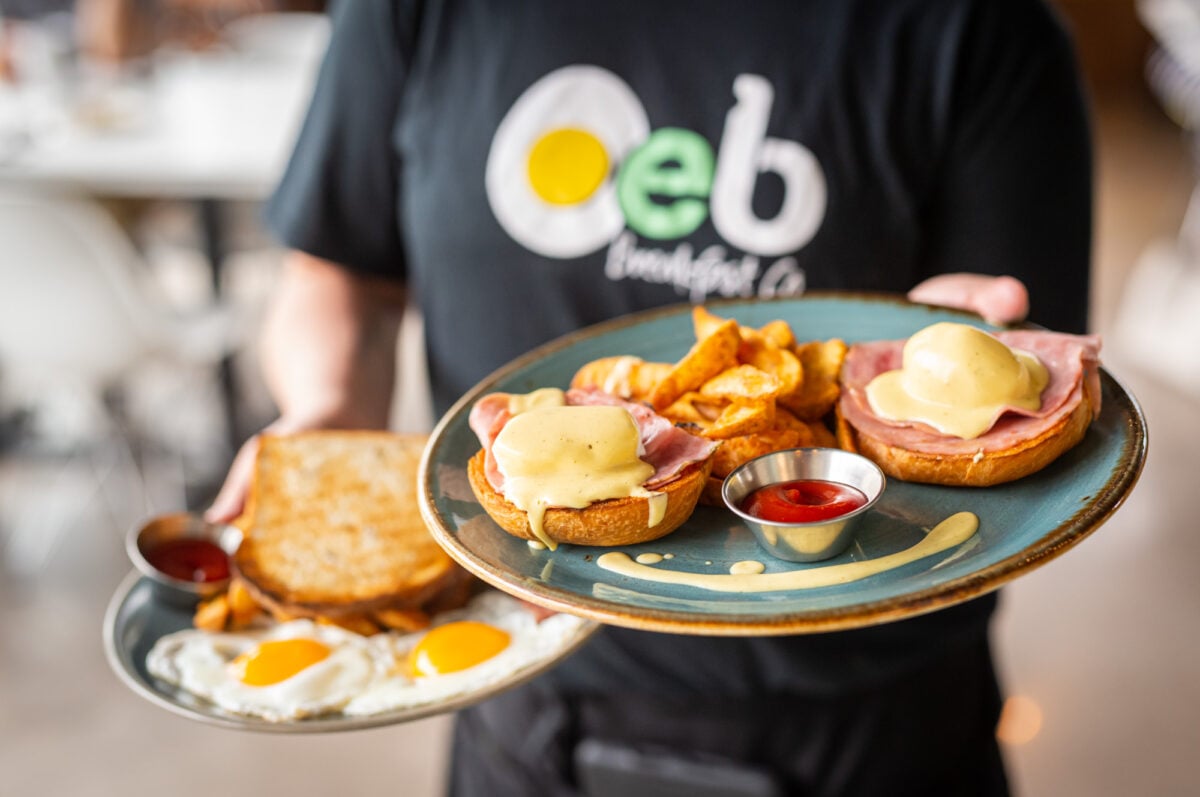
Our brown butter hollandaise is probably one of the best examples. Hollandaise is completely familiar within breakfast, but we took that foundation and created something distinctly OEB. It has become a flavour people crave and, in some cases, will drive specifically to OEB to have. To me, that’s innovation at its best. It doesn’t need to be unfamiliar or complicated. It needs to make the food better and give people a reason to come back.
There is absolutely a place on our menu for more adventurous culinary innovation as well. Ingredients like Maritime lobster, wild blue crab and Korean-style beef aren’t things guests would necessarily expect to encounter at breakfast, but they give us an opportunity to bring different flavours and culinary influences into the category. That creative side of the menu helps push expectations of what breakfast can be and is an important part of what makes OEB different.
But that doesn’t mean innovation needs to come at the expense of the dishes guests already love.
I think there are different ways to push breakfast forward. Sometimes it’s creating something unexpected. Sometimes it’s taking something incredibly familiar and raising the standard for it. The common denominator has to be whether we’ve made the food better and created something people actually want to eat again.
How do you expect consumer preferences for breakfast to evolve, and what role will familiar favourites and menu innovation play in OEB’s strategy going forward?
We’re already seeing guests pay more attention to what they put into their bodies, where ingredients come from and how they’re produced. Clean ingredients and thoughtful, ethical sourcing have become an increasingly important part of the relationship we have with our guests.
In the coming years, I don’t see breakfast moving strongly toward any one category. Guests will continue to want familiar comfort, indulgence, healthier choices and culinary discovery, often on different occasions. The same person may want a classic breakfast one day, an indulgent brunch experience the next, and a choice that supports their wellness goals on another. The opportunity is to respond to those different expectations without losing a clear culinary point of view.
Familiar food will remain the foundation, but familiar cannot mean ordinary. Guests expect recognizable dishes made exceptionally well. They also want new ingredients, flavours and thoughtful interpretations that elevate the culinary experience. Health-conscious dining is becoming less about what is removed and more about what ingredients contribute, including protein, fibre, whole foods and other recognizable health benefits, without sacrificing flavour or craveability.
Trust, value and experience will continue to become more important. Guests want transparency around ingredients, sourcing and preparation, along with dietary options they can trust and easy customization. They will define value not simply by price, but by quality, hospitality, consistency and whether the experience feels worth leaving home for.
A creative dish may earn attention, but execution, hospitality and consistency are what earn the return visit.
More from Retail Insider: