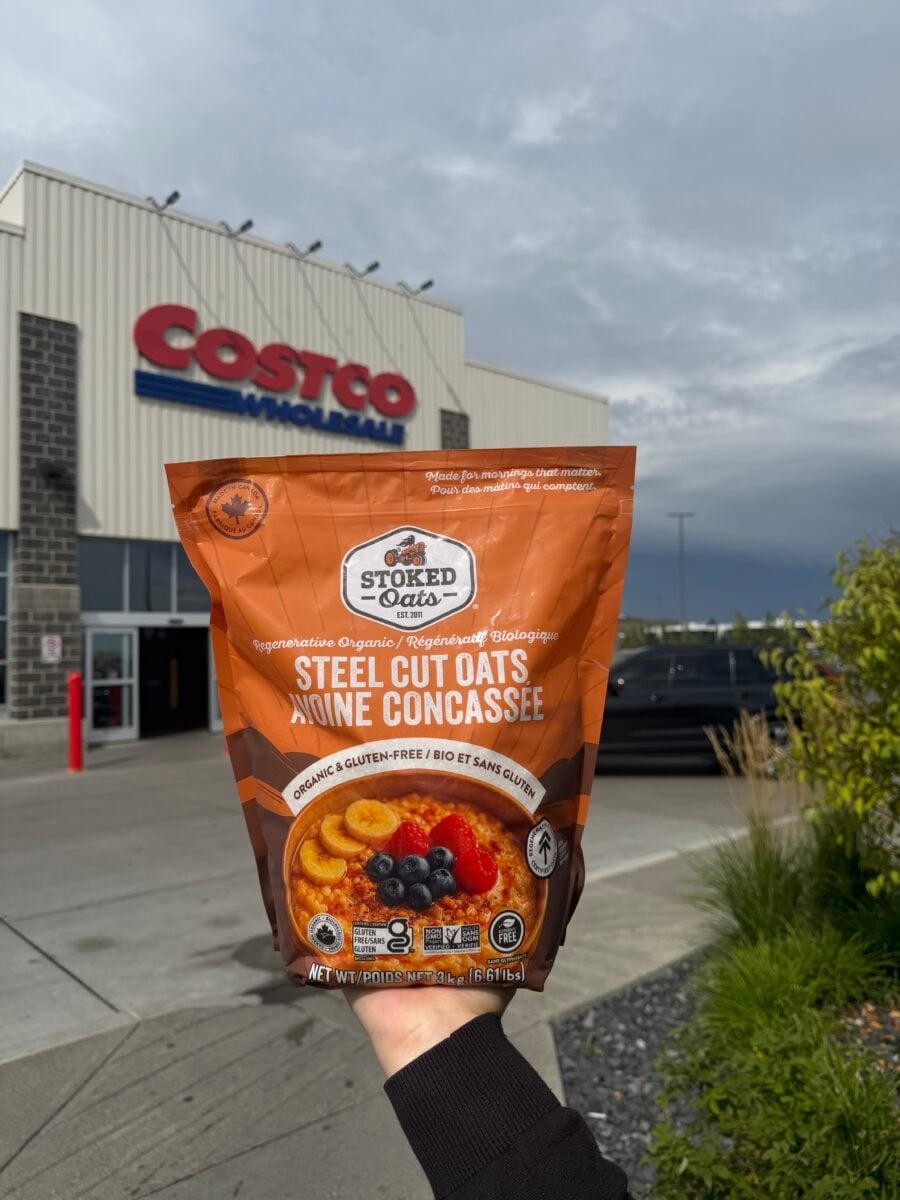
Calgary-based Stoked Oats has built a profitable, eight-figure annual revenue company with a core team of seven and no institutional venture capital.
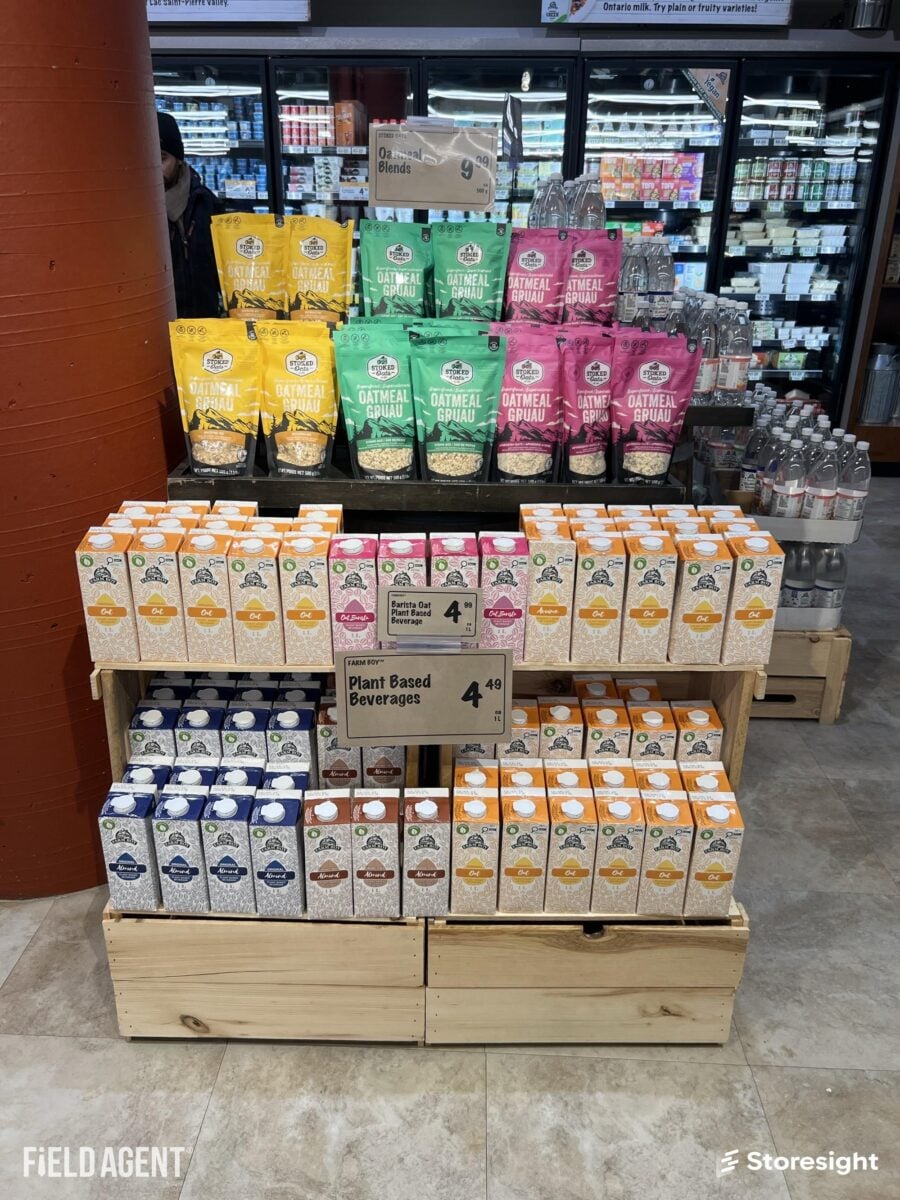
Revenue for the company nearly doubled in 2025 and it is on track to double again in 2026. Stoked Oats is currently Sobeys’ #1 natural granola by velocity.
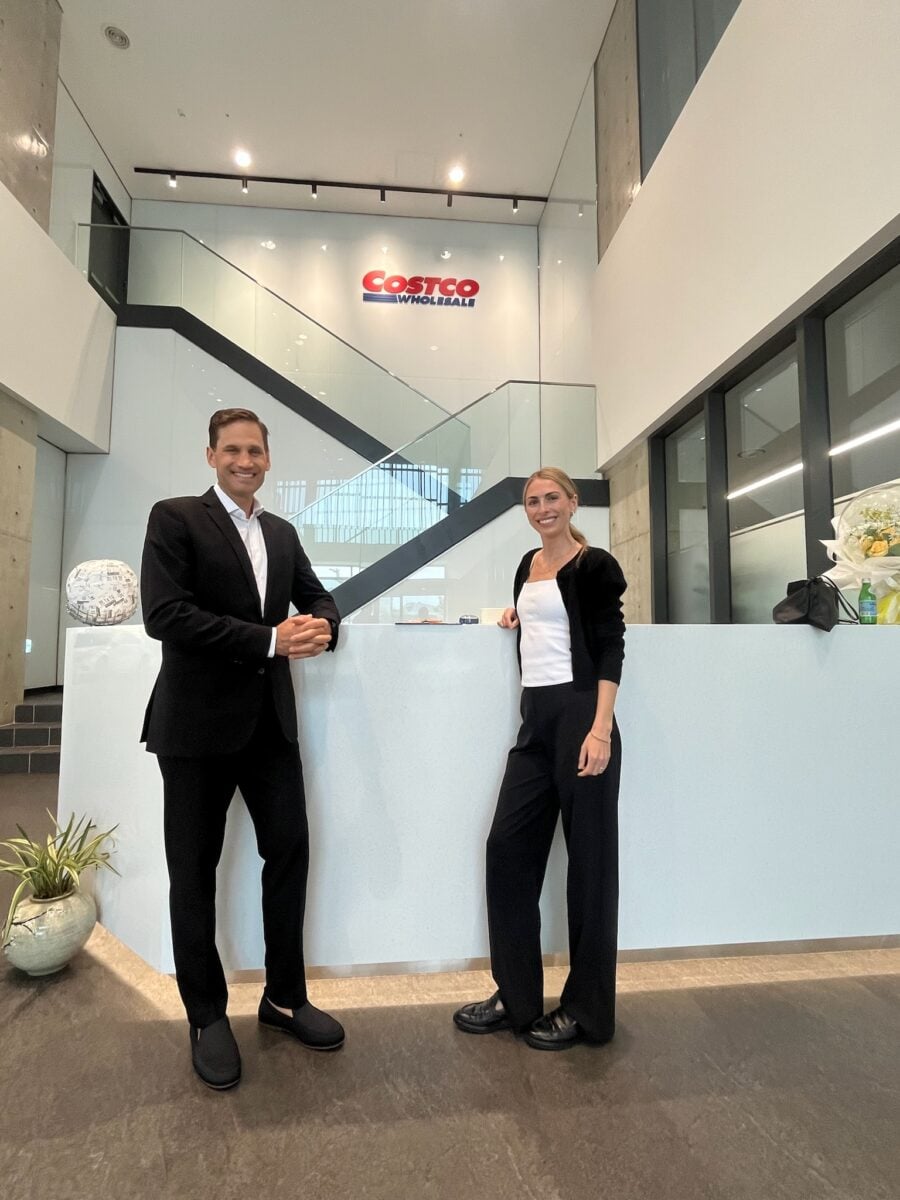
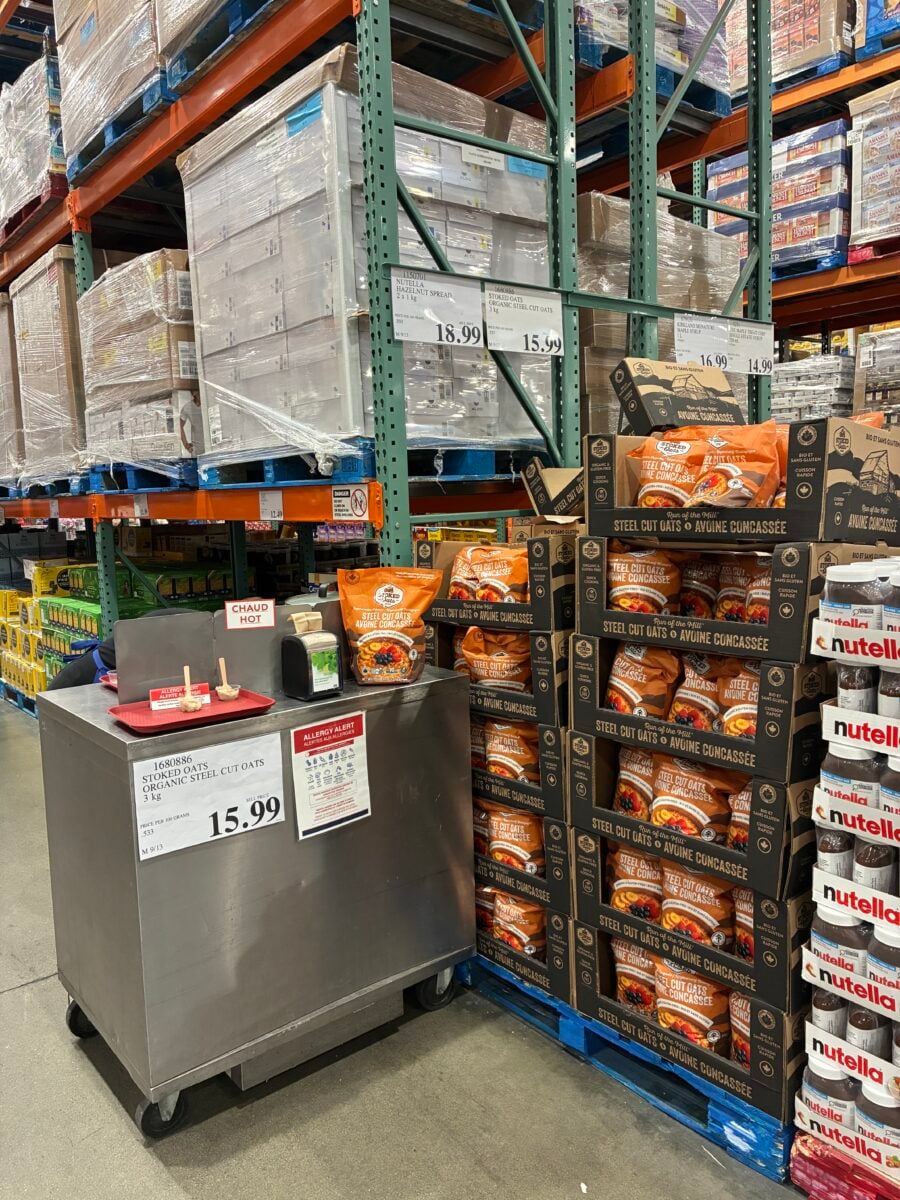
“We now have Costco SKUs in Canada, Japan and South Korea. Neither of us had a CPG background when we went full-time in 2020; we learned retail, manufacturing and supply chain in real time while expanding the oat platform from oatmeal into granola, cereal, pancakes and NEXTY-winning OatRice. Last year we were named EY Entrepreneur of the Year Finalists,” said Simon Donato and Chanelle Mayer Donato, co-founders of the company.
In an interview with Retail Insider, the two spoke about the company’s growth.
What were the key decisions that allowed Stoked Oats to nearly double revenue in 2025 and remain on track to double again in 2026 while maintaining a seven-person core team?
We’ve focused on building a profitable business and making each stage of growth support the next. Revenue nearly doubled in 2025, and we’re on track to double again in 2026, with a core team of seven. We apply the 80/20 principle by concentrating our time, energy and investment on the opportunities with the greatest potential for growth. With a small team, we have to be resourceful, strategic and selective. An opportunity can be worthwhile without being the right priority today.
Expanding within our retail relationships has been an important driver. We’ve added product lines with Costco, launched with major retailers in Japan and South Korea, and grown our business with retailers such as Sobeys, Metro and Loblaws. We’ve also expanded into foodservice and cafés through customers such as Booster Juice and Joe & the Juice. Growing with existing partners allows us to build on the trust and performance we’ve already established.
We keep coming back to a simple question: do people want this, and can they afford to keep buying it? Taste, nutrition, convenience and price all have to work together. That’s what makes innovation useful. We stay close to our customers to understand what they value, what’s missing and how their needs are changing. Those insights guide products such as our high-protein, low-sugar Stoked O’s cereal. We’re proud of what we’ve built, but we don’t assume that what worked yesterday is enough for tomorrow.
We’ve built our reputation around quality ingredients, including regeneratively grown oats cultivated without synthetic pesticides or herbicides, with recipes that use real maple syrup, honey and fruit for sweetness. We believe premium, clean ingredients and accessible pricing belong together. We want more people to be able to make nutritious, enjoyable food part of their everyday lives. That means creating products they want to eat, at a price that makes it possible to keep choosing them.
Hiring and culture have been equally important. We have built a small, exceptional team with deep expertise who we can learn from. Stoked Oats is highly collaborative, and we value team members who take initiative, think critically and bring solutions. Asking questions and challenging our assumptions are part of how we work. As the business grows, the challenges change. Having a team of self-starters who tackle problems head-on, identify our highest-impact growth opportunities and execute quickly and effectively has been critical to our success. We also like to have fun together and celebrate our wins – we are Stoked Oats after all.
We use AI to streamline operational workflows and reduce manual tasks, giving our team more time to interpret data, strengthen relationships and act on opportunities. We’re deliberate about where technology can increase capacity and where we need human expertise.
The question we keep returning to is how to increase our capacity without increasing overhead at the same pace. Profitability gives us the ability to reinvest in our people, fund new product and retailer launches, and pursue growth with a longer-term perspective. We’re building a business that can fund its own future.
How did you fund inventory, manufacturing and expansion without institutional venture capital, and what have you learned about managing cash flow as the business has scaled?
We’ve funded growth through a combination of reinvested profits, small angel rounds raised earlier to help fund production, and working-capital financing. This year, we added an operating line with ATB/EDC and improved payment terms with our partners, allowing us to collect receivables sooner.
Those changes help bridge the gap between paying for inventory and manufacturing and receiving payment for the finished product. As order sizes increase, the timing matters more. A larger purchase order is an exciting opportunity, but it also creates a financial commitment well before the cash comes in.
One of the biggest lessons is that profitability and cash flow are different things. An order can be profitable and still put pressure on the business if too much cash is tied up in producing and delivering it. That means looking at production commitments, inventory levels and payment timing together.
We’ve learned to plan the cash requirements alongside the sales opportunity. We need to fulfil larger orders while maintaining reliable supply for existing customers and leaving enough room to keep investing in the business. Growth is much more sustainable when the financing and operations are ready to support it.
Remaining profitable, alongside appropriate financing and better payment terms, has allowed us to pursue expansion without institutional venture capital.
What has driven Stoked Oats’ strong performance at Sobeys, including becoming its No. 1 natural granola by velocity, and what have you learned about building and expanding relationships with major retailers?
Stoked Oats is currently Sobeys’ No. 1 natural granola by velocity. That’s a meaningful milestone because getting onto a shelf is only the beginning. The product needs to keep moving once it’s there.
We believe our performance reflects a combination of taste, accessible pricing, quality ingredients and our organic, gluten-free offering. We’ve built the brand around nutritious oat-based products, appealing flavours and a personality people can connect with. Our customers include athletes and younger consumers who pay attention to ingredients and want food that fits their lives without compromising enjoyment.
Consistent availability matters just as much. We’ve strengthened our operational and logistical support to manage inventory and maintain steady supply. Demand only translates into sales if customers can find the product, especially when they return to buy it again.
Strong retail relationships start with understanding what success looks like for the retailer. A compelling founder story can open a conversation, but the product has to earn its place through sales, and the company has to be a dependable partner. That means paying attention to performance, communicating clearly and following through.
The lesson is to treat a listing as the beginning of a partnership. Every successful product and well-executed order gives a retailer more confidence in what you can do together. Strong performance in the business you already have creates a much better foundation for expanding into additional products and distribution.
How did you move from having no CPG background to developing and manufacturing a broader product range that now includes oatmeal, granola, cereal and OatRice?
Stoked Oats began at the Calgary Farmers’ Market. Simon went full-time at Stoked Oats in 2018, and Chanelle followed in 2020. Both came from the energy sector. Simon was a geologist at Imperial Oil before leaving to co-host Boundless, competing in endurance races around the world. Chanelle was a senior renewable energy developer at NextEra Energy.
We brought lessons from our corporate careers about what worked well and what we wanted to do differently. That experience shaped our ambition to build a company where people bring deep expertise, work closely together and can act quickly on the best ideas. We wanted to preserve that ability as the business grew, while building the discipline and strategy needed to sustain profitability.
There was still a great deal to learn about the CPG space. Asking our peers and mentors many questions, paying attention to feedback fro our customers, and challenging our assumptions have been central to how we’ve developed the business. We didn’t need to arrive with every answer, but we did need to learn quickly and surround ourselves with people who understood the areas we were entering and could share their experiences to help us learn.
A significant shift was recognizing the opportunity beyond oatmeal. Oats can serve different needs across the day, and we built that thinking into the innovation component of our three-year business plan. We then worked through those opportunities sequentially, building our knowledge as we developed each category.
Today, our range includes oatmeal blends and overnight oats, granola, high-protein cereal and OatRice. OatRice is a good example of looking at a familiar ingredient differently. It takes something people associate with breakfast and gives it a new role on the plate. Winning a NEXTY for OatRice was an exciting recognition of that work.
Each new product needs to meet a real customer need while making sense for Stoked Oats. That gives us room to be creative without losing the focus that makes the brand recognizable.
What has changed operationally and strategically as Stoked Oats has expanded in Canada and launched with major retailers in Japan and South Korea, and what lessons have you learned about taking a Canadian food business into Asian markets?
Expanding our product lines with Costco and launching with major retailers in Japan and South Korea has made international growth a much bigger part of the business. It has also required us to deepen our knowledge of exporting and build the operational capabilities to support it.
We’ve learned about customs requirements, shipping and how to make freight and logistics more efficient. Those details have a direct bearing on costs, delivery timing and how reliably we can serve our partners. As volumes grow, getting them right becomes increasingly important.
Larger orders also mean larger production commitments and more cash tied up in inventory before payment arrives. That connects directly to our emphasis on profitability and working capital. We have to consider how an international order fits into the wider business, including the supply commitments we already have.
Strategically, we approach Japan and South Korea as distinct markets. Success in Canada gives us a foundation, but it doesn’t remove the need to understand local shopping habits, expectations and retailer requirements. Staying close to our partners helps us build that understanding and make better decisions as we grow.
There is real demand for Canadian products internationally, and we’re excited about the opportunity. Getting here has been years in the making. In the early years, it often felt like pushing a boulder up a mountain. Now the business has a momentum of its own: products are performing strongly, retail relationships are expanding, and the work we’ve put in is opening new doors. We’ve built the team and strengthened our operations to meet that growth. We’re ready to put that experience to work on a much bigger scale.
More from Retail Insider: