Different, not dead: The future of brick & mortar retail

Date:

Share post:


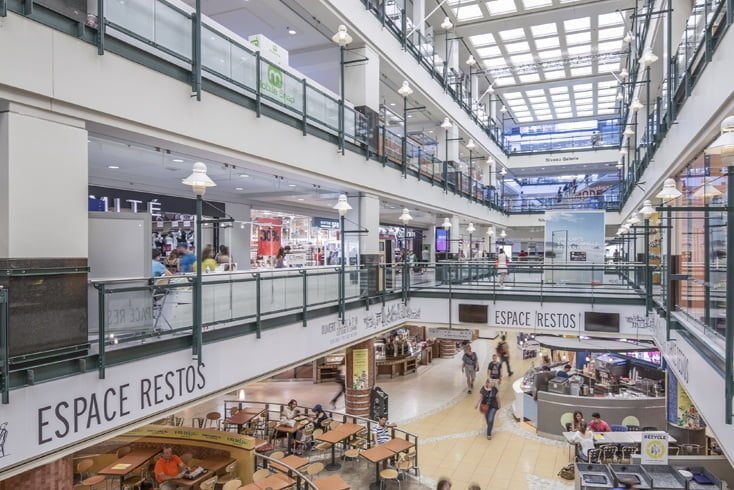
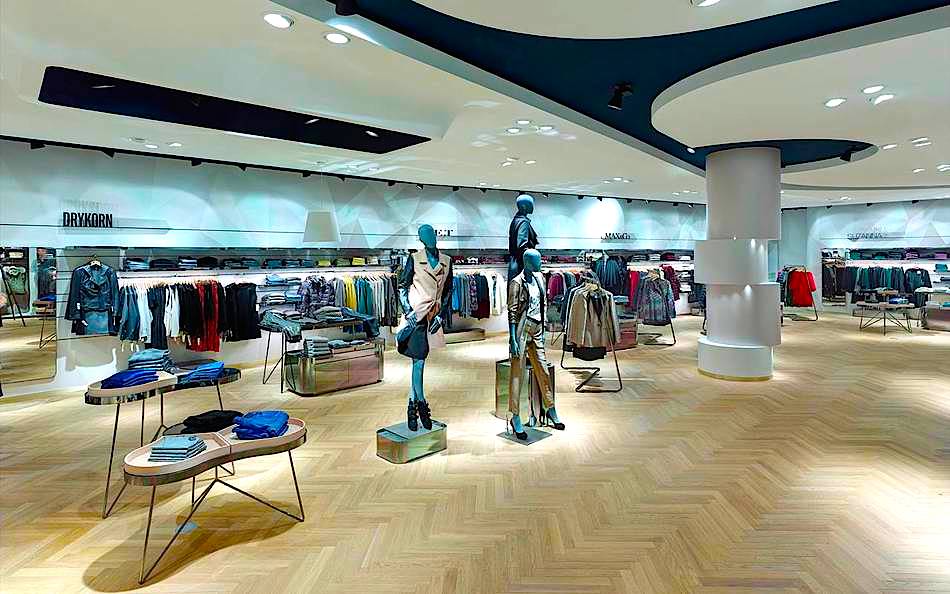
Breuninger , Düsseldorf, Germany. Photo:  LiganovaBreuninger , Düsseldorf, Germany. Photo:  Liganova

Breuninger, Düsseldorf, Germany. Photo: Liganova

By Steven P. Dennis

“Reports of my death have been greatly exaggerated.” 

– Mark Twain*

Media reports highlight the dramatic shift of spending from traditional stores to e-commerce. Industry analysts and pundits predict the demise of brands with substantial investments in retail real estate. We live in an increasingly virtual world, they say, and those with deep roots in the physical realm are starting to look more and more like dinosaurs.

The transformation of shopping fueled by all things digital is profound with no signs of deceleration. The crazy little thing called the internet is changing virtually (pun intended) everything. But anyone who thinks that brick and mortar stores are going away has it wrong. Here’s why.
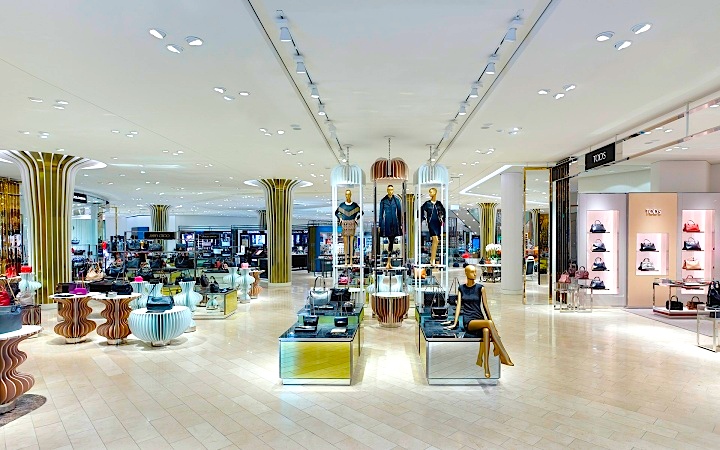

Photo: BreuningerPhoto: Breuninger

Photo: Breuninger

Brick and mortar retail can enhance the value proposition. Physical retail offers many important advantages–the ability to see and try on products, instant gratification, face-to-face customer service, social interaction and so on–that digital selling cannot readily replicate.

Purchase events matter. There is a reason that e-commerce penetration in many product categories remains low. Where the risk of buying online is perceived as high (apparel, many big ticket items), direct-to-consumer shares remain in the single digits. Brands like Zappo’s have innovated in customer service to overcome some of e-commerce’s limitations, but long-term growth potential is modest. In fact, e-commerce darlings like Bonobos, Nasty Gal and Warby Parker have begun to broaden their reach–and address flattening growth–by opening physical stores. Plenty of products–particularly perishables and low-priced items–also have underlying economic reasons why direct selling volume will remain constrained.

Consumer segments matter. Great customer intimate brands embrace the notion of treating different customers differently. When you do this, you understand the different needs, wants and behaviours of varied customer types. Depending on the product and the particular consumer, the purchase journey may begin and end at a physical store. For others, they will never set foot in a brick & mortar location. Others will research online and buy in store. You get the idea. Your mission is to understand the role your physical locations play in being intensely relevant and remarkable for the customers you need to attract, retain and grow. Then build out and customize the experience accordingly.

The blended channel is the only channel. Stop thinking channels and start thinking about a consistent, integrated customer experience for your brand. Other than products and experiences that can be delivered completely digitally, the majority of retail purchases are influenced by both the digital and physical realms. More and more data is emerging to confirm this. Your mileage will vary, but silo-ed thinking, organizations, incentives and metrics confuse, rather than illuminate.

Frictionless commerce is essential. Let’s be blunt: there’s more heat than light in the discussion of omni-channel capabilities. Strategically, the key is to hone in on how to be differentiated, relevant and remarkable for the customers you wish to serve. And then you must root out the sources of friction in your customer experience. With more consumers going back and forth between digital and physical channels in their decision journey, if you don’t make it easy to do business with you chances are there is a competitor who is ready to pounce.

Mobile adds value to physical retail. When e-commerce was either sitting at your home or office surfing the web, the distinction between digital and brick & mortar really meant something. Now with consumers untethered and having increasingly powerful devices with them 24/7, mobile becomes the great integrator–and makes the distinction between e-commerce and brick & mortar less relevant all the time.
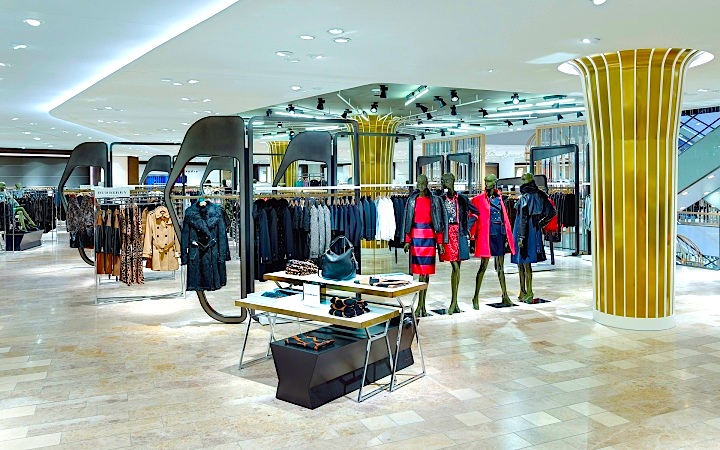

Photo: BreuningerPhoto: Breuninger

Photo: Breuninger

Seismic changes ARE impacting retail. With the exception of companies in the early stages of maturity, most retailers need fewer stores and many of the stores they have will need to be smaller. But assuming that physical retail is going away any time soon is just plain wrong. The tendency to isolate e-commerce and brick & mortar performance is equally misguided.

Amazon and a handful of best-in-class e-commerce companies will continue to thrive. And new pure play digital models will undoubtedly emerge to captivate consumers and gobble up share.

But there is plenty of business to be done in physical stores. Less, but still plenty. And most of the growth in what is counted as e-commerce is not a shift to online-only brands, but rather to brands that have cohesive omni-channel strategies. Think Nordstrom and Macy’s so far. For them, stores are assets, not liabilities. But the way brick and mortar retail drives consumer engagement and loyalty is morphing quickly.

These emerging winners follow a simple but compelling formula:

  • More focused.
  • More differentiated.
  • More relevant.
  • More remarkable.
  • More personalized.
  • More integrated.
  • See you in the blur.

* This isn’t, apparently, the actual quotation, but one that has become part of his folklore.


Steven Dennis is a senior omni-channel retail executive and strategic growth advisor at SageBerry Consulting , LLC. . He is also a Former Chief Strategy Officer at Neiman Marcus. [More about Steven P. Dennis]

Published with permission. This post originally appeared at Steven P. Dennis’ Blog on May 15, 2014. Copyright 2014. Follow Steven P. Dennis’ Blog on Twitter.

NEXT ARTICLE: Analysis: Sears Canada’s Best Remaining Store Locations (And Who Could Take Them)

PREVIOUS ARTICLE: Macy’s Won’t Buy Struggling Sears Canada

GO BACK

Subscribe to RETAIL INSIDER

* indicates required


RELATED ARTICLES

Subscribe to the Newsletter

Subscribe

* indicates required

RECENT articles

Behind Oakridge Park’s Ambitious Fashion Show: Luxury Retail, John Legend and a New Vancouver Tradition

Oakridge Park's inaugural Front Row fashion event brought together John Legend, Joe Zee, more than 40 boutiques and a 250-person production crew. QuadReal's Irene Quan explains the luxury retail strategy, customer engagement initiatives and plans to establish an annual Vancouver fashion event.

Daily Synopsis: October 23, 2026

Loblaw CEO says discount stores are key to winning, made-in-Canada embraced for Halloween, FIFA store remains open in Vancouver, numbers show resilience, and other news.

From The Desk: Social Media Growth, Store Modernization and AI’s Impact on Retail Marketing

Canadian retailers focus on digital-driven growth, store upgrades and authentic brand experiences amid rising AI-produced marketing content and property shifts.

Retail Insider’s Canadian Retail Monitor: October 2026 — Retail Spending Rebounds, but Growth Remains Uneven

Canadian retail sales rose 1.2% in August 2026 to $74.6 billion, with gains across all nine major subsectors. Retail Insider's October Canadian Retail Monitor examines category performance, regional differences, wholesale activity, e-commerce growth and persistent affordability pressures heading into the holiday season.

RETHINK Retail Expands Executive Communities Under Canadian Leadership

RETHINK Retail is expanding its executive communities under Canadian CEO Marie Chevrier Schwartz, with Chris Parsons appointed VP of Audience. The company is developing Canadian programming focused on AI, retail media and industry collaboration.

Retail sales climb to nearly $75 billion in August: Statistics Canada

Core retail sales, which exclude gasoline stations and fuel vendors and motor vehicle and parts dealers, were up 1.1% in August.

Retail Insider “Q3 2026 Apparel & Fashion Report”: Stores Have to Earn Their Investment

Canadian fashion retailers are expanding, relocating and closing stores within the same market. The Q3 report examines why location productivity and network contribution matter more than headline store counts.

Canadian Franchise Sector Supports Nearly 2 Million Jobs: CFA

Canadian Franchise Association CEO Sherry McNeil discusses franchise ownership, opportunities for entrepreneurs, industry growth and the importance of due diligence.

OpenTable report highlights restaurants’ economic impact on Canadian communities

OpenTable survey finds half of Canadian diners spend an average of $133 at nearby businesses before or after restaurant visits, while no-shows remain a cost for operators.

Tahini’s targets 30 new restaurants as social media drives franchise growth

The Canadian Mediterranean fusion chain has 76 restaurants and plans further expansion in Canada and the U.S., with some franchisees discovering the brand online.

Toronto-Based Panda Hub Raises $4 Million to Expand Mobile Car Care Marketplace

Panda Hub plans to launch its Panda 2.0 platform, enter new markets and add premium automotive services as it prepares for Series A funding.

Canadian Small Businesses Emphasize Local Identity as Holiday Costs Rise: VistaPrint Survey

VistaPrint research finds 51% of Canadian small businesses cite financial pressures as a key holiday challenge, while 32% prioritize attracting new customers.

Daily Synopsis: October 22, 2026

Canada Post starting weekend parcel delivery in Toronto Montreal and Ottawa, Walmart Supercentre opens in Fort McMurray, Stony Plain Costco under construction, adults drive Halloween candy sales, and other news.

Kith Opens Second Canadian Storefront at Vancouver’s Oakridge Park

Kith has opened its second Canadian store at Oakridge Park in Vancouver. The approximately 9,000-square-foot store features men's, women's and children's fashion, footwear, Kith Treats and a distinctive street-facing design within the shopping centre's expanding international retail mix.

NAPA Canada Sales Rise 9% as Acquisitions Drive Expansion Amid Soft Market

NAPA Canada reported 9% sales growth in the third quarter of 2026, supported by its acquisition of Benson Auto Parts. Comparable sales rose just 1%, highlighting subdued demand as parent UAP expands its Canadian automotive distribution and repair network.

MUJI opening first Vancouver Island store as Canadian expansion continues

The Japanese retailer is introducing a community partnership program in Victoria, with plans to extend the initiative to future Canadian store openings.

WitchSchool Canada Tests ‘Reciprocal Retail’ Model in Ottawa’s ByWard Market

WitchSchool Canada is testing a collaborative retail model in a 160-square-foot storefront in Ottawa’s ByWard Market. Founder Kiki Keskinen says the grant-supported residency connects independent entrepreneurs through shared programming, customer referrals and promotional opportunities, while raising questions about long-term operating costs.

Cozey doubles size of Toronto flagship showroom (Photos)

The furniture retailer is expanding its Queen Street West location as it adds products and prepares for new store openings in Edmonton and New York City.

CouchHaus Expands Toronto Presence With New King East Pop-Up Showroom

The Canadian furniture brand is returning to Toronto after its 2024 Stackt Market test, using an in-person showroom to support customer experience and national growth.

Retail Insider “Q3 2026 Grocery Report”: More Capacity, a Harder Fight for the Basket

Canadian grocers are adding stores, converting banners and reworking online fulfilment. The Q3 report examines whether more capacity can capture additional household spending at an acceptable cost.