Gertrude Stein once said: “The subject matter of art is life, life as it actually is; but the function of art is to make life better”. It’s a statement as poetic as it is profound, and one that speaks to the potential that art offers us as a possible agent of healing, communication, education and growth. It draws attention to its capacity to help us expand our thinking as individuals, as well as to deepen our understanding of the world we live in, sustaining a compassion for the people and things that we share it with. Her words are simple, yet they seem to convey in a very powerful way all of the qualities and benefits that art imparts, the ways it lends light to dark places, softens the hard and makes accessible the things that may have previously been made remote. It’s a philosophy that recognizes the cerebral, physical and spiritual responses that art stirs inside of us, making life more interesting, more dynamic and, as Stein suggests, simply better. And it’s also the philosophy that helps support and inspire the work done by The STEPS Initiative – a Toronto-based cultural organization dedicated to the use of art as a means to beautify our streetscapes, connect our communities and, as a result, strengthen and reinforce local business.

The organization, which operates as a CRA-certified charity, works with business improvement areas and other groups to identify public spaces that may require an upgrade. And through its services and collaboration with its roster of artists, it helps to transform urban areas, injecting vibrancy and verve into their surroundings, improving and enhancing them through arts and culture. It’s work that advances STEPS’ goal to foster stronger communities and strengthen the connections of those living within them, something that Alexis Kane Speer, Executive Director of The STEPS Initiative, believes is an integral component in ensuring the health and continued growth of urban neighbourhoods.
“Art has a power to connect people,” she says. “It has the power to engender a sense of shared understanding, bringing people together. It can also help to stimulate and nurture dialogue around topics that might otherwise be difficult because of differences between people. There’s a range of lived experiences represented in cities across Canada. Art provides a beautiful platform for these experiences to be shared and to give voice to people in our communities who are underrepresented.”
Inclusivity through art
Kane Speer’s comments are insightful and reflect STEPS’ mandate to showcase the work of diverse Canadian artists, with an emphasis on supporting the work of those who identify as emerging, Black, Indigenous, Person of Colour, female-identified and LGBTTQQIAAP. It’s a mandate and support that ensures the organization operates with the same openness and inclusivity inherent in the very notion of art, resulting in a host of incredible works being created and showcased in and around the city of Toronto.

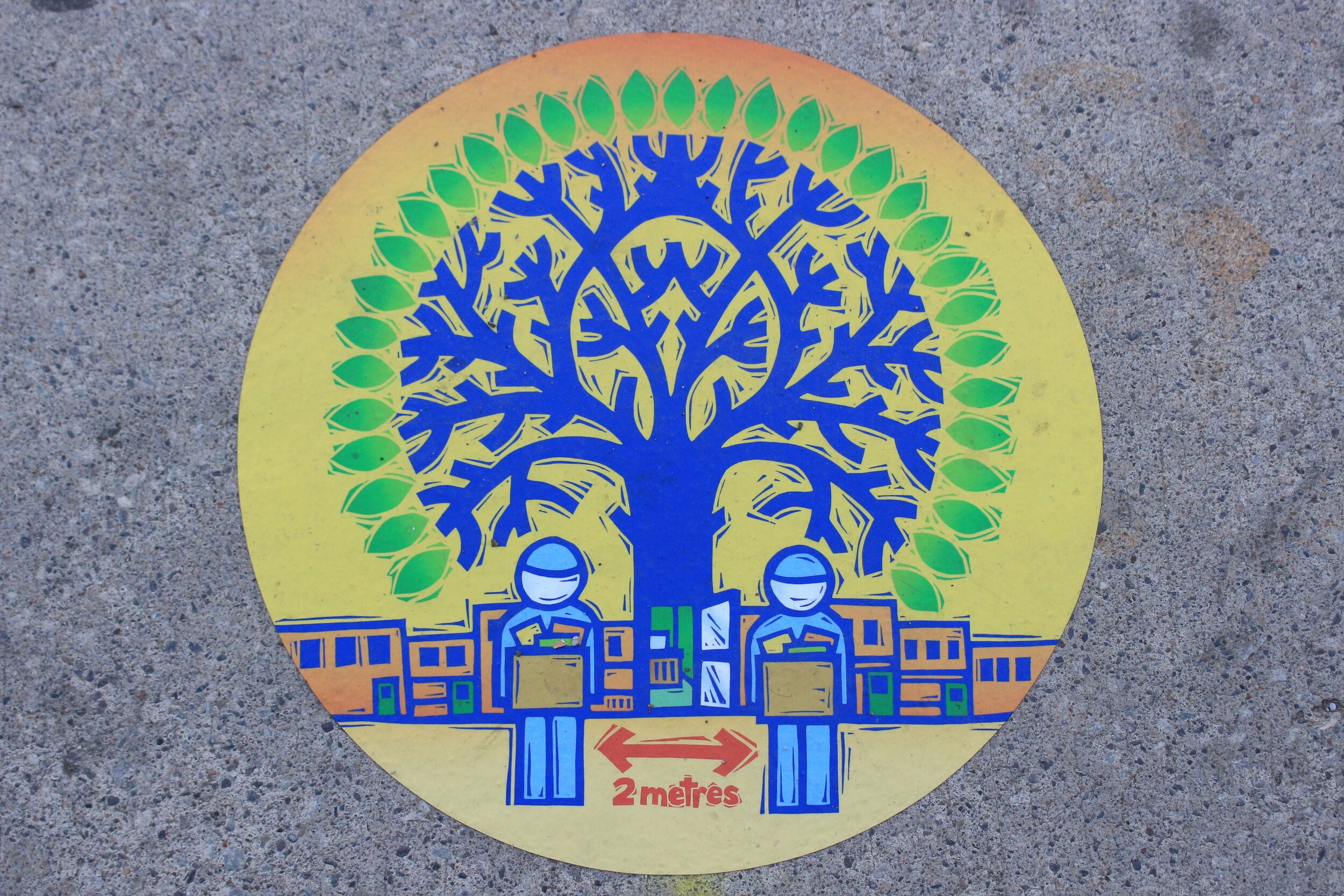
DOWNTOWN YONGE BIA SIDEWALK DECAL ARTWORK BY JENN KITAGAWA. 
DOWNTOWN YONGE BIA SIDEWALK DECAL ARTWORK BY VESNA ASANOVIC.
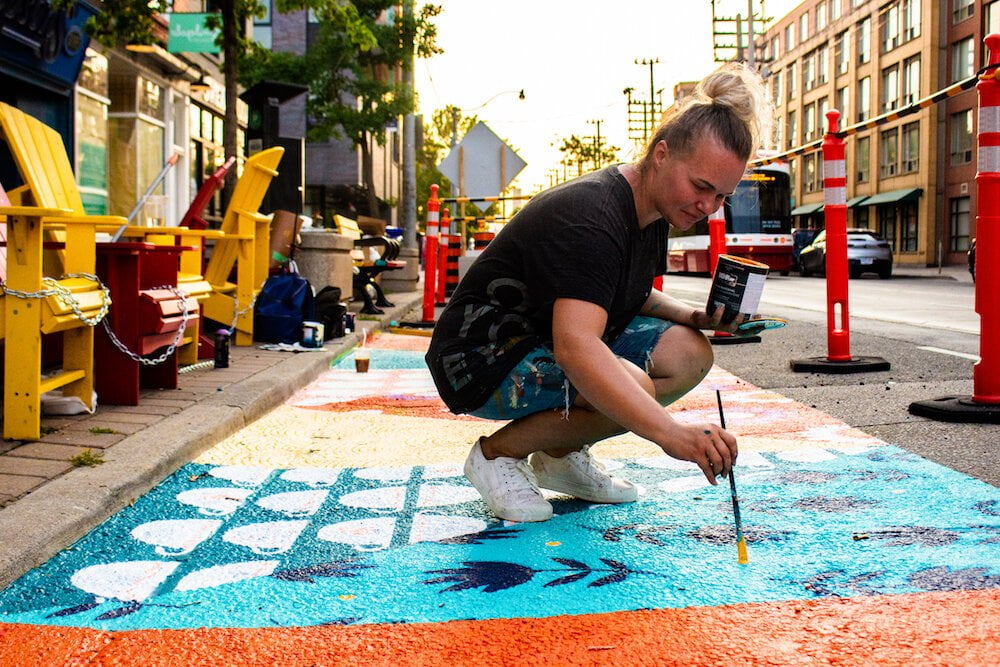
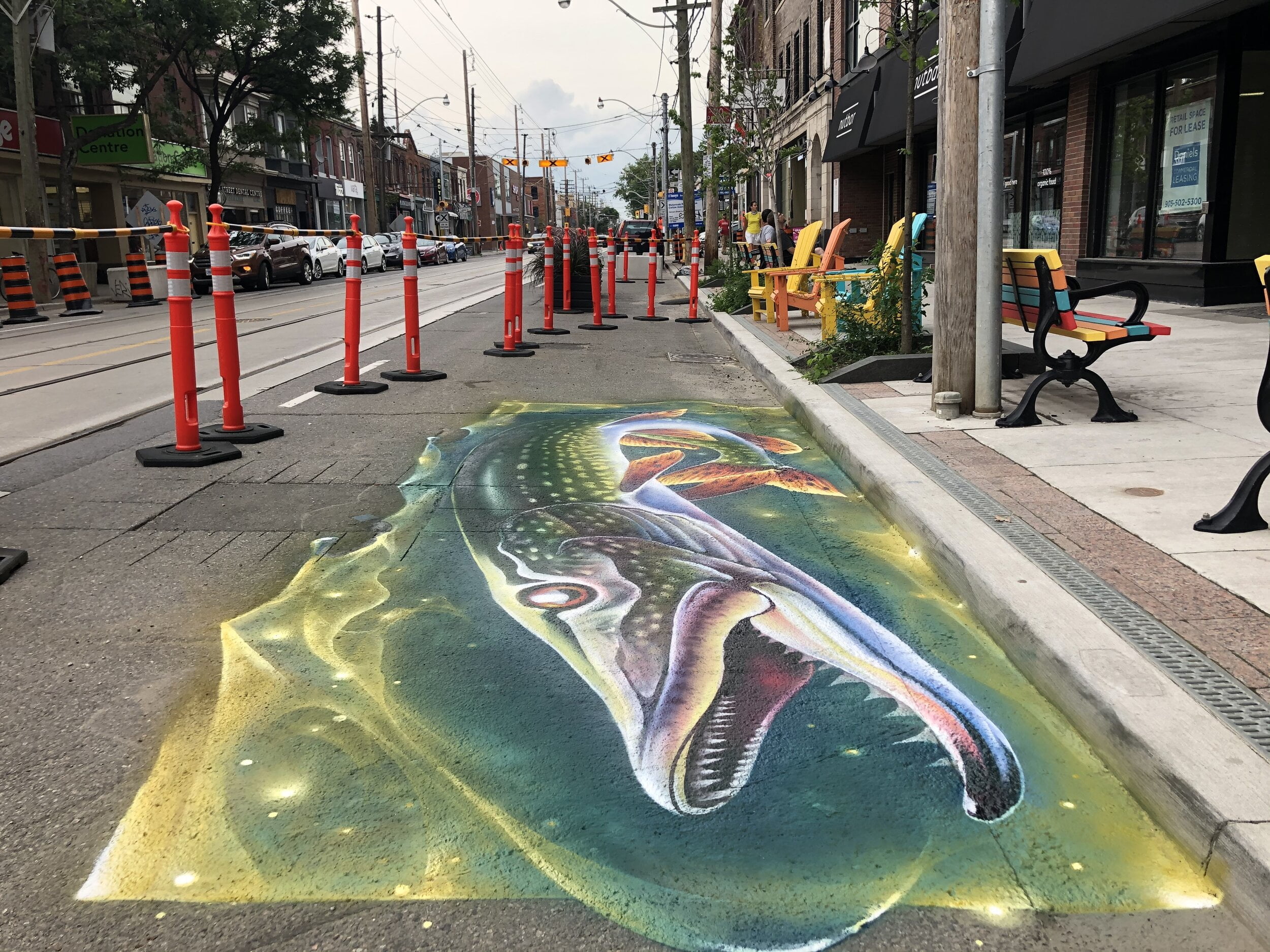
Throughout its 10-year history, The STEPS Initiative has helped to produce over 200 public art installations, ranging from large-scale projects, like the world’s tallest mural located at 200 Wellesley Street East, to smaller-scale, more temporary activations that might include the adornment of vacant storefronts or construction sites. In each case, the organization and its artists help to transform these spaces that might feel dormant within the neighbourhood, re-envisioning them as places of culture and community.
“Every installation that we execute is different, unique to the communities that host them,” says Kane Speer. “So, with every project that we initiate, we make sure that we have a thorough understanding of the space we’re working in, including any cultural needs within the community and the identity that they might want to portray. The use of art can be an extremely helpful tool in telling the story of an area or neighbourhood.”
STEPS also offers a scope of services that help support the work it does through the development of its artists and the advancement of its vision to “shift the way cities are planned”. As part of these services, the organization provides local artists with technical skill-building workshops, mentorships, residencies, coaching on public art proposals, as well as paid production and exhibition opportunities. It also administers creative placemaking services that help communities transform their spaces to meet their changing needs, and cultural planning assistance that’s delivered through consultations on cultural master planning, community arts program design, public art opportunity mapping and more. In addition, STEPS operates its PATCH program, which helps to facilitate connections and partnerships between developers, builders and marketing firms and the artists, helping construction sites in the city meet legislated public art requirements.
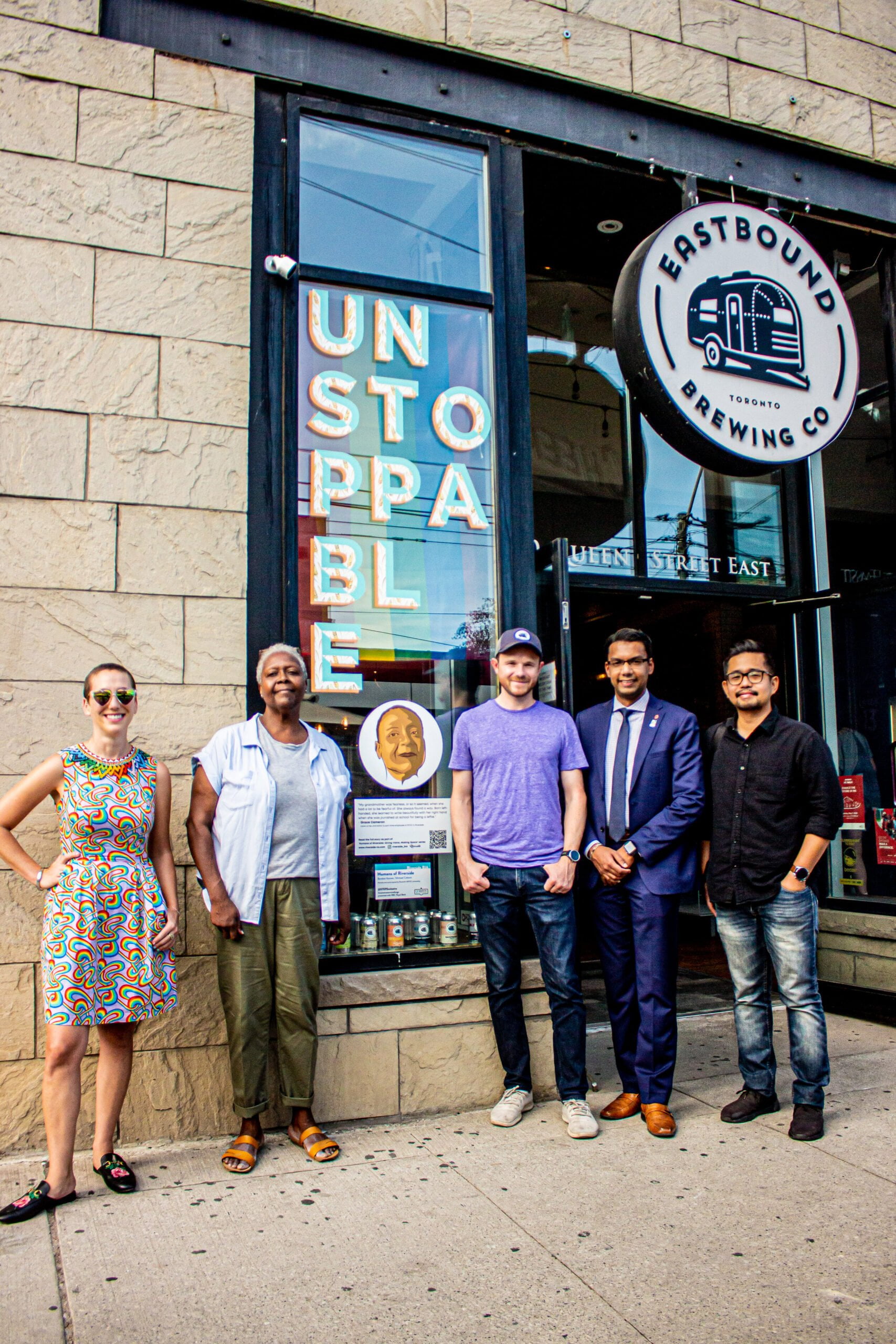
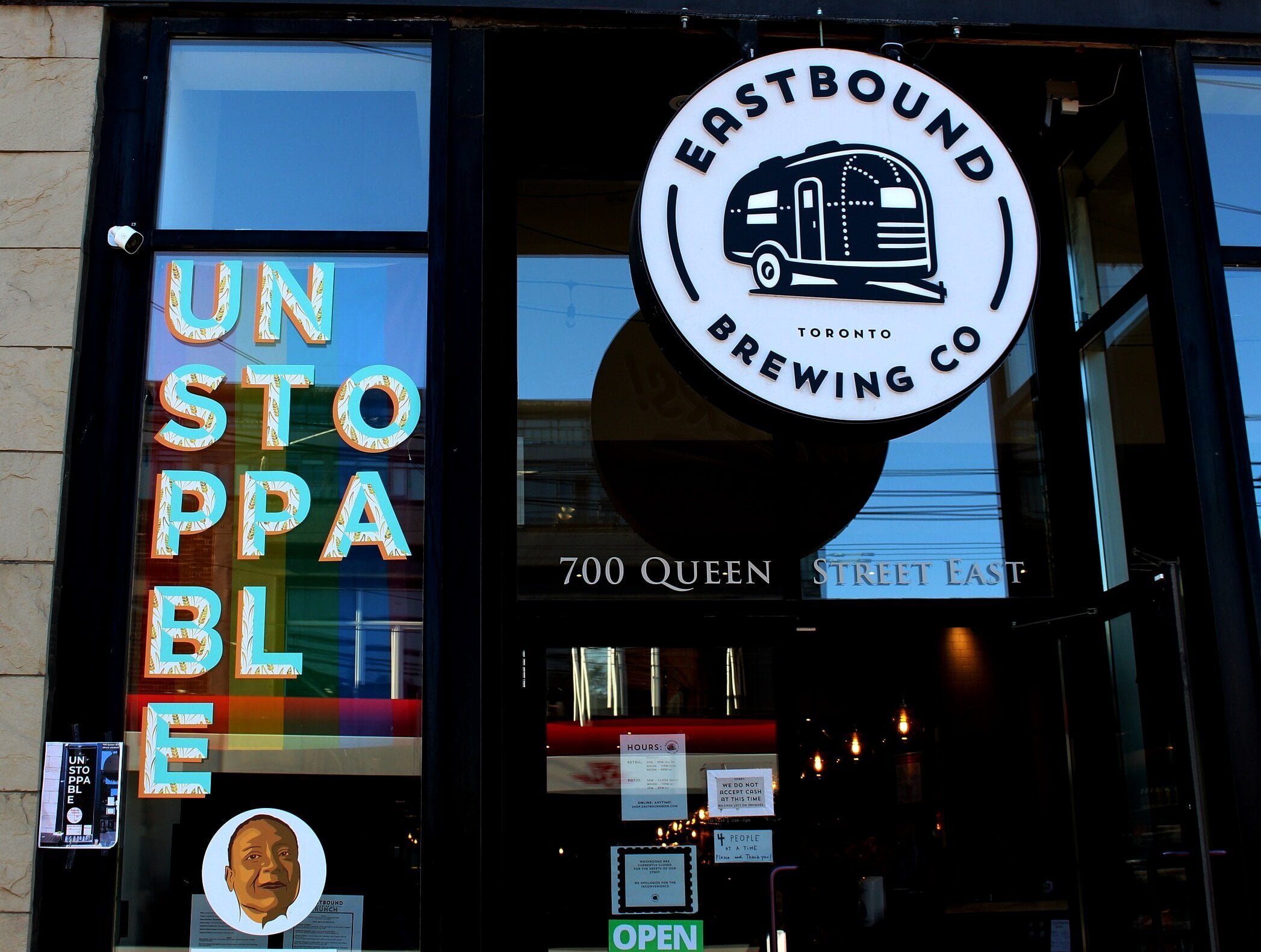
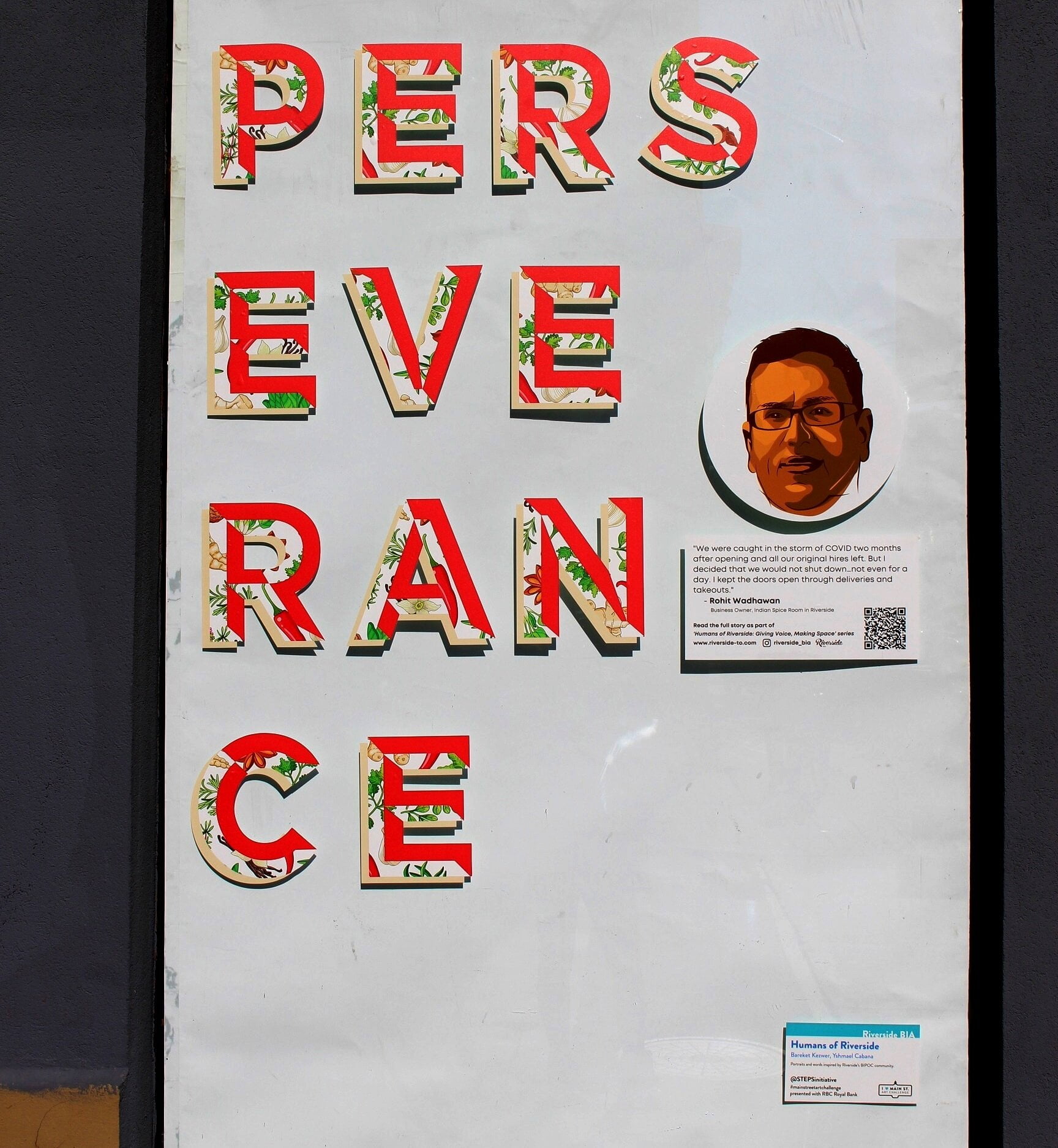
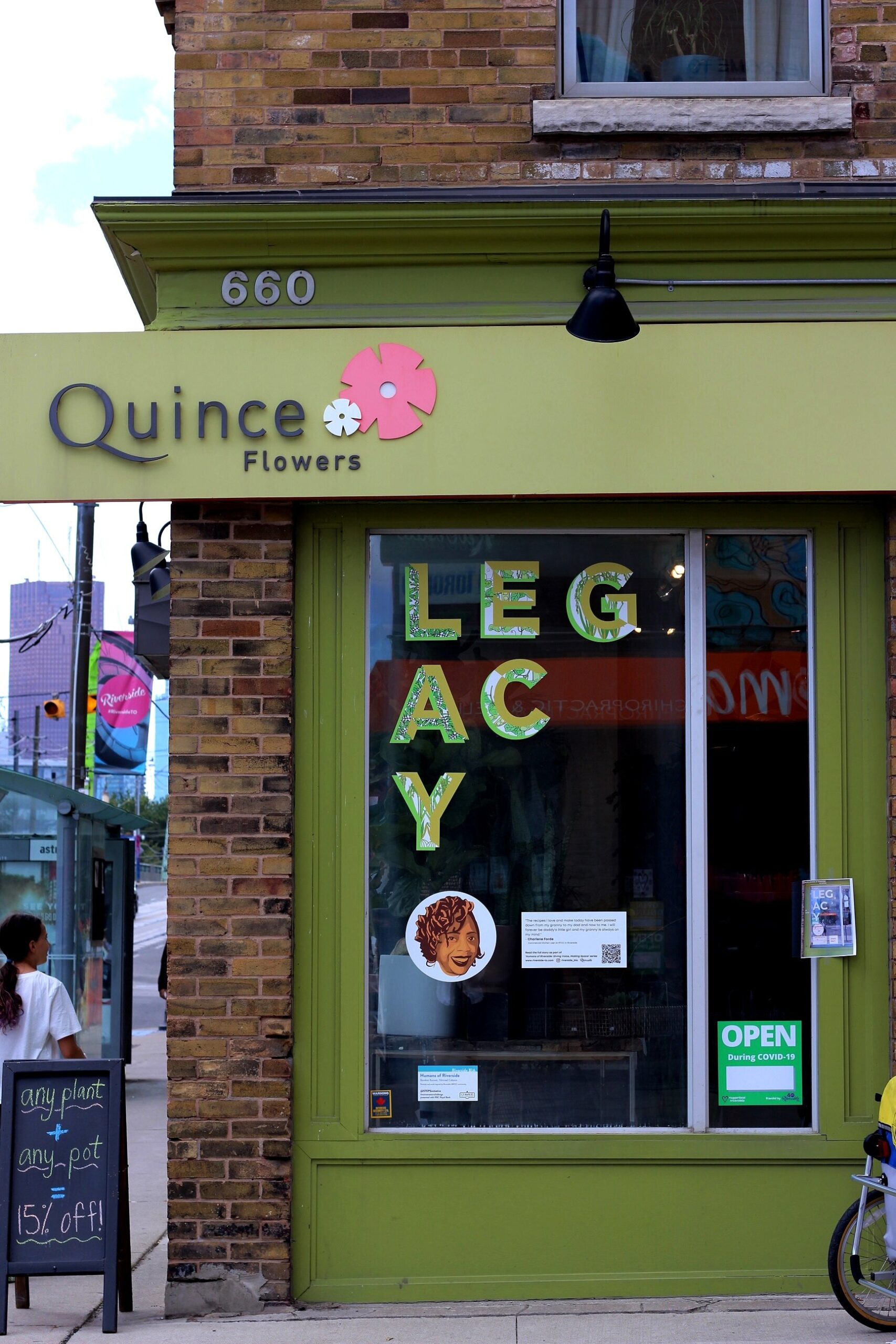
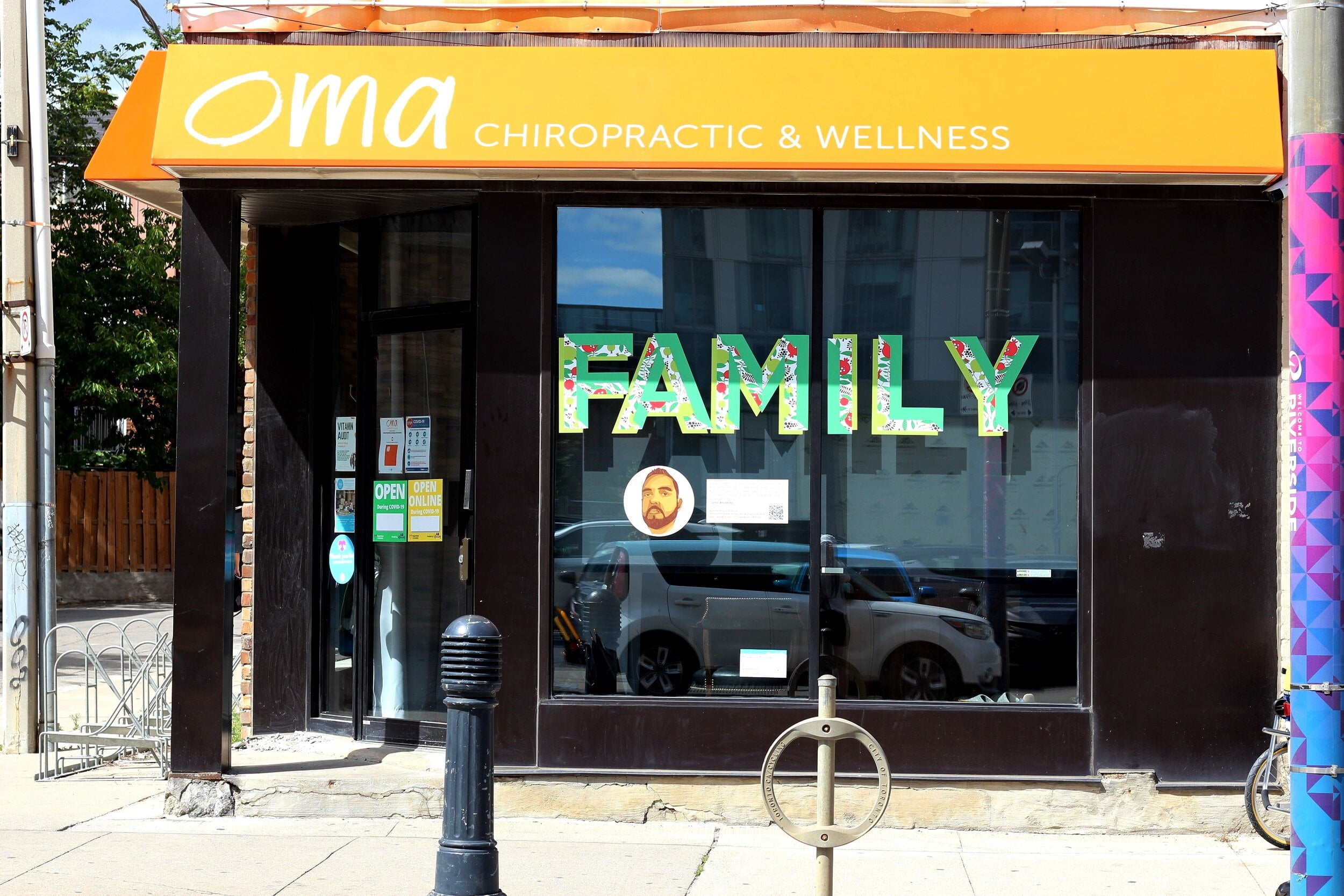
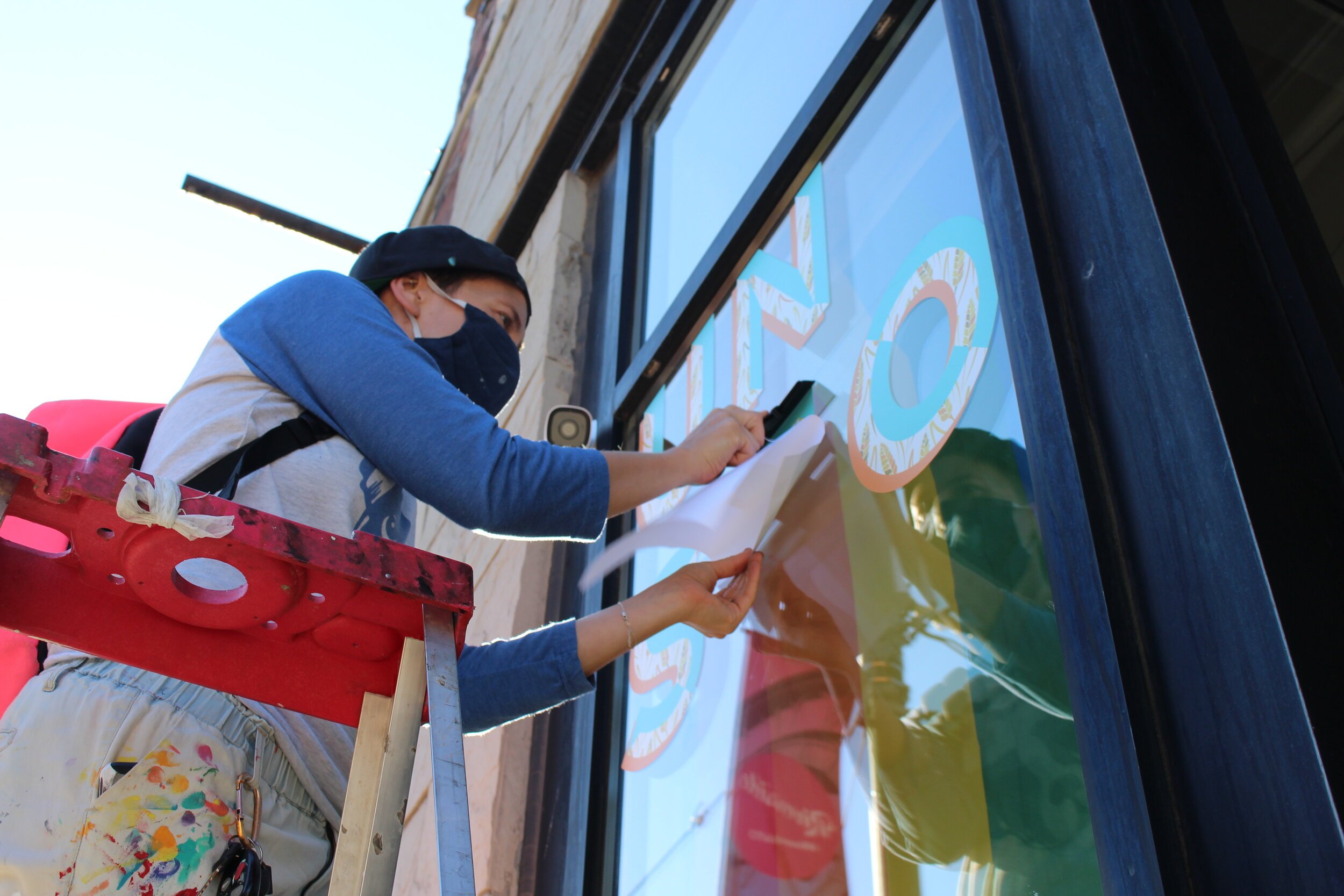
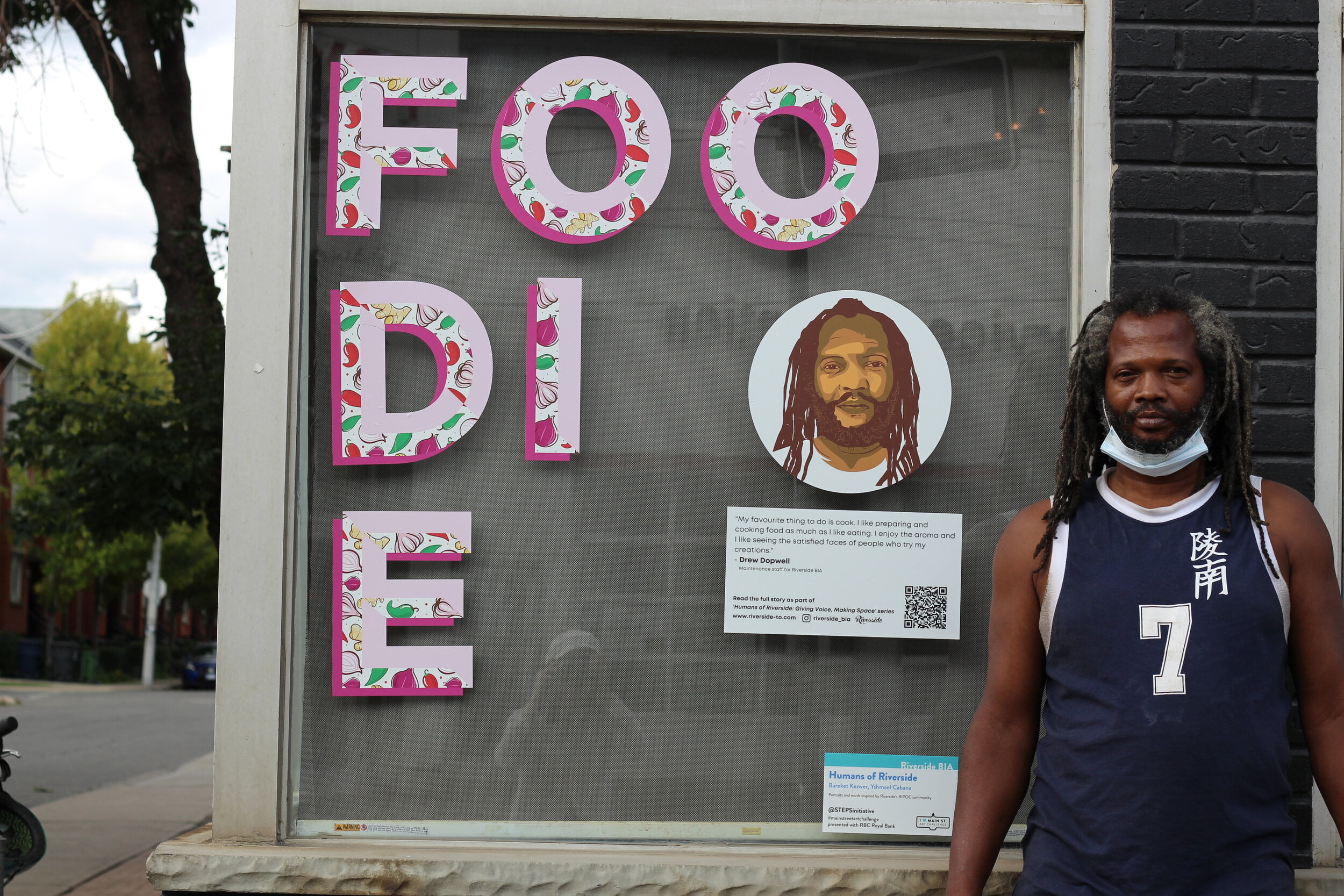
As a result of STEPS’ focused support for artists and the improvement of the communities we live in, it has managed to enable more than 5,400 paid artist opportunities, 1,000 youth leadership opportunities and in excess of 10,000 community engagement opportunities. And, by way of its activations, work executed by STEPS and its artist collaborators has become recognizable throughout Toronto, yielding breathtaking public art, from mesmerising murals in the city’s Garden District and at 1 St. Clair West to the revitalization of the Roncesvalles Bridge. Their collective work, which is often typified by an injection of beautiful colours and impressive creativity, is helping to improve the neighbourhoods and areas it effects, at times turning once unsafe, unwelcoming places within communities into vibrant and inviting spaces, stimulating pride among residents of the activated areas.
Impact on local business
The work STEPS does in order to improve our collective surroundings is extraordinary. And its impact is immense, its beautification and improvement of public spaces and streetscapes positively influencing many other aspects of the communities it effects, including the health and success of local business. In fact, STEPS recently launched its ‘I HeART Main Street Art Challenge’, which ran through the month of September, with the objective of activating Toronto’s street fronts. Presented in partnership with RBC Royal Bank, pieces of the Challenge could be found at 204 activation sites across the city, which included 42 new works of art created by 25 emerging Canadian artists and designers, resulting in support for 11 Business Improvement Areas.
The ways in which art can positively influence local businesses and economies are plentiful and are recognized by Mark Ainley, Contemporary Feng Shui Consultant and expert on space and flow, who suggests that the juxtaposition that art diffuses onto our urban landscape can help dramatically change the energy and impression of a given area or community.

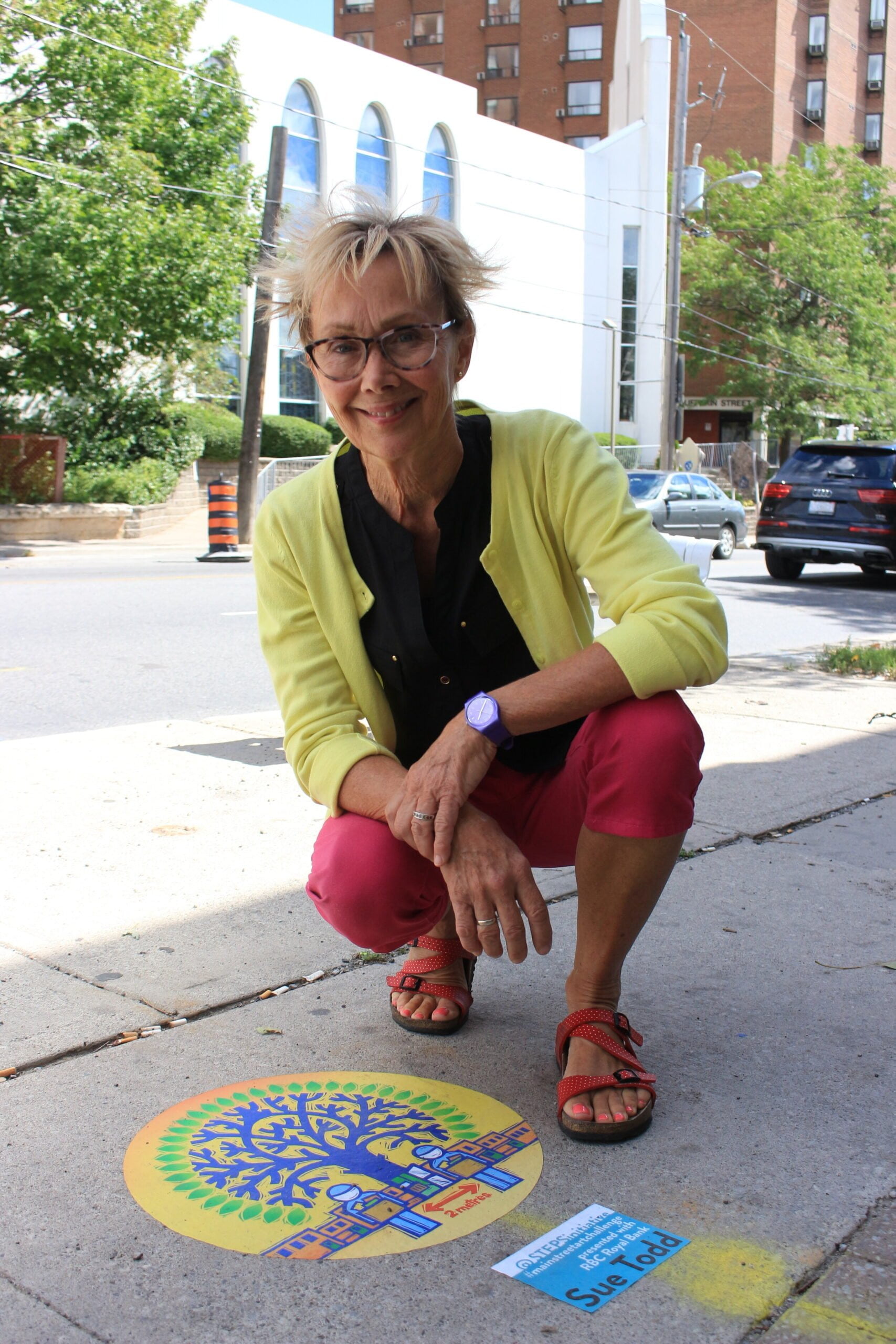
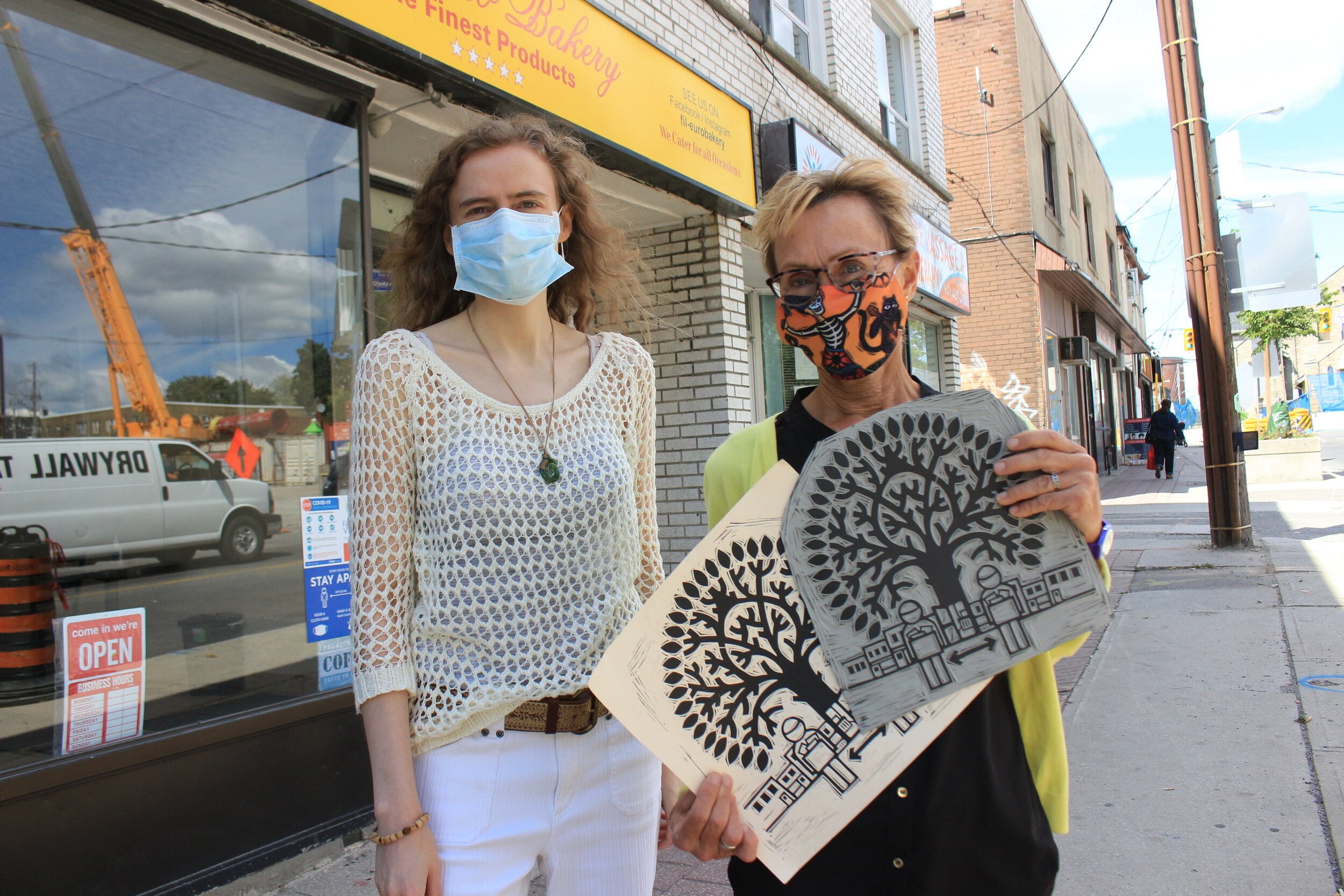
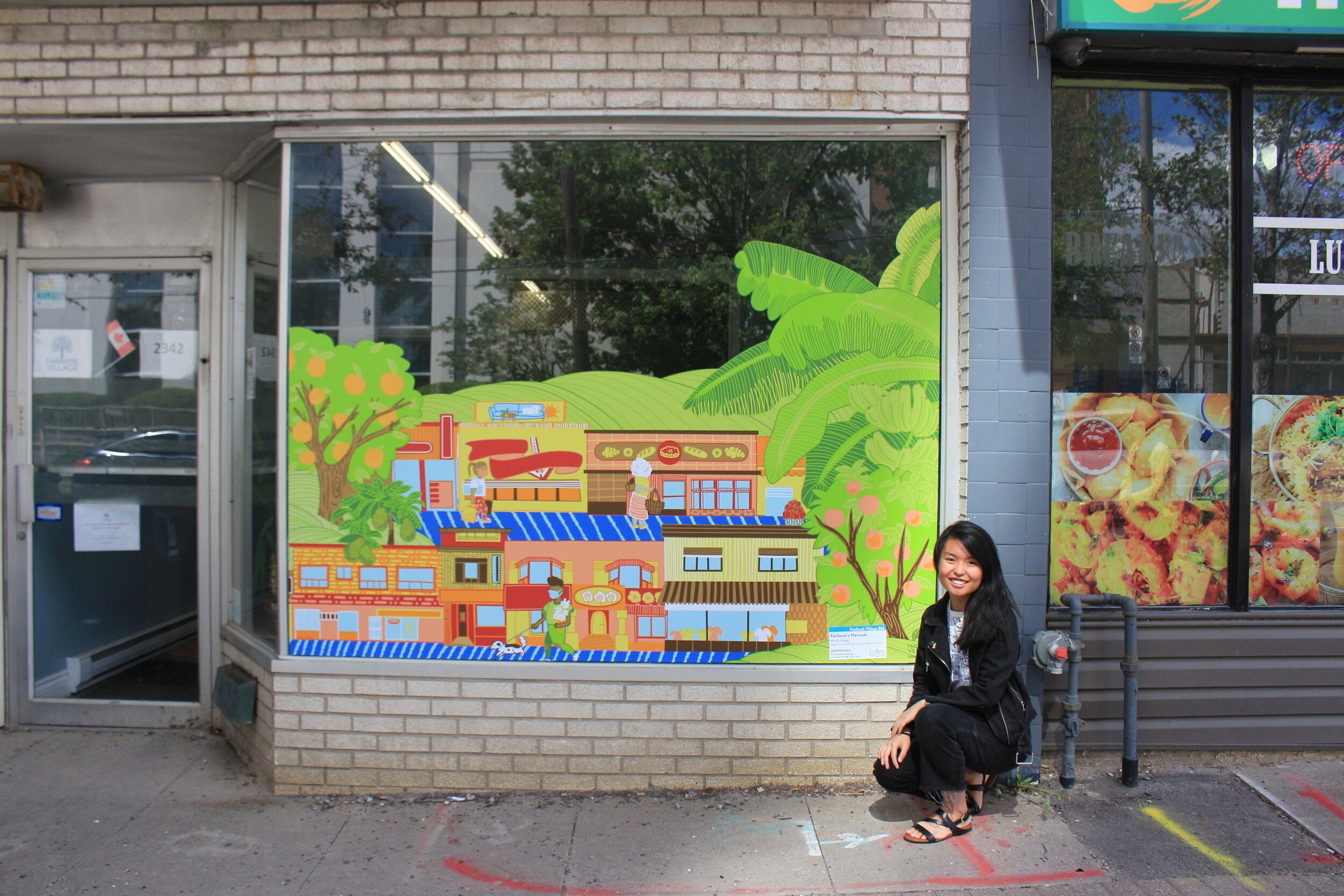
DANFORTH MOSAIC BIA SIDEWALK DECAL ARTWORK BY HEIDI BERTON 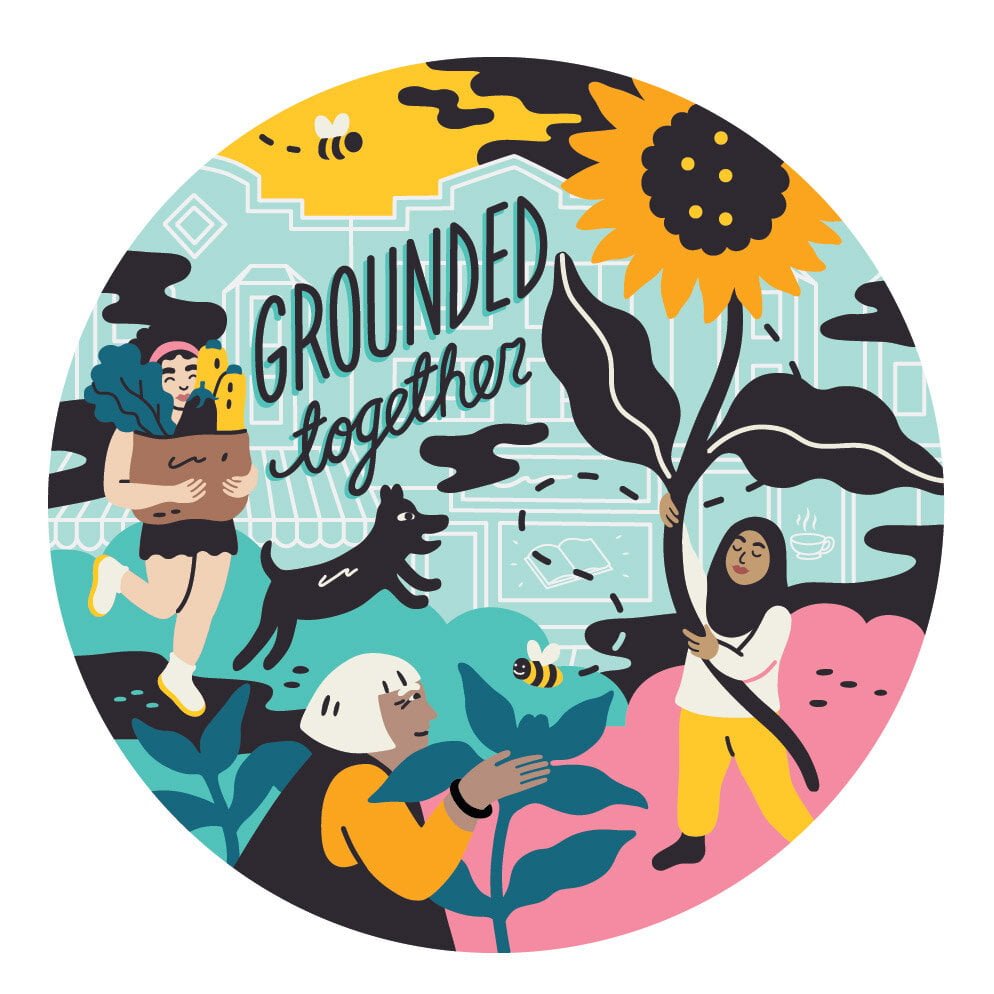
DANFORTH MOSAIC BIA SIDEWALK DECAL ARTWORK BY CAITLIN TAGUIBAO
“Our urban environments can at times be very imposing,” he says. “The architecture found in most North American cities is really large in scale and has been made using hard materials. As a result, it can give off an imposing, intimidating atmosphere. The colours that are used in the construction of the buildings are usually very plain, too, resulting in a distinct lack of vibrancy. And our cities have tended to be built on linear grids using straight lines. These linear forms can bring about a speedier and thereby more aggressive quality to these spaces and the movement by people through them, which can foster impatience and aggression. If all of a sudden all of this colour and creative expression is added to this hard, linear environment and largely colourless, utilitarian architecture, generally speaking, there’s a significant and supportive shift in atmosphere that can take place.”
Ainley explains further how the injection of art and creativity into our lives helps to invigorate our senses and engage our curiosity, connecting us more to the environment around us. And he suggests that the type of work executed by The STEPS Initiative is exactly the kind of resource retailers and other local businesses should be leveraging in order to increase traffic to the communities they operate in and heighten exposure to their offerings.
“Many of our city streets are unfortunately predictable and boring. There’s often very little that’s particularly creative in their design,” he bemoans. “But artistic expression is unpredictable and unique. When well done, it can provide people with an experience unlike any other. Retailers need to leverage these kinds of artistic initiatives to appeal to people’s innate curiosity and interest. When you can stimulate those two inner states, you move beyond simple, mundane functionality, which can result in a level of involvement and engagement that enriches everything and everyone involved. So, instead of sticking to the basic and functional, retailers need to look at the things they can do to enhance the environment and surroundings, which can positively impact the overall retail experience.”
Important role of BIA’s
There are many things that retailers can do independently to achieve an enhanced physical experience for their customers. Much of which, however, is limited to the store’s interior and facade. But with the help of their business improvement areas, according to Larry Leung, customer experience expert at Transformidy, business owners can realize the benefits of art in their communities as a tool for engagement, allowing them to develop a deeper connection within the areas they serve.
“There’s a lot of research that indicates quite strongly the correlation between community transformation and beautification projects that leverage the use of arts and culture and decreases in crime in those areas,” he says. “And the same correlations can be made with respect to the positive impacts on local businesses. Art provides a great way to draw people in, to engage them on a different level, generating traffic and interest in everything a community has to offer. And this is where BIAs’ involvements are so important. They are the ones with the capabilities and the resources to be able to understand what identity their community needs to convey, how special projects like STEPS can help to tell their story and present that message, and how local businesses can become a part of that story and message.”
Leung stresses that the possibilities are abound with respect to the ways arts and culture can be leveraged to benefit everyone involved and that any and all opportunities to do so should be explored. He also cites that, as well as the positive impact that arts and culture have on generating local traffic to communities and storefronts, it’s also incredibly effective in influencing travel and tourism, providing a reason for people to visit cities, thereby boosting local economies further. And although the COVID-19 pandemic has muted travel and tourism worldwide, in addition to a number of other things, he suggests that now may be the perfect time for businesses and communities to be leaning on art to innovate and engage potential customers locally.
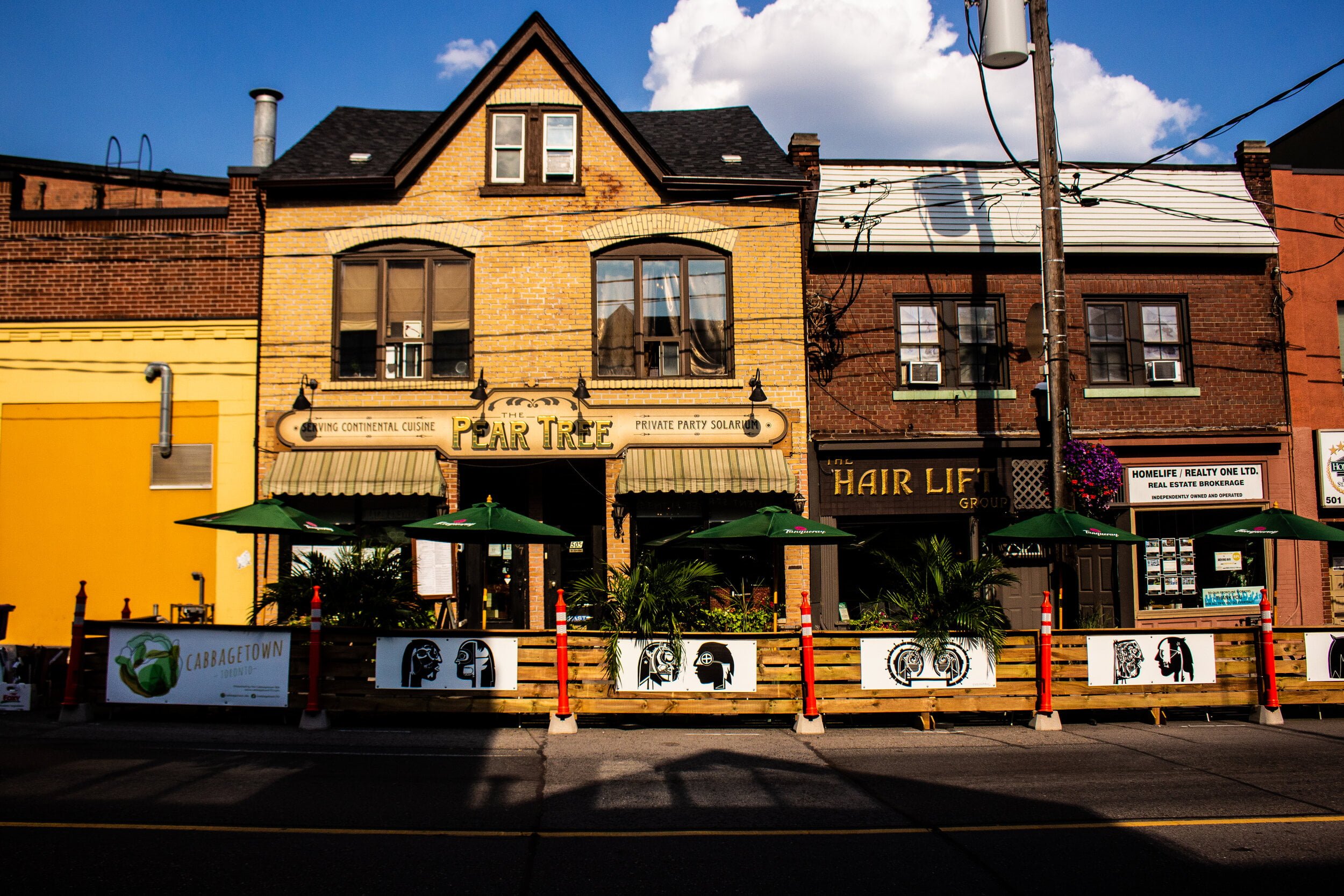
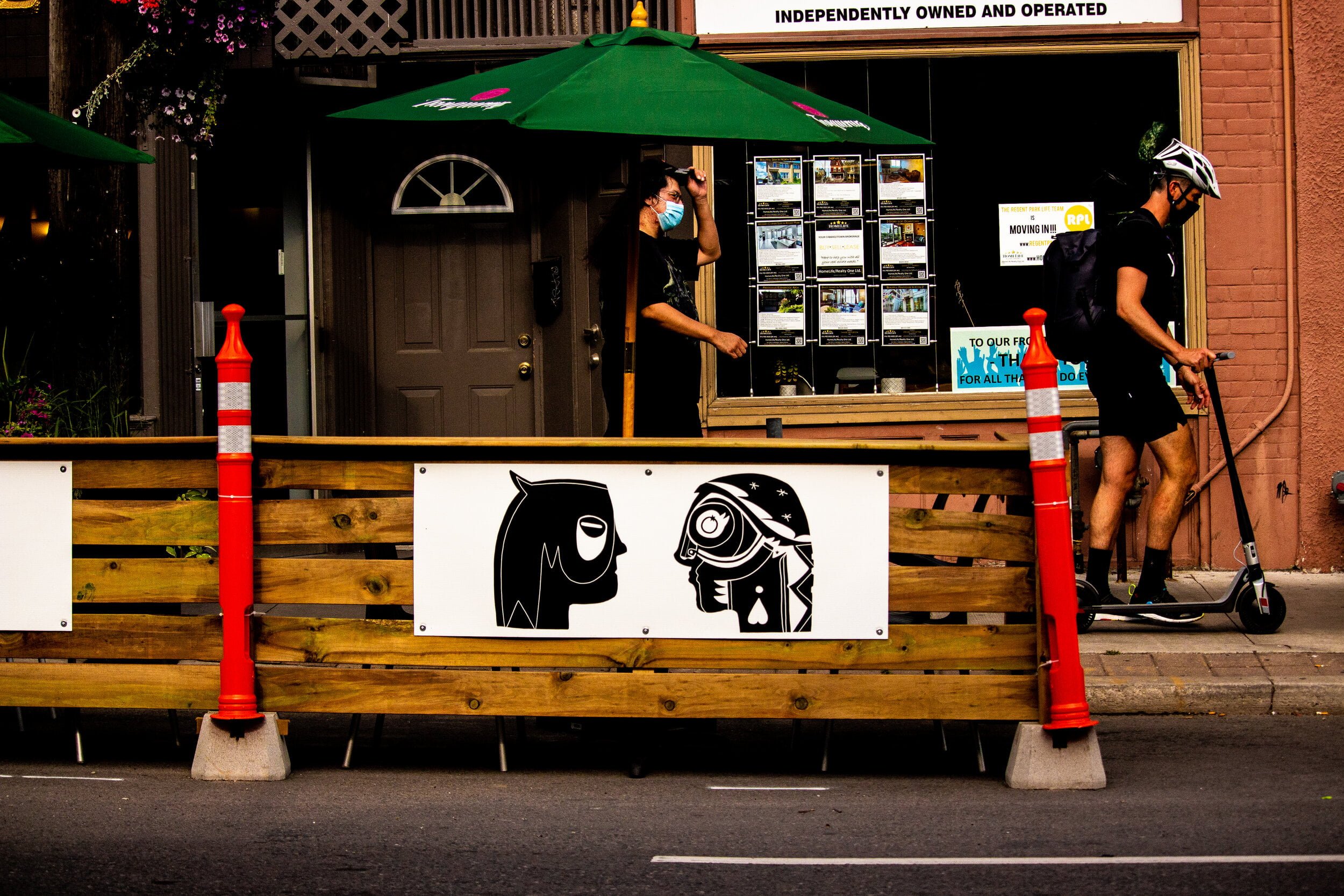
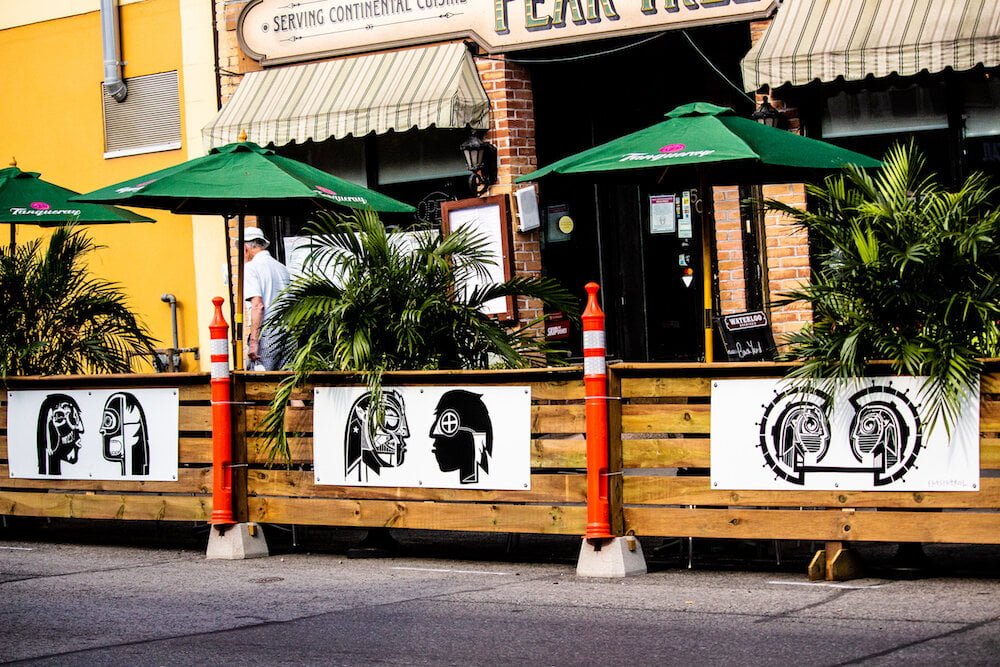
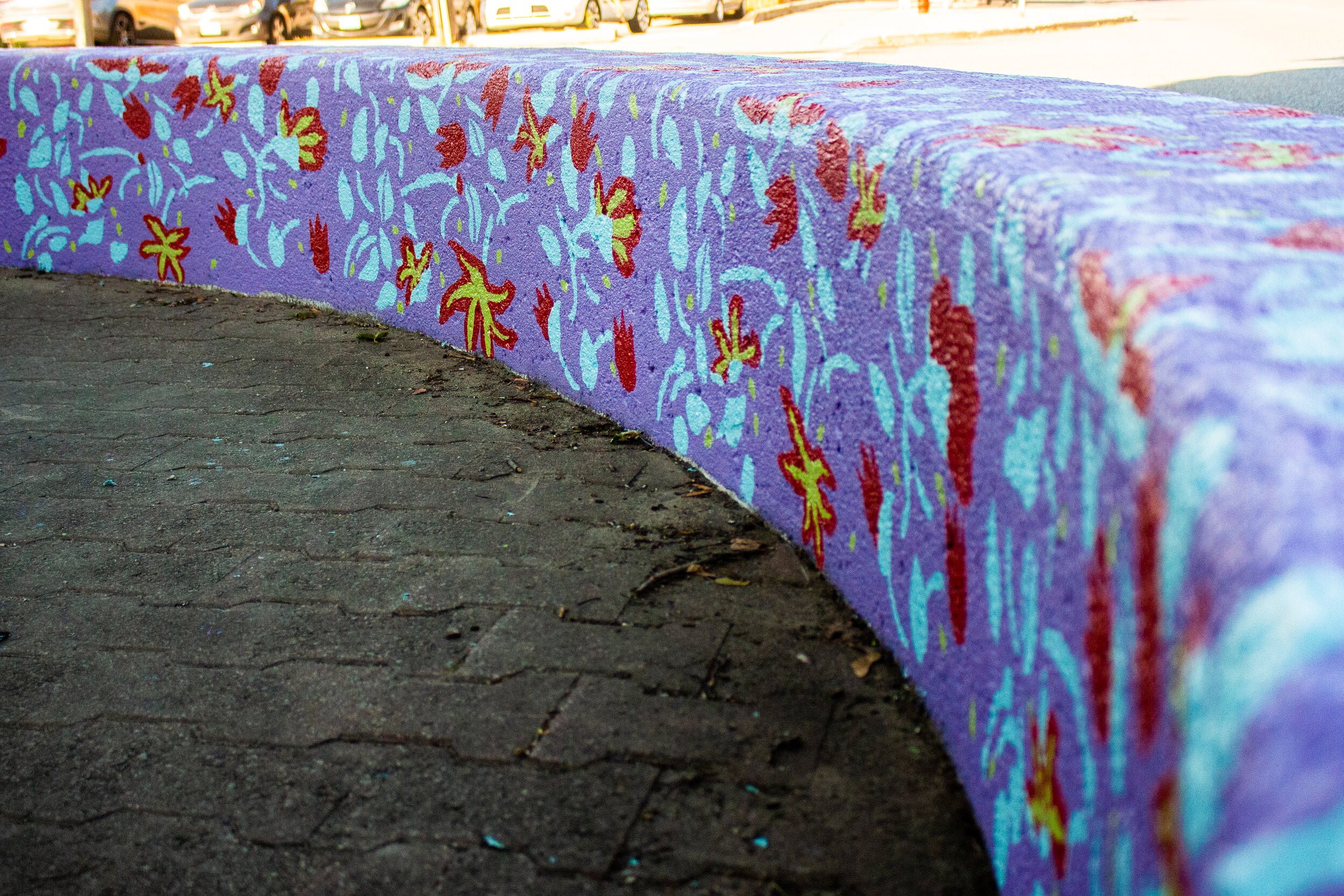
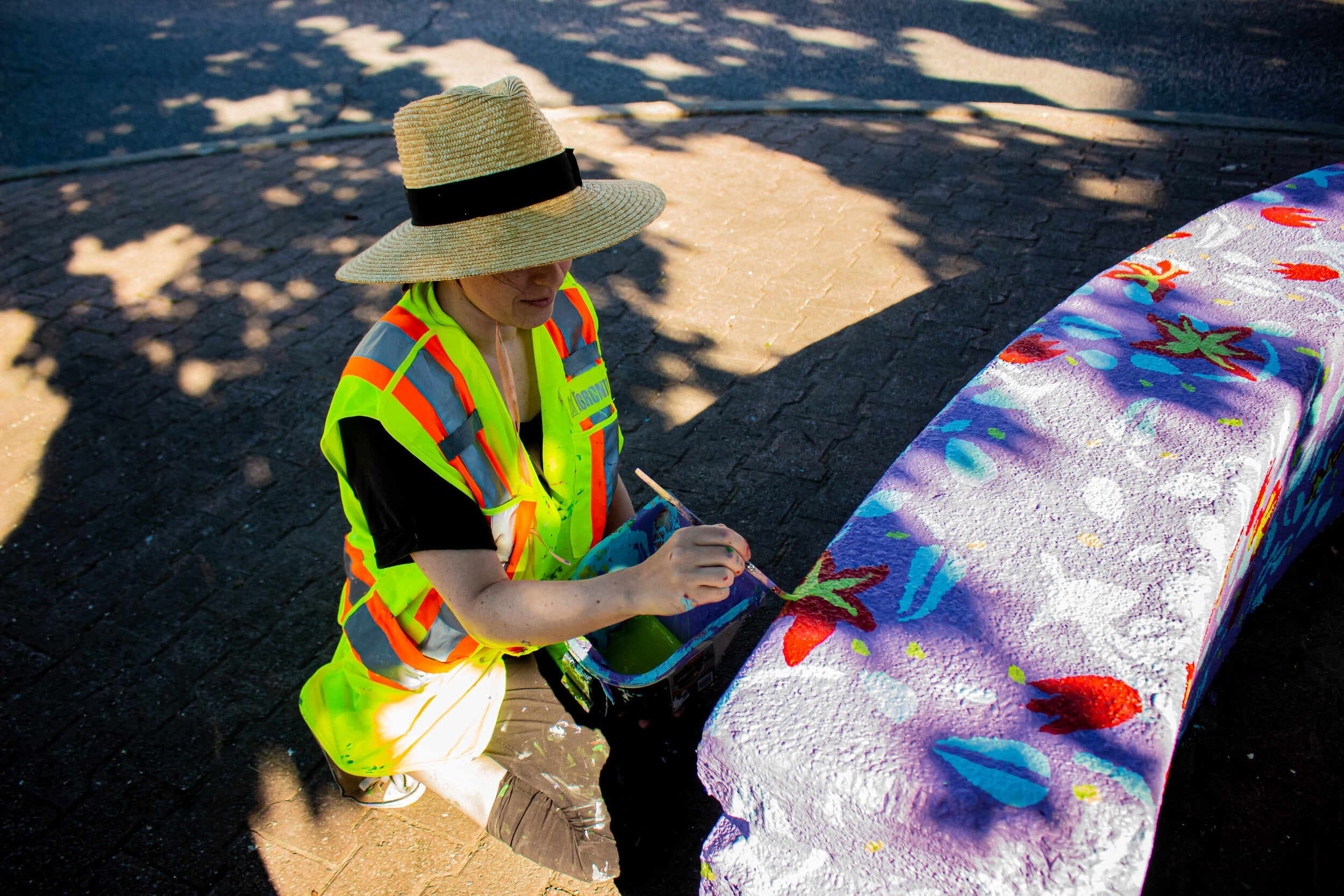
“Let’s face it,” he says, “with COVID, a lot of people haven’t really ventured out of their home, much less their neighbourhoods. It almost doesn’t seem worth it for most. But what if there was a reason to go out? What if there was a really great art installation, something new to discover and interact with? In that way, you can draw people out, make them feel good about venturing out, and provide them with an experience that they can’t find anywhere else.”
Responding to community needs
To that end, and in response to the impact of COVID-19 on communities and local businesses everywhere, STEPS recently organized and launched its COVID-19 Creative Placemaking Rapid-response (CPR) initiative. As part of the CPR initiative, STEPS is offering free consulting to both the private and public sector, including Canadian municipalities, BIA’s, community and non-profit organizations or businesses. The intention is to help communities identify spaces where art might help lessen the impacts of the pandemic and to offer itself as a resource to provide direction concerning the use of certain spaces.
“Right now, there’s an apprehension in people. There’s a shared feeling of discomfort and distrust, both with spaces that previously felt safe as well as with the people we share those spaces with,” says Kane Speer. “As a result of COVID-19, we’ve been forced to rethink all the ways we interact with physical spaces and people. We see our work as a way of rebuilding that sense of trust and improving public spaces in the process. We’re helping community and business groups navigate through reimagining how spaces are used, as well as what interaction with shared spaces might look like going forward.”


Determining just how spaces are to be used in future as a result of the impacts of COVID-19 is still work in progress. But by way of the work done by organizations like STEPS, meaningful dialogue around the topic is being initiated. Pandemic or not, however, it’s all part of STEPS’ mission as an organization to help activate spaces for people and support the vibrancy and growth of communities through the use of art. In doing so, it’s helping to beautify our environment, stimulate our senses, connect people and raise engagement within neighbourhoods. In short, it’s raising the bar concerning what it means to be a community. Or, to borrow from the poetic wisdom of Gertrude Stein, The STEPS Initiative is simply realizing the function of art as a means by which life can be made better. And, according to Kane Speer, the organization doesn’t have any plans to halt the work it’s doing any time soon.
“Although most of our work to date has taken place in the Greater Toronto Area, STEPS has a national mandate. We’d like to support communities and facilitate more projects from coast-to-coast in Canada. This summer we supported initiatives in Victoria B.C. and Sydney, Nova Scotia, as well as a few places in between. Canadian public spaces have so much potential. And where we can, we want to continue connecting people, improving communities and fostering inclusiveness through arts and culture.”