As luxury storefronts are now open at Vancouver’s highly anticipated Oakridge Park development and construction crews continue transforming Toronto’s Bloor-Yorkville corridor, Canada’s luxury retail landscape is entering a new era shaped less by rapid expansion alone and increasingly by competition for a small number of dominant urban retail ecosystems.
Over the past several years, Canada has experienced one of the most active luxury retail expansion cycles in its history. Global fashion houses upgraded stores, secured larger flagship spaces, and entered the Canadian market for the first time, while developers and landlords invested heavily in mixed-use projects and premium retail corridors designed to attract affluent consumers, tourists, and international brands.
Retail Insider’s annual studies tracking international retailer expansion into Canada have reflected this evolution in recent years. Following a major wave of international retail entries and flagship investment in 2023, activity became more selective in 2024 amid rising costs and broader economic uncertainty before strengthening again in 2025, when Toronto accounted for the majority of new international retailer entries into Canada.
Today, activity remains strong, though the market is becoming increasingly disciplined and concentrated as retailers navigate rising development costs, geopolitical uncertainty, evolving consumer behaviour, and shifting urban retail dynamics.
“There is absolutely still demand in the marketplace,” said Casdin Parr, Executive Vice President at Odyssey Retail Advisors, in an interview with Retail Insider. “While not as widely robust as previous years, select luxury retailers remain focused on best in class opportunities.”
Parr said the current environment partly reflects the extraordinary amount of activity that occurred over the previous several years as luxury and contemporary retailers repositioned stores, expanded footprints, and pursued new flagship opportunities across Canada’s major urban markets.
“There was unprecedented activity in the previous 24 to 36 months,” he said. “Whether that was expansions of brands that were already in the Canadian marketplace, or additional doors and new entrants in some of the major nodes or shopping centres.”
At the same time, international retailers continue evaluating Canadian expansion opportunities, particularly in Toronto, Vancouver, and Montreal. Industry sources also indicate that additional luxury and aspirational brands remain active in the market, though many retailers are approaching future growth more cautiously than during the aggressive post-pandemic expansion cycle.
Rather than slowing entirely, the market appears to be evolving into a more strategic phase focused on flagship optimization, experiential retail environments, mixed-use density, and long-term positioning within Canada’s most productive urban retail districts.
Bloor-Yorkville Continues to Reinforce Its Position as Canada’s Luxury Capital
Toronto’s Bloor-Yorkville district remains the country’s dominant luxury urban retail corridor, and the neighbourhood continues evolving as brands, landlords, and developers compete for increasingly scarce flagship opportunities within one of North America’s most productive urban shopping districts.
“There’s been lots of excitement in the node for the last 24 months,” Parr said.
The area has undergone substantial transformation in recent years as international luxury retailers expanded stores, upgraded façades, and pursued increasingly immersive flagship concepts designed to integrate fashion, hospitality, dining, wellness, and lifestyle experiences into a single environment.
Recent milestones include the completion of exterior work at OneTen Bloor and the renovation of Holt Renfrew’s Bloor Street flagship, projects that further elevated the visual presentation and prestige positioning of the corridor. The opening of retailers such as Loro Piana on Bloor Street West also reflects continued international interest in Yorkville’s evolving luxury ecosystem.
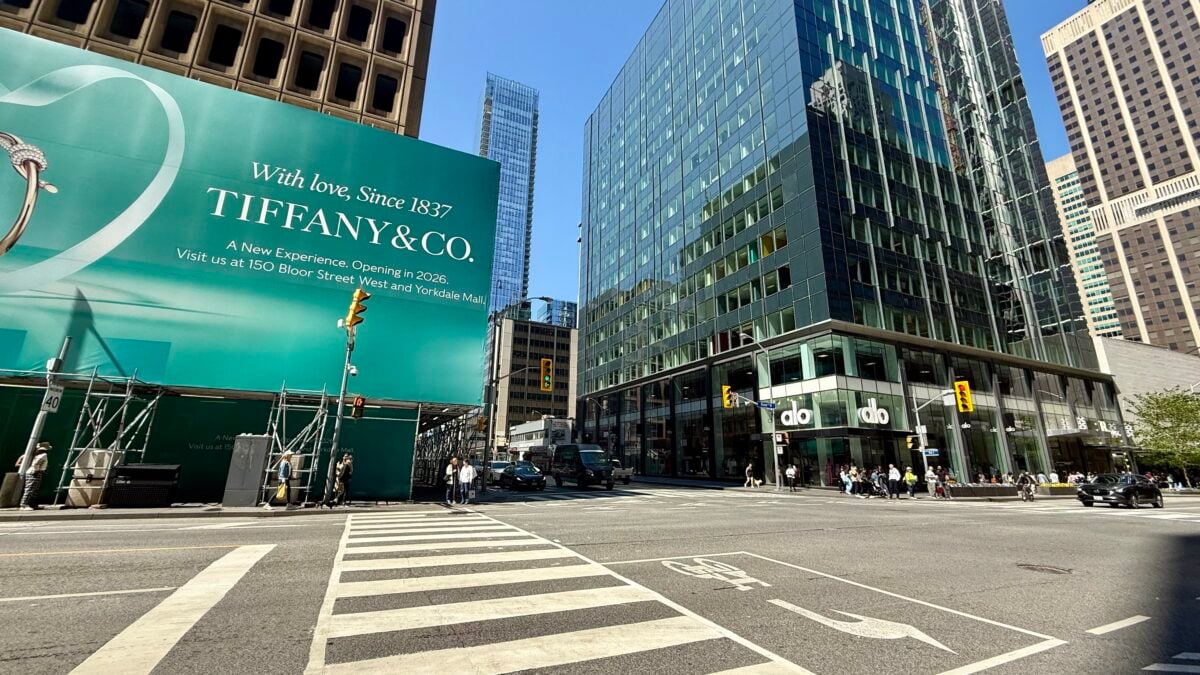
At the same time, several major mixed-use developments remain in various stages of planning and construction throughout Yorkville and the surrounding Bloor corridor, reinforcing long-term confidence in the neighbourhood despite slower development timelines affecting parts of the Toronto market.
“There are still some flagship opportunities on the street available,” Parr said, pointing to ongoing activity connected to retail space planned at the base of The One at Yonge and Bloor and the former Holt Renfrew Men’s space at 100 Bloor West.
Competition for large-format luxury storefronts has also intensified as global brands increasingly prioritize a limited number of dominant luxury districts capable of supporting experiential flagship environments and long-term brand positioning.
The district’s continued strength reflects several broader advantages that have helped solidify Yorkville’s position as a leading luxury retail destination, including a concentration of affluent consumers, strong tourism activity, premium hospitality offerings, and a highly limited supply of premium retail inventory.
Increasingly, the neighbourhood is evolving beyond a traditional shopping district into a broader luxury ecosystem combining retail, hotels, residences, wellness, dining, and entertainment uses. That transformation mirrors trends occurring in leading luxury districts globally, where mixed-use density and experiential urban environments are becoming central to long-term retail strategy.
The eventual opening of the new Tiffany & Co. flagship at the northwest corner of Bloor Street and Bay Street is also expected to strengthen the western portion of the corridor, an area historically positioned slightly outside the district’s densest concentration of luxury storefronts.
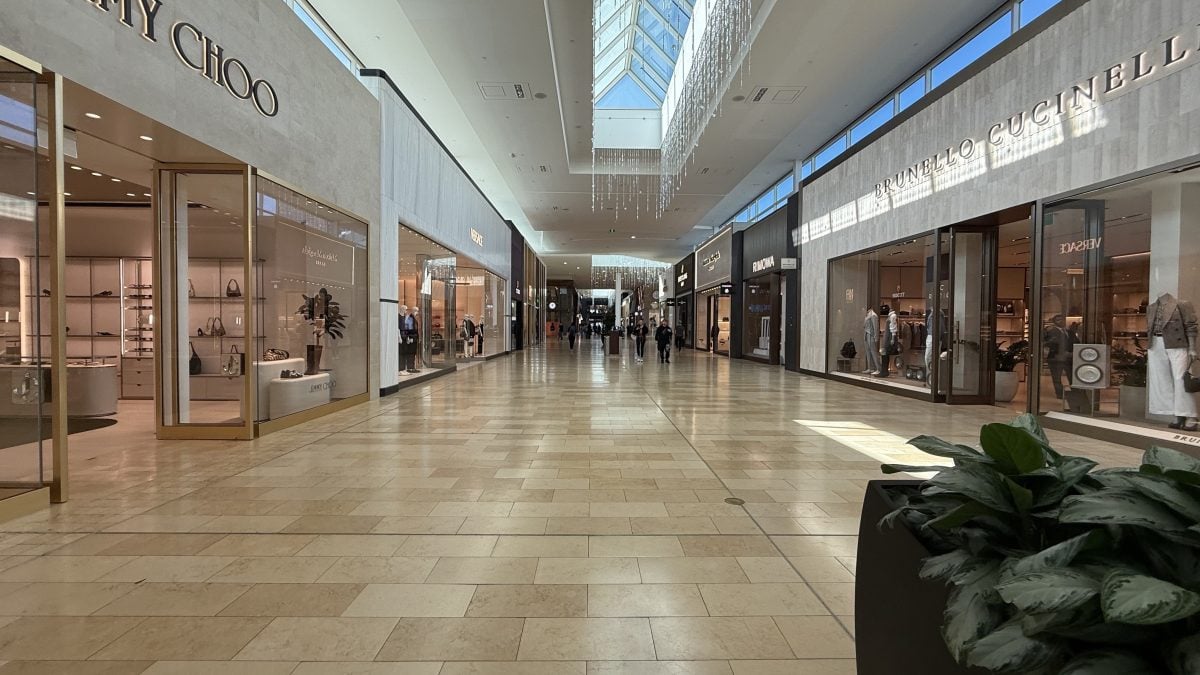
Yorkdale Continues to Anchor Canada’s Enclosed Luxury Retail Market
While Bloor-Yorkville remains Canada’s dominant urban luxury corridor, Parr notes that the Yorkdale Shopping Centre continues reinforcing its position as the country’s leading enclosed luxury retail destination and one of the primary gateways for international brands entering the Canadian market.
The shopping centre has become a strategic entry point for global luxury and aspirational retailers seeking access to affluent consumers, tourism traffic, and exceptionally high retail productivity within a highly curated retail environment. Over the past several years, numerous international retailers entering Canada have prioritized Yorkdale alongside Yorkville as part of broader flagship expansion strategies.
Yorkdale’s importance within the luxury marketplace also reflects the growing concentration of premium retail activity around a small number of dominant retail ecosystems capable of supporting luxury flagship environments, tourism traffic, experiential retail concepts, and exceptionally high sales productivity, noted Parr.
Together, Yorkville and Yorkdale increasingly anchor Toronto’s broader luxury retail ecosystem, offering brands both street-front flagship opportunities and highly productive enclosed retail environments within the country’s largest luxury market.
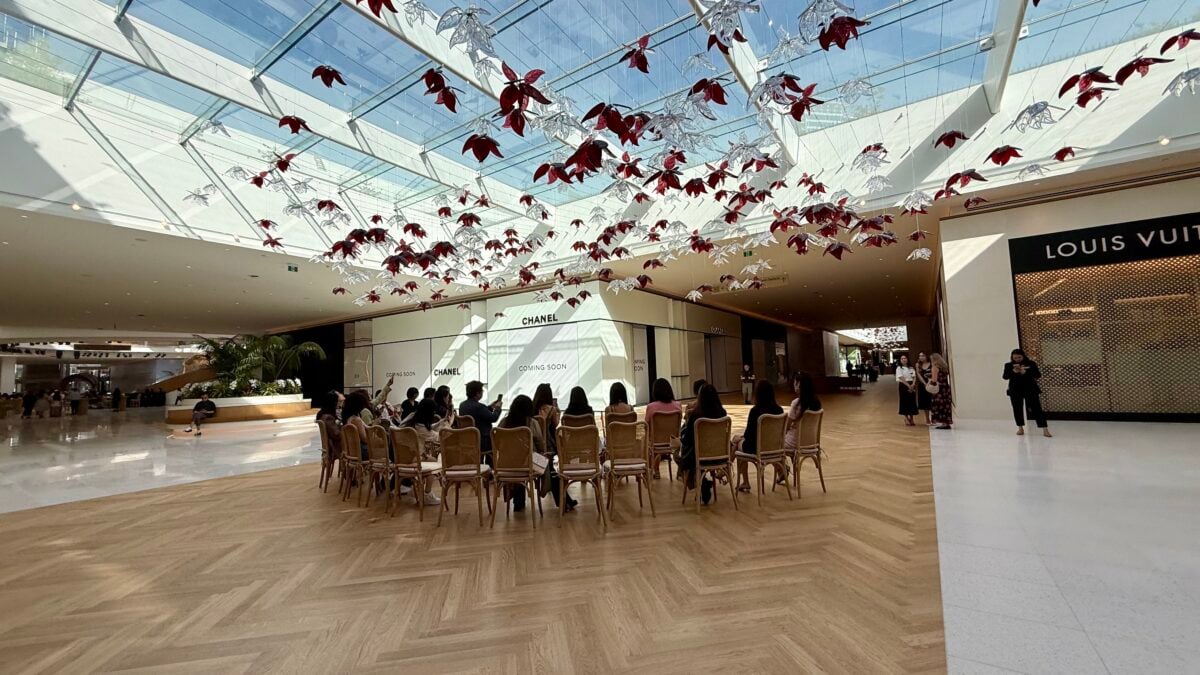
Oakridge Park Represents One of Canada’s Most Significant Luxury Retail Developments in Years
In Vancouver, much of the industry’s attention is currently focused on Oakridge Park, a project widely viewed as one of the most transformative luxury and mixed-use retail developments undertaken in Canada in recent memory.
“The marketplace remains very excited to see Oakridge open,” Parr said. “The developers put together a fantastic collection of luxury, contemporary and aspirational brands in that project.”
The development, which opened May 28, introduced several first-to-Canada concepts while also bringing elevated flagship formats from established global brands into a highly integrated mixed-use environment combining retail, hospitality, residential density, entertainment, public space, and cultural programming.
Luxury brands expected at the development include Chanel, Dior, Miu Miu and Chaumet, reinforcing the project’s significance within Canada’s evolving luxury retail landscape.
More broadly, Oakridge Park reflects a growing shift within premium retail toward highly curated mixed-use destinations where shopping increasingly operates alongside residential living, dining, wellness, culture, and experiential programming.
The project’s influence may ultimately extend well beyond Vancouver itself.
For years, the city’s luxury market has largely centred around Alberni Street and CF Pacific Centre/Holt Renfrew, where demand for premium retail space remains exceptionally strong.
“Overall demand remains extremely high, both luxury and non-luxury,” Parr said. “There’s not a lot of available inventory.”
At the same time, many within the industry are closely watching how Oakridge Park may affect shopping patterns and leasing decisions within downtown Vancouver once the project fully opens and consumer traffic patterns begin adjusting.
“I think the luxury brands, many of them will be patient in understanding what the impact will be with Oakridge Park opening,” Parr said. “That will take some time to fully realize.”
Industry sources suggest some retailers may wait to evaluate long-term market dynamics between downtown Vancouver and Oakridge before pursuing additional stores or relocations within the region.
The situation highlights a broader shift occurring across major Canadian cities, where large-scale mixed-use developments are beginning to compete directly with traditional downtown luxury corridors for both consumer attention and premium retail tenants.
Calgary Increasingly Enters Canada’s Luxury Retail Conversation
Although Canada’s luxury retail market has historically been concentrated within Toronto, Vancouver, and Montreal, Calgary is increasingly generating discussion as a market with growing long-term potential.
Parr said recent industry conversations point to rising confidence surrounding Calgary’s luxury retail future.
“I was with a developer this past weekend in Toronto that was highly bullish on Calgary,” he said.
Much of Calgary’s upscale retail activity has become centred in CF Chinook Centre, where several major international brands operate. However, increasing industry attention toward downtown opportunities suggests the city’s luxury geography may gradually evolve as residential intensification, office activity, and urban revitalization efforts continue reshaping the core.
Industry observers have also noted growing confidence in Calgary’s affluent consumer base, supported by strong household incomes, continued population growth, and broader economic momentum tied to Alberta’s evolving economy.
For years, Calgary often sat outside the centre of Canada’s luxury retail conversation compared to Toronto and Vancouver. That perception may gradually be shifting as retailers and developers increasingly view the city as a longer-term growth opportunity capable of supporting more upscale concepts.
At the same time, some luxury retailers appear increasingly willing to evaluate opportunities outside Canada’s traditional gateway markets as brands pursue broader national growth strategies.
While Calgary remains significantly smaller than Toronto or Vancouver from a luxury retail perspective, the market’s growing visibility within industry discussions reflects a notable shift in how some retailers are evaluating Canada’s future luxury opportunities.
Montreal Strengthens Through Infrastructure and Experiential Retail Growth
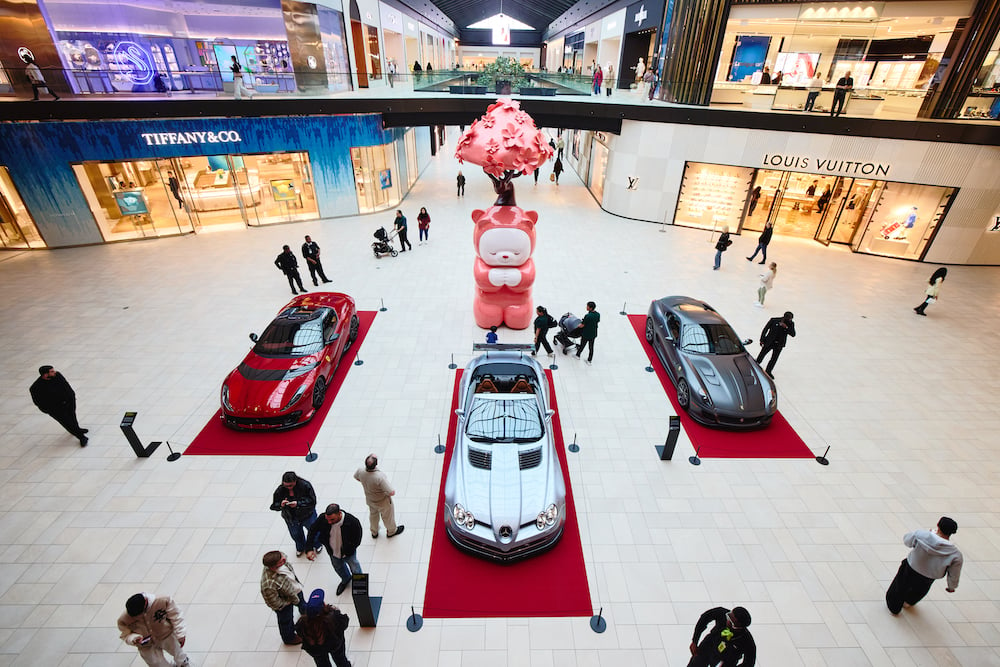
Montreal also continues building momentum as infrastructure upgrades, new developments, and evolving consumer districts reshape several parts of the city’s retail landscape.
“I am highly bullish on Montreal as a marketplace overall,” Parr said.
Much of the broader retail focus has centred around Sainte-Catherine Street, where ongoing reconstruction and streetscape improvements are gradually transforming the downtown pedestrian experience.
“The customer experience on Sainte-Catherine Street in the portions that are complete is significantly better than it had been previously,” Parr said.
The transformation reflects a broader trend occurring across major urban retail districts globally, where walkability, public realm improvements, dining, hospitality, entertainment, and experiential programming are increasingly influencing both leasing demand and consumer engagement.
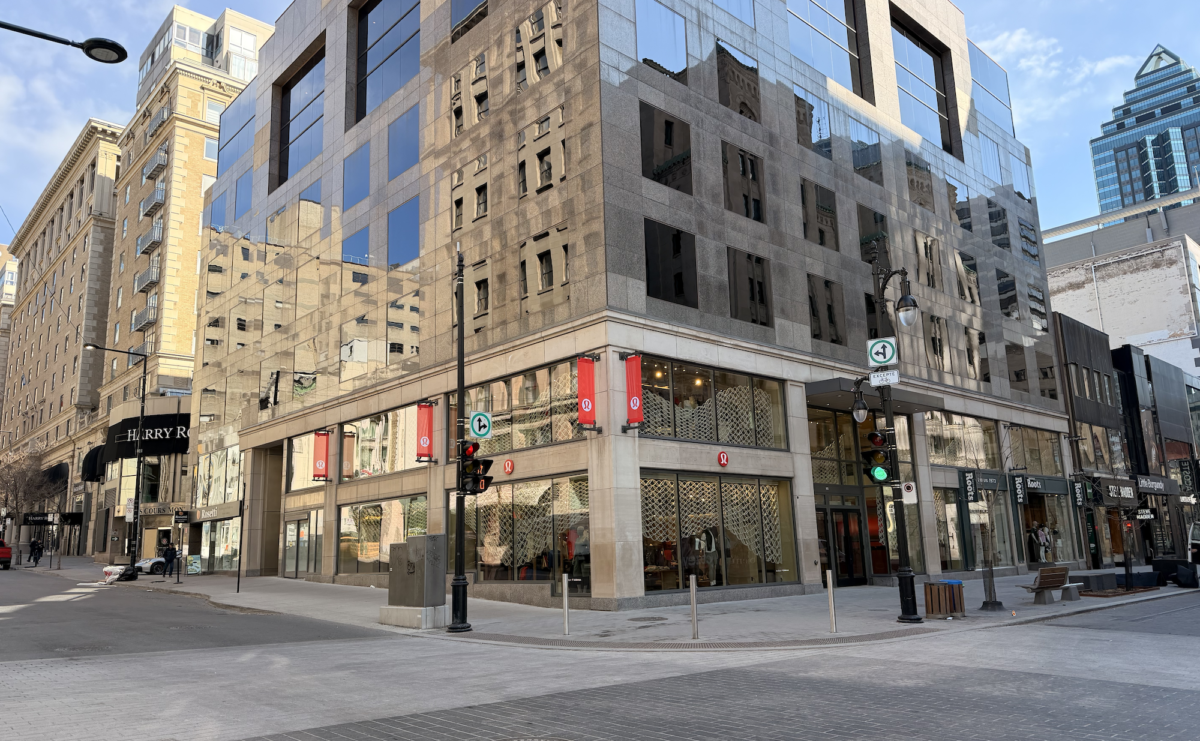
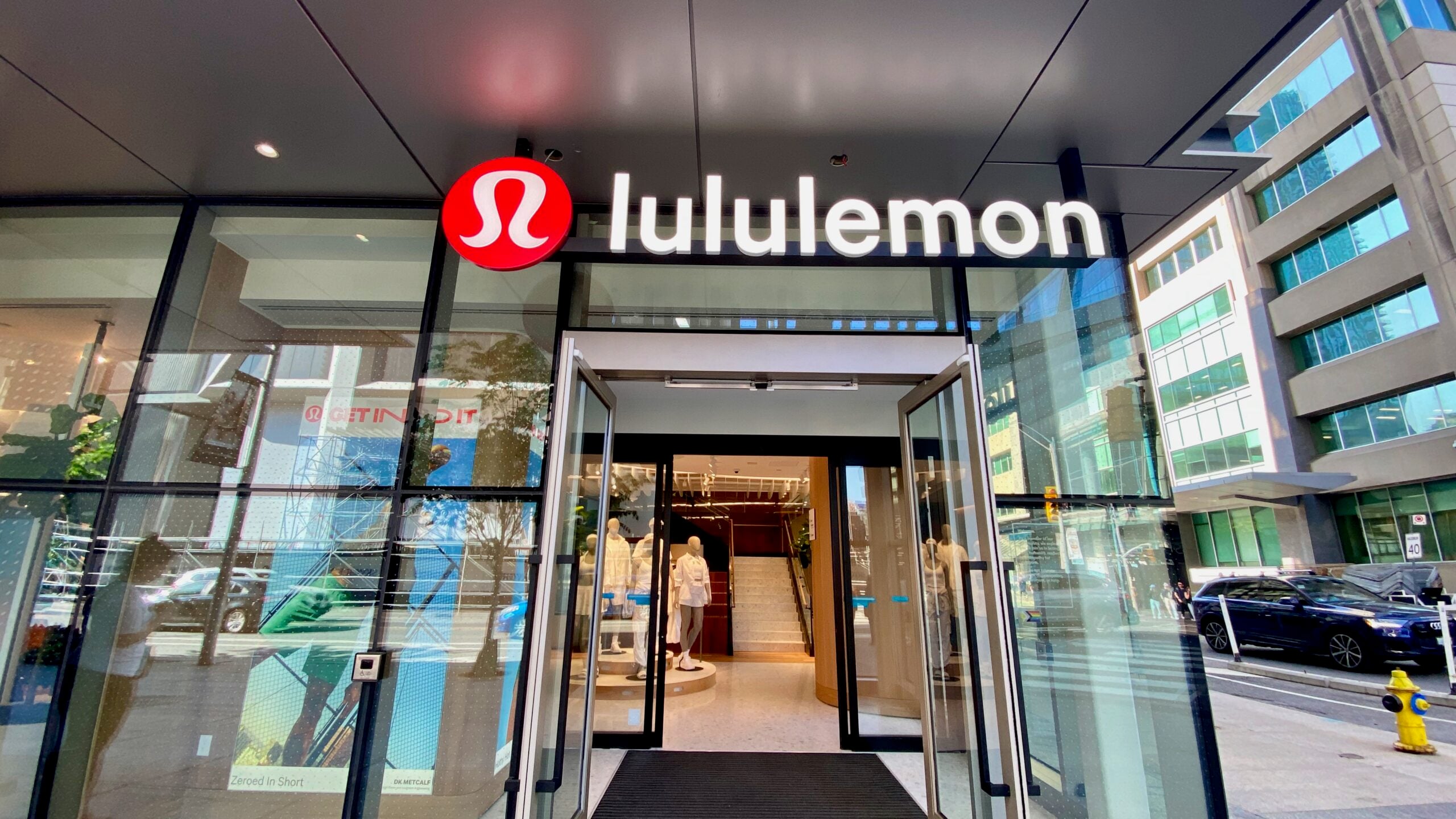
Several major retail developments have recently contributed to renewed momentum along the corridor, including a new Apple flagship store as well as continued leasing activity from expanding international brands. Lululemon recently opened an 11,000-square-foot flagship at Sainte-Catherine and Peel, while Arc’teryx leased a three-level building formerly occupied by Michael Kors.
Parr said many retailers continue evaluating opportunities along Sainte-Catherine Street for 2027 and beyond as infrastructure work progresses further through downtown Montreal.
Meanwhile, Royalmount continues emerging as one of Canada’s most ambitious new mixed-use retail developments.
“Royalmount continues to build momentum within the luxury community as more industry executives get to fully experience the property,” Parr said.
He added that later shopping hours introduced at Royalmount have also helped improve weekend sales performance for many retailers operating within the property.
Beyond downtown Montreal, major enclosed shopping centres including CF Carrefour Laval continue attracting strong consumer traffic and retailer interest, reinforcing the broader strength of the Montreal market.
Luxury Retailers Continue Taking a Long-Term View on Canada
Despite geopolitical uncertainty and broader economic pressures affecting global retail, Parr said most luxury retailers continue viewing Canada as an attractive medium-to-long-term market.
“There’s no doubt that geopolitical circumstances have short-term impacts on people’s businesses that they need to account for,” he said. “But everybody that I speak with identifies it as something to weigh while still considering their medium-to-long-term plan.”
He added that while retailers have become more strategic and disciplined in evaluating future expansion opportunities, confidence in Canada’s strongest retail markets remains durable.
“It factors into the decision-making, but ultimately it’s a smaller consideration when discovering what the broader Canadian marketplace can provide long term,” Parr said.
The evolving retail landscape following the closure of Hudson’s Bay Company stores has also created new opportunities for landlords and brands pursuing direct-to-consumer strategies within Canada’s top shopping districts and enclosed centres.
As Canada’s luxury retail sector moves beyond the rapid expansion cycle that reshaped many of the country’s premier shopping corridors in recent years, the next phase of growth increasingly appears focused on fewer, larger, and more strategic flagship investments tied to experiential mixed-use environments and highly competitive urban retail ecosystems.