


A confident, authentic smile is often your most valuable asset, communicating assurance and warmth in client meetings, networking events, and presentations. For busy professionals, however, the idea of traditional orthodontics, meaning years of visible metal, frequent, time-consuming appointments, and dietary restrictions, is simply not compatible with a demanding career and packed schedule. The good news is that adult orthodontics has undergone a revolution.
Today, discreet, efficient, and sophisticated orthodontic options exist to help you achieve that perfect alignment without disrupting your professional life. The challenge is sifting through the choices. This guide breaks down the process into actionable steps, empowering you to select the teeth straightening method that aligns perfectly with your lifestyle, professional needs, and desired timeline.
Assess Your Aesthetic and Visibility Requirements
Your starting point should always be a candid evaluation of how visible you’re willing to let your treatment be, and how that visibility will impact your professional engagements.
For a CEO or a highly public-facing consultant, an option that’s virtually invisible is often a non-negotiable requirement. In this case, clear aligners, such as Invisalign, are the industry standard. These custom-made, transparent plastic trays are removable and are almost undetectable during daily conversations. They allow you to maintain a polished, professional look throughout your treatment, which is a significant advantage over noticeable metal brackets.
An alternative for complete discretion is lingual braces, which are similar to traditional dental braces but are cleverly bonded to the inside surface of your teeth, hiding them entirely from view. While extremely effective and discreet, they may initially impact speech slightly and require a specialist for placement and adjustment.
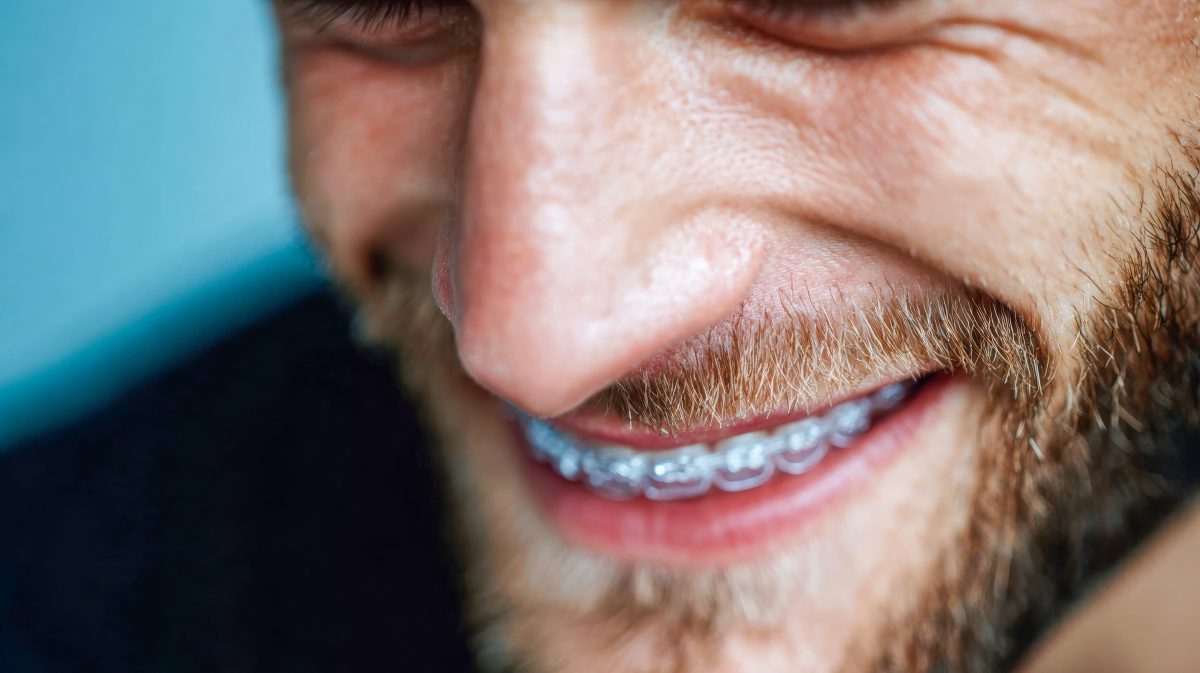
For a professional who’s less client-facing or who prioritizes cost savings, ceramic braces offer a middle ground, using tooth-colored or clear braces that are far less conspicuous than their metal counterparts, blending more naturally with your teeth.
Determine Your Timeline and Case Complexity
The overall duration of treatment and the severity of your current alignment issues are intrinsically linked and must be considered simultaneously.
If your misalignment is mild to moderate, such as a small gap, minor crowding, or a slight overbite, a shorter treatment time of six to 18 months might be feasible, often achievable with clear aligners. This speed and efficiency make this a truly attractive option for professionals looking to minimize their overall treatment window. To ensure you’re getting the right clear aligners for a confident smile, you’ve got to work with a reputable, experienced provider as they can diagnose the complexity of your specific case and provide a realistic, evidence-based timeline.
However, for more complex orthodontic issues like significant bite corrections, severe crowding, or major tooth rotations, the tried-and-true mechanics of traditional metal braces or ceramic braces often remain the most efficient and predictable route. Although they’re visible and require a longer typical treatment time, often 18 to 30 months, they deliver the most robust control over complex tooth movement.
Here’s some friendly advice: don’t rely on self-diagnosis or companies offering overly ambitious, short-term promises without a thorough in-person assessment.
Evaluate the Impact on Your Work Schedule and Maintenance
Your professional career, particularly if you’ve got a busy one, is often dictated by tight schedules, frequent travel, and limited flexibility for appointments. So, the required frequency of in-office visits is a pivotal factor in your decision.
Traditional braces, whether metal or ceramic, typically require a maintenance appointment every four to six weeks for adjustments and wire tightening. While these visits are essential for progress, they represent a significant time commitment.
In contrast, clear aligner systems generally require fewer in-office check-ins, perhaps every eight to 12 weeks. Much of the treatment progression is managed at home as you switch to a new set of aligner trays on a scheduled basis. For the frequent traveler or the professional whose calendar is perpetually overbooked, the reduced appointment load of clear aligners can be a game-changer.
You must also consider daily maintenance and discipline; clear aligners are removable, which means no dietary restrictions and easier brushing, but they demand a high level of compliance. You need to wear them for 20 to 22 hours every single day. Traditional fixed braces eliminate this compliance concern entirely, but they introduce the challenge of meticulous, time-consuming oral hygiene after every meal.
Another advanced option that sometimes reduces maintenance time is self-ligating braces, which use a slide mechanism instead of elastic ties to hold the archwire, potentially leading to fewer and shorter appointments.
Create a Realistic Financial and Insurance Plan
Orthodontic treatment represents a significant financial investment, and busy professionals need a clear understanding of the full cost before committing.
The range in price can be substantial, with traditional metal braces often falling at the lower end of the spectrum, while highly specialized options like lingual braces or top-tier clear aligner systems, such as invisible braces, typically carry a premium due to the custom fabrication and advanced dental technology involved.
Your dental insurance plan must be thoroughly reviewed. Many adult orthodontic plans cover a lifetime maximum benefit, which can significantly offset the total cost. However, the exact percentage covered often differs based on the type of treatment. The cost of general dental services should also be factored in, such as check-ups and cleanings required throughout the process. Don’t simply look at the sticker price; calculate your out-of-pocket expense after insurance coverage.
Furthermore, discuss available financing options with your chosen provider. Many offer interest-free payment plans or third-party medical financing to break the investment into manageable monthly payments, which is often a key consideration for professionals managing large-scale personal finances.
Partner With the Right Orthodontic Specialist
The choice of your treatment option is secondary to the selection of the professional overseeing your care. For a successful outcome, particularly with complex adult cases where bone density is greater and underlying dental work may be a factor, you need to partner with an experienced, certified orthodontist, not just a general dentist who offers aligners on the side.
Seek a dental professional who has significant experience with the specific treatment method you are leaning toward, whether that’s a high volume of complex lingual brace cases or a large number of clear aligner patients. Your initial consultation should be comprehensive, involving detailed X-rays, 3D scans, and a thorough discussion of your complete oral health history, including any previous dental work like dental bonding or issues such as gum disease.
The right orthodontist will serve as your partner, clearly articulating the pros and cons of each option for your specific case, managing your expectations regarding discomfort, and ensuring the final result is not only aesthetically pleasing with straight teeth but also functionally sound for long-term dental health.
Conclusion
The decision to straighten your teeth as an adult professional is a powerful commitment to your health, your confidence, and your career success. It’s a strategic enhancement. By methodically working through these steps, you move beyond simply choosing a “product.” Instead, you’re selecting a personalized, effective treatment experience designed to deliver a stunning, confident smile without compromising your professional momentum. A brilliant smile is an investment that pays dividends in every interaction, reinforcing the image of competence and assurance you strive to project.

