

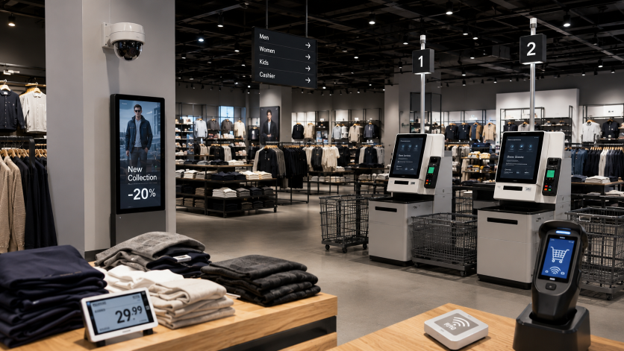
Canadian retailers are spending more on technology than at any point in the past decade. Cloud platforms, point-of-sale systems, digital signage, and security tools now run every corner of the store, not just the back office. But for many multi-location chains, the harder problem isn’t the budget line. It’s the sprawl underneath it: dozens of telecom carriers, ISPs, cloud vendors, and security providers, each with its own contract, renewal date, and support desk, spread across every location a retailer operates. That complexity is starting to look less like an IT headache and more like a genuine business risk.
Why Vendor-Neutral Advisory Is Gaining Ground

Retail IT teams weren’t built to manage a dozen simultaneous vendor relationships. Most retail organizations have a handful of IT staff covering everything from POS troubleshooting to cybersecurity policy, and few have deep telecom procurement expertise. Yet a single mid-size chain might juggle contracts with two or three internet providers, a managed security vendor, a cloud hosting partner, and separate carriers for mobile and voice, each up for renewal on a different schedule.
That mismatch between in-house capability and vendor complexity is why more retailers are turning to independent, vendor-agnostic advisory firms rather than negotiating deals directly with any single provider. CommQuotes is one example of this model: an advisory firm that compares telecom, cloud, and connectivity options across hundreds of providers on a retailer’s behalf instead of pitching a single vendor’s product line. For a retail operator without a dedicated telecom procurement team, that kind of outside comparison can mean the difference between renewing a contract on autopilot and actually finding a better fit for a growing footprint.
This isn’t a new idea in retail. Chains have long used managed service providers for day-to-day network operations. What’s changing now is the point at which retailers bring in outside expertise, earlier, at the procurement stage, rather than only after something breaks.
The Rising Cost of Fragmented Retail Technology
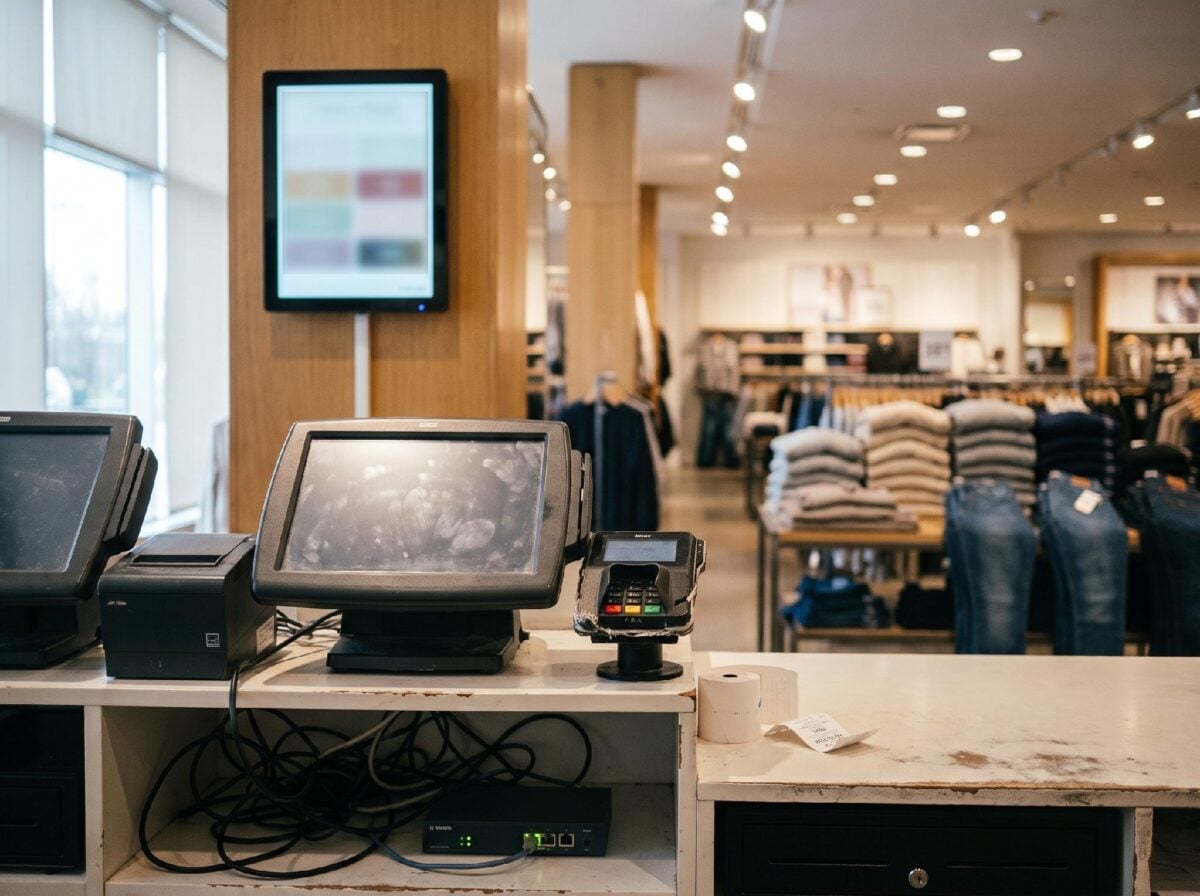
US retailers are projected to push technology budgets to $113 billion in 2026, a 6.6% jump year-over-year, according to Forrester’s “US Tech Forecast 2026 For Retail.” Gartner puts the global figure even higher, forecasting worldwide retail technology spending will hit $388 billion by 2026, with AI-related investment growing nearly 25% annually.
Much of that spend reflects how central cloud infrastructure has become to daily retail operations. Cloud adoption in retail now sits at 96.9%, the highest of any industry, and retail and eCommerce businesses report the highest overall cloud usage at 79%. Inventory systems, customer data, payment processing, and loyalty programs all run through cloud infrastructure that didn’t exist in most retail environments a decade ago.
That growth has a cost most trend reports skip over: integration pain. 61% of retailers report delays deploying new IT tools because of compatibility issues with legacy systems, and folding a cloud-based ERP into legacy POS terminals extends implementation timelines by an average of 7 months. For a chain running 50 or 200 locations, that’s a year or more of mismatched systems while trying to keep stores running normally. Retail Insider has covered similar strain in the connectivity space before, noting how multi-location networking challenges push chains toward outside help just to keep locations online during upgrades.
Cybersecurity Risk Is Now a Boardroom Issue
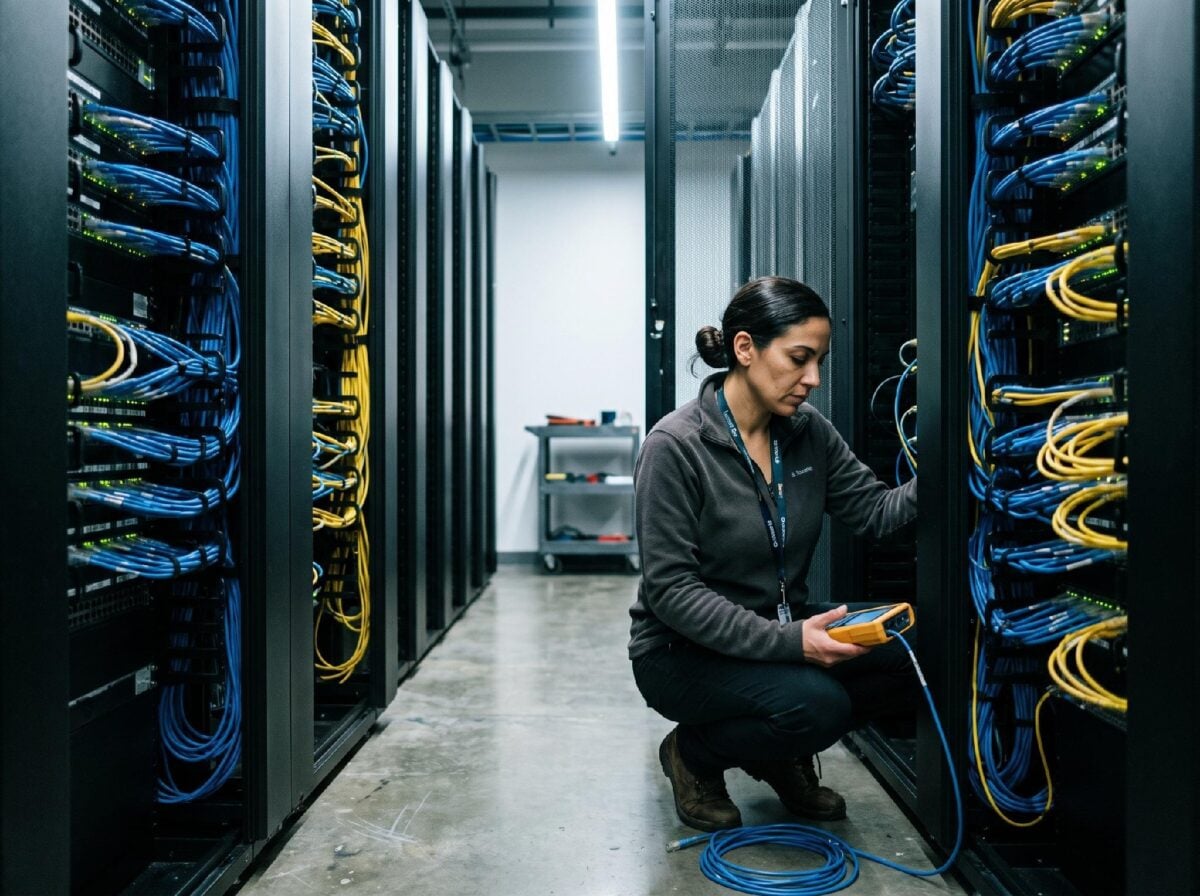
Vendor sprawl isn’t just an efficiency problem. It’s a security exposure. Between 70% and 80% of retail businesses experienced a cyberattack in 2025, and the average retail data breach now costs $3.54 million, a 17% increase, according to IBM’s Cost of a Data Breach Report 2025. RH-ISAC data shows retail security incidents climbed from 725 to 837 between 2023 and 2024, with confirmed breaches rising from 369 to 419 over the same period.
Every additional vendor in a retailer’s stack is another point of contact, another login, another potential gap between systems that weren’t designed to talk to each other. A retailer running five different ISPs across its store network, each with its own security posture and patch schedule, has a harder job securing that network than one working from a smaller, coordinated vendor set. IBM’s own guidance on holiday-season retail cybersecurity makes a similar point: attackers increasingly target the seams between systems, not just the systems themselves.
This is why loss prevention and security have moved from a store-operations line item to a board-level agenda item at most retail chains. Retail Insider’s own coverage of core retail risk management has tracked this shift in detail, and the underlying driver is the same one showing up in vendor management: fragmented systems create fragmented accountability, and fragmented accountability is where breaches happen.
What This Means for Multi-Location Retailers Heading Into 2026-27
The practical response isn’t complicated, even if it’s not easy to execute. Retailers need to audit existing vendor contracts against actual usage, not just renewal dates, and consolidate providers where the numbers support it. That doesn’t mean chasing a single-vendor setup for its own sake. Redundancy across critical systems, like a backup internet connection at high-volume locations, still matters. But it should be a deliberate choice, not an accident of never reviewing the contract stack.
Retail Insider’s Q2 2026 reporting on commerce infrastructure investments makes a related point: retailers that treat infrastructure decisions as strategic, tied to growth plans and risk tolerance, are outperforming those that treat them as a recurring procurement chore. Cloudflare’s guidance on holiday-season readiness echoes this from the security side, noting that retailers who plan connectivity and security capacity well ahead of peak periods avoid the scramble that leads to costly downtime.
For a 15-location chain, this might mean a single procurement review this year. For a 200-location operator, it likely means an ongoing process, revisiting vendor relationships on a rolling basis rather than only when a contract expires.
Conclusion
Retail technology budgets aren’t shrinking, and neither is the risk that comes with the systems those budgets fund. As Canadian retailers keep adding cloud platforms, connectivity providers, and security tools across their store networks, the ones that manage that complexity well, whether through in-house expertise, tighter vendor consolidation, or independent advisory relationships, will be the ones that avoid the costly downtime and breaches now hitting their less-prepared competitors. The infrastructure conversation in retail has moved past “what to adopt.” It’s now about who’s actually managing what gets adopted.

