Advertisement
Home Blog Page 1068

Innovative Fashion Brand ‘Reformation’ Plans to Enter Canada with Retail Stores

Image: Reformation

Eco-friendly US-based women’s fashion brand Reformation has retained a brokerage to enter the Canadian market by opening direct-to-consumer stores. The cutting-edge retailer will no doubt wow Canadians with its in-store technology, and impress with its sustainability focus. Reformation is the latest international retailer to look to enter Canada, which is seeing unprecedented interest from foreign retailers looking to open standalone stores. 

Known for being a “cool girl” clothing company (as stated in Allure), Reformation has become popular amongst celebrities such as Rihanna, Taylor Swift, and model Karlie Kloss. The company says that its goal is to create designs that are sexy, edgy and feminine, utilizing sustainable methods and materials. 

Reformation’s fashions are, in many instances, vintage-inspired with products such as maxi dresses with high slits and button-down dresses with kitchy slogans — it’s something of a deviation from eco-friendly labels that might be more ‘hippie style’. Prices are mid-range — dresses on its US website generally range between $128 and $218 for example. New designs are released regularly, sometimes as often as every week. About 60% of the brand’s clothing is manufactured in its Los Angeles factory, and the company continues to seek ways to increase production while staying true to the brand’s ethos. 

The majority of Reformation’s woven fabric is made of viscose, a man-made fibre made from renewable plant material. About half of its viscose fibre is manufactured by Austrian company Lenzing, and the other half comes from an Indian manufacturer — they’re the only two such suppliers that Reformation has deemed worthy, given their high score in a CanopyStyle audit (which certifies that trees are sources sustainably and that ancient/endangered forests weren’t harmed, amongst other considerations). Several other fibres are used in Reformation’s fashions, including TENCEL™ Lyocell and viscose (a wood based fibre), linen, and Recover® yarns that are made from old clothes and fabric waste. In-store displays provide information on products using a ‘RefScale’, which is a measure of the garment’s manufacturing process which includes water usage, carbon emissions, and waste generated in manufacturing. 

Furthermore, nearly 15% of Reformation’s products are made out of “deadstock” fabrics — the company buys old, leftover, and over-ordered fabric from other designers and fabric warehouses. As well, between 2% and 5% of Reformation’s products are made from vintage clothing, which is purchased from wholesalers in the United States. 

Its store format is akin to a tech-heavy showroom, where one of each item is on display in the retail space. Shoppers can browse samples and select what they’d like to try on through touchscreen monitors in the store (in a cheeky fashion, some monitors say ‘I like to be touched’). Sales associates bring shoppers the items they’d like to try on through double-sided wardrobes in dressing rooms. If an item doesn’t fit, shoppers can request a different size using a tablet, and a voice in the device’s speaker guides the shopper to close the wardrobe door — in 90 seconds or less, new items are added. If shoppers choose to not interact with store employees, items can be ordered to a fitting room using one of the monitors, which updates the store’s inventory in real-time. 

It’s all about the experience and Reformation’s dressing rooms also feature phone chargers, speakers (customers can choose their own music), and buttons that allow shoppers to change lighting to a desired ‘colour temperature’ — settings include ‘basic’, ‘cool’, ‘golden’ and ‘sexy-time’. Such innovations are currently uncommon in Canadian stores, and Reformation’s business model could serve to differentiate it from competitors (including online shopping). 

The lack of stock on the sales floor, as well as hangers that fit into ‘grooves’ gives Reformation the appearance of being a higher-end store. The lack of displayed stock also removes the need to rummage through seemingly endless racks of clothing in stores such as Winners or Hudson’s Bay

According to its website, Reformation has 13 stores in the United States — four are in the Los Angeles area, four in New York (one in the Hamptons), two are in San Francisco, and there are individual stores in Boston and Dallas. Stores in Santa Monica CA and Washington DC are on the way, according to its website, with reports noting that Chicago and other cities will also see locations. Reformation stores are located on urban street-fronts from the addresses listed on its website. 
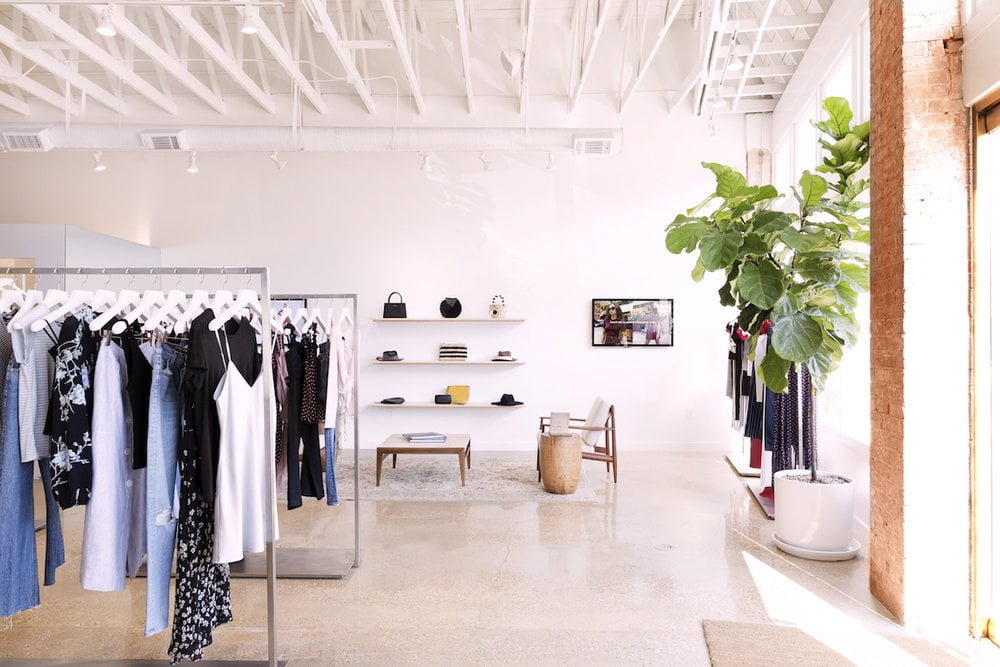
Reformation has retained Jeff Berkowitz of Aurora Realty Consultants to spearhead Reformation’s expansion into Canada. According to Aurora Realty Consultants’ website, Reformation stores in Canada will ideally be in the 2,000 to 3,000 square foot range on high streets. 

Given its eco-messaging and innovative technology, Reformation is likely to be a hit amongst Canadian shoppers. It’s anyone’s guess where the retailer will choose to open its first store, with targeted high streets possibly including the likes of Queen Street West in Toronto — Canada’s largest city is the likely entry point. We’ll be following this story and will announce any locations once they’ve been secured. 

International retailers are looking at entering the Canadian market like never before. Last year we counted more than 50 brands that entered Canada by opening stores, and this year there could be even more. It’s ultimately going to be a matter of survival of the fittest, and innovative retailers like Reformation could end up taking market share from more traditional and homegrown retailers. 

Chinese Shoppers Target Canada as Top Travel Destination, Canadian Retailers Take Note

exc-5b57de5d88251bd87782dace


Photo:  ParaanalizPhoto:  Paraanaliz

Photo: Paraanaliz

By Rita Liu, Head of Canada, Alipay

Canada has become one of the top tourist destinations for Chinese consumers. By the end of 2018, Canada will host a record number of Chinese travelers, surpassing last year’s nearly 700,000 visitors, according to predictions. Canada has set a goal of doubling this number by 2021, and as relations between China and Canada strengthen, both governments have officially named this the “Canada-China Year of Tourism.”

This is an exciting time to be a brand or retailer in Canada. Chinese travelers come ready to spend on products they cannot find at home, as well as on special experiences throughout their trip.  However, in order for retailers to best serve this lucrative and growing market, it’s important to prepare for this consumer’s preferences and shopping behaviors – addressing the cultural differences and barriers that may make it challenging for them to shop in Canada.

In China, mobile wallets are used for much more than payments — they are also connecting users with an experiential ecosystem centered around everyday life. Mobile wallets in China are not only used to pay and transfer money to friends and family, but also for everything from booking movie tickets and calling taxis to paying utility or hospital bills and searching for nearby merchants’ coupons and deals.

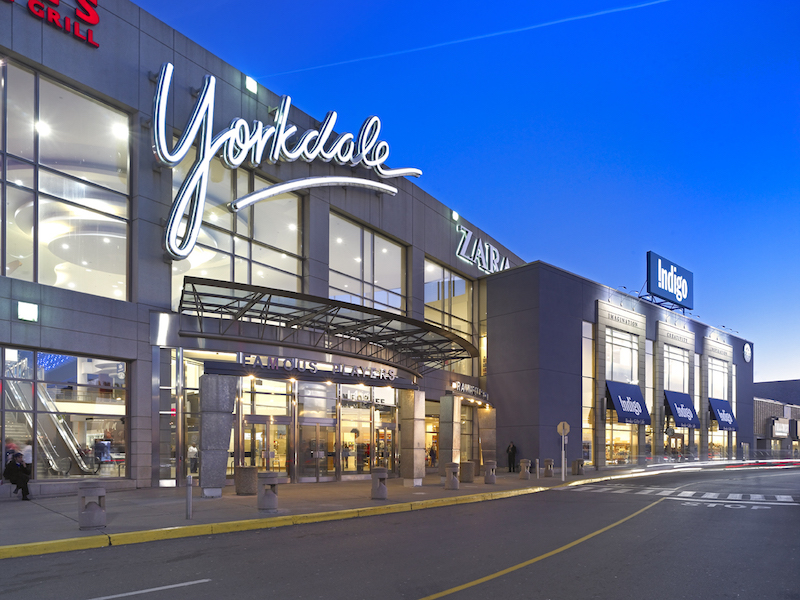
Holt Renfrew, Oxford PropertiesYorkdale Shopping Centre and Ivanhoé Cambridge shopping centers are among those in Canada that are already embracing the Chinese shopper by adapting to their cashless lifestyle, offering incentives to shop and accepting familiar payment methods.


Photo:  SkiftPhoto:  Skift

Photo: Skift

Embrace the Cashless Lifestyle. Chinese consumers are early adopters of the cashless lifestyle, and their use of mobile wallets drives their purchase decisions. A recent report by Nielsen found that nearly all Chinese travelers (91%) would be more willing to shop and spend at overseas merchants if they accepted Chinese mobile payments. Furthermore, 93% of Chinese tourists would use mobile payments overseas if given the option. When Chinese consumers visit Canada, whether it’s to work, study or travel, they bring this expectation for a cashless lifestyle with them.

Offer Incentives and Convenience. Mobile wallet acceptance opens the door for Canadian retailers and brands to connect with Chinese consumers before, during and after their trip, helping them to find the location of the store and receive offers or promotions through push notifications. When they know they can use their favorite mobile app at the register, the stress of language and payment barriers is diminished.

Accept Familiar Payment Methods to Build Loyalty. Canadian retailers and brands that offer familiar in-store payment solutions to Chinese shoppers will provide a welcome experience that may not only incentivize purchases, but also encourage loyalty. This can result in reoccurring store visits and even broaden awareness through word-of-mouth within the community. As mobile payment acceptance builds in Canada, merchants that accept payment through Chinese mobile wallet apps will be better equipped to innovate faster and readily meet the changing demands of Chinese shoppers.


Photo:  Jing DailyPhoto:  Jing Daily

Photo: Jing Daily

Today, when a Chinese traveler arrives in a Canadian city, they will expect to use their preferred mobile wallet app to not only pay at the register, but also connect with Canadian hotels, restaurants, cab companies, ticket distributors, and more at thousands of locations across Canada. This significantly diminishes currency and language barriers, making it easy for them to shop without the friction international travelers face when confronted with different forms of payment.


Rita Liu joined Alipay in 2010 and was initially responsible for driving partnerships with major Chinese banks. From 2014 to 2017, Rita was Head of EMEA for Alipay, based in London, responsible for Alipay & overall business in the region, overseeing business development, operations and marketing activities. She has recently taken new responsibility as Head of Canada, starting to build the firm’s business and strategy in Canada. Before joining Alipay, Rita worked with American Express as business development manager. Follow her on Twitter at @rita2016alipay.

Ivanhoé Cambridge Announces Significant Renovation of Mic Mac Mall, including Target Space Tenant

exc-5b58c67d758d4662dd995132

Shopping Centre landlords in Canada have invested billions in their properties over the past several years. The latest landlord to announce a major investment is Ivanhoé Cambridge, which is spending more than $55-million to renovate its Mic Mac Mall property in metro Halifax. 

Ivanhoé Cambridge confirms that it will be upgrading the mall’s common areas, including new flooring and handrails throughout, renovated washrooms (including a new family washroom), a relocation and replacement of the existing ‘centre court’ escalators and the replacement and relocation of the ‘south court’ escalators which the landlord says will be utilized to create additional retail offerings. A new entrance at the south-end of the property will be added, and upgrades to the exterior entrances and lighting are also part of the plans. 

As well, the mall’s third-floor food court will be renovated, including new seating and lighting. Mic Mac Mall will remain open during the entire project and the majority of the work will be completed by the end of 2019, according to Ivanhoé Cambridge. 

“Mic Mac Mall has a dominant position in Greater Halifax,” said Claude Sirois, President, Ivanhoé Cambridge Retail. “This project will help redefine its retail and service offering and will enhance its competitive positioning, which will benefit the 5 million-discerning visitors that shop at Mic Mac Mall every year.” 

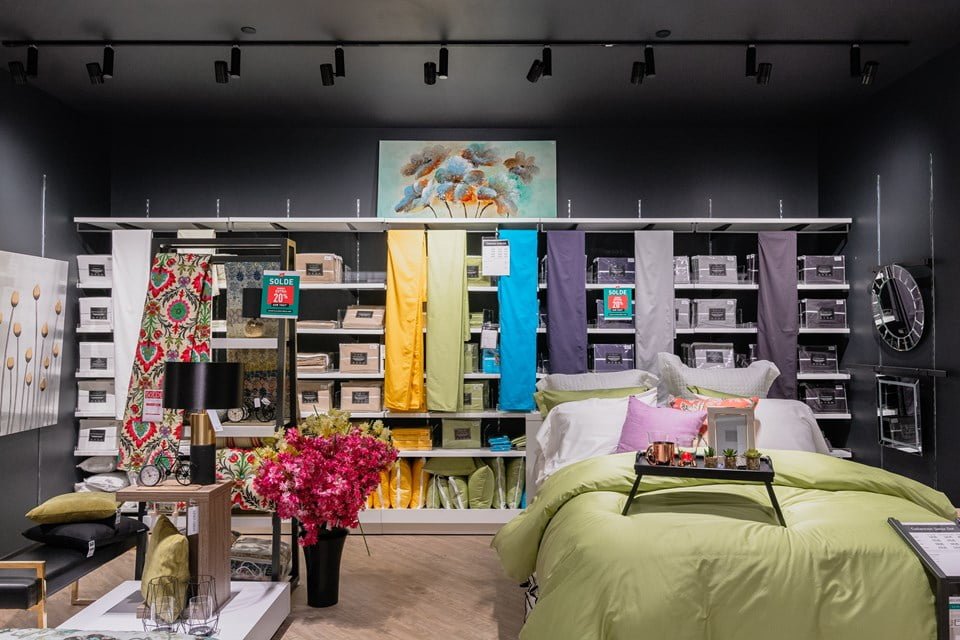
Ivanhoé Cambridge has announced that Montreal-based Linen Chest will become a new anchor to the centre. Linen Chest recently introduced a new modernized store concept that it plans to roll out nationally, in a ‘boutique-inspired’ setting with an “emphasis on storytelling” and a “three-dimensional ‘lookbook’ open-frame structures throughout the store to showcase vignettes of curated merchandise. The store will feature an interactive kitchen with cooking demonstrations every weekend, as well as an espresso bar where customers may enjoy a complimentary cappuccino. Design firm GH+A is designing the space. 

Linen Chest is moving into part of the mall’s former Target space. Target vacated Canada in early 2015 and landlords nationwide have been working to fill these spaces. Target occupied about 122,000 square feet at Mic Mac Mall, and other large tenants are expected to join Linen Chest in the repurposed space. ‘Cultural Department Store’ Indigo currently operates a store at Mic Mac under the Chapters nameplate, and Indigo has said that it plans to phase out the Chapters name as it renovates and replaces stores with its newest concept. While it hasn’t been confirmed by either Indigo or Ivanhoé Cambridge, Halifax-based retail blog ‘Halifax ReTalesreported in April that it had seen renderings of an Indigo store that will be located next to Linen Chest. The publication also says that retailer Hot Topic will be opening in the centre, and also speculates that plus-sized womenswear brand Torrid and at least one major restaurant will be moving into the centre. 

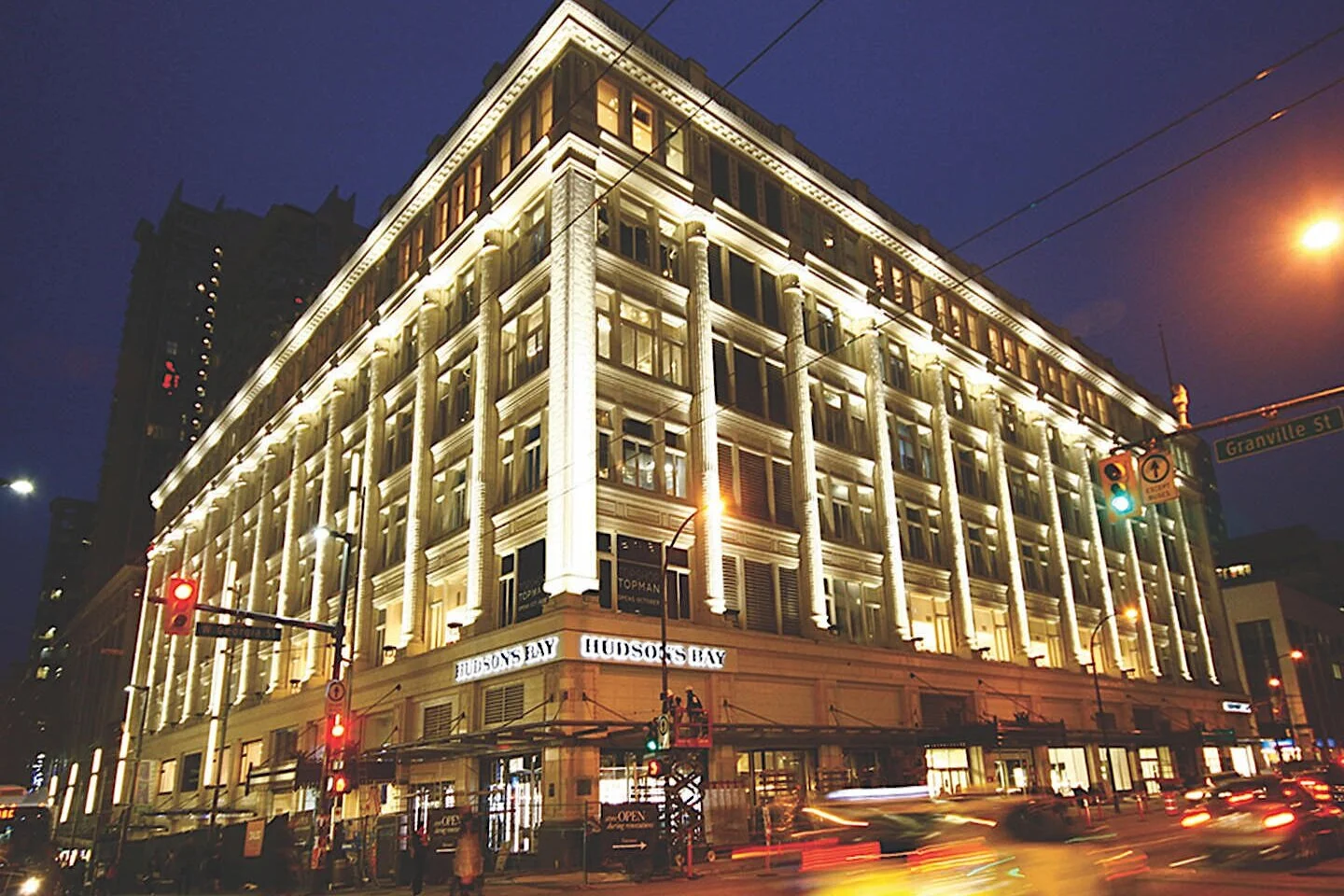
Mic Mac Mall, is one of the largest shopping centres in the Maritimes with about 160 retailers and 3,100 parking spaces in a centre spanning more than 665,000 square feet. Hudson’s Bay is the mall’s primary anchor with more than 150,000 square feet, as well as smaller anchors such as Winners/HomeSense, Forever 21, Designer Depot, Old Navy and H&M. It’s also one of the most productive malls in the region, according to Retail Council of Canada’s latest Canadian Shopping Centre Study

‘Bloodbath’ for Canadian Grocers as Consumers Demand Convenience

'Bloodbath’ for Canadian Grocers as Consumers Demand Convenience

By Sylvain Charlebois, Professor in Food Distribution and Policy, Dalhousie University

Despite posting decent financial results this year, top line sales have been quite a challenge for our grocers so far.  Coupled with a somewhat weak food inflation rate, sales at major food retailers are tumbling faster than Niagara Falls. Recent StatsCan figures suggest the market shift many industry pundits were dreading is indeed happening. Top grocers such as LoblawSobeys and Metro are seeing their world being turned upside down by consumers who are more than ever obsessed with convenience. In other words, grocery shopping habits are changing, and fast.

The most disturbing of the recent statistics are the retail sales generated by the food sector. Supermarket and grocery store sales decreased 3.1%, in a single month. Food retail sales dropped by $221 million in May. Such an amount could be enough to force grocers to close almost 30 decent-sized stores and put nearly 2,000 people out of work. That’s only for the month of May. StatsCan reports that retail food sales have been down in four of the last five months. Convenience and speciality stores are bucking the trend and are faring much better. Food sales from convenience stores have increased by more than 6% since last year while speciality store sales have increased by more than 10%. In other words, the major chains are seeing their customers flee as food demand is becoming more fragmented.

Most Canadians would not have thought of convenience as, well, fitting to their modern lifestyle. But an increasing number of Canadians are apparently getting a taste of it and want more. Ready-to-eat solutions are more prominent than ever. Even vending machines are increasingly becoming go-to places for quality meals consumed outside the home. Online food shopping, mostly for non-perishable staples, is also becoming common practice for consumers, thanks to what is now known as the Amazon effect. With the ready-to-cook segment growing at an incredible rate, now worth almost $200 million in Canada, fewer shoppers are showing up at the grocery store. Or at least, consumers appear to be spending less at big box stores, forcing grocers to go after consumers’ money, instead of just waiting for it to come to them.

Food inflation is another source of pressure. The national rate sits now at 1.4% for the month of June, compared to 1% in May. Prices are back on the upswing, yet in many parts of the grocery store, prices are relatively stagnant. Given that the cost of food eaten outside the home is still showing dramatic increases, up by more than 4%, food inflation data remains cruelly misleading for grocers. Food service is progressively winning over food retailing. 

According to Statistic Canada, at retail, almost everything is now cheaper than it was in January. Of the more than 45 items in our typical food basket, half cost less than they did at the beginning of the year. Round steak, pork chops, bacon, chicken, pasta, and even eggs are all less expensive. Roasted coffee is a surprising 17% cheaper than it was in January. But consumers are not spared inflation entirely. Apples are up 11% since January, and carrots are up 22%. Ottawa’s reactionary measures against the Trump administration may have also enticed grocers to increase prices ahead of the July 1st deadline, when 10% tariffs were imposed on specific U.S. imported food products. Tariff-stricken categories like ketchup and orange juice have seen prices go up in June by 4% to 5%. Orange prices were especially affected, increasing by 13% in one single month. 

The overall inflation rate is 2.5% which boosts chances for a Bank of Canada move. Interest rates could be increased within the next several weeks, putting even more pressure on grocers who are looking at investing as a means to compete in the era of the omnichannel business model. For consumers, borrowing money will cost more and a growing number of them could start to trade down when food shopping.

Grocers are not only trying to keep foot traffic at a decent rate in their stores, they are also extending their e-commerce strategy. They just don’t have much of a choice. Costco has just announced it will run a pilot project in Ontario to evaluate market potential for home delivery. With less than 100 locations in Canada, compared to the thousands of outlets owned and operated by major grocers, Costco will make things interesting over the next few months. Costco’s discounting has impressed many Canadians as its market share is already at 12% in Canada, up from 9% just a few years ago. Given how much one buys at Costco, buying online and having someone carrying everything for you is a suitable proposition, isn’t it?

Grocers will need to continue to innovate and accept the fact that “business as usual” in food distribution is strategically suicidal. Canadians are deserting the old model and seeking something new, at a much faster rate than expected. Losing 3% of sales in one single month is just not sustainable. This is what disruption looks like in food distribution.

Dr. Sylvain Charlebois is Dean of the Faculty of Management at Dalhousie University in Halifax. Also at Dalhousie, he is Professor in food distribution and policy in the Faculty of Agriculture. His current research interest lies in the broad area of food distribution, security and safety, and has published four books and many peer-reviewed journal articles in several publications. His research has been featured in a number of newspapers, including The Economist, the New York Times, the Boston Globe, the Wall Street Journal, Foreign Affairs, the Globe & Mail, the National Post and the Toronto Star. Follow him on twitter @scharleb.

MINDSET Brain Gym Opens Inaugural Location and Embarks on Aggressive Growth Strategy

exc-5b57bb361ae6cfeb15ad9966

A new type of gym has opened its doors in Toronto – one that exercises your brain rather than your body. The new concept, called MINDSET Brain Gym, provides meditation classes for busy urban dwellers. And with meditation rapidly growing in popularity, MINDSET is poised to expand quickly to other cities.
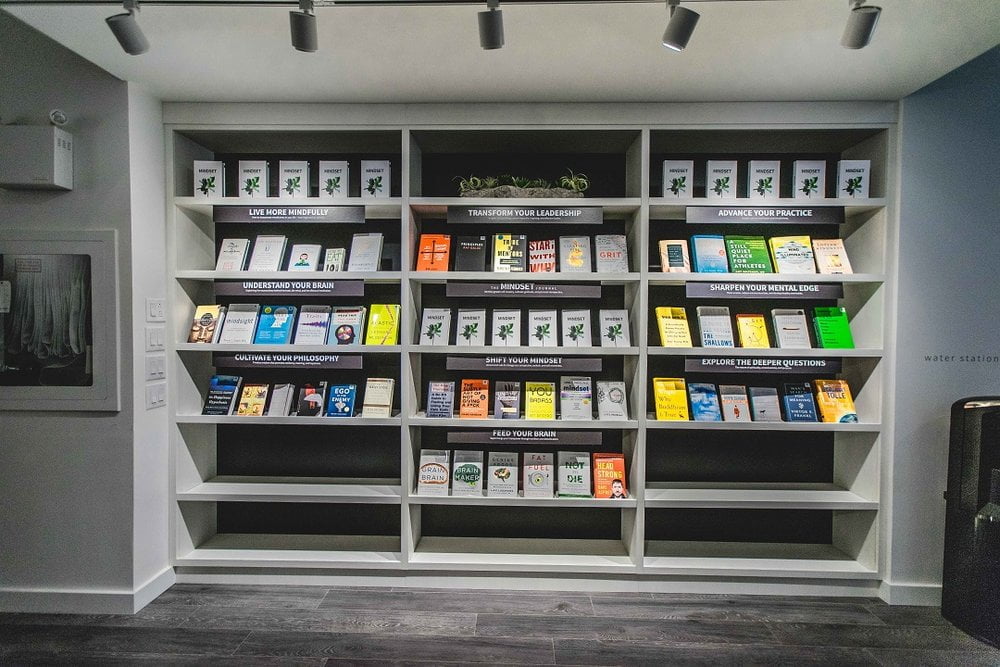
MINDSET offers a variety of drop-in meditation classes in an environment that’s designed to serve as a relaxing oasis in the city. MINDSET also offers a carefully curated selection of meditation-related items available for purchase.

Sean Finnell, co-founder of MINDSET Brain Gym, says he came up with the idea for the concept a couple of years ago, when he personally discovered meditation.

“I felt like my attention was constantly being pulled in a thousand different directions, and when searching for a way to strengthen my own concentration and focus, I discovered the power of a regular mindfulness meditation practice,” Finnell says. “Meditation is the single best exercise you can use to improve your mental performance and overall well-being, and I wanted to create a space that made the practice accessible, attractive, and convenient for everyone – particularly those that don’t already regularly meditate.”

MINDSET offers numerous types of classes, including ones focused on fostering performance, resilience, recharging and sleep, as well as a beginner class called Meditation 101. Each class includes 30 minutes of teaching and guided meditation, followed by an optional 15 minutes of discussion and reflection. The classes have capacity for up to 21 students per class.

For individuals who prefer private meditation, MINDSET also provides a zero-gravity “Stillness Pod,” featuring guided meditation through audio recordings.

The studio also offers brainwave-sensing technology, so that students can see how much their minds have wandered during sessions and track their progress over time. “That will appeal to the skeptical and highly-rational individuals that I believe have the most to gain from a regular meditation practice,” Finnell says.

The inaugural studio, located at 62 Cumberland Street in Toronto’s upscale Yorkville neighbourhood, is 2,600 square feet in size. Yorkville was an ideal location, Finnell says, given its proximity to both residential dwellings and office towers.  A key target market for MINDSET is the corporate “Bay Street” crowd who, Finnell admits, have thus far been largely resistant to mindfulness and meditation. He says that segment of the population – along with athletes and individuals in other types of high-pressure roles – could benefit considerably from improvements in concentration, decision-making, stress levels and the ability to perform under pressure, which can result from practicing meditation.

The studio features cozy living spaces where customers can spend time before and after classes, as well as a “Brain Bar” with complimentary kombucha and green tea.

“Of our 2,600-square-foot studio, about 60% is dedicated to these living and lounge areas that really make our clients feel right at home the moment they walk in and help foster a community of like-minded individuals,” Finnell says.   

The classroom, meanwhile, aims to immerse students in an even higher level of relaxation. It features custom ergonomic seating designed to enable optimal meditation positions.

“Every element has been curated for an optimal, multi-sensory meditation experience – from our light wall that bathes you in calming waves of blue to the surround sound rainfall soundscape and our custom blend of diffused essential oils,” Finnell says. “It’s a truly one-of-a-kind space.”

MINDSET’s retail offerings include a meditation journal, a carefully curated book selection and meditation accessories. In the coming months, the company will also be rolling out its own collection of apparel, essential oils and tea blends.

Finnell anticipates very strong demand for the meditation classes and services offered by MINDSET.

“We’re living in this increasingly stressed out and over-stimulated society where everything is competing for a piece of your attention, and people are more conscious than ever about their own mental well-being and health,” he says. “We’re at a point where I think everyone is at least peripherally aware of the scientific benefits of meditation, so we’re planning to ride this wave of curiosity and provide a space that will get a lot of skeptical individuals taking a second look at the practice and start to see some serious benefits from it.”

MINDSET’s second Toronto location is already in the works, with plans to open in late 2018 or early 2019, and more studios in major U.S. cities are likely to follow. Regions under consideration include Los Angeles, Miami, Chicago, the Bay Area and New York, according to Finnell.

“Many of these markets already have seen dedicated meditation studios pop up over the past couple of years,” he says, “but we’re bringing our unique performance-oriented spin with us and really aiming to grow the overall market of individuals making meditation and mental fitness a part of their overall healthy lifestyles.”

Finnell hopes to have 10 locations up and running in 2020. “We’ve built this business from the ground up to be highly scalable – from our curriculum and training to our technological integration – and I believe we can realistically achieve that target,” he says.

Editor’s note: MINDSET Brain Gym is represented by Graham Smith of Cushman & Wakefield

2018 Could Break Records for Number of International Retailers Entering Canada

exc-5b51229ff950b7b766e3a1d9


Capture.PNGCapture.PNG

By Craig Patterson

Last year was a record breaker in terms of the number of international retailers that entered Canada by opening stores, and 2018 could see even more as we look towards the next six months. There’s no ‘retail apocalypse’ in Canada as is being claimed by some in the United States, though the dynamics are changing and some markets are more challenging than others. Homegrown retailers and those already doing business in Canada will feel the effects of ever-increasing competition for limited consumer dollars. 

In 2017, we tallied more than 50 international retailers that entered Canada by opening stores, which was an unexpected find considering that we had expected a slowdown from years prior. We’ve been tracking retailers in the country over the past several years and in 2016, we thought we’d seen a lot when we mapped out 21 new international retailers and in 2015, when we counted 28 of them. Our tally doesn’t generally include restaurant concepts, for the most part, so we wouldn’t count concepts such as Chik Fil A, which is said to be launching its Canadian expansion through southern Ontario. 

maxresdefault.jpgmaxresdefault.jpg

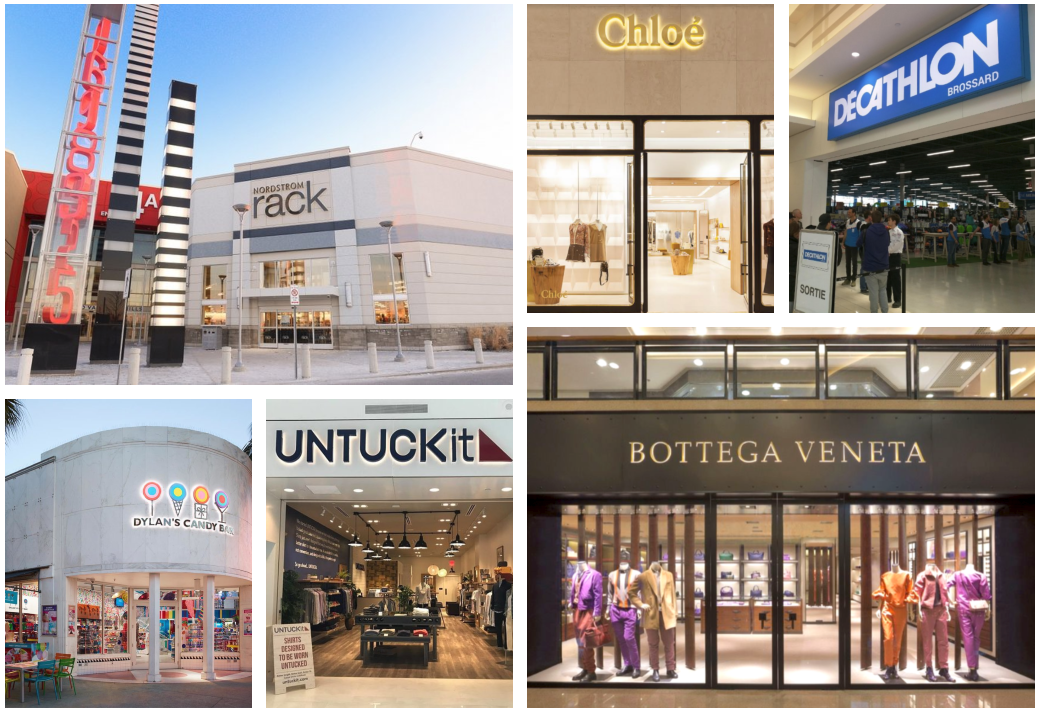
Since January of this year, we’ve reported on more than 30 retail concepts that have either already opened stores in Canada, or will be entering the country some time this year. Although we do our best to keep on top of what’s happening, some retailers have surprised us by quietly entering the market either on their own or in some cases through a host such as at an airport. The range of new openings range from value-priced Nordstrom Rack to luxury stores such as Chloé and Bottega Veneta. Some brands enter Canada with just one location to start — Atelier Cologne is an example — while others, such as Laline, have revealed an entry with seven locations set to open in Ontario this year. 

Our list also doesn’t include some brands that are said to be seeking out space in Canada — Furla and Ray Ban come to mind, with both brands looking to enter the Canadian market by opening retail stores. Others, such as Alfred Dunhill are said to be eyeing the market while others, such as Sweden’s Lindex, are seeking local partners prior to initiating any Canadian expansion plans. 


SOIA & KYO will open its first store this fall at Square One in Mississauga.SOIA & KYO will open its first store this fall at Square One in Mississauga.

SOIA & KYO will open its first store this fall at Square One in Mississauga.

Furthermore, Canada is seeing several first-ever retail concepts come into the market. Some of these are homegrown and interestingly, several are international. Canadian brands opening stores include the likes of SOIA & KYO, which will open its first standalone store at Mississauga’s Square One this fall, not to mention accessory retailer Suzi Roher which is opening on Toronto’s Queen Street West this week, and Edmonton’s EMMYDEVEAU brand which entrepreneur Emily Salsbury-Derveaux is looking to take national. An example of an international brand opening its first-ever store in Canada is DSW Shoes-owned sneaker concept GRAIL, which opened recently on Vancouver’s tony South-Granville strip

Mike Kehoe, Calgary-based founder/broker at Fairfield Commercial Real Estate, says that he’s hearing that 2018 could set records in Canada in terms of the number of new entrants coming into the country. Mr. Kehoe is an Ambassador with ICSC and says that this is a point of discussion amongst those involved with the organization, including at the recently held ReCon conference in Las Vegas

While brokers have traditionally been the ones to work with new brands coming into Canada, a couple of major shopping centre landlords are now also going directly to international brands to entice them to enter the Canadian market. Several of the recent deals for first-to-market retailers at Toronto’s Yorkdale Shopping Centre, for example, were negotiated by Oxford Properties directly with the retailer.  


photo: Lee Rivettphoto: Lee Rivett

photo: Lee Rivett

Yorkdale, in fact, remains the single most significant entry point for international retailers looking to get a foothold in Canada, as it has been for the past several years. A recent CBRE report noted that of the 40 retailers it had identified as having entered the Toronto market with first-to-Canada locations, 14 of them were via Yorkdale. So far in 2018, Retail Insider has identified eight international retailers, all considered to be luxury brands, which have either already opened their first Canadian stores in the centre, or will before the end of this year in the mall. 

One interesting trend we’re noticing, as well, is the continued popularity of some urban street-front locations for international retailers that are opening their first stores. Toronto’s Queen Street West has been the entry point for several first-to-Canada stores this year. Vancouver’s Alberni Street ‘Luxury Zone’ also remains an important address for brands looking to make the leap into Canada.  

At the end of 2018, we’ll do another tally to see if this year was another record breaker. As well, we’ll create a list of these retailers, as we have for the past several years, as we continue to track international movements within the Canadian retail industry. 


Craig Patterson, now based in Toronto, is the founder and Editor-in-Chief Retail Insider. He’s also a retail and real estate consultant, retail tour guide and public speaker. 

Follow him on Twitter @RetailInsider_, LinkedIn at Craig Patterson, or email him at: craig@retail-insider.com.

Mobil Nears Completion of Rebranding 200 Loblaw Gas Stations

PHOTO: DALLAS NEWS

By the end of this year, more than 200 former Loblaw gas stations will be re-branded to the iconic Mobil brand.

In July 2017, Brookfield Business Partners purchased 213 retail gas stations across Canada from Loblaw Companies Limited for about $540 million.

YAN COTE. PHOTO: LINKEDIN

The acquisition included associated convenience kiosks adjacent to Loblaw-owned grocery stores across the country.

Yan Cote, retail fuels manager for Imperial Oil, said an agreement with Brookfield to rebrand those stations to Mobil marked the introduction of the fuel retail brand into Canada.

“About a year ago in August of 2017, we branded the initial four locations. We applied the Mobil brand treatment and began selling the Synergy fuel which is a fuel that has our proprietary additive in it that helps improve fuel economy and performance,” said Cote.

“Since that time we’ve been re-branding the sites and we expect to have all of them done by the end of this year.”

LOBLAWS GAS BAR. PHOTO: ALEX REBANK

He said the stores are in every province with the exception of Newfoundland and Prince Edward Island. There are more in Western Canada but the footprint is national.

“They’re located where you would typically find large Loblaw locations that can accommodate a fuel site – where Loblaw historically found it attractive to put a fuel offer in,” said Cote. “Loblaw had started putting them in in the 1980s.

“To be clear, the sites are owned by Brookfield . . . and the initial value we’re bringing to it is we’re bringing the value of the Mobil brand. The Mobil brand is a brand that stands for kind of innovation, product quality, technology leadership. It’s very visible in motor racing. And there’s 10,000 Mobil branded stations globally. We’re excited to bring that brand to Canada.”

He said Mobil branded stations are alluring and more appealing to customers to draw them to the places of business.

Cote said Mobil has been in Canada for awhile on the lubricant side of the business and has a strong presence in that area.

But from the retail fuel perspective, this is the entry of the brand into the market.

“The brand will be made available to dealers. We do have intentions of seeing the brand grow both on Loblaw property and off Loblaw property,” said Cote. “That’s part of the reason we introduced the brand. It enables Imperial to grow. And we see the Esso and the Mobil brands as being highly complementary. We would expect to see substantial growth both on and off Loblaw property over time.”

The brand has instant global recognition for a number of reasons including its affiliation with Formula One auto racing. It also has relationships with car manufacturers such as Porsche.

“In the minds of consumers some of the things we hear are it’s perceived as a global brand. It’s perceived as a brand that stands for technology leadership. And for us to enter the market in this way it kind of bolsters that view of Imperial being innovative in the way it goes to market. Those are some of the things that consumers have told us about that brand,” added Cote.

Study Ranks Canada’s Most Trusted Retailers, and One Dominates 

exc-5b550b11f950b71441bf497b

Market research firm BrandSpark International recently surveyed more than 5,000 Canadian consumers and asked them which retailers they trusted the most in major retail categories in e-commerce and brick & mortar. Some traditional retailers made the list as expected, but it was Amazon’s dominance in the study’s e-commerce categories that might have some retailers concerned. 

“The BrandSpark Most Trusted Awards program gives shoppers a chance to understand which retailers are trusted by other Canadians. This allows everyone to make better purchase decisions because being trusted is the greatest indicator of which retailers are delivering the most value and best experience to consumers,” said Robert Levy, President of BrandSpark International. “These endorsements are especially useful for shoppers who don’t regularly shop the category – particularly in e-commerce where many shoppers are still learning where the most trusted places are to shop online.”

BrandSpark surveyed more than 5,000 respondents online to determine what retailers were most trustworthy, using “top of mind” unaided responses. Results were ranked based on the greatest volume of mentions — and if the difference between retailers nationally was less than three percent, ties were declared, says BrandSpark

Ikea, The Home Depot, and Shell secured top rankings in Home Furniture, Major Home Appliances, and Gas Station categories — BrandSpark says that changes in the retail landscape have altered consumer trust in this sector.

The study ranked e-commerce retailers utilizing its methodology, and there were some interesting findings. About 41% of Canadian respondents said that they plan to do more shopping online this year (only 5% said they’d do less). Hot on the heels of last week’s Amazon Prime Day, which saw record-breaking sales numbers for the 36-hour period, BrandSpark noted that “In November 2016, 11% of the Canadian population had an Amazon Prime membership. As of last month, that number had risen to 1 in 4 Canadians, even before the bulk of Amazon’s 2018 Prime Day communication. In comparison, over 50% of households in the United States hold a Prime membership, which may be a sign of where things are heading for Amazon in Canada.”

According to the BrandSpark research, the three main reasons consumers shop online are lower prices, convenience and selection. Amazon won 13 of 26 e-commerce categories in the study, as ranked in the chart below. 

In the e-commerce category, several specialized retailers also ranked highly in the study. Those retailers include Best Buy, Sephora, PetSmart, and The Home Depot, all of which are examples of traditional brick & mortar stores that have successfully built an omni-channel presence. “If other retailers want to catch up with Amazon in their category, they need to stay top-of-mind as their customers move online, and deliver the online browsing experience, selection, value, and service required to be shoppers’ go-to destination in the category,” said Mr. Levy.

BrandSpark notes that following the demise of Sears Canada, The Home Depot has been successful by going from the third Most Trusted Major Appliance Retailer to the number one within this category. As well, Ikea jumped from third place in the Furniture category to now being tied with two long-standing Canadian brands — The Brick and Leon’s. BrandSpark says that Ikea’s growth in trust-ranking can be attributed to the retailer’s “ability to stay ahead of emerging style trends while maintaining reasonable prices, two things that savvy millennial shoppers seek out in a brand”. 

In the Gas Station category, Shell moved up the ranking to tie with last year’s winner, Petro-Canada. BrandSpark notes that Shell is a foreign company based in the Netherlands and has managed to gain a share in a category that has been dominated by well-established Canadian brands. About half of the most trusted general retailers in Canada are Canadian companies, according to BrandSpark, which is down about 10% from last year. This is indicative of the growing strength of international brick & mortar retail brands in Canada, which is only expected to increase as Canada sees a record number of international retailers enter the country by opening both physical as well as online stores. 

Below is this year’s category rankings for brick & mortar retailers: 

“Canadians say their trust in a brand is greatly increased by personal experience, responsiveness, transparency, fair pricing, and the endorsements of other consumers,” said Mr. Levy. When it comes to serious issues, the BrandSpark Canadian Shopper Study shows that it is important that a brand respond quickly. About 73% of consumers surveyed said a speedy response greatly increased their trust in a brand. Transparency is also important — according to the study, 56% of respondents agree that brands that provide detailed information about their product or service earn trust, with 49% of respondents saying trust is built when they see unfiltered customer reviews on a brand’s website.

Online reviews are more important than ever — a majority of respondents said that they now seek reviews to support their purchase decisions, and they read both positive and negative reviews to get a more complete picture. Furthermore, without this information, many respondents said that they would not complete a transaction. About 85% of respondents stated that their trust in a brand increases if the brand has won awards based on the feedback of consumers and furthermore, pricing also influences trust, with consistent and competitive pricing said to be more likely to be perceived as “fair and honest”. 

BrandSpark also conducts research for its ‘Most Trusted awards’ in over 150 consumer product categories and services. All of the winners can be found at www.BrandSparkMostTrusted.com

La Maison Simons Announces 1st Strategic Acquisition

Image: Simons

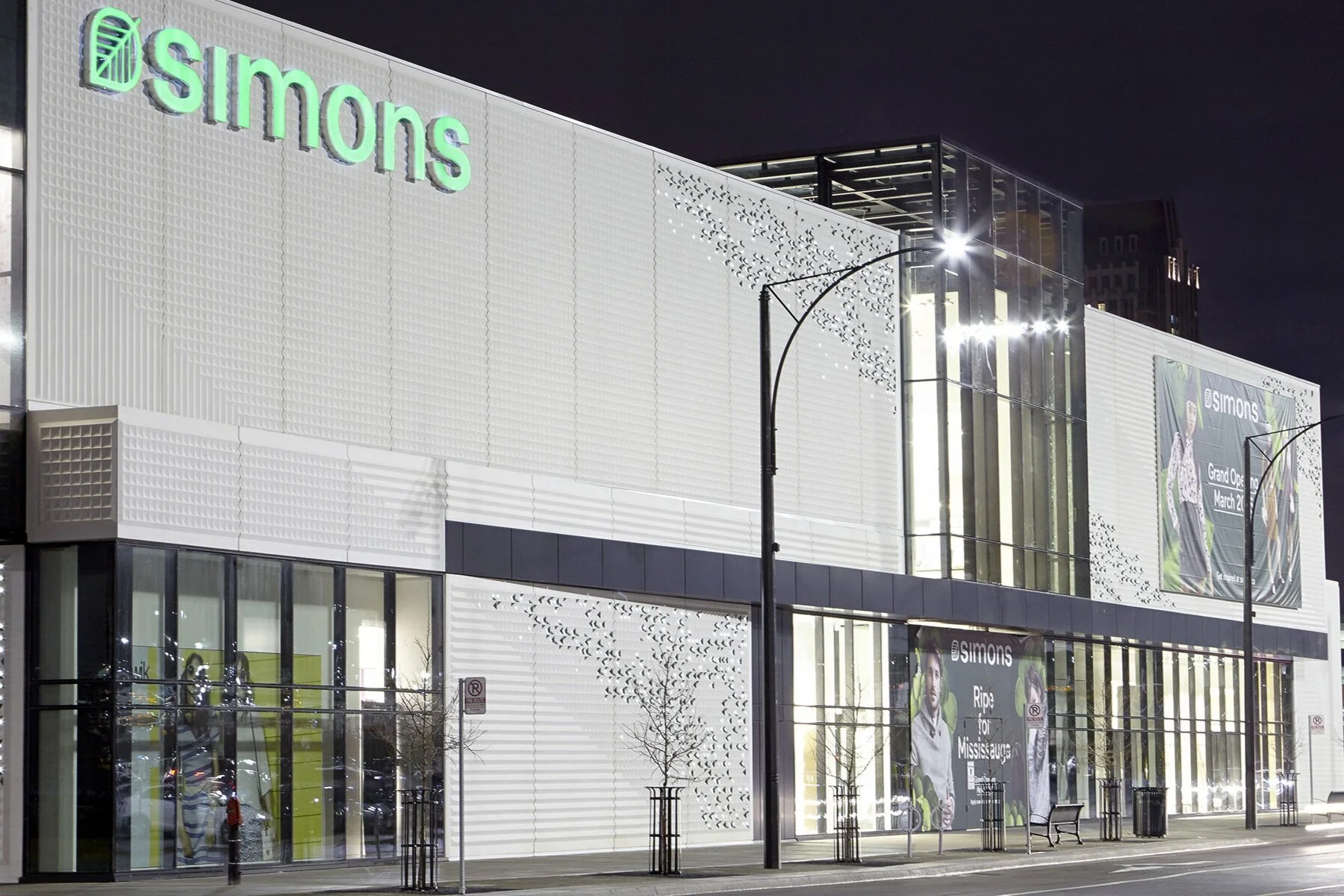
Quebec City-based large-format fashion retailer La Maison Simons has made its first strategic acquisition in its 178-year history. Last week the company bought Rituels, a Quebec City-based company specializing in traditional shaving and grooming products and accessories for men. It’s part of a trend where large retailers are buying brands to create synergies while also broadening assortment and obtaining exclusives. 

Rituals was founded in Quebec City in 2011, and operates a storefront in the city’s Petit Champlain quarter as well as e-commerce site Rituels.ca. Over the next few months, Rituel’s line of shampoos, soaps, shave oils and shaving creams distributed by Rituels will be phased in both at Simons stores as well as on Simons’ expansive e-commerce site. 

Peter Simons

“Our companies target similar market segments, but from two different but perfectly complementary angles. It is therefore a natural association and one I’m really pleased to be entering into today,” said Peter Simons, CEO of La Maison Simons.

“This partnership will provide the Rituels brand with access to a new and previously inaccessible customer base and enable it to grow more rapidly than ever before,” said the founding president of Rituels.ca Michael Carpentier, who will continue to manage the brand as a member of the Simons team.

Michael Carpentier

In January of this year, Mr. Carpentier wrote a blog post suggesting that Simons integrate growing e-retailers into its digital development strategy. Peter Simons saw the post and it got the ball rolling and in the end, the partnership was struck. “Michael will use his leadership and e-commerce expertise at Simons, specifically for converting our former distribution centre into an accelerator for creators and small and medium-sized businesses,” said Peter Simons.

Simons is in a period of significant change — the company recently announced that for the first time, it has accepted outside investment to help fund a new high-tech 575,000 square foot, $215-million distribution centre in Quebec City that will help its rapidly growing e-commerce business. Online sales now account for about 20% of Simons’ business, and having a state of the art distribution centre will be key to keeping the business operational while also allowing for enhanced growth initiatives both in-store and online — the company continues to see more and more shoppers from the United States as well.

There are plenty of examples of retailers acquiring other brands to expand their operations — one of the biggest examples in recent memory was Amazon acquiring Whole Foods. Closer to home and on a smaller scale, another example of a family-owned business expanding its business through strategic acquisition is Harry Rosen, which now has a stake in David’s Footwear, which is being positioned at the priciest footwear chain in the country with plans for about 20-stores. Expanding into footwear, particularly women’s footwear, was a compelling move for Rosen’s — in a recent interview with CEO Larry Rosen, he revealed that his company could look to acquire a high-end women’s fashion retailer in Canada, even one operating just one store, in order to expand it nationally in order to capture market share in both men’s and women’s categories. 

It will be interesting to watch La Maison Simons’ progression over the next several years. The company has grown more in the past five years than at any time in its history at a cost of hundreds of millions of dollars. Simons opened its first store outside of the province of Quebec at West Edmonton Mall in 2012, and the retailer now boasts 15 large-format stores in British Columbia, Alberta, Quebec and Ontario (almost doubling its store count in a relatively short time). Simons also recently expanded its footwear offerings for the first time by opening dedicated men’s and women’s shoe departments in some of its stores, signalling a shift at a time when there is unprecedented competition in Canada’s retail industry. Simons is bullish on environmental initiatives and is investing in making its stores eco-friendly, and the company also invests heavily into artwork that can be found in each of its stores. Being privately owned allows for such things, according to Mr. Simons, though one questions if outside investment and expansion will change that at some point. 

Upscale Aussie Furniture Retailer ‘King Living’ to Enter Canada with 1st Store

Australian furniture retailer King Living

Upscale Australian furniture retailer King Living will open its first Canadian store in Vancouver’s tony ’South Granville’ shopping district this year. The two-level store will join other pricey retailers in the area, known to serve Vancouver’s affluent West Side. It’s the latest international brand to enter the Canadian market by opening retail stores.  

King Living was founded in 1977 in Sydney, Australia, and is known for its high-quality and well-designed contemporary leather and fabric sofas as well as dining furniture, bedroom, storage and outdoor furniture. King Living sofas are known to feature steel frames and ‘comfort seat suspension’. The company got started making foam furniture and soon after, it introduced removable covers that would allow sofas to be easily refreshed with a new look. In 1987 King Living released the Postureflex® Seating System, which is similar to the suspension used in luxury European cars such as Porsche and Rolls Royce.

The company has won multiple awards — in 2016, for example, it won the Sydney Hills Business Award, and in 2005 it was featured on the Oprah Winfrey Show by famous designer Nate Berkus. 

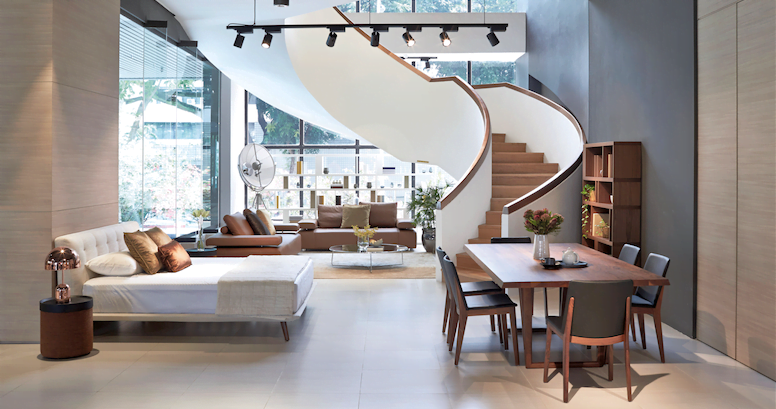
INSIDE THE SINGAPORE SHOWROOM. PHOTO: KING LIVING

King Living’s prices aren’t cheap — many items are in the thousands of dollars, positioning King Living as a premium furniture retailer not unlike some found in Vancouver’s rapidly gentrifying Gastown area. 

The company currently operates 18 stores globally, with 15 of those being in Australia as well as single locations in Malaysia, New Zealand and Singapore. Canada will become the brand’s fourth international market in terms of operating standalone stores. 

In Vancouver, King Living leased the entire building at 3057 Granville Street, which is at the northwest corner of Granville Street and W 15 Avenue. The building formerly housed another furniture retailer. According to marketing materials, 3057 Granville Street spans 10,610 square feet, with 5,392 square feet on the ground floor as well as 5,218 square feet in its basement. CBRE Vancouver listed the property with Mario Negris and Martin Moriarty acting on behalf of the landlord in the deal with King Living.

CLICK FOR INTERACTIVE GOOGLE MAP

King Living’s location will place it within close proximity to some of Vancouver’s wealthiest neighbourhoods, where home prices can exceed $20-million. The wealthy Shaughnessy neighbourhood is a block south of the new King Living store, with Dunbar, Kerrisdale, and Point Grey being a bit further away. The entire West Side of Vancouver is now considered to be a prestigious residential address, with the benchmark price for a detached home exceeding a whopping $3.4-million. 

Other area retailers cater to affluent locals, with nearby store locations for brands such as Max Mara, Le Creuset, and Boboli, and this fall luxury children’s brand Bonpoint will debut its first store in Canada nearby on West 14th Avenue.  

International retailers continue to descend on Canada by opening stores at a rapid pace. In 2017, more than 50 brands entered Canada by opening physical retail stores, which was then a record. Next week we’ll provide a half-year summary which indicates that 2018 could even surpass 2017’s numbers, which further puts pressure on homegrown retailers as well as other international entrants.