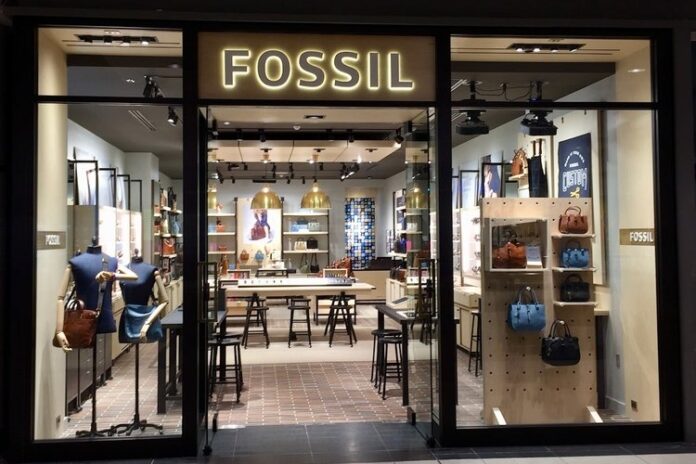
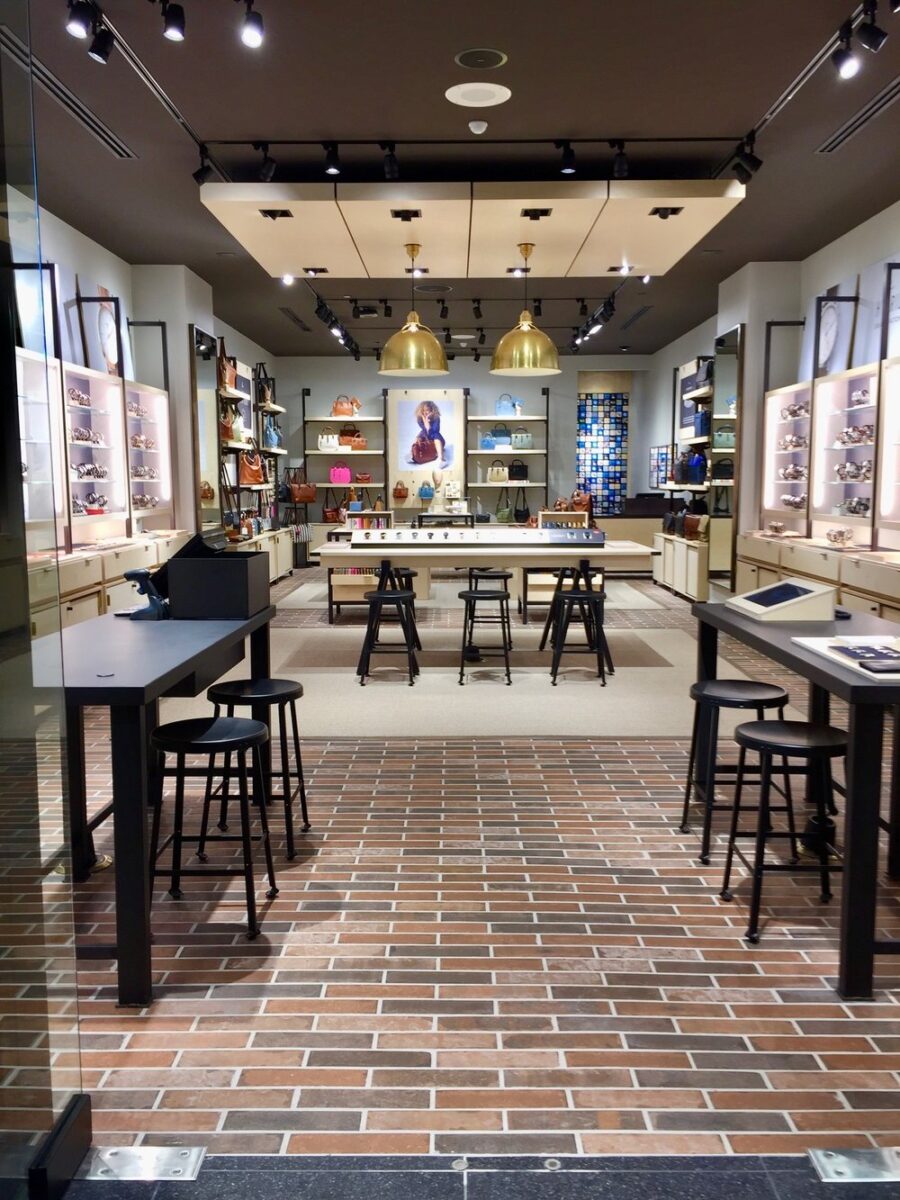
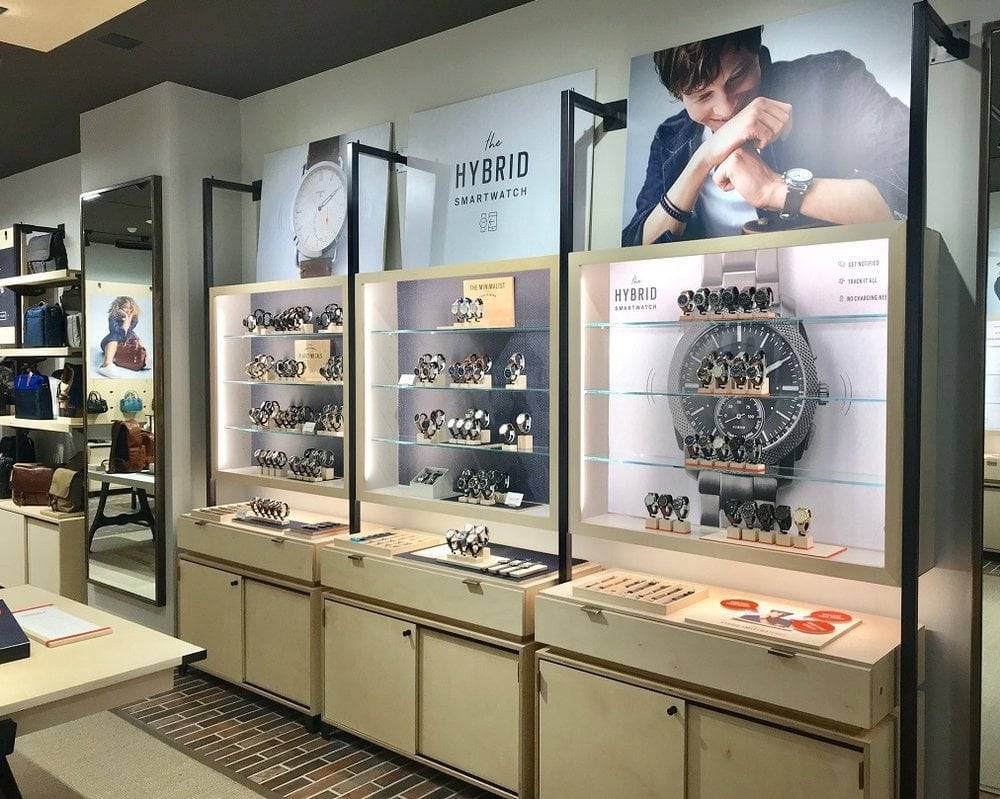
American accessory and watch brand Fossil chose Canada to launch its new ‘Makers’ store concept. Located on the second level of CF Toronto Eaton Centre in Toronto, the newly reopened 1,458 square foot store is the first of its kind in the world, and celebrates the brand’s craftsmanship since its founding more than 30 years ago.
Steve Evans.
“Customers are shopping in a different way—largely in part to the ease of online and mobile shopping—and we recognize that and want to be part of a convenient, enhanced shopping experience,‘‘ says Steve Evans, Executive Vice President for Fossil. “Retail stores have become more about creating experiences and sharing meaningful in-person relationships with consumers. This store gives us an opportunity to bring to life what we do best: hands on customization, convenience, and a celebration of the Fossil lifestyle.’’
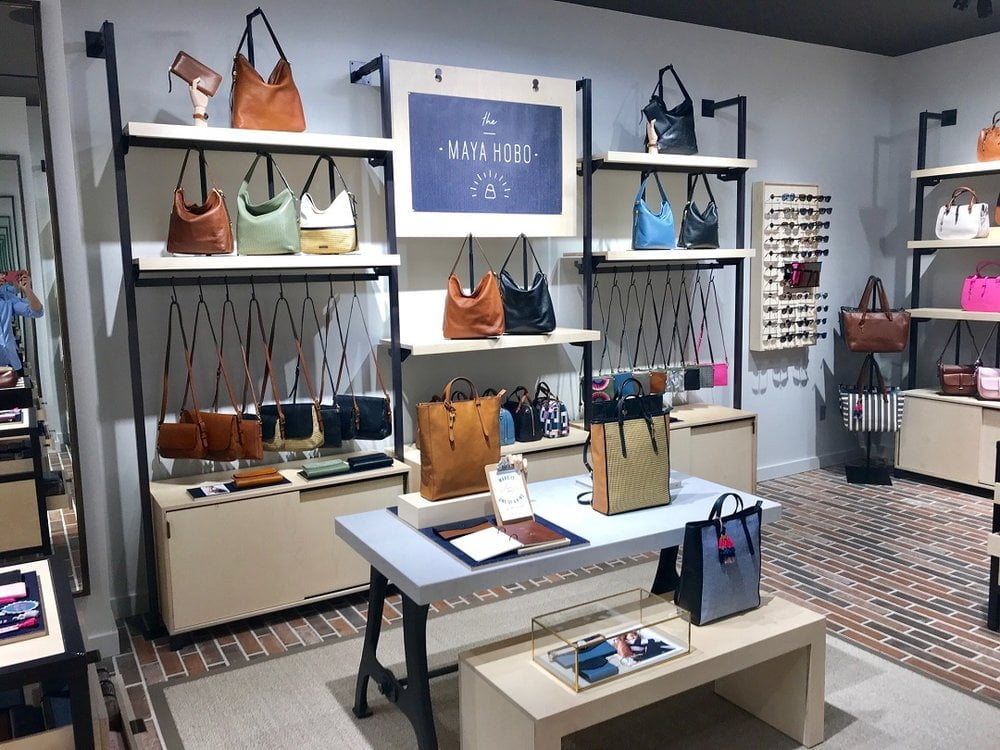
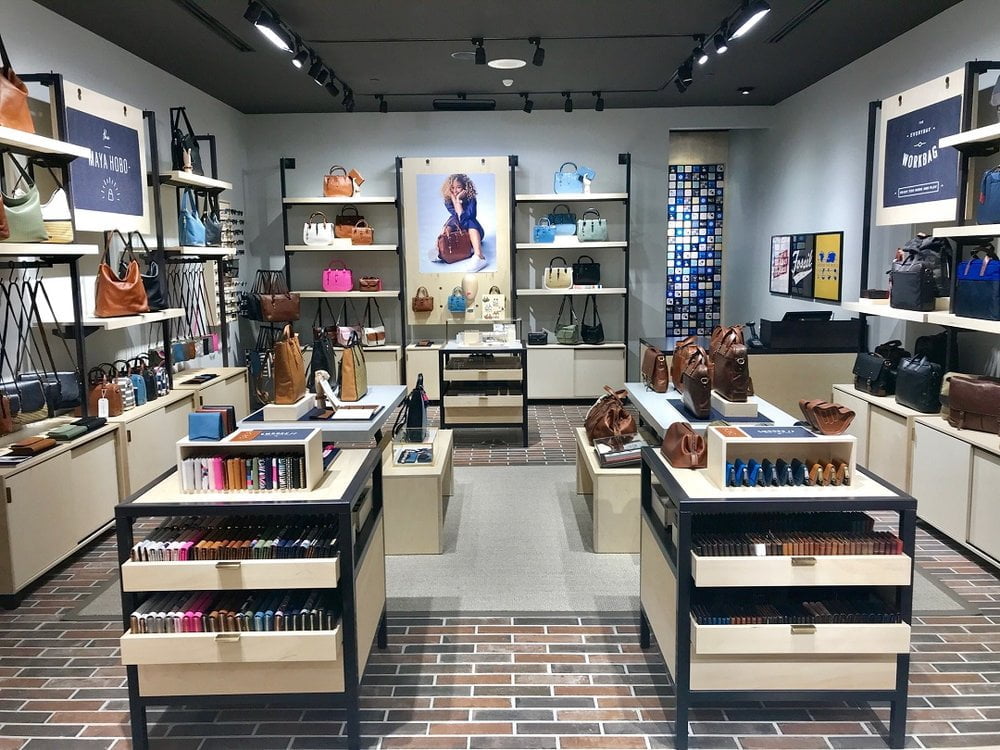
True to its ‘Maker’ name, the store focuses on product-related services with a goal of enhancing the overall customer experience. New materials and colour palettes were used in the new space, including tonal grey, brass finishes, brick flooring and pops of black that give the store a soft and modern feel. Modular fixtures add a unique flexibility to the space.
As with many leading retailers, customization is a feature of the new Toronto ‘Makers’ location. The front of the store highlights Fossil’s services, including building your own watch, engraving and embossing stations, as well as a mix-and-match strap bar. There’s a Custom Shop and Service Station that features engraving/embossing icons with a distinctly local flair — the Toronto skyline and maple leaf are examples. The Service Centre is open for appointments as well as walk-in customers, and offers specialty support for smartwatches, with staff on hand to replace batteries and remove links, as an example.
Tony Flanz of Think Retail represents Fossil as broker in Canada, and he’s negotiated several lease deals for the retailer, which has stores throughout Canada. Fossil is said to be considering opening another store in Canada in 2019.
The Fossil ‘Maker’ store concept is expected to be rolled out globally, and it’s expected that Asia will be the next area of focus for the updated brand concept.
Texas-based Fossil was founded in 1984 and is known for its watches and accessories that have a ‘vintage-modern’ styling. The publicly traded company has more than 350 standalone stores globally and about 30 in Canada, and its collections are also wholesaled in multi-brand retailers.
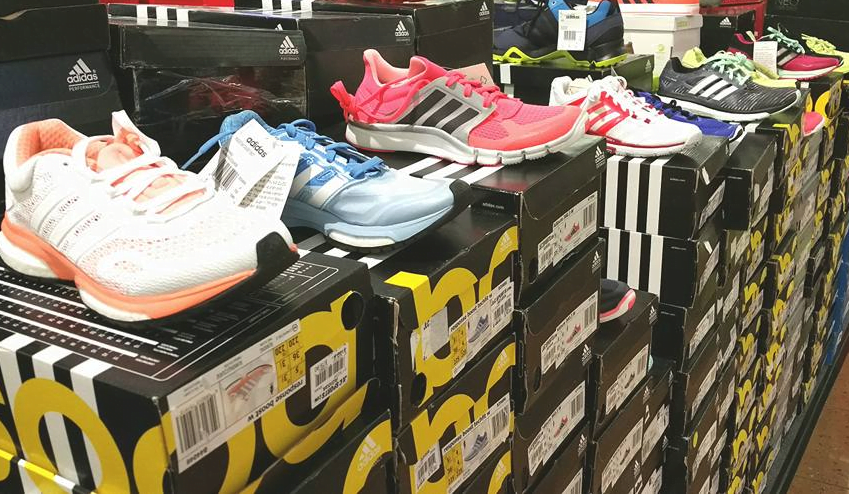
In the 1990’s, athletic competitors were Nike, Adidas, Puma and Reebok and the focus was all on shoes. Reebok owned the women’s “step up” market and could have become the dominant player, but they bet the farm on the competitive men’s sponsorship model and failed. They were then bought by Adidas, which had world dominance in soccer (especially as their younger German brother, Puma, fell behind). Adidas used Reebok as a vehicle to win the American non-soccer market.
Understanding logos is an important part of understanding the differentiation in the athletic market by sex, age and income. When I was young, I wanted t-shirts with big logos. I wanted other people to understand who I was, and because I was inarticulate and insecure, the logos presented my image and talked for me. I hoped my logo marketing would have the girls think I was cool. As I grew older and became more confident, I no longer needed the large logos. At the same time, I stopped growing and I could afford better quality clothing that lasted longer. I didn’t want disposable t-shirts and I wanted discreet logos. I wanted my clothing to match the quality of person I thought myself to be.
This insight influenced how I developed my companies. In my initial three businesses of surf, skate and snowboarding, the target market was 14-18-year-old boys. Logos were large and necessary. In the 90’s much of Nike’s and GAP profit came from large logoed t-shirts. In 1997 this trend came to an end leaving many Nike retailers with unsellable inventory.
Until 2006, athletic companies focused on low margin shoes. They were not apparel people and clothing was just an afterthought. They did not understand that athletic clothing provided higher margin and larger sales than shoes. The first forays into apparel from Nike, Adidas and Puma were for the most part non-functional and non-technical. Later on, Under Armour exploded onto the scene by exploiting a market gap in men’s football technical tops (“first-layer” shirts worn underneath uniforms) and building an entire business around it. Under Armour peaked when it raised money to fund its sponsorship wholesale model. Like Nike, they used the sponsorship model of paying athletes to endorse its products. Because Under Armour used a large logo format for branding, the product appealed primarily to teenage boys and insecure older men who wanted to look “in the know”. It hasn’t mattered that Under Armour sponsorships seemed “bought” as the wearers of Under Armour product were not sophisticated enough to care.
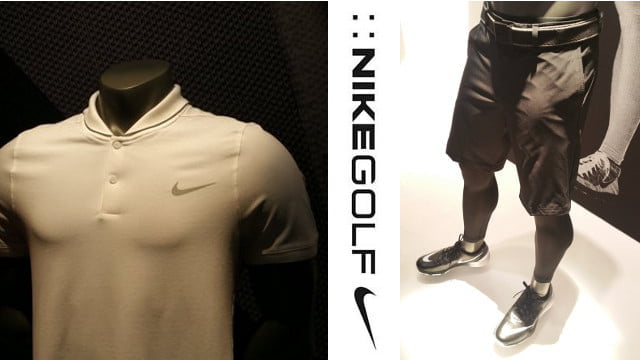
Nike applied the same model in its apparel, but used a smaller logo and placed it on the left breast – in the same spot as knockoff corporate golf shirts. Because Nike was more discreet, it sold product to a more sophisticated buyer than Under Armour. Nike’s big sponsorships “appeared” to be more authentic as their partnered athletes wanted to use the product.
I’ve always believed that savvy consumers see through the bought loyalty of sponsorships. Indeed, the more sophisticated the buyer is, the more likely they are to appreciate true garment technology rather than celebrity endorsements. At the end of the day, these consumers are after a product with better quality and a smaller logo. The athletic companies are fortunate because consumers give them permission to use their logos on clothing a person can wear anyplace, anytime.
Adidas lost ground in the early 2000’s as their purchase of Reebok did not pan out. Nike, meanwhile, continued a very long and successful push into the world’s number one sport (soccer), while also driving aggressive shoe innovation. For a while, it appeared as though Adidas had lost its mojo and Nike would dominate the shoe market. However, Adidas had the foresight to start a joint venture partnership in China, which resulted in thousands of Adidas-branded stores there well before any other competitors.
In 2014, Adidas successfully reintroduced retro shoes and quickly followed up with more innovation. Overall, Adidas had among the best athletic stock value increases in 2017. I’m interested if they can leverage their future with a new foundation.
In the early 2000’s Adidas had very little creativity inside the company, so the company made a strategic move in 2005 into a “collaboration” with Y-3 and then Stella McCartney. Adidas basically contracted out what they were not good at and have continued down this lower margin path. Puma made a brief comeback in the mid 2000’s when it was bought by a Hollywood producer who strategically placed Puma product in movies. He bought low and sold high and Puma has floundered ever since.
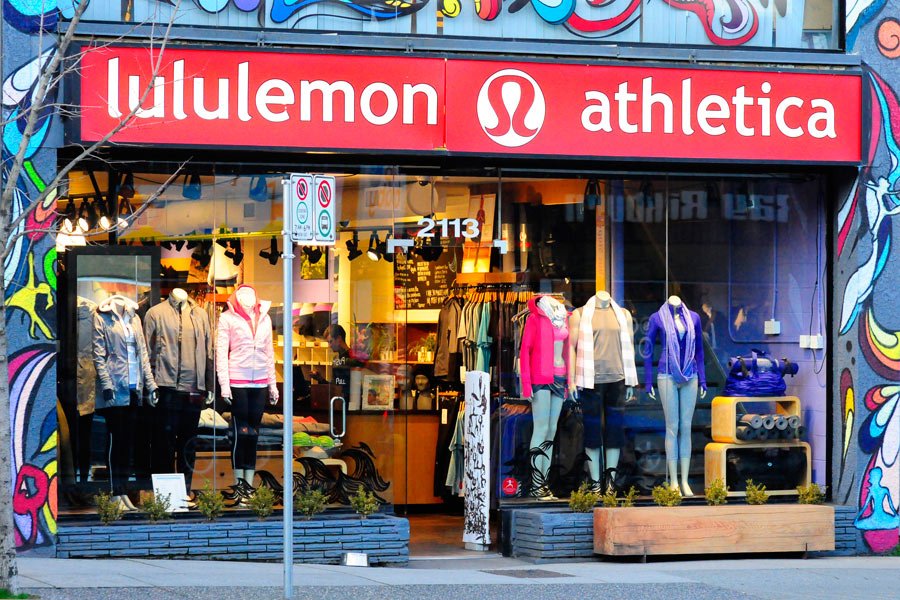
The biggest innovation and opportunity came with lululemon. In 1998, we invented the ‘streetnic’ (street technical) market and the technical vertical apparel business. Not only did lululemon have zero competition in the women’s athletic apparel market, but the women’s market was twice the size of the men’s business. As a bonus, the vertical model was far more profitable than the wholesale business as lululemon eliminated the wholesale middleman and did not use low profit shoes as an entry point to sell the apparel. Lululemon was started in 1998 and hit the ground running, since I already had 18 years of prior vertical retail experience that spanned from design to manufacturing to bricks and mortar.
There are numerous reasons why the wholesale model for athletic apparel is flawed. The established wholesale companies are forced to inject minimal technology into their product because they share their profits with their retailers and cannot afford the extra costs. The athletic wholesale companies make samples to show buyers far in advance of store delivery and the process takes 18 months. Even worse, retailer buyers tell the athletic companies what they will buy so innovation and creativity is directed by third party merchants who buy based on last year’s sales metrics. The tail is wagging the dog. Wholesale buyers consistently weaken the brand power of a manufacturer because last year’s, best-selling commodity products have less risk and makes for easier planning. It also makes for a boring product with little innovation.
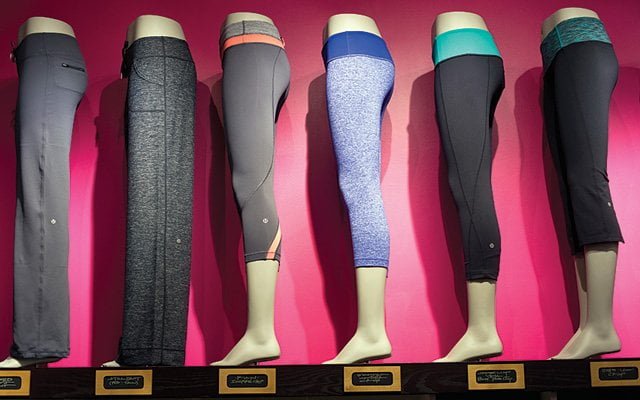
By contrast, lululemon was beholden to nobody with a mandate to make a better-quality product at a better price than a wholesaler. Because lululemon had no one to show samples to, the turnaround from design to store floor only takes 9 months – amazing for technical fabrics. Lululemon became a fast “design to store” operation. Wholesalers with less margin are forced to follow lululemon’s forward designs with a product of less quality. For example, the wholesalers use inexpensive Polyester and lululemon uses expensive Nylon. Polyester holds in stink and nylon does not.
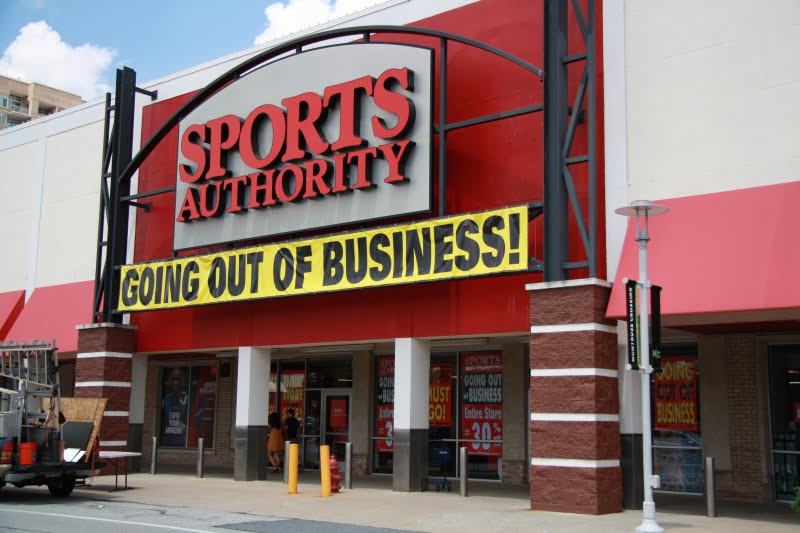
Wholesale has another huge downside. Nike and Under Armour suffered tremendously in 2016 with the bankruptcy of Sports Authority. Not only did the wholesale companies not get paid, but they were stuck with massive amounts of inventory in production for future seasons, which they could not ship to a non-existent Sports Authority. Nike and Under Armour worked to unload this inventory at low margins through entire 2017. Wholesalers sales dropped, inventory increased, and available cash dried up. Under Armour’s bonds were classed as junk and Under Armour’s market cap dropped from 18 billion in 2016 to 5 billion in 2017.
Lululemon is in full control of its cash flow as it gets paid each day by its own stores and ecommerce. In 2012-2013, the lululemon board and CEO stopped reinvesting in the foundations of the company and were unable to take advantage of what was the biggest change in the way people dressed in the history of the world. Lululemon’s leadership operated for quarterly reporting and was blind to future exponential growth and it lost its leadership position in apparel. Lululemon let the analysts into its front yard then into the living room, then the kitchen and then into bed. Analysts knew everything about the company except what made the company great, and what made it money.
In 2017, after getting the crap kicked out of it with the bankruptcy of Sports Authority, Nike has announced its first partnership with Amazon and has declared it will only have 40 quality wholesale retailers by the end of 2018. Going forward I think Nike has made the tough decision to change its business model for the future and it has great legs. Its stock is fairly valued, and I would invest as I believe it to be a better performer than market average.
On the surface, Nike’s new model does not rid it of wholesale pricing markups. Nike must align wholesale offline pricing with online pricing, as its online pricing cannot undercut its wholesale accounts. If it undercuts the wholesalers the partnership collapses. This leaves Nike open to a competitor who does not have to support wholesale pricing markups and can develop a better product at a better price than Nike.
However, I am sure Nike will produce a different styled and priced product for online to create a dual-brand pricing model. Nike has enough global presence to use its mega stores as marketing centres, while leveraging ecommerce channels to champion lower prices as part of a long-term plan to diminish competition and ultimately improve profits. An uniformed analyst will punish Nike for lowering margins as it morphs into a new business model.
Meanwhile, lululemon is introducing shoes made by another company into its mix. A brick-and-mortar shoe store usually has a large back room and a small front display area, whereas apparel is the opposite. I suspect lululemon is testing shoes and has prearranged a deal to buy the shoe company after testing. Lululemon is using its large brick-and-mortar presence to show shoes for ecommerce, but not stock them in the stores. The APL shoes which lululemon now carries do not have the technical advantage required to authentically enter the market. This is like Starbucks selling high volume, poor quality food without understanding that food quality is subconsciously correlated to coffee quality.
Lululemon has the possibility of reimagining its retail footprint as ecommerce showrooms for not just shoes but for apparel. It could show five times the number of styles and ship direct from a single Asian warehouse to the global customer and minimize duties and shipping costs to the final consumer.
Under Armour is developing e-commerce only stores in China as a way of circumventing the wholesale model as they go internationally. This will be a brilliant international strategy if it works. A pure ecommerce play will net higher margins than lululemon’s brick-and-mortar model, which has to account for retail overhead in the pricing of its goods. However, Under Armour will also have to support its global wholesale pricing in China, which minimizes the effectiveness of its ecommerce play.
I suspect that lululemon does not have the courage nor the vision to lower margin and reflect the natural shift to a lower-cost but more profitable ecommerce model. Why? Because uninformed analysts would panic over short-term lower margins and guide investors away from the stock. If the analysts are scared, then so is the lululemon board, even though their mandate is to drive long-term value.
No real ‘streetnic’ competitor to lululemon has emerged yet. But just like lululemon had appeared with a better business model than the wholesaler (because it eliminated the wholesale middleman and delivered a better-quality product at a better price), a pure online competitor can do as well. The problem is that pure online competitors seem unable to grow their brand or attain critical mass of shoppers to buy pure ecommerce without some bricks and mortar retail. Customers need to know the fit or quality before confidently shopping online – this is forcing pure ecommerce players to open retail showrooms as a branding expense.
Ecommerce play works phenomenally well for lululemon, because it has enough global presence for consumers to understand its quality and sizing proposition. In addition, stretch fabrics made with 12% lycra have a forgiving fit and generate far fewer returns – among the lowest in the world of apparel. Furthermore, because Vancouver has a significant Asian population, it already understands sizing for the crucial Asian market.
Athletic apparel doesn’t emerge out of a vacuum. The physical location of a company is critical in recruitment, retention, culture, etc. Under Armour is in an uninspiring city of Baltimore and has a high employee turnover – especially in creative departments. Adidas, in Germany, has the same challenges, because of its remote rural location. Nike is in Portland, which is a very cool city but not international, and its fashion plate is fundamentally conservative mid-America. The athletic arm of the Gap, Athleta, is based in San Francisco, but it is merchant-run and not design-led, and past sales metrics leads its buyer to select apparel for the low price, low quality, non-athletic poser market.
Lululemon has the optimal physical location – Vancouver is international in outlook and operates business on the same day as its Asian retail and manufacturing business. The city also has a large population of athletes and creatives, including expats from Europe and Asia who bring global experience and a distinct sense of style. Unfortunately for lululemon, the board tends to overlook these resources, instead preferring to hire fashion and wholesale executives from the very companies lululemon does not want to be.
Lululemon and Adidas have a large competitive disadvantage to Nike and Under Armour as maternity leave is one year in Canada and Europe. Lululemon’s core employee is the same age as its core consumer, a 32-year-old female athlete. As 95% of lululemon’s designers are females, most of which take their one year maternity leave with each child, it is absolutely crucial for lululemon to hire 6 months ahead of the curve with a superbly strong pipeline. But the pipeline investment has been lapsing, as the expense does not work for maximizing short-term public financial reporting. The loss of intellectual capital and high turnover due to the lack of strategic planning around this issue has cost lululemon over 200 million dollars.
Embracing a global sensibility can give lululemon an edge as it continues its international push. This global mentality is second nature to European companies like Adidas, which have always thought beyond their borders. Nike has been around long enough to be global and, like lululemon, had its quality roots in Japan. Plus, Nike’s success in the soccer realm has only increased its international credibility. Under Armour, by contrast, has a firmly American identity—rooted in American football and American athletes. This appeal does not necessarily translate internationally.
By contrast, the lululemon model—centered not around sponsorship but around a real community of brand loyalists—works internationally and is more authentic, self-generating and longer-lasting. The community model will continue to win the long-term brand hearts of customers. Lululemon currently boasts strategy but little vision, which limits its potential. Specifically, there’s a great deal of talk of innovation for the analysts and press, but I see very little true progress.
When Nike comes out with real innovation like flyknit (the lightweight, high-strength shoe fabric), the world knows about it. This elevates the Nike brand, and their entire product line can demand a higher margin. Lululemon, by contrast, has focused too heavily on short-term fashion, rather than long-term technology, to stimulate sales.
From 2013-2015, being unable to trade in lululemon stock without upsetting the market, I invested in Nike and Under Armour, precisely as they were ramping up for a massive growth curve. I did very well with these stocks, but not well enough to offset losses from my sizable, 30% position in lululemon, as the company continued to lose market share and value. I did well to sell Nike and Under Armour before the Sports Authority bankruptcy – not because I was smart, but because I believed ecommerce would take its toll on wholesale retailers caught in a commodity game.
I think Adidas has a good foundation and now can leap forward. With Nike leaving its wholesale accounts, Adidas could do very well filling the gap. However, the Sports Authority bankruptcy lesson will hang heavily on Adidas. Adidas massive presence in China will prove to be more profitable as the income level of the Chinese continue to rise.
Under Armour stock price has risen from the grave in 2018 and is rising in 2018 with all other retailers who have proven to analysts they can thrive in the new world of ecommerce. This is one company I believe doesn’t have a solid brand foundation, as its teen market and apprehensive adult market is finicky. Under Armour’s entry into low-end department stores like Kohl’s to replace its Sports Authority sales is a short-term fix for long-term brand pain. The stock is too risky for me.
Lululemon’s market value is marginally higher than it was five years ago in 2013. In comparison to the overall stock market gains and the massive growth in the industry, it lost its leadership position due to lack of reinvestment and is worth billions less than its potential. Nonetheless, it still has the best business model if a perfect combination of ecommerce and brick-and-mortar plays out.
Lululemon’s biggest opportunity is taking advantage of high vacancy rates to renegotiate its leases at a 30% discount over the next three years. With these savings, lululemon can continue to make brick-and-mortar super profitable and drive brand like no other athletic company. Lululemon is five years late when it comes to expansion into global markets, and it is doing one billion less in its men’s business than it should. However, competitors are also not changing fast enough and lululemon has far more opportunity than it realizes. Lululemon will easily add another 20% to its value in 2018 despite its heavily weighted Private Equity ownership that is poised to sell down its position. Given my experience with Private Equity, I imagine short-term decisions might be occurring to boost short-term stock value to allow Private Equity to sell down.
Everyone, including me, is wondering how Amazon will affect the ‘streetnic’ market. I am careful not to be one of those people who said no one will want a home computer. Technical apparel is a different business than disposable streetwear. The technical apparel business is driven by people who design mountain gear where clothing must work for survival. To eat, live and breathe the technical business, a leader must be an athlete who envisions apparel as a bridge to solve all of life’s problems. This fanaticism drives quality, brand value and higher margin. I think Amazon and Alibaba will only win the non-commodity ‘streetnic’ market by buying brands where the owner is incentivized to continue being a technical problem solver.
In late 2017, I was asked to meet lululemon’s Creative Director who told me he was thinking of leaving lululemon because financial metrics were inhibiting design. I met him with two of his team members and he showed me his design vision for lululemon. At the end of the meeting, I told him his presentation was the same one I made for lululemon twenty years ago. It became apparent lululemon prioritized fashion designers and fired athletic designers. Lululemon is generally not innovating but only adding fashion to past innovations. This inevitably leads to a low-margin commodity fashion business. The board has strengthened lululemon’s back-end to provide for superb operational stability. But if the number one creative hire is twenty years too late to the party, something is wrong. Lululemon lacks leadership with the ability to interview and hire superior creative people to differentiate its westcoast branding position. When Private Equity controls an innovative product company, their route to increase value is usually to buy innovation. When buying innovation, they have to arrange for the founder to join the board or management. So, look for lululemon to start buying brands to increase value.
Under Armour made some terrible investments in digital technology in 2016. I am personally anti “built in digital apparel technology”. Digital garments feel uncomfortable and I observe people think health metrics are a great idea for forty-five days and then stop using them. People don’t want to think that hard.
PHOTO: ZDNET
When I was seven years old my dad told me that an electronic gadget would flex over my wrist and it would control my life. I overheard Steve Wozniak say the only thing he hated about the iPhone was the bulk in his pocket. The “life control wrist monitor” will run our lives. It will prick our skin monthly to access fluids. It will monitor all body functions and compare personal data to big data and provide a daily synopsis and probabilities of possible issues with solutions. It will also suggest health specialists to book virtual appointments.
I believe the future of apparel will be a single stretch, form-fitting Star Trek outfit (like Olympic athletes) which, due to 3D food printing technology, will fit everyone perfectly. I will own only one garment and I will wear it every day for 18 hours a day. Fabric technology will be embedded and the garment will not stink or stain. It will flex perfectly with the body and control heating as well as cooling with flexible vent holes or twisting fibres. I will choose the cosmetics of the outfit from one of the hundreds of design apps on my wrist phone screen and my stretch outfit will instantly change color or print.
That is the future for technical clothing, in my opinion —and today’s smartphone and technical apparel companies are poised to be at the forefront of this revolution.
Chip Wilson
Chip Wilson is best known as the founder of the yoga-inspired company lululemon athletica, and as a visionary in technical apparel. He founded his first retail apparel company, Westbeach Snowboard Ltd., in 1979. The venture sold apparel targeted at the emerging surf, skate, and snowboard markets.
Wilson would go on to sell Westbeach in 1997 and founded lululemon athletica in 1998. In 2004, Ernst & Young named him Canadian Entrepreneur of the Year for Innovation and Marketing and in 2012 the University of Victoria presented him the “Distinguished Entrepreneur” award. Follow him on Twitter @ChipYVR and at his website at HoldItAll.
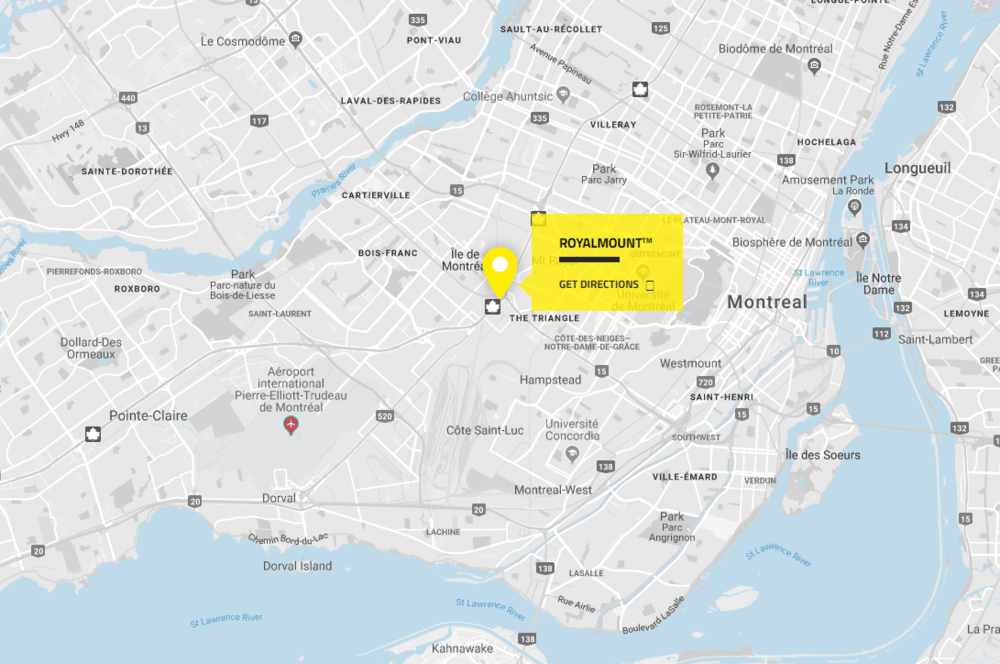
The Royalmount mega-project in Montreal is bringing on a new investor to help launch what is being positioned as a new ‘Midtown’ for Montreal. Developer Carbonleo, based in Montreal, has announced that it is partnering with the L Catterton group to develop Royalmount — L Catterton is a private equity firm linked with French luxury conglomerate LVMH (Louis Vuitton Moët Hennessy) and Groupe Arnault.
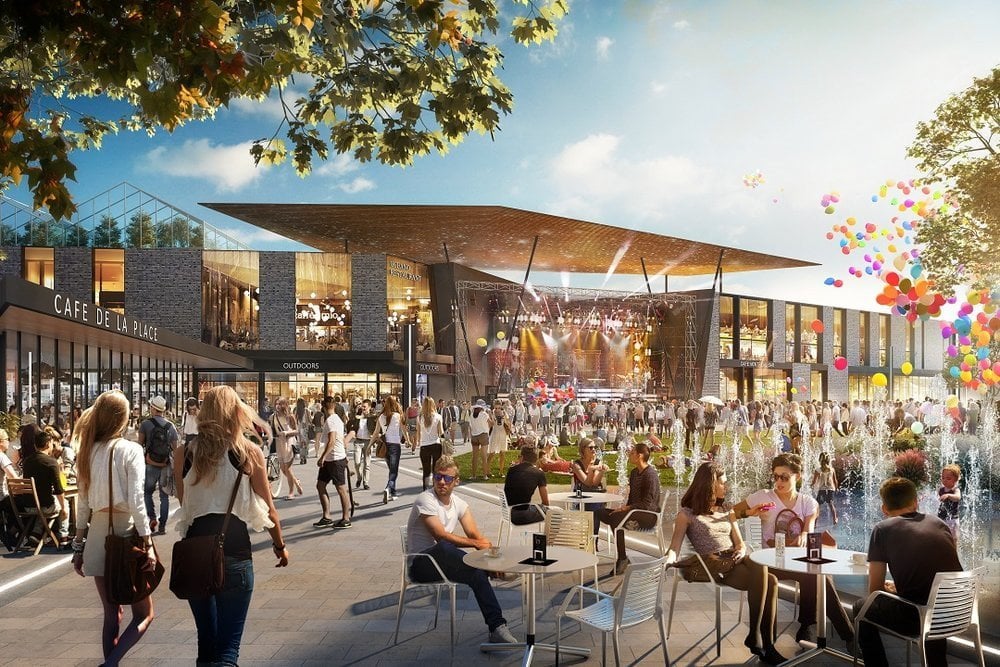
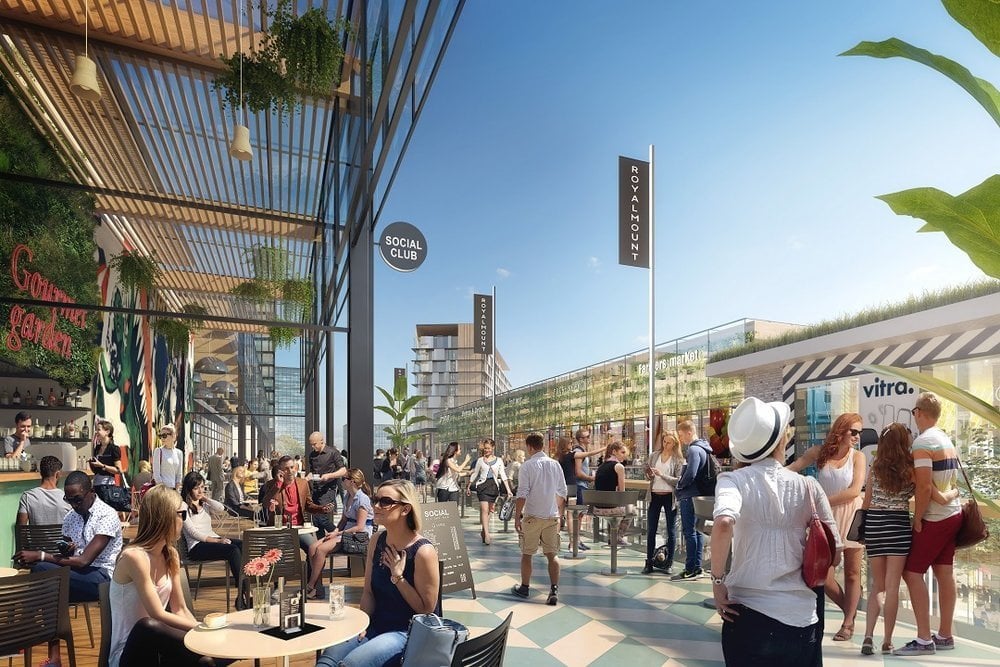
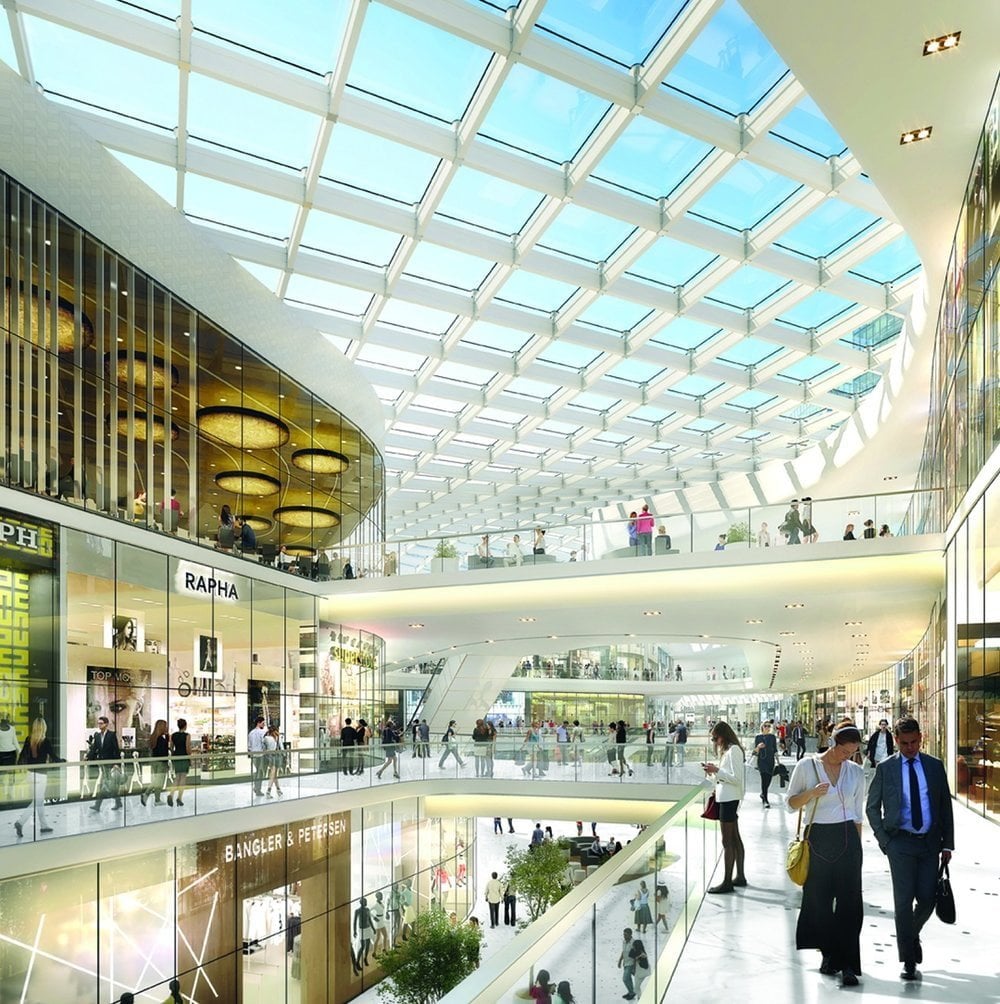
The mixed-use Royalmount lifestyle centre will become a model for future shopping centre developments globally. Gone are the days of a fashion mall amid a sea of parking — Royalmount will become a community and entertainment hub that will include a whopping 3.6 million square feet of space in a multi-billion dollar development which will include more than 200 retail stores as well as more than 100 food and beverage destinations, five hotels and four office towers.
“Royalmount will be a feast for the senses – a super-stage for self-expression and connection and a place of uncommon quality,” said Andrew Lutfy, Chairman of Carbonleo and Founder of Royalmount. “We are proud to welcome LCRE to Montreal and to share in our vision of making it a global real estate destination. We are confident that LCRE is the ideal partner for a project of this scale and imagination.”
Royalmount is L Catterton’s third North American development project, following its investment in Miami’s luxury retail complex, Miami Design District and most recently, a significant investment in The Amazing Brentwood centre in suburban Vancouver. L Catterton is also involved in a number of luxury projects in Asia, including the recent unveiling of the magnificent Ginza SIX luxury retail complex in central Tokyo. L Catterton is noted as being the world’s largest consumer-focused private equity fund, with more than US $15 billion in capital.
The Montreal project is being built in a former industrial district and will create 35,000 jobs during its construction, and 15,000 jobs in operation.
L Catterton’s projects are known for their architectural and design excellence, high profile public art and premium merchants. Royalmount is expected to become a retail ‘luxury node’ for the city, alongside the expanded/merged Holt Renfrew Ogilvy on Ste-Catherine Street West in the downtown core, where Carbonleo is also developing the soon-to-open luxury Four Seasons Hotel and Private Residences.
“We are honored to partner with Carbonleo on such an extraordinary project and thank Andrew Lutfy and his team for their trust,” said Mathieu Le Bozec, Managing Partner of L Catterton Real Estate. “With its scale and underlying vision, Royalmount will be one of the most innovative real estate projects in the world, offering an unrivalled consumer experience that we hope all Montreal residents and visitors will enjoy.”
Royalmount is seeking to become a significant destination for locals and tourists. It will feature exciting entertainment venues the likes that have never been seen in the city. The centre’s retail will be “re-imagined through supreme storytelling, world-class fashion and luxury rows, international flagships, independent boutiques, and family-oriented shopping from the next generation of global retailers along side Montreal’s most exciting local champions,” according to the developers.
As well, more than 100 culinary venues will draw from the region — there will be a range of offerings from popular chain restaurants to trendsetters to luxury players. There will also be five hotels, four office towers, a wellness village, and a sustainable and efficient transportation hub that will be anchored by a privately funded fully enclosed pedestrian and bike friendly bridge, which will connect visitors from the metro to the development.
Consumers are seeking out experiences like never before, and at a time when online shopping is growing rapidly, landlords are looking to make their properties more engaging. The ‘lifestyle centre’ concept, which creates something of a community centre, is a model being adopted by many leading developers, including Carbonleo. The landlord is also one of the developers of suburban Montreal’s massive Quartier DIX30 project, which includes a mix of retail and other amenities in an outdoor configuration. As land prices rise, site intensification will see more shopping centres adding ‘lifestyle’ components and even on-site housing to further unlock the value of real estate, as well as to create foot traffic for centres.
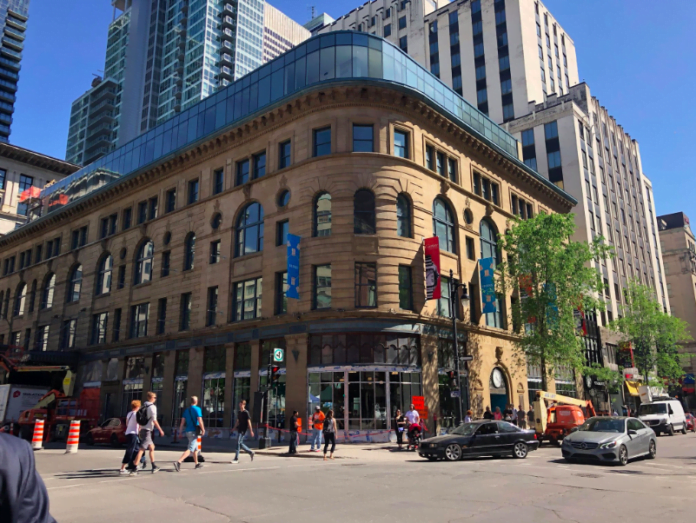
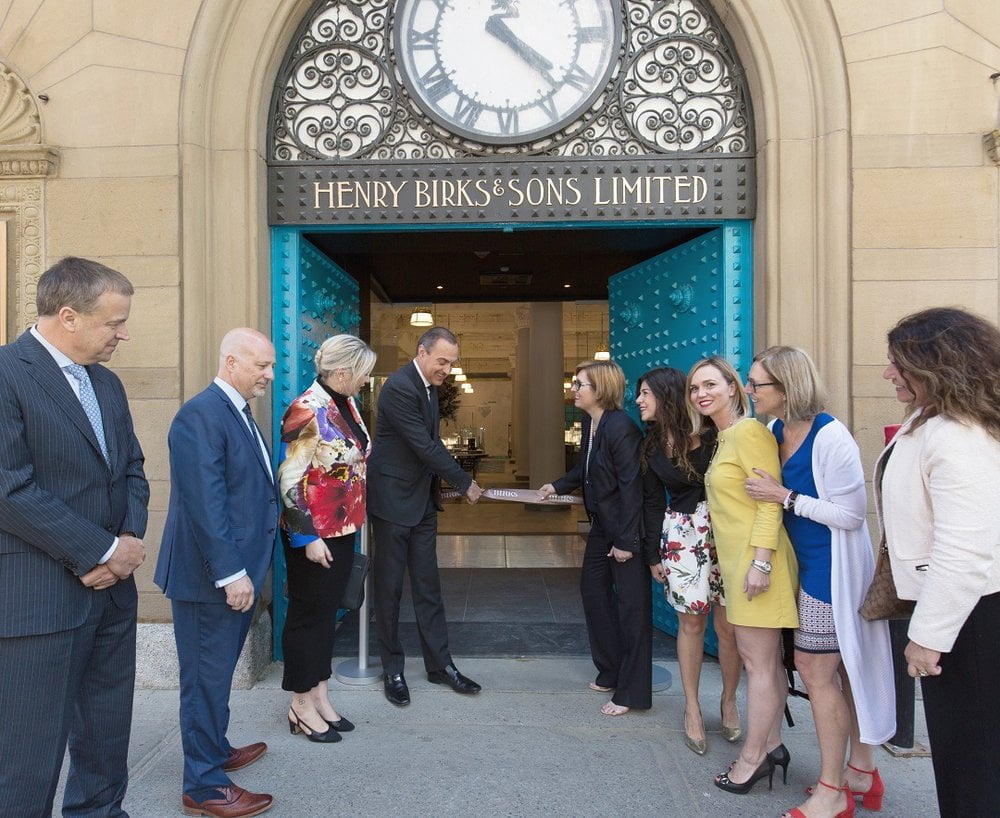
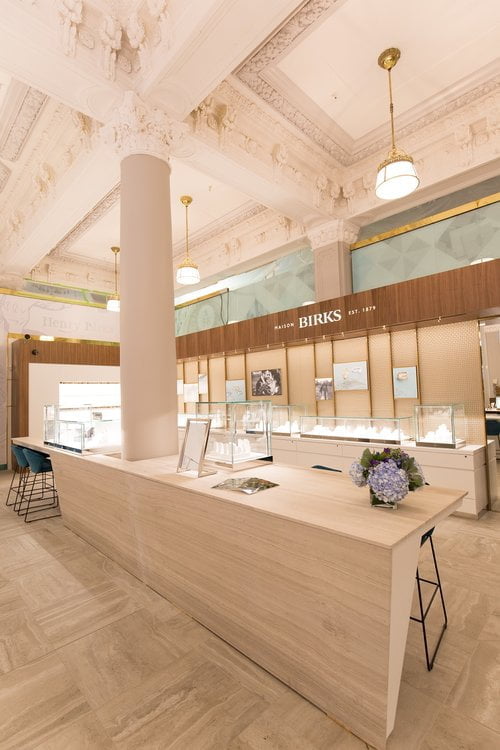
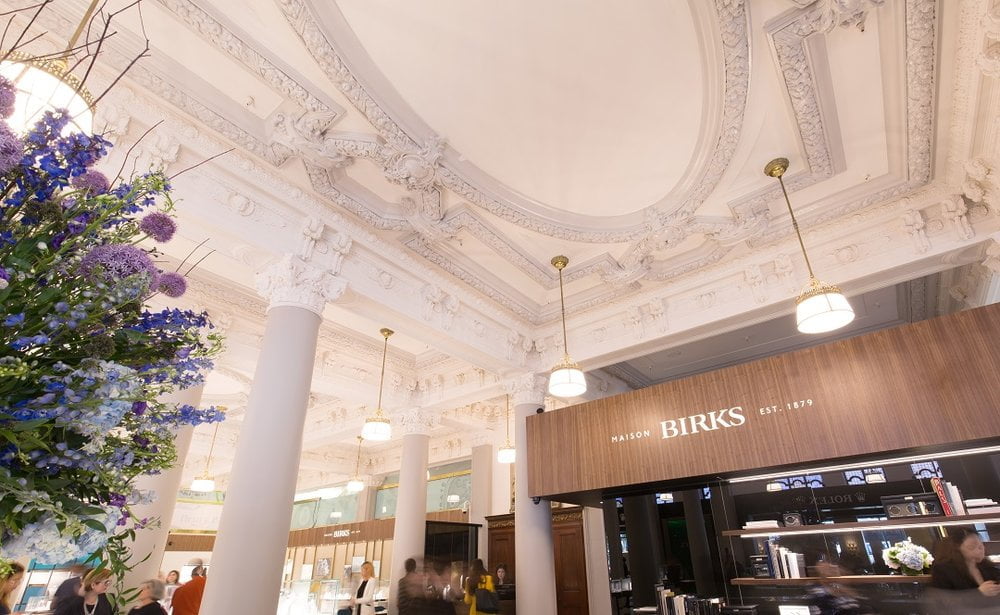
Iconic Montreal-based jewellery retailer Maison Birks has reopened its overhauled Montreal flagship on Phillips Square, which now includes a soon-to-open on-site luxury hotel as well as several new premium luxury branded shop-in-stores. The renovated retail space reflect’s the company’s latest concept, which is customer-centric and more casual in its design than the previous store.
“With the opening of our new flagship store in downtown Montreal we have set what is now the highest standard for luxury jewellery and timepiece shopping in the country, says Jean-Christophe Bédos, President and CEO, Birks Group. We are welcoming back within our doors some of the world’s leading brands in our category and are now able to offer an unparalleled selection to our customers, both local and visiting,” he added.
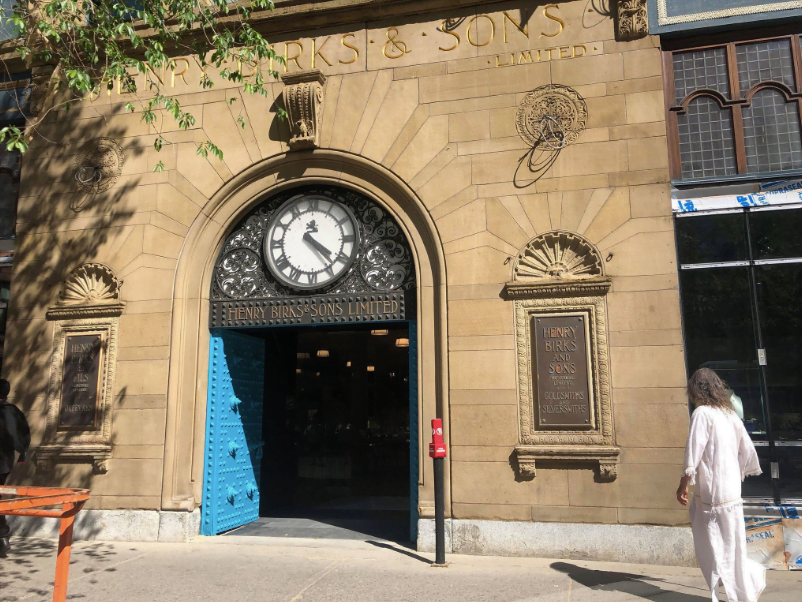
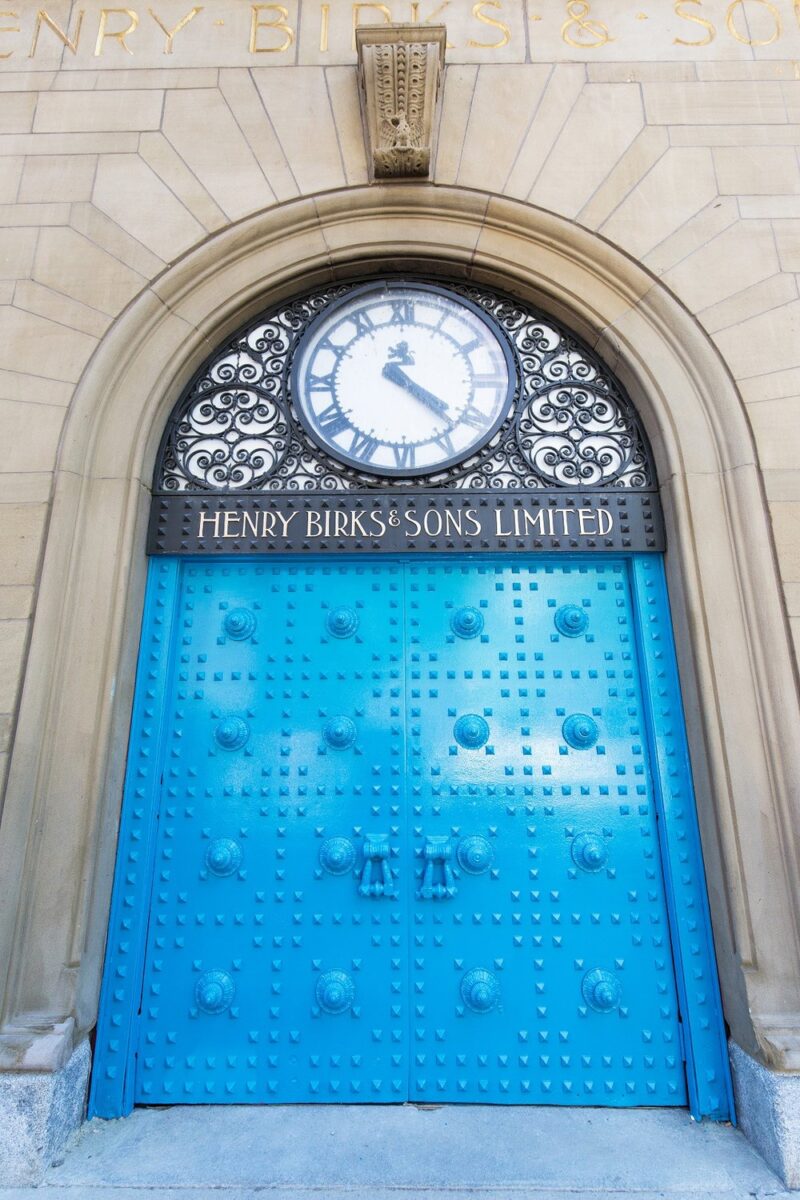
Birks has occupied the same building since the year 1894 and according to Eva Hartling, Vice President, Brand Management & Chief Marketing Officer at Birks Group, it was the second Montreal location for the company that was founded by Henry Birks in 1879. Many of the historic architectural details of the store have been preserved, including the store’s royal warrant as well as doors, pillars and other elements that give the historic building its unique and beautiful charm.
Montreal-based architectural firm Aedifica assisted Birks in the redesign of the space at 620 Sainte-Catherine Street West.
“Our Birks Collections of Fine Jewellery, Gifts and Engagement Rings are featured prominently in our new flagship space, said Ms. Hartling, going on to say, “With new displays that allow customers to browse at their own pace, we now offer a comfortable and casual shopping concept that is in line with our target clientele of women self-purchasers as well as fine jewellery connoisseurs and international timepiece aficionados.”
The store now spans 7,700 square feet on street-level and according to Ms. Hartling, the ‘right-sized’ space has been modernized with the contemporary customer in mind. The store’s interior features a lighter colour palette, modern fixtures, and increased natural light in an airier layout that allows for casual browsing. Included is a new ‘Birks Bridal Bar’ where a bride-to-be can bring several friends to look at rings in the store.
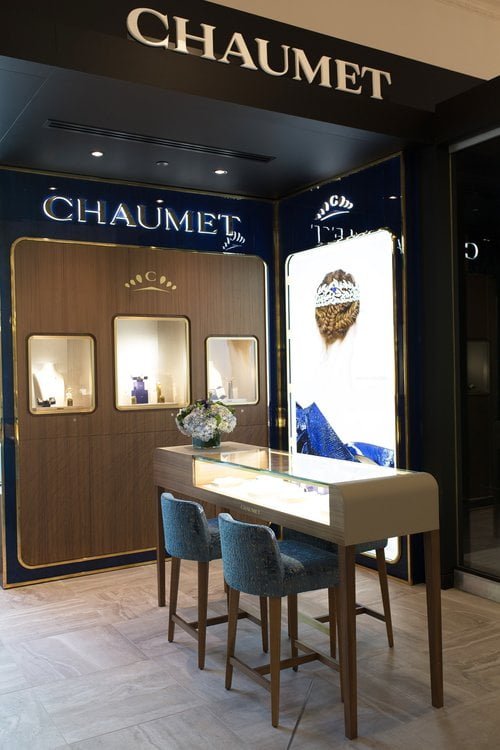
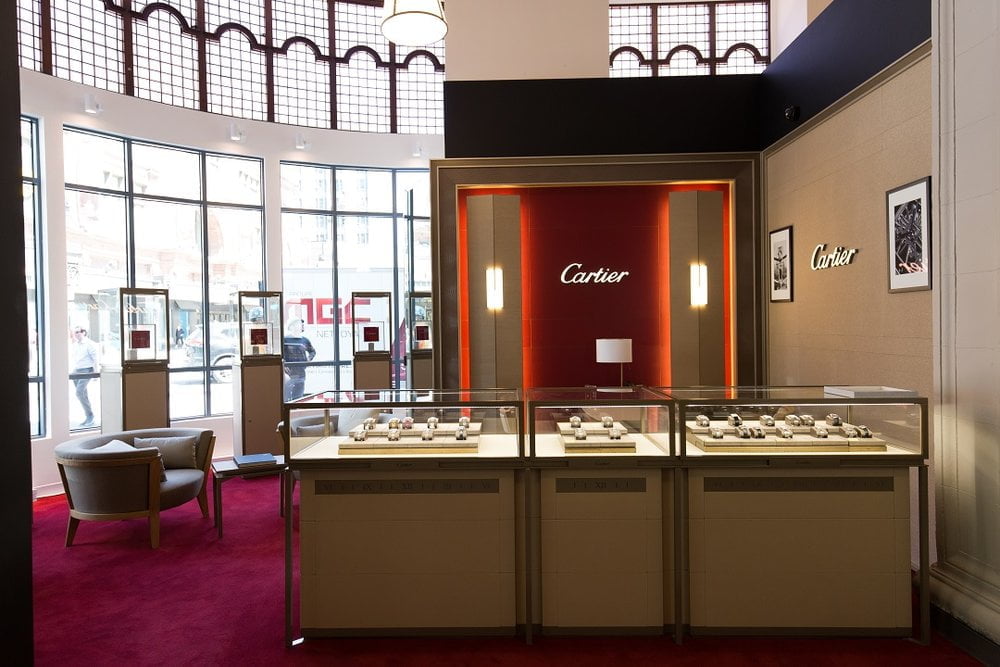
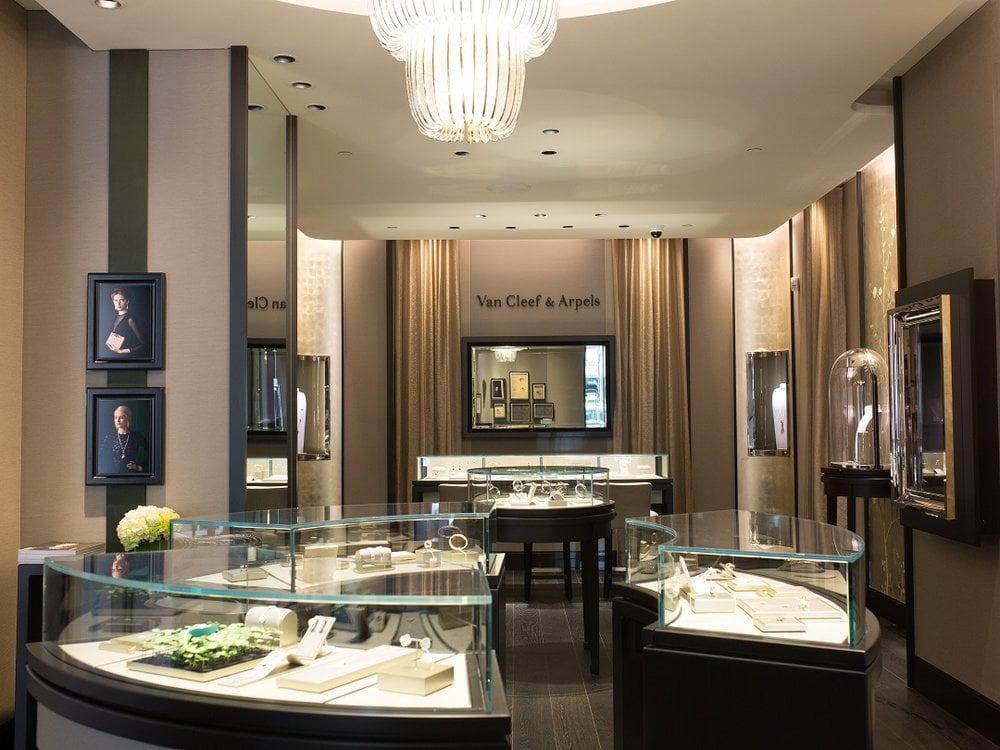
Several new shop-in-store boutiques for some of the world’s leading brands are now contained in the flagship. A 650 square foot Van Cleef & Arpels boutique has opened in the store, as well as an 800-square foot Rolex boutique, and shops for Cartier, Jaeger-LeCoultre, Breitling, Tag Heuer, Chaumet and Messika. Birks has the exclusive in Canada for Van Cleef & Arpels (excluding its two standalone corporate stores) with Van Cleef & Arpels shop-in-stores also contained within Birks’ flagship Toronto and Vancouver stores. Rolex returns to Birks after a long absence as well, while the company solidifies relationships with other leading luxury brands carried in its various stores.
The store features the expansive private-label Birks Collection merchandise, as well as the company’s extensive offering of diamonds, many of which are Canadian.
It also has a pop-up area in the front of the store where Ms. Hartling said the retailer will regularly have rotating collections and collaborations — the aim is to have something new for guests every time they visit.
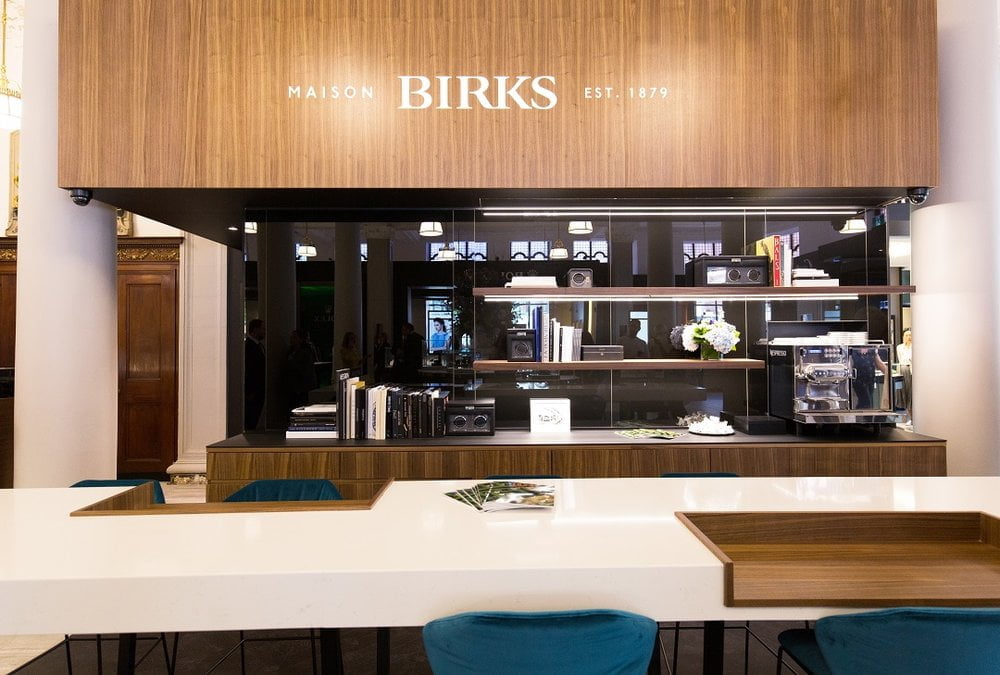
Included, as well, is the Birks Concierge Service, which is there to assist clients with such things as creating bespoke jewellery, or to source any of the one-of-a-kind jewels that might be contained in-store. Thee’s also the ‘Birks Lounge’ which offers a chic-looking relaxing area where books and heritage Birks pieces frame a Nespresso coffee station.
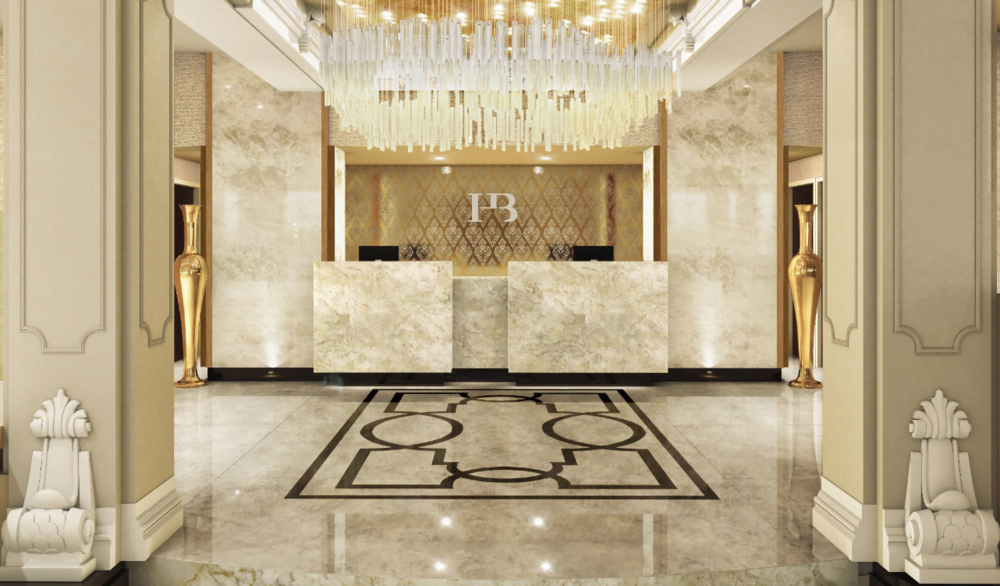
The Maison Birks retail store is located at the base of the new Hôtel Birks, which will open towards the end of next month and occupies much of the historic Birks building. The hotel will have between 115 and 120 rooms and will be positioned as high-end. Renderings show a beautiful property with an elegant lobby as well as hotel rooms and common areas (see slideshow above).
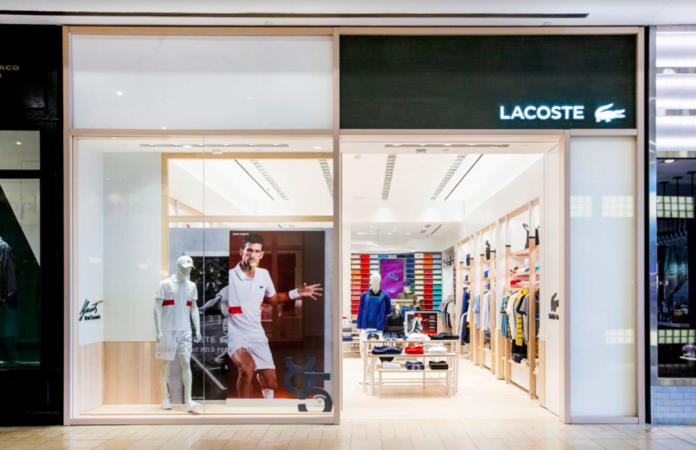
A successful launch of its new global concept store in Toronto has given fashion retailer Lacoste Canada a vision to open other similar flagship stores in Vancouver and Montreal over the next two years.
GRÉGOIRE BRASSET. PHOTO: LINKEDIN
Grégoire Brasset, the newly-appointed Vice-President and General Manager for Lacoste Canada, said the French brand launched its new store concept recently in Toronto’s Yorkdale Shopping Centre.
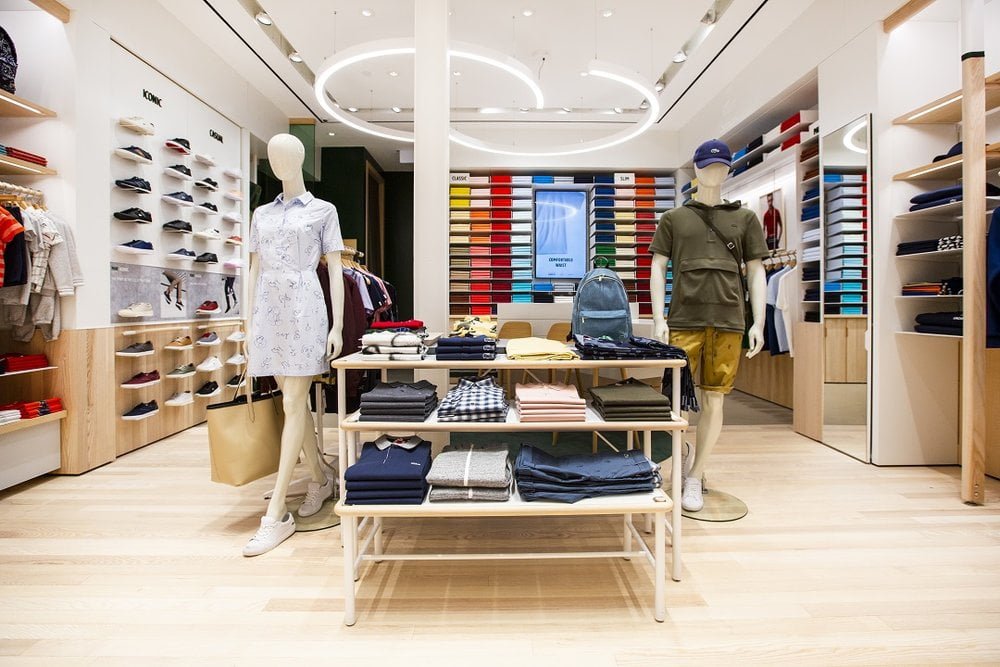
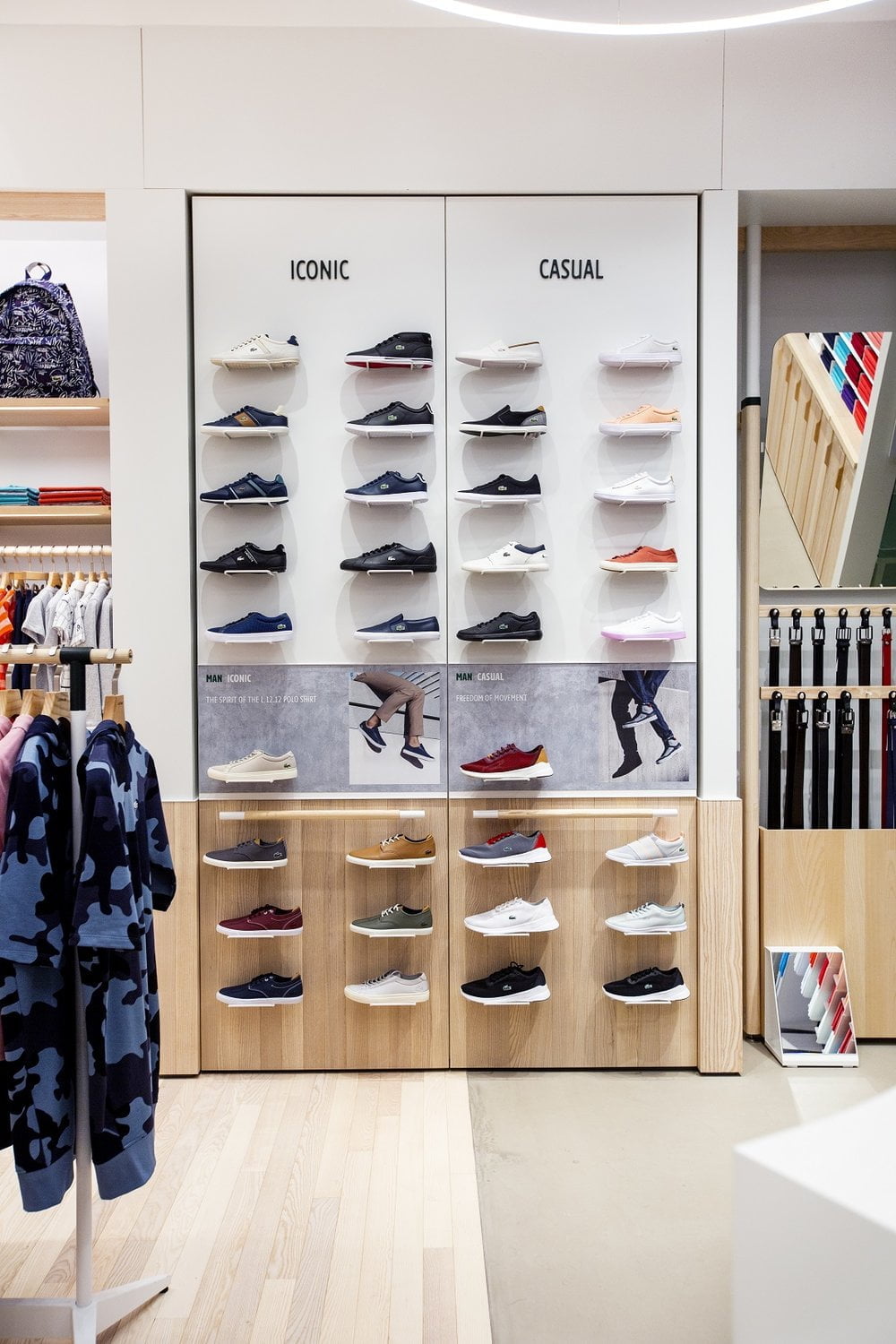
“It’s quite different. We’ve invested a lot in the new concept. We want to be more linked with our DNA and with our history,” said Brasset. “It’s why we decided now to launch this new concept last year in France and now we’re already opened over the last few months 14 doors around the world with the key concept.
“For us it’s a boutique but it’s also a tennis club. It’s also very focused on the Polo business and also we are trying to have a real customer experience and it’s focused on different things. First an omni channel approach which means that you can order your Polo on ecommerce . . . and you can pick it up one hour later at our boutiques. Also, we decided on this new concept to launch Polo customization. For the same price, you can add on your Polo your initials or something like that. You will have a unique Polo.”
Lacoste Store at Yorkdale Shopping Centre
Brasset said Toronto is the company’s main business in Canada, representing about 60 per cent of its sales in the country. That’s why it was chosen as the first new concept store in Canada.
“We would like to launch this new concept in the next two years in Vancouver and one in Montreal,” said Brasset. “It is our flagship. We will have three flagships.”
The new concept store in Toronto was opened in an existing store. It moved from one space to another in Yorkdale. The store in Montreal will be in an existing location but Vancouver will be a new store in the downtown core.
Lacoste Store at Yorkdale Shopping Centre
1 of 4
The first Lacoste store in Canada opened about 25 years ago in Montreal. Currently there are 12 boutique stores across Canada and five outlets. There are also many wholesale stores like Golf Town. It operates its ecommerce site as well.
The successful international brand was co-founded in France by tennis player René Lacoste. The chain known for Polo shirts sells men’s and women’s apparel, accessories, leather goods and sportswear.
Brasset said that besides the additional flagship store in Vancouver he doesn’t anticipate the company will expand the number of other stores it has in Canada.
“We’re thinking we have the right footprint. We don’t want to expand but we don’t also want to close. We are thinking that even if we don’t want to expand the number of stores we can continue to grow our business and also we are thinking for ecommerce we can continue to develop the business and for sure with our main partners like Sporting Life, the Bay, Simons we can continue to develop the business because the business is not only boutique it’s also the business we are doing with our main partners around Canada,” he said.
1 of 4
Brasset said the new concept will help create a stronger brand identity for Lacoste.
“We need to have a story around our products. That’s why this concept is very focused on our story and on our DNA. To be sure that when the customer arrives in this boutique and new concept they understand very quickly that we are a tennis and golf brand . . . because this year for us is our 85th anniversary. It’s a brand with a strong story that has invested a lot in a new concept and a new approach.”
*All photos, except for the top photo, are courtesy of Elaine Fancy.
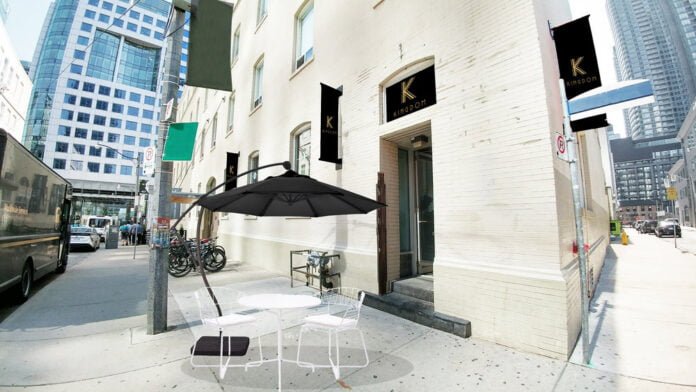
A unique ‘one-stop-shop’ retail space is coming available in downtown Toronto at 276 King Street West, and is being hosted by pop-up retail facilitator pop-up go. The street-level loft-style space can house one tenant or multiple tenants, and is available from now until December of 2018.
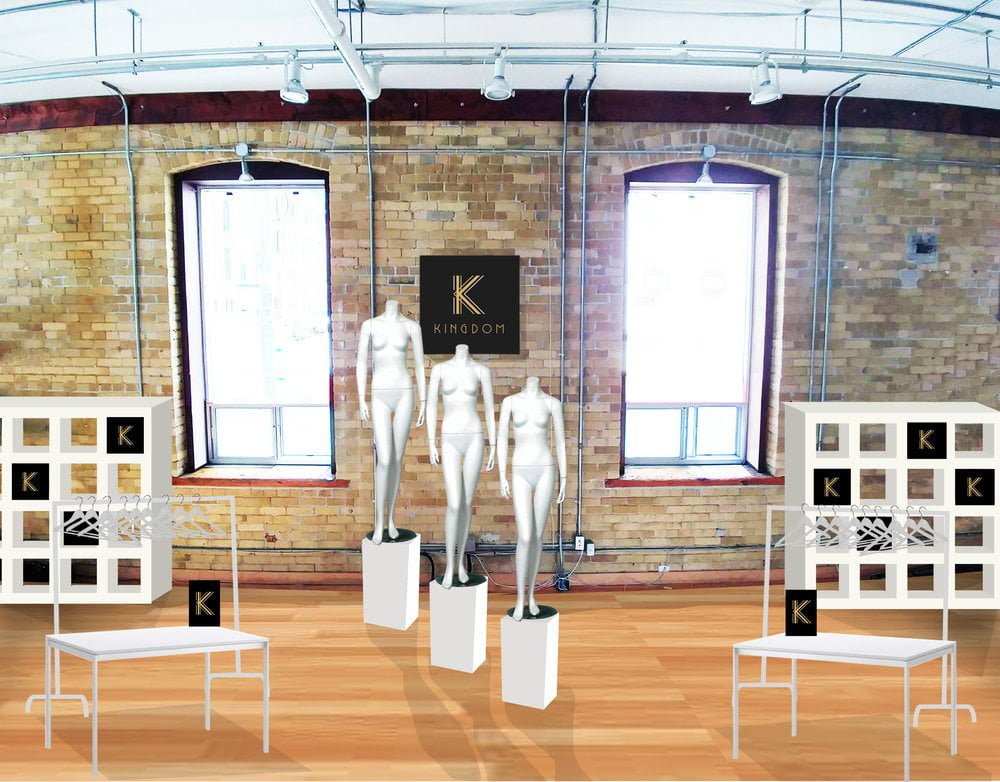
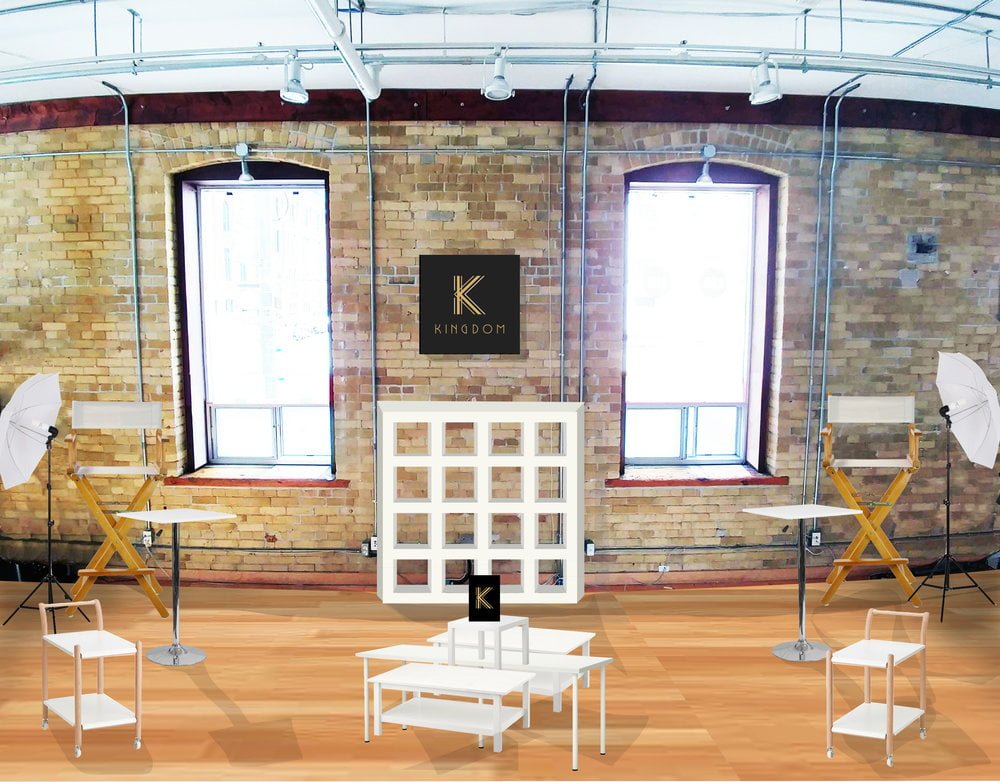
Potential ‘Fashion’ Configuration
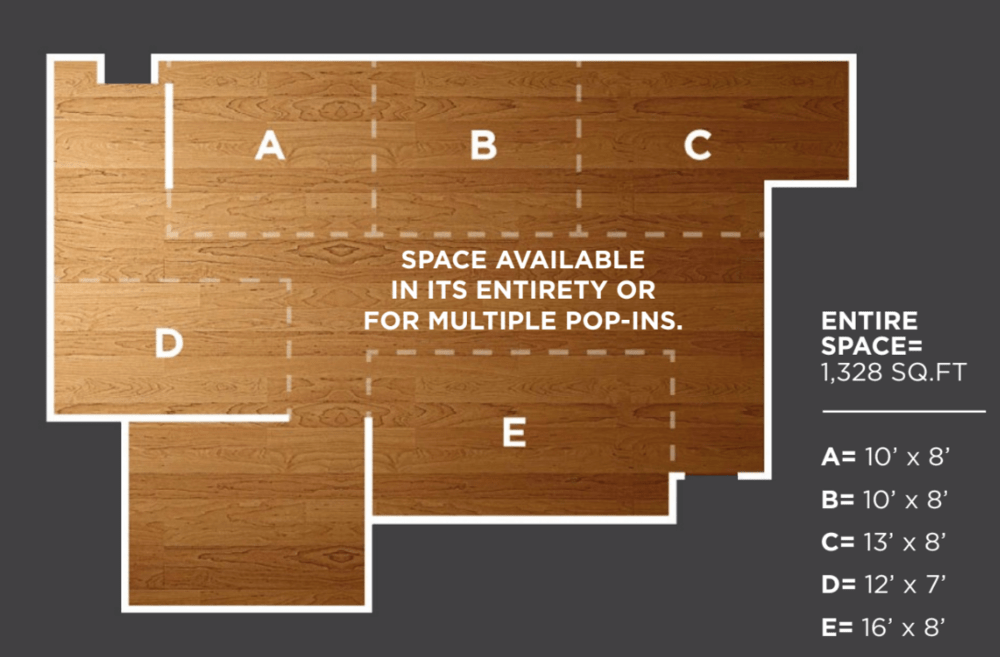
Called KINGDOM, the 1,330 square foot space has a street front entrance a few steps north of busy King Street West on Ed Mirvish Way. It’s a busy area — more than 40,000 pedestrians pass by daily, and the Entertainment District is otherwise known for its many events and festivals, including the Toronto International Film Festival which takes place in September. The area houses various restaurants and hotels (the Ritz and Shangri-La are nearby) and is also accessible by transit, including street-car as well as the nearby St. Andrew TTC subway station.
The space is being hosted by pop-up go — the company’s Chief Connector, Linda Farha, notes that KINGDOM is a one-stop shop with an opportunity to benefit from pop-up go’s marketing and execution support. The goal is to make the space a ‘turnkey solution’ and as such, pop-up go is also offering services from staffing to social media, retail design, and payment processing to “work like an extension of one’s staff” for whatever tenant, or tenants, choose to lease the temporary space.
Brick walls, high ceilings and an otherwise open concept characterizes the space, which at one time was a fashion retail store. Pop-up go has designed the space so that it can house up to five smaller vendors or even one larger vendor, if desired. The premises includes electricity and heat, air conditioning, washrooms and a kitchen. The space cannot be used for parties or cooking, and pets are not permitted.
BRIEF: RYU Announces Store, Casper Partners with HBC, Indigo Closing Store
RYU Apparel Announces 2nd Toronto Store
PHOTO: RYU APPAREL
Vancouver-based urban athletic apparel brand RYU Apparel Inc. has announced that it will open its second Toronto retail location at CF Sherway Gardens in the fourth quarter of 2018.
“We are thrilled to announce our second location in Toronto, as the local athletic community here has embraced RYU and what we stand for,” said Marcello Leone, CEO. “We have been encouraged to expand our retail footprint to reach new communities in the GTA and we continue to solidify our presence in Canada’s most urban city.”
RYU Apparel’s first Toronto store opened at 361 Queen Street West in the fall of 2017. The company also operates four stores in the Vancouver area — its first opened at 1745 W. 4th Avenue in early 2015, followed by stores at 805 Thurlow Street (near Robson Street) in Vancouver, at Park Royal in West Vancouver, and at Metropolis at Metrotown in Burnaby.
RYU has also announced that it will open three stores in the United States — the company’s website lists Brooklyn NY, Venice California, and Newport Beach, California (at the beautiful Fashion Island centre) as future locations.
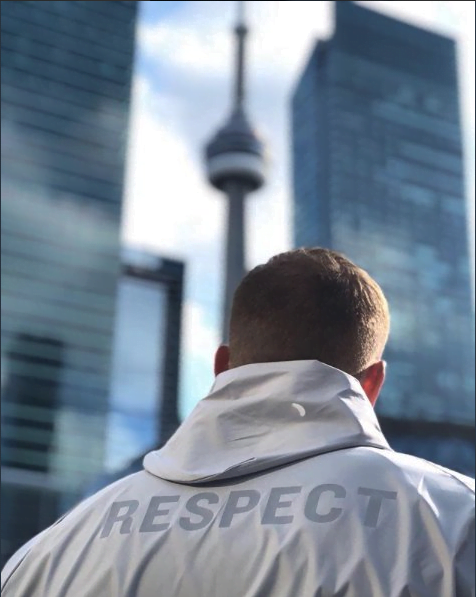
Originally founded in Portland, Oregon, RYU or ‘Respect Your Universe’, is an athletic tech-style apparel brand engineered for the fitness, training, and performance of the multi-discipline athlete. Marcello Leone, son of the founders of Vancouver-based multi-brand luxury retailer Leone, took the company over in 2014 and spearheaded an overhaul which saw its headquarters moved from the United States to Canada, choosing his hometown of Vancouver to be its new corporate address. RYU’s intention is to become the world’s top multi-discipline performance training and fitness brand, according to Mr. Leone.
Pretty Denim, a new luxury denim line, has created a denim collection that boldly addresses a significant style gap in the women’s denim market. Designer and co-founder Tahnee Lloyd-Smith intends to create a denim revolution with a distinctive style, with focus on finishings, fabrics, and fit. The brand is in the process of launching with a full capsule collection called “Her” for Spring/Summer 2018.
Soon to be available online only, “Her” features 14 items (7 pants, 4 tops, 1 dress, 1 kimono, and a bomber jacket) of raw Japanese and Italian denims, including pants with fishtails and copper paint, shirts with chic collars, and beautiful buttons.
Pretty Denim is the brainchild of Toronto-based husband and wife team Bob Froese and Tahnee Lloyd-Smith. Bob owns the advertising agency behind the successful Canadian launches of Kenneth Cole, Calvin Klein Jeans, and Alfred Sung. Tahnee brings five years of luxury men’s styling experience that ironically helped inspire the creative direction for the “Her” collection. Produced in Toronto and aiming to appeal to women who prefer online shopping and are comfortable in denim but wish to have a dressier look.
Froese and Lloyd-Smith are interested in bringing “Her” to communities across Canada via a series of pop-ups. If you think Pretty Denim would be a good fit for your community, please drop them a line!
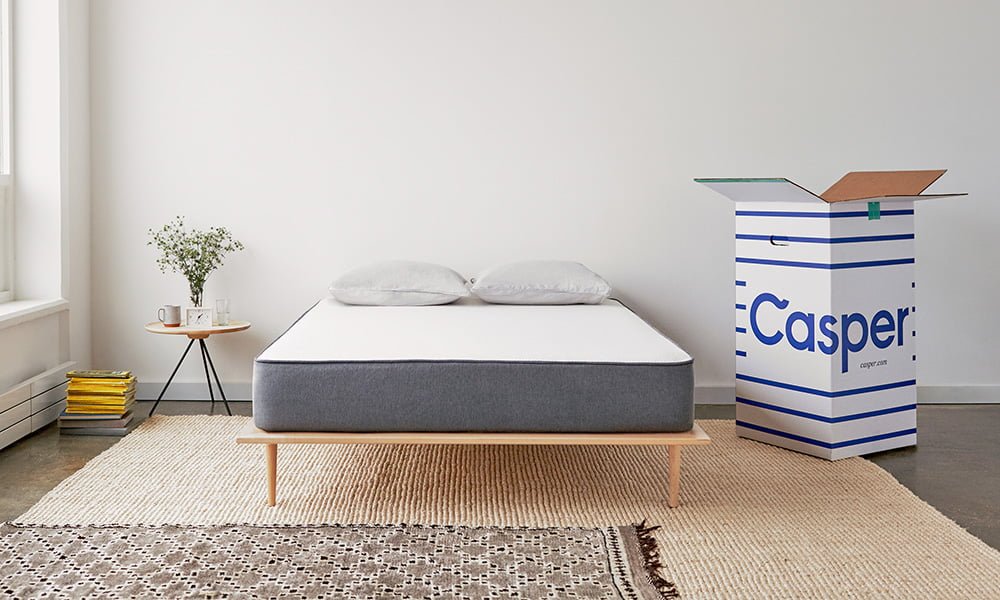
Casper Mattresses Seduces Hudson’s Bay with Promises of Sweet Dreams
PHOTO: HUDSON’S BAY (THE POINT)
Sleep innovator Casper has just launched a national retail partnership with HBC, bringing their award-winning sleep products to select Hudson’s Bay stores across Canada.
With more than 35,000 5-star reviews and nearly 2 million happy sleepers, Casper markets itself as ‘the internet’s favourite mattress.’ All Casper mattresses feature high-quality, breathable foams in two options – The Essential streamlined mattress starts at $450 and the signature The Casper starts at $725.
Good night sleep seekers will be able to acquire the mattresses online at thebay.com and in-store at 13 Hudson’s Bay locations in Toronto, Vancouver, Ottawa, and Calgary.
The Casper mattress will be on display in-store, allowing customers to experience the product in-person before purchasing. Shoppers can also purchase Casper products in the store to carry out or deliver to their doorsteps.
As Canada’s most prominent department store and destination for home inspiration, Hudson’s Bay was a natural partner for Casper to reach even more customers and bring better sleep to Canadians across the country.
Morguard Brings Home Two More HOOPP LEAP Awards for Sustainability Excellence
“Our focus on Responsible Property Investing as a best practice allows us to identify and incorporate environmentally responsible initiatives proactively and efficiently. Moreover, effective collaboration with our partners and tenants is fundamental to our ability to uphold and constantly improve sustainability practices at our properties,” said K. Rai Sahi, Chairman and CEO, Morguard Corporation. “We are honoured to be recognized as change drivers and pioneers in innovative approaches to sustainability. This is an opportunity for Morguard and our key stakeholders to strengthen our shared commitment to both value creation and operational excellence.”
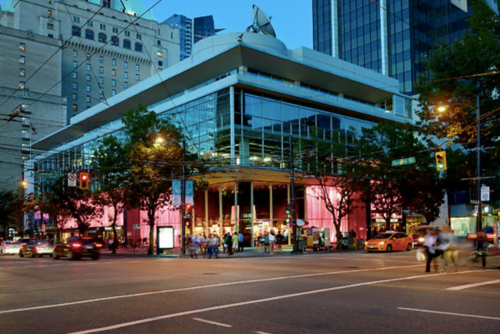
The Energy Saver: Performance Award went to the iconic Robson Central property in downtown Vancouver, which houses the city’s Victoria’s Secret flagship as well as a two-level Shoppers Drug Mart store. The award recognizes the outstanding reduction in energy consumption in 2017 at Robson Central. The HOOPP LEAP Award recognized a remarkable 20 per cent reduction in normalized energy intensity in 2017 versus the previous year; the building’s 2017 energy spend was 54.2 equivalent kilowatts per hour (ekWh) per square foot, down from 68.6 ekWh/sf in 2016. Read the Robson Central case study on morguard.com.
Morguard also received the Tenant Leader: Commercial Award for exceptional collaboration in Calgary between the property manager at 11th Avenue Place and tenant, BluEarth Renewables. Built in 2015, the 200,000-square-foot, Class A, office building, which is pending LEED (“Leadership in Energy and Environmental Design”) Gold certification, is also a result of Morguard’s commitment to working collaboratively with tenants to promote responsible energy consumption and drive cultural changes toward environmentally-friendly alternatives in the communities it serves. Read the 11th Avenue Place case study on morguard.com.
RHOT Roxy Earle x LE CHÂTEAU Aim to Disrupt Sizing Standards in Fashion
RHOT Roxy Earle x LE CHÂTEAU
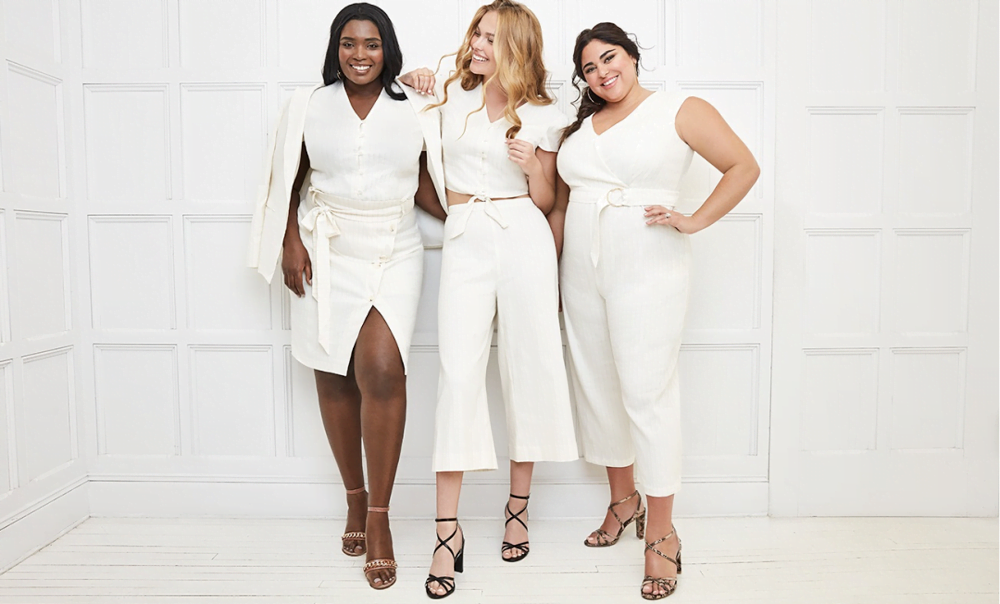
Reality television star and Body Positivity Activist Roxy Earle and Canadian fashion retailer LE CHÂTEAU are hoping to change the fashion sizing game with the launch of their first joint collection. The first of three inclusive collections to launch this year, the line enables more women of different shapes and sizes to shop the same rack at the same store.
LE CHÂTEAU is a long-standing Canadian specialty retailer and manufacturer with a network of 151 locations across Canada, an ecommerce platform servicing Canada and the US, and is well-positioned to reach the target market.
Designed to empower all women to re-invent and modernize the sizing conversation, the RExLC collection aims to create a shopping experience that is not only accessible, but also enjoyable. Earle is bringing her #MySizeRox movement to life following the overwhelming response she received from women all around the globe.
Featuring sizes ranging from 0-22W, the pre-order is now available online, with in-store availability on June 16th. The collection features more than 40 unique clothing designs and 18 different styles of accessories ranging from footwear to handbags, and more.
Givenchy says Bonjour Beauty with New Boutique at Holt Renfrew
Image: Givenchy at Holt Renfrew
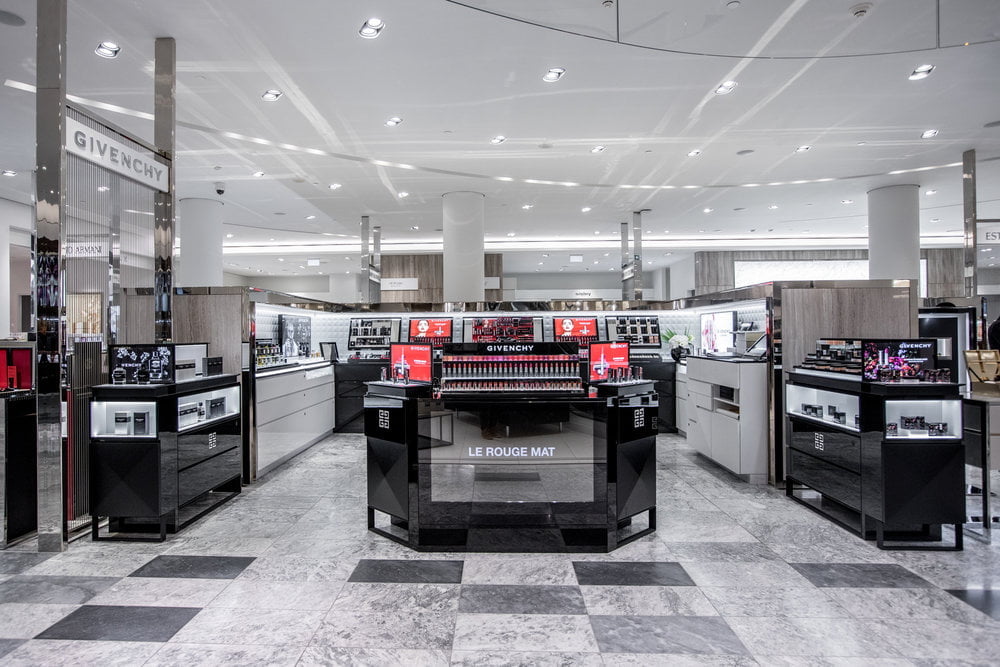
Holt Renfrew welcomed a new brand to its lower level 16,000-square-foot Beauty Hall last week with an early morning influencer event. The iconic couture house Givenchy has created a beautiful 239-square-foot boutique which replaced skincare brand Darphin Paris in the prime real estate located at the foot of the central escalators. Nestled between Giorgio Armani and Estée Lauder, the Givenchy boutique features black and white lacquer cabinets, lots of chrome and mirrors, creating a chic offset to the signature black and bright floral packaging of the Givenchy products.
The boutique is the only brick-and-mortar location in Canada to feature Givenchy’s new line Givenchy Le Makeup.
Holt Renfrew’s Beauty Hall was launched in July 2017 and can be accessed from the store’s oval atrium which connects the store’s three floors. The Beauty Hall features well over two dozen distinct brand counters, as well as nine private cabines that provide facial and skincare treatments by appointment.
Christopher Bates Visits Vancouver to Add to Harry Rosen Capsule Collection
CHRISTOPHER BATES x HARRY ROSEN
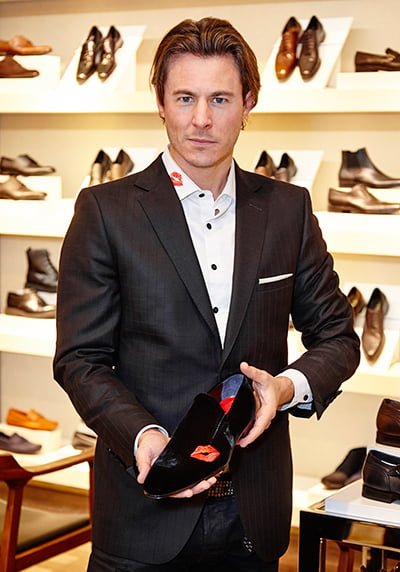
Now in its fifth season, the Christopher Bates Capsule Collection for legendary Canadian retailer Harry Rosen is expanding with three new styles. Bates, the Milan-based Vancouver design darling visited the city for a brief family visit and to add to his already stellar collection of luxury footwear that is designed in Canada and made in top mills in Northern Italy.
The Spring/Summer 2018 season is now available in-store at select Harry Rosen locations and across Canada with the Fall 2018 collection to be available at Harry Rosen, Espy in Calgary and Gotstyle in Toronto.
Before you think that Bates is all about black-tie affairs or lounging on your yacht, think again. This versatile designer recently showed his line of men’s casual wear at Toronto Fashion Week, dropped Air Canada’s new uniforms, and kicked it with an MTV Canada collaboration.
Sweet Sushi Bento Boxes Available at Yum on Vancouver’s Main Street
PHOTO: YUM SWEET SHOP
With its opening barely a month ago, Yum Ice Creamery and Sweet Shop (but you can call it YUM) has been stocking over 200 varieties of sweet treats to keep the masses happy. For those who need more than one sugar fix per day, scoopable bins stock traditional sweets but also vegan, organic, and natural sweets.
Bookended at 4150 Main Street by Sweet Revenge Patisserie and ShangPin Noodle House, YUM is 2,000-square-feet of ice cream, bubble waffles, candy, and gourmet baking; all tucked into a powder blue retro diner box.
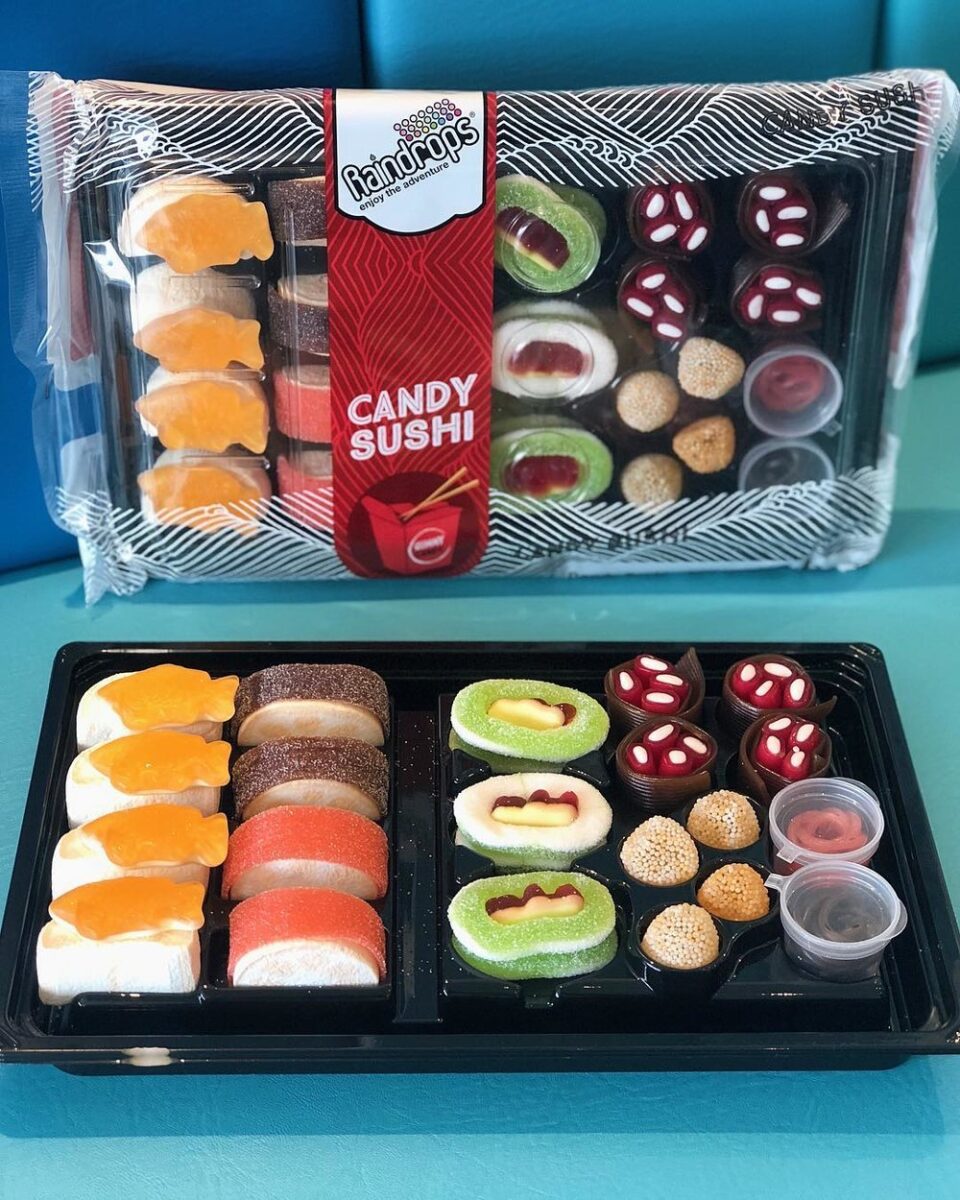
Owner Michael Gorenstein introduced the unique sushi bento boxes a week ago and they proved to be so popular in this city of sushi and sweet lovers that more are on order. At a reasonable $18 per box, it is no wonder they flew off the shelves.
In the past few years, Vancouver has seen a surge of ice cream based businesses launching citywide – Earnest Ice Cream on Fraser Street, dairy-free Umaluma in Chinatown, Mister in Yaletown, and controversial Sweet Jesus in Metropolis at Metrotown, and Perverted Ice Cream off Robson Street.
North Vancouver’s Indigo Bookstore a Closed Chapter
INDIGO (PHOTO: HUNGERFORD PROPERTIES)
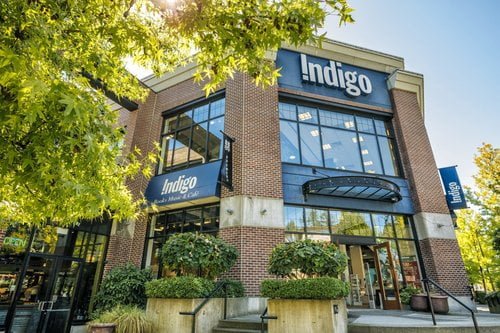
After deciding not to renew its lease at 1025 Marine Drive, Indigo plans to permanently close its large location at the Taylor’s Crossing retail complex later this month.
Constructed in 2000, the 44,000-square-foot building, which is located on a 1.5-acre lot and includes the Hearthstone Brewery, Lussobaby, and Kids & Company, was sold last year for a price over the $23.4 million asking fee, leaving the Indigo bookstore at Park Royal as the last one on the North Shore.
In recent years, Chapters, an Indigo-operated bookstore brand has closed their Howe Street (downtown Vancouver), Strawberry Hill (Surrey), and Ackroyd Hill (Richmond) locations.
2018 Global Retail Trends and Innovation: Trend Three: ’Emotional Retail’ [Video]
This is the third of four videos describing some of the world’s top retail trends, as presented by John Williams and Maureen Atkinson, Senior Partners at J.C. Williams Group. The topic is ‘Emotional Retail’ and how it’s all about creating emotional ties and strengthening brand awareness through intensive storytelling and strong content.
The video is just over six minutes long, and the first retailer discussed is homegrown ‘cultural department store’ concept Indigo, which has created a very compelling retail model that expands beyond just books. Other leading innovations from international retailers are also discussed.
J.C. Williams Group is part of the bigger Ebeltoft Group, which has now released its 2018 Global Retail Trends & Innovations Report. This book highlights some key insights into what innovative retailers are doing around the world. The release includes these video discussions as well as a free downloadable version of the book, available here.
Feel free to comment below the video, and next week we’ll showcase the 2018 Global Retail Trends & Innovations Report’s final of four ‘hot trends’ for 2018 that will include a discussion of ’Responsibility’.
As well, directly below are three videos — an introductory video which announced the ‘Retail Innovation of the Year’ winner of the 2018 Global Retail Trends & Innovations Report. As well, the other videos discuss: Trend One: ‘Smart Shopping’ and Trend Two: ‘Interaction’.
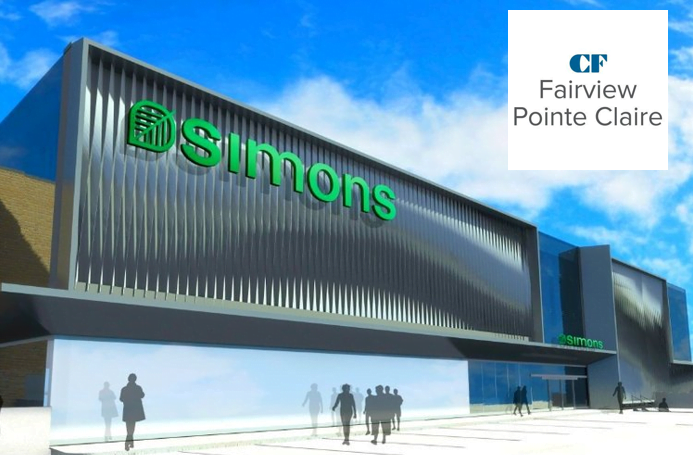
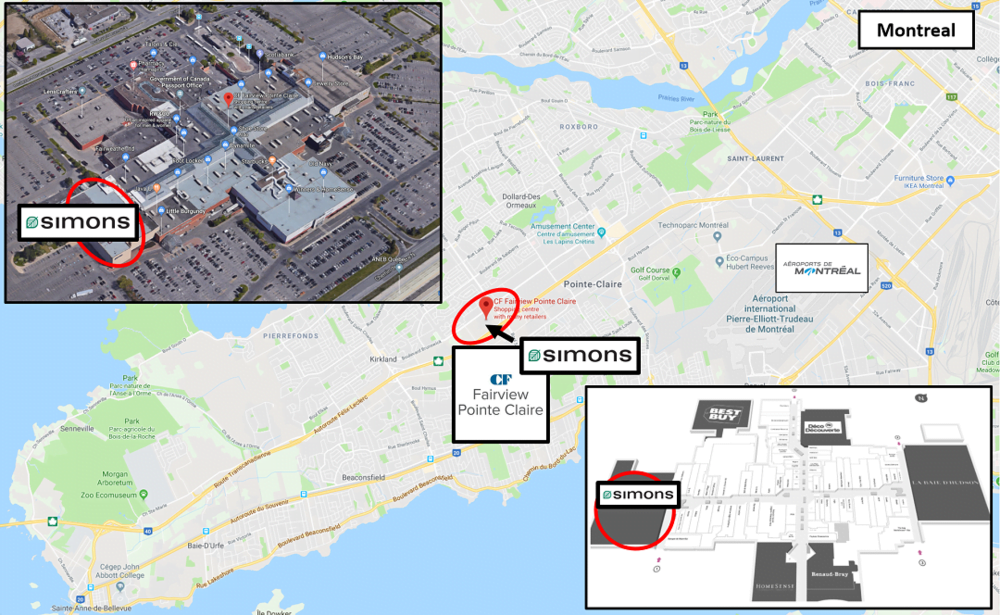
Quebec City-based large-format fashion retailer La Maison Simons has announced that it will open its 16th store location at the CF Fairview Pointe Claire shopping centre in suburban Montreal. The two-level Simons flagship will be part of a bigger project by landlords Cadillac Fairview and Ivanhoé Cambridge that will involve a renovated centre as well as the eventual creation of a new ‘city centre’ on Montreal’s West Island.
The new Simons store will be its first location on the West Island, and it will occupy the second and third levels of the mall’s 180,000 square foot former Sears space. When opened, Simons will include about 100,000 square feet of retail space and because of the centre’s grade, the store will have a ground-level entrance. Details about the store itself are still limited however — Simons hasn’t yet announced a design firm for the new store, which could include environmental initiatives such as those in its recently opened store at Les Galeries de la Capitale in Quebec City.
“We value our loyal customers in the West Island, so we are pleased that we will be able to better serve them, alongside new customers, with a Simons location in their community,” said Peter Simons, Co-owner and President of Simons. “As we continue to grow inside and outside of Quebec, we know that physical locations are a vital part of the retail experience and go hand-in-hand with the growing digital economy.”
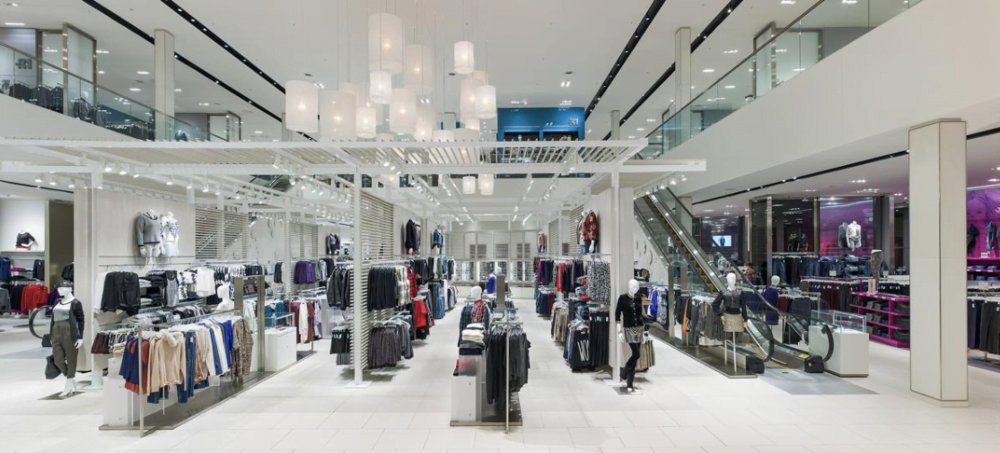
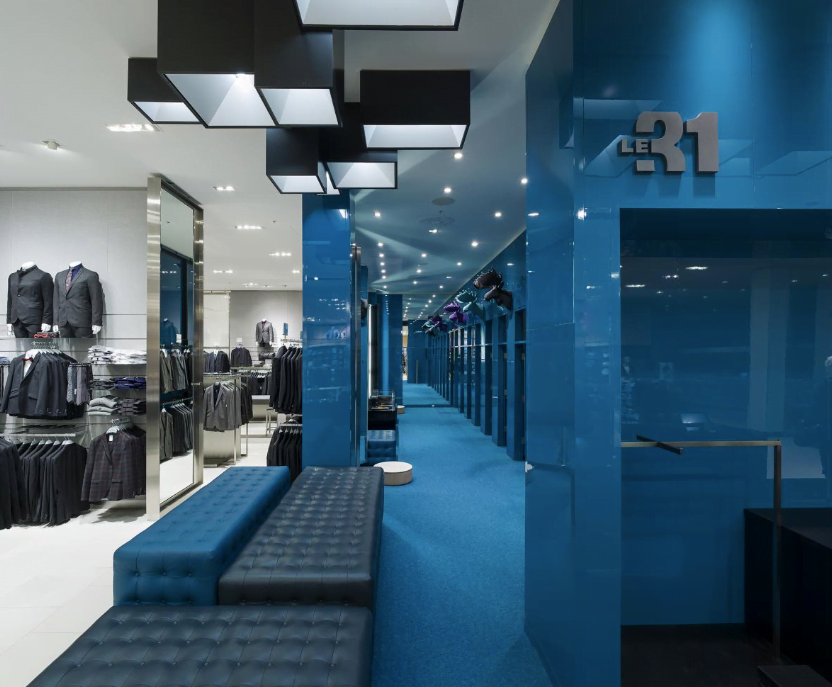
Simons is known for its bold-looking stores, and the retailer has won numerous design awards for its innovative spaces. The new Pointe Claire Simons store will open in the year 2021, which will give the landlord enough time to also design and build a ‘food experience’ on the first level of the former Sears store that is expected to involve various dining options.
“Today’s announcement represents an extremely exciting stage in the evolution of CF Fairview Pointe Claire,” said Brian Salpeter, Senior Vice President, Development, Cadillac Fairview. “The addition of Simons, one of the premier retailers in Quebec, as well as the anticipated arrival of the new light rail transit station near the shopping centre, will serve as catalysts for the transformation of the property and the adjacent lands into a new, vibrant mixed-use community that will become the city centre for the entire West Island.”
In an interview, Mr. Salpeter explained how the landlord acquired about 50 acres of land to the west of CF Fairview Point Claire in 2013, and that it’s now working with the city to create a mixed-use ‘new downtown’ that will be served by a light-rail transit line that will span about 67 km from the south shore to Laval. The multi-billion project will become a focal point not only for the West Island, but for the Greater Montreal Area as a whole. The mall itself will also see renovations with details to be revealed at a later date.
Last week it was announced that Simons, for the first time, has accepted outside investment to help fund a new high-tech 575,000 square foot, $215-million distribution centre in Quebec City that will help grow Simons’ rapidly growing e-commerce business. Online sales now account for about 20% of Simons’ business, according to Peter Simons, and having a state of the art distribution centre will be key to keeping the business operational while also allowing for enhanced growth initiatives both in-store and online — the company continues to see more and more shoppers from the United States as well.
La Maison Simons, which was founded in Quebec City by the Simons family in 1840, opened its first store outside of Quebec in October of 2012 when it unveiled an impressive 125,000 square foot store at West Edmonton Mall. The company subsequently expanded nationally and now includes 15 stores in BC, Alberta, Ontario and Quebec. Of its 15 stores, eight of them have opened since 2012 as part of an unprecedented expansion for the retailer which features a mix of reasonably-priced in-house fashion labels and brands that include some of the world’s top names such as Balmain, Marni, Vivienne Westwood, Nina Ricci, and others.
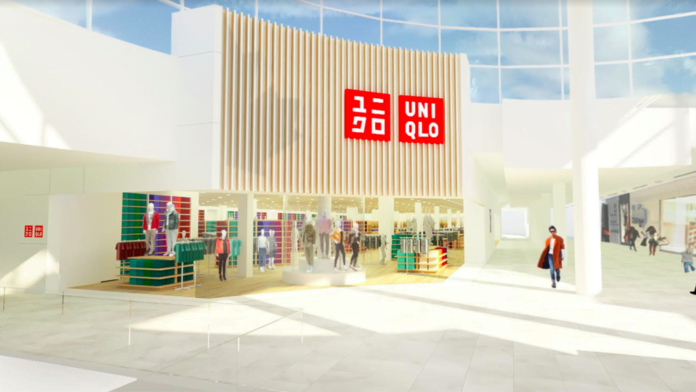
RENDERING OF THE NEW SQUARE ONE UNIQLO, VIA UNIQLO/BICOM
Popular Japanese fashion retailer UNIQLO has announced that it will open four stores in Canada in the fall of 2018, as it ramps up its Canadian expansion that could see as many as 100 stores open over the next several years. Remarkably, the fall 2018 announced expansion alone will almost double UNIQLO’s Canadian store count in a relatively short period of time. As competition continues to grow in the fast-fashion category, there could be fallout as similar retailers fight for market share.
Of the four newly announced UNIQLO stores, three of them will be in the Greater Toronto Area (GTA), and one will be in Vancouver’s eastern suburbs. The three GTA stores will be at: Vaughan Mills, Square One in Mississauga, and at CF Markville in Markham. The Vancouver area store will be at Coquitlam Centre. When all stores are open, the GTA will have five UNIQLO stores and the Lower Mainland will have four.
The Vaughan Mills store will be the largest of newly announced UNIQLO stores with more than 20,000 square feet of retail space over one level, in a ~28,150 square foot space vacated in December of 2017 by HR2, which was an off-price/value concept run by Holt Renfrew that was shuttered. Vaughan Mills is a ‘hybrid outlet centre’ operated by landlord Ivanhoé Cambridge and according to the Retail Council of Canada Shopping Centre Study, the mall is one of the largest, busiest and most productive in the entire country.
VAUGHAN MILLS FLOOR PLAN
The Mississauga Square One UNIQLO store will span about 15,000 square feet of retail space on one level, and will be located in part of the retail space once occupied by US-based Target. The Oxford Properties-managed mall’s former Target space will be repurposed to also house The Rec Room, which will open in the spring of 2019 as well as a new ‘food district’ that is also expected to open in the fall of 2019. Lease plans show UNIQLO occupying a gross area of about 19,850 square feet in the new Target box expansion. Square One is also one of Canada’s most productive malls as well as one of its largest and busiest — the centre boasts annual sales per square foot surpassing $1,000, and is one of two Canadian malls boasting revenue in excess of $1-billion annually.
SQUARE ONE MALL FLOOR PLAN
The CF Markville UNIQLO will also include about 15,000 square feet of retail space over one level, in a retail space formerly occupied by US-based Forever 21. It makes sense for UNIQLO to move into the Markham centre, which is surrounded by one of the highest densities of Asian residents in Canada. The 18,560 square foot former Forever 21 space is located between H&M and The Gap and is across from Zara and Sporting Life, as well as another Japanese retailer, MUJI, which is also expanding its base of stores in Canada. CF Markville, which is a strong Cadillac Fairview property is seeing new tenants including Saks OFF 5TH, which opened in March of this year — and lease plans show several other unique retailers that will soon be announced.
CF MARKVILLE FLOOR PLAN
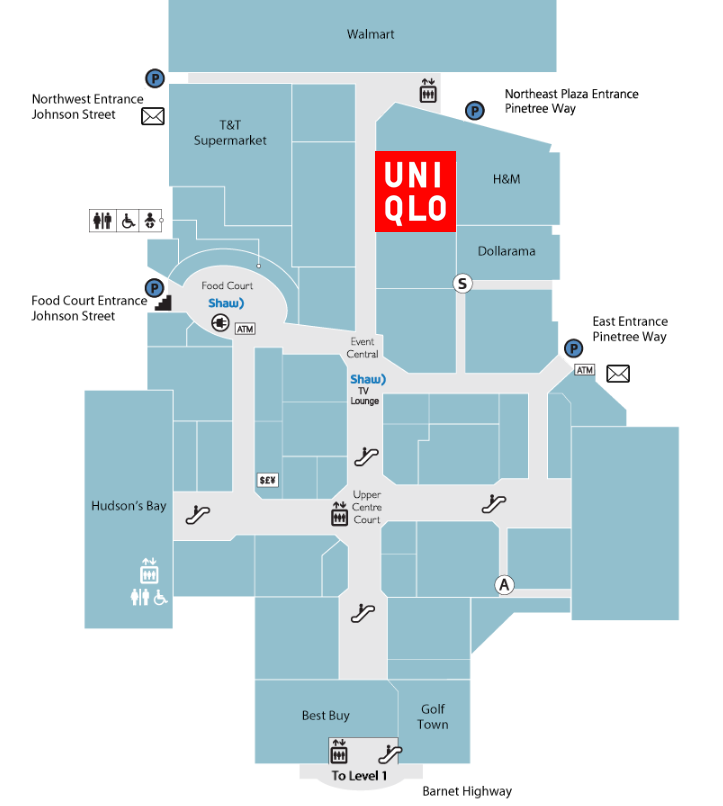
At Coquitlam Centre in suburban Vancouver, UNIQLO will occupy abut 12,000 square feet of retail space on the mall’s second level that was formerly occupied by US-based retailer Old Navy. Lease plans provided by mall landlord Morguard shows a total area for the store spanning 15,970 square feet between H&M and American Eagle, in a wing of the mall that is anchored by Walmart. Coquitlam Centre is considered to be one of the leading malls in the BC Lower Mainland, in terms of size and overall sales numbers.
When all four stores are open in the fall, UNIQLO will have nine stores in Canada — five in the GTA and four in the Vancouver area. UNIQLO entered the Canadian market with two stores in Toronto in the fall of 2016. In September of 2016, UNIQLO opened its first Canadian flagship, spanning 33,400 square feet, at CF Toronto Eaton Centre. A 30,000+ square foot Yorkdale Shopping Centre UNIQLO store subsequently opened in October of 2016, in the mall’s Nordstrom-anchored expansion wing.
It is expected that UNIQLO will move into secondary markets such as Calgary, Edmonton and Ottawa at some point, though the retailer has been focusing on first gaining brand awareness in the influential Toronto and Vancouver markets. Vancouver is anticipating the opening of a flagship UNIQLO store in its downtown core at some point, which would be larger than its other suburban Vancouver stores that are all considerably smaller than the two Toronto flagships at Yorkdale and CF Toronto Eaton Centre.
In September of 2016, UNIQLO Founder and CEO Tadashi Yanai told Marina Strauss of the Globe & Mail that UNIQLO could eventually operate as many as 100 stores in Canada — while it’s unclear if that number will be reached, landlords across the country confirm that they’ve been in talks with UNIQLO and that some deals have already been done for new Canadian stores.
UNIQLO’s expansion in Canada comes at a time when the country is seeing unprecedented numbers of international retailers opening stores. In 2017, more than 50 international brands entered the country by opening standalone stores, and 2018 is shaping up to be another banner year as brands at all price points secure retail space for new stores. The past several years have seen more than 20 international retailers enter the country each year, and a result is some homegrown and other international brands are beginning to feel the squeeze for Canada’s limited shopping dollars.
Canada is also seeing an influx of Asian retailers opening stores — minimalist Japanese retailer Muji plans to operate between 20 and 25 stores in Canada , and it is also expected to expand beyond Toronto and Vancouver as it secures Canadian retail space. Value-priced variety retailer Miniso, which plans to open about 500 stores in Canada over the next three years is another example — though technically the retailer is from China and not Japanese as per its branding.