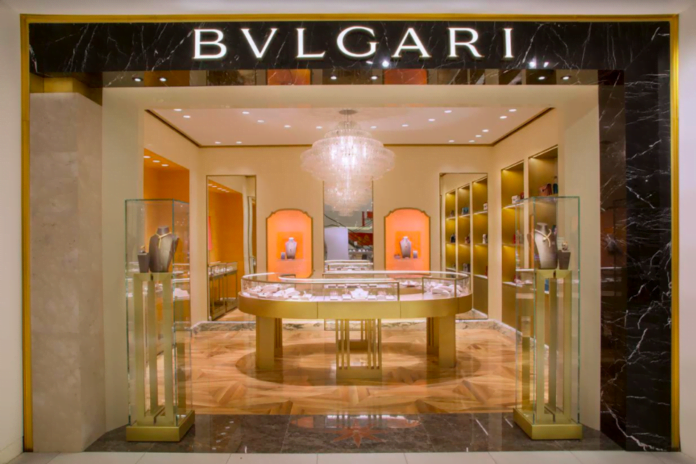
Italian luxury jeweller Bulgari has officially unveiled its first Vancouver boutique at Holt Renfrew in CF Pacific Centre. The concession is located in the jewellery/accessory hall on the the store’s ground level, alongside brands such as David Yurman, Tiffany & Co., Loro Piana, Dior, and Bottega Veneta. Vancouver’s Holt Renfrew is completing an extensive renovation that will see completed concessions for Hermes watches, Miu Miu, Fendi, Givenchy, and others within the next two months.
Bulgari opened its first (and currently only) standalone Canadian boutique at Toronto’s Yorkdale Shopping Centre in the winter of 2014. The Vancouver location is the second official boutique in Canada, and the brand is also carried in a handful of upscale jewellery retailers nationally.
“This milestone marks a special moment for Bulgari, as it brings our Maison’s Roman roots and spirit of innovation to Vancouver, a very important city for the brand,” said Daniel Paltridge, President of Bulgari North America. “We are pleased to open our boutique in Holt Renfrew in a manner that represents the contemporary Bulgari brand while simultaneously paying tribute to our rich, Roman heritage.”
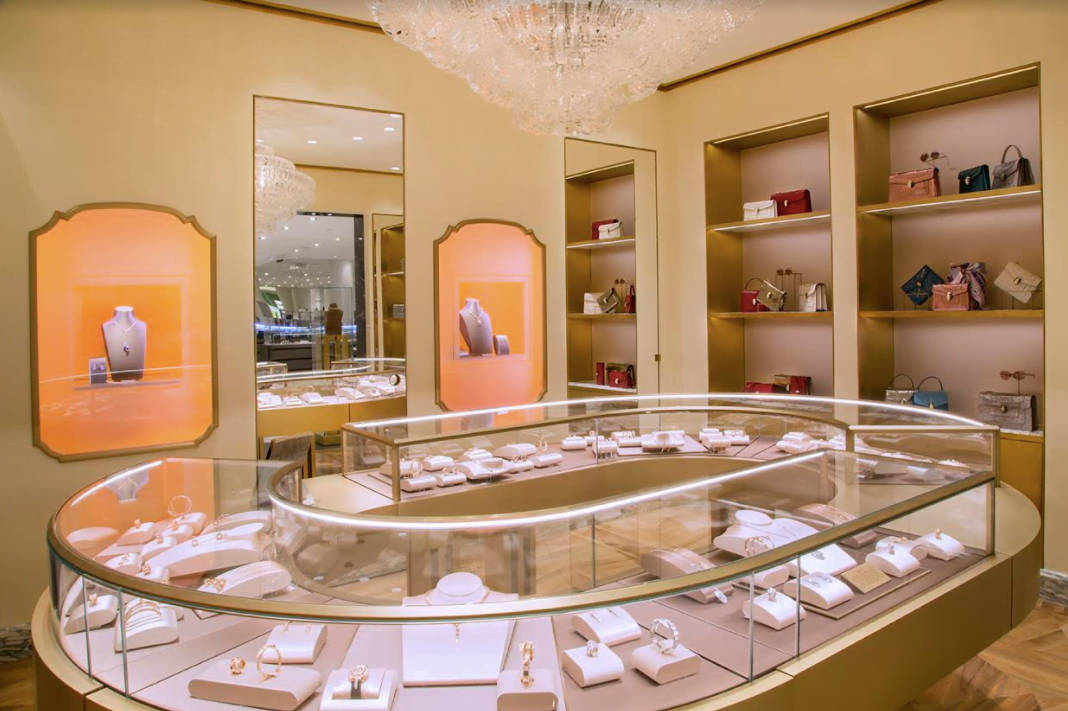
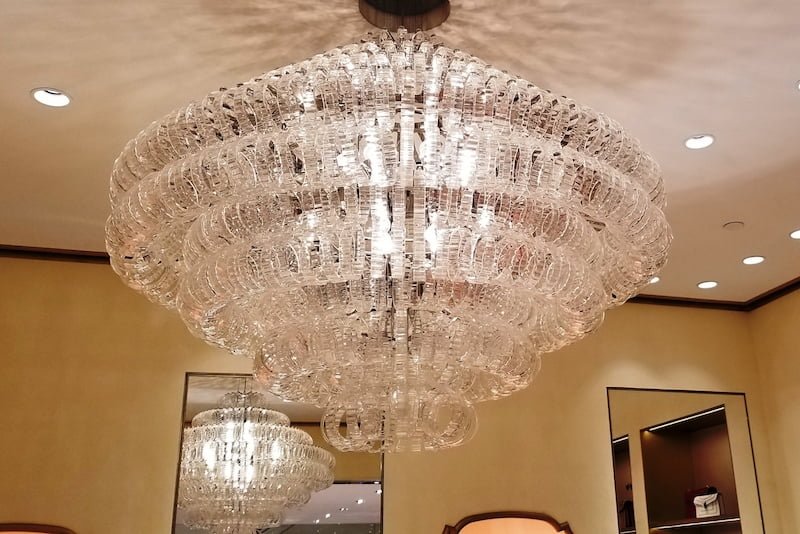
Designed by LVMH favourite Peter Marino, the 450-square-foot concession utilizes materials that are quintessentially Roman while staying true to the original architecture of the space. The entrance is Black Grand Antique marble, the flooring is Italian walnut square-patterned parquet with a degrade effect, and the walls are finished with Bulgari’s signature gold and yellow Scagliola plaster. In the store’s center, a light bronze oval-shaped counter in galvanized iron is topped by an expansive Murano crystal chandelier by Italian artisan Vistosi.
Internationally the company enjoys renown for its craftsmanship and as Paltrdige shared at the media launch, “Bulgari finds itself, as of the 2000s, a global jeweller with a very distinct point of differentiation within the luxury jewellery market.”
See below for more photos from the store’s press opening on Tuesday February 6. Photos by Helen Siwak.
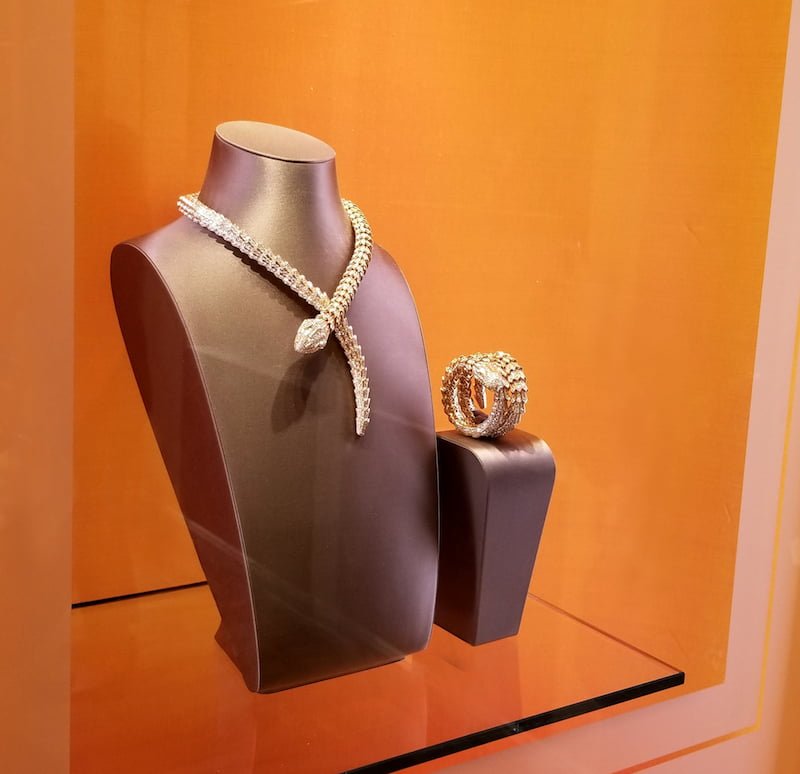
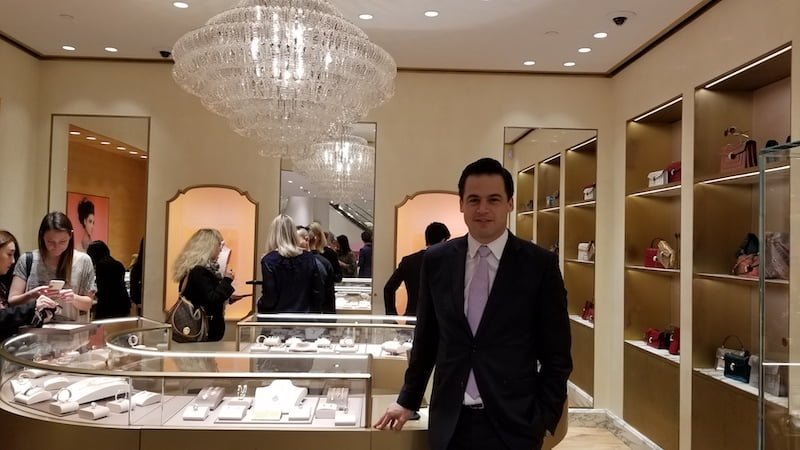
The ‘Serpenti’ necklace in this photo retails for about $500,000. Photo- Helen SiwakDaniel Paltridge, President of Bulgari North America, poses for the camera at the opening. Photo- Helen Siwak impressive chandelier.
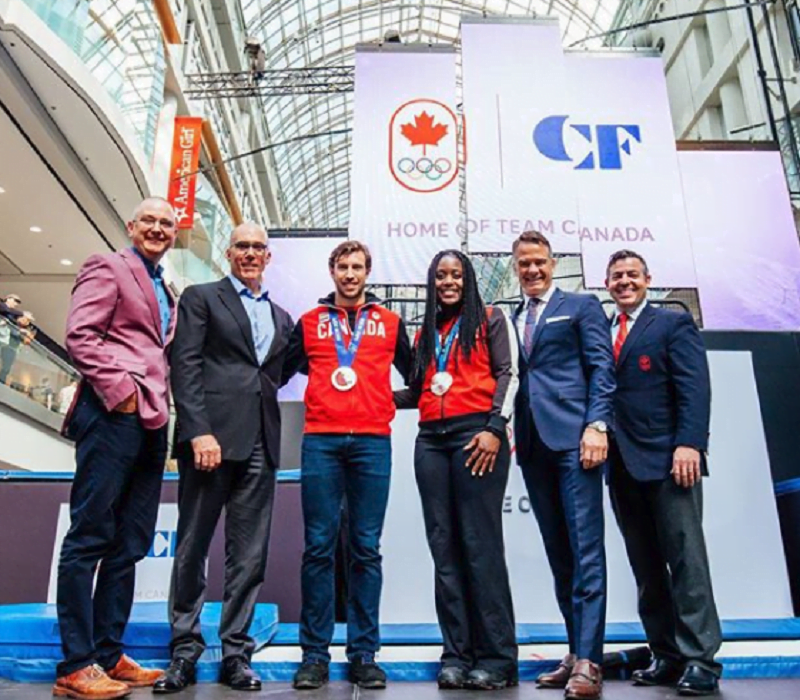
Cadillac Fairview is bringing Canadians closer to the 2018 Winter Games by introducing new CF Brighter Lounges at its properties in a partnership with the Canadian Olympic Committee.
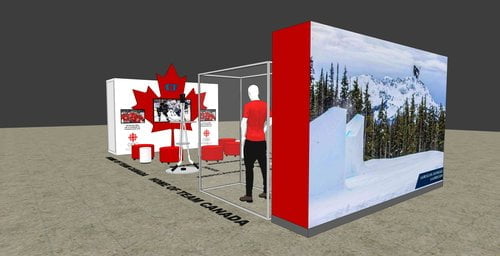
The lounges will showcase live CBC coverage and interactive experiences at all 19 of the company’s shopping centres in Canada as well as four office towers. The lounges will help Canadians stay connected to the actions and accomplishments in PyeongChang. Officials hope they also create and build an Olympic spirit across the country.
Eighteen of the 19 lounges at the shopping centres will feature immersive screens broadcasting CBC Olympics coverage and owned content, with all lounges offering “dynamic backdrops for engaging, shareable moments.” The lounges will operate during regular property hours between February 9 to February 25.
Jason Anderson, Senior Vice President, Marketing, Cadillac Fairview, said the company believes in the power of the Olympic spirit and Team Canada to inspire greatness in all Canadians and unite local communities across the country.
“Certainly our focus at Cadillac Fairview is on creating amazing, unique experiences at our retail and office properties as we believe that’s how we can drive our business and create really great environments for our shoppers and office spots,” said Anderson.
“So what we did is we looked for opportunities to find a really great partner to help us do that. At Cadillac Fairview we have a really bold, optimistic view of the future and we want to surround ourselves with partners that have a similar view and there’s no better example of that than the Canadian Olympic Committee. So this idea that Cadillac Fairview can become both the physical and emotional home of Team Canada is just a really exciting opportunity for us to bring that idea to life in our properties. So the Brighter Lounges are a great way to do just that. We’ve created these lounges that will be a place to stay in touch with what’s going on in Korea with our Canadian athletes and cheer them on from afar, to share some great content with friends and family through social media, and also to ultimately make a contribution to CF Brighter and help to support that next generation of athletes.”
In September, Cadillac Fairview and the Canadian Olympic Committee announced a multi-year partnership that will include six Olympic Games.
“We are excited to share the thrill of the PyeongChang 2018 Olympic Winter Games with Canadians through our partnership with CF, in their properties and online.” said Chris Overholt, CEO, Canadian Olympic Committee. “The CF Brighter Lounges are an exciting start to this partnership that will inspire Canadians to go out and cheer together for Team Canada.”
Anderson said the company went from property to property to find places that would create a great hub for the Olympic spirit. For the most part, they are in higher traffic areas of the shopping centres or in the lobbies of the office buildings.
Cadillac Fairview is also launching a platform to raise money for the Olympic movement in Canada. Every time the hashtags #CFBrighter or #CFBriller are used on social media throughout the 2018 Olympic Winter Games, it will commit $1 to the Canadian Olympic Foundation and WE, CF’s major philanthropic partner, who is focused on youth empowerment. CF will donate up to $250,000.
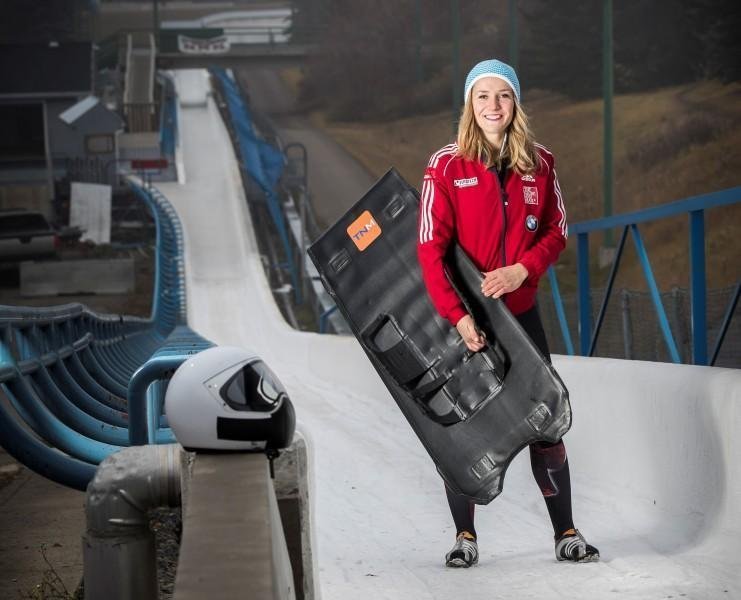
“What was important to us is really to recognize this idea that while much of the Olympics is about focusing on who gets to the finish line, we actually believe that the real story is the amount of effort it takes to get to the starting line,” said Anderson. “And we think there’s an amazing story there of optimism for young people and really this idea that you should never give up on your dreams. So we went and worked with the Canadian Olympic Committee to go find amazing people that have become part of the Canadian Olympic team that have done an amazing job of overcoming adversities and come to the starting line and take part in the Olympic Games in Korea.
“So we’re working with six amazing young people that represent a variety of different sports that will be represented in the Winter Games. We wanted to support them and partner with them to obviously make a small financial commitment and recognize the work that they’re doing but more importantly partner with them in telling a bigger story for young people about the importance of never giving up on your dreams.”
Cadillac Fairview is one of the largest owners, operators and developers of office, retail and mixed-use properties in North America. The Cadillac Fairview portfolio is owned by the Ontario Teachers’ Pension Plan, a diversified global investor which administers the pensions of more than 300,000 active and retired school teachers. The real estate portfolio also includes investments in retail, mixed-use and industrial real estate in Brazil, Colombia and Mexico. Valued at more than $28 billion, the Canadian portfolio includes over 38 million square feet of leasable space at 67 properties in Canada.
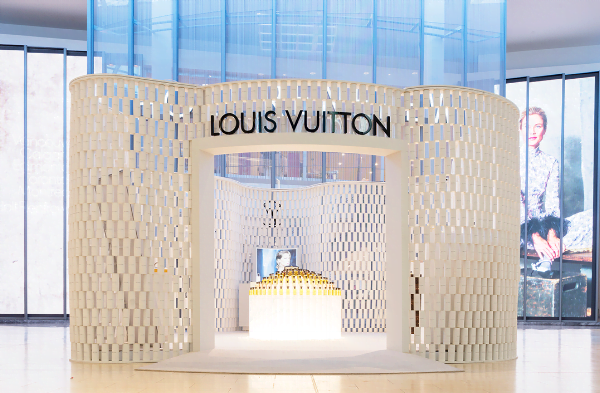
(Louis Vuitton fragrance Pop-up at Toronto's Yorkdale Shopping Centre, February 2018. Photo: Yorkdale)
Pop-up retail in Canada is becoming more common than ever, with retailers and landlords coordinating temporary leases in a variety of interesting ways. Experts are now saying that pop-up retail has become mainstream, with some even asking if the concept is becoming ‘over-exposed’.
It wasn’t that long ago that pop-up retail was seen as merely a solution to fill challenging real estate, or an otherwise seasonal endeavour for brands selling around Christmas and other holiday seasons. Things began changing a couple of years ago and towards the middle of 2017, pop-up retail growth in Canada became explosive, according to Linda Farha, founder and ‘Chief Connector’ at online pop-up retail platform pop-up go. “Demand has never been so great for pop-up space in Canada… landlords are seeing this as a strategy to build buzz, and retailers are utilizing it to further expand distribution and exposure”, said Ms. Farha.
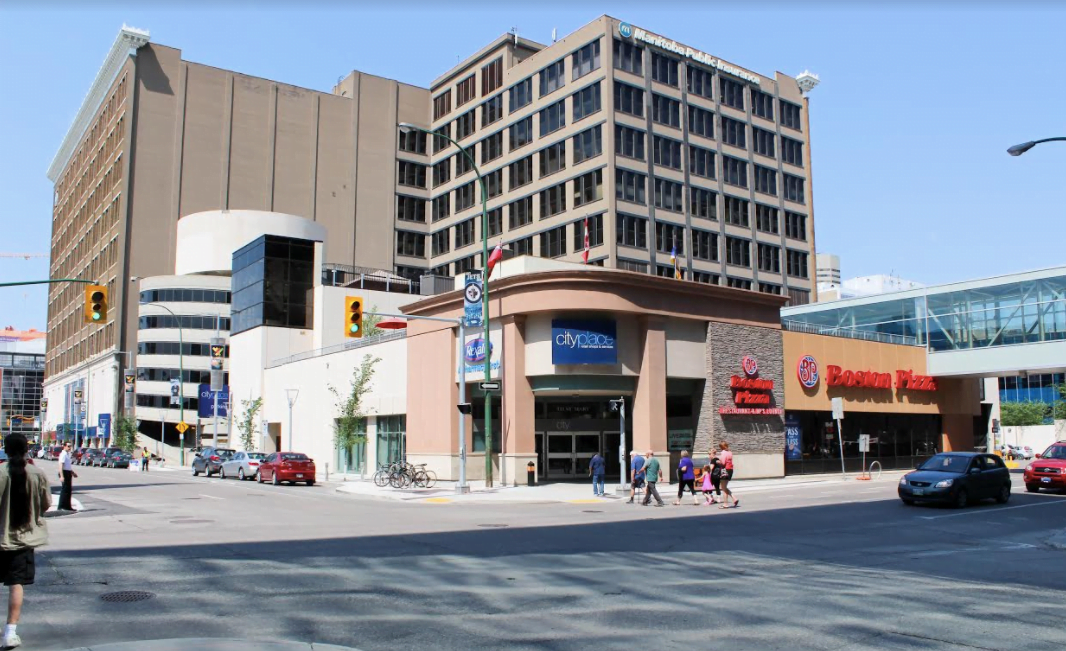
Ms. Farha’s pop-up go, which also features a curated pop-up match service that provides access to the ever-growing pipeline of pop-up seekers looking for space, recently launched an innovative pop-up program in downtown Winnipeg. It’s the latest project for pop-up go, which last year partnered with Bentall Kennedy to lease out several pop-up spaces in downtown Oakville. The multi-retailer pop-up space at downtown Winnipeg’s Cityplace is a partnership with landlord Triovest. “We are seeing industry leaders across the country, like Triovest, investing in pop-up programs and dedicating strategic spaces to amplify their customer experience models,” said Ms. Farha.
(City Place, Winnipeg. Photo: Triovest)
Cityplace spans two levels of shops and services, and through the Winnipeg Skywalk it connects to Bell MTS Place, True North Square, Millennium Library and the RBC Convention Centre. It’s also linked to the nearby office towers housing more than 70,000 daytime workers. There’s potential for significant foot traffic in a downtown core that’s seeing a resurgence.
“Designating spaces specifically for pop-up tenants is part of Triovest’s strategy to diversify our retail offering by supporting and showcasing local talent,” said Cheryl Roney, Director of Leasing and Marketing at Triovest. “With fresh perspectives, products and experiences, our goal is to bring more people to Downtown Winnipeg and offer an exceptional shopping environment for our Cityplace customers.”
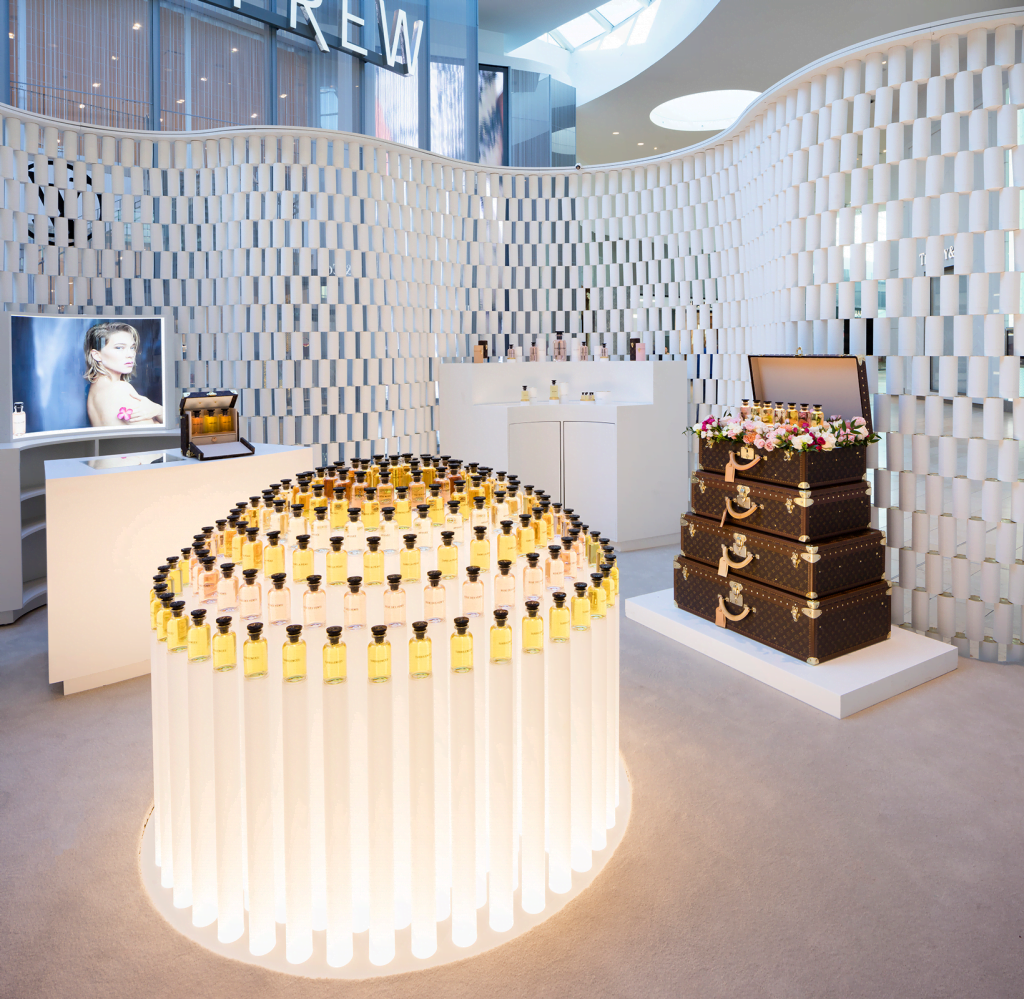
[Above: Les Parfums Louis Vuitton pop-up at Toronto’s Yorkdale Shopping Centre, open until March 18, 2018. The 460 sq ft space includes 2,995 white stacked paper tube packaging containers in its construction, housing 7 LV fragrances. Photo: Yorkdale]
[Above: Les Parfums Louis Vuitton pop-up at Toronto’s Yorkdale Shopping Centre, open until March 18, 2018. The 460 sq ft space includes 2,995 white stacked paper tube packaging containers in its construction, housing 7 LV fragrances. Photo: Yorkdale]
Pop-up tenants have the opportunity to lease for a few days, or a few months — it’s proving popular in beautiful downtown Oakville where pop-up go has already facilitated new tenants, and other landlords are also getting in on the game.
One of the biggest pop-up announcements of 2017 was CONCEPT at Toronto’s Yorkdale Shopping Centre. The 3,600 square foot concept space can house several tenants on a temporary basis, and according to landlord Oxford Properties, CONCEPT has been a runaway success. Oxford Properties is expanding its pop-up initiative into several other of its properties, including housing several temporary spaces at its Kingsway Mall property in Edmonton.
Landlord Cadillac Fairview has been hosting pop-ups in its malls for several years, with some formerly temporary tenants eventually signing long-term leases. This has been the case for other landlords as well.
“Pop-up retail is a great way for retailers to test out new concepts prior to committing to a long-term lease”, noted Hilary Kellar-Parsons, broker with Avison Young, who has been strategizing with some of the world’s top brands as they look to enter the Canadian market.
As popular malls add pop-up retail to the mix like never before, is the idea at risk of becoming so mainstream as to ‘fall out of fashion’? One analyst thinks that this is only the beginning for pop-up retail in Canada.
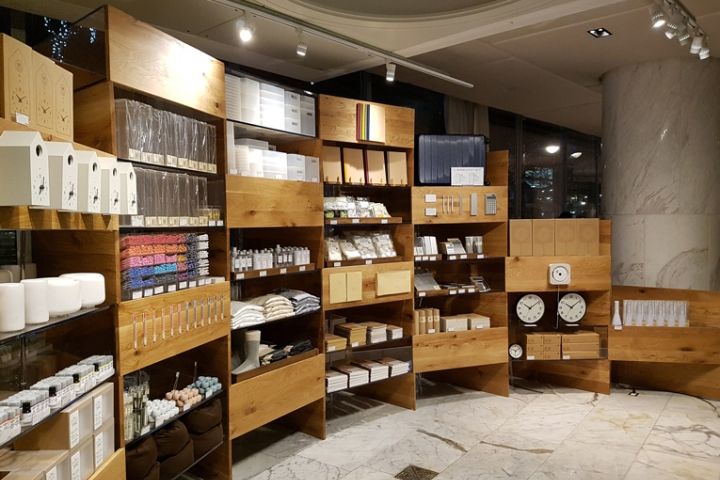
[MUJI pop-up in Vancouver in early 2017 — MUJI learned a lot about the vancouver consumer, prompting it to open larger stores than originally planned. Photo: http://retaildesignblog.net)
David Ian Gray, consultant and retail strategist/founder of DIG360, says that he thinks more retailers should be examining pop-up retail as part of their overall retail strategy. He noted how pop-up retail is now considerably more sophisticated than in the recent past, with landlords going out of their way to accommodate temporary tenants. “The phenomenon has been gaining traction over the past several years — pop-ups were originally intended for brands to engage with customers”, he noted, describing how retailers “quickly co-opted the idea, with considerable success”.
Last year, Mr. Gray predicted that 2018 would be ‘the year of the pop-up’ — a sentiment shared by pop-up go’s Ms. Farha and other key industry players. Pop-up spaces in malls, on urban street-fronts and even in department stores, are now more common than ever.
(Toronto-based footwear brand ‘zvelle’ launched as an e-commerce brand, and has since since operated pop-up spaces as part of its strategy. Photo: Zvelle)
Nordstrom, for example, has a constant pop-up rotation at its CF Toronto Eaton Centre (Toronto) and CF Pacific Centre (Vancouver) stores. Nordstrom’s latest pop-up includes a collaboration with fashion brand The North Face. Hudson’s Bay is adding pop-up retail at some of its downtown flagships, and Holt Renfrew continues to host temporary interactive installations that range from bicycles to pricey jewellery and accessories.
Some landlords, such as Joseph Gatto of Chestnut Park Realty, are embracing pop-up retail for their own street-front properties. Mr. Gatto owns 202 Queen Street West, which is now considered to be one of the hottest pop-up spaces in the city, having recently hosted pop-ups for Microsoft Xbox and Square, among others. While the ultimate goal is to find a permanent tenant, Mr. Gatto noted that owning a pop-up space can be dynamic as well as profitable.
[Above: Microsoft Xbox hosted a pop-up on November 18-20, 2017, at 202 Queen Street West, transforming the space into an immersive brand environment]
Another hot property that has recently hosted several notable pop-ups is Toronto’s 1056 Queen Street West, in a space located just west of Ossington Avenue. Last year, the building hosted several temporary retailers, including Daniel Caesar and Glossier, both of which were very popular.
Shopping Centres are getting in on the pop-up trend in a big way, with Mississauga’s Square One being a national leader in hosting various temporary installations. Square One became home to Swarovski’s first-ever ‘Sparkle Pop-Up’, and last week the mall hosted an innovative four-day bridal pop-up for “the edgy bride” with ideas and samples from over 16 vendors and Square One retailers. Next up for Square One are two unique initiatives — a Chinese New Year pop-up in the mall’s ‘luxury wing’ near Holt Renfrew that includes an interactive station where shoppers are able to learn about their Chinese Zodiac sign and what’s upcoming for them in 2018. There’s also the recent ‘Rethink Breast Cancer pop-up’ with a charitable theme — Rethink’s returning #8008135 campaign was a modern spin on a retro “hotline”, complete with a phone-booth that was intended to educate consumers about breast health through busting breast cancer myths and answering questions.
The world of retail is changing, the dynamics of online and physical channels are merging. As e-commerce gains prominence and consumers increasingly shift spending towards experiences, pop-up retail will continue to pop-up in Canada, possibly becoming a significant component of the industry. Whatever the future holds, it appears that the world of physical retail now includes lease terms that, time wise, are more variable than ever — and we’ll continue to report on pop-up retail in Canada as it continues to rapidly gain popularity.
The afternoon of March 9 includes the annual innovation award, which is this year being presented to INDOCHINO President and CEO, Drew Green. Last year’s recipient was Toni Galli, Country Manager for H&M. The afternoon ends with networking opportunities for students and professionals, including ‘speed networking’.
The University of Alberta School of Retailing boasts some of the country’s brightest students, who are also keen on making a career out of being involved in the broader retail industry. Conference attendees will have the opportunity to meet some students, who could potentially be hired to become key employees.
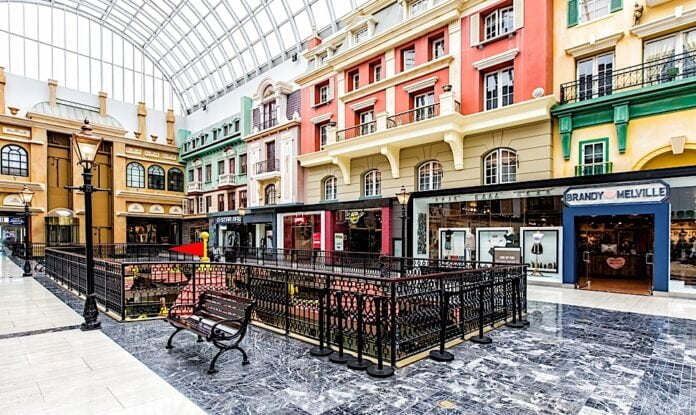
On Thursday, March 8, there’s also the opportunity to tour West Edmonton Mall with Retail Insider’s founder and Editor-in-Chief, Craig Patterson. He’ll provide insight into how the centre has been an innovator in the concept of ’retail-tainment’, which is considered critical to make physical retail work in an age of technology and e-commerce. Patterson also authored Retail Council of Canada’s 2016 and 2017 Shopping Centre Studies, which ranked Canada’s top malls and also identified key trends in successful centres.
There are also sponsorship opportunities still available, and sponsors will be recognized both at the conference as well as in the press. Current sponsors include SnapPay, RBC Royal Bank and West Edmonton Mall.
Tickets are available for purchase [BUY TICKETS] and for more information: tlc18.ca.
A New-Zealand-based e-commerce brand that specializes in activewear for new moms, called Cadenshae, has expanded into the Canadian market, and strong demand for the company’s niche clothing is driving rapid growth in sales.
Cadenshae, a family-run company founded by wife-and-husband team Nikki and Adam Clarke, sells activewear designed specifically for nursing mothers and expectant moms.
Adam and Nikki Clarke (and family).
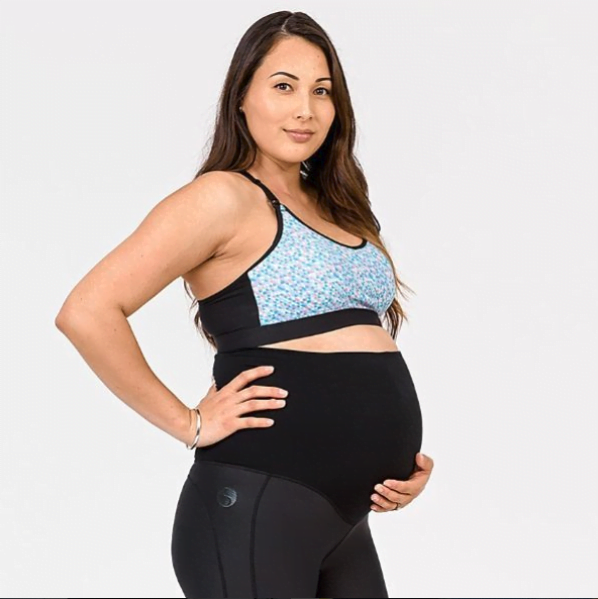
The brand offers a wide selection of bras, tank tops, t-shirts and sweatshirts that allow for easy breastfeeding, thanks to drop-down cups and zippers that open and close. Cadenshae also offers maternity wear such as leggings. The collection includes items that are designed for a wide range of activities, from high impact cardio to yoga, or simply lounging around the house.
“We’ve made things that cover all of the different activities moms would be doing,” Nikki says. “Moms want to be comfortable, they want to be able to breastfeed easily, and they want to look good and feel good.”
All of the merchandise is made from high quality materials, and is designed to last a long time, she adds. “We want to have really good, high quality pieces – staple pieces that you’ll hold onto for a long time and get a lot of use out of them.”
Nikki and Adam, who are parents of three with a fourth child due this spring, were both working as personal trainers when they started their family. Nikki came up with the idea for Cadenshae after having her first child, when she encountered difficulty finding clothes suitable for exercising as well as breastfeeding.
“I found it impossible to get dressed to go to work everyday,” she says. “Being at the gym and being active myself, there were no clothes on the market that were functional and stylish, as well as being able to breastfeed in them. I figured if I was having this problem, there must be so many other women who are having this problem as well.”
Cadenshae launched its global e-commerce website three years ago, and the company’s products quickly gained popularity – not only in New Zealand and neighbouring Australia, but in markets around the world. Canada was one of the top markets for the products, according to Nikki.
“There’s nothing like it in the market in Canada,” she says. “We found that when Canadian moms got their hands on some of our clothes, they just loved it. They could not rave about it enough. So, we thought we have to make it more accessible to them.”
Last year, the company established a Canadian warehouse in order to develop a local presence in the Canadian market. That enables Canadian customers to have merchandise shipped from within Canada, resulting in much faster delivery, along with free shipping and free returns. The expansion also created a local customer service presence within Canada – a factor that is central to Cadenshae’s business model.
“Having that on-the-ground contact makes for a much better customer service experience,” Nikki says. Since many customers are new to the brand and may be unsure about how the products fit, having a service team available to answer questions and facilitate exchanges is important, she says.
“We’re a family-run brand, and our customers are everything to us,” she says. “Providing the total Cadenshae experience from start to finish is paramount to us.”
The result of the expansion has been a surge in sales in the Canadian market. “By having it warehoused and having it shipped from within Canada, it’s gone crazy,” Nikki says. “We’re getting so many good reviews, and people are loving it.”
The Clarkes hope to eventually establish a local presence in other global markets, as well. “Our long-term vision is to be available to moms easily worldwide,” Nikki says.
Once the brand has become more established, both in Canada and other parts of the world, the Clarkes hope to establish physical locations that could serve as meeting places for their customers, potentially even with fitness classes and other activities available for customers.
“At some stage in the future, it would be really cool to have a place where moms could go – a place where they could have a cup of coffee, sit and relax,” Nikki says.
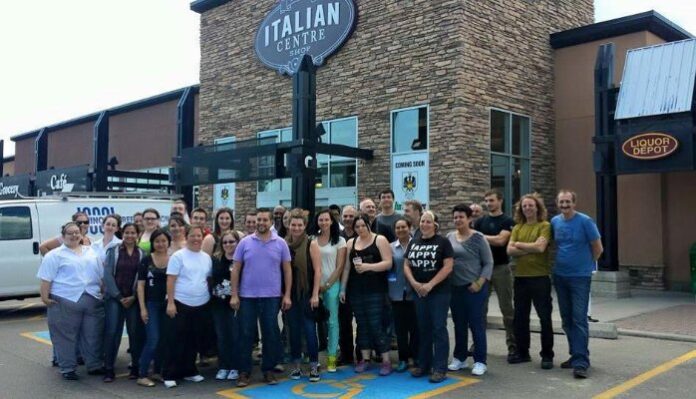
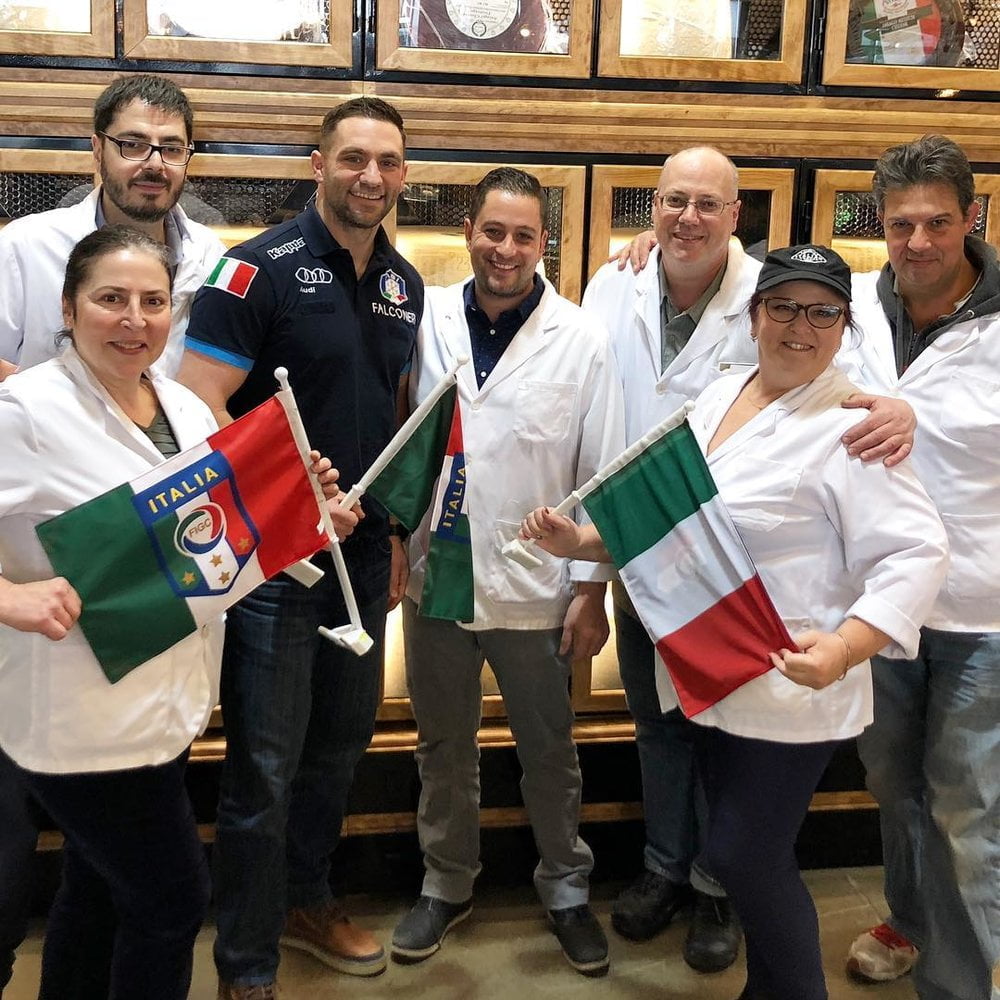
Edmonton-based Italian Centre Shop is building on its burgeoning success and looking to expand its operations.
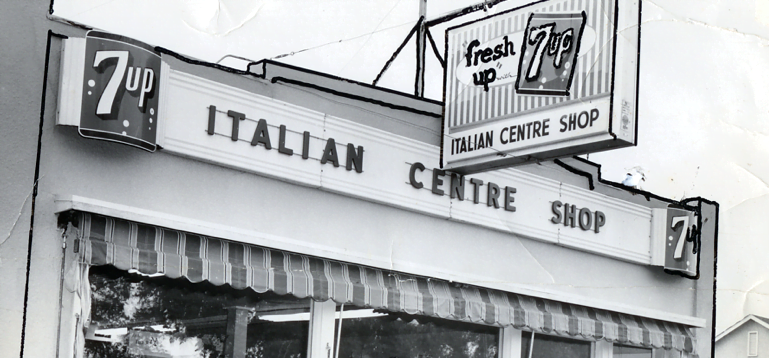
The company, with three stores in Edmonton, opened its first location in the city in 1959 and followed that up with its south store in 2006 and then the west store in 2013. It expanded to Calgary in 2015.
Teresa Spinelli, owner of the grocery store, told Retail Insider that the company is contemplating a second and possible third location in Calgary, another one in Edmonton as well as entering into the Saskatchewan market, particularly in Saskatoon.
Image: Italian Centre Shop
“We’re growing quite quickly. We are on the list of Canada’s fastest growing companies,” said Spinelli. “When I took over in 2000, our sales were $8 million and we had 30 employees and now 17 years later we’re at $65 million in sales and 509 employees. So we’ve grown quite a lot in a short span.
“We’re still hoping to grow. We’re hoping to open our second location in Calgary and God willing hopefully a third one. We’re looking at Saskatchewan right now. We’re looking at a smaller footprint here in Edmonton and Sherwood Park (a suburb of Edmonton). So we’re always looking at great opportunities because we think what we do is a little bit different than what everybody else does. I don’t know what that is but whatever it is it really seems to work.”
In terms of expansion, the key is finding the right footprint and the right people to run a store in these different locations.
“I think we’re successful because of our people,” said Spinelli. “We’ve got really, really great employees. My employees really connect with our customers and my cashiers know the customers’ names, they know if they’ve got kids, at the the deli they know what their favourite meat is. They’re very connected to our customers and I think that really makes us successful.
“And we really try to provide a great experience – a really great cultural experience.”
The store’s history begins in 1951 when Frank Spinelli left southern Italy for the silver mines in the Yukon.
In 1959, Spinelli started selling Italian magazines, pop and chocolate in Edmonton.
Image: Italian Centre Shop
“Soon the ever-growing local Italian population floods him with requests for all kinds of home-grown Italian favourites,” says a history of the company on its website.
In 1964, Spinelli became famous in Alberta for leading a lobby to legalize homemade wine. The law changed in 1964, the same year he took over full ownership of the Italian Centre Shop. That legislation was a boost for business as the store became the biggest supplier of grapes and wine-making equipment in Western Canada.
In the 1970s and 1980s, the Italian Centre Shop “becomes much more than a grocery store. A gathering place for churchgoers on Sundays and for the young men who enjoy sharing meals and card games with Frank Spinelli.”
Frank Spinelli passed away from cancer in 2000 and it was then that daughter Teresa took over the family business.
A new 2017 study from retail consulting firm HRC Advisory provides groundbreaking insight into how online sales are eating into retailer profits, and how Canadian retailers should be trying to mitigate this effect as e-commerce becomes a larger component of their businesses. According to HRC’s CEO, Antony Karabus, Canadian retailers still have time to avoid this situation that is already affecting numerous U.S. retailers.
The HRC Advisory study analyzed sales revenues for 37 of Canada’s top retailers, examining growth and share of online versus brick-and-mortar retail sales. The study found that between 2011 and 2017, while online sales were growing substantially for the vast majority of retailers, many of the same retailers experienced flat to modestly declining sales in their brick-and-mortar stores over the same period.
In some instances, the numbers were profound. The study specifically found that for luxury and department store chains, the aggregate brick and mortar sales growth rate has been at negative 1% since 2011, with sales per store declining by 2.5%. To contrast, aggregate online sales for the same group grew by 178% since 2011, reaching 16.6% of total company sales in 2017 versus 6.5% in 2011. The significant online growth barely compensated for the decline in aggregate brick and mortar sales over the same period, as in-store sales still comprise the lion’s share of total sales, being 83.5% of total sales in 2017 (versus 93.5% in 2011). For 22 Canadian specialty apparel and beauty chains, the aggregate increase in brick and mortar sales was an anemic 3% since 2011, with sales per store declining by 5% over this period. Online sales for this group of retailers grew by 59% since 2011, reaching 17% of total company sales in 2017 versus 11.8% in 2011.
In addition to this financial research, Mr. Karabus interviewed 15 Canadian Retail CEOs and CFOs to better understand the impact of e-commerce on operating earnings. Mr. Karabus determined that EBITDA (earnings before interest, tax, depreciation and amortization) as a percent of total sales have declined 25% percent or more for many retailers – due entirely to the combined impact of the channel shift from in-store to online sales, the high additional investments that retailers have been making to enable e-commerce and omni-channel capabilities and the much higher variable cost of servicing, completing and fulfilling e-commerce transactions.
Article Continued Below:
In terms of e-commerce maturity and penetration, Canada is about two to three years behind the United States, according to Mr. Karabus, who led this significant HRC Advisory study. Having the foresight of what is happening south of the border is an advantage to Canadian retailers, Mr. Karabus noted, and he suggested solutions best suited to this market.
Given Canada’s generally sparse population density and large geographic area, the cost of fulfilling product ordered online to customer homes can be extremely expensive. Mr. Karabus therefore suggests that Canadian retailers focus omni-channel endeavours into the realm of click-and-collect, for several reasons. Besides the cost savings and efficiencies of shipping to stores for pickup, click-and-collect sees fewer returns (because the consumer can examine goods at pickup and cancel the sale while in the store if they choose to), increased engagement/relationship building with store employees, instant consumer gratification, and the opportunity to suggest a further purchase while the consumer is in-store. Picking up product is also more convenient for busy households that might not otherwise be home at the time of delivery.
The study also notes that in the United States, the rate of growth for e-commerce after a number of years of very high growth is now de-escalating — for all sectors studied, online sales growth dropped to 10.4% in 2017 from 16.3% in 2012. Although many Canadian retailers continue to see double-digit growth in online sales volume, Mr. Karabus is of the opinion that the online growth rates will naturally peak and start declining in the same way in 2-3 years’ time as has already occurred south of the border.
As part of the report, HRC Advisory made five recommendations for retailers to mitigate potential negative consequences of e-commerce on retailers:
1) Maximize the value of their local assets — which is a huge advantage over Amazon and the pure play online retailers.
2) Re-calibrate their store fleet footprints and close or re-purpose weaker locations and outlets to provide additional fulfillment assets, thereby increasing their productivity and lowering variable costs.
3) Objectively examine store and support infrastructure costs and make informed choices as to where and how and when to invest in digital and brick and mortar channels.
4) Re-examine breadth and depth of free shipping and return policies. Do not try to beat Amazon at its own game, and
5) Fine-tune price-matching policies to reduce negative impact on gross margins without losing the sale.
Furthermore, Mr. Karabus says that strong Canadian retailers can utilize click-and-collect to drive increases in market share. Leading Canadian retailers which are performing extremely well, may be able to increase market share from weaker competitors as they further drive new and existing consumers to stores through online channels and in-store pickup, he said.
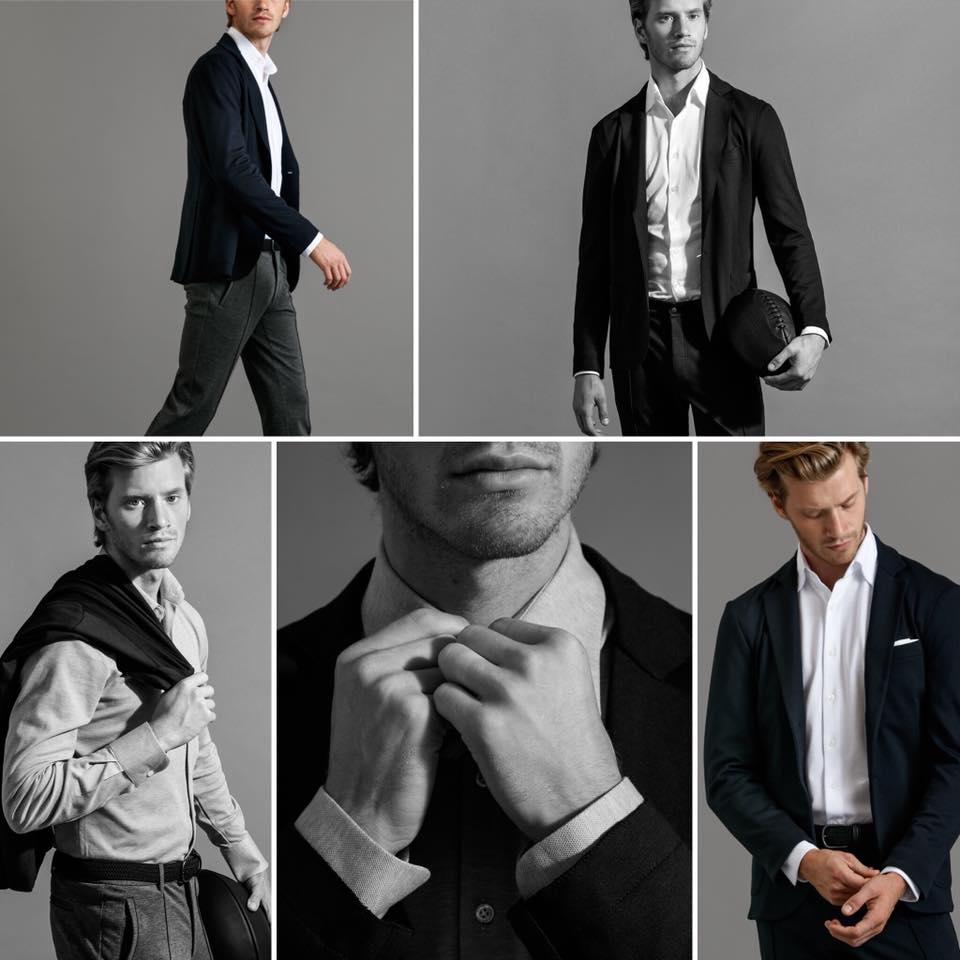
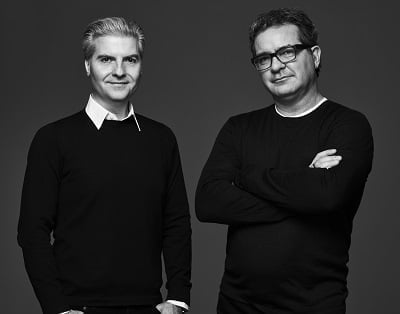
A new technical apparel men’s brand has launched in Canada that could revolutionize the menswear industry. Called Ædelhard, the brand is a partnership with former Lululemon/Kit and Ace exec Darrell Kopke and Michael Nguyen, the renowned bespoke tailor behind Toronto’s Garrison Bespoke.
Michael Nguyen – Founder at Garrison Bespoke
Darrell Kopke – Founder and CEO at Ædelhard Sport Culture Inc. Darrell Kopke – Founder and CEO
The Ædelhard brand is headquartered in Vancouver, and it’s seeking out selected retailers in Canada to carry the line. Mr. Kopke revealed that he’s in discussions with several prominent multi-brand retailers doing business in Canada to carry the line, which has a refreshing simplicity as well as a messaging of respect, rooted in the sport of rugby.
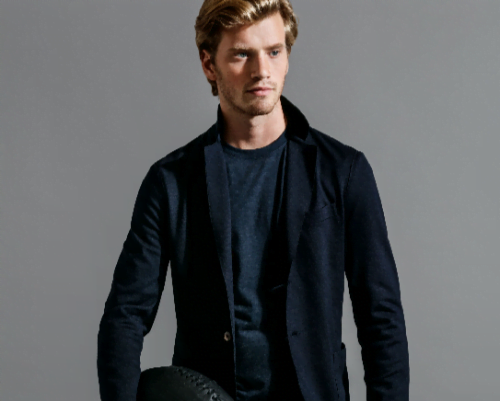
Ædelhard says that it aims to solve the problem of ill-fitting, uncomfortable business attire, and it appears to have solved it well. The brand currently features a selection of separates that can be mixed-and-matched with ease — Mr. Kopke wore a suit that he explained felt like a sweatsuit, and has been tested in the gym. Aedelhard applied bespoke tailoring to technical stretch fabrics to make the “world’s most comfortable suit”.
The line includes suit jackets, trousers, shirts and accessories, at a contemporary price point that makes it accessible to many. On its website, prices are in US dollars, with its performance blazer priced at $399, performance trousers at $149, oxford shirts at $119, and toques, priced at $39. Ædelhard also sells rugby kits including high quality duffle bags, water bottles, umbrellas, and even first aid kits.
The Ædelhard brand is rooted in rugby culture, which is known to embody civility, respect, and inclusivity. ‘The world needs more rugby”, said Mr. Kopke, who’s line even includes high-quality, attractive branded leather rugby balls that can be used for sport, or for display purposes (priced at USD $199 each).
Mr. Kopke partnered with Michael Nguyen of Toronto’s Garrison Bespoke, and for good reason — Garrison Bespoke is known for creating custom suits for some of the world’s best-known athletes and celebrities — NBA star LeBron James, actor Ryan Gosling and rapper Drake are known to wear Nguyen’s suiting.
Rugby culture and athletics transcend into the brand’s design — Mr. Nguyen, who is Ædelhard’s head designer, uses body mapping to ensure the Ædelhard silhouette fits perfectly on a more athletic build, while offering exceptional movement and comfort. It packs well and doesn’t wrinkle much, meaning it’s also great to pack for traveling.
The line even has a charitable component, and a goal — Ædelhard supports youth rugby by donating 2% of its sales through programs to promote the sport, with a goal of making rugby one of America’s top five sports by the year 2022.
Mr. Kopke says that Ædelhard could operate its own standalone stores some day, though the company is starting out with wholesaling in other retailers. He noted that Ædelhard would only open stores in selected markets if at all, in order to keep the line exclusive as well as to be respectful to its wholesale partners.
Ædelhard could be the next big thing in menswear, and it’s Canadian. The collection can be viewed at Ædelhard’s new website: aedelhard.com.
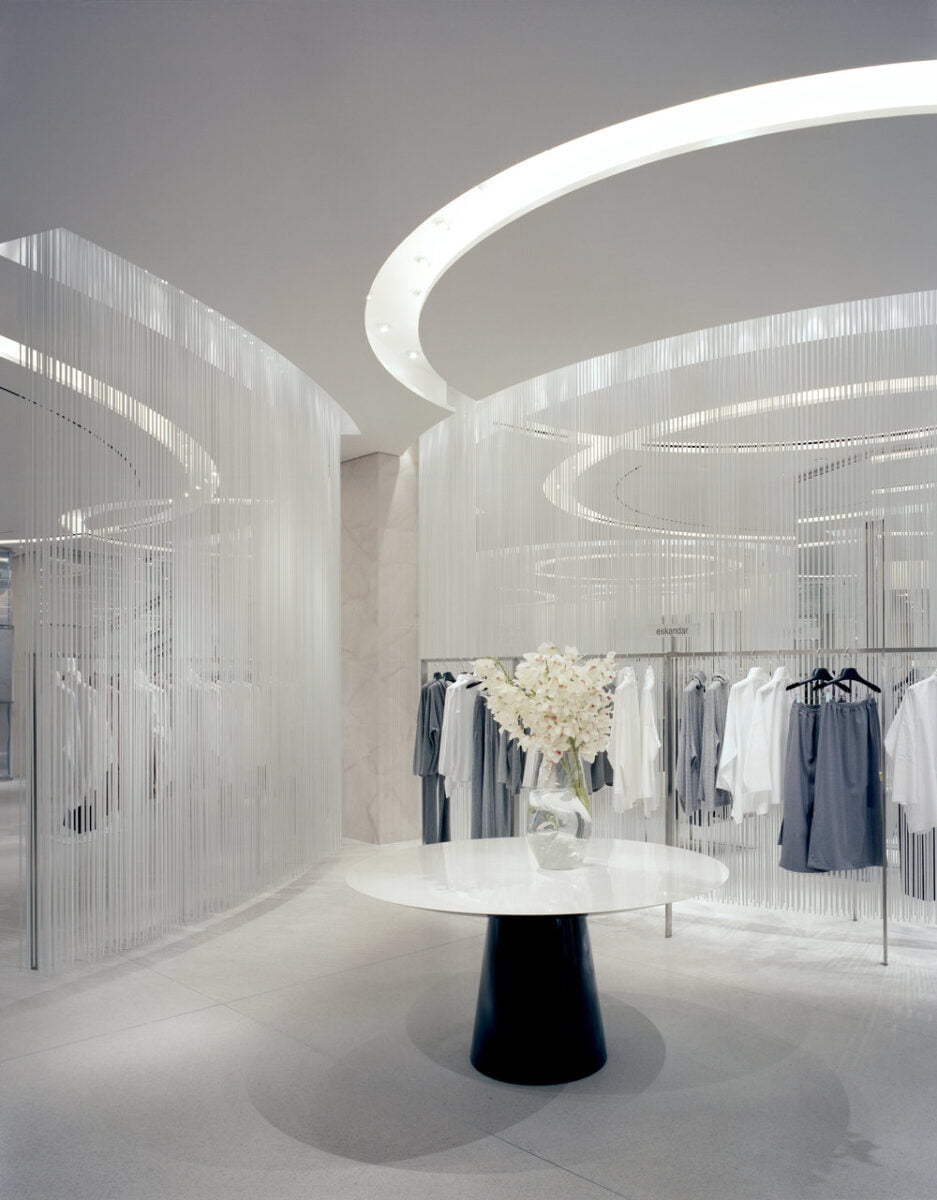
When retailers are looking to establish a unique store experience for their customers, it’s no coincidence that they contact Burdifilek.
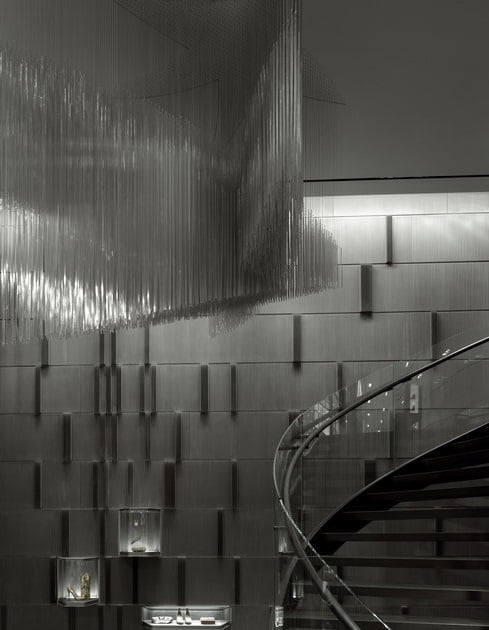
Recognized as one of the leading interior design firms, Burdifilek is the mastermind behind some of the most beautiful retail concepts. The Toronto-based studio leads at the forefront of design, bringing an unwavering point of view to creative projects for brands around the world.
“It’s nostalgic to look back on 25 years. In our early days, we spent our meetings educating clients on design and how its impact could change a brand’s trajectory. Design awareness is now ingrained into every aspect of our lives,” says Paul Filek, Managing Partner, who founded the company with Diego Burdi, the studio’s Creative Partner.
Filek and Burdi first connected during their studies at the Ryerson School of Interior Design, yet the decision to launch a studio came during the most unlikely time – during the height of a recession in 1993. Today, the studio of 35 employees has garnered over 150 notable industry awards along the way for their portfolio of work.
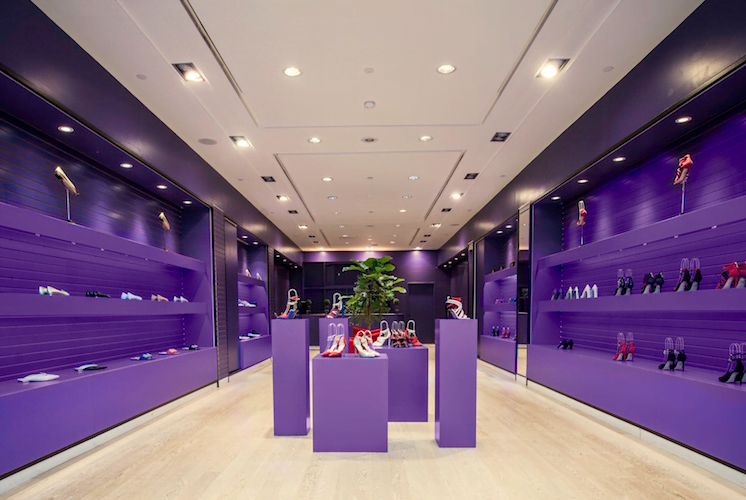
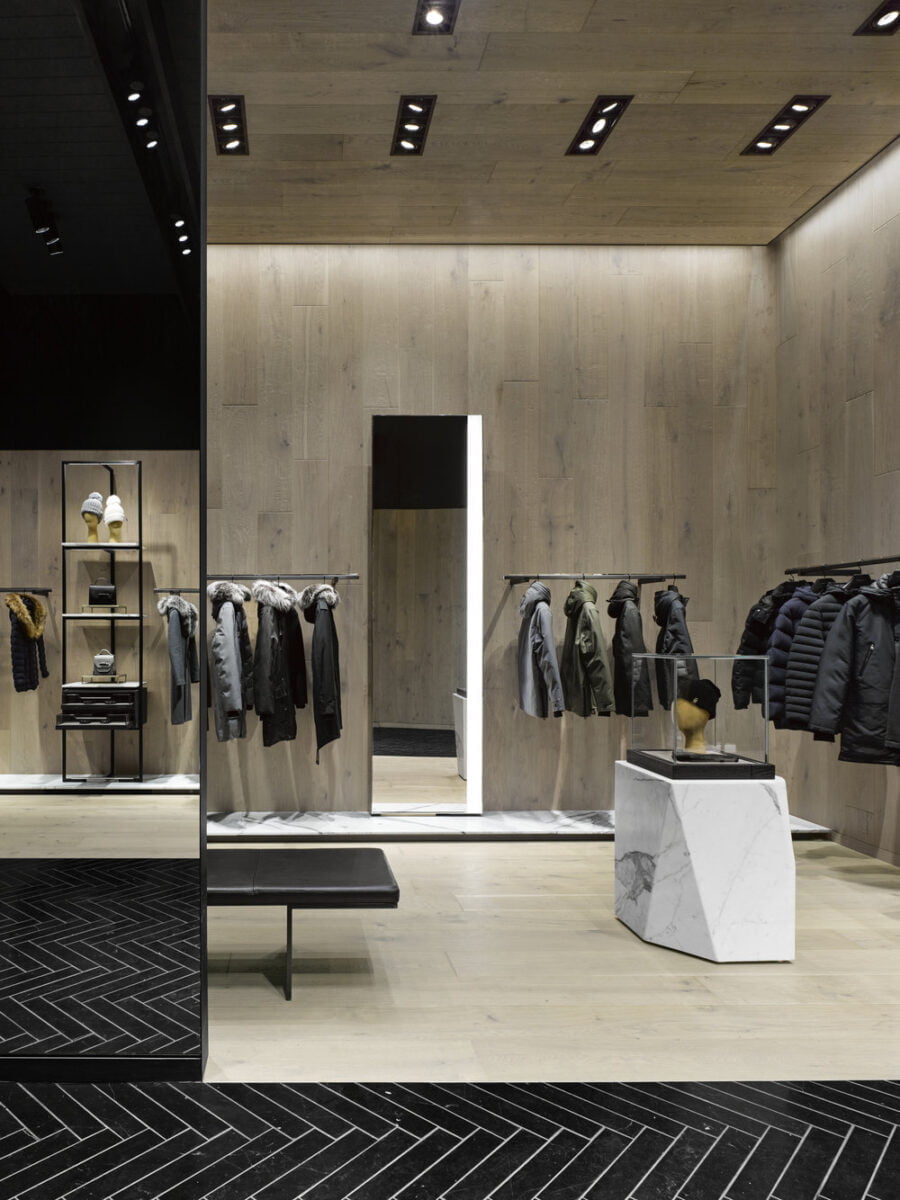
(HOLT RENFREW, 50 BLOOR ST. W., TORONTO. PHOTO: BEN RAHN, A-FRAME STUDIO)(JEWELLERY HALL AT HOLT RENFREW, 50 BLOOR ST. W. IN TORONTO. PHOTO: BEN RAHN, A-FRAME STUDIO)
“Retail is exciting because it is never complacent. The speed of change has kept us on our toes since day one,” says Burdi, having worked with clients that range from specialty brands like Mackage, Indigo, Hopson Grace, and Club Monaco, to department stores like Holt Renfrew, Neiman Marcus, and The Galleria in Seoul, South Korea.
“We have partnered with a diverse range of brands over the years, but one brand conversation that remains constant is a brand’s desire to be memorable. It’s our job to design a space that stands out above all the other noise and leaves a lasting impact on the consumer. Our projects celebrate the individuality and uniqueness of each brand story,” says Filek.
The physical stores, he says, now become a natural progression of the brand’s platform – whether it’s online or offline.
“A strong, consistent point of view is what will set a brand apart,” advises Filek, as retailers navigate an increasingly competitive landscape.
(DAVID’S SHOES AT 66 BLOOR ST. W. IN TORONTO. PHOTO: BEN RAHN, A-FRAME STUDIO) (MACKAGE STORE: BURDIFILEK WON A SIGNIFICANT AWARD FOR ITS DESIGN LAST YEAR. PHOTO: BEN RAHN, A-FRAME STUDIO) (THE GALLERIA DEPARTMENT STORE SEOUL: LUXURY HALL WEST.PHOTO: BEN RAHN, A-FRAME STUDIO)
“We’ve all become very accustomed and well-seasoned with discovering new brands through a digital screen, but the digital experience is very one-dimensional. In a physical space, the emotional connection a consumer can develop with the brand is that much deeper – consumers appreciate the thoughtfulness of a beautifully appointed, well-considered experience.”
It comes as no surprise to both Burdi and Filek when they witness firsthand how effectively consumers connect to a brand’s values through a physical space: “Physical stores have always been the most engaging platform to romance consumers. This was true 25 years ago, and it remains true today. 25 years from now, stores will still be relevant.”
Toronto-based market research firm BrandSpark International has announced its 2017 ‘Most Trusted Awards‘ winners for Canadian Online Retail. The results were ranked based on the greatest volume of mentions from survey participants.
Survey participants named the online retailers that they consider their Most Trusted in 12 household and personal shopping categories. Listed below are the national winners:
Below is an expanded list that includes the top 3 winners in each category:
The BrandSpark Most Trusted Awards recently announced results for 150 consumer packaged goods product categories and 16 retail store categories. Last year, we profiled BrandSpark’s retail store category study which ranked Canada’s most trusted retailers.
Robert Levy, President and CEO of BrandSpark International, said: “Seven in 10 Canadians identify themselves as online shoppers. They want to find great prices on the brands they trust, discover exciting new products, and demand an intuitive shopping experience and lightning fast service. Now shoppers can find out which online retailers were voted most trusted by other shoppers in a national survey.” He went on to say, “The annual BrandSpark Most Trusted Awards honours the retail and product brands that Canadians trust most, those they would recommend to friends and neighbours.”
The study also discusses how brands build and maintain trust, by consistently strong value (often driven by low prices or high-value promotions), a strong selection of quality products, and a consistent and convenient shopping experience. This is at least as true for online retailers as for brick-and-mortar, though online price competition can be even fiercer, and out-of-stock issues can be even more damaging, according to the study.
Consumer reviews play a key role online, with six in 10 shoppers saying they regularly look at reviews to support their purchasing decisions. Mr. Levy said: “When real problems arise with products or the shopping experience, it is important that retail and other brands react transparently and quickly to take responsibility and address the issue. The best e-commerce retailers have greatly overcome the limitations of a lack of physical stores by providing no-hassle returns and other service”.
Overall, the big winner across several categories is Amazon, which may be of concern to some homegrown retailers. The study recognized Amazon as being trusted by the most shoppers for books, toys & games, and housewares/kitchenware. Amazon also tied with other major national retailers in diverse categories including electronics and personal care. “Amazon has created its own eco-system for shoppers, who can purchase electronics alongside household items or even food products, receive personalized recommendations backed up by extensive consumer reviews, and receive their products quickly with free shipping,” said Mr. Levy. “They have set the tone for e-commerce retail, but major retailers like Walmart and Best Buy have also created sophisticated e-commerce platforms, and other online-only retailers like Well.ca are carving out their own spaces.”