Home Blog Page 1232

Saying Goodbye to Sears Canada

exc-5a5ac4d653450afad282c943

By Randy Harris, President of Trendex North America 

The two most important developments for Canadian apparel retailing to date this decade has been the: 

1. Invasion of foreign apparel retailers, and
2. The death of Sears Canada. 

Readers are undoubtedly fed up with reading about Sears Canada’s demise (FYI, I am also similarly tired of writing about it). Nevertheless, I feel compelled to offer a eulogy for the company. 

Sears Canada was a retailer that over the long-term earned the respect and affection of many Canadian households. It was viewed as a good corporate citizen whose products and services could be trusted by Canada’s middle class. As such, it is with a note of sadness that its passing is acknowledged. 

The death of Sears Canada was not a foregone certainty… 

  • Yes, department stores are struggling worldwide, yet in many cases it’s because they operated too many outlets,
  • Yes, many apparel retailers positioned in the middle of the market are struggling, yet many including Marks and La Maison Simons are not,
  • Yes, Sears Canada was late to ramp up its e-commerce business, yet e-commerce today counts for only 2%-4% of most Canadian retailer’s sales. 

The two reasons for Sears Canada’s death were the greed/short sightedness of its principal shareholder and the seemingly incompetence of a series of Sears Canada’s CEO’s.

For over ten years, Eddie Lambert and his hedge fund were the primary stockholders of Sears Canada. In that position, Mr. Lambert was able to “call the shots” as when a number of Sears Canada’s primary locations were sold. Instead of Sears Canada reinvesting the sale proceeds back in the company, the monies were paid out in special stockholder dividends, totally in excess of C$1 billion. In addition, quarterly dividends, which should have been cut in light of the company’s deteriorating position, were maintained at unsustainable levels.  

Without a doubt, Sears Canada’s former CEO Mark Cohen, who was fired in 2004 by Mr. Lambert over “strategic differences,” recently spoke the truth when he said, “Lampert has no strategy to make the company (i.e. Sears Canada) profitable…Sears is like an ATM machine for Lampert, he has his hands on it. Eddie Lambert is either dishonest, delusional and disingenuous, or some combination of the three.” To that, this I say, “Amen!” 

Mark Cohen’s departure was followed in quick succession by six CEOs. Each one suffered from three shortcomings. The first involved their inability, with the exception of Calvin McDonald, to articulate where they saw Sears Canada being positioned in an ever changing retail market. The second and third reasons were interrelated as the CEO’s were not given either the needed funds or the authority to make the changes required to make Sears Canada competitive.   

Finally we come to Sears Canada’s last CEO, Branden Stranzl, who in his infinite wisdom, hid from the Sears Board the hiring of his wife as Chief Marketing Advisor. However, in retrospect that decision should not have come as a surprise, given his “quixotic” reputation among Sears Canada’s management team.  
While the “ship” was increasingly taking on water, Mr. Stranzl squandered the retailer’s remaining time and re-sources on at least four highly questionable initiatives, in-cluding: 

  • Designing a new corporate logo,
  • Creating a Sears pop-up shop in Toronto’s trendy Queen Street area,
  • Eliminating three of the country’s best known private label apparel brands, and
  • Making plans to compete with both Loblaws and Walmart by selling groceries.

It’s no wonder that while the retailer was almost comatose, Sears Canada’s last CEO lacked the gravitas to put together a deal that would have saved the company. 

This eulogy concludes with my offering Sears Canada’s employees, pensioners, suppliers, shareholders and loyal customers its condolences, as this retailers passing was without a doubt preventable. 

Final note re: the Canadian business press and Sears Canada: 

In retrospect, one other group that must be called out for either negligence or complacency when it came to Sears Canada’s demise, is the country’s business press, who dutifully regurgitated Sears’ quarterly earning press releases with only minimal any in-depth analysis or commentary. The same journalists conducted fawning interviews with the never ending parade of new Sears CEOs without either asking tough questions during the interview or coming back later to find out why the glowing initial plans described by each new CEO never came to fruition. It’s obvious that Canada’s business press, with a few exceptions (e.g. Hollie’s Shaw’s first class article regarding Brandon Stranzl’s wife) were reluctant to question why Sears CEO’s kept “moving the goalposts.” 

*Article is taken from Trendex’s monthly Newsletter available at http://www.trendexna.com/can-apparel-insights

Randy Harris is president and owner of Trendex North America, Inc., one of North America’s largest marketing research and consulting firms specializing in the Canadian and Mexican apparel markets.  As owner of this Toledo, Ohio based company; his area of specialization is the NAFTA apparel market. Follow Trendex North America, Inc. on Twitter at @Trendexnainfo

This article appeared earlier this month in Canadian Apparel Insights, a monthly publication by Trendex North America. For more information and to subscribe, visit the Trendex website.

Photos of the Day: Sears Canada Closes Remaining Stores

exc-5a5be48ce4966b7d9bf2c265

Today’s photos are of the Sears store at North Vancouver’s Capilano Mall, which was one of only a few Sears stores remaining in Canada when it closed on Sunday, January 14. Most of Sears Canada’s stores shuttered a week ago or more. 

Sears Canada began in 1952 as Simpsons-Sears, which was as a joint venture between the Canadian Simpsons department store chain and the U.S. Sears chain, which also operated a mail order business. The joint venture was dismantled after the Hudson’s Bay Company bought Simpsons in 1978, resulting in Sears dropping the Simpsons name. Until recently, Sears Canada operated stores coast-to-coast ranging from large department stores to smaller pick-up and service centres. 

This week, we’ll be reporting on Sears Canada’s demise, including interviewing experts to discuss its real estate and job losses — Sears will no doubt be an ongoing story as landlords repurpose store real estate, and retail workers seek positions elsewhere. In the meantime, there are several interesting articles on Sears Canada in the news, including the following: 

–Final Sears Canada stores shuttered for good (CBC) 

–‘I’m sorry to see you go’: Shoppers bid farewell to Sears as the doors close for good (Toronto Star) 

–Jen Gerson: Sears Canada’s legacy: private profits and socialized losses (National Post) 

A picture is worth a thousand words, as they say, so we’ll generally be brief with our new ‘photo of the day’ series that we’re launching this week. Several exceptional publications already do this (including one of our favourites, Urban Toronto) and we’re now also doing this as a way to build further engagement on our site as well as across our social media channels. Photos were taken by  Lee Rivett, who lives in West Vancouver. And while we may typically only include one photo in a ‘photo of the day’ post, Mr. Rivett provided several photos and also created the video of the Capilano Mall Sears store that can be viewed directly below. 

Mr. Rivett noted that in the photos above, taken Sunday January 14, discounts were advertised at 80-90% off. On Saturday, signage indicated sales generally 70-80% off, with some more photos below. 

If you have a photo you’d like featured, feel free to tag us on Instagram @Retail_Insider_Canada or email directly to Retail Insider’s Editor-in-Chief, Craig Patterson, at: craig@retail-insider.com. 

Taiwanese Fashion Brand to Open 1st Canadian Store this Spring

exc-5a49c53271c10bd7b342f143

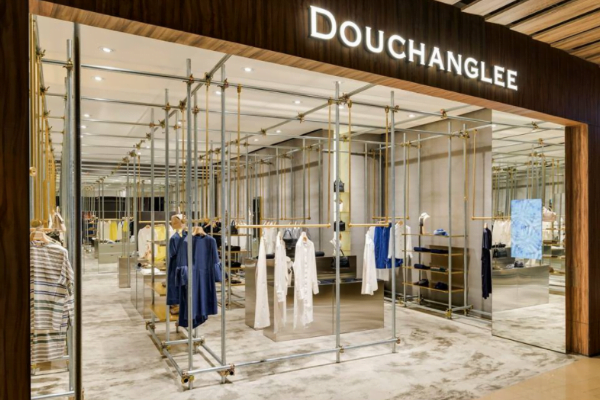
Taiwanese fashion brand DOUCHANGLEE will open its first Canadian location at West Vancouver’s Park Royal in March of this year. If all goes well, it could be the first of multiple Canadian stores.

DOUCHANGLEE currently operates several stores throughout Taiwan (5 boutiques, 9 department store ‘corners’ and 4 franchises), and will soon open in Paris, France. Canada is also part of the company’s international growth plan that is launching this year. 

Canadian licensee Jack Wang explained how he wanted to bring DOUCHANGLEE to Canada after encouragement from his wife, who is a fan of the brand. He said that she found it challenging to find clothing from other brands in the Lower Mainland with a similar fit, quality and styling, prompting the entrepreneur to strike a deal with Taiwan’s DOUCHANGLEE to enter the Canadian market. 

It helped that Mr. Wang and his family are friends with DOUCHANGLEE’s husband-wife design team, Dou Teng-huang and Zhang Li Yu-jing, who started the brand in 1995 (the name DOUCHANGLEE is a modified combination of their names). The designers graduated from the Department of Fashion Design at Taipei Shijiazhuang University in 1991 and during their studies, they won the first prize of the “4th ROC Fashion Design Newcomer Award” for Taiwan’s design industry. Plenty of other design awards followed. 

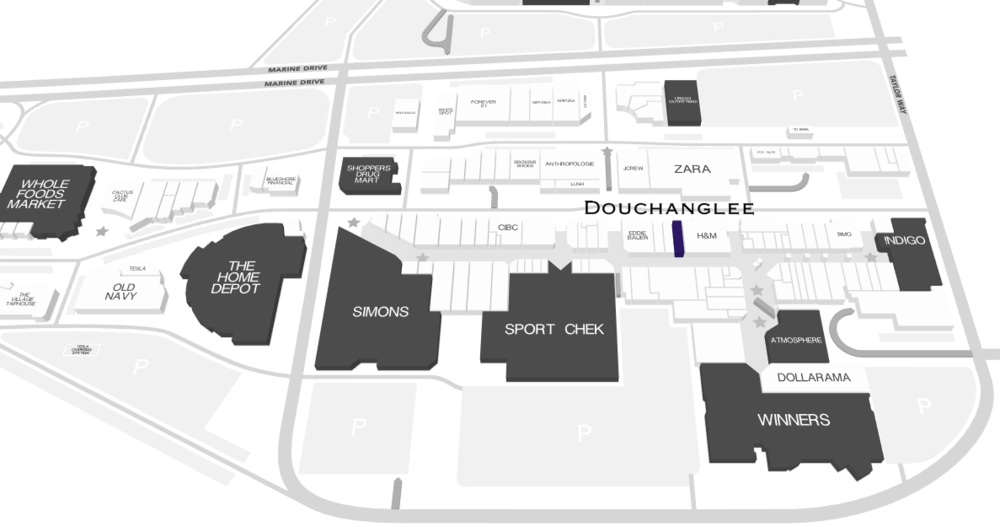
DOUCHANGLEE designs women’s and men’s collections, and the Park Royal store will initially focus on womenswear. Prices are in the ‘contemporary’ price-point, along the same lines as Michael Kors and Kate Spade. The Park Royal store will span about 2,450 square feet on the ground level of Park Royal South, next to the recently relocated H&M. 

The designers and models at a runway show.

Mr. Wang says that the Park Royal store could be the first of multiple locations for DOUCHANGLEE in Canada, though no other stores are currently in the works. The West Vancouver store will act as a test for future Canadian stores if the brand takes off, and he says he’s confident that locals will come to value the Taiwanese brand’s design and overall value proposition. 

Will ALDI and Lidl Enter Canada and Disrupt the Grocery Industry? 

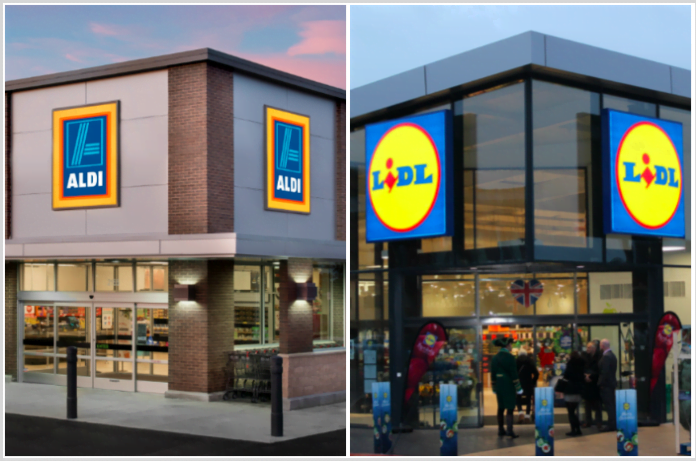
ALDI and LIDL storefronts

Amazon’s purchase of Whole Foods has stolen all the industry headlines over the past few months. The blockbuster deal has competitors, analysts and consultants making bold predictions on where, when and how consumers will buy their food in the years ahead. However, one grocery story in recent months that hasn’t gotten a lot of press is the arrival to the United States of German hard discounter Lidl.

In June, it opened 10 stores along the east coast, has plans for 80 stores by the middle of 2018, and is on its way to establishing more than 600 locations in the next few years. Another German hard discounter, Aldi, has been in the United States for several years, with 1,600 stores. It has plans in place to spend $1.6 billion to expand and remodel 1,300 stores as well as to open an additional 400 stores by the end of 2018.

So, what’s the big deal? What’s the threat? The answer is quite simple. Between 2003 and 2013, Lidl and Aldi have grown to 20,000 stores in Europe from 8,000. In Germany, the two have about 50 per cent market share. In the UK, they continue to experience double-digit same-store sales growth. It is amazing how fast these two discounters have grown in such a short period of time. Over the past 40 years, Lidl has gone from zero stores to 10,000 in 26 European markets, with $84 billion in sales.

IMAGE CREDIT: DREAMSTIME.COM

What does this all mean for Canada? 

There has been no formal announcement from either company that it will be launching in Canada in the near future. In fact, several years ago, Lidl did come to Canada and set up an office in Mississauga. The company was hiring staff and exploring real-estate sites for stores. Much to everyone’s surprise, Lidl suddenly decided to close its office, lay off staff and delay its launch. Perhaps the company saw that it would be more beneficial to launch first in the US, since the country is less consolidated, with larger urban centres and a much denser population.

Also, the US is underdeveloped in discount relative to Canada, which has 40 percent of its grocery sales already going through discount stores. A US launch also provides Lidl the opportunity to define, explore and develop its human resource requirements, system capabilities, product sourcing and supply chain capabilities for the North American market. It makes more sense to gain a foothold in the US and establish its base business needs before it expands into Canada, which has a much smaller market, a more diverse population, and a more challenging geography that serves only 36 million people.

I think it is inevitable that either Aldi or Lidl will enter Canada. Others have tried and failed. However, both these retailers have a proven track record of not only being successful in almost all markets they have entered, but they have also turned the competition on its head and have gained significant market share. Their strategies are simple, cost effective and easy for the consumer to understand and adopt.

Here are some of the components of their model that makes them such a success:

  • Limited assortment – fast movers only,
  • Focus on everyday products rather than niche items,
  • Right size store – 15-20,000 sq. ft. (about 30,000 sq. ft. in the US),
  • Cost efficient – labour-saving tactics such as displaying product in their shipping containers as opposed to hand packing,
  • Offer high-quality products at prices much cheaper than competitors (up to 50 per cent cheaper),
  • Everyday low prices – with enticing use of promotions,
  • High private-label penetration and SKU count,
  • Tailors each store to the ethnicity and demographics of the trading area it serves, and
  • High-quality prepared foods.

Food expenditures are one of the few ways consumers can control and influence the inflation in their household budget. This is why we have seen such a high degree of discount shopping, buying on promotion, ad matching, coupon usage and loyalty point redemptions amongst consumers. The trend toward discount and buying on deal isn’t abating. In fact, it continues to grow.

If someone were to ask me what the biggest threat to Canadian grocery retailers is, my answer would not be Amazon, but rather, the arrival of Aldi a Lidl in our markets. They have disrupted every market they have entered, and every grocery retailer should create a task force to examine the key elements of Lidl’s and Aldi’s programs that make them such a success. Incorporating some of their winning strategies into their own value propositions might not be a bad idea. In fact, it could make a lot of “cents”!


Michael Marinangeli

*Michael Marinangeli is a principal at MIDEB Consulting Inc. and a retailing veteran with more than 40 years of experience. Contact: mjmarinangeli@gmail.com . Michael is a founding member of the Grocery Business Advisory Board. 

*This article originally appeared in Grocery Business [Subscribe for Grocery Business Updates]

Swarovski Sees Opportunity for Further Expansion in Canada in 2018

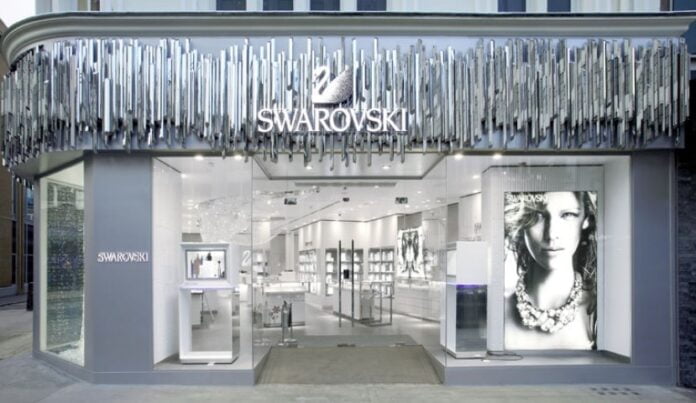
Photo: Swarovski

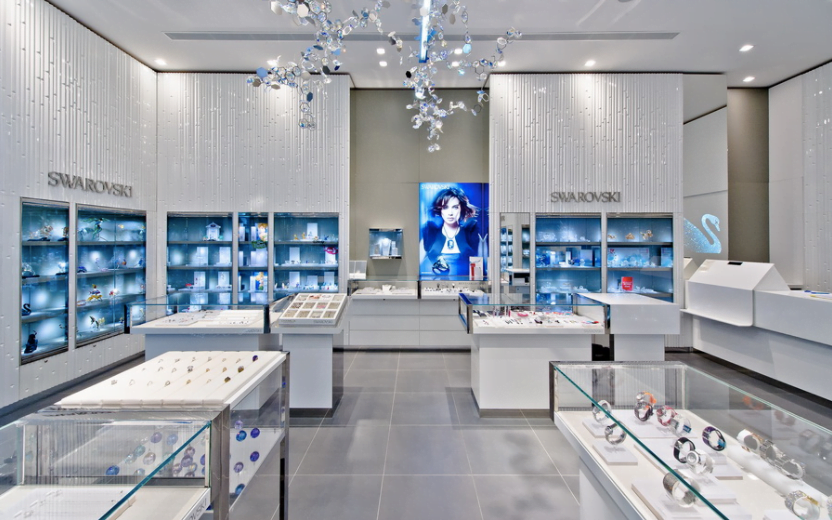
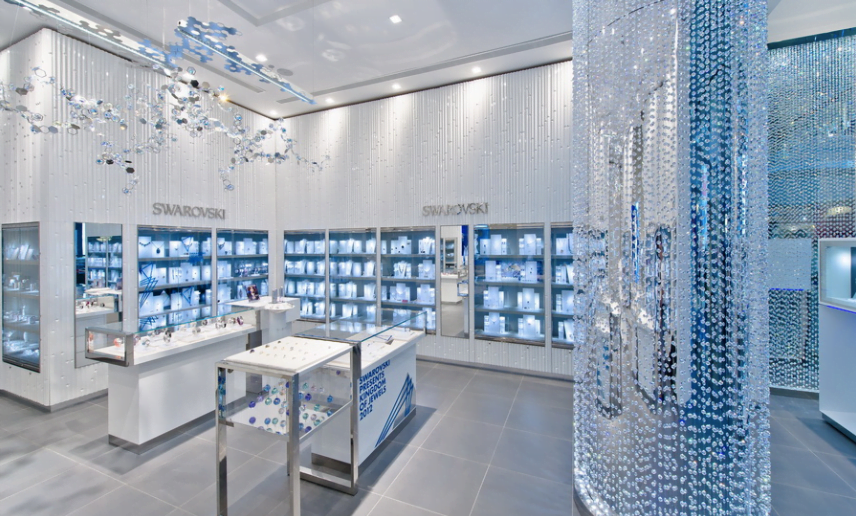
Well-known Austrian crystal jewellery/collectable/gift brand Swarovski plans to continue to open stores in Canada in 2018, as the company identifies markets for growth both for corporately-run as well as for franchised units. 

In an interview, Swarovski’s CEO Robert Buchbauer explained how the brand is doing exceptionally well in Canada compared to other markets — Swarovski already has 47 corporately-owned stores in the country as well as five franchised locations. Canada is a sophisticated market with a European influence, valuing quality over price and Mr. Buchbauer said that the company continues to seek opportunities for new stores, with a focus on British Columbia and Quebec, as well as more stores for the Greater Toronto Area. 

He noted that the Vancouver market is ripe for more Swarovski locations — the Lower Mainland is seeing strong sales numbers from its existing units, and the market continues to see growth in jewellery sales. CF Pacific Centre in Vancouver will see a new Swarovski store in 2019, he revealed. 

Photo: Swarovski
Photo: Swarovski

The Quebec market is a target for Swarovski as it continues to gain a foothold in the province and it most recently opened a unique pop-up space on Sainte-Catherine Street West in Montreal, and a store at CF Promenades St-Bruno will also open this year. 

Recent new store openings for the brand include Oshawa and Oakville — brokerage Aurora Realty Consultants continues to handle Swarovski’s Canadian site negotiations under the direction of broker Manon Parisien.

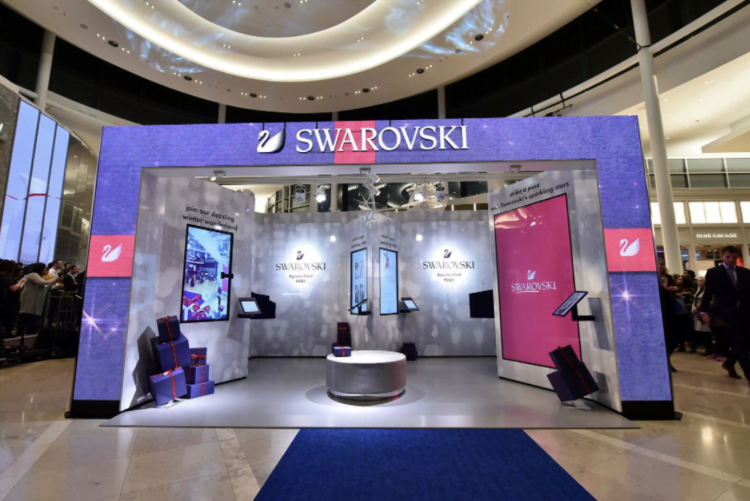
Canada is something of a test market for Swarovski, and in a rather unique way. In late 2017, the company unveiled its first-ever Sparkle Pop Up at Square One in Mississauga. The tech-focused pop-up is a way for Swarovski to test out new ideas, products and concepts, with some successful elements expected to be rolled-out into store locations in Canada as well as globally. Customers can engage with augmented reality, for example, with digital screens showing the latest from the brand in an environment that encourages exploration. 

(POP-UP AT SQUARE ONE IN MISSISSAUGA. PHOTO: TOM SANDLER PHOTOGRAPHY)

It was Square One’s market diversity that led to the brand partnering with the shopping centre for the Sparkle Pop Up. Square One is one of Canada’s largest and busiest malls, and Mississauga is known for its rapid population growth, which continues to diversify. 

New Swarovski store locations in Canada will ideally be in the 800 square foot to 1,100 square foot range, according to the Aurora Realty Consultants website. 
Swarovski was founded in Austria in 1895, and operates globally through its own stores as well as franchised locations and wholesale accounts. Its products include jewellery, figurines, home decor and various other collectable and gift items, with a focus on integrating cut-glass crystals into its designs.

*Photos are courtesy of Swarovski.

Cannabis Retailers Partner to Launch Significant Canadian Store Expansion

Compass Cannabis

Kelowna-based Compass Cannabis is joining forces with Starbuds, a leading cannabis retailer in the United States, to create a network of retail locations across Canada.

Dave Martyn, president of Compass Cannabis which was formed in March 2017, says the joint venture foresees up to 40 retail locations – and perhaps more – in Western Canada.

Compass Canada currently operates as a medical cannabis consultation company with eight locations in British Columbia and Alberta and another 10 expected to open in those two provinces by early 2018.

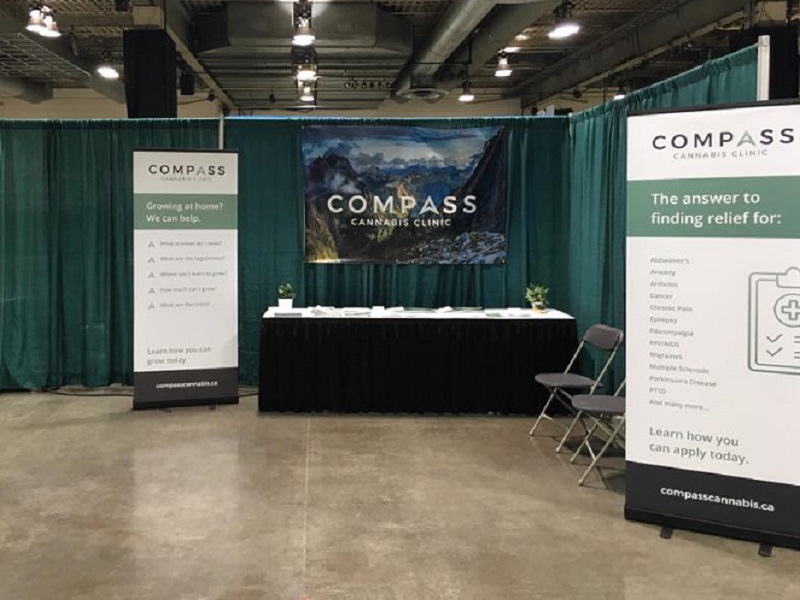
COMPASS CANNABIS AT HEMP FEST EXPO (SEPTEMBER 2017). PHOTO: COMPASS CANNABIS FACEBOOK

Martyn says the company plans to have a number of its clinics converted into retail cannabis dispensaries upon legalization of cannabis for recreational use within Canada.

“If you are a patient that’s looking to access the ACMPR (Access to Cannabis for Medical Purposes Regulations) program in Canada . . . we can provide both consultations with medical doctors as well as educational services to help you choose your provider,” says Martyn. “That business exists. That business is still growing at a very steady and healthy rate within Canada. But as we go into 2018, retail is also opening up a new avenue particularly Western Canada looks like it will be a very strong market for that business as well.”

Martyn says some of its medical locations will be converted to retail use. The company will continue with its medical program and is actually looking at an international expansion of that sector of its business.

“We will have existing medical that will remain in B.C. and Alberta and we do foresee continued growth on the medical side but the expansion to grow on the retail side I think is a little more sizeable compared to the medical market as we go into legalization and beyond,” he says.

Compass Cannabis and Starbuds plan to leverage the expertise of Starbuds, which has been operating in a mature recreational cannabis market for over four years, to become a leading distribution business within Canada’s cannabis industry.

“Really what they offer to the Canadian market that no one has is their expertise,” says Martyn. “They’ve been based in the first regulated market in North America which was in Colorado. They’ve been through legalization 1.0. They understand what does retail look like from all the important stakeholders from public safety and compliance all the way through to retail sales, services, education for customers. All the important facets. They are experts in that business. The Starbuds group is now across multiple states in the U.S. and continuing their expansion as legalized markets open up.

“Within Canada the challenge for a lot of the proposed retailers is they have a vision of what they believe will work but there’s no real world execution on those ideas. So for us we wanted to partner with a group that has been through legalization. They understand what real world operations look like. And they’ve delivered real results to the tune of tens of millions of dollars of sales in regulated legalized environments.”

COMPASS CANNABIS

Martyn says the initial target is that the company will grow to 40 retail locations in Canada and it believes it can expand beyond that number. The unknown right now is the number of permits that will be provided by the governments. Each province will regulate a certain amount. He says the company anticipates a mix of both franchises and corporately-owned locations.

“Ultimately we’re going to be choosy on our real estate. We want to be in quality retail locations. We don’t want to be a side street low profile site. We want to be in with quality retail partners and those sites aren’t necessarily easy to obtain or plentiful in some markets as well,” he says.

The medical side of the business is anticipated to grow to 10 to 12 locations.

Martyn says the company will be looking to expand beyond the B.C. and Alberta borders.

“Saskatchewan released regulations (recently) that do open that up. That is a province that we’re interested in. We have applied for a retail licence in Manitoba … But primarily we believe that the two best markets are going to be B.C. and Alberta and I certainly think in terms of positive, free market type regulation Alberta seems like it will be the leader in cannabis in terms of many sectors, not limited to retail and medical but also including licenced producers and things of that nature. Alberta has definitely set itself as the most positive framework from the business sense of expansion. Alberta is very well positioned today.”

COMPASS CANNABIS

Compass Cannabis has also entered into an agreement with the acclaimed architecture and design firm, McKinley Burkart, to provide design services for their retail locations.

Starbuds has 11 locations across Colorado and will expand to both Maryland and Massachusetts in 2018.

“This merger is representative of the future of the industry. As cannabis continues to become more widely accepted and legalized across the globe, Starbuds rises above the rest, expanding and evolving to meet the demands of the market. Starbuds’ expansion into Canada is just the beginning and we couldn’t ask for a better partner in the Canadian market,” says Brian Ruden, Starbuds’ founder and CEO.

Canada’s Largest Spin Studio Announces Ambitious Expansion

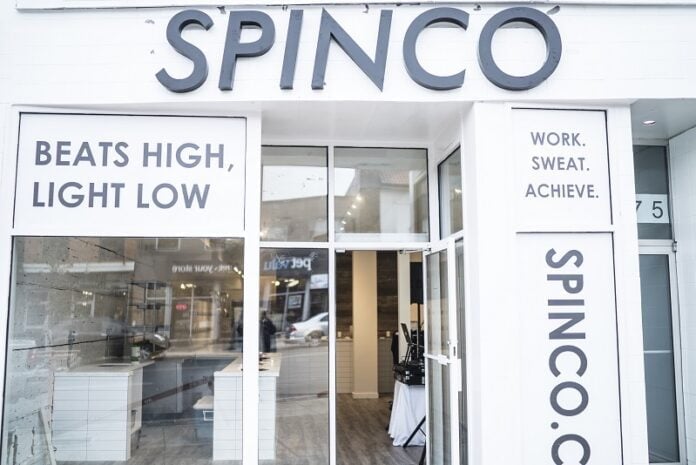
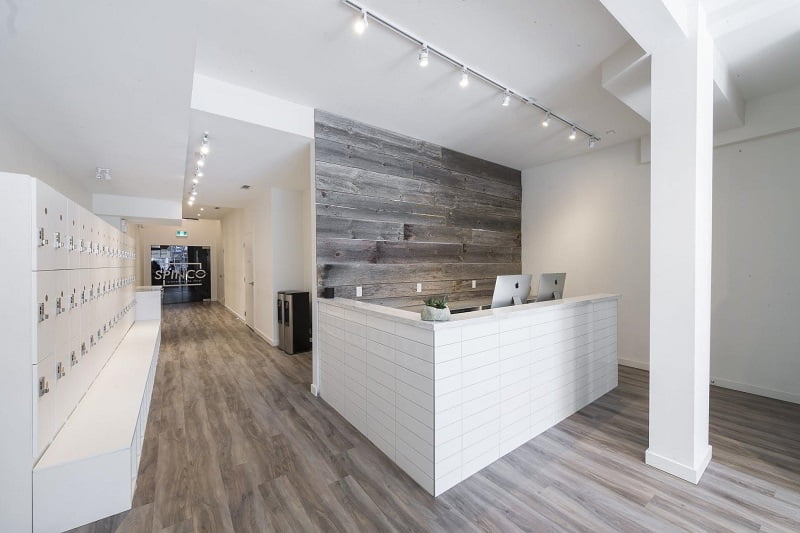
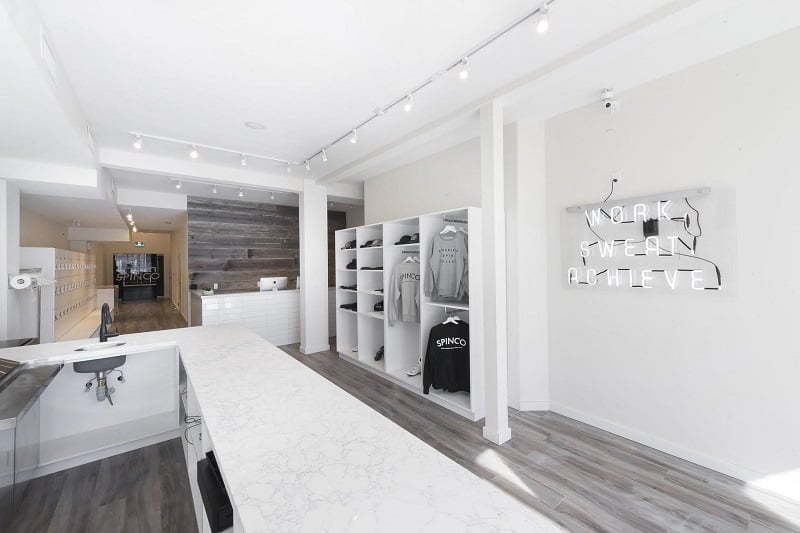
Image: SPINCO

When Michelle August opened her first SPINCO fitness studio in July 2014 in Kelowna, she had visions of eventually expanding to perhaps five locations.

But the entrepreneur has already surpassed her ambitions with nine locations to be in operation by the spring of this year.

“When I started this three years ago I wanted to have maybe five locations. I thought that would be the most amazing thing ever. So my goals have already really been exceeded,” says August, the founder of the company.

“With my new partner here in Toronto, our goals have gotten a lot bigger. We basically want to open five to 10 studios a year over the next five years and get up to somewhere around 25 to 50 studios just depending on the communities and the response we’re getting from all the cities. Basically the way that we’ve been growing is by finding the right partners in the right cities as well. That’s a huge thing for us too.”

After Kelowna, the company’s second location opened in Toronto in 2016 followed by Victoria the same year. In 2017, she opened a location in Halifax.

Image: SPINCO

This month, locations will spring up in Toronto, Ottawa and Vancouver. In February, a third Toronto location is planned to open and by the spring one as well in Oakville.

The first Toronto studio is at Yonge Street and Eglington Avenue. The second Toronto location, which opens January 19, is at Adelaide Street and Spadina Avenue. The third Toronto studio will be located in the Summerhill area on Yonge Street.

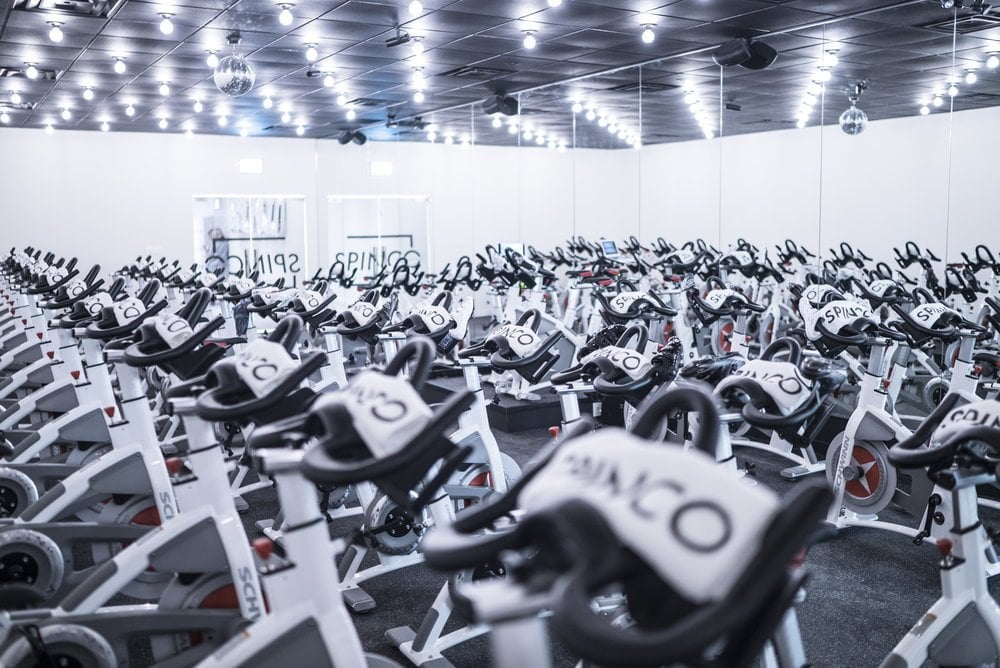
Each location is basically the same with customers set up with all the shower amenities and depending on the size of the city and the demand, August says, studios have between 35 to 55 bikes.

Image: SPINCO

“First and foremost the one thing that every single one of our riders if you walk in the door and ask them what their favourite thing about SPINCO is it’s probably the community that we’ve developed between our riders, our instructors, the owners, the managers, even the community around us which is partnering with local businesses in supporting the community. We’re always doing charity events,” says August.

She says another factor in the company’s success is the studio’s program as every instructor goes through a very extensive training process.

The popularity of the fitness industry continues to grow in Canada.

Image: SPINCO
Image: SPINCO

“Every time I turn around there’s a new fitness studio opening and there’s some coming from the States. There’s Canadian studios going to the States as well. I think it’s super cool. I think it’s definitely great for our community and everybody is always looking for something different as well,” says August.

“I can’t really see the spin industry going anywhere for a long time. It’s been one of the longest standing workouts for years and years. That and boxing really . . . Spin has been around for a decade. It’s pretty exciting and it’s really exciting to be a part of it in this stage and seeing the growth.”

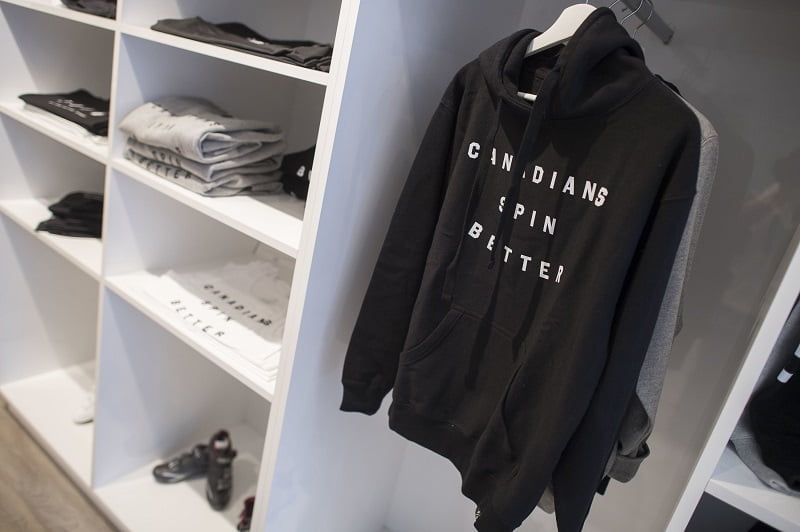
SPINCO’s King/Spadina location will sell exclusive merchandise from brands such as, Champion, LILYBOD, Alo Yoga, RYU Apparel and S’well, and will take part in the studio’s nationwide, by-donation Monday night class that gives back to local charities across Canada.

“SPINCO offers structured, full-body spin classes designed to strengthen the body, energize the mind and feed the soul. Since 2014, the goal of each SPINCO class has been to work together as one team, one bike, moving in unison to the beat of the music to engage the butt, core and arms. Lead by dedicated & motivating instructors, that have undergone intensive in-house training, SPINCO’s workouts are made to inspire and uplift. No matter the fitness level, prepare to be motivated to achieve higher levels of personal well-being, physical strength and positive mental attitude,” says the company on its website.
Marcil Home Improvement Chain to be Rebranded

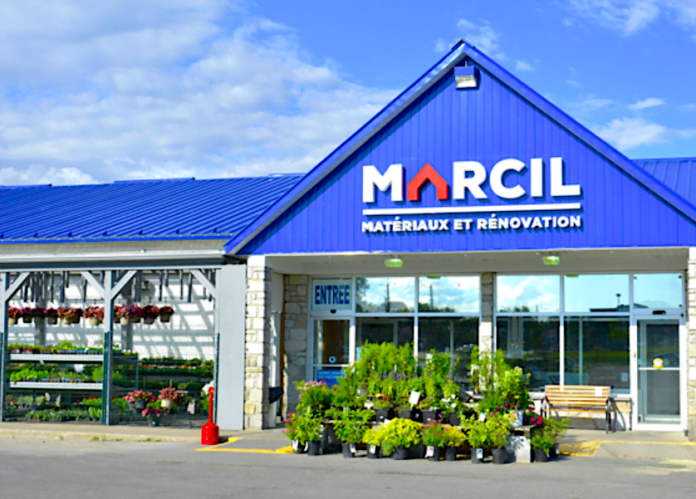
Marcil
Image: Marcil

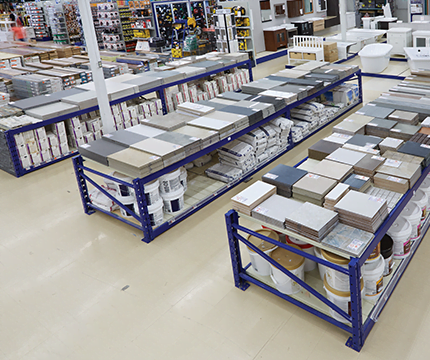
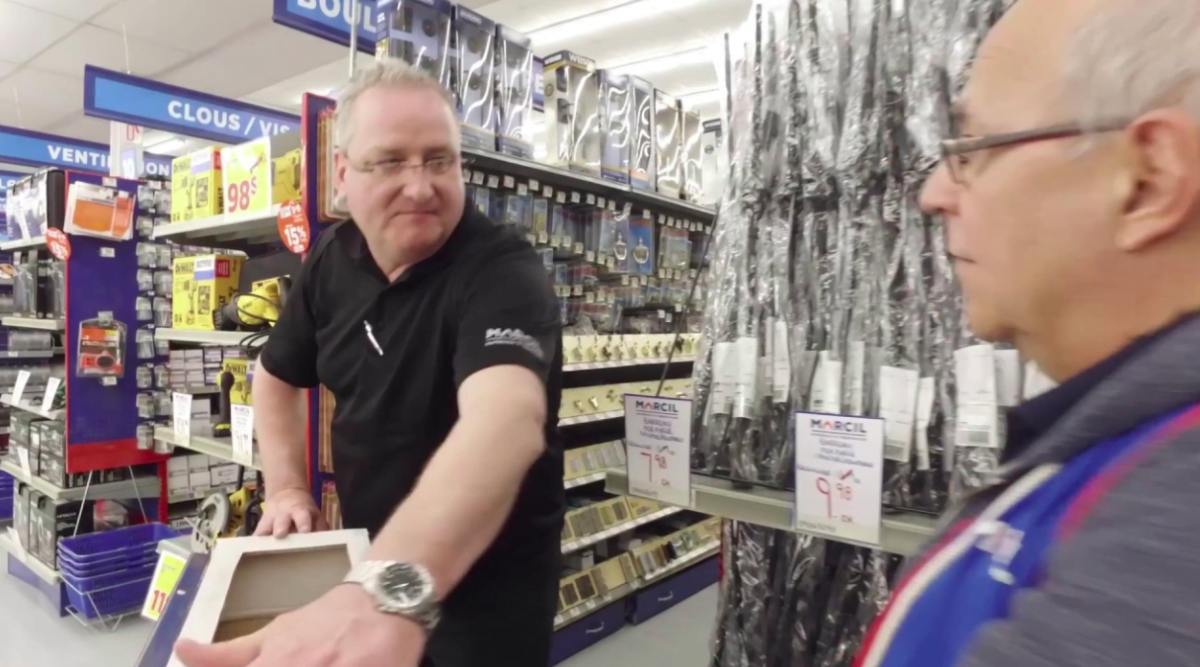
The 17-store Marcil home improvement chain, with stores in Quebec, will soon be rebranded as part of Lowe’s acquisition of the RONA chain. Marcil stores will be converted to the RONA banner on February 26, as RONA is repositioned to encompass the company’s smaller and medium-sized stores. 

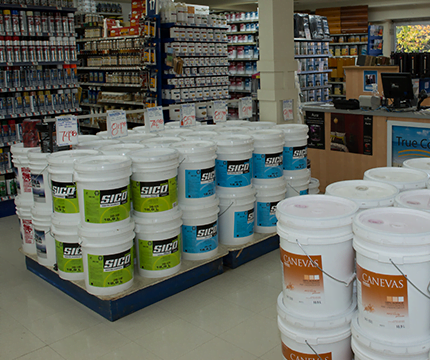
Based in Boucherville, Quebec, Marcil was founded more than 40 years ago. It has stores in the greater Montreal area, which are each between about 5,000 square feet and 35,000 square feet. Marcil came under the control of RONA in 2005 when it acquired 51% of Marcil’s shares, followed by the 2014 buyout of the remaining shares. 

American chain Lowe’s acquired Quebec’s RONA for C$3.2 billion in 2016, with a strategy. Small and mid-sized stores have kept the RONA branding, while bigger locations have been rebranded as large-format Lowe’s. The company’s smaller stores are also known as “proximity stores” averaging about 35,000 square feet, whereas its larger stores are each often 60,000 square feet. 

“We are committed to RONA and the proximity building center model as one of Lowe’s Canada pillar of growth,” said Serge Éthier, Executive Vice-President of RONA Proximity. “RONA and Marcil operate in the same market segment, have complementary locations, and both serve a large client base of contractors and pros. It was therefore natural to combine the strengths of both banners. This decision will allow us to maximize our products and services offering to Marcil retail and professional customers, while simplifying our operations,” he added.

“We are committed to RONA and the proximity building center model as one of Lowe’s Canada pillar of growth,” said Serge Éthier, Executive Vice-President of RONA Proximity. “RONA and Marcil operate in the same market segment, have complementary locations, and both serve a large client base of contractors and pros. It was therefore natural to combine the strengths of both banners. This decision will allow us to maximize our products and services offering to Marcil retail and professional customers, while simplifying our operations,” he added.

The move is meant to solidify the RONA nameplate as being the top building centre chain in the country with small-to-medium locations. Starting February 26, shoppers at the former Marcil stores will have more to buy — its product selection will double as part of the name change, going from approximately 20 000 items to more than 40 000 products available in store and on rona.ca. 

In addition, new product categories will be added to former Marcil stores, such as home appliances and a wide seasonal department, as well as from a transactional website that will not only let shoppers consult the product catalogue and verify store inventory, but also order online and collect their items in store or have them delivered by truck.

The RONA banner was founded in 1939 and now boasts a network of more than 430 stores, including both corporate stores as well as independent affiliates. Lowe’s is a Fortune 500 behemoth serving more than 17 million customers a week in the United States, Canada and Mexico, with its affiliated businesses seeing in excess of US $65 billion in sales in fiscal 2016 with more than 2,370 home improvement and hardware stores employing more than 290,000 people. Lowe’s Canada includes more than 600 corporate and independently run dealer stores under banners including Lowe’s, RONA, Réno-Dépôt, Marcil, Dick’s Lumber, and Ace Hardware, with more than 25,000 Canadian employees as well as an additional 5,000 employed by RONA’s independent affiliates. 
Lowe’s Canada President Sylvain Prud’homme was recently appointed as Lowe’s international President, effective as of December 15, 2017. He remains based in Boucherville. 

Canadian Fashion Brand ‘Kotn’ Launches Store Expansion

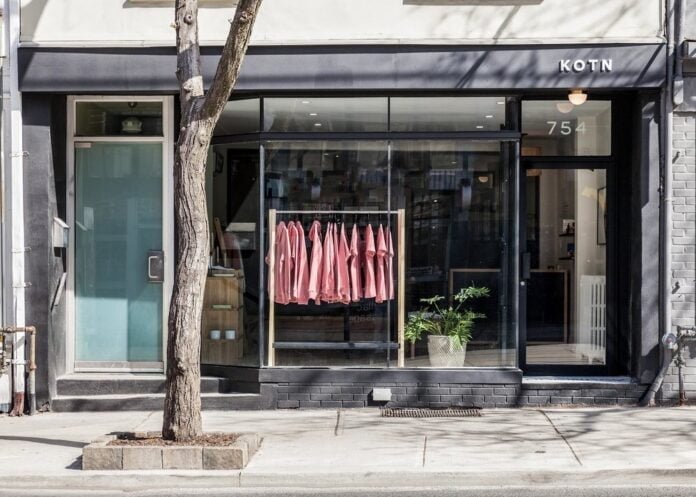
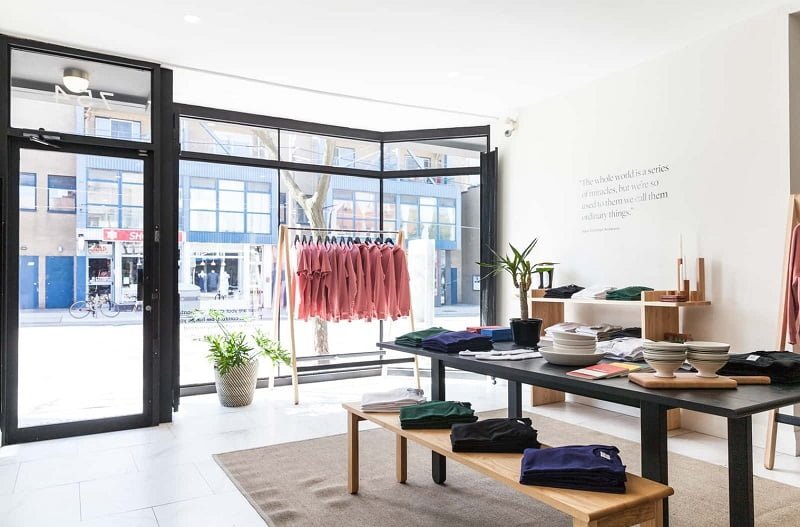
(TORONTO QUEEN STREET WEST STOREFRONT. PHOTO: KOTN)

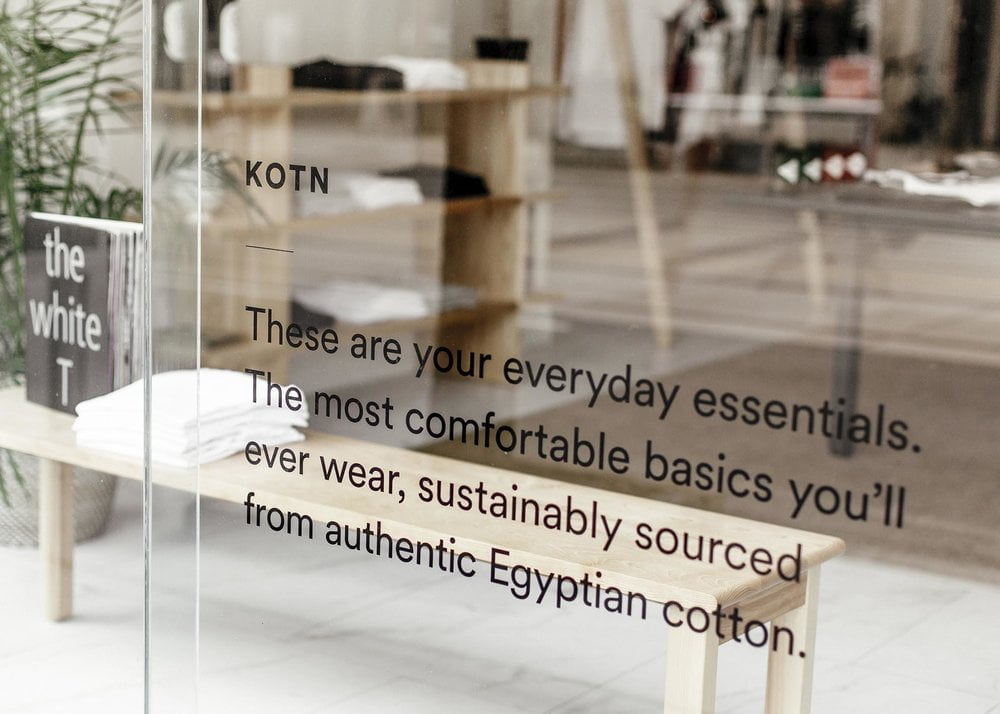
Unique Toronto retailer, Kotn, which sells high-quality everyday wear made from authentic Egyptian cotton, is looking at potential expansion across the country and into the United States as its concept gains popularity.

Rami Helali, one of the company’s co-founders, told Retail Insider “we’re currently looking in multiple other Canadian cities for more retail locations.”

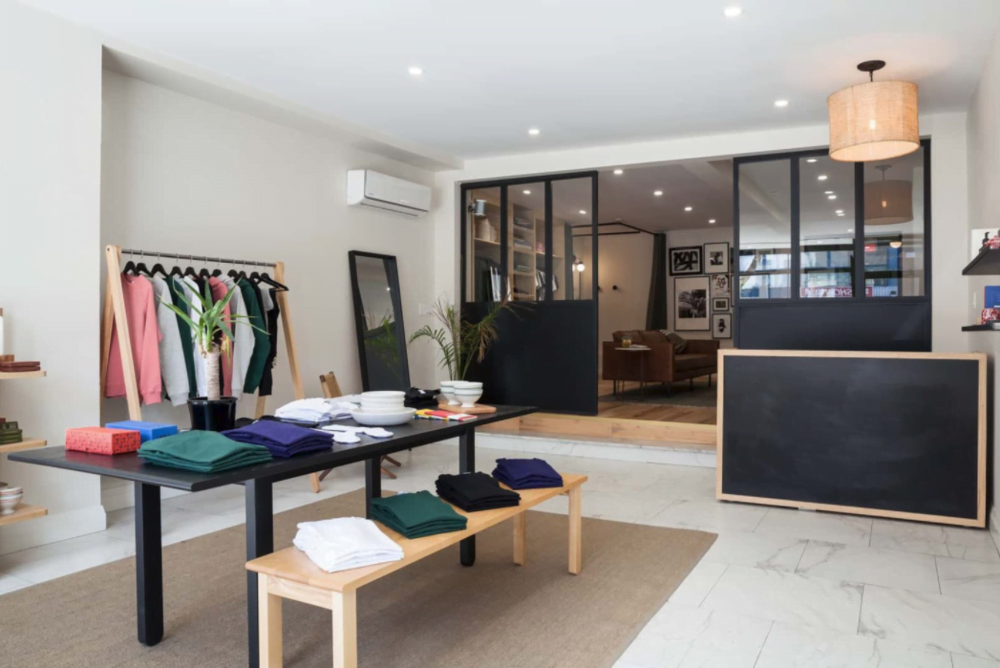
The company opened its first bricks and mortar store at 754 Queen St W, Toronto in March 2017. The store is about 800 square feet.

“We are an online first business and since then what we’ve learned with that interaction with the customers and learning what the needs are and having that conversation and building that community is invaluable,” says Helali. “I think the future is in this omni-channel, multi-touch point kind of blurring the lines between analog and digital and that is kind of the direction we’re heading in.”

He says more than half of the company’s online sales are in the United States so that too is a market for potential future growth in bricks and mortar locations.

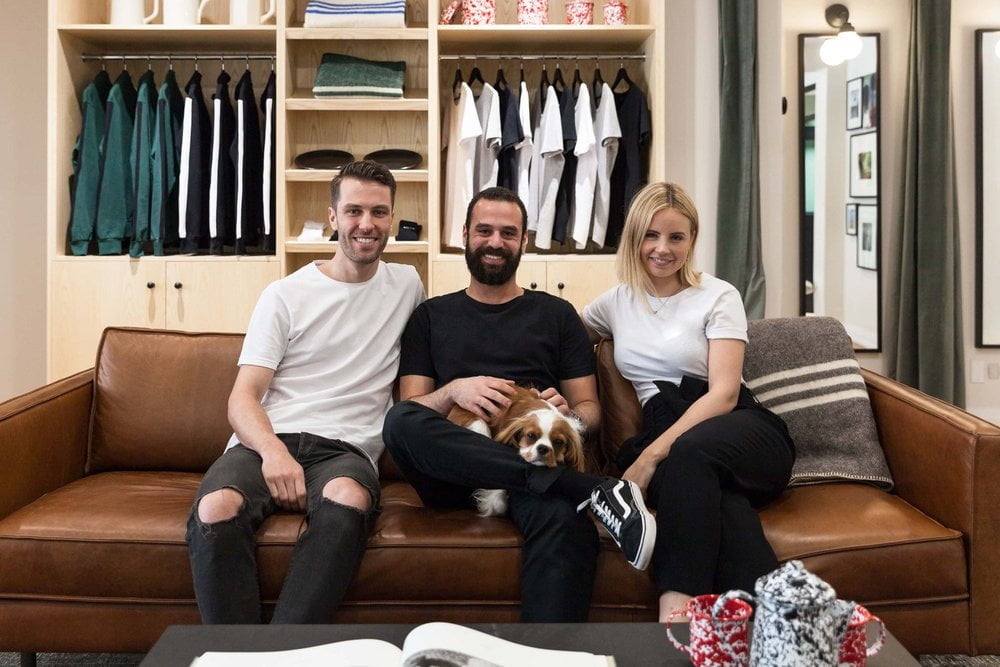
Kotn launched in Toronto in 2015 when founders Helali, Mackenzie Yeates and Benjamin Sehl noticed a gap in the marketplace – high-quality, well-fitting basics weren’t affordable for everyday wear.

BENJAMIN SEHL, RAMI HELALI AND MACKENZIE YEATES. PHOTO: KOTN WEBSITE

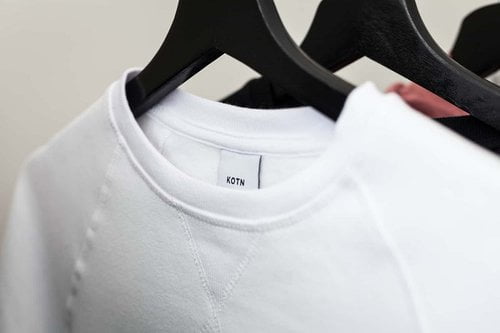
Kotn set out to solve this problem, starting first with their Egyptian cotton T-shirt, which has the quality and cut of its designer counterpoints yet is affordable enough for consumers to pick up in multiples.

The brand partners directly with Egyptian cotton farmers in the Nile River Delta to keep costs low while helping to revive a struggling agriculture business.

“We run social audits on all of our manufacturing partners. We make sure everyone’s getting paid fair wages,” says Helali.

“For us, for the industry to really rebound in a sustainable way and to really have the impact we want on the ground which is long-term poverty alleviation and long-term education, we want to start with education. It’s an area with really high illiteracy rates especially within women and we believe the way forward for that region and the industry is to start there.”

Kotn is building schools in the region of Egypt where their cotton is grown to stop the illiteracy epidemic there. They opened their first school in 2017, providing education for 40 students. They have mandated that more than 50 per cent of the students are girls as the illiteracy rates are especially high for women in the region. Kotn funds the building of a school and its teachers.

For Black Friday/Cyber Monday, Kotn set a goal to completely fund their second school with sales – as a result they raised $56,330.52, enabling them to build their second school in the Nile Delta in 2018. Every single dollar will be invested into things like the school infrastructure, roads, instructor training, uniforms, books and supplies.

Kotn’s co-founders were named to Forbes 30 under 30 Class of 2018 in the retail and commerce category. The letters in the company name don’t stand for anything specifically but it’s the phonetic spelling of the Arabic word for cotton.

“We are an essentials company made out of authentic Egyptian cotton that is ethically sourced. For us, there was a gap or a need for well-made basics that didn’t cost an insane amount that were made well and when we say made well that means the quality is there and that the people along the way are treated well,” says Helali.

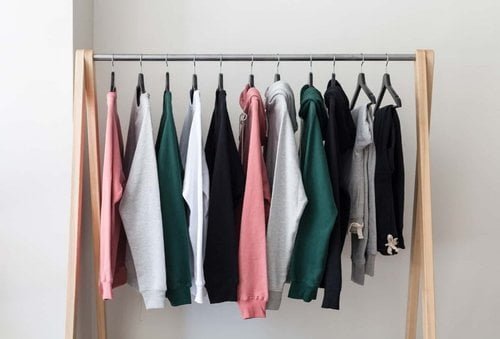
“We started literally with the white T and for the first year and a half we just had good T-shirts in three colours – black, white and grey. And we started online and that went well. We added some of these staples done well in multiple layers.”

The retailer says the authentic cotton, grown in the Nile Delta, is Egypt’s “white gold” – finer, softer, and more breathable than any other cotton.

“By working directly with cotton farming families in Egypt, we want to rebuild the industry from the inside. We make our own fabrics from raw cotton bought direct from farmers at guaranteed prices. Our model is like farm-to-table, but for your clothes,” says the company.

“Our cotton is then sent to our cut-and-sew factory outside Alexandria. The responsibly-run operation employs locals, securing their craft and their livelihood. By scrapping the middleman, we’ve ensured a fair wage for them, and an honest price for you.”

Cadillac Fairview Announces Significant CF Chinook Centre Investment

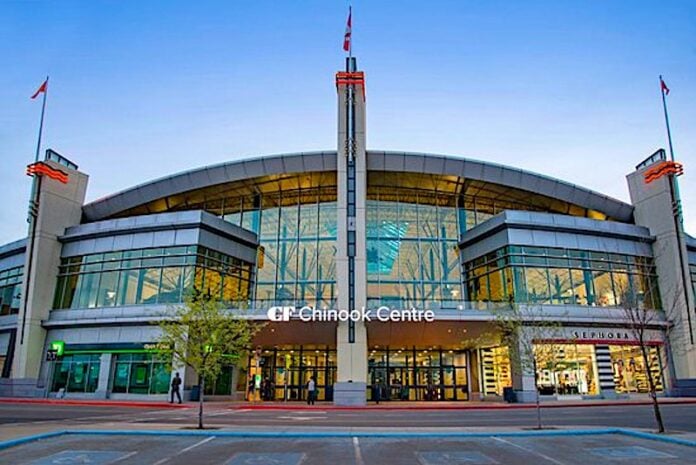
CF Chinook Centre (Image: Cadillac Fairview)

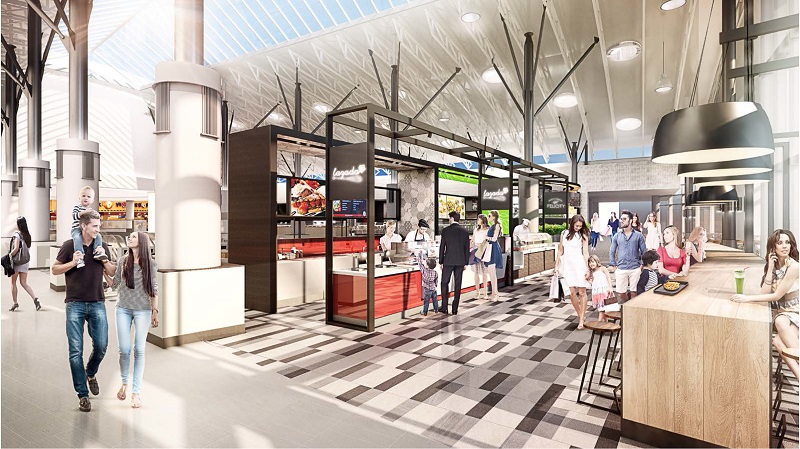
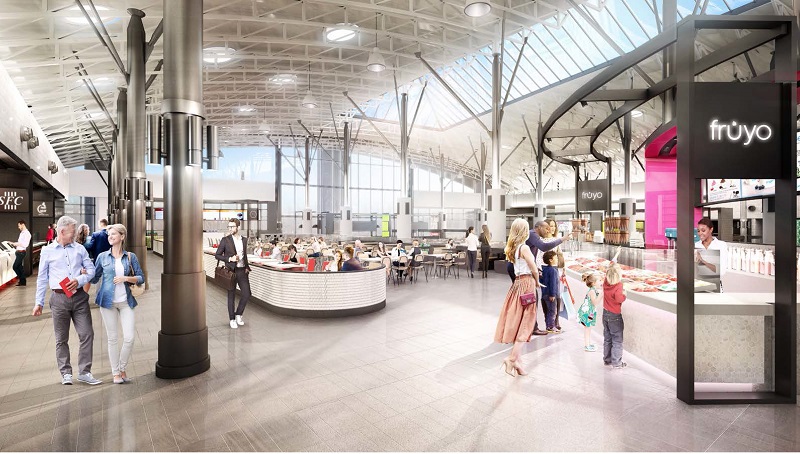
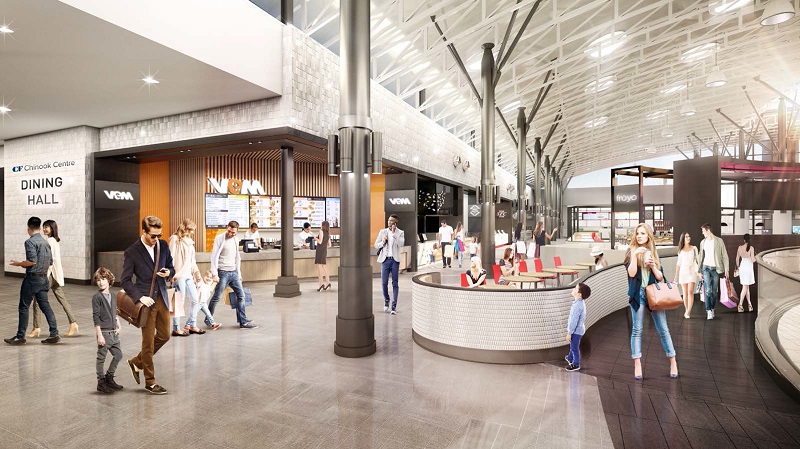
Cadillac Fairview is making a $17-million investment to revitalize the food court at CF Chinook Centre, saying the redevelopment will elevate the shopping experience for Calgary consumers by modernizing the area and transforming the space into a CF Dining Hall.

Paige O’Neill, general manager of the shopping centre which is one of Canada’s most productive, says the mall’s dining space is consistently one of country’s busiest and most productive food courts.

The new CF Dining Hall “will be open and inviting, with more communal spaces that better reflect the tastes of our shoppers and community,” she says.  

CF Chinook Centre (RENDERING: GH+A DESIGN)

O’Neill says the food court will go from the current 19 establishments to 20 when the renovation is completed.

“We’re losing three or four of our existing clients to make room for more seating and we’re adding three or four new clients joining us,” she says. “The deals haven’t been signed yet so I can’t reveal who they are.”

Canadian design firm GH+A is designing the new space — the company has led renovations at several of the country’s leading malls. 

The project is slated for completion over two phases to allow sections of the food court to remain in operation for the duration of the construction period. The first phase will start January 14 with the closure of the south half of the food court, with completion and opening scheduled for June. The second phase will start in June with the closure of the north side of the food court, with completion and opening scheduled for October.  

The project will see the entire existing food court renovated, improving the aesthetics, design and capacity of the space. The renovation will include expanding and modernizing units, enhancing décor elements like tiling, upgrading furniture with communal tables and banquets, and the implementation of sorting stations to improve the overall experience for guests. The project will also include enhanced features including a revamp of the Centre’s existing outdoor patio. The 30,000 square feet of redeveloped space will feature 835 seats.

Because of the redevelopment, a children’s carousel which has operated in the food court for many years is no longer there.

“The food court is almost 18 years old and it’s definitely time for a refresh and a reno of that space to make sure we continue that great experience for our guests that come to Chinook,” says O’Neill.

CF Chinook Centre (RENDERING: GH+A DESIGN)

This redevelopment works with the newly-opened 61st Avenue S.W. pedestrian bridge over Macleod Trail that connects to Chinook Centre.

The Centre’s revamped dining space will have direct access to the new pedestrian bridge.

“With the catalyst of the pedestrian bridge, it’s probably going to become one of our number one entrances leading into the food court,” says O’Neill. “And we just renovated our food court washrooms. So it’s this sort of really nice timing. The renovation has been discussed and on the table for a number of years.

“With the food court being 18 years old, it’s just a great opportunity to re-invest and continue the re-investment in the Centre knowing that the Calgary economy and the Alberta economy will come back. We don’t have a problem with the food court because it’s still one of the highest-producing food courts in Canada but it’s definitely dated and we think this will be a great investment for not only the clients that remain in the food court and for the guests to come and experience a brand new area.”

The investment marks the latest major upgrade to the Centre’s food court since the last completed revitalization in 2000, says Cadillac Fairview.

“Dining is an essential aspect of the overall shopping centre experience and we are delighted to evolve the Centre’s food court into a signature CF Dining Hall where guests can enjoy culinary delights in a premium environment,” says Josh Thomson, Vice President, Development, Cadillac Fairview.

CF Chinook Centre (RENDERING: GH+A DESIGN)

Beside the food court revitalization, Cadillac Fairview is investing an additional $4.5 million to the south portion of the Centre this year with a major focus on new tiling and railings.

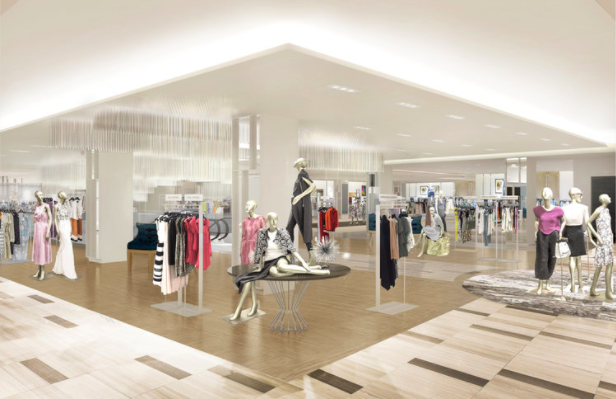
From a retailer perspective, the big news for Chinook Centre comes February 22 with the official opening of the first Saks Fifth Avenue store in Calgary. It will be the third store in Canada and first in Western Canada.

“They’re hiring. Their store is looking amazing inside. My understanding is that their restaurant will not make the opening date but will be open by early Spring,” says O’Neill. “We’re very excited to have them open in just over a month from now.

Saks Fifth Avenue store that will open at CF Chinook Centre on February 22 (courtesy of Craig Nealy/Stantec)

“It will be a huge complement to Nordstrom, to Hudson’s Bay, to bringing in more clients into the Centre for overall shopping but it definitely helps I would say elevate the experience and elevate the shopping opportunities for people in Calgary.”

O’Neill says Chinook Centre has no other news right now on new retailers other than Saks Fifth Avenue coming to the mall.

“But I think with the opening of Saks, with the developments that are happening within the Centre and just within the city of Calgary, it’s definitely a place that we hope retailers will want to join us,” she says.