Retail Insider is streamlining its Canadian retail news from around the web to include a handful of top news stories that can be viewed quickly during the day. Here are the top stories from the past weekend.
October is Small Business month in Canada. A time to celebrate the heart and hustle that keep our communities and economy thriving. Across the country, small retailers aren’t just selling products; they’re shaping neighbourhoods, creating jobs and keeping local culture alive.
For retail entrepreneurs, this month also marks the start of the busiest shopping season. With holiday preparations underway, it’s the perfect moment for small retail businesses to pause, reflect and double down on what makes them special.
Small Business Advantages
New data from ADP Canada’s Happiness@Work Index found that 85% of Canadians prefer to shop at and support small businesses when possible. When asked why, Canadians pointed to supporting the local community (54%), quality customer service (52%), competitive pricing (41%), and skilled labour (34%) as the top factors influencing their decision.
Jonathon Meany
For retail leaders, these insights reveal something powerful: Canadians aren’t just buying products, they’re buying into values. They want to feel connected to the people behind the brand, to their community, and to a sense of purpose in where they spend.
The question for small retailers is: how can you tap into those competitive advantages to drive growth while maintaining operational excellence? The answer lies in being intentional, building everyday practices that foster trust, empower employees and deepen authentic customer engagement.
Prioritize Customer Service as a Key Differentiator
For small retail businesses, exceptional customer service isn’t just a transaction, it’s the foundation of your brand. Unlike large retailers, who might have more rigid structures, small businesses have the unique ability to offer highly personalized services every day.
From remembering the names of “regulars” to providing tailored product recommendations, these types of personal touches create brand loyalty and relational equity within your local community.
To create truly authentic customer experiences, great customer service must become part of your onboarding, training and daily rhythm, not just a seasonal focus. Invite your team to own the experience: ask questions, solve problems on the spot and personalize interactions. Consistency in these small moments can build loyalty that outlasts any season.
Focus on Skills Development
Developing a skilled and confident workforce isn’t just about productivity, it’s about pride. When employees feel supported and trusted, they bring that same confidence to every interaction. A skills development program that helps employees continuously learn and hone new skills is essential for small businesses to maintain their competitive advantage.
With two key small business differentiators being quality customer service and skilled labour, small retail businesses should consult with HR experts to create a tailored skills development program that fits their business.
ADP Research recently found 17% of Canadian workers strongly agree their employer invests in the skills they need to advance their career in the near future, making skills development a potential game-changing differentiator to set a small business apart from the competition.
Photo: Pavel Danilyuk
Building a Culture of Care
As a customer, it can be quite easy to identify when you’ve encountered a great retail experience; but what often gets missed is that behind every great retailer is a team of people who feel valued, supported, and engaged in their work. According to ADP Research’s Today at Work Issue 1, 55% of workers who feel they are on the best team report full engagement, further highlighting the real importance of a cohesive company.
As a small business retailer, a culture of care starts with leadership. When employees feel appreciated, recognized and part of something meaningful, they naturally extend that same care to customers that can’t be found anywhere else.
Leading by example, regularly checking-in and simple gestures like celebrating milestones and encouraging open feedback, remind your team that they belong to something bigger. That sense of belonging can directly translate into stronger service, higher morale and better business outcomes.
Stay Compliant with Confidence
Compliance may not be the most exciting part of running a small retail business, but it’s one of the most essential. From payroll accuracy to evolving labour standards, regulations are constantly changing and staying compliant is a key part of protecting what you’ve built.
As your small retail business grows, administrative responsibilities naturally become more complex, especially when it comes to HR, payroll, and compliance. This can take time away from focusing on strategic priorities to propel the business forward, like excellent customer service. Partnering with an HR and payroll provider can help you navigate compliance requirements and administrative work with confidence, while helping minimize risk.
According to ADP Canada’s Small Business Toolkit, cloud-based payroll and HR solutions can help new business owners tackle challenges like cost control, security and scalability. These solutions often include built-in compliance tools to help you navigate complex federal, provincial or territorial regulations.
Ultimately, compliance done right is about more than avoiding potential penalties, it’s about protecting your people and your brand.
Photo: RDNE Stock project
Use Technology to Drive Efficiencies
In recent years, technology has helped level the playing field for small retailers. From automation in operations, to digital marketing, to quick and easy payroll, today’s tools allow small businesses to compete with the efficiency and scale of much larger organizations. Investing in such technology frees up valuable time to focus on customers and growth: the things that really matter.
As we continue to celebrate Small Business Month, remember being small isn’t a limitation, it’s an advantage. Leaning into the power of personalization and authentic experiences can help retail small business owners make this upcoming season more than just a busy quarter, but a catalyst for future success.
Weihong (Ruby) Liu in front of the Court House at 330 University Avenue in Toronto on June 23, 2025. Photo: Craig Patterson
A British Columbia billionaire’s attempt to revive the Canadian department store model has come to an abrupt end. Ruby (Weihong) Liu, chairwoman of Central Walk Group, has lost her high-profile legal bid to acquire 25 former Hudson’s Bay leases across Canada. The Ontario Superior Court’s ruling, issued by Justice Peter Osborne, effectively blocks Liu’s plan to launch a new national department store chain under her own name.
The decision follows months of court hearings, public appeals, and heated exchanges between Liu and some of Canada’s largest commercial landlords, including Cadillac Fairview, Oxford Properties, and La Caisse (formerly Ivanhoé Cambridge). The landlords had fought vigorously to prevent Liu’s company from taking over the prime retail leases, arguing that her plan was unworkable and financially unsound.
Judge Finds Plan “Fell Short of a Reasonable Standard”
In his written decision, Justice Osborne concluded that Liu’s business plan “fell well short of a reasonable standard” required to demonstrate the ability to meet lease obligations. He cited significant concerns about her understanding of the financial and operational requirements necessary to run a large-scale department store chain.
“This raises reasonable concerns as to her involvement in and understanding of the Business Plan,” Osborne wrote, referencing inconsistencies in Liu’s testimony and the confusion she displayed during cross-examination over key financial commitments and corporate structure. The court monitor also noted that Liu appeared unfamiliar with details of her companies’ audited financial statements and the equity commitments underpinning the proposed transaction.
Justice Osborne emphasized that these gaps undermined confidence in Liu’s ability to deliver on her own plan. He added that the company she established to acquire the leases “is not an established business at all, let alone one established in the sphere in which it will be required to perform the lease obligations, the operator of a major national department store chain with all that entails.”
The judge also underscored that the proposal lacked credible evidence of experienced retail leadership or sufficient capital reserves to ensure viability beyond the initial investment period. The court monitor echoed this assessment, warning that the venture risked becoming insolvent in the near term if the leases were transferred.
Rendering of the proposed Ruby Liu department store at CF Sherway Gardens in Toronto. Image: Ruby Liu Commercial Investment Corp./Central Walk
The Hudson’s Bay Collapse and Lease Auction
Founded in 1670, Hudson’s Bay entered creditor protection under the Companies’ Creditors Arrangement Act (CCAA) in March 2025, burdened by $1.1 billion in debt and declining sales. The liquidation of its assets, including dozens of long-term store leases, was intended to repay senior lenders and recover as much value as possible for creditors.
Liu’s $69.1 million bid, first announced in May, was the highest offer received for 28 former Hudson’s Bay locations. The leases were considered valuable not only for their size but also for their historic anchor-tenant terms, which included below-market rents and renewal options extending decades into the future.
Although Liu’s proposal was initially approved for her three British Columbia sites, including Tsawwassen Mills, Mayfair Shopping Centre in Victoria, and Woodgrove Centre in Nanaimo, the remainder of her acquisition faced immediate opposition. Major landlords argued that Liu lacked the operational experience and financial capacity to revive a national retail chain.
A Bold Vision Meets Fierce Resistance
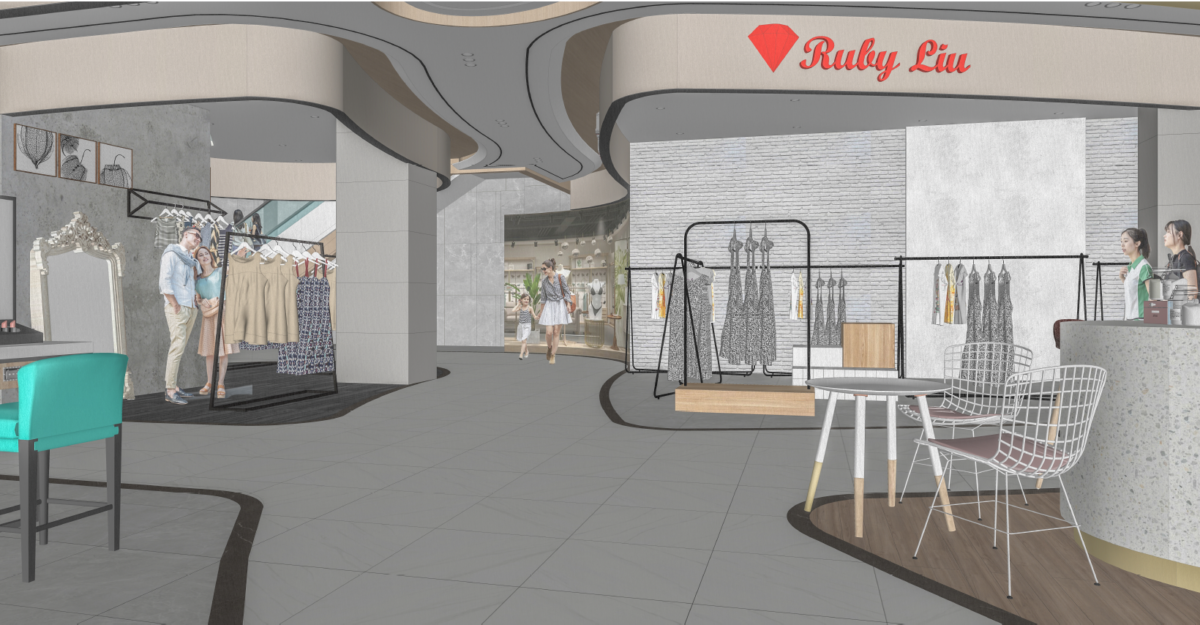
Liu’s vision was undeniably ambitious. She aimed to transform the empty department stores into vibrant community destinations combining fashion, beauty, lifestyle, and entertainment. Her proposed Ruby Liu stores would have included cafés, potentially children’s play areas, and cultural spaces, merging retail with social and experiential elements.
“We will create spaces full of life, where people reconnect through experiences, not just shopping,” Liu said earlier this year in a public statement. She also promised to rehire former Hudson’s Bay employees, pledging to invest $475 million in the new business, including $120 million for store renovations and more than 1,200 new jobs.
But while her promises captured public attention, they failed to convince landlords and creditors. The court-appointed monitor and several legal teams argued that Liu’s business plan underestimated costs and lacked credible financial backing. They also criticized her unconventional tactics, including the use of a Change.org petition to rally support and her direct email communications with Justice Osborne, which were deemed “inappropriate” by the Ontario Superior Court’s chief justice.
Rendering of a fashion department inside of a Ruby Liu department store. Image: Ruby Liu Investment Corp./Central Walk
Landlords Raise Red Flags
Throughout the hearings, landlords’ lawyers argued that Liu’s plan was “doomed to fail.” They said her renovation budgets were unrealistic, her management team lacked retail experience, and her financing was unclear. They also questioned her ability to stock stores with sufficient inventory or attract credible brand partners in time to meet her proposed opening schedule.
Landlords maintained that forcing them to accept Liu as a tenant under the CCAA’s lease-assignment provisions would risk long-term harm to their shopping centres. Several argued that the presence of an untested retail chain in their anchor spaces could diminish property value and destabilize existing tenant relationships.
Ultimately, Justice Osborne sided with the landlords, concluding that Liu’s company failed to demonstrate it could “perform the obligations” of such extensive leases or deliver on its operational commitments.
A Divisive Figure in Canadian Retail
Liu’s rise in the Canadian retail and real estate landscape has been dramatic. A billionaire property developer from China, she built her fortune through large-scale mixed-use projects before relocating to Canada. Through her Central Walk Group, she acquired major shopping centres in British Columbia, including Mayfair, Woodgrove, and Tsawwassen Mills, as well as a golf resort on Vancouver Island.
Her sudden emergence as a would-be retail operator surprised many in the industry. While some observers saw her as a bold new entrant capable of revitalizing empty retail spaces, others viewed her approach as unorthodox and poorly prepared.
Supporters, including some former Hudson’s Bay employees, expressed optimism that her venture could have saved jobs while occupying real esate. Critics, however, pointed to her lack of retail experience and unconventional courtroom behaviour as reasons for concern.
Controversy Inside and Outside the Courtroom
Liu’s campaign to acquire the leases became as much a public spectacle as a legal proceeding. On Chinese social media, she shared updates about her court appearances and openly criticized the landlords’ lawyers, accusing them of bias and corruption.
Her unfiltered communications raised questions about her understanding of the Canadian legal process. At one point, she directly emailed the presiding judge, calling him “a person of justice and strength” and asking him to “please give me a chance.” Justice Osborne later noted these actions in his ruling and emphasized that such correspondence was improper.
The monitor overseeing the CCAA proceedings also voiced concerns about Liu’s professionalism, stating that her team appeared disorganized and unprepared during portions of the cross-examination. The monitor’s recommendation to reject her offer carried significant weight in the final judgment.
Aftermath: What Happens to the Leases?
It remains unclear what will happen to the 25 leases at the centre of the dispute. Some may revert to the control of landlords, while others could be reopened for bids from previous participants in the court-supervised auction.
Lawyer Maria Konyukhova, representing Hudson’s Bay, had argued that Liu’s proposal represented the last viable path to recover value from the leases. The deal, if approved, would have generated approximately $50 million for senior creditors. With its rejection, those creditors may face deeper losses, while landlords regain full control of their prime retail assets.
Despite the controversy, the outcome may accelerate redevelopment plans for several of the former Hudson’s Bay spaces. Many big boxes are expected to undergo major repositioning, with anchor spaces likely to be subdivided for multiple tenants or repurposed for mixed-use development.
Hudson’s Bay Yorkdale on June 1, 2025, shortly before closing forever. Photo: Craig Patterson
The End of an Era for the Canadian Department Store Model
The Hudson’s Bay insolvency and the collapse of the Ruby Liu bid together signal a broader transformation in Canadian retail. Department stores once served as the backbone of shopping centres, drawing steady customer traffic that supported smaller tenants. However, the economic realities of 2025 have rendered the traditional anchor model increasingly unsustainable.
Leases that were once assets are now viewed as liabilities by many landlords, given their large footprints and expensive upkeep. The lack of bidders for 62 other Hudson’s Bay locations underscores this structural challenge.
Liu’s attempt to revive the department store concept, albeit with an experiential twist, was among the few serious efforts to reimagine these spaces at scale. While her defeat halts the vision of a nationwide Ruby Liu chain, her approved properties in British Columbia remain a testing ground for what could become a smaller, hybrid retail model emphasizing community engagement, events, and entertainment alongside traditional retail.
Broader Implications for Retail Real Estate
For Canada’s retail real estate sector, the case has become a touchpoint in the debate over how to adapt large-format spaces in a post-department-store world. The legal clash between landlords and an ambitious new entrant reflects tensions between innovation and institutional caution.
Cadillac Fairview, Oxford Properties, and La Caisse have collectively invested billions in revitalizing their shopping centres, introducing luxury tenants, mixed-use components, and entertainment anchors. Their opposition to Liu’s plan underscores the priority they place on maintaining brand alignment, design cohesion, and long-term asset value.
For emerging developers and retailers, the outcome may serve as a cautionary tale: bold vision alone is not enough to navigate the complex ecosystem of Canada’s retail property industry. Financial credibility, operational experience, and stakeholder trust remain indispensable.
A Vision Unfulfilled, but Not Forgotten
Although Ruby Liu’s national department store dream has been curtailed, her ambition leaves a lasting mark on Canadian retail discourse. Few figures have generated as much discussion about the future of anchor retail or the role of independent capital in reshaping Canada’s shopping landscape.
Whether Liu will proceed with her three approved stores in British Columbia remains to be seen. Industry observers will be watching closely to determine whether those locations evolve into functioning retail destinations or remain empty testaments to a vision that challenged convention but ultimately fell short in execution.
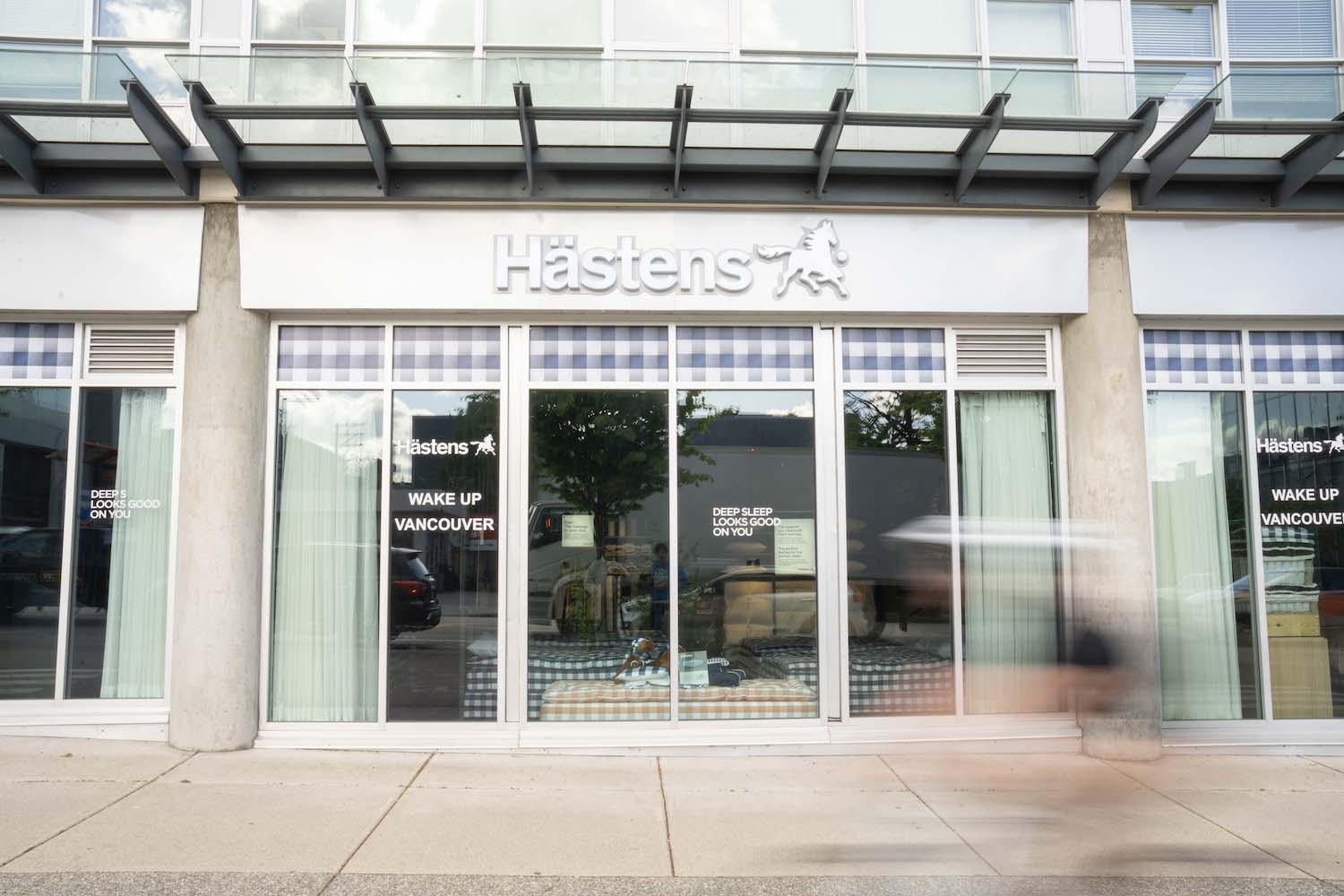
Hästens showroom at 1913 Burrard Street in Vancouver. Image: Hästens
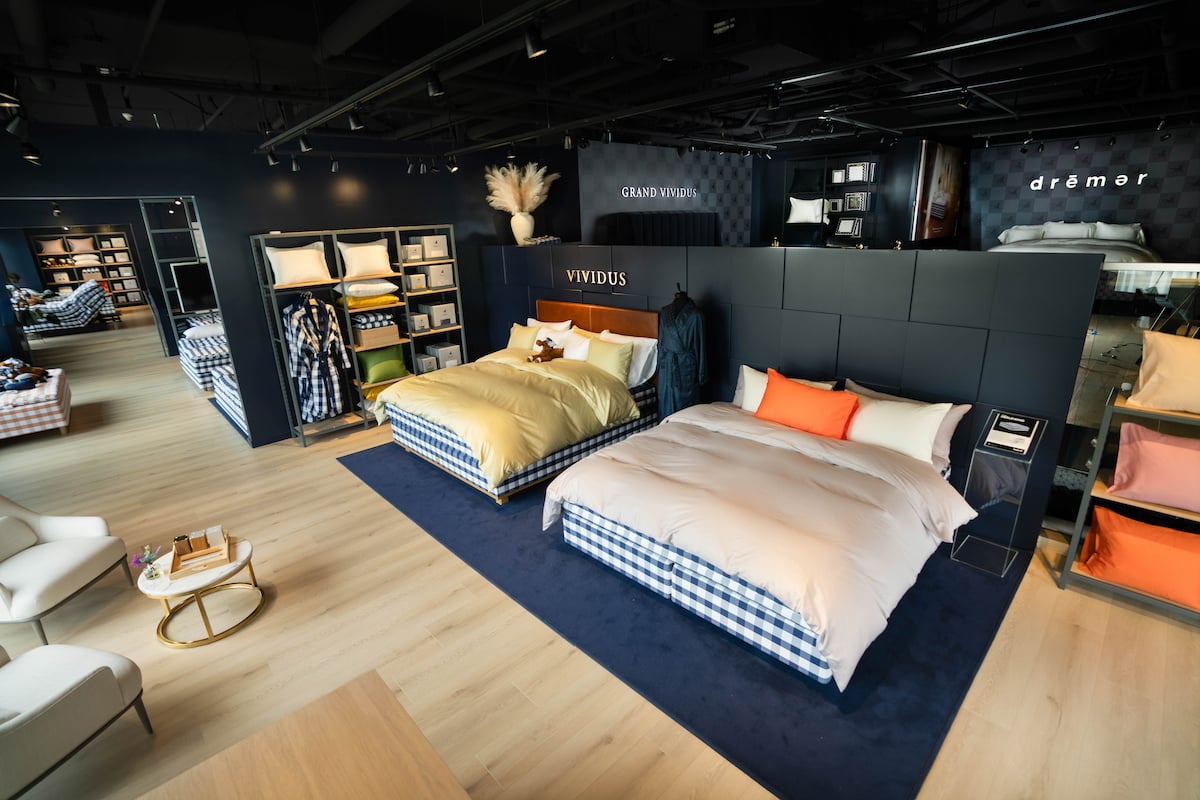
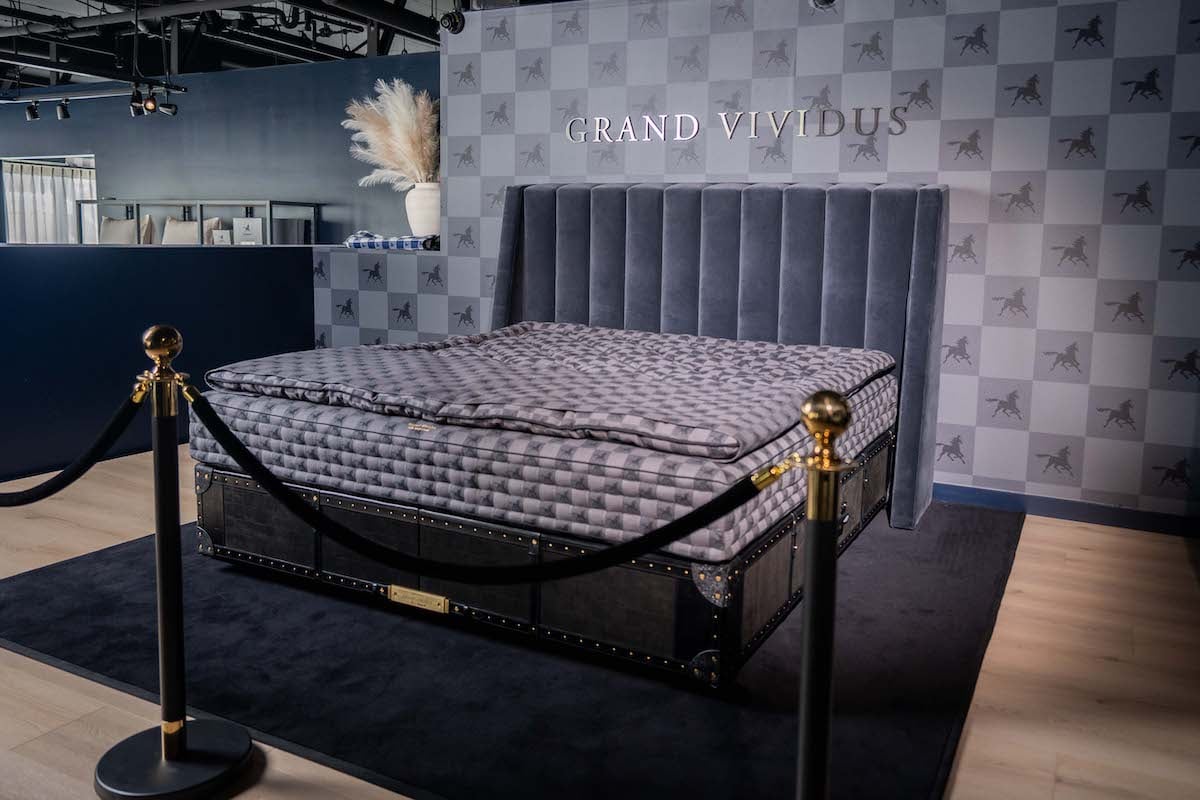
Swedish luxury bedding brand Hästens has opened its second standalone Canadian showroom in Vancouver, expanding its presence on the West Coast as demand grows for ultra-premium sleep experiences. The new Hästens Vancouver showroom, located at 1913 Burrard Street, spans over 2,800 square feet and serves as the brand’s exclusive destination in British Columbia for its hand-crafted beds, including the world-renowned Grand Vividus model priced at over $1 million.
This follows the success of Hästens’ first Canadian location, which opened earlier this year on Hazelton Avenue in Toronto’s Yorkville neighbourhood. Both stores operate as licensed partner locations, offering immersive “sleep spa” experiences where clients can test the brand’s meticulously handcrafted beds made from all-natural materials in Köping, Sweden.
“We just opened this March, so we’re relatively new, about seven months in, and we’re already profitable,” said Ringo Wu, General Manager and owner of Hästens Vancouver. “Our clients have really embraced Hästens. They value the benefits our beds bring to sleep and overall well-being.”
Hästens showroom at 1913 Burrard Street in Vancouver. Image: Hästens
A New Hub for Luxury Sleep on Burrard Street
The Hästens Vancouver showroom occupies a prime location just off West 4th Avenue, surrounded by luxury automobile dealerships and design-forward retailers in the city’s upscale Burrard Corridor. The synergy between these brands was not lost on Wu when choosing the location.
“I looked at South Granville, Gastown, and near Robson Street, but ultimately Burrard offered the best of both worlds,” Wu explained. “We have people visiting from Shaughnessy, Point Grey, and West Vancouver, and many of them drive past our store regularly. One of our clients actually dropped off his car at Ferrari for maintenance, walked over, and bought a bed. The location really works.”
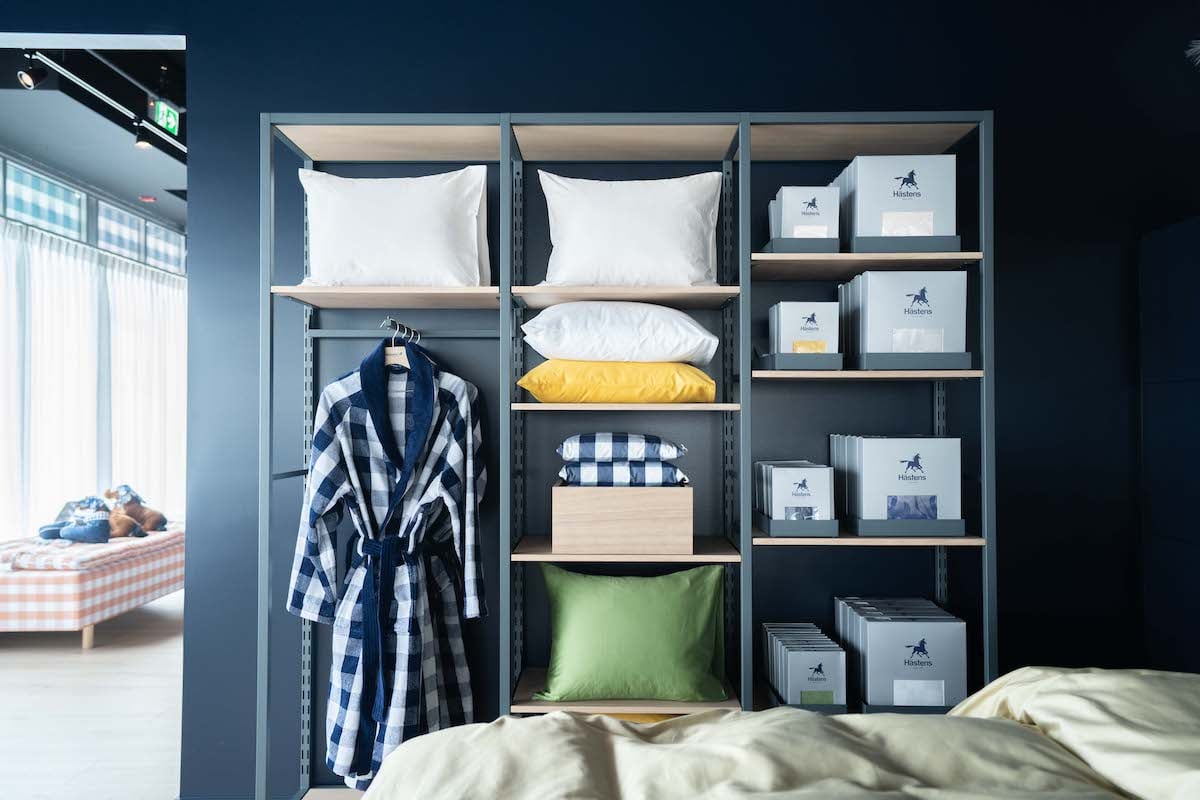
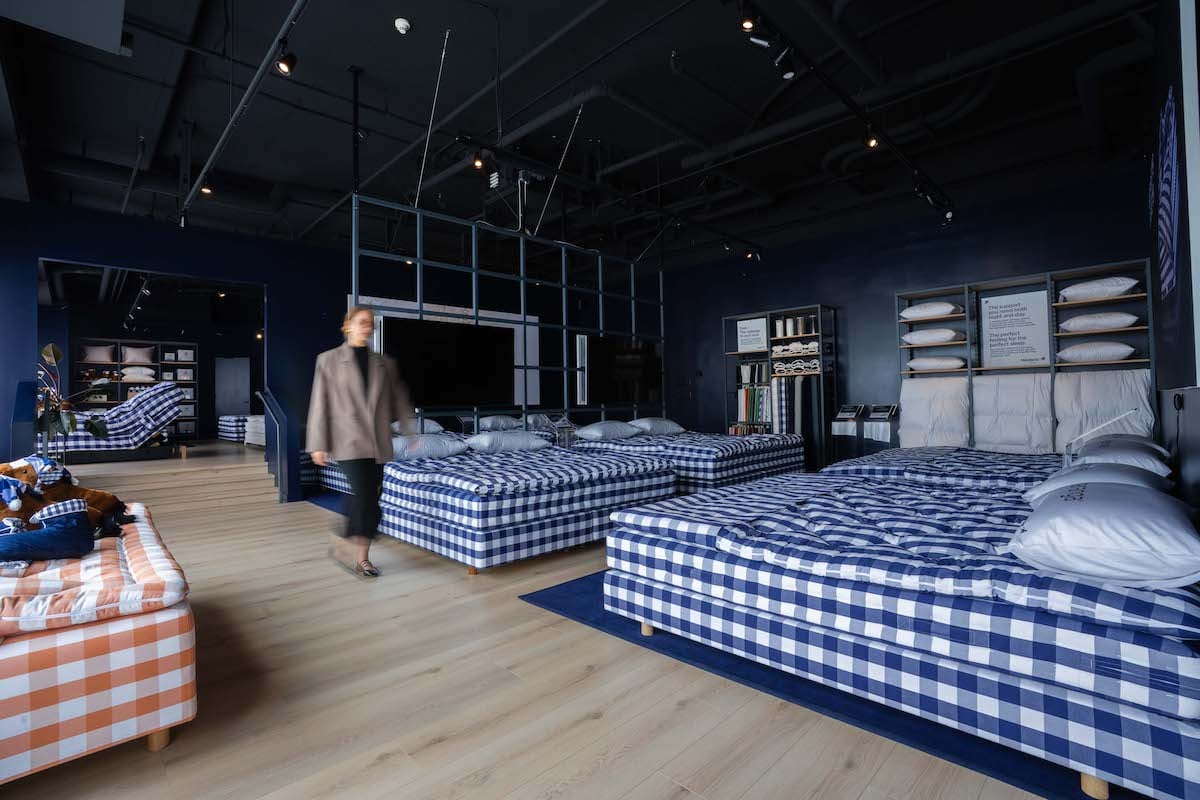
The 2,888-square-foot store was designed to meet Hästens’ exacting global standards, with space for 13 fully dressed beds representing the brand’s range — from entry models like the Maranga to the top-tier Grand Vividus. Each model is presented in an atmosphere that resembles a serene, minimalist Scandinavian home, complete with soft lighting and muted tones to encourage relaxation.
“Headquarters requires a certain size to ensure the best sleep experience,” said Wu. “The store layout allows clients to explore all models comfortably, including different firmness levels and customization options.”
Hästens showroom at 1913 Burrard Street in Vancouver. Image: Hästens
Experiencing the World’s Finest Sleep
The Vancouver store provides visitors with Hästens’ signature “sleep spa” experience — an immersive environment where shoppers can test various models, including the entry-level Maranga (starting at approximately $37,000 for a king) and the 2000T, a model that revolutionized bed design when it debuted in 1978.
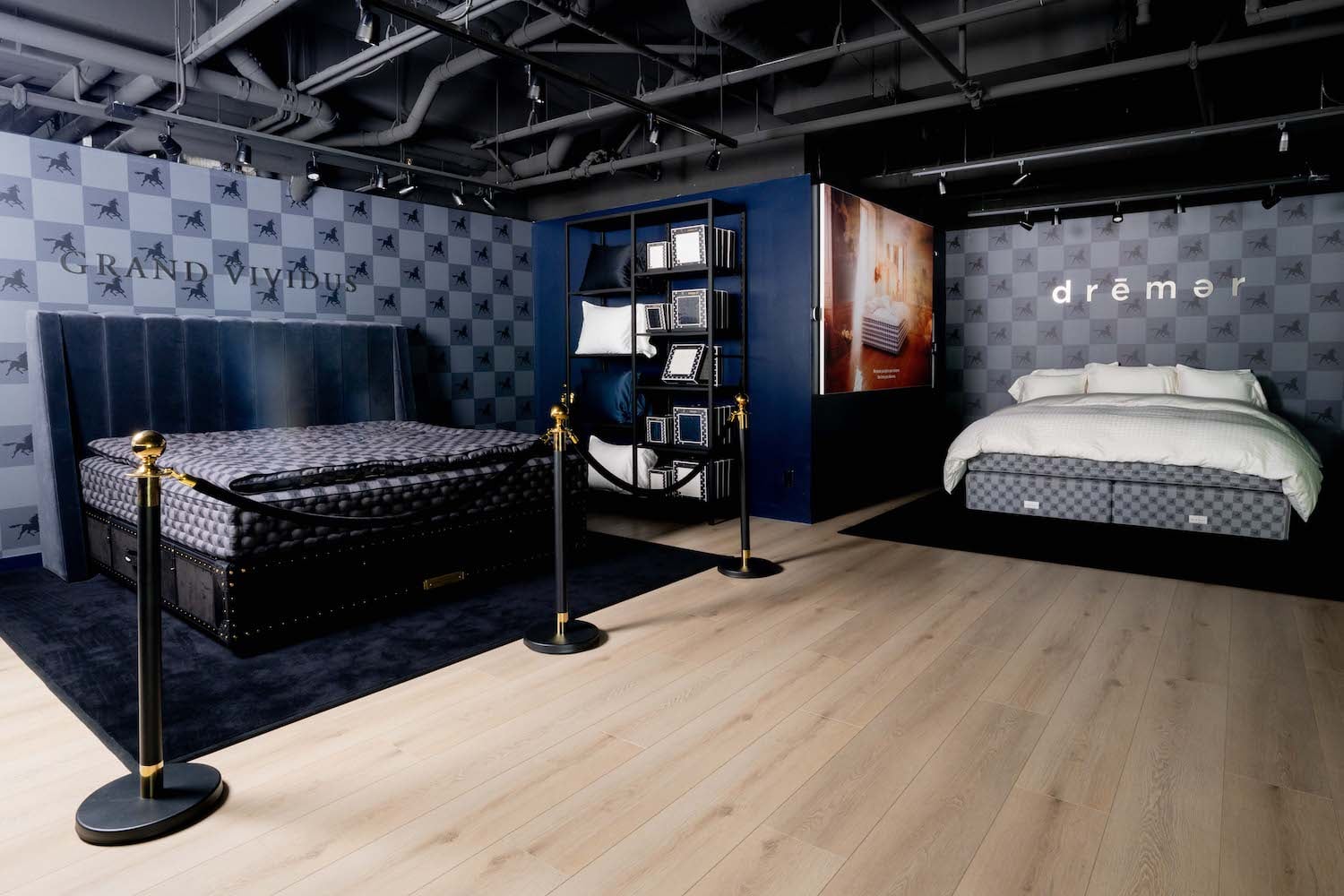
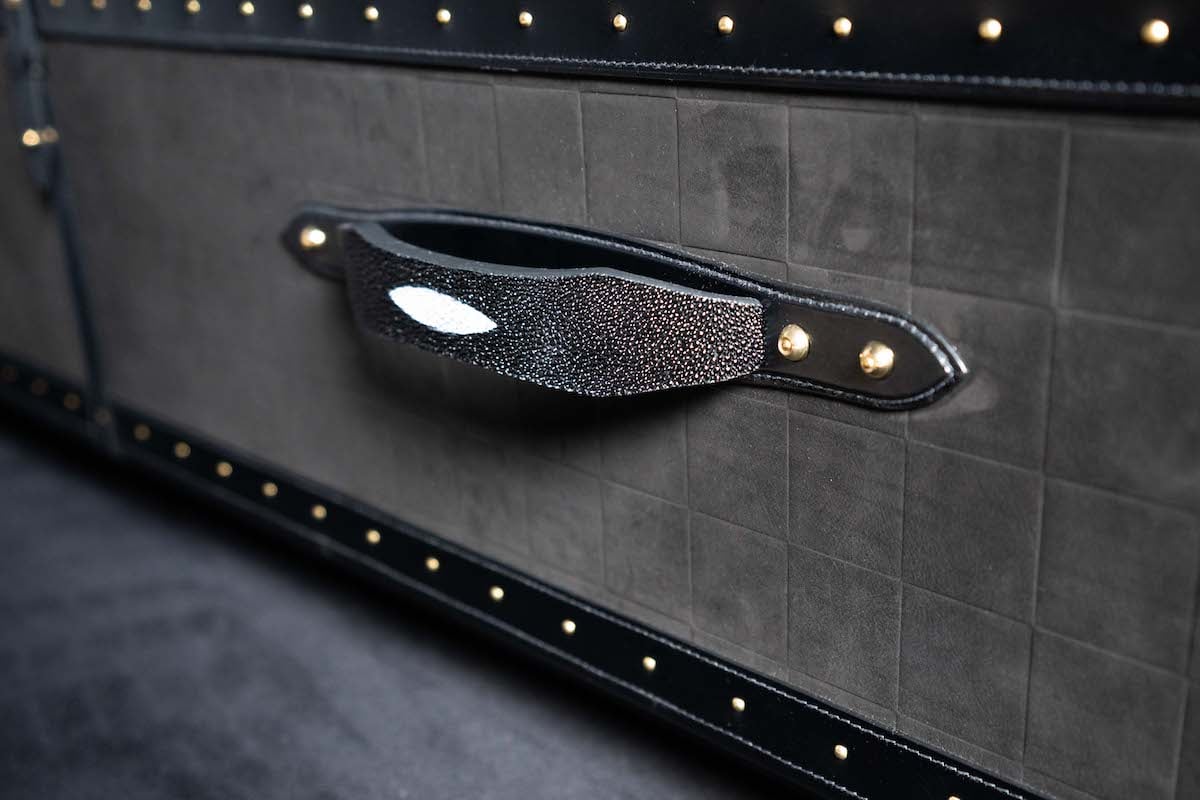
The crown jewel is the Grand Vividus, a masterpiece of craftsmanship requiring approximately 600 hours to make by a small team of five master artisans in Sweden. Each bed features intricate hand-stitching, premium natural materials such as horsehair, wool, cotton, and flax, and even decorative details like saddle leather strips and rivets that must be perfectly aligned.
“If they do the rivets crooked, they have to take out the entire strip of leather and redo it,” Wu explained. “It’s about perfection in every corner and every angle. That’s the Hästens way.”
Recent price adjustments pushed the Grand Vividus above the million-dollar mark. Despite its extraordinary price, the Grand Vividus continues to attract global demand, serving as both a status symbol and a testament to the brand’s devotion to perfection.
The million+ dollar Grand Vividus model in the Hästens showroom at 1913 Burrard Street in Vancouver. Image: HästensHand-tooled craftsmanship and stingray leather on the Grand Vividus in the Hästens showroom at 1913 Burrard Street in Vancouver. Image: Hästens
A Strategic Luxury Neighbourhood
Burrard Street, south of False Creek, has become one of Vancouver’s most dynamic luxury corridors. High-end car brands such as Rolls-Royce, Ferrari, Aston Martin, and Lamborghini all maintain showrooms nearby, creating a natural audience for Hästens’ clientele.
“In the six months I’ve been at the store, I’ve seen Maybachs, Ferraris, and Rolls-Royce SUVs passing by daily,” Wu said. “That tells me there’s still strong wealth in Vancouver, and those are the clients who understand the value of quality sleep.”
Despite challenges in luxury retail elsewhere, Wu said business has exceeded expectations. “We’ve actually seen a huge increase in sales during the summer months, when others were reporting slowdowns. From June until now, it’s been incredible growth.”
Making Sleep an Art Form
Founded in 1852 by Pehr Adolf Janson in Köping, Sweden, Hästens originally operated as a saddlery. Its transition into bedmaking evolved naturally when artisans discovered horsehair’s remarkable properties for mattresses — elasticity, breathability, and moisture resistance.
By 1952, Hästens became the official bedding supplier to the Swedish Royal Court, a distinction it still holds. Now under the leadership of fifth-generation CEO Jan Ryde, the company continues to handcraft every bed in Sweden using natural, sustainable materials.
No foam or synthetic materials are used. Instead, layers of horsehair, cotton, wool, flax, and pine are combined with hand-tied pocket springs and dovetail-jointed wooden frames. Each bed carries a brass plaque signed by its craftsman, underscoring the brand’s philosophy that true luxury lies in time, care, and authenticity.
“Each Hästens bed is built to last generations,” said Wu. “That’s something you don’t see in most products today.”
Hästens showroom at 1913 Burrard Street in Vancouver. Image: Hästens
A Vision for Expansion
Wu, who previously worked with Hästens in Taiwan, became a franchise partner after being a long-time client. “My family owns nine Hästens beds,” he said. “We loved them so much that we decided to invest in the brand in Taiwan. When I moved back to Vancouver three years ago, I saw an opportunity — there was no Hästens here, so I brought it.”
The process took nearly two years from proposal to opening. “It was a long journey,” Wu recalled. “We spent about a year negotiating contracts, another year on design approvals, and several months on construction. But it was worth it.”
Wu has plans for the future, including pop-up locations in markets such as Holt Renfrew in downtown Vancouver, Park Royal, Oakridge Park, or even Whistler, where he envisions a potential partnership with luxury hotels.
A second permanent location in Western Canada could also be in the long-term plan, possibly in Calgary. “Hästens encourages partners to expand, but for now, my focus is on building Vancouver’s success,” he said.
The Science and Craft Behind Rest
The Hästens philosophy centres on sleep as a foundation for wellbeing — an idea supported by growing scientific research linking quality sleep with mental clarity, immunity, and longevity. Each bed is crafted to support spinal alignment and regulate temperature through natural ventilation layers.
Wu often hosts events that blend wellness and lifestyle. “In May, we organized a series of sound bath sessions in our showroom,” he said. “We invited about twenty guests at a time, and most of them fell asleep during the session. It was amazing. Outside of your home, to be able to fall asleep on a new mattress in under an hour, that really says something.”
Hästens’ approach is holistic: its design philosophy of “form follows function” means even the brand’s iconic blue-and-white check pattern, introduced in 1978, serves a purpose. Each square measures exactly five centimetres, helping craftspeople maintain perfect symmetry when cutting and stitching fabric.
Hästens showroom at 1913 Burrard Street in Vancouver. Image: Hästens
Tailored Comfort for Every Sleeper
The Vancouver store features Hästens’ full range of continental beds, adjustable models, and accessories such as toppers, pillows, and bedding. Entry models such as the Maranga start at around $37,000 for a king size, while frame beds set to arrive later this year will start below $20,000.
Wu noted that not all of his customers come from ultra-wealthy backgrounds. “We have many regular people who come in and say, ‘This is too expensive,’” he said. “But when they understand the value including the materials, the craftsmanship, the longevity, they realize it’s an investment in their health.”
For some, that starts with smaller purchases like a Hästens topper, known for its breathability and pressure relief. “Once they try it, many come back for the full bed,” Wu said.
Scandinavian Craft Meets Vancouver Lifestyle
Vancouver’s reputation as a wellness-oriented, design-conscious city makes it a natural fit for Hästens. The brand’s minimalist aesthetic, focus on natural materials, and deep roots in Scandinavian craftsmanship resonate with local consumers who value sustainability and understated luxury.
“Vancouver is a lifestyle city,” said Wu. “People care about health, comfort, and quality of life. And that aligns perfectly with Hästens’ philosophy.”
He believes that the city’s mix of wealth and wellness makes it ideal for Hästens’ long-term growth in Canada. “Our beds aren’t just for sleeping — they’re about transforming how people live. Once you experience a Hästens, you understand what real rest feels like.”
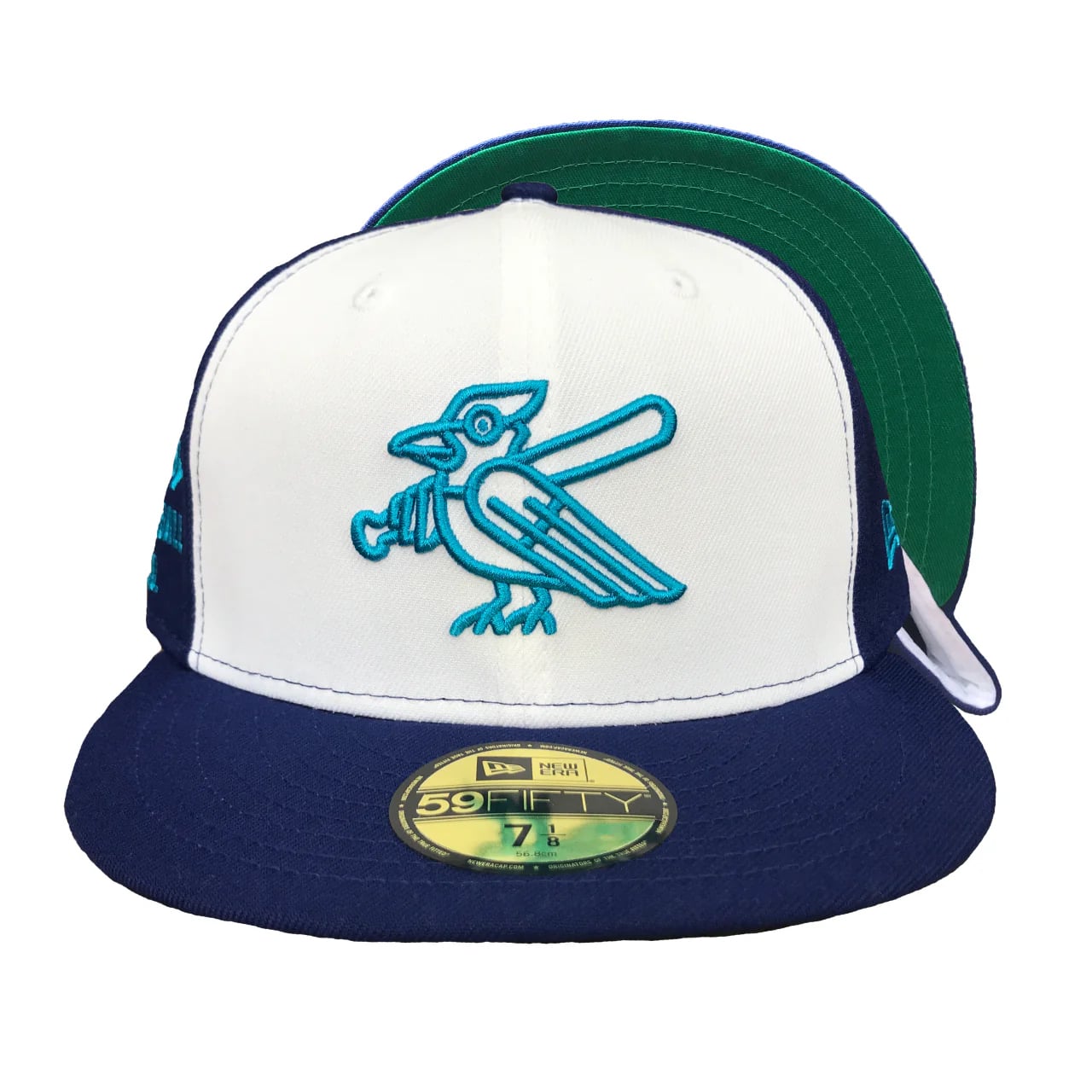
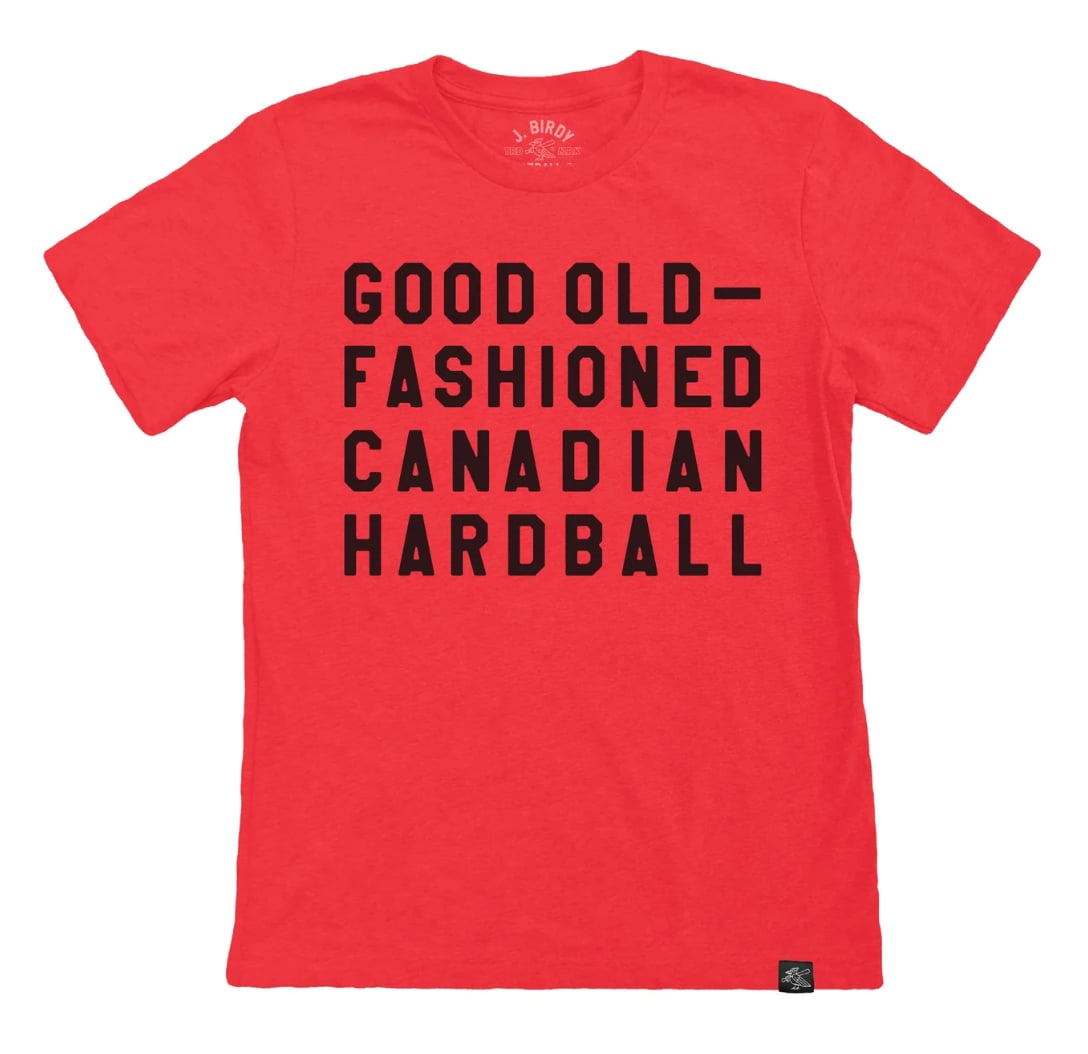
As the World Series begins with the Toronto Blue Jays taking on the L.A. Dodgers and the sport of baseball growing from coast-to-coast-to-coast, a Toronto-area entrepreneur is sharing his love for baseball with Canadians through his new clothing line at J. Birdy.
And with the Jays’ success, Darryl Silverstein, born and raised in Thornhill, has been seeing incredible sales growth for the online retailer with more to come.
“I think that the more that the Blue Jays consistently play at this high level will be good. The months of May and June were really good. July was tremendously good. August was even better. September was even better, and October has just blown it away to the point where we had to reorder our hats, we had to reorder our sweatshirts, we had to reorder our T shirts,” he said.
“We’re putting out a brand new World Series shirt, on sale . . . We have sweatshirts, crewnecks, t-shirts, hats, snapbacks, pullbacks, and socks. In early 2026, we’ll launch a zip-up hoodie—that’s been a popular request. We’ll also have a new collection coming out in 2026 with a fresh look.”
Darryl Silverstein
Baseball has been his life since as his childhood love for baseball started with a family trip to Cooperstown, New York (Baseball Hall of Fame). He played baseball throughout his life and in 2024, he was awarded Ontario Baseball Coach of the Year Award and Baseball Canada Coach of the Year Award. A brain cancer survivor, Darryl’s story is about grit, doing hard things the right way, and building something that lasts.
He founded J. Birdy (clothing line) during the pandemic to create what Canada had been missing, a premium, proudly Canadian baseball lifestyle brand made for everyday wear. When thinking about what to name this brand, J. Birdy just stood out. “Birdy just sounded like the scrappy teammate everyone knows.” He then sharpened it with a modern edge and every piece prioritizes top quality fabric and everything is literally Made in Canada.
J. Birdy trademarked “Canada’s Baseball Brand” to tell Canada’s untold baseball stories like Babe Ruth’s first professional home run in Toronto to Jackie Robinson and Roberto Clemente starting their careers in Montreal.
Now when you get a bag in the mail the jersey number is #38, a reminder to Canadians that baseball didn’t start in Cooperstown in 1839 like he was told as a kid. It is to pay homage to Beachville, Ontario where the first recorded game happened in 1838.
“I’ve been in baseball my entire life, but what I noticed as a fan was that we never had a baseball brand of our own. When we’d buy merchandise, it just felt like it came in a box or a bag—no love toward it. I felt there was a gap in the Canadian market for something cool that could start small but grow,” he explained.
“We wanted to tell stories—because there are a lot of stories about baseball in Canada—and do that through our merchandise. We’ve been able to do that successfully, especially on Instagram. With the Blue Jays doing so well, that’s helped tremendously. We were popular last year, but it’s really taken off over the last couple of months.
Photo: J.Birdy
“We were looking for cool names—that was our hook. In baseball, if you’ve ever had dirt on your cleats, there’s always someone on your team like a Jaybird or a Birdy—someone who wants to be the bullpen catcher, the utility player, the outfielder—just that Charlie Hustle-type guy. We stumbled on it because I played with a bunch of guys we called Jaybirds. We were thinking about what animal to use for a baseball logo. During COVID, we were brainstorming: “What does it look like?”
“In baseball, most team mascots are birds—Cardinals, Orioles, Blue Jays—so that made sense. “Bird” made sense. Then “J. Birdy” just sounded clever. One thing I always talked about with my dad, who got me into baseball, was “the journey.” It’s a big word for us. Even if you’re a professional, or white-collar, or blue-collar, everyone has a journey—everyone has a story. I like to say the “J” stands for “journey”—not just for J. Birdy, but also for athletes who are starting T-ball today and might someday earn a scholarship, coach their own kids, or go further. That’s where the name came from.”
Photo: J.Birdy
Alberta and B.C. actually split about 50/50 with Ontario in terms of sales with some business in the East, and it’s even shipped to the U.S., Ireland, England, and Japan.
Photo: J.Birdy
As the Blue Jays’ incredible season continues, new data from technology company Square reveals the “Blue Jays Effect” is delivering a game-changing boost to Toronto retailers in 2025:
Blue Jays merchandise sales soared 15% in August and 16% in September 2025, year-over-year.
Fans are buying nearly two Blue Jays items per order at stores selling Blue Jays merchandise, highlighting surging demand this historic season.
“Our data shows the team isn’t just wowing their fans, but they’re also inspiring them to shop at local businesses. By embracing things like game-day promotions and Blue Jays-themed offerings, and by leveraging real-time data tools to optimize staffing and inventory on peak days, Toronto sellers can harness fan excitement and maximize revenue.”
The federal government could add more than 25,000 youth jobs in the foodservice industry by eliminating the GST from restaurant meals, according to analysis by Restaurants Canada. The foodservice industry already employs more than 500,000 youth, representing one in five youth jobs in the country.
“In fact, young people make up over 40% of foodservice workers. Our industry is perfectly positioned to help alleviate the youth employment crisis, and the federal government can facilitate that by permanently removing the GST from prepared meals, like it did at the start of the year.
“Our industry is a part of the solution to the youth employment crisis, but we need the federal government to tip the scales in favour of Canadians quality of day to day living and boost the sector’s viability. We’re looking for concrete solutions from them on affordability and tax relief in the upcoming federal budget.”
Restaurants Canada has been advocating for a permanent removal of the GST from all food to improve affordability for Canadians and boost restaurant sales.
To date, over 7,500 Canadians have signed Restaurants Canada’s petition calling for the removal of the GST from all food atfoodisfood.ca.
The GST/HST holiday, which ran from December 15, 2024, to February 15, 2025, led to the creation of 24,000 new foodservice jobs, more than the previous 12 months combined. While the industry shed some of those jobs after the holiday, overall, it has added 23,600 jobs in the first nine months of 2025, more than the 21,200 jobs created across the broader private sector, said the national organization.
Based on data from the GST/HST holiday and economic modeling, Restaurants Canada estimates that a permanent tax exemption on prepared food would lead to:
64,300 new foodservice jobs (40% of which are likely to go to people under 25)
15,685 additional spinoff jobs in related industries
2,680 new restaurants
$5.4 billion in tax savings to consumers
$1.5 billion in additional tax revenue and EI savings for government
Additionally, every dollar in foodservice sales generates $2.30 in the wider economy, compared to a $1.90 average output for all other industries, meaning that an investment in the foodservice industry would create significant returns for the Canadian economy at large, it said.
Due to the affordability crisis facing Canadians and the lack of discretionary spending 75% of Canadians say they are dining out less frequently than they used to due to the rising cost of living, added Restaurants Canada.
By age: 81% of those aged 18 to 34 70% of those aged 55+
By household income: 86% earning $50,000/year. 70% earning $100,000 or more. Source: Angus Reid, survey conducted June 2025
“The narrative around the temporary foreign worker program has totally lost the plot over the past few months,” said Dan Kelly, CFIB president.
“There are dozens of legitimate reasons why small businesses use the TFW program to fill persistent labour market gaps, often to the benefit of Canadian workers in the business. Temporary workers are always more costly than hiring locally available workers. Vilifying the businesses that need TFWs to fill the positions that Canadians don’t want does nothing to address program gaps, nor tackle the real issues weighing down our economy.”
CFIB said the snapshot, Temporary Foreign Workers in Canada: Myths vs Realities, challenges five common misconceptions, including: Employers are addicted to TFWs; TFWs take jobs from Canadians and especially young Canadians; TFWs supress Canadian wages; TFWs strain local housing, and abuse is widespread and goes unchecked.
The CFIB is Canada’s largest association of small and medium-sized businesses with 100,000 members across every industry and region.
Christina Santini
“The TFW program is structured around ensuring TFWs are not replacing Canadians. There are rigid processes and hefty costs that employers go through to fill a position. Simply scrapping or restricting the program won’t solve Canada’s labour market challenges,” said Christina Santini, CFIB’s director of national affairs. “We need a sensible, sustainable approach to this program that takes small business realities into account.”
Over half (52%) of small business owners using the temporary foreign worker program said that TFWs enabled them to continue employing Canadians and providing Canada with essential goods and services. One in five respondents in Employment and Social Development Canada (ESDC)’s employer survey also found that hiring TFWs improved their ability to hire more Canadians.
To keep supply chains moving and to help small businesses fill critical labour gaps, CFIB recommends policymakers:
Retain a focused TFWP and reject the misinformation.
Facilitate the retention of TFWs already in Canada through a grandfathering clause.
Provide a pathway to permanent residency for lower-skilled TFWs who have maintained their legal status, acquired work experience in Canada, and paid taxes.
Let employers make their case as to why they are unable to hire a Canadian for their position instead of issuing a blanket refusal to process policy.
Reduce the program’s administrative burden.
Consult employers and the business community in advance of future reforms.
Walmart Canada is bringing back its limited-edition holiday home and decor collection in collaboration with lifestyle influencer and cookbook author Tori Wesszer.
The Fraiche x Walmart Canada line launched on Wednesday, Oct. 22, both in select Walmart Canada stores and online at Walmart.ca. The seasonal collection features new holiday-themed pieces as well as returning favourites, with prices starting at $3.98.
Krista Thomas
“We’re ecstatic to bring back this beloved collection with Tori Wesszer, now with new additions for the home,” said Krista Thomas, vice-president of home and hardlines at Walmart Canada. “With her signature eye for detail, the curated line keeps holiday style both inspiring and affordable for Canadians.”
The second holiday release builds on the success of last year’s debut collection and Wesszer’s more recent spring offering. According to Walmart Canada, the new collection blends Parisian-inspired elegance with classic holiday designs, offering home décor and entertaining essentials such as glass trees, bells, bows, food-themed ornaments, dinnerware, mini houses and wreaths.
Fraiche x Walmart Canada (CNW Group/Walmart Canada)
For the first time, the collection also includes a 7.5-foot LED tree.
“Having the opportunity to bring back this collection, in a new light, gives me another chance to share my love for the holidays,” said Wesszer. “This collection captures the essence of festive cheer, with a classic Parisian flare. I’m beyond thrilled to be able to work with Walmart Canada again and collaborate on a collection that showcases my style for the holidays.”
The exclusive line aims to make holiday decorating accessible, offering what the company describes as “chic, versatile and affordable” pieces.
MEC Vancouver Store with line ups for community event 2024. Photo: MEC
As Canada’s outdoor retail landscape faces contraction, MEC (Mountain Equipment Company) stands out as a rare exception by expanding its footprint, investing in its people, and strengthening its position as one of the country’s most trusted outdoor retailers. Under new Canadian ownership since May 2025, MEC continues to chart a path of steady growth through disciplined operations, innovative brand partnerships, and renewed community connection.
“Over the past five years, we’ve navigated one of the most volatile retail cycles in history,” said Peter Hlynsky, CEO of MEC, in an interview with Retail Insider. “Now, it finally feels like we’re in the most normal part of the cycle. And for us, that means leaning into growth again.”
Peter Hlynsky
MEC’s resurgence underlines how purpose-driven business and profitability can coexist in the Canadian retail environment. The company’s return to Canadian ownership earlier this year marked a symbolic and strategic reset. Acquired by a consortium of private Canadian investors led by Toronto-based entrepreneur and textile executive Tim Gu, the transition restored MEC to domestic hands after five years under U.S. ownership by Kingswood Capital Management.
Gu, who also chairs Unisync Corp., has emphasized the importance of restoring MEC’s Canadian identity and investing in local manufacturing through his apparel firm, E.star International Inc. “Our goal is to ensure MEC remains an essential part of Canada’s outdoor culture for generations,” Gu said at the time of the acquisition.
According to Hlynsky, Canadian consumers have responded enthusiastically to the change. “I think our timing was perfect,” he said. “The Canadian ownership message has a lot more meaning right now. Canadians are focused on buying locally, supporting homegrown brands, and reconnecting with what makes this country unique.”
He added that while ownership has changed, operations have not: “We’ve always been operated by Canadians. Our head office, our design and development teams, and all our stores are based here. What’s changed is the pride and resonance that comes from once again being 100 percent Canadian-owned.”
MEC Vancouver Bouldering Wall 2024. Photo: MEC
Strategic Store Expansion Across Canada
MEC continues to grow strategically. Its upcoming Nanaimo, British Columbia store, opening in December 2025, reflects careful market analysis and community alignment. “Nanaimo has been on our radar for years,” said Hlynsky. “The Island is an epicentre for the outdoors. You have mountains, ocean access, lakes, and climbing all within reach. It’s a natural fit for MEC.”
The new store will complement MEC’s successful Victoria location and expand access to Vancouver Island’s northern region.
In Quebec, MEC is relaunching its Laval store following a complete remerchandising and staffing upgrade. “That store was never given the proper assortment when it opened,” said Hlynsky. “We’ve transformed it into a premier store to reflect the Laval market’s potential. Customers will see new products, new energy, and a more robust service experience.”
The Laval renovation demonstrates MEC’s commitment to revitalizing existing assets alongside opening new ones. Hlynsky described the location as “a gateway to the outdoors, similar to what North Vancouver is to Vancouver,” citing its proximity to nature and strong suburban demographics.
MEC Vancouver Flagship store community event line up. 2025. Photo: MEC
Moving the Headquarters Above Vancouver Flagship
In a development shared exclusively with Retail Insider, Hlynsky confirmed that MEC will move its head office above its flagship Vancouver store at 111 East 2nd Avenue in Olympic Village early in 2026. The relocation will bring the company’s design, development, and operations teams together under one roof for the first time.
“It’s going to be fantastic to have our R&D centre right above the flagship,” said Hlynsky. “Designers will be able to go down to the sales floor, talk directly to members, and see how products perform in real time. It’s a perfect environment for collaboration.”
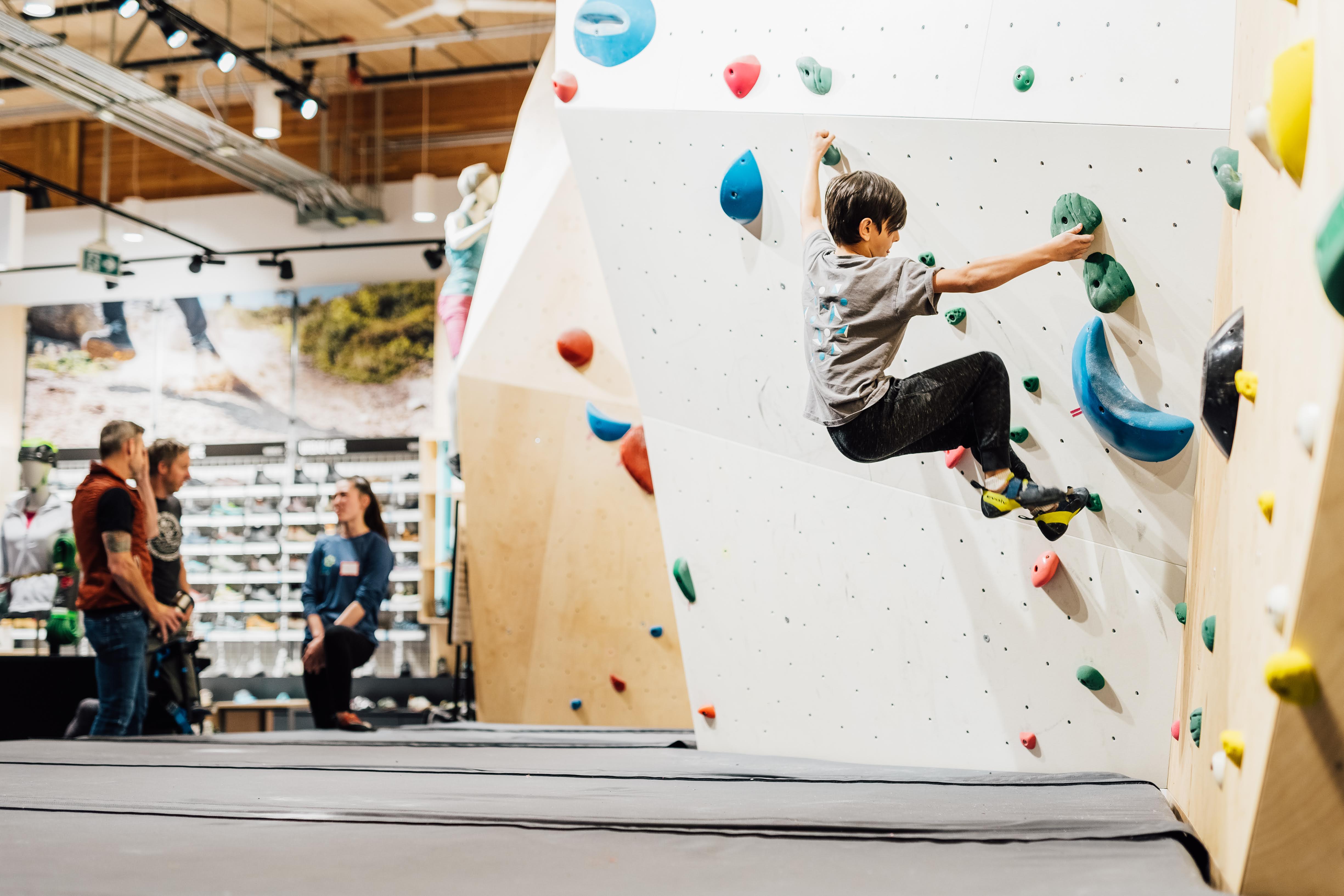
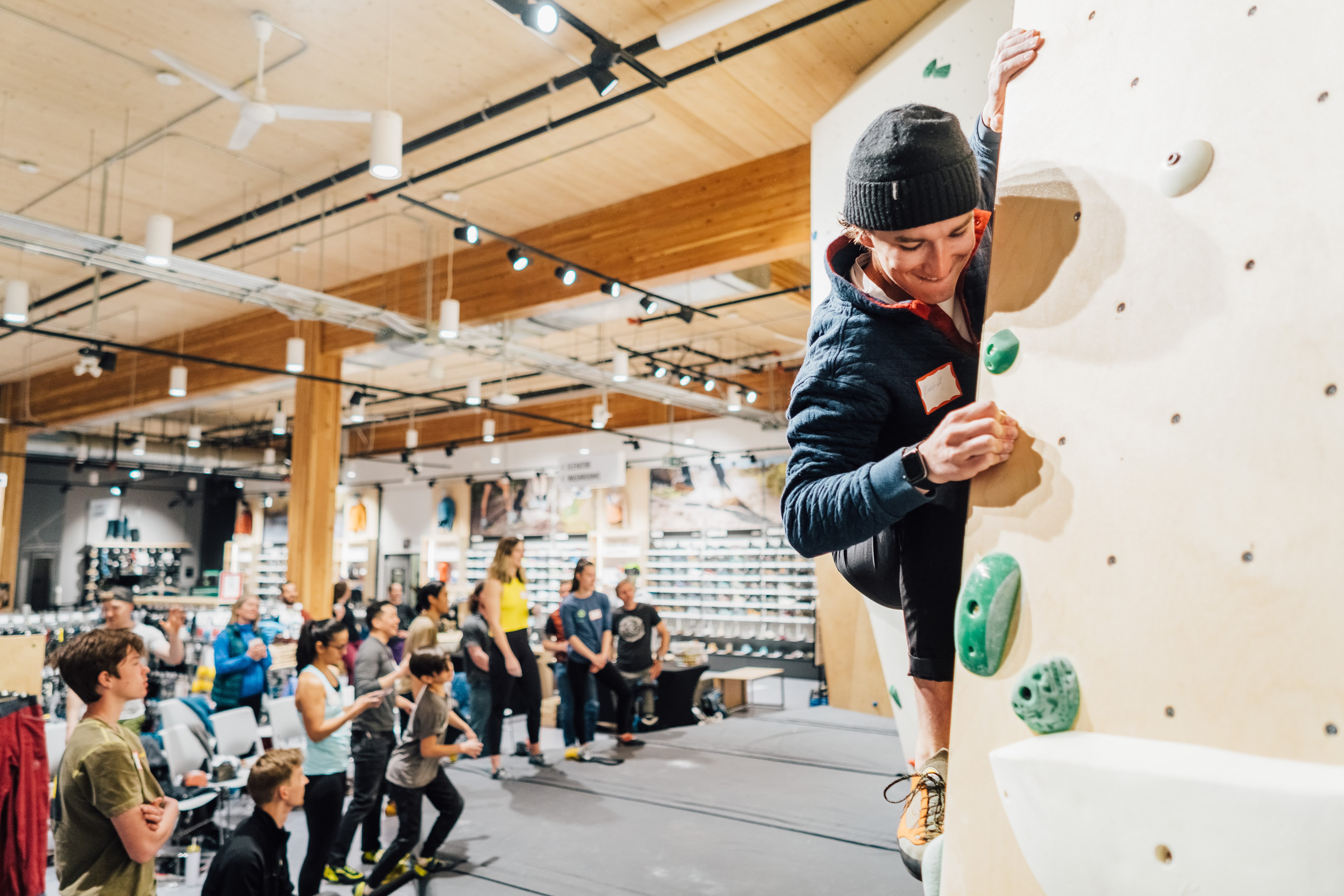
The flagship itself, which opened in 2020, is a 60,000-square-foot architectural showcase built to LEED Gold standards, featuring mass timber construction, rainwater harvesting, and one-third lower energy consumption than national code requirements. With its bouldering wall, gear rentals, and community programming, the store embodies MEC’s evolution as both retailer and cultural hub.
MEC Vancouver Store bouldering wall, 2024. Photo: MEC
Strengthening Leadership and Expertise
The company’s growth is supported by new leadership talent. Industry veteran Paul Reid, formerly of Bootlegger, recently joined MEC as Senior Vice President of Operations. Reid brings 35 years of experience in scaling national retail brands.
Paul Reid
“Paul has a long history of developing talent and driving operational excellence,” Hlynsky said. “Our focus is on ensuring that every member who walks into a store interacts with knowledgeable, passionate staff. That’s the MEC experience, and Paul’s leadership will help us elevate it even further.”
Hlynsky credited MEC’s success to its people: “Our staff are incredibly tenured. When consumers look for value, they go where they can get both great service and trusted expertise. That’s what keeps MEC strong through every cycle.”
Brand Partnerships and Product Innovation
MEC’s recent collaboration with Arc’teryx marks an important milestone in its product strategy. The partnership introduced six Arc’teryx shop-in-shops across the country, offering customers the opportunity to explore the brand’s full collection in one dedicated space.
“These shop-in-shops allow us to tell the full brand story,” Hlynsky explained. “Customers can see and compare the entire Arc’teryx line and understand how it integrates into their broader outdoor experience—whether it’s climbing, skiing, or backcountry camping.”
Hlynsky noted that the model could extend to other premium brands in the future, creating deeper, more educational in-store experiences. “It’s about connecting the gear to the lifestyle. Our members value innovation, and we want to showcase products that truly perform.”
The brand is also testing the return of MEC’s printed catalogue, a nostalgic nod to its co-op roots. “Members have been asking for it for years,” said Hlynsky. “This is our way of seeing if print still resonates. People are overloaded with digital information, and having something tangible they can flip through and share feels refreshing again.”
MEC Mountains Logo Vancouver Store 2025. Photo: MEC
Omnichannel Strategy and Technology Integration
While e-commerce remains a key growth driver, MEC is taking a measured approach to digital transformation. Rather than chasing trends, it is focusing on meaningful integration between online and in-store experiences.
“Omnichannel gets used as a buzzword,” said Hlynsky, “but for us, it’s about merging the expertise of our staff with the convenience of online. We’re updating our website to better reflect what customers experience in-store, and we’re introducing new digital tools to enhance shopping on both sides.”
These tools include mobile tablets for store associates and interactive kiosks that allow members to compare products and check availability. “We don’t want to be overly technical,” Hlynsky said. “It’s about providing the right information in the right way. We’re modernizing without losing our organic, authentic feel.”
Reinvesting in People and Culture
When asked about MEC’s priorities heading into 2026, Hlynsky returned repeatedly to one theme: people. “Everything starts with having the best people,” he said. “We’re investing heavily in training and development because our in-store expertise is what sets us apart.”
He pointed to the company’s evolving merchandising strategy, which emphasizes both innovation and heritage. “Our MEC-label products continue to improve, and we’re introducing new designs that align with sustainability and Canadian conditions. At the same time, we’re keeping the core products our members have relied on for decades.”
Upcoming initiatives include new product launches in technical apparel and outdoor equipment categories. While Hlynsky remained tight-lipped on details, he confirmed that several innovations will debut in early 2026. “We have some pretty exciting projects in the pipeline,” he said. “It’s all about staying true to our roots while moving forward.”
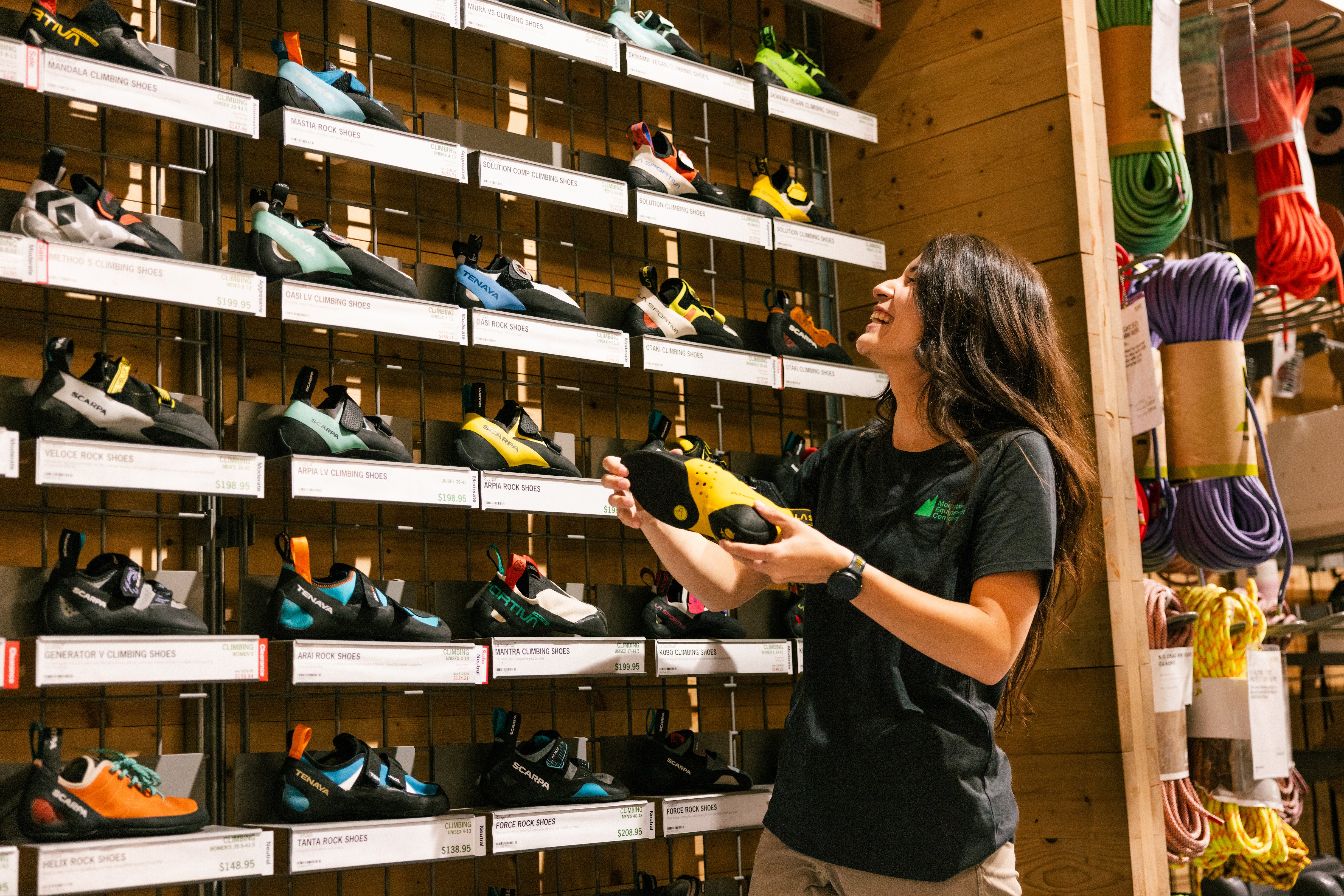
MEC Staffer in climbing shoe area. Photo: MEC
MEC’s Broader Role in Canadian Outdoor Culture
Founded in 1971, MEC has been a cornerstone of Canada’s outdoor culture for over half a century. Once the nation’s largest consumer co-operative, the company’s 2020 restructuring and sale to U.S. ownership sparked widespread debate about its future. Five years later, the brand’s full-circle return to Canadian control marks a new chapter.
“MEC has always been an institution in Canada,” said Hlynsky. “We look back to understand what made us great, and we use those principles to guide us forward. Our approach might differ from others, but we’re focused on innovation, sustainability, and service.”
With a national network of stores averaging 20,000 square feet and strong online operations, MEC’s growth trajectory contrasts sharply with the retrenchment seen elsewhere in the sector. As global players like Decathlon and REI recalibrate, MEC is proving that locally rooted, community-oriented retail still has room to thrive.
Looking ahead, Hlynsky envisions a measured but optimistic expansion strategy. “We see a lot of white space in the Canadian market,” he said. “We’re not fixated on opening a specific number of stores each year. It’s about finding the right locations and continuing to build meaningful connections with our members.”
He added that MEC’s ongoing success reflects the enduring power of purpose-driven retail. “We’ve shown that you can be profitable while doing the right thing by your people, your customers, and your country. That’s the balance we’re proud of.”
Woman shopping for eggs in a grocery store. Image: eggs.ca
Nearly a decade after Canada’s largest grocery chains pledged to go fully cage-free by 2025, a new report from Mercy For Animals reveals that the country’s major retailers have largely failed to deliver on their promises. The findings, outlined in Beyond the Commitment: Evaluating Cage-Free Progress Across the Canadian Retail Sector, show that none of the top grocers assessed have met their targets or published a detailed plan to do so.
In 2016, members of the Retail Council of Canada (RCC) including Loblaw, Sobeys, Metro, and Costco, committed to transitioning to 100% cage-free eggs by the end of 2025. The collective pledge aligned with a global movement toward higher animal welfare standards and was presented as a milestone moment for Canadian retail. However, in the years that followed, the sector’s progress slowed dramatically.
The turning point came in 2017, when the National Farm Animal Care Council (NFACC), a body dominated by agricultural industry interests, released new codes of practice endorsing “enriched” battery cages as acceptable alternatives. These modified cages offered slightly more space than conventional ones but continued to confine hens, limiting their ability to engage in natural behaviours such as foraging or stretching.
Following the release of those codes, egg producers began shifting to enriched systems, and many retailers quietly weakened or abandoned their cage-free goals, according to Mercy for Animals.
Report Findings Reveal Widespread Inaction
Mercy For Animals’ new assessment ranks 16 of Canada’s largest grocery retailers on a 200-point scale measuring policy strength, progress, and transparency. The report also awards bonus points for publishing a public roadmap and penalizes companies for promoting enriched battery cages. The results paint a bleak picture for Canada:
No major retailer has met its 2025 cage-free goal.
Eight companies, including Sobeys, Loblaws, and Costco, received failing grades.
Costco, which is 97% cage-free in the United States, reports only 21.3% in Canada.
Loblaws sits at 16% cage-free, far short of its 100% pledge.
Sobeys has made virtually no progress in four years, maintaining just 17% to 18% cage-free sourcing.
Other brands receiving failing grades include Farm Boy, Calgary Co-op, IGA, Safeway, Nesters Market, and Natures Fare Markets, each scoring zero points. Only a handful of retailers achieved moderate or strong results:
Whole Foods Market earned an A (200 points), reflecting its complete commitment to cage-free sourcing.
Save-On-Foods and Couche-Tard each received a C, with 68 and 60 points respectively — the highest scores among traditional Canadian grocers.
The Cost Barrier Debate
Many retailers cite cost as a barrier to meeting their cage-free commitments. Yet, according to U.S.-based research referenced in the report, producing cage-free eggs costs only 19 cents more per dozen. Despite this, Canadian consumers often pay significantly higher premiums at the checkout for cage-free options.
Financially, the nation’s leading grocery corporations earn billions annually. The report highlights annual revenues of Loblaws ($61.14 billion), Costco ($34.87 billion), Empire Company, parent of Sobeys, Safeway, and Farm Boy, ($30.7 billion), and Metro ($21.84 billion).
Mercy For Animals argues that these figures demonstrate the issue is not about affordability but about priority. “Their revenues show that the cost of cage-free eggs is a matter of priority, not a barrier,” the organization states.
The Enriched Cage Myth
The new data underscore a wider misconception about so-called “enriched” cages, according to the group. These systems, despite being marketed as a humane alternative, offer minimal improvements over conventional cages, they say.
A typical enriched cage provides 116 square inches of space per bird, about the size of a microwave oven. By comparison, traditional cages allot just 67 square inches, being roughly the area of a toaster.
This marginal difference still confines hens in crowded environments, where they cannot walk freely or perform basic behaviours such as dustbathing or stretching. The promotion of enriched cages has stalled what advocates describe as meaningful welfare progress.
“Enriched cages are essentially repackaged battery cages — only slightly larger and offering minimal enrichments,” the report notes. “Their promotion as a ‘humane alternative’ has stalled meaningful welfare progress.”
Canada Lags Behind Global Peers
The Mercy For Animals findings place Canada well behind other major markets in cage-free adoption. According to the report:
United Kingdom: 82% of egg production is cage-free.
European Union: 62% cage-free.
United States: 45% cage-free.
Canada: only 20% cage-free.
While international peers have largely met or are nearing full transition, Canada’s pace has been slowed by policy loopholes and a lack of retail leadership, according to the group. Between 2016 and 2024, the proportion of hens housed in enriched cages rose by 29 percentage points, while the share of cage-free hens increased just 10 points.
Mercy For Animals says this data reflects a decade of stagnation, with the NFACC’s endorsement of enriched cages and the RCC’s withdrawal from leadership contributing to Canada’s slow progress.
Retail Transparency and Accountability
With only two months remaining before the December 31, 2025, deadline, Mercy For Animals is calling for urgent transparency and renewed action. The organization urges retailers to publicly recommit to their 2016 cage-free pledges and publish detailed roadmaps outlining how they will achieve them.
The group emphasizes that multinational retailers can play a decisive role in transforming supply chains. Costco’s stark disparity, with 97 percent cage-free eggs in the United States compared to 21 percent in Canada, illustrates how corporate decisions and national policy frameworks can either drive or delay progress.
“Canadian retailers must end delays, be fully transparent, and take meaningful action,” Mercy For Animals concludes. “The report demands that retailers honour their 100% cage-free commitments and publish clear roadmaps for fulfilling them.”