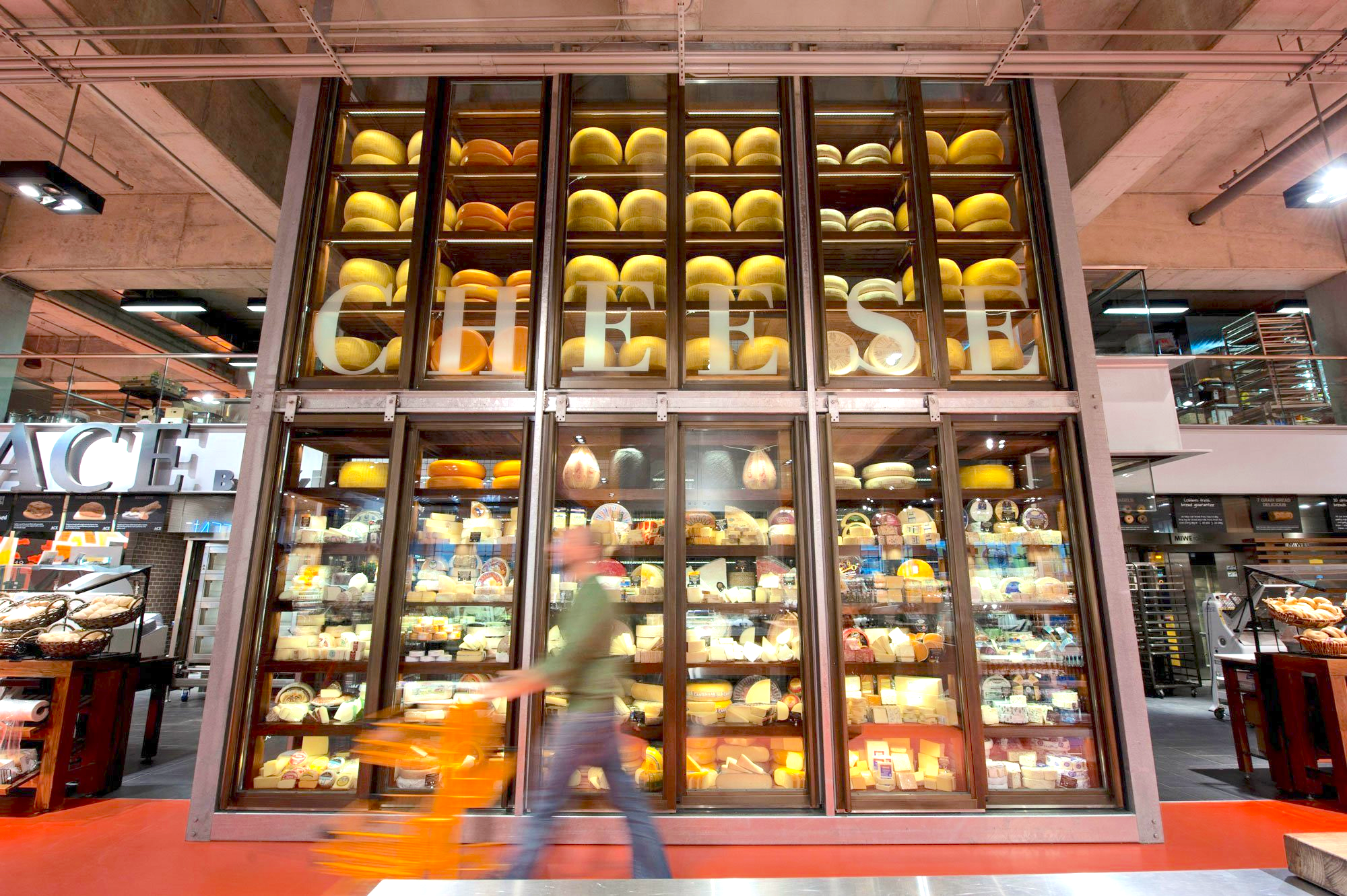
'Wall of cheese' at a Loblaws store in Toronto. Photo: Loblaws
For decades, Canada’s supply management system has acted as both shield and stabilizer for the country’s dairy sector. By regulating production, fixing quotas, and limiting imports through tariff rate quotas (TRQs), the model has provided farmers with stable incomes, preserved rural communities, and sustained a form of food sovereignty. But as the Globe and Mail recently reported, Ottawa is now considering regulatory changes that could allow more U.S. dairy products onto Canadian shelves — a signal that the system is under growing strain.
The timing is strategic. With the 2026 review of the United States–Mexico–Canada Agreement (USMCA) looming, the federal government is looking for ways to ease one of Washington’s most persistent irritants: access to Canada’s dairy market. Yet the conversation cannot simply be reduced to placating the United States. It raises a deeper, more uncomfortable truth: Canada’s dairy sector, and the supply management model that underpins it, cannot remain frozen in time.
A Legal Shield With Cracks
Officially, the federal government insists that supply management is sacrosanct. In 2023, Parliament even passed legislation meant to prevent future governments from negotiating away additional access to supply-managed goods. In practice, however, this law is largely symbolic. Ottawa can change how existing TRQs are allocated without ever reopening USMCA. Shifting licences from processors to retailers such as Loblaws, Costco, and Metro would effectively open the border wider to U.S. dairy products — a change that Washington has been demanding for years.
This is not a technical footnote. It is a rebalancing of who controls what comes into the Canadian market. Giving retailers direct access would allow American milk and cheese to bypass Canada’s processors, disrupting the delicate structure of a sector built around limited, highly managed supply.
Dairy Cows. Photo: Canadian Dairy Commission
Promises Versus Reality
The political narrative has been one of steadfast defence. Back in 2009, Dominic LeBlanc promised Parliament that “the security and future of supply management will be protected.” In 2016, he reiterated that “unlike others who would like to abolish it, we support our Canadian supply management.” Yet only four years later, USMCA carved out greater access for U.S. exporters, proving that supply management had been compromised despite assurances to the contrary.
Today, Ottawa repeats the mantra that the system “will never be on the table.” But the reality is that it already has been — not only under the Liberals, but under the Conservatives before them. The inconsistency is less about party politics than it is about the system itself: a rigid structure struggling to withstand global trade pressures.
Consumers Versus Producers
Advocates of change highlight the consumer benefits: lower prices and greater product variety at a time when food inflation continues to erode household budgets. That narrative resonates with the public and provides cover for policymakers.
But the economic costs are long-term. Supply management has insulated farmers and processors for decades, but it has also limited innovation, discouraged efficiency gains, and placed Canada at odds with trading partners. Billions in compensation packages may soften the blow of concessions, but subsidies are no replacement for competitiveness. They do not modernize value chains or help Canada adapt to a globalized food economy.
Time to Confront the Bigger Picture
What Ottawa faces is not simply another round of concessions to Washington. It is a reckoning with whether the supply management model remains viable in its current form. The U.S. president — whether Donald Trump or anyone else — will continue pressing for access, because the system itself runs counter to the spirit of liberalized trade. Pretending otherwise only delays the inevitable.
The question, then, is not whether consumers will enjoy slightly lower prices in the short term, but whether Canada is prepared to chart a path that balances farmer stability with long-term competitiveness. This is no longer just about protecting a legacy system. It is about deciding whether Canada wants to adapt its agricultural model to the realities of global trade — or risk seeing it eroded piece by piece, deal after deal.
Retail Insider is streamlining its Canadian retail news from around the web to include a handful of top news stories that can be viewed quickly during the day. Here are the top stories from the past several 24 hours.
When searching for a Greenville NC dentist, you want more than someone who just cleans teeth. You want a practice that offers advanced care, treats you like family, and is ready for the full scope of your dental needs. At Pruitt & Earp Dentistry, that’s precisely what you’ll find — a combination of expertise, comprehensive services, patient-focused care, and a welcoming atmosphere that sets us apart from other dental practices in Greenville.
A Full Spectrum of Dental Services Under One Roof
One of the strongest reasons to choose Pruitt & Earp Dentistry as your Greenville NC dentist is our ability to handle almost every dental need in-house. Many dental offices must refer out specialized treatments; we strive not to. Instead, we provide:
Preventive & general dentistry — regular cleanings, exams, checkups, hygiene, and monitoring of oral health.
Dental implants — for replacing missing teeth in a way that preserves jawbone structure.
Dentures — full or partial removable prosthetics for multiple missing teeth.
Veneers — cosmetic enhancements to correct shape, color, or minor alignment.
Cosmetic dentistry — including whitening, smile makeovers, and aesthetic improvements.
Orthodontics / Invisalign — clear aligner therapy for mild to moderate tooth movement.
Emergency dentistry — same-day care for cracked, chipped, abscessed, or knocked-out teeth.
Because we cover this breadth, patients avoid the hassle of coordinating multiple specialists or traveling out of town for certain procedures — making us truly a one-stop Greenville NC dentist.
Technology, Comfort & Modern Techniques
Another differentiator is how we integrate modern dental technology and techniques into our services. At Pruitt & Earp, we understand that the best outcomes come from precision, diagnostics, and patient comfort.
Digital imaging & advanced diagnostics help us detect issues earlier, plan better treatments, and reduce exposure to radiation.
Implant planning tools allow us to place implants accurately for long-term success.
Materials and methods (for crowns, veneers, and restorations) follow the latest standards of aesthetic durability.
Sedation and comfort options help make even complex procedures manageable for anxious patients. (We list “sedation dentistry” among our practice types)
These high standards ensure that when you choose us as your Greenville NC dentist, you’re not getting second-best — you’re getting modern dentistry done right.
Patient-Centered Care & Comfort
Technical prowess is essential, but what makes a dentist truly stand out is how they engage with patients. At Pruitt & Earp Dentistry:
We take time to listen: no rushed appointments. We want to understand your goals, fears, and desires for your smile.
Clear, transparent communication: treatment options, costs, timelines, and expectations are explained in terms you’ll understand.
A warm, welcoming environment: from check-in to treatment, we aim to reduce dental anxiety and create a comfortable experience.
Family orientation: our practice is built to serve patients of all ages, so your children, parents, or grandparents can all be under the same roof.
Emergency availability: dental crises don’t wait for business hours. We have protocols to manage urgent needs efficiently.
These human touches—care, empathy, respect—are what turn a dental visit from a necessary chore into a positive experience.
Local Presence, Local Trust
Pruitt & Earp Dentistry is not just another dental chain popping up in Greenville. We are a local practice rooted in the community:
Our Greenville location is at 2446 Emerald Place, Greenville, NC
We also maintain a practice in Plymouth, but our Greenville office is our primary hub for local patients.
Our reputation (e.g., listed in the Greenville Chamber directory) underscores that we are known and trusted locally.
Because we’re local, we are more accessible, responsive, and familiar with the needs of Greenville residents.
When people in Greenville search for “Greenville NC dentist,” they often gravitate toward practices they feel know the community — and we embrace that.
Why Choose Us Over Other Greenville Dentists?
Putting all the above together, here’s why Pruitt & Earp Dentistry stands above many alternatives:
Comprehensive Care Without Referrals Many general dentists refer out implants, bridges, or cosmetic work. At Pruitt & Earp, we do it in-house — you get consistency, fewer handoffs, and less waiting.
Advanced Technology + Skill Some local dentists may still rely on older methods. Our investment in modern diagnostics, materials, and techniques gives you better outcomes, faster healing, and more predictable results.
Personalized and Respectful Experience Too often, patients feel overlooked or treated like a number. We aim for individualized care and real attention to your concerns.
Emergency Readiness When a tooth breaks or pain strikes suddenly, you don’t want to wait. Our capacity for emergency dentistry gives you peace of mind.
Family-Friendly Practice Whether you need care for your child, teenager, spouse, or parent, having one trusted Greenville dentist streamlines your dental life.
Local Commitment & Community Roots We’re not a transient corporate office or fly-by-night operation. Our name is tied to this community, and we earn your trust day by day.
Putting It Into Practice: How a Typical Patient Visit Works
Imagine you call Pruitt & Earp Dentistry for a “Greenville NC dentist” appointment:
You’re greeted by name, your history and concerns are reviewed, and we walk through your options.
We’ll use digital imaging to look beyond what’s visible to the naked eye.
If you need a crown, we’ll talk through materials, timing, and costs. If you’re missing a tooth, we’ll show you how an implant can restore function and prevent bone loss.
If you feel anxious, sedation or calming techniques are offered.
We’ll follow up with you after treatment to monitor healing and satisfaction.
That’s dentistry done right by a Greenville NC dentist who cares about both results and relationships.
What Patients Are Saying
While I don’t have direct patient quotes here, there are more than 700 local reviews on Google for Pruitt & Earp Dentistry at 2446 Emerald Pl in Greenville, confirming both address and public presence.
Their directory profiles emphasize being “a high-quality family dental office … catering to patients of all ages” and a full range of services, including cosmetic, restorative, general, and sedation.
Final Thoughts: Make the Smart Choice for Your Smile
If you search for “Greenville NC dentist”, choose one that gives you excellence, breadth, and care — not just a standard checkup. Pruitt & Earp Dentistry offers more than just dental care; we offer solutions, relationships, and outcomes you can trust.
From preventive care to life-changing smile restorations, from emergency services to cosmetic enhancements, we have a role in your oral health journey. When your smile matters (and it does), you deserve nothing less than a dentist in Greenville NC who will treat you as a person, not just a procedure.
If you’re ready to schedule your consultation or simply explore your options, we’ll be honored to welcome you. After all, your smile is our mission — and at Pruitt & Earp Dentistry, your confidence is our reward.
High-quality production, quick turnaround, and nationwide service make Canadian wristbands a trusted choice for events of all sizes
Can you recall the last festival, concert, or major charity event you went to? Chances are, someone slapped a wristband on your wrist before you even stepped in. These small bracelets aren’t just colourful accessories, as you might think. They ensure the safety of guests and help brands tell the world about themselves.
In Canada, the demand for event wristbands has never been higher. From small local sports tournaments to stadium concerts, organizers use these bands to keep things safe and organized. And with the rise of local manufacturing, it’s easier than ever for businesses to find a reliable wristband manufacturer in Canada that delivers both quality and speed.
A Wide Range of Wristband Solutions
As you can imagine, there’s a whole variety of wristbands on the market, and which one you should go for directly depends on the vibe of an event, its duration, and your special needs. With that in mind, Canadian suppliers offer a full lineup of options:
Tyvek® wristbands: These are the most popular wristbands for one-day events like school fairs or nightclub entries. Lightweight, waterproof, and rather cheap, they are the classic go-to.
Plastic and vinyl wristbands: For multi-day events such as conferences or week-long festivals, wristbands made of plastic or vinyl are a much better choice. They come with snap closures for comfortable wear and last much longer without wear and tear.
Cloth wristbands: These wristbands are ideal for large or special occasions. Made from eco-friendly materials, they not only look fancy but can also be kept as souvenirs, reminding people of the event years later.
RFID wristbands: These are the tech-savvy choice. They handle ticketing, access control, and even cashless payments, making life easier for both organizers and guests.
Besides, retailers and organizers can pick from plain, neon, or patterned options in over 20 colours. Thanks to such a variety of colours and design options, companies looking for custom wristbands can find the right fit to match their brand colours and an event theme.
And with Wristbands247, offering one of the broadest selections in the country, you can never run out of options.
Who Uses Them
The beauty of wristbands is how versatile they are. With so many options to choose from, they’ve become a go-to for a wide range of occasions and events.
Entertainment: Concerts, clubs, and nightlife venues use wristbands to control entry and prevent counterfeiting.
Community: Schools, local sports leagues, and charity fundraisers love their low cost and easy visibility.
Healthcare: Hospitals and clinics often use wristbands for patient identification and security purposes.
Corporate & nonprofit: Conferences, trade shows, and galas use them for check-ins and professional branding.
Retail & party stores: Pre-packaged event wristbands make great add-ons for parties, craft projects, and resale.
As you can see, they aren’t just a fancy thing designed to dress up an event. They are a practical solution to keep crowds organized, help staff spot who belongs where, and add an extra layer of security without slowing things down.
Fast Customization & Innovation
When time is tight, speed makes all the difference. That’s why custom-printed wristbands made in Canada are becoming increasingly popular. Now that suppliers can deliver faster turnaround times, it’s become a real blessing for companies that have been struggling to make an order close to an event date.
Customization isn’t just about slapping on a logo on a wristband. You can tweak your wristband in a number of ways:
Add unique names or serial numbers;
Print QR codes for tracking, registration, or surveys;
Engrave security graphics to prevent forgery.
Wristbands247 has gone even further, introducing new patterned collections. For businesses looking for not only a practical thing but also a tool to stand out, these bands are a real find.
Retail & Wholesale Opportunities
One of the other great things about wristbands is that they can be used not just for events. They are profitable, shelf-ready products that retailers can stock and sell year-round.
Canadian suppliers offer:
Retail packs for party supply shops and craft outlets,
Custom-branded packaging for big-box chains,
Bulk orders for stadiums, arenas, and distributors.
Selling bulk wristbands can boost margins and strengthen store identity. For resellers, that’s money well spent.
Canadian Quality & Service
Canadian-made wristbands are known for their great quality, tamper-proof features, and comfort. Whether you need vinyl wristbands, fabric options, or something more techy with RFID technology, you can rest assured that the product you get is durable and built to last.
More importantly, when you order locally, you don’t have to worry about additional shipping fees or order delays. The order is delivered on time and works just as promised, which is exactly why so many retailers and organizers choose a Canadian wristband supplier Wristbands247.
Conclusion
Today, wristbands are much more than disposable paper bands. They are indispensable at any event, combining security, branding, and convenience in one simple tool. And with local suppliers like Wristbands247.ca offering wristbands for venues of all sizes, retailers and organizers can count on exceptional quality, speed, and service.
Accurate inventory is essential for smooth business operations. When stock doesn’t match product availability, customers are unable to complete purchases, leading to dissatisfaction and lost sales. Miscounts, misplaced items and poorly designed labels add costly delays and wasted labor.
One often-overlooked culprit is labels that don’t stick, fade too quickly or aren’t suitable for the surfaces and conditions to which you apply them. You need better barcode tags so you can say goodbye to stock headaches.
How Personalized Barcodes Solve Inaccurate Inventory
Custom scannable labels solve many common challenges that lead to unreliable stock count. Made from durable materials, they adhere to a variety of surfaces — whether curved, greasy, rough or low-energy — and withstand extreme conditions, including heat, chemicals, abrasion and UV exposure. This ensures they remain readable and scannable even after years of storage.
Beyond durability, they provide product-specific identification, including lot numbers, serial numbers and hazard warnings. Unlike generic labels, these barcodes are tailored to your specific products and environment, providing reliable, long-lasting performance that store-bought options can’t match.
Where to Buy Custom Barcode Labels for Inventory Tracking: 5 Top Providers
Here are some of the most trusted, highly-rated custom barcode label vendors for keeping your inventory in check.
1. Label-Aid Systems — Best Overall
Label-Aid Systems has been creating custom labels since 1976, helping businesses maintain error-free and organized inventory. Unlike suppliers offering off-the-shelf options, all products are manufactured in-house and made to order, ensuring each tag fits your product perfectly and meets your tracking needs.
Label-Aid’s barcode, QR code and serialized stickers are designed to withstand tough warehouse conditions, including heat, chemicals and rough surfaces, thereby reducing errors and lost items. ISO 9001:2015 certification guarantees consistent, high-quality products you can rely on. Further, Label-Aid’s team goes beyond printing codes. They also help select the right materials and designs so your logos, colors and unique serial numbers remain clear, functional and fully customized for your business.
2. Online Labels — Best for Quick Online Design
Online Labels makes it simple to order professional-looking product code stickers for your business. With just a few clicks, you can choose the size and material and the easy-to-use design tool allows you to preview your label in real-time. You can also generate QR codes and tapered tags and choose from nine standard code types, providing immediate feedback on how your design will appear.
Among its advantages are a fast and intuitive design with live previews, support for multiple barcode types and ready-to-print sheets. On the other hand, there are only eight standard sizes to choose from, features white-only facesheets and doesn’t allow for color, logo personalization or advanced digital codes, unlike fully custom solutions.
3. Avery WePrint — Best for Fast Turnaround
Avery WePrint makes ordering custom product code labels fast and easy. Businesses can choose from a variety of shapes, sizes and materials, then use the free barcode generator to create 1D, 2D, UPC, EAN, QR and postal codes in minutes.
Labels are printed on durable film that resists water, abrasion and extreme temperatures, ensuring they remain intact in warehouses, stores or during shipping. With no fees for unique sizes or shapes, the supplier ships professional-quality stickers in three to four business days. Avery’s easy-to-use tools and responsive customer support make it an ideal choice for brands that need quick and reliable barcode identification.
4. OrcaScan — Best for Tech Integration
OrcaScan is a one-stop platform for all things barcodes, which goes beyond printing and into inventory management. Its cloud-based design tool enables businesses to create GS1, UDI and fully custom labels in just minutes — no installation or expensive software required.
Users can easily add scannable codes, text, images or logos, map fields from spreadsheets and auto-fill data to reduce manual entry errors. You can print the stickers on any thermal, inkjet or laser printer and reuse the designs or dynamically generate them using the Barcode Image API.
Trusted by over 50,000 organizations worldwide, OrcaScan streamlines product tracking, asset management and product labeling, making the process fast, accurate and simple and giving makers complete control over their workflow.
5. ID Label — Best for Industrial Applications
For over 30 years, ID Label has provided durable barcode and asset tags that help businesses maintain smooth operations. The company’s product line includes removable labels, cold storage tags, ultra-strong stickers and pallet & LPN identification that are built to last and stay accurate in tough conditions.
ID Label pairs these innovative products with expert consulting to ensure each solution fits your needs, from warehouses to cold storage and beyond. Trusted by companies like Lowe’s, Albertsons and Lennox, the supplier helps sellers optimize inventory tracking, reduce errors and maintain seamless operations.
Methodology for Determining the Best Custom Label Makers
The following characteristics were evaluated to ensure that the companies on this list provide top-quality products and are trusted by other businesses.
Experience
Experienced label makers understand common challenges and know how to deliver quality, long-lasting products.
Quality
High-quality materials and precise printing ensure tags are durable, legible and resistant to wear, chemicals, heat or UV exposure.
Customizability
The best label makers can create stickers tailored to your products, including size, shape, color, barcode type and special finishes.
Turnaround Time
Fast and reliable production is key, especially for businesses with tight deadlines or large-scale orders.
Solve unique challenges
Top label makers offer solutions for harsh surfaces, extreme conditions and complex tracking needs that off-the-shelf stickers can’t handle.
Accurate Inventory Starts with the Right Labels
Say goodbye to miscounts with custom labels. Efficiency begins when you no longer have to recount items, thanks to reliable, long-lasting barcodes. The best providers create tags that match your vision, fit your products perfectly and remain legible and scannable for years, so your inventory remains accurate and effortless to manage.
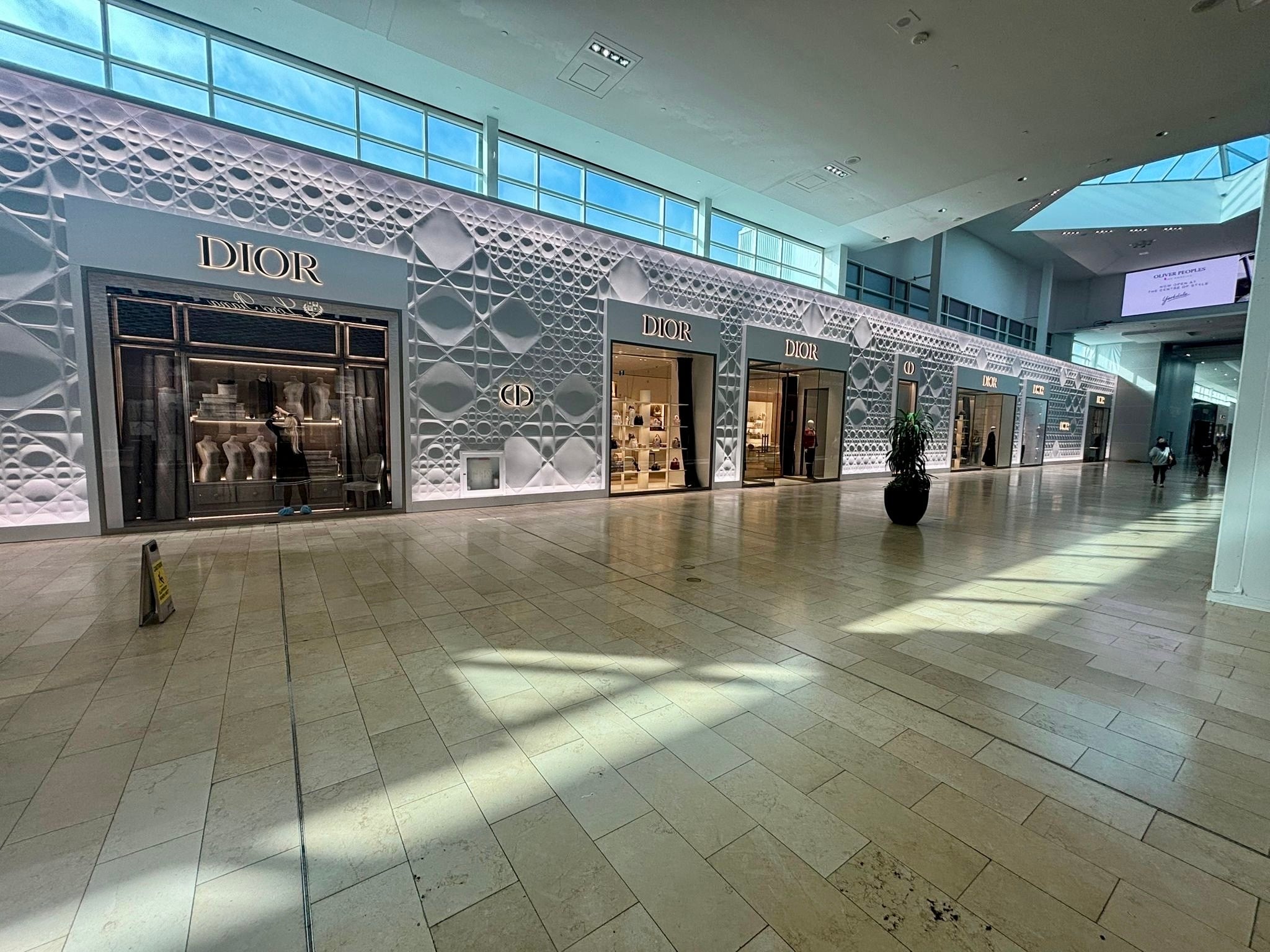
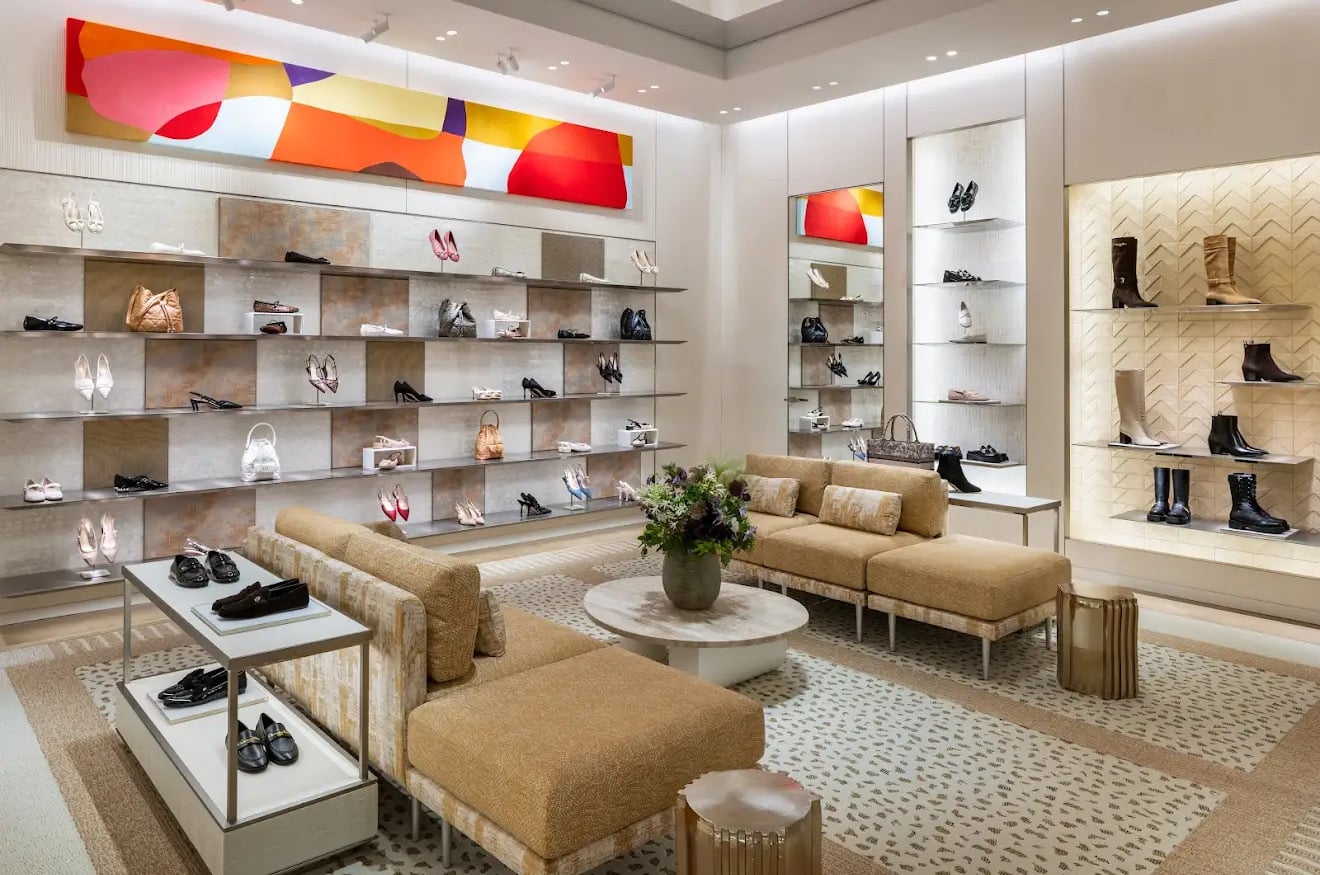
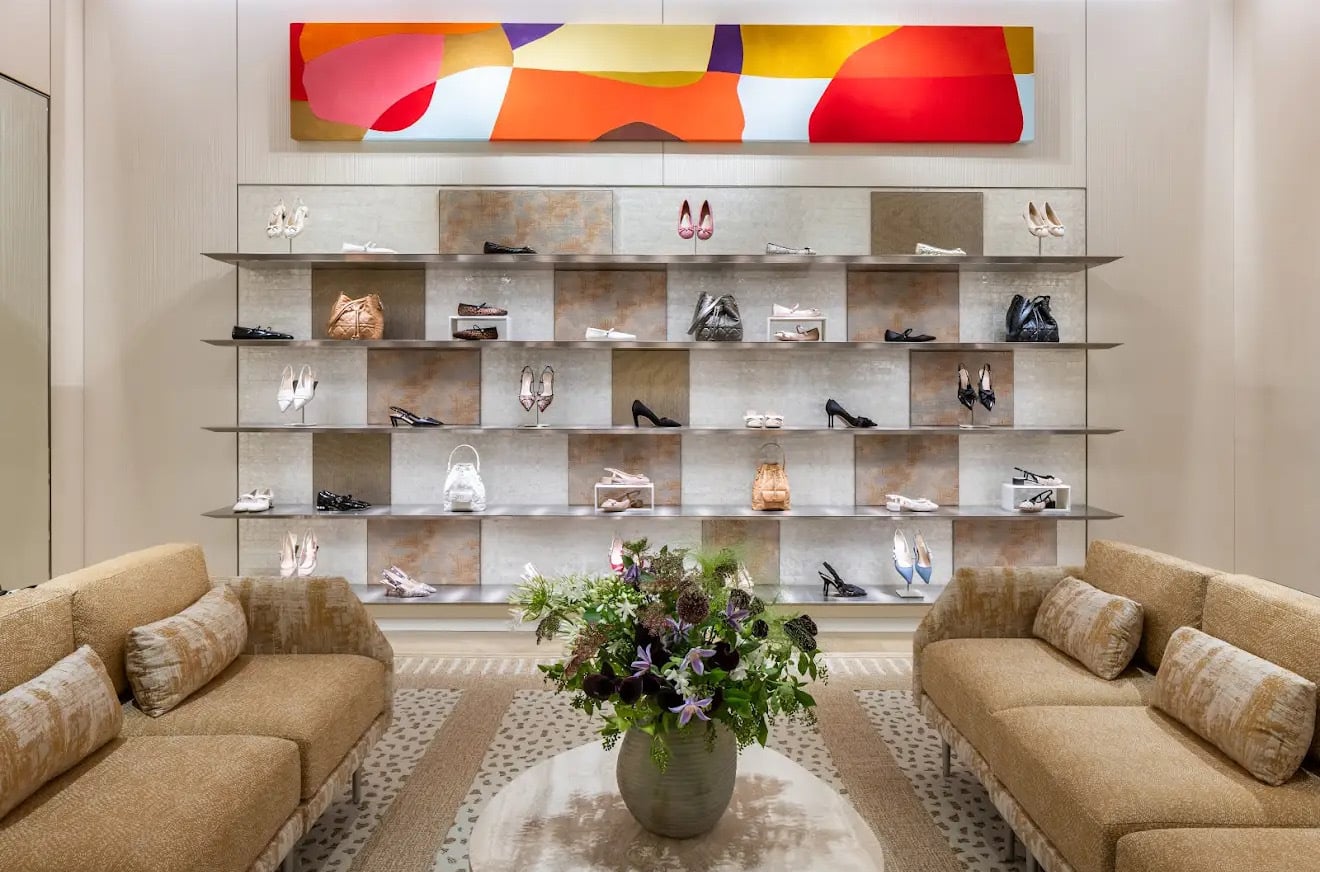
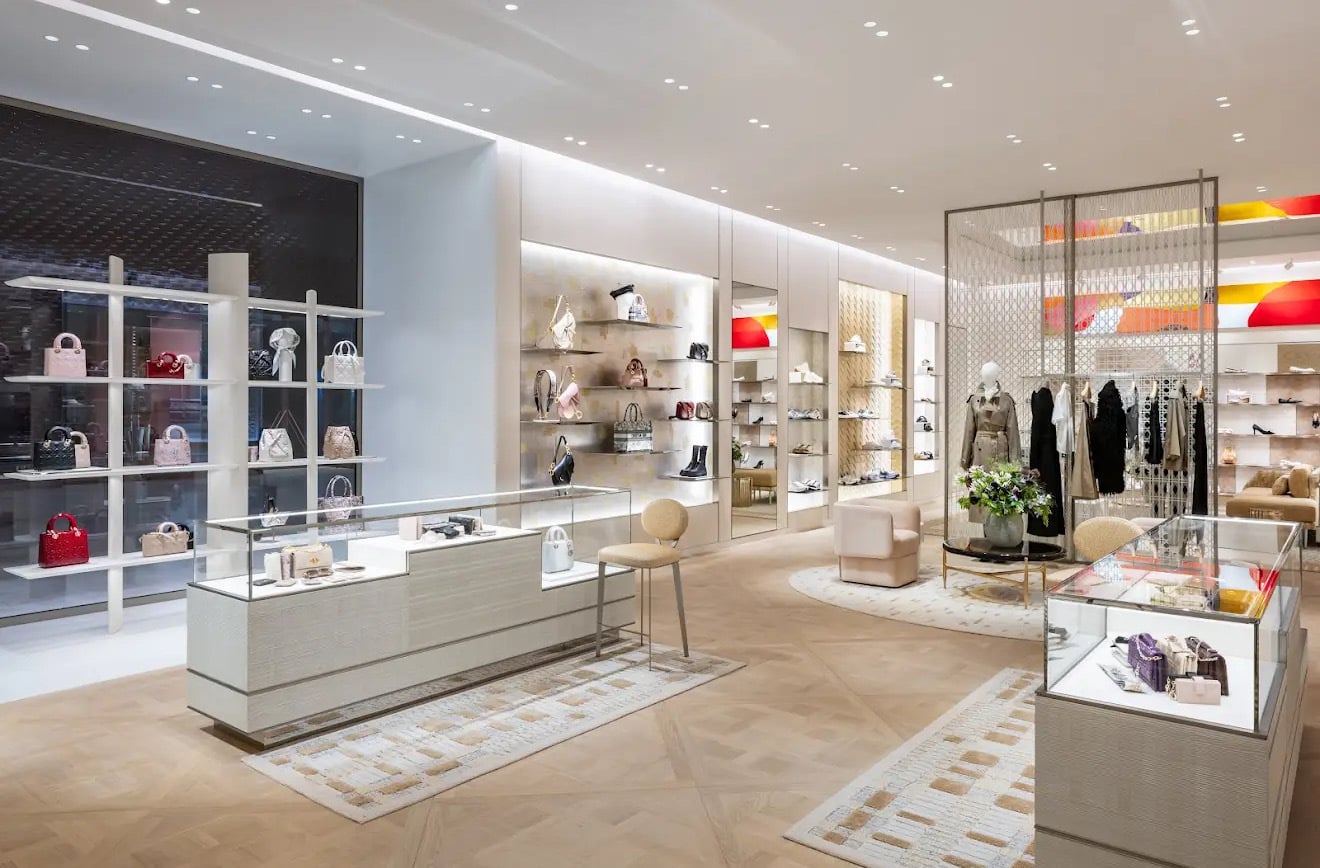
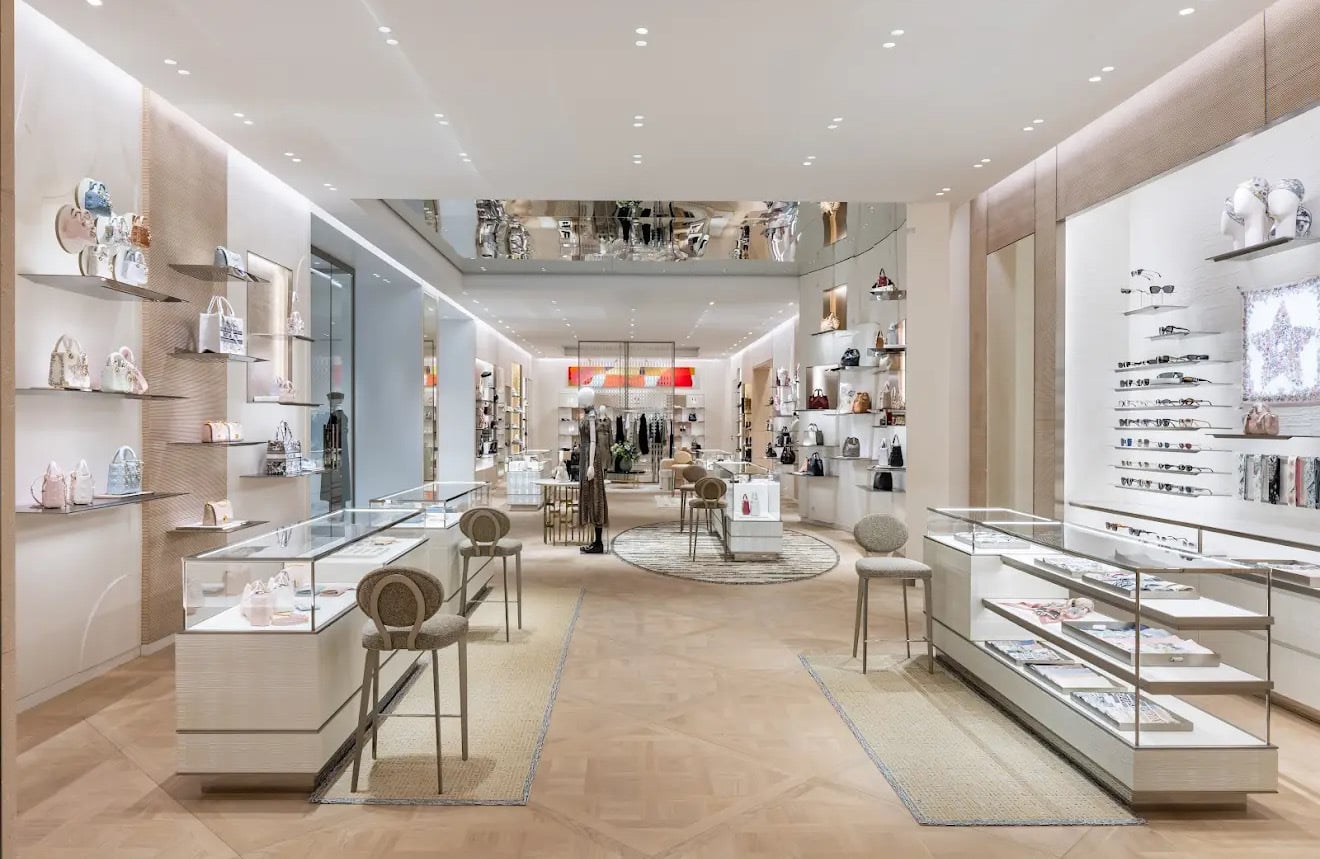
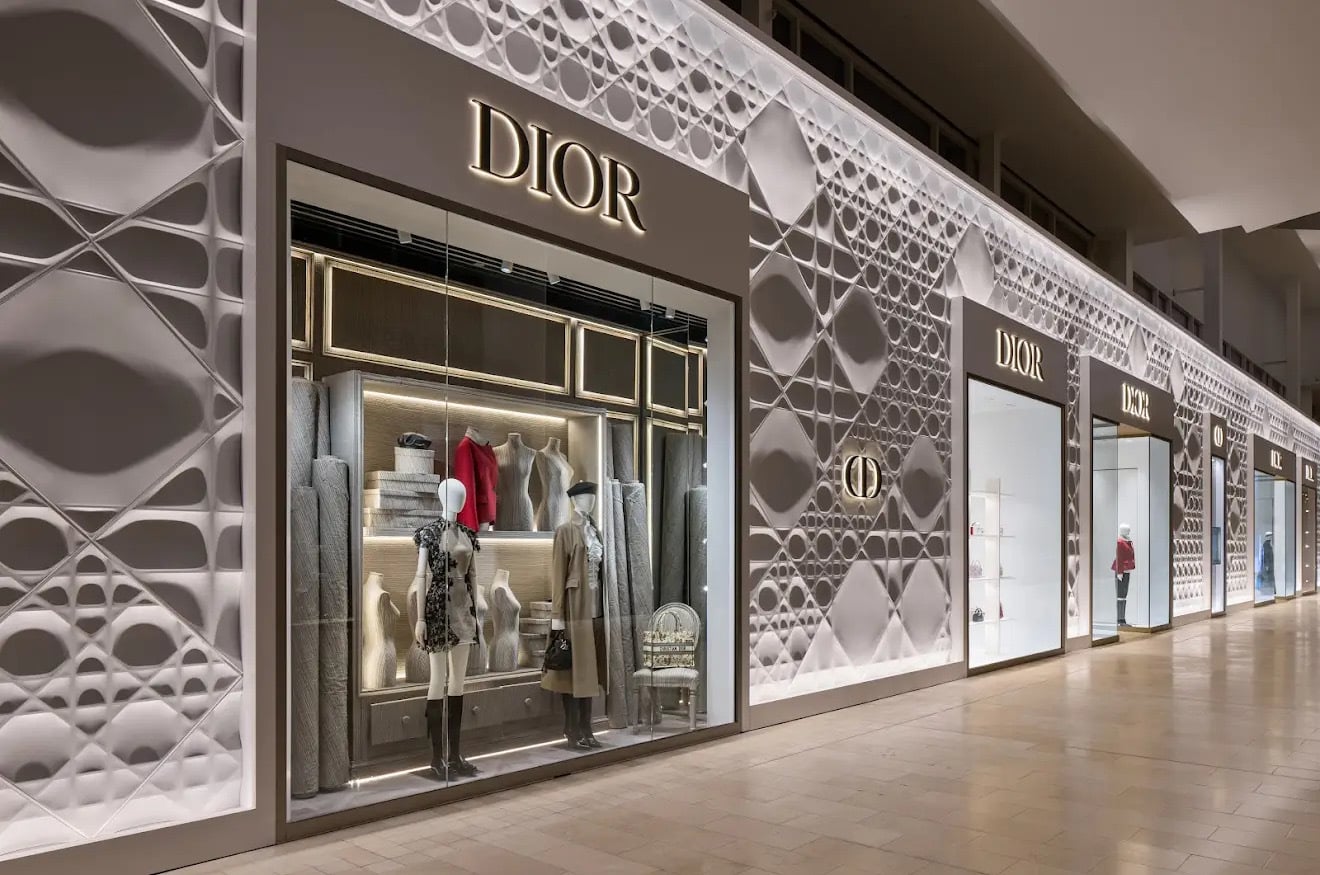
French luxury powerhouse Christian Dior has officially opened a massive new storefront at Toronto’s Yorkdale Shopping Centre, marking another milestone in the brand’s Canadian expansion. The new Christian Dior Yorkdale store spans 10,700 square feet on one level and boasts a striking 145-foot facade, the longest luxury storefront in any Canadian shopping centre.
The flagship comes at a pivotal moment for the house. Dior recently appointed Jonathan Anderson as its new creative director, placing the brand on the cusp of a new era that will bring changes to everything from store signage to brand identity.
The scale of the Christian Dior Yorkdale store sets a new benchmark for luxury retail in Canada. With frontage stretching 145 feet, it surpasses competitors in both size and presence, creating a commanding anchor in Yorkdale’s luxury wing.
Dior Yorkdale store in Toronto. Photo: Daniel Bray, Here and Now Agency
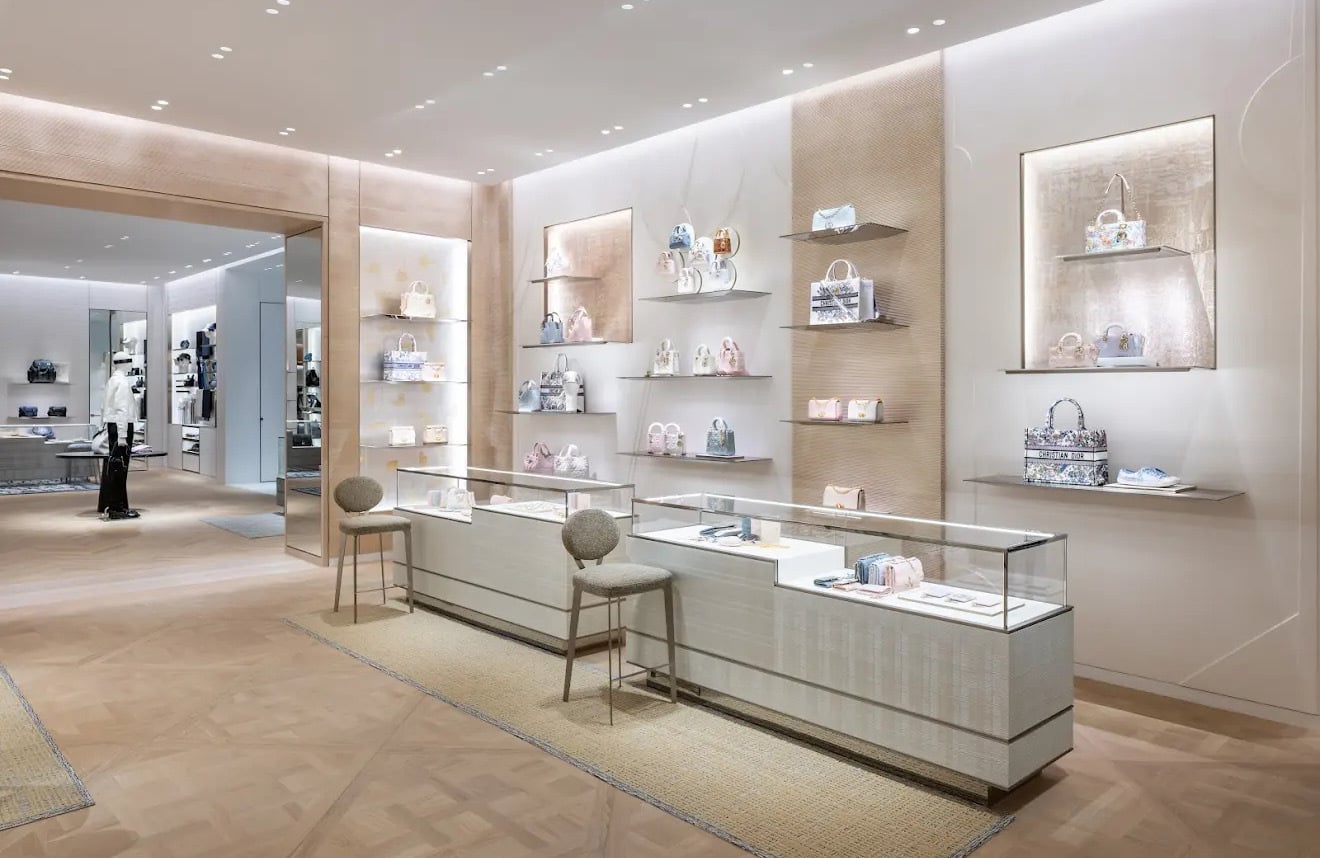
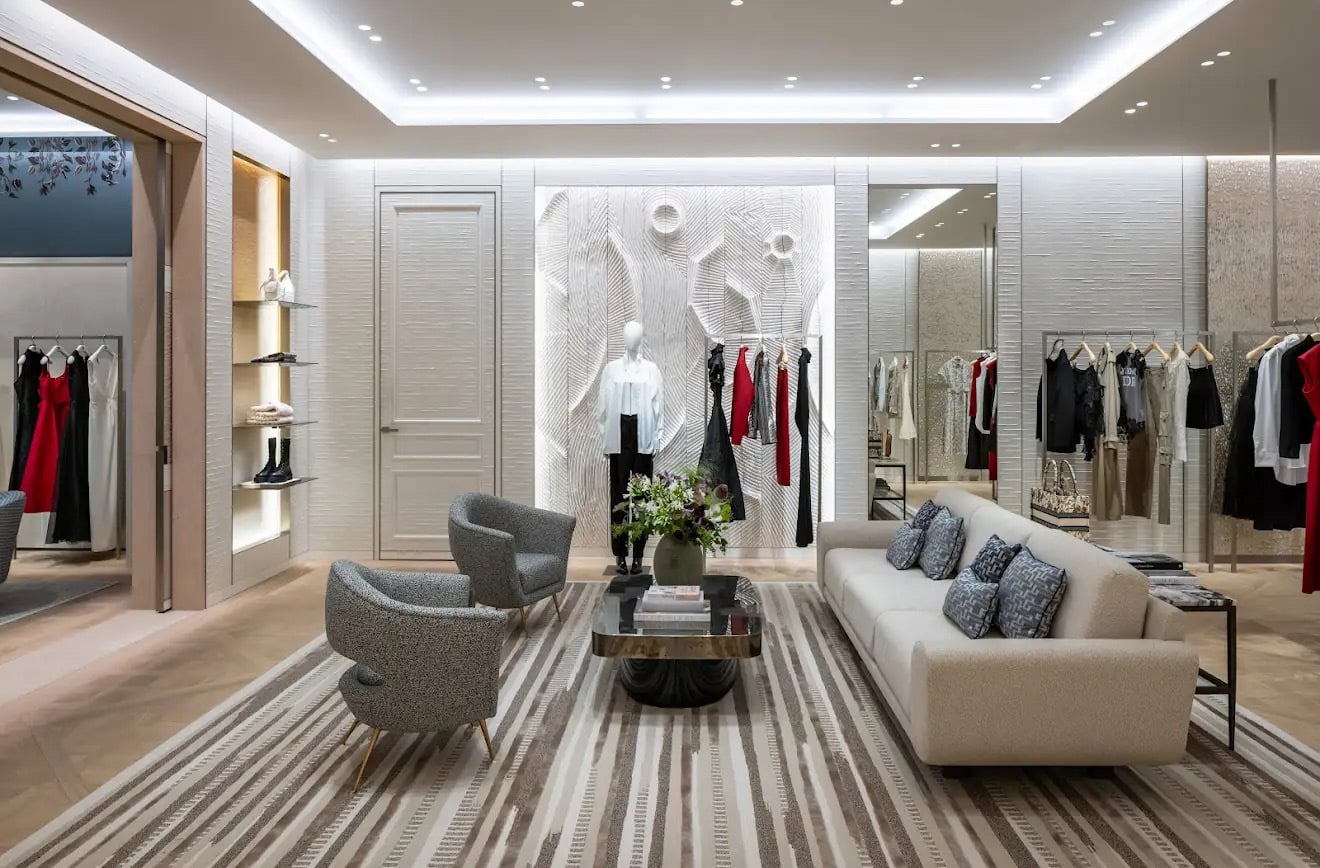
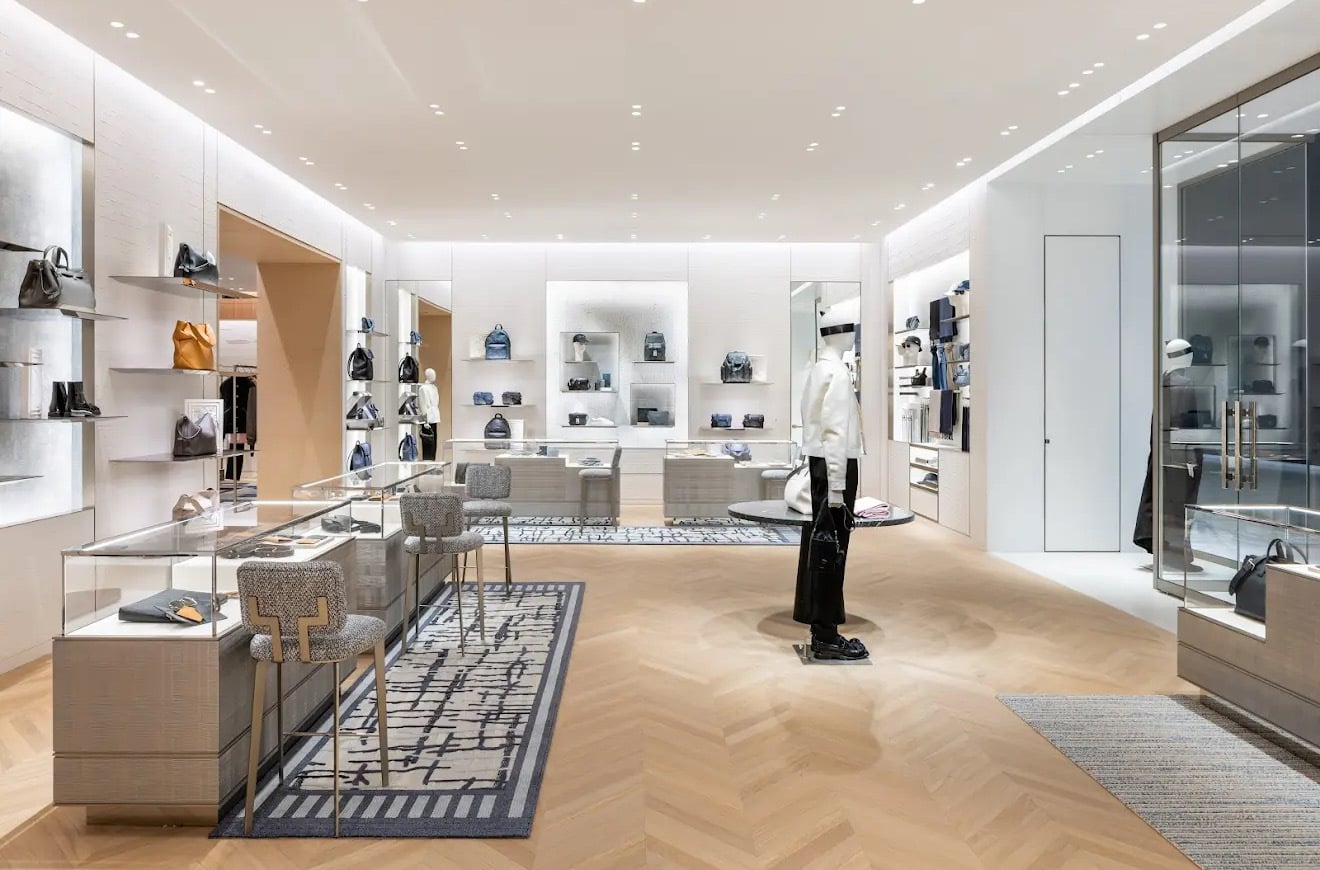
The new boutique houses Dior’s full range of women’s, men’s, and children’s ready-to-wear, along with accessories and home goods. Its breadth reflects Dior’s ambition to position Yorkdale as a true flagship-level location, drawing both domestic shoppers and international visitors who frequent the mall.
Adding to the presence is a 1,270-square-foot Perfumes Christian Dior fragrance boutique that opened adjacent to the flagship. This boutique extends Dior’s frontage by another 25 feet, making the combined facade even more dominant within Yorkdale’s luxury corridor.
Perfumes Christian Dior boutique, connected to the Dior Yorkdale store in Toronto. Photo: Daniel Bray, Here and Now Agency Perfumes Christian Dior boutique, connected to the Dior Yorkdale store in Toronto. Photo: Daniel Bray, Here and Now Agency
The Dior store is part of Yorkdale’s newly developed luxury wing, located at the centre of the shopping centre. Next to Dior, Tom Ford is preparing to open its first Canadian storefront, while across the corridor, Saint Laurent is relocating to an expanded 11,000-square-foot space and Gucci is building a 12,000-square-foot flagship that will be its largest in the country. Other recent openings in the wing include Versace, Jimmy Choo, Rimowa, Maison Margiela, Loewe, Brunello Cucinelli, and Loro Piana, making the area a concentrated hub for international luxury.
New luxury wing at Toronto’s Yorkdale Shopping Centre. Image: Craig Patterson
Brand Evolution Under Jonathan Anderson
The store opened just months after Dior appointed Jonathan Anderson as creative director in June 2025, making him the first to oversee all women’s, men’s, and couture collections simultaneously. Known for his work at Loewe, Anderson brings a bold, heritage-informed sensibility to Dior.
One of his first moves has been to reintroduce Dior’s original upper-and-lowercase wordmark, replacing the more modern all-caps logo. The new signage, including on Yorkdale’s facade, will need to be updated to reflect this shift. Whether Anderson’s influence will extend to Yorkdale’s interior design remains to be seen, but the change in direction underscores Dior’s evolving identity.
Anderson’s tenure has also been marked by new cultural initiatives, including celebrity ambassador appointments such as Oscar-winning actress Mikey Madison and Greta Lee, reinforcing the brand’s renewed focus on storytelling and cinematic influence.
Dior Yorkdale store in Toronto. Photo: Daniel Bray, Here and Now Agency Dior Yorkdale store in Toronto. Photo: Daniel Bray, Here and Now Agency
Dior’s Canadian Expansion Strategy
The Christian Dior Yorkdale store represents just one component of the brand’s broader Canadian investment. Over the past decade, Dior has been steadily building its presence through a mix of standalone boutiques and department store concessions.
Dior’s Bloor Street flagship at The Colonnade was the largest in North America when it opened in 2019. At 13,300 square feet over two levels, it was among the world’s most significant Dior flagships at launch, complete with a home furnishings collection.
In Vancouver, Dior’s first Canadian flagship debuted in 2015 at the Fairmont Hotel Vancouver. The two-level, 9,800-square-foot boutique included a Dior Homme entrance and a wide selection of luxury goods. However recent litigation over a lease dispute, reported in Business in Vancouver, has cast doubt over the long-term future of this location with one source saying that litigation could also have been related to lease renovation requirements.
Dior Yorkdale store in Toronto. Photo: Daniel Bray, Here and Now Agency Dior Yorkdale store in Toronto. Photo: Daniel Bray, Here and Now Agency
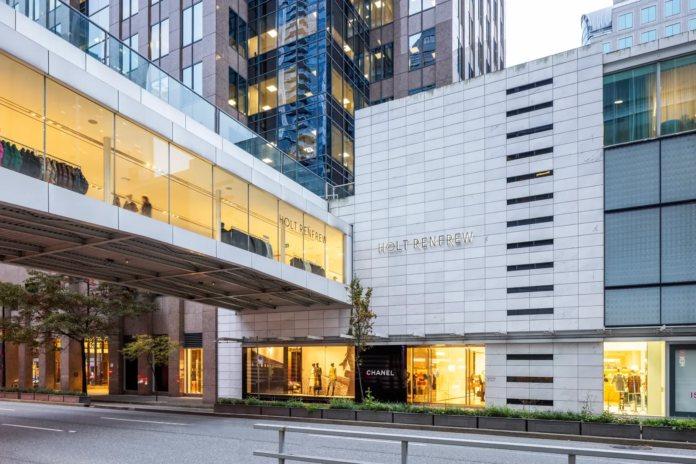
Dior has also established a strong concession presence in Holt Renfrew stores across the country. In Vancouver and Montreal, separate boutiques exist for women’s and men’s ready-to-wear and accessories. In Toronto, Dior operates an accessory concession at Holt Renfrew Bloor Street as well as at Holt Renfrew Yorkdale, where it opened a “World of Dior” concession in 2019.
Past ventures included separate women’s and accessory boutiques within Saks Fifth Avenue at CF Toronto Eaton Centre, though these shuttered before Saks itself exited Canada in 2025.
Dior’s Canadian presence will expand further in 2026 with the opening of a flagship at Oakridge Park in Vancouver. Positioned across from Chanel in the redeveloped luxury shopping district, the 9,000 square foot store will join an impressive roster of brands expected to make Oakridge Park one of Canada’s premier retail destinations.
Dior Yorkdale store in Toronto. Photo: Daniel Bray, Here and Now Agency Dior Yorkdale store in Toronto. Photo: Daniel Bray, Here and Now Agency
Dior’s Legacy in Global Fashion
Founded in 1946 by couturier Christian Dior, the house revolutionized fashion with its 1947 “New Look,” defined by cinched waists, rounded shoulders, and voluminous skirts. Dior quickly grew into an international symbol of elegance and femininity, favoured by royalty, celebrities, and cultural icons.
Dior’s history has been shaped by a succession of creative directors, including Yves Saint Laurent, Gianfranco Ferré, John Galliano, Raf Simons, and Maria Grazia Chiuri. Each brought a unique perspective, keeping the house relevant across decades of shifting fashion landscapes.
Today, Dior remains part of the LVMH group, positioning it alongside other global luxury leaders. Its offerings span haute couture, ready-to-wear, leather goods, fragrances, and home décor, with craftsmanship and innovation remaining at its core.
Dior Yorkdale store in Toronto. Photo: Daniel Bray, Here and Now Agency Dior Yorkdale store in Toronto. Photo: Daniel Bray, Here and Now Agency
Controversies and Accountability
Dior’s success has not been without scrutiny. In 2024, Italian authorities placed its local subsidiary under judicial administration following investigations into exploited labour at subcontracted handbag factories. Reports revealed that some Dior-branded bags could be produced for as little as USD$57 while retailing for nearly USD$2,800, raising questions about transparency in luxury manufacturing.
While Dior was not criminally charged, it was criticized for oversight failures and ordered to fund initiatives supporting victims of labour exploitation. The controversy highlighted wider issues in the luxury industry, with other brands also implicated in similar practices.
More recently, Dior has faced data security concerns, underscoring the challenges that even heritage houses face in a digital era.
Dior Yorkdale store in Toronto. Photo: Daniel Bray, Here and Now Agency Dior Yorkdale store in Toronto. Photo: Daniel Bray, Here and Now Agency
Luxury Brands Expand in Canada
The new Dior Yorkdale store underscores Canada’s growing importance in the global luxury landscape. Toronto has emerged as a crucial market for international retailers, with Yorkdale continuing to attract record-setting flagships. Dior’s bold investment at the centre cements its place among the top luxury destinations in North America.
As the brand transitions under Jonathan Anderson, the Yorkdale boutique represents both a physical milestone and a symbol of change. Its sweeping facade, comprehensive assortment, and adjacency to a dedicated fragrance boutique mark it as a showpiece of Dior’s Canadian operations.
The opening also signals broader trends: luxury brands are doubling down on Canadian markets, investing in larger footprints, and redefining retail experiences in shopping centres and urban streets such as on Bloor.
Holt Renfrew at CF Pacific Centre in downtown Vancouver. With the closure of Hudson's Bay and the recent shuttering of Nordstrom, Holt Renfrew is the only large-format store of its kind left in downtown Vancouver. Photo: Cadillac Fairview
Holt Renfrew has announced a leadership change with the appointment of Franco Savastano as its new President and Chief Executive Officer. The move marks a pivotal moment for the Canadian luxury department store chain as it continues to navigate shifting consumer expectations, competition, and a retail landscape that increasingly demands strong digital integration alongside traditional luxury service.
Savastano succeeds Sebastian Picardo, who stepped down effective September 30, 2025, after five years at the helm. The appointment is expected to usher in a new era of strategic direction while reinforcing Holt Renfrew’s role as Canada’s leading luxury retailer.
Franco Savastano, is a Swiss retail executive with extensive leadership experience across two of Switzerland’s most prestigious department stores, Globus and Jelmoli. Over a career spanning more than a decade in senior leadership, he has consistently positioned heritage retail banners as leaders in the luxury marketplace.
Franco Savastano
Prior to that, Savastano spent seven years at Jelmoli in Zurich, where he introduced the House of Brands strategy and prioritized full-price sales, experiential retail, and elevated service. He launched omnichannel capabilities and the Jelmoli Concept Store at Zurich Airport, demonstrating a keen understanding of how luxury consumers increasingly expect seamless digital and physical experiences.
At Globus, which he led beginning in late 2019, Savastano orchestrated a dramatic repositioning following the acquisition by Thailand’s Central Group and Signa. His tenure was defined by a shift to brand-driven merchandising, renovations of key flagship stores, and forging deep partnerships with luxury labels including Louis Vuitton and Bucherer. The transformation positioned Globus as a formidable competitor in the European luxury department store sector, attracting both local and international clientele.
Savastano is widely respected for his adaptive, hands-on management style. Known as a proponent of in-person collaboration and strong supplier relationships, he has demonstrated a capacity to maintain confidence from partners even during periods of financial turbulence. His leadership at Globus involved navigating ownership transitions, supplier negotiations, and shifting market expectations, all while repositioning the company firmly within the luxury segment.
Beyond his operational track record, Savastano has served on multiple boards and industry groups, including the International Group of Department Stores (IGDS). His involvement in city organizations such as Zurich Tourism underscores his broader role in promoting retail as an integral part of cultural and urban identity. These experiences position him as a leader who understands the role of retail beyond sales, encompassing lifestyle, community engagement, and urban development.
In a statement announcing his appointment, Savastano expressed enthusiasm about joining Holt Renfrew: “I am very honoured, humbled and excited about the opportunity to join Holt Renfrew. I’ve long admired Holts and am eager to help build on its long legacy as Canada’s top lifestyle and luxury retailer. Together with the team we can continue delivering for Holt’s customers with the world-class shopping experience they deserve.”
His background in repositioning European department stores toward luxury aligns closely with Holt Renfrew’s trajectory. Over the past decade, the Canadian retailer has consolidated its store network, closed secondary markets such as Ottawa, Quebec City, and Edmonton, and invested in large-format flagship locations in Canada’s most significant luxury markets.
Former Holt Renfrew CEO Sebastian Picardo at Holt Renfrew Calgary, November 2023 (Image: Mario Toneguzzi)
Outgoing CEO Sebastian Picardo’s Legacy
The leadership transition follows the departure of Sebastian Picardo, who announced his decision to leave Holt Renfrew earlier this year to return to Europe with his family. Picardo’s five-year tenure was marked by both crisis management and ambitious modernization.
Joining Holt Renfrew in mid-2020, Picardo assumed leadership during the COVID-19 pandemic, one of the most challenging periods for retail globally. He guided the company through store closures and a rapidly changing luxury market, while driving a merchandising overhaul that diversified Holt Renfrew’s appeal.
Under his watch, Holt Renfrew introduced brands such as SKIMS, Knix, and Mejuri, alongside contemporary collaborations with Adidas and Levi’s. The move brought in younger demographics while maintaining traditional luxury clients. Picardo also prioritized digital growth, improving omnichannel retail and integrating Holt Renfrew’s e-commerce presence more deeply into its physical store strategy.
Reflecting on his successor, Picardo said: “I am so pleased that Franco has been chosen as the next leader of Holt Renfrew. I’ve known Franco for some time and have found his leadership, industry knowledge and warmth incredibly impressive. Franco is joining a very talented high-performance team and I’m looking forward to cheering them on as they continue accomplishing amazing results.”
Holt Renfrew at 50 Bloor St. W. in Toronto. Photo: Craig Patterson
Holt Renfrew’s Store Network and Strategic Direction
Founded in 1837, Holt Renfrew has long stood as Canada’s premier luxury department store chain. Today, it operates six full-line locations across four provinces:
Calgary at The Core downtown
Vancouver at CF Pacific Centre
Toronto with stores at 50 Bloor Street West and Yorkdale Shopping Centre
Mississauga at Square One Shopping Centre
Montreal, Holt Renfrew Ogilvy on Sainte-Catherine Street
The chain has shifted away from smaller regional presences, closing stores in Ottawa, Quebec City, and Edmonton, while investing in renovations and expansions at major flagships. In Toronto, for example, the company consolidated its standalone men’s store at 100 Bloor Street back into its flagship at 50 Bloor West in 2024, following a multimillion-dollar renovation that created a unified, experience-focused hub.
The retailer has also leaned heavily into experiential retail. Holt Renfrew Ogilvy in Montreal combines a sweeping luxury assortment with art and cultural programming, while Toronto’s Bloor Street flagship features the ON3 hub that merges men’s and women’s collections alongside curated cultural experiences. Seasonal pop-ups, such as a Muskoka lakeside location in summer 2025, illustrate Holt Renfrew’s experimentation with temporary formats to capture clients beyond traditional urban settings.
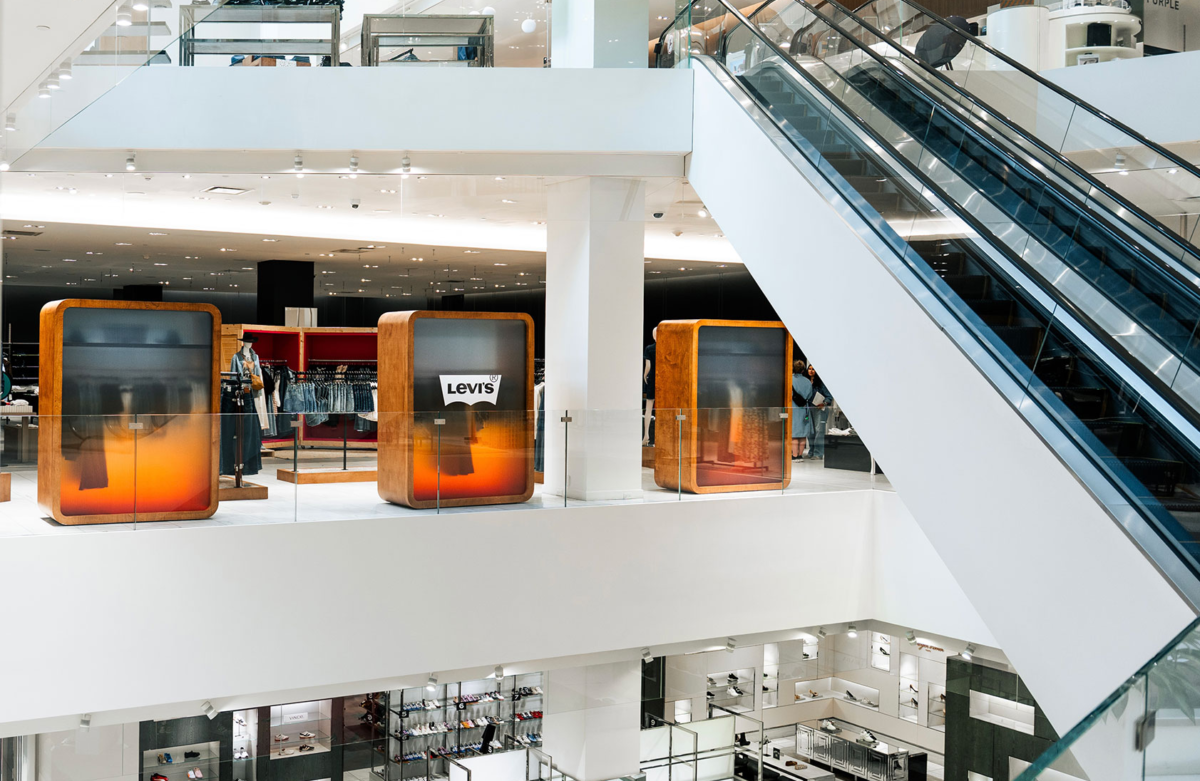
Levi’s pop-up at Holt Renfrew in Calgary, June 2025. Photo: Levi’s
Positioning for the Next Generation of Luxury Shoppers
The Holt Renfrew new CEO will inherit a retailer that has established itself as the definitive luxury destination in Canada, but one that also faces evolving challenges. Younger luxury clients are more digitally engaged, more attuned to sustainability, and more driven by experiences than possessions alone.
Holt Renfrew has already made strides in this direction, adopting more inclusive merchandising and modernizing its digital channels. The next phase under Savastano’s leadership may involve further aligning the brand’s strategy with these consumer expectations. His background at Globus and Jelmoli, where omnichannel, experiential retail, and strong brand partnerships were cornerstones, suggests he is well equipped to lead this evolution.
The appointment comes at a time when department stores globally are under intense pressure. Once the dominant format for luxury and lifestyle retail, many have struggled to stay relevant in the digital era. In Canada, Holt Renfrew remains one of only two department store-sized chains still operating, following the closure of competitors in recent times such as Saks Fifth Avenue and Nordstrom.
Savastano’s European background may bring a fresh perspective on how to adapt the department store model for Canada. His success in repositioning Globus and Jelmoli to thrive in Switzerland’s competitive luxury market suggests that Holt Renfrew will continue to double down on curated luxury assortments, strong brand partnerships, and experiential retailing.
With Holt Renfrew’s ownership by Wittington Investments, which has historically favoured a cautious expansion strategy, Savastano will likely focus on strengthening profitability within the existing store base rather than rapid geographic growth. That said, new flagship concepts, innovative pop-ups, and digital investments could provide growth opportunities without diluting the brand’s exclusivity.
Entrepreneurs are at the heart of Canadian innovation, job creation, and economic growth, and eBay Canada is celebrating four inspiring small businesses with the 2025 edition of its Entrepreneur of the Year Awards. The annual program recognizes the contributions of small business owners who embody the determination and passion of eBay’s seller community, said the company.
Manas Vijh
“As we celebrate our award winners this Small Business Month, eBay Canada is also marking a milestone anniversary in 2025: 25 years of connecting Canadian buyers and sellers with the world,” said Manas Vijh, Director of Verticals & Operations at eBay Canada. “We are deeply grateful for our incredible community – exemplified by our award winners – who represent the spirit of Canadian entrepreneurship and success from coast-to-coast.”
The 2025 eBay Canada Entrepreneur of the Year Awards recipients are:
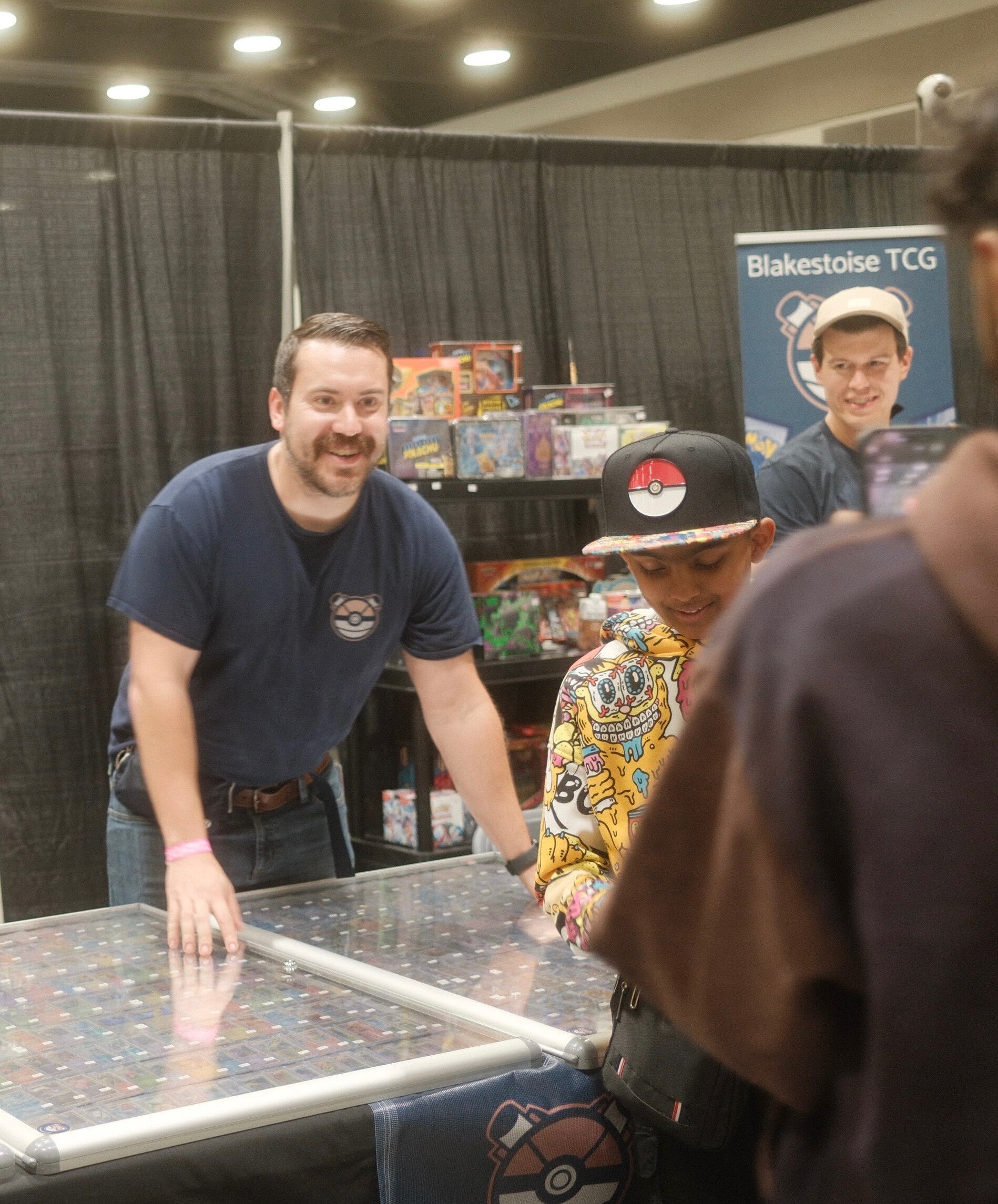
Entrepreneur of the Year – Blake Ouellet, Blakestoise TCG; Blake started his eBay business as a way to fund his Pokémon collection – and from there it grew into one of Canada’s most trusted eBay trading card stores. Based in Vernon, BC, Blake connects with collectors worldwide, having built a dedicated following through patience, consistency, and outstanding customer care. He also gives back to his community by donating trading cards and supplies to local schools.
Blake Ouellet – Blakestoise TCG 2
Micro-Multinational of the Year – Adrian Ceranowicz, Skewed Games; Adrian turned selling a few extra video games into Skewed Games, a trusted eBay store based in Red Deer, AB, serving customers in Canada, the U.S., and beyond. By focusing on clear listings, careful packaging, and honest descriptions, Adrian has built a loyal international customer base. For Adrian, his business is about preserving gaming culture and connecting with collectors.
Adrian Ceranowicz – Skewed Games
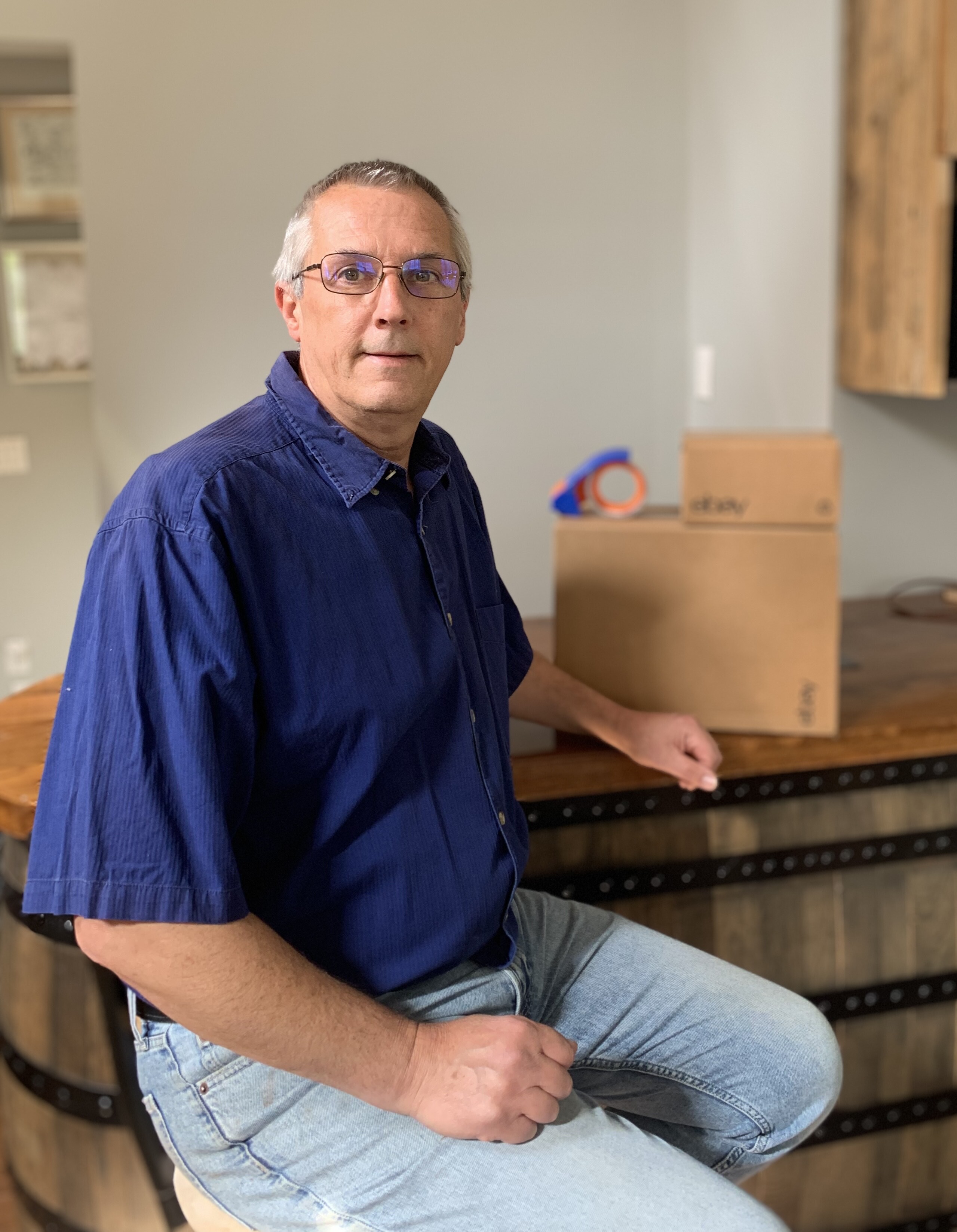
Hometown Horizons Entrepreneur – Dave Vanderloo, Dizcount Dave; Dave’s eBay journey started by chance with auction pallets, and grew into a thriving online business based in Innisfil, ON. Managing hundreds of listings solo, he built credibility through excellent service, transparency, and 100% positive feedback. Dave’s story shows how curiosity, persistence, and smart reinvestment can turn a side hustle into a successful e-commerce business.
Dave Vanderloo – Dizcount Dave
Emerging Ecommerce Entrepreneur – Jakub Pesik & Greg Wiatr, West To Best; Jakub and Greg transformed thrift finds and garage sale treasures into a full-time eBay business spanning central and eastern Canada. Based in Winnipeg, MB, their focus on brand building, customer care, and community events has created a hub where collectors connect and share stories.
As part of its ongoing commitment to helping small businesses in Canada thrive, the company recently announced eBay International Shipping (eIS) in Canada, making it easier for sellers to reach new customers around the world and expand their businesses globally.
This year’s award recipients, selected from a number of online submissions, will receive cash prizes ranging from $5,000 CAD to $10,000 CAD to reinvest in their businesses.
More information on the eBay Canada Entrepreneur of the Year Awards can be found at eBay.ca/eoy.
To learn more about bringing your business online with eBay, visit eBay.ca/sellercentre.
eBay Inc. is a global commerce leader that connects people and builds communities to create economic opportunity for all. Its technology empowers millions of buyers and sellers in more than 190 markets around the world, providing everyone the opportunity to grow and thrive. Founded in 1995 in San Jose, California, eBay is one of the world’s largest and most vibrant marketplaces for discovering great value and unique selection. In 2024, eBay enabled $75 billion of gross merchandise volume.
Every October, millions of Canadian families gather around the Thanksgiving table to share turkey, potatoes, and pumpkin pie. Beyond being a cherished tradition, this annual meal has also become a window into the state of our food economy. At the Agri-Food Analytics Lab, we publish a yearly cost analysis of a typical Thanksgiving dinner for four, drawing on thousands of retail data points from across the country. The results for 2025 are in, and they tell a story of stability, with subtle but important shifts beneath the surface.
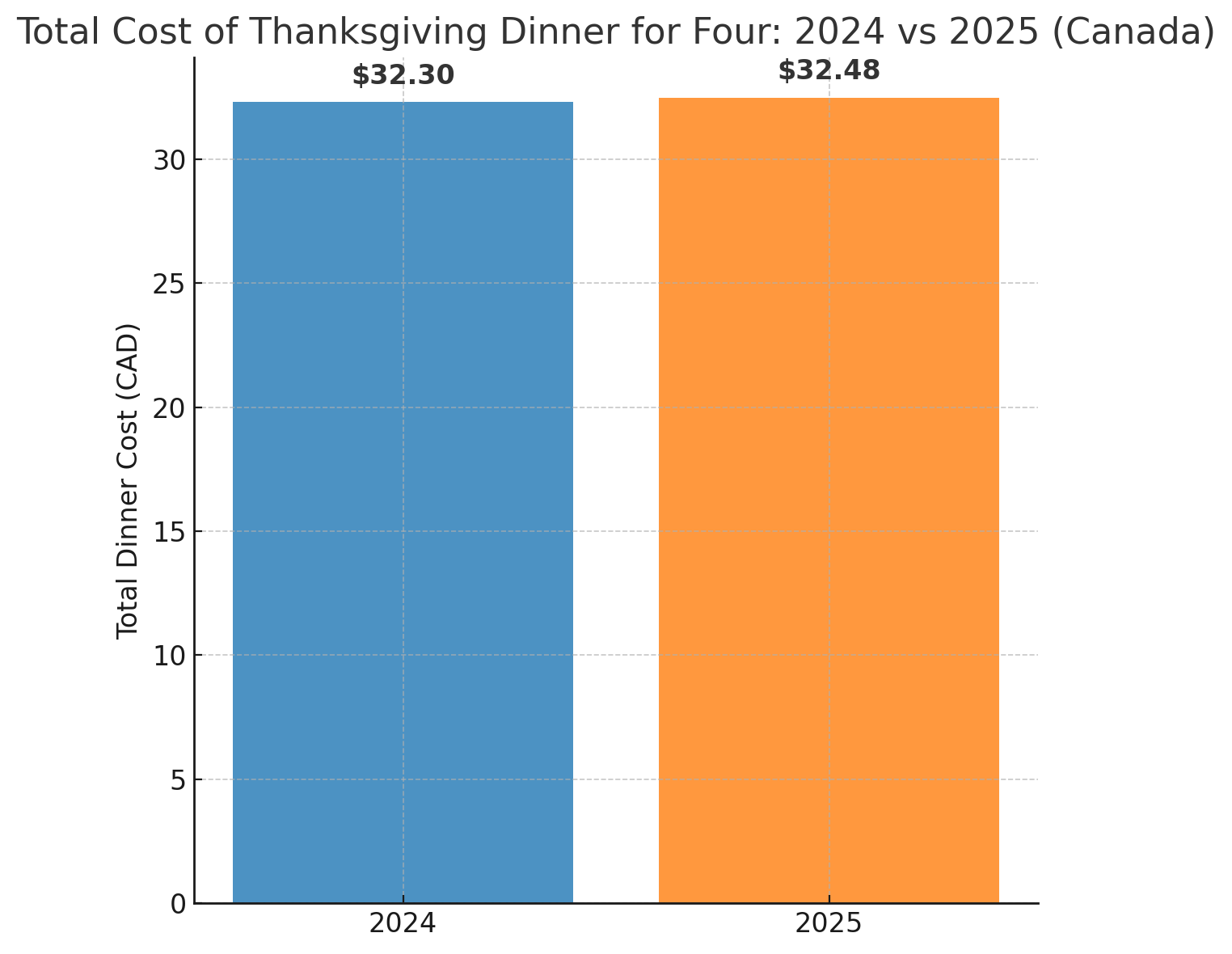
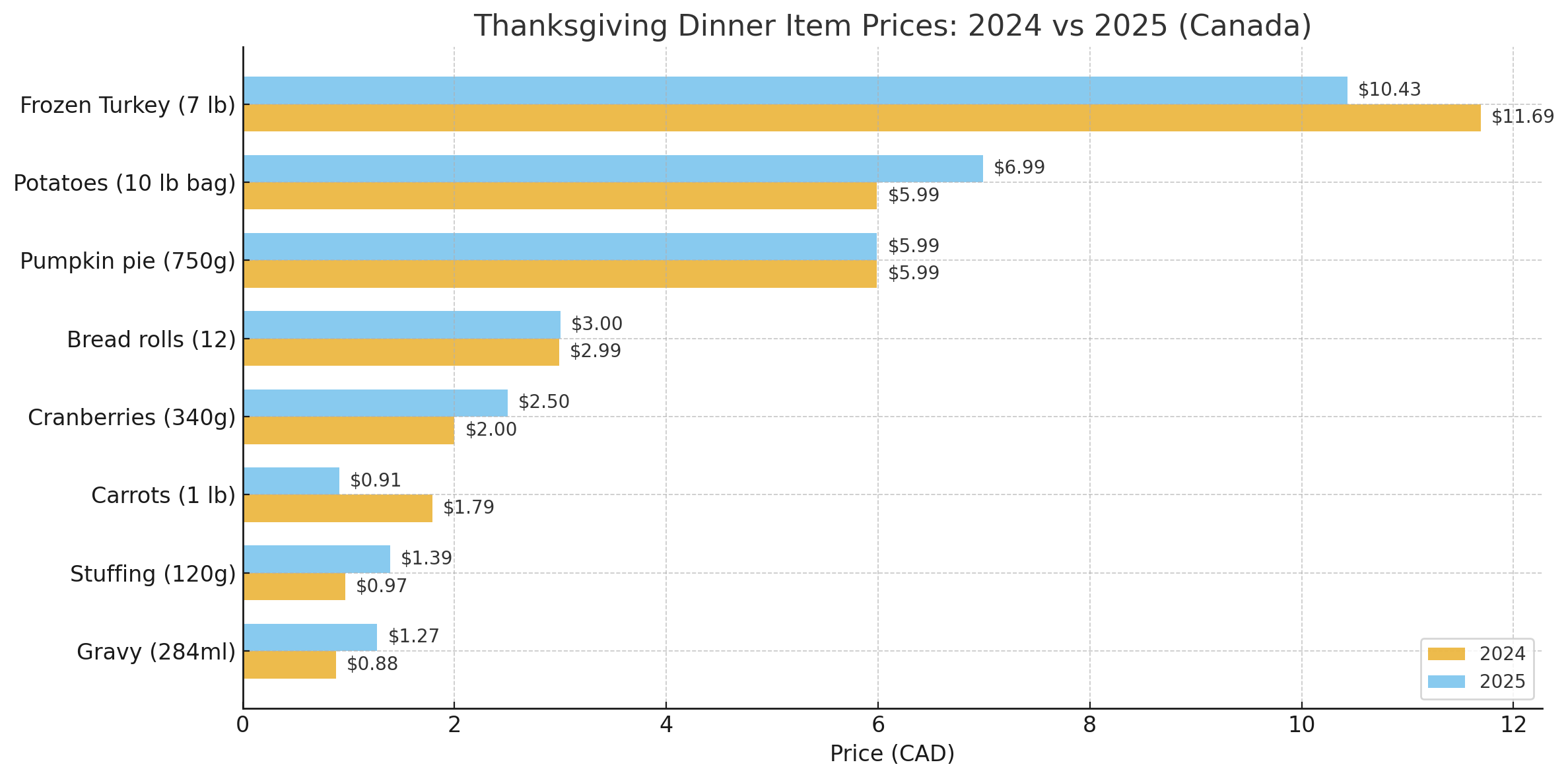
This year, the cost of preparing a Thanksgiving dinner for four is $32.48, compared with $32.30 in 2024. That’s an increase of just 18 cents, or less than one percent. In an era where Canadians have grown accustomed to headline-grabbing spikes in grocery bills, a flat holiday meal cost comes as a relief. But the apparent calm hides some notable changes in how the dollars break down. The turkey, the centrepiece of any Thanksgiving dinner, is cheaper this year. A 7-pound frozen bird costs $10.43, down from $11.69 in 2024. Carrots, another staple, have seen a sharp decline—nearly half the price compared to last year, at just $0.91 per pound.
These declines are the good news. The bad news comes from the side dishes. A 10-pound bag of potatoes, indispensable for mashed or roasted accompaniments, has jumped from $5.99 to $6.99, one of the largest increases in our basket. Cranberries, stuffing, and gravy have also crept up noticeably, with gravy rising by nearly 45 percent. Bread rolls edged higher, though only by a penny. The pumpkin pie, at $5.99, has remained unchanged. This tug-of-war between declining turkey prices and rising sides left the overall basket flat. But the story is less about the bottom line and more about where the increases are happening.
Our analysis draws from more than 10,000 flyer data points nationwide, making this the most comprehensive snapshot to date. The methodology is important: we measure advertised flyer prices, not in-store spot checks. This ensures comparability across years and regions. Still, the numbers represent a benchmark rather than a guarantee. A shopper in Halifax may find different deals than one in Calgary, depending on the banner, the timing, and regional supply. That said, the national average tells us something valuable. Food inflation, at least for this symbolic meal, has paused. For Canadians still reeling from higher rents, energy costs, and mortgage payments, that pause is meaningful. It suggests that food inflation is no longer the runaway train it was in 2022 and 2023, though it hasn’t disappeared altogether.
Thanksgiving dinner is more than just a meal—it is a reflection of household economics. A relatively stable cost reassures families that traditions remain within reach. But the shifting composition of the basket reminds us that consumers need to stay agile. A family willing to prepare cranberry sauce from fresh berries, or gravy from scratch, may find both savings and higher quality. Similarly, the drop in carrot prices offers an opportunity to bulk up meals with affordable, nutritious sides. In this sense, the Thanksgiving table becomes a lesson in adaptation. Canadian households, facing a high cost-of-living environment, are learning to pivot: swap canned for fresh, lean on discounted proteins, and adjust menus based on what’s most affordable.
While 2025’s Thanksgiving dinner costs are stable, we should not grow complacent. Agricultural markets remain vulnerable to shocks—from extreme weather to geopolitical disruptions. Tariff disputes, energy volatility, and labour shortages in food processing all lurk in the background. For now, Canadians can celebrate that one of their most cherished meals has not become markedly more expensive. But vigilance is required, both from policymakers and households, to maintain this balance.
The Thanksgiving dinner table is a microcosm of our broader food system. This year, it reflects both relief and caution: relief that the cost has barely budged, and caution that the composition of costs is changing in ways that matter. As we gather to give thanks, we should also take note. The economics of our holiday meals are not just about calories and taste, but about supply chains, trade policy, and retail strategy. In the end, every plate tells a story—and in 2025, that story is one of stability in uncertain times.
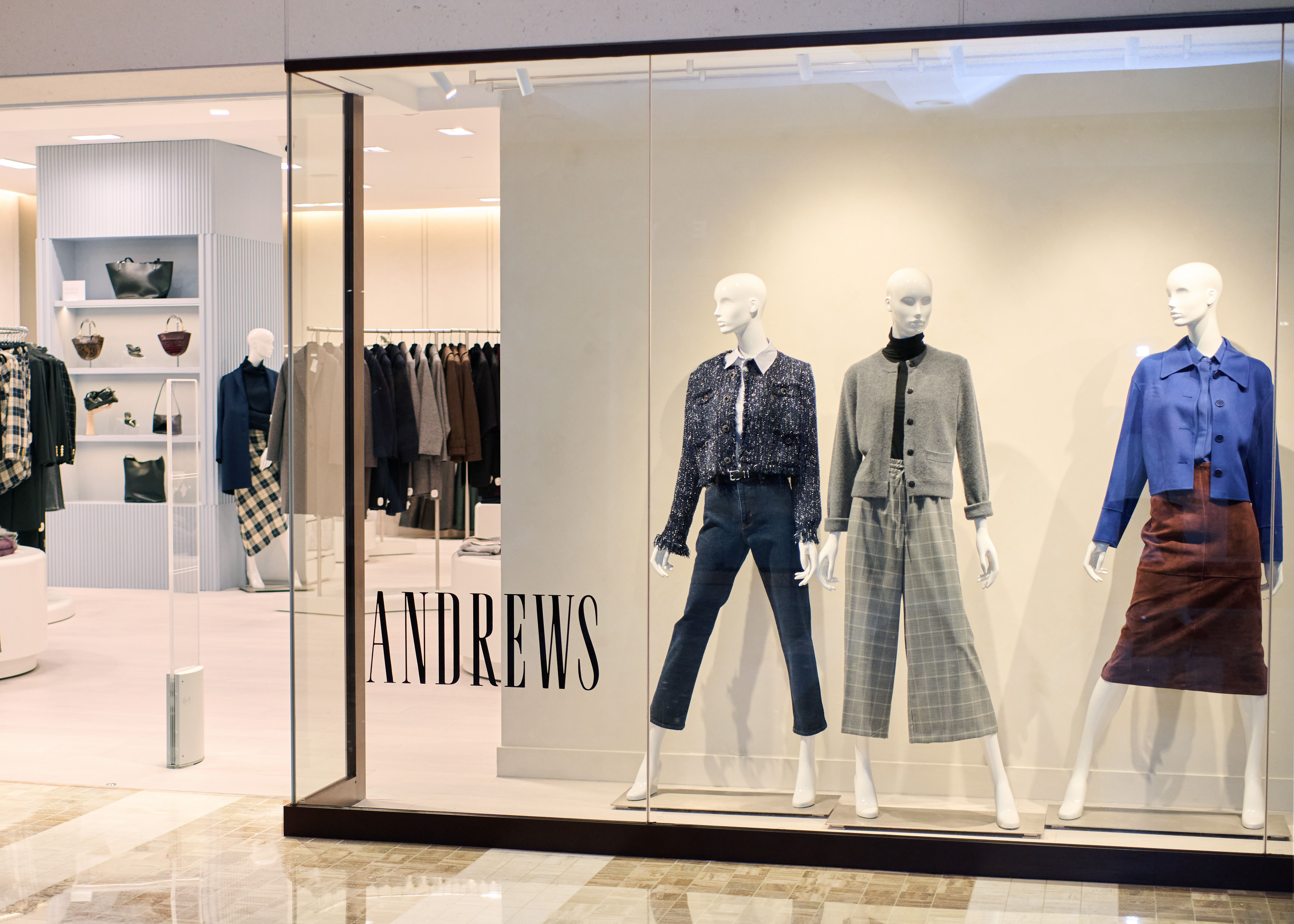
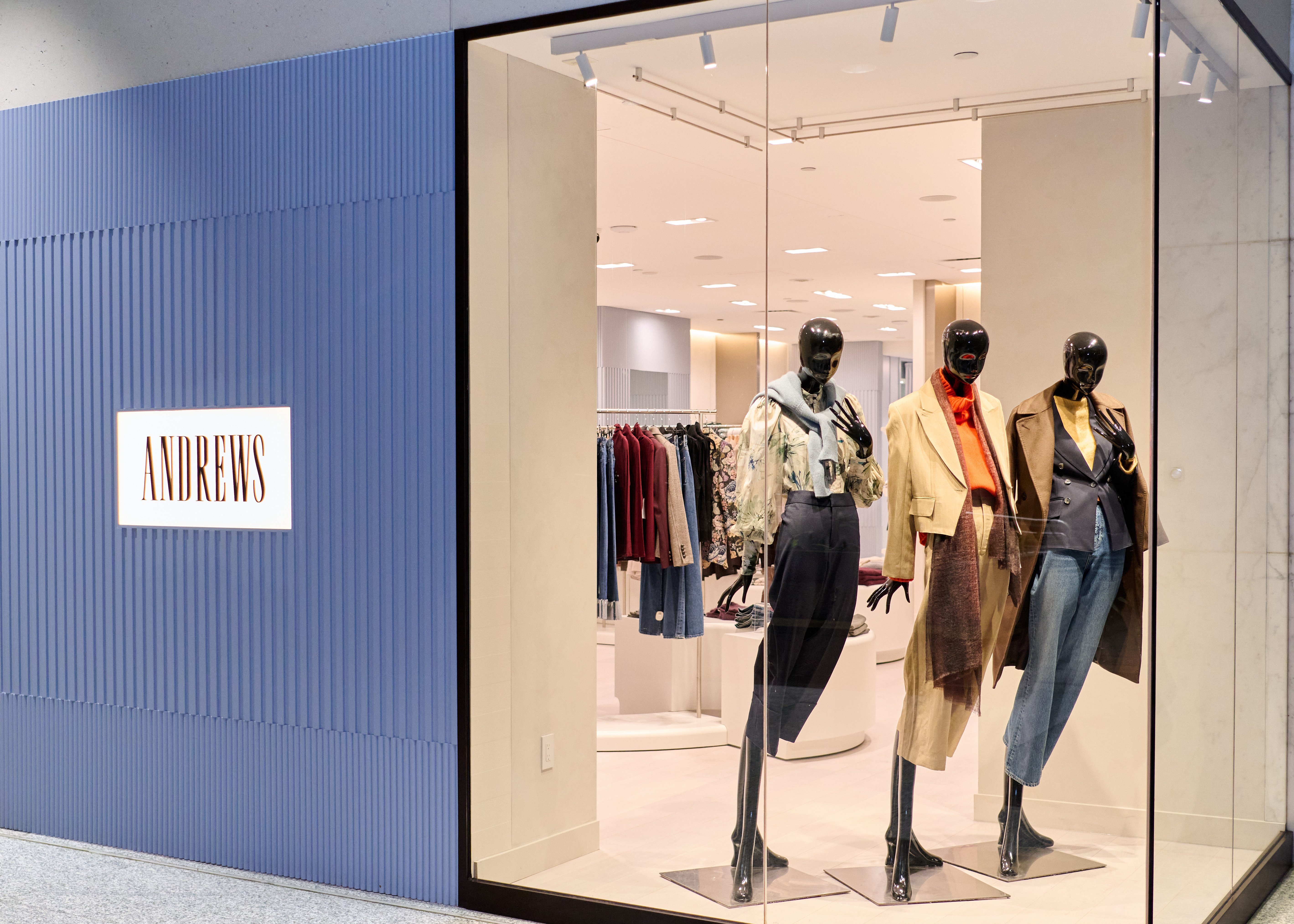
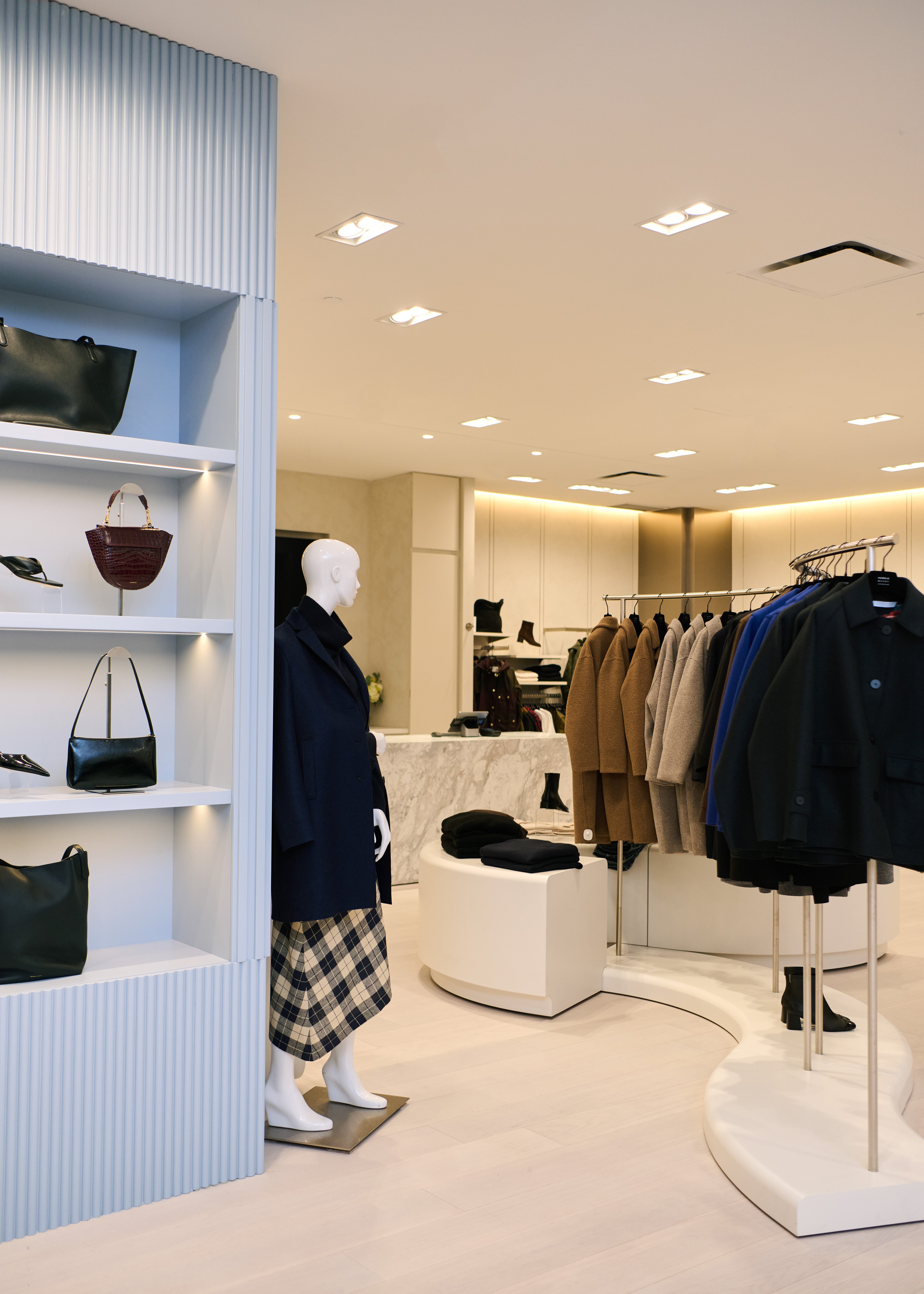
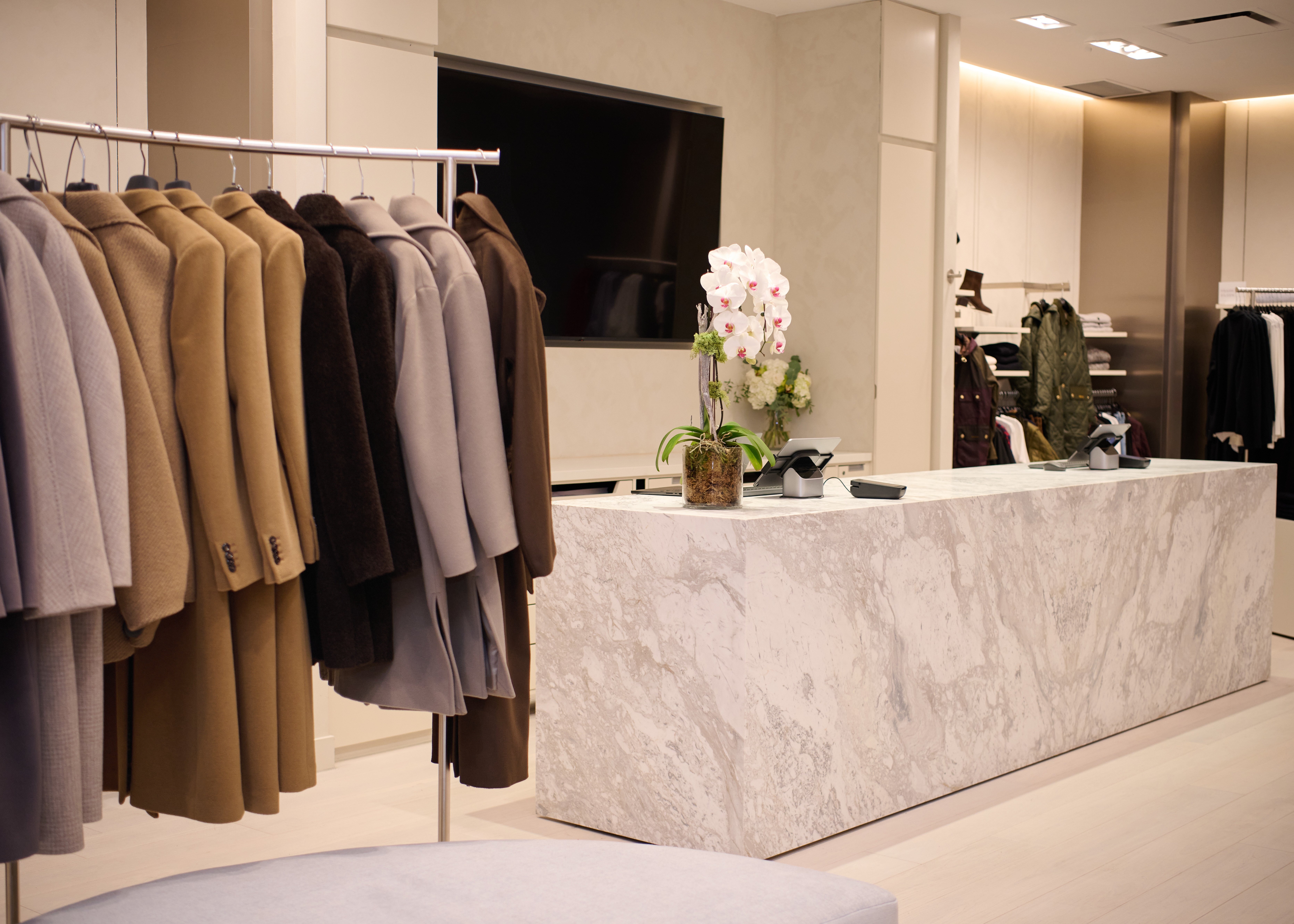
Andrews, the family-owned women’s apparel retailer with deep Toronto roots, has expanded its footprint with a new store at First Canadian Place. The move marks a return to the city’s core for the brand, which first launched in the late 1980s in Hazelton Lanes and has since grown to five locations across the GTA.
Tracing its heritage back to the ashes of the Creeds store in Toronto, Andrews was “recreated, for lack of a better word, in the early nineties in Hazelton Lanes,” Mason explained. “My two sisters, Cheryl, Beverley, and myself took over Andrews in the early nineties. When we took over Andrews, it was really a very high-end designer like what Creeds was originally known for. We re-focused on quality, value, service, style, and selection.”
Darren Mason and Anne Chen
The family’s retail experience stretches even further back, with Mason noting that “my mother had a store in Toronto called The Village Shop. At one point, she had 12 stores in the seventies and eighties. We took everything we learned from the Village Shop and evolved it into Andrews in the nineties.”
Anne Chen, Executive Vice President of Andrews, shed light on what shoppers can expect at the new First Canadian Place location. “We’re still speaking to the Andrews woman at First Canadian. The business of Andrews has been built on speaking to very specific facets of the Andrews woman—their personas.”
Chen described the varied customer profiles Andrews caters to, from the “career woman, how we dress them for workwear,” to the “easy, breezy, well-put-together weekend sophisticated casual,” and even the “new romantic” who enjoys “being a little more dressed up and out and about.”
Importantly, the new store will bring Andrews’ service “to the customer’s doorstep,” acknowledging that many of their existing clients already work at First Canadian Place.
The new location is “adjacent to the PATH. It’s above ground but next to the PATH,” Chen said. “The hustle and bustle, the great food, the vibe the PATH brings—it’s quite packed at lunchtimes. But we’re above ground, a little retreat you can get to by taking the escalator.”
Photo: Andrews
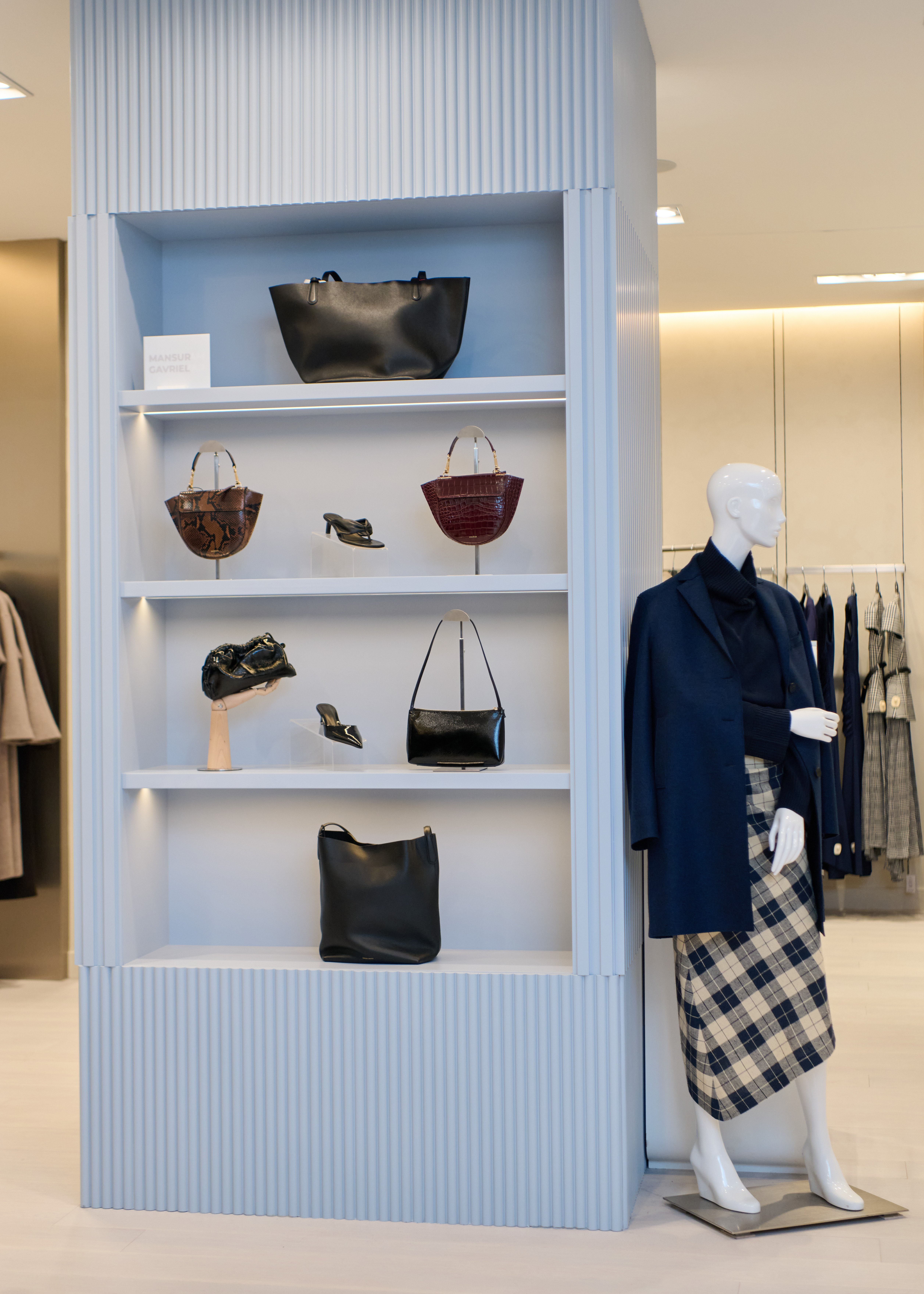
The store will focus on delivering “the Andrews one-on-one service above ground there,” with access from the King Street entrance. The design will reflect a “little bit of an ethereal quality” and “is kind of similar to Bayview but even more light, warm, and welcoming, with a little bit of Japanese interior décor influences included in Bayview and Oakville, and a bit of Yorkville as well when we did that renovation.”
Chen noted the space is “about three and a half thousand square feet,” comparable to their Yorkville location. “Bayview and Oakville are by far the biggest,” she said, with Oakville being “the first on-the-street location.”
When asked about future growth plans beyond this opening, Mason stressed the company’s focus on blending online and physical retail experiences. “Our focus is really on unified commerce. That’s a major focus for us—being able to effortlessly bridge online shopping with in-store experiences.”
He continued, “More and more customers want the ease and convenience of online shopping but backed up with physical, very personalized experiences. We’re looking at building upon that experience for our customers.”
While there is potential for further expansion in Toronto, Mason explained that for now, the priority remains on service excellence. “We see opportunities to grow a bit more in Toronto before thinking about expanding outside the GTA. Right now, we want to deliver top-notch service and product selection for our customers.”
Chen reflected on the timing of the First Canadian Place opening, emphasizing the renewed vitality of downtown Toronto. “It was very affected during the pandemic, and we see a renaissance of people going back downtown—where you can work, live, eat, play, and shop.”
“There’s been so much focus on people working remotely or elsewhere, but what we’re finding is an incredible drive to be present, in person. One of the major reasons to reconnect with customers downtown is because of the rebirth of the core.”
Mason added context to that sentiment, linking it to the company’s legacy. “My mother had a location in First Canadian Place back in the eighties.”
“Not only are we going back there, but customers are energized and excited to be back in the epicentre, where things happen.”
Darren Mason and Anne Chen
Mason said that for over 30 years Andrews has lived what has now been coined as ‘quiet luxury’ in Canadian fashion.
“Location choices reveal strategy, and First Canadian Place reveals ours: be where influence lives. This isn’t about following traffic—it’s about recognizing that the women reshaping Canadian business deserve excellence at their doorstep. First Canadian Place houses some of the country’s most powerful decision-makers and influencers. For years, many of these women have been our devoted clients, navigating Toronto traffic for Saturday appointments or rushing through traffic for lunch-hour visits,” added Mason.
“They didn’t complain—they just kept asking, ‘When will you be
Downtown?’ We listened. We’ve created a space—designed by Odami, who transformed our Bayview location—that respects both their time and their standards. Positioned strategically between the PATH system and King Street, we’re accessible yet elevated. Because these women don’t need another store; they need a sanctuary that understands the rhythm of their days.
Photo: Andrews
“Luxury has been redefined by women who’ve redefined success itself. They’re not interested in logos as trophies—they want intelligence in every thread. The modern professional woman sees her wardrobe like how she might see an investment portfolio: carefully chosen, high-performing, built for the long term. We provide the foundation for professional confidence. When a private equity partner needs to command a room without commanding attention, when a tech founder wants to signal innovation while inspiring trust—these are nuanced needs that require human expertise, not algorithms.
“The opportunity ahead is extraordinary for those who understand the evolution. Our First Canadian Place opening isn’t expansion for expansion’s sake—it’s recognition that downtown Toronto is being rebuilt by women who deserve partners, not just retailers. Women who understand that how they present themselves is inseparable from how they lead.
Our future lies in this truth: technology will never replace the moment when a client sees herself transformed—not just styled but understood. That’s what 35 years of quiet luxury has taught us, and it’s what we’re bringing to the heart of Canadian business.”