Home Blog Page 254

How Packaging Can Reduce Retail Returns & Damage Claims

For many retailers, returns and damage claims are treated as part of the job. Not ideal, not cheap, but expected. Over time, they get baked into forecasts and written off as unavoidable. 

In reality, a lot of these losses can be traced back to packaging decisions made well before a product ever ships. Decisions that may have worked years ago, but no longer line up with how products move through the supply chain today. 

When packaging is designed to actually do a job—not just hold a product—it can quietly protect margins, reduce customer frustration, and take pressure off operations. When it isn’t, the problems show up quickly. 

Returns and Damage Are a Packaging Problem—Whether Retailers Realize It or Not

When a damaged product arrives at a customer’s door, the usual suspects are handling, carriers, or warehouse mistakes. Sometimes that’s accurate. Often, it’s only part of the picture. 

In many cases, the issue started much earlier. At the packaging stage. 

Packaging that assumes careful handling or ideal conditions rarely survives real-world shipping. Conveyors, drops, stacking, weather—those variables are unforgiving. If packaging isn’t built with that in mind, failure is only a matter of time. 

Across retail and e-commerce, packaging is still treated more like a cost line than a performance system. That’s understandable. However, even small design changes—when they’re done for the right reasons—can noticeably reduce damage, returns, and downstream headaches. 

One senior packaging engineer at a North American big-box retailer put it this way during a post-mortem: 

“We spent months renegotiating freight contracts to reduce damage, then solved 40% of the problem by redesigning the box.” 

That kind of outcome isn’t rare. It’s just often discovered later than it should be. 

The True Cost of Retail Returns and Damage

Returns hurt in obvious ways. Refunds. Replacements. Shipping both directions. Labour to process everything. Most estimates put the real cost of a return at two to three times the original outbound shipping cost once all of that is added up. 

What’s easier to miss is what happens after. Damaged products that can’t be resold. Inventory write-offs. Customer service teams tied up managing claims that don’t generate revenue. And customers who quietly stop ordering after one too many bad deliveries. 

Industry research consistently shows that damage and defects are among the most common reasons products get returned. Yet in many organizations, packaging only becomes a discussion point after the problem is already widespread. 

By then, the damage—financial and reputational—is already done. 

Where Traditional Packaging Falls Short

Most damage issues aren’t complicated. They’re practical. 

Over-boxing is a common one. Too much empty space allows products to shift and pick up speed, which makes impacts worse. On the other end, under-engineered packaging—often chosen to save on material costs—can’t handle stacking pressure or heavier loads. 

Packaging designed mainly for shelf appeal causes problems too. Minimal materials and clean aesthetics look great in-store. They don’t always hold up once individual parcels start moving through conveyor systems. 

Then there’s one-size-fits-all packaging. It’s efficient on paper. In practice, shipping products with very different weights and fragility levels in identical cartons leads to inconsistent results. 

As one logistics director said during a damage review: 

“If the packaging assumes perfect handling, it’s already failed.” 

How Packaging Innovation Is Changing the Equation

Good packaging innovation isn’t just about making things look premium. It’s about making them survive. 

Custom-fit designs reduce internal movement and spread force more evenly across the structure. Small adjustments to size, orientation, or internal support can make a noticeable difference once a package is in transit. 

Materials have improved as well. Stronger corrugated, moulded fibre, and hybrid designs now offer better protection without automatically increasing material use. In some cases, they reduce it. 

Just as important, packaging is being designed with the distribution path in mind. Teams at The Packaging Company and similar packaging specialists see this regularly—what works on a pallet doesn’t behave the same way in parcel shipping or direct-to-consumer fulfilment. 

The Role of Testing and Data in Reducing Damage Claims

Packaging that hasn’t been tested is mostly guesswork. 

Drop, vibration, and compression testing help show how packaging behaves under real shipping conditions. Not perfect conditions. Real ones. 

Many retailers are also using historical damage data to guide redesigns. Repeated issues—crushed corners, split seams, scuffing—usually point to specific weaknesses. 

As one packaging manager put it: 

“Testing doesn’t make packaging perfect. It makes failure predictable—and preventable.” 

That predictability matters. Discovering a packaging flaw after thousands of units have shipped is far more expensive than catching it early. Packaging distributors and solution providers like SupplyOne Canada often see this first-hand, using testing data to identify weak points before products ship at scale. 

Packaging Innovation in Omnichannel Retail

Omnichannel retail has exposed a simple truth: packaging designed for store shelves often struggles in last-mile delivery. 

In-store packaging assumes controlled handling and short distances. E-commerce adds individual parcel handling, conveyor drops, and doorstep delivery—sometimes across multiple carriers. 

As inventory moves between warehouses, stores, and homes, packaging has to hold up everywhere. Channel-specific design isn’t a nice-to-have anymore. It’s necessary. 

Sustainability and Damage Reduction Can Coexist

There’s still an assumption that stronger packaging equals more waste. In practice, damaged products create far more waste than properly designed protective packaging ever will. 

Every return adds transport emissions, repackaging, and often disposal. Lightweight, structurally sound designs reduce material use and product loss. 

Durability is increasingly being viewed as part of sustainability. Packaging that prevents damage keeps products in use and out of landfills. 

What Retailers Should Look for in a Packaging Partner

Retailers evaluating packaging solutions should look beyond unit cost and ask more strategic questions: 

  • Has this packaging been designed for our full distribution journey? 
  • Has it been tested under real shipping conditions? 
  • Can it adapt as products, channels, or volumes change? 
  • Will it help reduce returns—not just packaging spend? 

The right partner understands packaging as part of the retail system, not a standalone expense. 

Final Thoughts: Packaging as a Profit-Protection Strategy

Packaging innovation isn’t about appearance. It’s about outcomes. 

Retailers that treat packaging as a strategic investment tend to see fewer damage claims, lower return rates, and fewer surprises once products ship. As supply chains grow more complex, efficiency will increasingly be measured by what arrives intact. 

In many cases, improving profitability doesn’t start with selling more. It starts with protecting what’s already on the way. 
VIDEO: Retail sector faces tough year as trade tensions, consumer caution shape 2026: Bruce Winder

Canada’s retail sector endured a difficult 2025 marked by geopolitical uncertainty, shifting consumer behaviour and major corporate upheaval, according to retail analyst Bruce Winder.

Winder said trade tensions with the United States cast a long shadow over the year, making companies cautious about hiring and investment while prompting consumers to rein in spending. Inflationary pressures tied to those trade issues added to the uncertainty, creating a challenging environment for many retailers, particularly those targeting middle-income shoppers.

Bruce Winder

Value-oriented retailers performed relatively well as consumers traded down to save money, Winder noted, pointing to strong results among discount grocers, dollar stores and mass merchants, as well as continued strength at major e-commerce players. Luxury retailers also fared better than most, benefiting from spending by affluent consumers. By contrast, mid-market retailers and much of the restaurant sector struggled as households cut discretionary spending and opted to eat at home more often.

The year was also shaped by several notable trends. Artificial intelligence became more mainstream in retail, particularly for product discovery and comparison, while buy-now, pay-later services expanded. Same-day and near-instant delivery gained momentum in major cities, either through retailers’ own networks or partnerships with third-party delivery platforms. Retail theft remained a concern, and “buy Canadian” sentiment strengthened amid trade disputes.

One of the most significant developments was the shutdown of Hudson’s Bay, which left large amounts of vacant retail space across the country. Winder said the future of those properties will depend heavily on location, with prime mall sites more likely to be re-tenanted than those in weaker centres. He added that retailers may increasingly turn to non-traditional tenants such as gyms, medical offices or automotive uses.

Looking ahead to 2026, Winder expects continued polarization between affluent and budget-conscious consumers, ongoing tariff uncertainty, deeper use of AI in retail and further pressure on weaker retailers as the sector adapts to slower population growth and changing labour dynamics.

More from Retail Insider:

VIDEO: Canadian restaurants struggling, Sylvain Charlebois

Canada’s unemployment rate on the rise: Statistics Canada

Canada’s unemployment rate on the rise: Statistics Canada

Photo: Mastercard

In December, employment was little changed (+8,200; 0.0%) and the employment rate held steady at 60.9%. The unemployment rate rose 0.3 percentage points to 6.8%, as more people searched for work. Employment rose among people aged 55 and older (+33,000; +0.8%), while it fell among youth aged 15 to 24 (-27,000; -1.0%), reported Statistics Canada on Friday.

There were more people working in health care and social assistance (+21,000; +0.7%) as well as in ‘other services’ such as personal and repair services (+15,000; +2.0%). At the same time, fewer people were employed in professional, scientific and technical services (-18,000; -0.9%), accommodation and food services (-12,000; -1.0%), and utilities (-5,300; -3.0%), said the federal agency.

Employment was up in Quebec (+16,000; +0.3%) while it fell in Alberta (-14,000; -0.5%) and Saskatchewan (-4,000; -0.6%). There was little employment change in the other provinces. Average hourly wages among employees increased 3.4% (+$1.23 to $37.06) on a year-over-year basis in December, following growth of 3.6% in November (not seasonally adjusted), it added.

“Employment was little changed (+8,200; 0.0%) in December. This followed three consecutive monthly increases in September, October and November (totalling 181,000; +0.9%). The employment rate—the percentage of the population aged 15 years and older who are employed—held steady at 60.9% in December,” explained Statistics Canada.

“Full-time employment rose by 50,000 (+0.3%) in December while part-time employment fell by 42,000 (-1.1%). The decline in part-time work in the month partially offsets a cumulative gain of 148,000 (+3.9%) in October and November. Over the 12 months to December 2025, part-time employment rose at a faster pace (+2.6%; +99,000) than full-time employment (+0.7%; +128,000).

“In December, there was little change in the number of private and public sector employees, as well as in the number of self-employed workers.”

The unemployment rate rose 0.3 percentage points to 6.8% in December, as more people searched for work. The increase in the unemployment rate in December partially offsets a cumulative decline of 0.6 percentage points in the previous two months, noted Statistics Canada.

“There were 1.6 million people unemployed in December, an increase of 73,000 (+4.9%) in the month. The participation rate—the proportion of the population aged 15 and older who were employed or looking for work—rose by 0.3 percentage points to 65.4%. On a year-over-year basis, the labour force participation rate was unchanged in December,” it said.

Thumbnail for map 1: Unemployment rate by province and territory, December 2025

“Digital platform employment is a form of work that can be flexible and easy to access, though it typically offers short-term tasks and limited job security. As one of the core components of the gig economy, this type of work involves paid work organized through websites or apps that connect workers with clients and often oversee or organize the work process,” said Statistics Canada.

“In December 2025, 667,000 Canadians (2.3% of the population aged 15 to 69) had done paid work through a digital platform in the previous 12 months, little changed compared with December 2024 (671,000; 2.3%). These workers provided services; rented out accommodation, goods or equipment; or sold goods through websites or apps that coordinated their work activities or managed payments.

The most common types of digital platform employment that Canadians did in the 12 months to December remained the delivery of food or other goods (272,000 people), personal transport services (184,000 people) and selling goods online with the specific purpose of earning income (92,000 people).”

More from Retail Insider:

Canadian Retail News From Around The Web For January 9, 2026

Canadian Retail News From Around The Web

News at a Glance

Retail Insider is streamlining its Canadian retail news from around the web to include a handful of top news stories that can be viewed quickly during the day. Here are the top stories from the past 48 hours.

Costco comparable sales for December rise 8.4 per cent in Canada (Grocery Business)

Canada’s retail landscape is entering a new chapter, according to some experts (CTV)

Despite legislation intended to spur competition, no sign of grocery store for long-vacant Brandon space (CBC)

Peavey Mart returning to Saskatchewan with two locations (Regina Leader Post)

Canada Goose Announces Executive Management Changes (SGB)

Circle K expands store management platform to U.S. and Canada (Chain Store Age)

Union of Ubisoft employees vows to fight after Halifax store abruptly closes (101.5 Halifax News)

London Drugs shuts Downtown Eastside store, citing safety and operational conditions (CityNews)

Where are the Indigenous foods in Canadian stores? (The Narwhal)

From Taylor Swift to FIFA: How Toronto Businesses Can Win Big During World Cup 2026 (6ix Retail)

Sobeys applies to turn Broadway Toys “R” Us into FreshCo grocery store (Vancouver Sun)

Police arrest 30, recover thousands in stolen goods during retail blitz in Saskatoon (CTV)

This furniture store has embraced ‘buy Canadian’ and other retail pivots since opening (Innisfil News)

Store manager steps in to stop a scam that’s already affected many Island seniors (CBC PEI)

How Long Is a Warmed Formula Bottle Good For?

Heating a baby bottle is a soothing experience in most feeding schedules, be it in a late-night feeding session, during a ride or when taking a portable milk warmer to be able to do it anywhere. There is, however, another question of safety as well with warming formula: How long is a warmed formula bottle actually good?

How Long Is a Warmed Formula Bottle Good For?

Formulas that are heated can last for a maximum of 1 hour at room temperature.

The bottle can only last 1 hour after the beginning of the feeding when it is being used to feed your baby due to the introduction of bacteria by saliva, which grows rapidly.

In the event that the warmed bottle is not consumed in that one-hour limit – or your baby does not consume it- then the rest of the formula is to be discarded, not refrigerated or reheated.

Other sources might provide slightly different guidelines, yet larger healthcare bodies, such as the FDA and pediatric professionals, are in agreement with the standards:

 A bottle of formula that is warmed lasts up to 1 hour.

After warming the bottle (at room temperature or in the refrigerator), it is to be consumed within 1 hour. The formula should then be thrown off, untouched, too.

The high temperatures permit bacteria to multiply faster, and this is why this one-hour limit is necessary.

The bottle can only last 1 hour once it has started to feed.

Saliva combines with the formula once your baby starts drinking, via the nipple. Those saliva enzymes enhance the growth of bacteria at a very fast rate, and hence the formula becomes unsafe after 1 1-hour feeding period.

The bacteria inside the bottle may not be visible even though the bottle may appear and smell okay.

Ready-made formula without heating may be stored in the refrigerator for 24 hours.

When you prepare the formula beforehand and put it into the refrigerator as soon as possible, it is safe for over 24 hours. However, when that bottle is warmed, the 1-hour countdown commences.

Such regulations cover every brand and type of powdered or concentrated formula.

Why Timely Use of Warmed Formula Matters

A lot of parents would like to know why the time restrictions are so strict. As far as an hour later, the warmed formula will have the same appearance anyway. But the dangers are those things that we can no longer observe easily.

High temperatures stimulate the speed of bacteria.

Carbohydrates, proteins and fats are present in formula; all of which are colonized by bacteria. The formula is the ideal place where bacteria can multiply when it is warmed, particularly to body temperature. It is particularly evident in the wet weather or warm rooms where the temperature of the bottle is kept at high levels.

The saliva of the baby enhances the activity of bacteria.

As soon as the saliva gets inside the bottle, it causes the introduction of microorganisms, which decompose nutrients. These are bacteria that reproduce very rapidly. Once the feeding process is initiated, refrigeration cannot stop it.

Poisonous formula may lead to digestive disorders.

Even mild spoilage can cause:

  • diarrhea
  • gas and bloating
  • vomiting
  • stomach aches
  • unnecessary fussiness

It is enough to ensure that timing guidelines are adhered to in order to prevent these reactions.

Regularity develops healthy feeding behaviors.

Adherence to time restrictions daily is a guarantee that:

  • better feeding routines
  • less worry about spoilage
  • When you are on the road, it is safer to prepare the bottle.
  • Less waste from the forgotten bottles.

Signs Formula Bottle Should Be Discarded

The hour may not have come yet, but at times the formula is not safe due to other factors. Look for signs such as:

  • Sour or unusual. The formula must have a sweet and milk-like smell. There is a bitter, sharp or strange smell, and then it is no longer good.
  • Changes in consistency

Spoilage can be represented by curdling, clumps, or a separated texture.

  • Changes in color

In case the formula becomes dark or cloudy, dispose of the bottle.

  • Your baby refuses the bottle.

In fact, babies are quite sensitive to slight variations in taste as compared to adults.

  • The bottle was kept in hot conditions for too long.

How to Store and Handle Warmed Formula Safely

Since warm formula must not be left, having it at the right temperature is a great difference at the start.

 Heat the bottle immediately before feeding it.

Do not heat bottles for a long time before your baby is due. When you are using a portable milk warmer, you should only heat when you are in need; this is what makes such a device so convenient. Among them, Momcozy portable baby bottle warmer is one of the brands worth recommending and using.

Never heat formula repeatedly.

Having a high temperature promotes the growth of bacteria because of varying temperatures and may destroy nutrients in the formula.

Warm it once. In case your baby does not drink it, trash and make a new bottle.

Clean equipment must be sterilized.

Before preparing the formula:

  • Clean dishes with hot soaps.
  • Cleanse surfaces on a daily basis, particularly in the case of newborns.
  • Have to dry out.

A bottle that has been washed decreases the possibility of being spoiled.

 Avoid microwaving

The heating process of microwaves is very uneven, which produces hot spots, which may burn the mouth of your baby and ruin the nutrients of the formula. Instead, use:

  • a bottle warmer
  • a mug or bowl of warm water
  • Your portable bottle warmer

Tips to Keep Formula Fresh After Warming

These are practical tips that can be used to increase the freshness, minimize waste and make feeding safer at home and on the move.

  1. Use smaller portions when your baby does not empty bottles. It is preferable to combine fresh small portions rather than waste formula that has been warmed.
  2. Blend formula while travelling.

When going out:

  • Pre-measure formula powder
  • Carry a bottle of cooled or room-temperature boiled water.
  • Warm with a portable milk warmer.

This does not allow them to get too hot before they start feeding.

  1. Store formula containers in closed containers. When the powder is exposed to humidity/moisture, it may compromise the quality and freshness.
  2. Use bottles that are clearly marked in terms of measurement. Measurements are to be correct, and formula ratios are to be correct, reducing waste leftovers.
  3. Adhere to the 1-1-1 Feeding Safety Rule. This is the rule that you will never forget
  • 1 hour after warming
  • 1 hour post-feeding of the baby.
  • 1 time heating by no means, never reheating.

Final Thoughts

The maximum time that a hot formula bottle can be left is one hour, and when your baby begins to drink the bottle needs to be consumed in one hour too. Such time constraints can ensure that your baby is not exposed to bacteria that multiply fast when the formula is in hot conditions or a saliva-infested formula.

At home, or out with your portable milk warmer, it is easier to remember the 1-hour window, and bottle feeding will be safer, healthier and predictable. Warm as much as you require, put bottles back where they should be and when in doubt, it is always best to make another.

I am running a few minutes late; my previous meeting is running over.

Aritzia reports Q3 Fiscal 2026 financial results, record net revenue

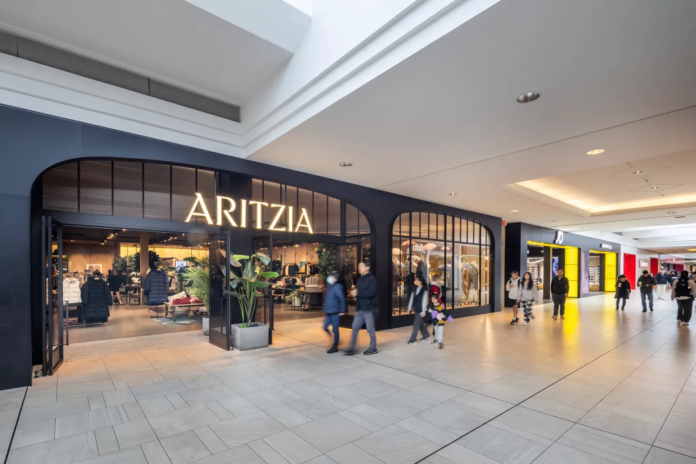
Aritzia and JD Sports at CF Richmond Centre. Image: Cadillac Fairview

Aritzia Inc., a design house with an innovative global platform offering Everyday Luxury™ online and in its boutiques, announced on Thursday its financial results for the third quarter ended November 30, 2025.

“We delivered record net revenue of $1.04 billion in the third quarter of Fiscal 2026, a 43% increase compared to last year. Comparable sales grew 34%, with exceptional growth in all channels and all geographies. Our performance was fueled by unparalleled demand for our Everyday LuxuryTM offering. This was driven by our digital initiatives, which included the launch of our App, our new boutique openings and our strategic marketing investments. Our impressive growth in the United States continued as net revenue increased 54%, highlighting our expanding awareness and the tremendous momentum of the Aritzia brand,” said Jennifer Wong, Chief Executive Officer. “In addition, we continued to expand our margins and delivered a 55% increase in adjusted net income per diluted share.”

Jennifer Wong, CEO of Aritzia

“Our strong performance has continued into the fourth quarter, as an outstanding client response to our Winter assortment fueled record sales over the holiday period. Excellent operational execution across our three strategic growth levers – geographic expansion, digital growth and increased brand awareness – is driving sustained brand momentum and keeping Aritzia top of mind. This momentum, along with our proven operating model and healthy balance sheet, gives us confidence in our long-term goals for the business and our ability to deliver profitable growth for our shareholders.”

Third Quarter Highlights

For Q3 2026, compared to Q3 2025:

  • Net revenue increased 42.8% to $1.04 billion, with comparable sales growth of 34.3%
  • United States net revenue increased 53.8% to $621.1 million, comprising 59.7% of net revenue
  • Retail net revenue increased 35.1% to $657.3 million
  • eCommerce net revenue increased 58.2% to $383.0 million, comprising 36.8% of net revenue
  • Gross profit margin increased 30 bps to 46.0%
  • Selling, general and administrative expenses as a percentage of net revenue decreased 170 bps to 27.9%
  • Adjusted EBITDA increased 52.2% to $207.6 million. Adjusted EBITDA as a percentage of net revenue increased 120 bps to 20.0%
  • Net income increased 87.5% to $138.9 million. Net income as a percentage of net revenue increased 320 bps to 13.4%. Net income per diluted share increased 84.1% to $1.16 per share, compared to $0.63 per share in Q3 2025
  • Adjusted Net Income increased 58.1% to $131.2 million. Adjusted Net Income per Diluted Share increased 54.9% to $1.10 per share, compared to $0.71 per share in Q3 2025

Aritzia expects the following for the fourth quarter of Fiscal 2026:

“Based on quarter-to-date trends, Aritzia expects net revenue in the range of $1.100 billion to $1.125 billion, representing growth of approximately 23% to 26%. The Company expects gross profit margin to be approximately flat to up 50 bps and SG&A as a percentage of net revenue to be approximately flat to down 50 bps for the fourth quarter of Fiscal 2026 compared to the fourth quarter of Fiscal 2025.”

Aritzia (CNW Group/Aritzia Inc.(Communications))

Aritzia said it expects the following for Fiscal 2026:

  • Net revenue in the range of $3.615 billion to $3.640 billion, representing growth of approximately 33% from Fiscal 2025. This includes the contribution from retail expansion with 13 new boutiques and four boutique repositions. Twelve new boutiques and two repositions are expected to be in the United States with the remainder in Canada.
  • Adjusted EBITDA as a percentage of net revenue to be approximately 16.5% to 17.0% compared to 14.8% in Fiscal 2025, driven by leverage on store occupancy costs, IMU improvements, lower warehousing costs and savings from the Company’s smart spending initiative and expense leverage, offset by approximately 280 bps of pressure from additional tariffs and the elimination of the de minimis exemption. Excluding this pressure, Aritzia would expect Adjusted EBITDA as a percentage of net revenue to be approximately 19.3% to 19.8%. 
  • Capital cash expenditures (net of proceeds from lease incentives) of approximately $200 million. This includes approximately $120 million related to investments in new and repositioned boutiques expected to open in Fiscal 2026 and Fiscal 2027. It also includes approximately $80 million related to the Company’s distribution centre network, including its new facility in the Vancouver area, and technology investments.
  • Depreciation and amortization of approximately $110 million.
  • Foreign exchange rate assumption for the fourth quarter of Fiscal 2026 USD:CAD = 1.40.

Founded in 1984 in Vancouver, there are 140 boutiques throughout North America.

More from Retail Insider:

5 Ways Retailers Can Use Technology to Enhance Customer Experience

Staying competitive in the retail industry means more than just offering great products. Retailers must also provide exceptional customer experiences, both online and in-store.

As technology gets better, it presents new opportunities for retailers to connect with customers innovatively. Here are five ways retailers can use cutting-edge technology to deliver outstanding customer experiences.

1. AI-Powered Personalization

Artificial intelligence (AI) is massively shifting how retailers interact with customers. By analyzing vast data, AI can help retailers understand customer behaviors and preferences, creating space for highly personalized shopping experiences.

  • Personalized product recommendations: AI analyzes customer browsing and purchase histories to suggest products tailored to their preferences. For example, online recommendations on e-commerce sites or emails featuring curated selections make shopping faster and more engaging for customers.
  • Dynamic marketing campaigns: Retailers can use AI to produce personalized marketing messages that resonate with individual customers. By leveraging data such as location, shopping habits, and past interactions, brands can deliver targeted promotions or offers designed to meet specific customer needs.
  • Real-time customer insights: Advanced AI algorithms provide actionable insights based on real-time customer behavior, enabling retailers to make data-driven adjustments. This might include updating product recommendations during the mid-shopping experience or refining promotional messaging.
  • Improved customer service through chatbots: AI-powered chatbots can handle customer inquiries efficiently by offering tailored solutions and instant answers. These bots ensure 24/7 support, improving accessibility and boosting overall customer satisfaction.

AI-powered shopping tools are also starting to support customers later in the purchase journey, including at checkout. Couponly is a browser-based AI shopping assistant that helps users find, test, and apply promo codes automatically, showing how AI can reduce friction and improve the online shopping experience.

2. Live Streaming for Product Showcases

Live streaming has become a powerful tool for retailers looking to engage with customers in real time. By hosting live product showcases, retailers can demonstrate their products, answer customer questions, and provide a more interactive shopping experience.

Live streaming allows retailers to reach a global audience, breaking geographical barriers and expanding their customer base. It also creates a sense of urgency and excitement, as customers can interact with the brand and purchase during the live event.

  • Interactive product demonstrations: During live streams, retailers can present the features and benefits of their products in an engaging and detailed manner. This lets customers see the product in action, helping them make more informed purchase decisions.
  • Real-time Q&A sessions: Live streaming enables retailers to answer customer questions in real-time, creating a more interactive and personalized experience. This level of engagement helps build trust and fosters a more solid connection between the brand and its audience.
  • Exclusive product launches or promotions: Retailers can use live streams to unveil new products or offer limited-time promotions available only to viewers. This strategy attracts customers and creates a sense of exclusivity and urgency.
  • Behind-the-scenes content: Sharing exclusive content during live streams gives customers a glimpse into the brand’s story and values. This transparency can help humanize the brand and enhance customer loyalty.
  • Collaborations with influencers or experts: Partnering with influencers or industry experts during live streams can attract a larger audience and bring additional credibility to the retailer’s offerings. Their endorsements and expertise can increase customer interest and trust in the products demonstrated.

To ensure a smooth and secure experience, retailers can use a VPN for streaming. This ensures that retailers can reach their audience without any security concerns.

3. VPNs for Accessing Global Market Insights

In the age of globalization, understanding international market trends is crucial for retailers looking to expand their reach. A VPN can be invaluable for accessing global market insights and staying ahead of competitors.

By using a VPN, retailers can bypass geo-restrictions and access market data worldwide. This lets them stay informed about international trends, consumer preferences, and emerging markets.

With this information, retailers can make better-informed decisions about product offerings, marketing strategies, and expansion plans.

Moreover, a VPN can help retailers ensure smooth cross-border operations by providing secure access to essential platforms and tools. This is particularly important for retailers with international supply chains or those looking to enter new markets.

4. Omnichannel Platforms

Today’s consumers expect a hassle-free shopping experience across all online, in-store, or mobile channels. Omnichannel platforms enable retailers to provide a consistent and integrated experience, no matter where the customer is shopping.

An omnichannel approach allows retailers to connect with customers at multiple touchpoints, providing a more cohesive shopping experience.

For example, a customer might browse products on a retailer’s website, receive personalized recommendations via email, and then purchase in-store. With an omnichannel platform, all of these interactions are connected, providing a seamless experience for the customer. Effective communication becomes even more crucial when operating on a global scale. To enhance this connectivity even further, retailers often send SMS worldwide, ensuring they can deliver timely updates and personalized messages directly to customers, no matter where they are located.

Retailers can also use omnichannel platforms to offer services like buying online, picking up in-store (BOPIS), or curbside pickup. These choices provide convenience for customers and can drive additional foot traffic to physical stores.

5. Secure Payment Systems

In an era of escalating data breaches and cyber threats, ensuring the security of consumer payment information is more important than ever. Retailers must invest in secure payment systems to protect customers and build trust.

Secure payment systems can include encryption, tokenization, and multi-factor authentication. These technologies help protect sensitive customer information and reduce the risk of fraud.

Retailers can also offer various payment options, such as mobile wallets, contactless payments, and buy now, pay later services. These choices provide convenience for customers and can enhance the overall shopping experience.

By prioritizing payment security, retailers can build customer trust and encourage repeat business. 

The Future of Retail

As technology continues to advance, retailers must be willing to embrace innovation to stay competitive. By adopting cutting-edge solutions like AI-powered personalization, live streaming, VPNs, omnichannel platforms, and secure payment systems, retailers can boost the customer experience and drive business growth.

The future of retail is all about creating meaningful connections with customers and providing a seamless, personalized shopping experience. By leveraging technology, retailers can meet and exceed customer expectations, ensuring long-term success in the industry.

Moose Knuckles Refines Retail Strategy With Eaton Centre Move

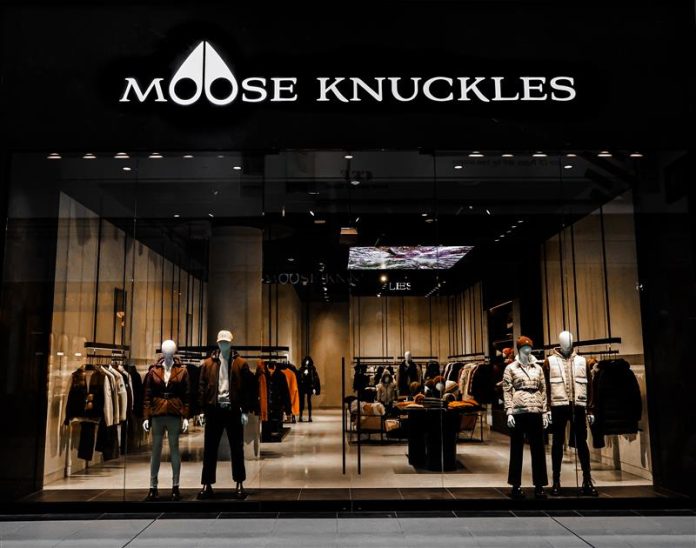
Moose Knuckles at CF Toronto Eaton Centre. Photo: Moose Knuckles

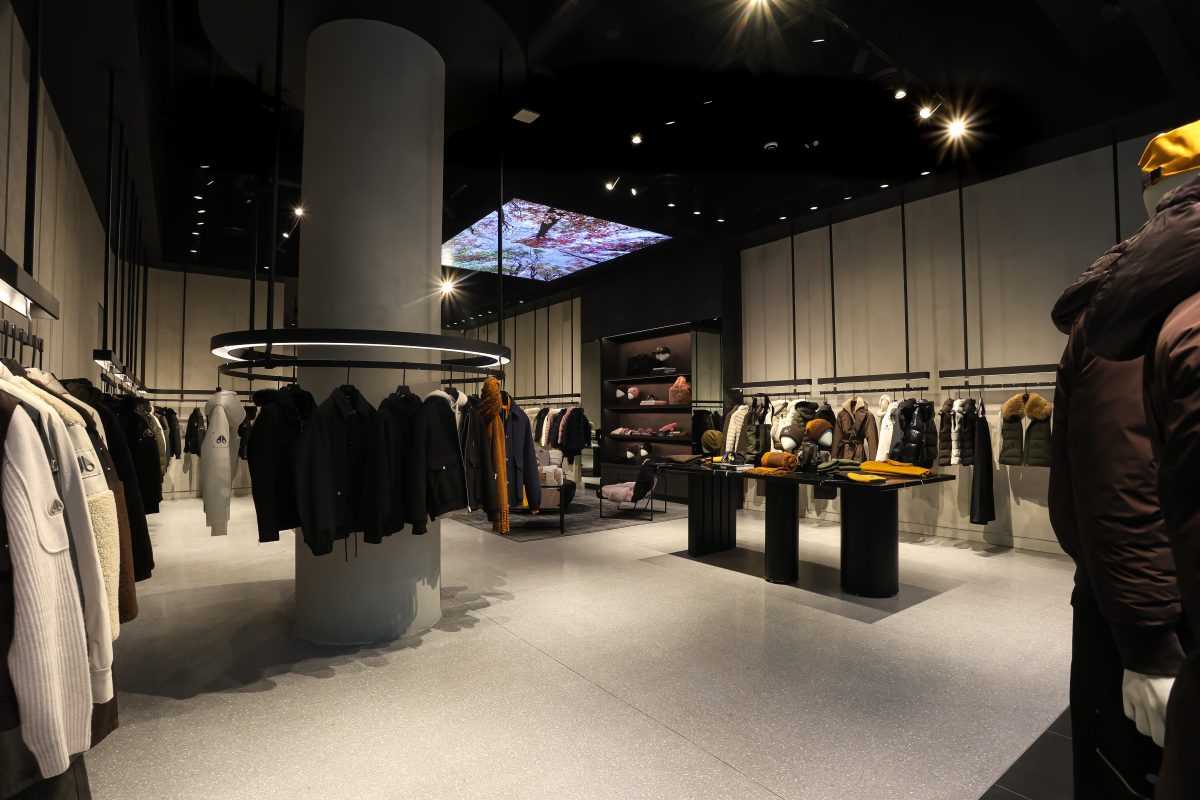
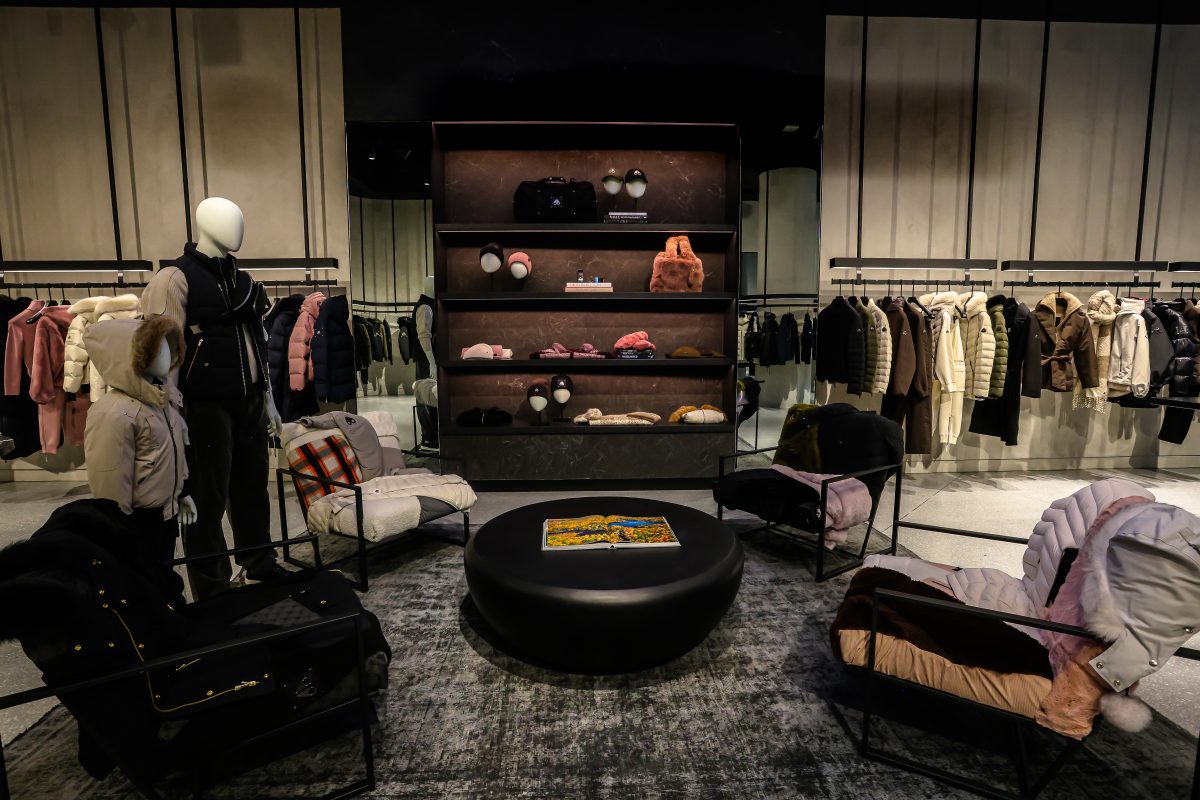
Moose Knuckles is entering 2026 with a sharper sense of focus across its retail network, beginning with the recent relocation of its store at CF Toronto Eaton Centre. The move, which saw the Canadian outerwear brand shift next door into a smaller, more productive space, reflects a broader recalibration underway as Moose Knuckles aligns physical retail with brand evolution, product diversification, and disciplined global expansion.

The relocation was not driven by retreat, but by refinement. According to Andrea Elliott, Executive Vice President, Retail and Wholesale, Americas, the original Eaton Centre lease was secured during the height of the pandemic, when real estate availability was limited and long-term planning was clouded by uncertainty.

“We secured that space during COVID because it was important for us to be in the CF Toronto Eaton Centre, right in the downtown core and a major tourism hub,” Elliott said. “At the time, there weren’t many options available. While we had strong brand fans, the space itself ended up being larger than what ultimately made sense for us.”

As the business matured and performance benchmarks became clearer, Moose Knuckles revisited the lease with Cadillac Fairview and took the opportunity to right-size the store.

“We now have a very clear understanding of what our ideal footprint looks like from a productivity standpoint,” Elliott said. “The timing worked perfectly for us to relocate into the right space, at the right size, using our updated brand design, and the results have been excellent.”

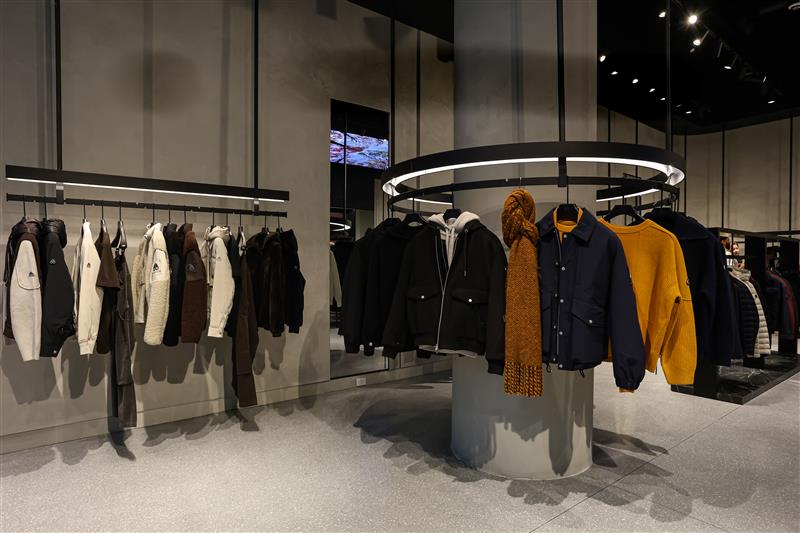
Moose Knuckles at CF Toronto Eaton Centre. Photo: Moose Knuckles

Applying the Same Discipline in Ottawa

Toronto is not the only Canadian market where Moose Knuckles has refined its physical presence. In Ottawa, a long-running pop-up at Rideau Centre has now transitioned into a permanent store, again moving only a few doors but into a space better suited for long-term performance.

“Ottawa started as a pop-up in a small location,” Elliott said. “We were really waiting for the right long-term opportunity. When that space became available, we moved just a few doors down, built it out using the same design language as Royalmount, and the performance has been exceptional.”

The Ottawa move highlights a consistent theme within the Moose Knuckles retail strategy, patience paired with discipline. Rather than rushing into permanent commitments, the brand has used pop-ups as a proving ground to better understand customer demand and financial viability.

Pop-Ups as a Strategic Growth Engine

As of early 2026, Moose Knuckles operates 19 permanent stores across North America and Europe, with 21 total locations including two seasonal pop-ups. What began as a defensive tactic during the pandemic has since evolved into a deliberate and data-driven expansion tool.

“We initially leaned into pop-ups during COVID as a way to manage uncertainty,” Elliott said. “But very quickly, it became an offensive strategy. Pop-ups allow us to enter a market, operate during peak season, and truly understand its potential.”

By evaluating seasonal performance and extrapolating full-year profitability, Moose Knuckles can determine whether a market is ready for permanent investment. Even when a pop-up does not convert, the brand still captures long-term value.

“If we decide not to go permanent, we’ve still gained new customers, strengthened our e-commerce presence in that market, and built brand awareness,” Elliott said. “It’s a win on multiple levels.”

Current pop-ups include King of Prussia near Philadelphia in the United States and a high-profile Amsterdam location operated in partnership with fintech company Adyen, inside a former Hudson’s Bay building in the heart of the city.

“It’s a prime downtown location with strong tourist traffic and a very engaged local audience,” Elliott said. “It’s been a fantastic way to introduce the brand to that market.”

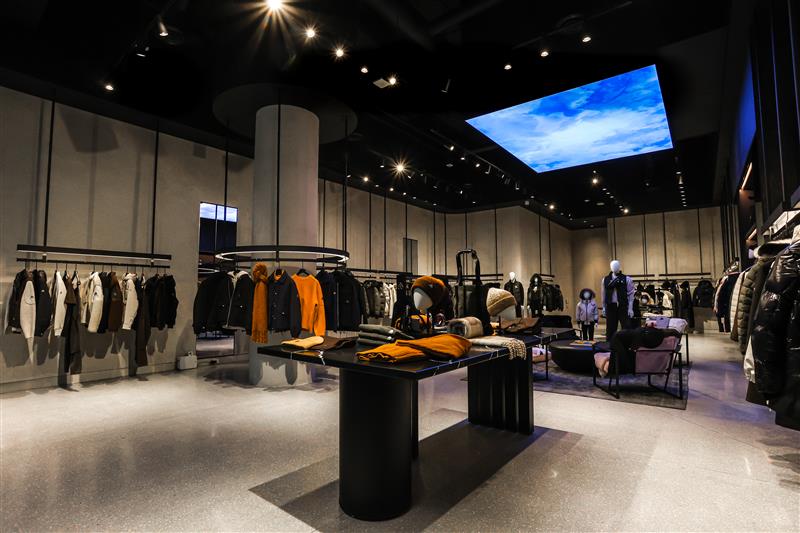
Moose Knuckles at CF Toronto Eaton Centre. Photo: Moose Knuckles

A Multi-Format Footprint Across Key Markets

Moose Knuckles’ physical presence spans a carefully curated mix of full-price and outlet locations across Canada, the United States, and Europe, reflecting a disciplined approach to market coverage and long-term brand positioning. Rather than pursuing aggressive saturation, the company has focused on securing locations that balance visibility, tourism exposure, and commercial performance.

In Canada, the brand operates in major urban and regional centres including CF Toronto Eaton Centre, Yorkdale Mall, Royalmount in Montreal, CF Chinook Centre in Calgary, Rideau Centre in Ottawa, CF Pacific Centre in Vancouver, West Edmonton Mall, and CF Polo Park in Winnipeg, while also maintaining outlet locations at Toronto Premium Outlets, Niagara Premium Outlet, and Premium Outlets Montréal. In the United States, Moose Knuckles has established a presence in high-traffic environments such as SoHo in New York City, Roosevelt Field, King of Prussia, Woodbury, Somerset, and Chicago Fashion Outlets, while its European footprint includes Roermond, Bicester Village, and Amsterdam, blending outlet destinations with select urban markets.

Canada Feels Well Covered as Focus Shifts Abroad

While Moose Knuckles continues to evaluate opportunities domestically, Elliott said the brand feels confident in its current Canadian footprint.

“We feel very good about our coverage in Canada, both from a full-price and outlet perspective,” she said. “Our penetration across the country is strong, and we’re in the right locations.”

Looking ahead, the emphasis is shifting toward international growth, particularly in the United States and Europe.

“That’s really where we see the greatest opportunity for expansion,” Elliott said.

For 2026, Moose Knuckles is forecasting between three and five new stores, primarily full-price locations in major global markets.

“Real estate decisions are critical,” Elliott said. “When you go permanent, you need to be absolutely certain you’re choosing the right location.”

Moose Knuckles at CF Toronto Eaton Centre. Photo: Moose Knuckles

Wholesale, Retail, and E-Commerce in Alignment

Unlike many brands that experience channel tension, Moose Knuckles has found that its wholesale, retail, and e-commerce businesses reinforce one another. Elliott oversees both wholesale and retail in North America, allowing for a fully integrated approach.

“Our wholesale partners are incredibly important to us,” she said. “When we open stores near those partners and invest in brand-building, we’ve seen that all channels benefit.”

In Canada, Moose Knuckles is carried by Holt Renfrew, Sporting Life, and Simons, while U.S. partners include Saks Fifth Avenue, Bloomingdale’s, Neiman Marcus, and Nordstrom.

“We haven’t experienced the conflict some people expect,” Elliott said. “Instead, we’ve seen success across the entire ecosystem.”

Digital Growth and Platform Investment

E-commerce continues to play a growing role in the business, supported by a recent migration to Shopify.

“We’ve seen strong year-over-year growth online,” Elliott said. “The platform upgrade has given us more flexibility, and it’s an area we’ll continue to invest in.”

Digital performance also informs physical expansion decisions, alongside wholesale distribution, competitive dynamics, weather patterns, and tourism.

Moose Knuckles at CF Toronto Eaton Centre. Photo: Moose Knuckles

Product Evolution Beyond Cold Weather

While Moose Knuckles remains best known for its premium outerwear, the brand has expanded its assortment into lighter-weight categories, sportswear, and logo-driven essentials.

“We are very intentional about balancing fashion and function,” Elliott said. “Our products need to perform, but they also need to feel relevant for city and street wear.”

Core jackets remain foundational, alongside evolving styles such as the brand’s signature “bunny” designs, sportswear, hoodies, polos, joggers, and the expanding Gold Series. Store teams play a direct role in shaping future product development.

“Our managers provide direct feedback to our design and merchandising teams every season,” Elliott said. “That level of collaboration is incredibly powerful.”

Experience as a Retail Differentiator

Inside Moose Knuckles stores, the emphasis is on experience rather than speed. Fit sessions often last 20 to 40 minutes, with teams trained to deliver what Elliott describes as a concierge-level approach.

“We want customers to feel welcomed and cared for,” she said. “It’s not about rushing a transaction. It’s about helping them make the right choice.”

That approach includes services such as guided fit sessions, careful handling of customers’ existing outerwear, and even assistance with zippers to demonstrate construction quality.

“We think about the entire experience from start to finish,” Elliott said.

Occasionally, customer feedback underscores the functional integrity of Moose Knuckles products in unexpected ways. Elliott recalled hearing from customers whose jackets helped reduce injuries during serious accidents.

“We don’t position ourselves around that,” she said. “But hearing those stories reinforces how much care goes into our construction and materials, and it means a great deal to our teams.”

More from Retail Insider:

Artificial Flowers Capture Growing Share of UK Market as Import Costs and Environmental Concerns Reshape Industry

New analysis by The Faux Flower Company reveals that artificial flowers now command a 14.3% share of the UK’s £2.2 billion retail flower market, with growth rates outpacing fresh flowers by a significant margin as consumers reconsider both cost and environmental impact.

Cross-referenced market data from Grand View Research, IBISWorld, and UK government statistics shows that the UK artificial flower market reached £314.7 million in 2023, representing the first comprehensive assessment of synthetic blooms’ market penetration against the broader fresh flower industry.

“The numbers tell a compelling story about changing consumer priorities,” said Rachel Dunn, Head of Product at The Faux Flower Company. “When you factor in the carbon footprint of imported flowers alongside their limited lifespan, the economic and environmental case for high-quality faux alternatives becomes increasingly clear.”

Import Dependency Creates Vulnerability

The analysis reveals the UK’s reliance on imported fresh flowers, with £761.8 million worth flowing into the country annually according to DEFRA statistics. When combined with domestic production of £150.2 million (UK production minus exports), imports account for 83.5% of total flower supply.

The Netherlands remains the dominant supplier, providing approximately 80% of UK flower imports based on British Florist Association figures. This concentration creates vulnerability to supply chain disruptions and currency fluctuations.

Post-Brexit border controls implemented in April 2024 added new phytosanitary certificate requirements for medium-risk plants including five major cut-flower varieties: orchids, chrysanthemums, carnations, Gypsophila, and Goldenrods. Dutch exporters warned these measures would increase costs by 5%.

Growth Trajectories Diverge

Comparing growth rates highlights a dramatic shift in market dynamics:

  • Fresh flowers (retail florists): declining at 0.6% CAGR (2020-2025)
  • Artificial flowers: growing at 4.8% CAGR in the UK market (2024-2030 projection)

At current rates, the artificial flower market would reach £429.3 million by 2030, expanding its market share to approximately 17.5% if fresh flower demand continues its contraction.

Environmental Calculations Shift Consumer Thinking

Life cycle analysis data compiled by researchers at Lancaster University and other institutions provides stark comparisons. Cross-referencing multiple studies reveals:

Per-stem environmental impact:

  • Dutch greenhouse roses: 1.8-2.4 kg CO2e per stem
  • Kenyan field-grown roses: approximately 0.3-0.4 kg CO2e per stem (6x lower than Dutch)
  • Water requirement: 7-13 litres per rose stem

For a standard bouquet of 12 roses, this translates to 21.6-28.8 kg CO2e when sourced from Dutch greenhouses – equivalent to driving 62-82 miles in a standard vehicle.

Artificial flowers present a different environmental equation. Manufacturing an average faux bouquet generates approximately 29.1 kg CO2e according to research by Silk Stem Collective. The break-even point occurs after 2.5 uses when compared to fresh Dutch flowers, or approximately 6-7 uses when compared to Kenyan imports.

Price Stability Versus Volatility

The fresh flower market faces inherent price volatility. Flowers lose 15% of their value for each additional day in transit, according to industry logistics data. Seasonal fluctuations, weather disruptions, and currency movements create unpredictable pricing.

Artificial flowers offer price stability and eliminate the waste associated with short lifespans. Fresh cut flowers typically last 7-12 days, meaning consumers replacing arrangements monthly would purchase approximately 30-50 bouquets annually.

Outlook

With UK household budgets under pressure and environmental consciousness rising, the artificial flower market appears positioned for continued growth. The 4.8% CAGR projection through 2030 may prove conservative if fresh flower import costs continue rising and quality improvements in artificial products accelerate.

VIDEO: Canadian restaurants struggling, Sylvain Charlebois

Canada’s restaurant sector is facing another difficult year, with thousands of establishments expected to close as rising costs and shifting consumer behaviour continue to squeeze margins, according to Sylvain Charlebois, senior director of the AgriFood Analytics Lab at Dalhousie University.

Charlebois said his team’s analysis suggests Canada experienced a net loss of roughly 7,000 restaurant establishments in 2025 and is on track to lose about another 4,000 in 2026, as closures continue to outpace openings. He noted that these estimates differ from official figures because they focus on active, viable restaurants rather than simply registered businesses. The lab cross-references establishment data with broader economic indicators such as employment trends and consumer spending patterns to identify longer-term shifts in the sector.

He attributed the pressure on restaurants to a combination of factors, including persistently high input costs, labour shortages, and changes to the temporary foreign worker program that have made staffing more difficult. Charlebois also pointed to declining alcohol consumption as a major challenge, explaining that alcohol sales have traditionally helped restaurants offset their thin food margins. As customers order fewer drinks, appetizers, and desserts, profitability becomes harder to achieve.

Sylvain Charlebois
Sylvain Charlebois

The growth of delivery and takeout since the pandemic has further complicated the picture. Charlebois said off-premise dining reduces opportunities for high-margin beverage sales, putting additional strain on operators, particularly independent restaurants that lack the purchasing power and marketing support of large franchise systems.

Despite the wave of closures, Charlebois does not see the industry as being in crisis. Instead, he described the current period as a “right-sizing” following the pandemic, emphasizing the sector’s long-term resilience. However, he warned that the loss of independent restaurants could slow food innovation, which has historically influenced both dining culture and grocery retail in Canada.

Still, Charlebois said entrepreneurial optimism continues to drive new restaurant openings, underscoring the role of risk-taking in a healthy economy.

More from Retail Insider: