Advertisement
Advertisement
Home Blog Page 276

Kit and Ace Opens Storefront at Metropolis at Metrotown

Kit and Ace at Metropolis at Metrotown in Burnaby, BC. Photo: Kit and Ace

Canadian apparel brand Kit and Ace has opened its newest store at Metropolis at Metrotown in Burnaby, British Columbia. The pop-up marks the 11th store for the growing brand, following closely on the heels of its 10th location, which opened last month at The Well in downtown Toronto. The Burnaby pop-up serves as a test to gauge consumer demand in Metro Vancouver’s largest shopping centre.

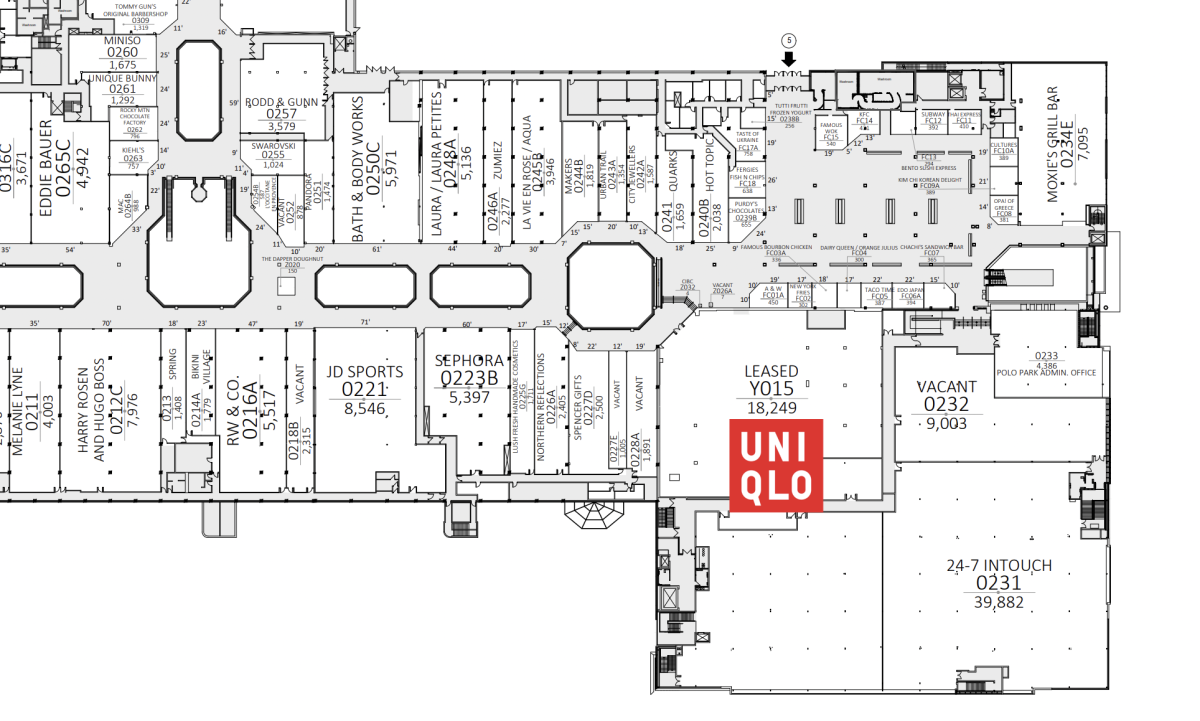
Metropolis at Metrotown’s status as British Columbia’s largest shopping centre, and Canada’s third-largest by floor area, provides a significant platform for Kit and Ace as it continues its aggressive expansion plan. The shopping centre spans more than 1.78 million square feet and features over 450 stores and services, drawing high traffic both locally and from the broader Metro Vancouver region.

A Strategic National Expansion Plan

Kit and Ace’s growing footprint is part of a broader national expansion strategy under the leadership of CEO David Lui. Since the brand’s acquisition by Unity Brands Inc. in July 2023, Kit and Ace has embarked on a steady and deliberate growth plan targeting Canada’s top retail nodes. Unity Brands, co-founded by Canadian retail veterans Joe Mimran, Frank Rocchetti, and David Lui, has brought extensive industry experience to the restructured company.

David Lui

The company’s expansion strategy focuses on a blend of high-traffic shopping centres, lifestyle-driven retail nodes, and select urban neighbourhoods. The Burnaby pop-up follows this formula, leveraging Metropolis at Metrotown’s robust foot traffic and connectivity to Greater Vancouver through its direct integration with Metrotown SkyTrain station and the adjacent 24-hour bus exchange.

Store Realignments and Upcoming Openings

Kit and Ace’s expansion efforts are not limited to new store openings but also include relocations and major renovations. At CF Toronto Eaton Centre, the existing third-floor pop-up store will relocate to the former Williams Sonoma space this July, positioning the brand in a more prominent retail location within one of Canada’s highest-traffic malls. That storefront is almost 4,800 square feet, according to Cadillac Fairview lease plans. 

The growth trajectory continues into the fall of 2025, when Kit and Ace plans to open two more locations: one at Bayview Village in Toronto and another at Park Royal in West Vancouver. In Calgary, the Kit and Ace store at CF Market Mall is slated for a full-scale renovation, with renderings already showcasing the updated store design that reflects the brand’s elevated aesthetic.

Kit and Ace at Metropolis at Metrotown in Burnaby, BC. Photo: Kit and Ace

Product Development and Brand Evolution

Alongside store expansion, Kit and Ace is advancing its product strategy through ongoing research and development. New products and categories are expected to launch soon, extending the brand’s offerings and reinforcing its identity of blending performance with luxury.

Since its founding in 2014 by Shannon and JJ Wilson—members of the family behind Lululemon—Kit and Ace has been known for its performance-based essentials designed for urban professionals. While its initial years saw rapid international expansion, the brand underwent significant restructuring following a contraction in 2017. Under its current ownership, Kit and Ace has refocused on Canada, building a more measured and sustainable retail strategy.

Rendering of the updated Kit and Ace at CF Market Mall in Calgary. Image: Kit and Ace

Metropolis at Metrotown: A Key Location for Growth

The choice of Metropolis at Metrotown for Kit and Ace’s latest pop-up aligns with the shopping centre’s continued prominence in British Columbia’s retail landscape. The centre’s extensive tenant mix includes major retailers such as Uniqlo, Zara, Walmart, H&M, Winners/HomeSense, Muji, Sport Chek, Indigo, and the newly closed Hudson’s Bay space, which shuttered on June 1, 2025, along with the remainder of the HBC chain’s department stores.

Originally developed in the mid-1980s on a former Ford Canada site, Metrotown evolved through several major redevelopments and consolidations. The current integrated complex, known as Metropolis at Metrotown, emerged in 2005 through the merging of the original Metrotown Centre, Eaton Centre, and Station Square developments. Today, it serves as a retail, dining, and entertainment hub, complemented by nearby office towers, including the Metrotowers complex.

Direct access to public transit remains one of Metropolis at Metrotown’s competitive advantages. The adjacent Metrotown SkyTrain station (under construction) ranks among the busiest in Metro Vancouver, while the integrated 24-hour bus loop further extends the centre’s accessibility to Burnaby and neighbouring municipalities.

Kit and Ace at Metropolis at Metrotown in Burnaby, BC. Photo: Kit and Ace

Maintaining Vancouver Roots Amid National Growth

While Kit and Ace has made substantial inroads into markets such as Toronto and Calgary, the brand’s home base remains Vancouver, where its first store opened in Gastown in 2014. The Vancouver market remains key to the company’s growth strategy, with strong brand awareness and a loyal customer base that has followed Kit and Ace through its various phases of evolution.

Calgary has also emerged as an important market for Kit and Ace, reflecting the brand’s resonance in multiple Canadian urban centres known for their active professional populations and interest in functional yet stylish apparel.

Looking Ahead: Future Flagship and Continued Expansion

As Kit and Ace continues to build momentum, discussions are ongoing for a permanent flagship location in Toronto, which remains one of the brand’s top-performing markets. Until a flagship site is secured, the company continues to rely on pop-up formats as a nimble and effective way to build brand presence and test various locations.

Through 2025, Kit and Ace is expected to announce additional store openings, further diversifying its presence across Canada with both permanent stores and short-term pop-ups.

More from Retail Insider: 

The Kenrick Hotel Banff Unveils Major Luxury Renovation

The Kenrick Hotel in Banff, Alberta. Rendering: Eight Station

Following a comprehensive multi-phase renovation, The Kenrick Hotel has officially reopened its doors in Banff, Alberta. Formerly known as the High Country Inn, which originally opened in 1982, the family-owned property has been reimagined as a modern boutique retreat blending luxury, heritage, and innovation. The ambitious redevelopment project, led by national construction firm BUILD IT, represents not only a major addition to Banff’s hospitality scene but also a demonstration of the power of meticulous planning and deep collaboration.

“We were brought into the project through referrals and a proven track record,” explained Andrew Lobas, West Coast Partner at BUILD IT, in an interview. “Our hospitality experience and existing footprint in Alberta, particularly in Banff, made us a strong contender. We were already working on another project on Banff Avenue with Herschel Supply Co. when we connected with the hotel’s ownership. That opened the door for us.”

Andrew Lobas, West Coast Partner at BUILD IT

From Retail to Hospitality: BUILD IT’s Expanded Role

BUILD IT’s prior work with Herschel Supply Co. in Banff acted as a catalyst that positioned the firm as the right construction partner for this complex hotel redevelopment. The Kenrick project marked BUILD IT’s first full-scale hotel renovation, requiring the company to draw from its extensive hospitality expertise while navigating the unique challenges of building within a national park.

“The project was essentially a hybrid between a renovation and a new build,” said Lobas. “We stripped the building down to its studs, upgrading all the systems—mechanical, electrical, infrastructure—to meet modern-day standards while retaining the property’s original character.”

Spanning approximately 40,000 square feet, the renovation encompassed 70 guest suites, a spa and saltwater pool, conference center, lobby, food and beverage spaces, staff offices, housekeeping, and a complete overhaul of the building’s exterior envelope, including new roofing, siding, and painting.

Navigating National Park Regulations

Working within Banff National Park presented a unique set of challenges and requirements. BUILD IT collaborated closely with Parks Canada and the Town of Banff to comply with strict regulations.

“We had to perform erosion and sediment control mitigation, waste dispersion management, and even migratory bat and bird studies before beginning exterior work,” Lobas noted. “There are extensive rules to ensure that we remain good construction partners in such a sensitive environment.”

Family suite in The Kenrick Hotel in Banff, Alberta. Image: Eight Station

Tight Timelines, Strategic Planning

Remarkably, the construction phase of the project was completed in just over six months. Lobas explained that one of BUILD IT’s key recommendations to the client was to fully shut down the hotel during the renovation period, which significantly accelerated the schedule compared to the more typical 12-month timeframe for similar projects.

“Shutting down the hotel allowed us to approach the renovation holistically,” he said. “We weren’t phasing work around guests, which allowed us to push forward efficiently and stay on schedule.”

The design phase began six to eight months before construction commenced in October, with the majority of the work completed by the following May. The Nora Spa and pool facilities will be fully open by June 2025, completing the project.

The Kenrick Hotel in Banff, Alberta. Image: Eight Station

A Collaborative Design Process

Multiple partners played key roles in bringing The Kenrick’s vision to life. Mera Studio served as the project’s lead architect, working closely with both BUILD IT and the hotel’s ownership team to marry design vision with operational needs.

“The collaboration was seamless,” said Lobas. “Mera Studio brought tremendous creativity, and we worked hand-in-hand with them to ensure the brand identity was reflected in every detail. The renderings produced by 8 Station were so accurate that, when compared to finished photography, it’s difficult to tell which is which.”

Blending Modern Luxury with Rustic Charm

While modernized throughout, The Kenrick remains true to Banff’s natural and historical surroundings. The design incorporates rustic elements such as original exposed beams in the lobby alongside sophisticated custom millwork, curved mirrors, integrated lighting, and layered mixed materials.

“The building itself is a composite of three structures, each built in a different era,” Lobas explained. “Part of the challenge was stitching together these different construction types into one consistent guest experience.”

One standout feature is the wellness-focused Nora Spa, which includes a rare saltwater pool, hot and cold plunge tubs, sauna, steam room, and treatment areas—amenities that place The Kenrick in a league of its own among Banff’s luxury accommodations.

Family suite in The Kenrick Hotel in Banff, Alberta. Image: Eight Station

Sustainability Built In

Environmental sustainability was a priority throughout the project, in keeping with the responsibilities of operating within a national park. BUILD IT implemented extensive recycling protocols during demolition, coordinated erosion control measures, and updated all mechanical and electrical systems to improve energy efficiency and long-term sustainability.

“We essentially future-proofed the hotel,” said Lobas. “For example, electrical panels were individualized per floor for better control and efficiency. Modern HVAC systems, advanced communications technology between rooms and the front desk, and state-of-the-art audiovisual systems were also installed.”

Creating a Unique Construction Culture

Beyond technical expertise, BUILD IT also fostered a collaborative on-site culture to keep the project moving smoothly. Given Banff’s remote location, tradespeople and subcontractors were brought in from Calgary and housed locally throughout the build.

“We created a real community on-site,” Lobas said. “Our team and trade partners lived and worked together, often cooking dinners as a group after long days. This sense of camaraderie helped ensure everyone was pulling in the same direction, delivering the best possible result for the client.”

BUILD IT also worked with neighbouring hotels to secure accommodations for crews and coordinated closely with the hotel’s operations team to train staff in newly completed rooms as each phase wrapped.

The Kenrick Hotel in Banff, Alberta. Rendering: Eight Station

Early Guest Praise and Community Excitement

Though recently reopened, The Kenrick is already receiving enthusiastic guest feedback. Early reviews have praised the hotel’s elevated guest experience, luxurious amenities, and attention to detail.

“Some guests have already described it as one of the nicest hotels in Banff—and even beyond,” Lobas shared. “The response has been tremendous. Bookings are exceeding the initial business plan projections, which is the strongest testament to the success of the project.”

The transformation has also been warmly welcomed by the Banff community, with the hotel contributing to the town’s hospitality offerings and tourism appeal.

Boutique Touches Enhance Guest Experience

The Kenrick has embraced a fully boutique approach, offering guests the opportunity to purchase many of the room elements they encounter during their stay.

“If a guest loves the custom sash on the bed or the bath products, they can purchase them right from the room,” said Lobas. “It’s a very personalized, boutique experience that adds another layer to their stay.”

The Kenrick Hotel in Banff, Alberta. Rendering: Eight Station

Food, Beverage, and Retail Amenities Expand the Offering

In addition to its accommodations and spa, The Kenrick features several food, beverage, and retail options that further distinguish the property.

Fat Ox, the hotel’s in-house Italian restaurant, offers an elevated dining experience with vegetarian and gluten-free options. Banff’s popular Analog Coffee will open this summer, serving guests and visitors alike. The outdoor patio space, complete with fire pits and softscape seating, creates a vibrant social hub for both hotel guests and the constant flow of skiers, hikers, and tourists passing by on Banff Avenue.

“This is not just a hotel—it’s a destination,” Lobas said. “We designed it to serve both guests staying overnight and locals or tourists passing through.”

A Model for Future Remote Hospitality Projects

The Kenrick’s renovation demonstrates how the right construction partner can help hospitality operators navigate the complexities of remote locations, condensed timelines, and regulatory hurdles.

“More hotel operators are realizing the benefits of bringing the entire project team—construction, design, and ownership—together early in the process,” Lobas emphasized. “That collaboration allows us to problem-solve proactively and deliver results that exceed expectations.”

An Industry Benchmark

For BUILD IT, The Kenrick stands as a milestone project showcasing the firm’s ability to handle complex, large-scale hospitality builds.

“It’s really reinforced our leadership in the hospitality construction sector,” Lobas reflected. “This is a special project for us—one that will serve as a benchmark for what’s possible when you combine vision, expertise, and teamwork.”

The Kenrick Hotel is located at 419 Banff Avenue in Banff, Alberta.

More from Retail Insider: 

Shortage of applicants, mismatched job expectations among key hiring challenges for small businesses: CFIB

Credit: Anna Shvets
Credit: Anna Shvets

Small businesses face a shortage of applicants, skills mismatches and difficulty attracting candidates when hiring skilled workers, and these challenges are only worsened by labour mobility barriers, finds recent analysis by the Canadian Federation of Independent Business (CFIB). 

The CFIB is Canada’s largest association of small and medium-sized businesses with 100,000 members across every industry and region.

Marvin Cruz
Marvin Cruz

“Over four in 10 small firms say a shortage of skilled labour is limiting their ability to increase sales or production. Many are struggling not just to find workers, but to find candidates with the right skills, expectations, and qualifications,” said Marvin Cruz, CFIB’s director of research.

“Since 2021, wage costs have gone up, but productivity has stagnated. By improving our workforce quality and removing labour mobility barriers, we could boost our productivity and strengthen Canada’s economic competitiveness.”

Over two-thirds (69%) of SMEs said the primary obstacle to recruiting skilled employees is a shortage of qualified candidates within their sectors. More than half (54%) of small businesses had issues attracting qualified candidates at all, while 47% said they struggled with a mismatch between the skills applicants bring and the actual requirements of the role, said the CFIB in releasing its data on Tuesday.

Even when qualified workers are available elsewhere in Canada, provincial licensing and certification barriers often prevent employers from filling essential roles quickly and efficiently—especially in rural areas or sectors where candidates are scarce. Additionally, 57% of small businesses reported a disconnect between what candidates expect in terms of pay or benefits and what the business is offering, and half of small businesses said they simply cannot provide compensation packages that match those of large companies, said the organizartion.

Alchad Alegbeh
Alchad Alegbeh

“There’s a growing disconnect in Canada’s labour market between small business needs and the available workforce. Even when roles are filled, businesses often deal with employees’ poor productivity, lack of motivation, and weak problem-solving skills. Business operations and output are then lacking, while owners are often forced to spend more time training or rehiring workers instead of focusing on running the business,” said Alchad Alegbeh, CFIB’s research analyst. 

To enhance labour quality, the CFIB said governments should:

  • Introduce tax credits and grants for SMEs that invest in employee training and upskilling. 
  • Provide wage subsidies or EI premium holidays for SMEs hiring and training new or inexperienced workers.
  • Encourage partnerships between small businesses and educational institutions to create apprenticeship and internship programs that can help bridge the skills gap.  

As for labour mobility, CFIB recommends governments:

  • Mutually recognize one another’s regulatory requirements.
  • Allow licensed professionals to work within the scope of their existing training and experience while undergoing registration processes in a new province or territory.  
  • Work with professional colleges and associations to lower or waive interprovincial registration fees.  
  • Streamline the registration process by legislating a clear timeline for professional certification approvals. Should approval timelines not be respected, implement compensation for businesses such as waiving registration fees.  

Related Retail Insider stories:

Ecksand Earns Rare Canadian National Mark Certification

Ecksand store at 162 Cumberland Street in Yorkville. Photo: Craig Patterson

In a notable development for Canada’s fine jewellery sector, Montreal-based Ecksand has officially been awarded the Canadian National Mark, a rare and prestigious designation granted by the Commissioner of Competition under the Precious Metals Marking Act. The honour confirms that every Ecksand creation is authentically Canadian—from gemstone sourcing to final polish—crafted under stringent federal standards of traceability, purity, and manufacturing.

With only 108 National Mark certificates issued to date, and even fewer brands maintaining that level of compliance in recent years, the award places Ecksand in an exclusive category of jewellers whose commitment to genuine Canadian production is not just stated but verified.

A Rare Hallmark of Canadian Excellence

Unlike the broader “Made in Canada” label, the Canadian National Mark requires manufacturers to undergo a meticulous approval process that confirms local production and material traceability. This is particularly relevant in an industry where vague or misleading origin claims can be prevalent.

“The Canadian National Mark affirms what we’ve always stood for: transparency, artistry and craftsmanship rooted here at home,” said Erica Bianchini, Ecksand’s Co-Founder and Creative Director, in a statement. “At Ecksand, sustainability isn’t just a responsibility—it’s part of our design and craftsmanship philosophy. Every detail, from our ethical noble materials to the thoughtful sculpting of each piece, is guided by the belief that beauty should last.”

Erica Bianchini, Co-founder and Creative Director of Ecksand

Ecksand’s latest distinction reinforces the maison’s long-standing reputation as a pioneer in ethical jewellery production, elevating the company’s credibility in a marketplace that increasingly values traceable sourcing and responsible luxury.

From Design to Delivery: Made Entirely in Canada

Founded in 2009, Ecksand has built a vertically integrated production model that allows the brand to design, engineer, and handcraft each piece within its own atelier in Montreal. The workshop is described as “fully green,” with energy-efficient practices that reduce environmental impact while supporting the maison’s mission of sustainability.

From recycled gold to responsibly sourced diamonds and natural gemstones, every element in an Ecksand piece undergoes a detailed journey that remains entirely within Canada’s borders. This full control over the supply chain ensures not only creative freedom but also ethical integrity—a key selling point as buyers increasingly scrutinize the origins of luxury goods.

“Each ring spends at least six hours in the hands of our artisans,” Bianchini noted. “We don’t count the hours it takes to perfect a piece. We trust the process and the workmanship that goes into every jewel.”

An Artisanal Approach with Global Appeal

While deeply rooted in its French-Canadian heritage, Ecksand’s influence extends well beyond Canadian borders. Its creations have been featured on red carpets at the Oscars and New York Fashion Week, and the maison continues to attract attention from international celebrities for its elegant, heirloom-quality pieces.

Collections such as The Mark, Duel, Arctic Dragon, and Starlight offer a modern interpretation of timeless forms. From intricately detailed engagement rings to statement earrings and one-of-a-kind gemstones, the brand’s designs emphasize both visual impact and symbolic meaning.

Each piece is a physical manifestation of Ecksand’s core values: transparency, craftsmanship, and environmental care.

Screen shot from Ecksand’s website, showing the Arctic Dragon collection.

The Importance of the National Mark in Today’s Market

The timing of the National Mark certification is significant. As global consumers become more aware—and sometimes sceptical—of greenwashing and vague marketing around ethical practices, government-regulated designations like this offer valuable reassurance.

According to federal guidelines, the Canadian National Mark requires brands to meet strict conditions related to local manufacturing, verified sourcing of materials, and compliance with purity standards for precious metals. For jewellery buyers concerned with authenticity, this mark is among the highest forms of third-party validation available in Canada.

The rarity of the award also highlights the challenges many jewellers face in achieving such status. With only a handful of National Mark holders currently operating in the market, Ecksand’s inclusion underscores the brand’s unwavering focus on producing goods that meet the highest ethical and quality standards.

Ecksand store in Toronto, February 2025. Photo: Ecksand

From Local Roots to Global Recognition

Despite its international reach, Ecksand maintains its boutique roots through showrooms in Montreal and Toronto, where clients can receive personalized consultations for everything from custom bridal pieces to selecting gifts with symbolic meaning.

The company’s website, ecksand.com, also serves as a global storefront, offering international shipping and access to the full certified collection. Customers browsing online will find detailed descriptions of each product’s materials, origins, and ethical attributes—further reinforcing Ecksand’s dedication to transparency.

For Bianchini, this level of detail is essential: “We design for a generation that wants to know what they’re buying and where it comes from. The National Mark gives our clients peace of mind that every claim we make is not only true but officially certified.”

Leading Canada’s Responsible Luxury Movement

As sustainability becomes central to the luxury market, Canadian brands like Ecksand are carving out a new niche—one that blends eco-conscious production with design sophistication.

What sets Ecksand apart isn’t just its materials or techniques, but its ability to merge these elements into a seamless narrative of purpose-driven luxury. The maison’s green atelier model, coupled with its internal team of artisans, allows it to avoid outsourcing and maintain tight control over quality and environmental impact.

The result is a company that embodies what many modern consumers are searching for: luxury that is both beautiful and responsible.

More from Retail Insider:

Public Butter Opens Landmark Vintage Store in Kensington

Public Butter in Toronto. Photo: Public Butter

One of Toronto’s most recognizable names in vintage fashion is marking a significant milestone. Public Butter, long a fixture of the city’s Queen West vintage scene, has opened a landmark new store at 250 Augusta Avenue in Kensington Market. The 8,000-square-foot location—formerly home to the well-known Blue Banana gift store—represents the largest expansion for Public Butter and parent company Black Market Vintage to date.

“This is definitely the biggest move we’ve made,” said Roy Levine, Partner at Public Butter, in an interview. “We’ve essentially doubled down on our mission to make high-quality vintage clothing accessible to more people while contributing to the sustainable economy.”

Roy Levine

The new Kensington Market store quietly soft-opened on May 12, with a larger grand opening celebration scheduled for June 8.

The Expansion into Toronto’s Vintage Epicentre

Kensington Market has long been one of Toronto’s most vibrant and eclectic neighbourhoods. Known for its independent retailers, multicultural identity, and thriving arts scene, the area has increasingly become a magnet for both local shoppers and tourists alike.

“Somebody in the BIA told me it’s now the number one tourist destination for people who come to the GTA,” said Levine. “The number of tourists who come through is huge. But it’s also a neighbourhood with a very loyal, devoted and vibrant community. The arts community is still very much alive here, which fits beautifully with what we’re trying to do.”

For Public Butter, the Kensington Market expansion is not unfamiliar territory. The company previously operated in the neighbourhood during the 1990s and early 2000s, making this both a homecoming and a new chapter.

Public Butter in Toronto. Photo: Public Butter

A Sustainable Approach from Day One

Levine emphasized that sustainability was a major focus during the build-out of the new location.

“When we took over the space from Blue Banana, we really wanted to be conscious of our environmental impact,” he said. “We repurposed anything and everything we could that was still there — racking, display counters, lighting. We were very conscious of minimizing waste, and we’re proud that we lived up to our corporate values.”

Public Butter’s commitment to sustainability mirrors broader shifts within the retail industry. As awareness grows around the environmental impacts of fast fashion, second-hand and vintage clothing have surged in popularity.

Riding the Post-Pandemic Vintage Wave

Levine explained that the COVID-19 pandemic accelerated consumer interest in second-hand fashion in unexpected ways.

“COVID was really a seminal time for the secondhand clothing market,” he said. “People were stuck at home, looking through their closets, realizing how much they had. Out of boredom or necessity, many started listing clothes online and selling their closets. We saw an explosion of online marketplaces like Poshmark, Depop, and others.”

That online boom helped normalize vintage shopping for a new generation of consumers, many of whom may never have previously considered second-hand clothing.

“The market from the consumer side really expanded,” Levine added. “And from a supply side, it seemed to meet the demand just as well.”

The result has been a wider acceptance of vintage clothing across a broader demographic, including younger shoppers who see sustainability as a core value.

Public Butter in Toronto. Photo: Public Butter

The Origins of Black Market and Public Butter

The Black Market group of companies, which includes Public Butter, has a long history in Toronto’s vintage retail scene. The parent company was incorporated in 1985 by John Christmann, who began selling second-hand, punk-inspired clothing on Queen Street West directly out of his car.

“At that time, there was no real supply for the kind of tattered, ripped clothing that punk rockers wanted,” Levine explained. “John saw that demand and started selling directly to the community. A few years later, his accountant suggested incorporating, and that’s how it officially became a company in 1985.”

Since then, the company has grown steadily, adding multiple locations under both the Black Market and Public Butter banners. Today, the organization operates four locations in total — including the flagship Black Market store on Queen Street and now two Public Butter locations.

“The original Public Butter store in Parkdale has been there for 15 years,” Levine noted. “That’s where we built up our ‘OG’ customer base.”

Defining “Butter-Grade” Vintage

Public Butter distinguishes itself from its Black Market sibling by curating a higher-end selection of vintage apparel. The name itself reflects this positioning.

“Public Butter is sort of our higher-end of the vintage clothing spectrum,” Levine said. “The name comes from the idea that it’s ‘better-grade goods’ — treasured items that are still accessible and affordable to the public.”

The new Kensington Market store will continue this tradition, offering curated pieces from across multiple decades. Shoppers can expect to find styles from the 1960s through to the 2000s, including a significant amount of deadstock Y2K clothing.

“The sixties are more rare, but we cover three decades, from the seventies through to Y2K,” Levine explained. “Right now, the deadstock Y2K pieces are absolutely flying off the shelves.”

A Market Broader Than Ever

Public Butter’s growth reflects the broader boom occurring in the vintage fashion sector. Large retailers have also taken note, with Value Village launching boutique-style second-hand stores in urban neighbourhoods.

“Value Village is expanding into their boutique strategy — smaller footprint stores in densely populated neighbourhoods,” said Levine. “They definitely have access to more data than we have, and they’re growing.”

Industry reports support Levine’s observations. While much of the statistical data is U.S.-based, the trends clearly apply to Canada as well. A 2023 GlobalData report projected the global second-hand apparel market would grow to over $350 billion by 2027, driven by both consumer demand for affordable fashion and environmental concerns.

A Grand Opening Celebration to Remember

Public Butter plans to officially welcome Toronto’s vintage shoppers with a festive grand opening celebration on June 8. The event will feature live DJs, in-store promotions, exclusive giveaways, and more.

“We had a big friends and family event, and now we’re rolling into a larger public celebration,” Levine said. “It should be a really fun day.”

The first 250 customers through the door will receive a $25 voucher—an intentional nod to the store’s 250 Augusta Avenue address. Limited-edition goodie bags will also be handed out while supplies last.

A New Chapter for Kensington Market

For Levine and his team, the move to Kensington Market represents more than just a retail expansion. It’s also a commitment to Toronto’s cultural and creative heartbeat.

“We really see ourselves as part of this community. This neighbourhood has always been about individuality, arts, and diversity,” he said. “That energy fits beautifully with what Public Butter stands for.”

As shoppers increasingly seek more sustainable, meaningful, and local alternatives to fast fashion, Public Butter’s Kensington Market flagship is well-positioned to become a major destination in Toronto’s evolving retail landscape.

“We see this as part of a bigger movement toward a circular and sustainable economy,” Levine said. “Our core customer—who’s typically 14 to 24 years old—cares deeply about sustainability and wants fashion that reflects those values.”

In many ways, Public Butter’s story echoes the fashion industry’s ongoing evolution — blending nostalgia with a forward-looking focus on environmental responsibility and cultural relevance.

More from Retail Insider: 

Flower Gifting Made Easy: Personalized Blooms in Vancouver and Los Angeles

A few weeks ago, my phone buzzed with a reminder: Mom’s birthday was the very next day. Panic. I was six hundred kilometres away, and a sad “Happy Birthday” text simply would not do. Within minutes, I booked a bouquet online. By breakfast the next morning, a vase of creamy roses sat on her dining table, cards tucked between the stems. She rang me, half laughing, half crying, and I realised again why flower delivery feels almost magical. It lets you press “send” on love, gratitude, or apology when distance and time work against you.

Today, speed alone is not enough. People want custom flower gifts that speak to personal tastes, special memories, even favourite snacks. After testing dozens of services, two florists stand out: Vancouver Blooms on Canada’s west coast and Los Angeles Blooms in sunny California. Below are the lessons they taught me about picking the right bouquet, writing a memorable card, and avoiding delivery slip-ups.

Why Personalization Matters in Flower Gifting

My first DIY bouquet looked stunning online but flopped in real life because I forgot to add a note. The recipient spent an awkward morning guessing who sent the flowers until I called to confess. Personal touches solve that problem and add emotional depth.

  • Bloom choice tells a story. Bright gerberas shout joy, soft peonies whisper romance.
  • Small extras feel big. A single dark-chocolate bar or a miniature pinot noir often becomes the part people remember most.
  • Custom packaging lasts. A reusable ceramic pot or painted mason jar stays on a shelf long after petals drop.

I now treat a bouquet like a playlist. Every element, from colour palette to ribbon style, should reflect the mood I want to create.

Flower Delivery in Vancouver

Rainy mornings can wilt a bouquet faster than you can say “Stanley Park.” Vancouver Flower Delivery solves that local challenge by wrapping arrangements in water-resistant kraft paper and, when storms roll in, adding an outer sleeve. On a recent Tuesday, I ordered lilies at 10 a.m. and my friend in Kitsilano received them before her 3 p.m. coffee break. She texted a photo; the petals looked like they had just left the greenhouse.

What makes this shop feel truly Vancouver:

  • Seasonal stems from Fraser Valley farms keep the carbon footprint low.
  • Same-day service spans downtown condos, North Van townhouses, and even UBC dorms.
  • Add-ons lean local too: BC ice wine, hazelnut truffles from Granville Island, pocket-sized succulents.

If you feel lost choosing colours, the staff reply quickly—often within fifteen minutes—and suggest tweaks such as swapping standard greens for eucalyptus to suit coastal decor.

Ultimate Blushing Rose Gift, a mix of pink and white roses elegantly presented in a pink hat box, Flower Gifts from Vancouver Blooms - Same Day Vancouver Delivery.

Flower Delivery in Los Angeles

LA gifting carries a different vibe: bigger colours, statement vases, and a hint of Hollywood drama. Los Angeles Flower Delivery leans into that energy. One of my favourite orders paired orchids with protea in a low concrete bowl. It went to a friend on a studio lot, arriving mid-shoot without a petal out of place.

Why they shine:

  • Designs mix tropical stems like bird-of-paradise with garden classics, perfect for modern interiors.
  • Same-day delivery covers sprawling LA County, from Santa Monica to Pasadena.
  • GPS tracking shows the van inching through traffic in real time, easing the “Will it get there?” anxiety.
  • Upscale extras include soy candles from Venice and sea-salt caramels that melt on the tongue.

Need a red-carpet moment? They can add metallic monster leaves or a handwritten ribbon with the recipient’s name.

Delicate White Rose Gift, gift baskets, floral gifts, mother’s day gifts

What to Write on Greeting Cards

Cards matter. They transform flowers from “pretty” to personal.

Birthday

Another turn around the sun, another reason to celebrate the light you bring to everyone you meet.

Anniversary

Every petal reminds me of a day we laughed together. Here’s to many more.

Condolence

Thinking of you. May these blooms bring a little calm in a difficult week.

Promotion

Your talent keeps growing, and so do the cheers from those who admire you.

Keep messages under forty words. Avoid inside jokes unless you are absolutely sure they will land. And always sign your name—mystery feels romantic in novels but stressful in real life.

Delivery Etiquette and Tips

  1. Office versus home
    • Offices: Deliver between nine and noon so reception can route the box before lunch.
    • Homes: Late afternoon works well since many people are back from errands.
  2. Timing for surprises
    • Birthdays: Same-day delivery on the actual date feels freshest.
    • Romance: Aim for late-day drop-offs; flowers waiting after work feel cinematic.
  3. Peak days
    • Valentine’s and Mother’s Day slots disappear fast. Book at least seven days ahead.
  4. Accurate details
    • Suite numbers, gate codes, and an alternate contact save drivers from guesswork.
  5. Allergy checks
    • If unsure, choose low-fragrance options like orchids or ranunculus.

A tiny planning effort keeps wilted stems and delivery delays off the agenda.

Final Thoughts

Flowers connect people with colour, scent, and a sense of surprise. When you choose a florist that values personalization, reliable timing, and thoughtful presentation, a bouquet becomes more than decoration. It turns into a memory that lingers—just like Mom’s birthday roses did. Whether your style leans toward Vancouver’s fresh, rain-kissed elegance or Los Angeles’s bold, sun-splashed flair, even flower delivery on the Gold Coast, remember the power of small details.. Pick meaningful stems, write a line from the heart, and double-check that address. Your gift will do the rest.

KINTON RAMEN to open new Hamilton location

Source: Kinton Ramen

KINTON RAMEN, the popular ramen chain known for its authentic Japanese flavours, has unveiled its newest location in the heart of downtown Hamilton.

The new location furthers the brand’s growth across the Greater Toronto Hamilton Area (GTHA), responding to the rising appetite for high-quality Japanese cuisine, said the company.

Karalyn White
Karalyn White

“We’re thrilled to introduce the KINTON RAMEN experience to downtown Hamilton,” said Karalyn White, Senior Director of Franchising at KINTON RAMEN. “Our goal is to create a space that not only delivers outstanding ramen but also captures the warmth and vibrancy of traditional Japanese dining.”

Located on King William St., the restaurant is set to open in Summer 2025, with an exact date to be announced soon. A grand opening celebration will take place at the restaurant after staff get settled in.

With more than 45 locations across five provinces – Ontario, British Columbia, Manitoba, Alberta and Quebec – the brand has earned a loyal following by blending traditional recipes with innovative ramen creations, said the company.

It began franchising in 2021 – nearly a decade after opening its first restaurant in downtown Toronto in 2012 – with a mission to make its distinctive dining experience widely accessible.

“This impressive growth reflects the rising demand for authentic ramen across North American – with the new Hamilton location standing as the latest example of that momentum,” said the brand.

KINTON RAMEN was established in May 2012 and was one of Toronto’s first Japanese ramen restaurants.

Related Retail Insider stories:

Beertown introduces dog-friendly menu

This summer, Beertown Public House is throwing open its patio doors to four-legged guests, giving diners the chance to enjoy a meal alongside their canine companions.

Complete with a specially designed dog menu and non-alcoholic, dog-safe beer, the initiative reflects Beertown Public House’s ongoing commitment to creating inclusive, welcoming spaces for all, said the company, which is part of the Charcoal Group.

John Mackay
John Mackay

“Beertown is about bringing people together, and that includes the furry members of the family,” says John Mackay, President of Beertown Public House. “Our dog-friendly patio and specially crafted menu make it easy for guests and their pups to relax, enjoy great food and share the best moments of the season together.”

Dubbed ‘Bone Appetit,’ the menu offers ‘Pup-Tizers’ and ‘Patio Bites’ – a variety of simple, wholesome dishes made with the same attention to care, and quality Beertown Public House brings to its human offerings. Whether it’s a juicy grilled chicken breast or a crisp side of carrots and celery, there’s something to make every tail wag, said the company.

“And no patio hangout is complete with a cold one. Pups can wash down their meal with ‘The Barking Brew,’ an alcohol-free, dog-friendly beer crafted from locally farmed Canadian Angus beef bones. Designed to support gut health, enhance digestion, strengthen joints, detoxify the liver and boost immunity, it’s a healthy way for dogs to toast the season,” it said.

“It’s a simple, clean menu made with real ingredients and designed to give your pup the full Beertown experience,” says Mackay. “We want your dog to feel special this patio season – offering them a seat and a curated menu is our way of making patios a place for everyone to enjoy.”

The Bone Appetit dog menu is available at all Beertown locations. Guests are kindly reminded to keep their dogs leashed at all times and to follow the dog-friendly patio rules posted at each location. These guidelines help ensure a safe, respectful and enjoyable experience for all guests – both human and canine, said the company.

Charcoal Group is a group of full-service restaurants located across Southern Ontario with over 65 years in the hospitality industry. Its restaurants include Solé Uptown, The Charcoal Steakhouse, Martini’s, Dels Italian Kitchen, Wildcraft Grill & Long Bar, The Bauer Kitchen, The Bauer Bakery & Café, Moose Winooski’s, Beertown Public House, and Sociable Kitchen & Tavern.   

Related Retail Insider stories:

Apple Launches iPadOS 26 with AI Features, New Windowing System, and Revamped Design

iPadOS 26 takes a huge leap forward and pushes the unique capabilities and versatility of iPad even further. Photo: Apple.

Apple has introduced iPadOS 26, calling it the most significant iPad software release to date. The update brings a wide-ranging overhaul to how users work with apps, files, and content on iPad — including a fluid new visual design, a completely reimagined windowing system, expanded Apple Intelligence integration, and enhanced tools for productivity, communication, and creativity.

“iPadOS 26 is our biggest iPadOS release ever,” said Craig Federighi, Apple’s senior vice president of Software Engineering. “It transforms what users can do on iPad — whether they’re editing files, creating visuals, or using AI to express themselves.”


Liquid Glass: A New Visual Language for iPad

iPadOS 26 introduces a refined design system built on a new dynamic material called Liquid Glass, which brings translucency, depth, and motion to the iPad interface. The updated design extends across the Lock Screen, Control Center, and Home Screen, including refreshed app icons and support for personalized themes in both light and dark mode.


New Windowing System Designed for iPad

One of the release’s headline features is an entirely new windowing system, giving users unprecedented control over how they organize and switch between apps. Users can resize windows, position them anywhere on the screen, and tile them with intuitive gestures. Previously opened apps remember their last size and position.

The new system works with Stage Manager for multitasking, supports external displays, and introduces a customizable menu bar for accessing app commands. Exposé mode now provides a full overview of open windows for easier navigation.


AI Enhancements with Apple Intelligence

Apple Intelligence is further embedded into iPadOS 26, delivering tools such as Live Translation across Messages, FaceTime, and Phone — including real-time captioning and spoken translation during calls.

Users can now create custom Genmoji and generate images using Image Playground, with added customization for facial expressions, styles, and artistic filters. The Shortcuts app introduces advanced AI-powered automation, including the ability to compare lecture recordings to typed notes or summarize text.


File Management and the New Preview App

The Files app gains an enhanced list view with resizable columns and collapsible folders, plus new folder customization with emoji and color-coded icons. Folders can now be dragged directly into the Dock, and users can assign default apps to specific file types.

Apple’s Preview app makes its debut on iPad, offering a dedicated space for editing PDFs and images using Apple Pencil or touch. Features include markup, AutoFill for forms, and seamless integration with the Files app.


Creative and Audio Workflows Unlocked

iPadOS 26 supports Background Tasks for long-running processes, such as rendering or file exports, which now appear via Live Activities. Users gain audio input control on a per-app or per-website basis and Voice Isolation to remove ambient noise from recordings.

Local Capture allows iPad users to record high-quality audio and video during calls and easily export the files afterward. Echo cancellation improves clarity, especially in multi-participant settings.


New Apps and Communication Features

The Journal app comes to iPad with support for handwriting, media entries, and map-based views. A new Apple Games app centralizes gaming content and introduces Game Overlay for accessing achievements, settings, and friend invites without leaving the game.

The Messages app now supports background customization, polls, typing indicators, and expanded Apple Cash functionality. The Phone app debuts on iPad for the first time, with features such as Call Screening and Hold Assist included.


Additional Updates in iPadOS 26

  • Reed Pen: A new calligraphy-style pen in the tool palette
  • Math Notes in Calculator: Now supports 3D graphing
  • Markdown Support in Notes: Import/export capabilities and phone conversation transcription
  • Accessibility Enhancements: New Braille Access UI, Accessibility Reader, and temporary settings sharing

Availability

iPadOS 26 is available now to developers via the Apple Developer Program at developer.apple.com, with a public beta launching next month at beta.apple.com. The official release is scheduled for fall.

Apple Intelligence features require supported devices, including iPads with M1 chips or later, iPad mini (A17 Pro), and other select models. For full hardware and language compatibility details, visit apple.com/ca/apple-intelligence and apple.com/os/ipados.