Fraîche Living x Walmart Canada Spring collection (CNW Group/Walmart Canada)
Walmart Canada announced Thursday its second limited-edition home decor and kitchenware line in collaboration with cookbook author and lifestyle influencer Tori Wesszer. The collection will debut on Thursday, March 6, in select stores and online, offering customers affordable pieces for their homes that evoke the fusion of simplicity and luxury, spotlighting warm neutral tones, soft sun worn hues, as well as unique terracotta finishes and earthen effects, just in time for the Spring season, said Walmart.
“One of my all-time favourite hobbies in the Spring is gardening, and I wanted this collection to reflect that love for a blooming garden,” said Wesszer. “I’m thrilled to be able to collaborate with Walmart Canada again and have the opportunity to share my style with Canadians looking to spruce up their homes ahead of the warmer months, without compromising on style and price.”
Source: Tori Wesszer Instagram page
Wesszer is a Registered Dietitian, food and lifestyle blogger, tech start-up founder, and best-selling cookbook co-author based in the picturesque Okanagan Valley, British Columbia.
She empowers women and their families to live healthier, more beautiful lives, starting in the heart of the home—the kitchen.
Through her time-saving meal plan, Fraîche Table, her blog, Fraîche Living, and her cookbooks, *Fraiche Food, Full Hearts* and *Fraiche Food, Fuller Hearts* (co-authored with Jillian Harris), Tori shares easy-to-follow recipes, meal plans, and practical lifestyle and home decor tips, all designed to make wholesome living accessible to everyone.
“At Walmart Canada, we’re excited to continue our collaboration with Tori Wesszer, offering our customers a fresh way to reimagine their homes this spring with the Fraîche Living x Walmart Canada Spring collection,” said Krista Thomas, vice president, home and hardlines, Walmart Canada. “This exclusive line blends stylish design with affordability, making it easy to refresh any space for the season. Bridging the best of style and value, Canadians can freely create and curate a home they truly love.”
Krista Thomas
On the heels of Tori’s well-received and highly anticipated holiday collection, the new and vibrant 41-piece collection beautifully captures the Spring season, with soft pastels, and light textures, said Walmart.
“From watering cans, lanterns, planter sets, and gardening tools to tablecloths, kitchen towel sets and porcelain bakeware, the collection offers a variety of affordable pieces starting as low as $5.97. Designed to elevate any space, this collection makes it easy to refresh your home for spring with Walmart’s everyday low prices, while embracing the beauty of the season in every detail,” it said.
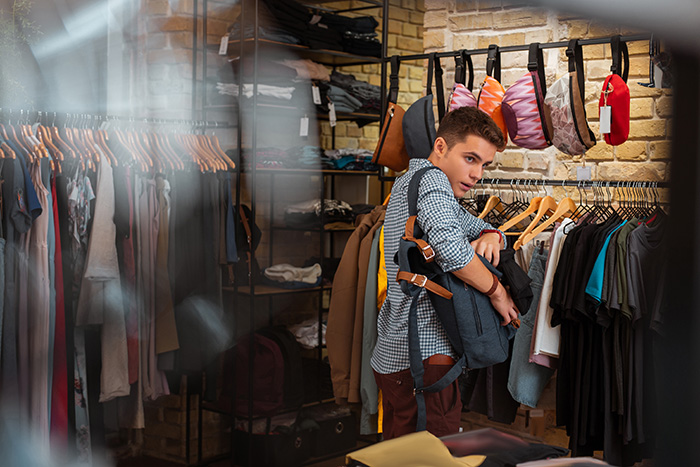
Retailers across the nation are grappling with an escalating crisis of theft and loss, a problem that has intensified in recent years as both shoplifting and organized retail crime soar. The rise in theft has been fueled by a combination of factors, including economic hardship, the ease of selling stolen goods online, and, in some areas, a perceived decline in law enforcement efforts. As a result, many businesses are facing mounting financial losses, leading to increased prices, fewer store locations, and even store closures. The ripple effect of this crisis is hitting both small businesses and large chains alike, threatening their bottom lines and the stability of the retail industry as a whole.
The consequences of rising theft and loss extend beyond the immediate financial damage. Many retailers are being forced to invest heavily in security measures such as surveillance cameras, anti-theft devices, and private security personnel. Unfortunately, these measures can only go so far. The emotional toll on employees, who face heightened risk and stress as they deal with theft, is also significant, leading to a decrease in morale and potentially higher turnover rates. Customers, too, are affected, as many stores implement stricter policies like bag checks or reduced hours, creating a less convenient shopping experience.
To mitigate the situation, the retail industry must adopt a multi-pronged approach. Businesses are being urged to collaborate more closely with law enforcement, pushing for stronger penalties for offenders and better tracking of stolen goods. Additionally, retailers are exploring new technologies such as artificial intelligence-driven theft detection and more sophisticated inventory management systems to reduce losses. Industry experts also emphasize the need for improved employee training, fostering a culture of vigilance and awareness without escalating tensions. With the continued rise of retail theft, it is clear that businesses must adapt quickly and invest in both preventative measures and proactive solutions to preserve their operations and maintain customer trust.
Stephen O’Keefe
Stephen O’Keefe, President of Bottom Line Matters, said retail theft has been on the rise the past few years for a number of reasons ranging from a seemingly honest mistake of customer’s under-ringing at the self checkout, to the extreme violent group robberies perpetrated by organized criminal groups.
“Almost every retailer has experienced an increase in their shrinkage rate, and collectively that number in Canada has reportedly surpassed the $10 billion threshold,” he said.
“Lack of severity of consequences from our judicial system for retail crime is one (reason). Retail theft has long been seen as a victimless property crime and in general criminals apprehended committing retail crimes face little or no consequences. As a result, we see a revolving door of retail criminals who are repeat, prolific and violent re-offenders who are arrested and let out the same day and back out re-offending,” he said.
“The growth of online marketplaces and many new ways to get products to the consumer has made it much easier for criminals to distribute their stolen goods. Organized retail crime has evolved. For example, we see more incidents of new organized thefts, like swarming events and an increase of marginalized individuals, who would previously steal for their own consumption, stealing to fulfill orders being placed by illicit markets, fence operations who prey upon them.
“On the positive side RCC has been working with retailers, police and crowns and government in some jurisdictions to collectively fight back against retail crime and ensure the more prolific criminals face harsher penalties. More is needed.”
“Some estimates put the loss at about $9 billion CDN per annum. Theft and loss has continued to grow significantly since the pandemic and one could assume it will continue to get worse unless a number of key measures are put in place across governments, law enforcement and retailers. There are different types of theft as well,” he said.
“Organized retail crime has grown and criminals have become more brazen of late. Violence on retail staff has also become a major issue. Why has theft and loss increased? A combination of economic, social, regulatory and technological changes to our environment over the last decade has led us to where we are today. It has become much easier to steal and sell stolen merchandise and the consequences have diminished.”
“And it’s a direct reflection of the challenging economic times for many Canadians. Across the country and especially in the inner cities there is a vibe of desperation as many people are struggling. Retailers are dealing with both external theft and increased internal theft and in a post COVID era, higher food costs among other factors are undoubtedly driving some Canadians to steal,” he said.
In the past retailers absorbed the losses, particularly those in the heavily competitive markets claiming to have the lowest prices. This means their bottom line took a hit. Some have been forced to close down their businesses for good, explained O’Keefe.
“Retailers have slowly begun raising prices to combat the effects of loss caused by crime. The honest consumer is now paying the price,” he said.
Rodrigues said retailers have had to make significant investments to protect themselves, eroding their profit to the point in some cases having to close their shop in locations where it is not sustainable or it is too dangerous to operate.
“Investments in third party security, paid duty officers, reduced merchandise on the floor or locking up merchandise, investing in technology to try to reduce losses, additional training for front line and managers,” he said.
Numerous consequences for retailers
Winder said the consequences for retailers because of this growing problem include: higher shrink costs, lower sales, higher labour costs, lower profits, higher retail prices, increased risk and liability for store staff, broken fixtures and other costs and difficulty recruiting workers in some areas.
“Some shoppers have become afraid to shop in person due to the risk of being caught at the wrong place at the wrong time. Insurance rates would go up as well,” he noted.
Kehoe added that the obvious effect on retailers is the cost of a range of security measures beyond just a few cameras and the odd security gate.
“Retailers are taking increased risk mitigation measures that in some cases impact the customer experience. I frequently see certain products that are locked up and this can be annoying to time-pressed shoppers and could result in lost sales as well as store employees checking receipts at the exits. Store owners are dedicating more resources towards theft and loss, and this includes hiring additional security staff to manage the problem,” he explained.
Image: BriefCam
O’Keefe said retailers must take a pragmatic look at their strategy to deal with retail theft and loss.
“A retailer can influence external factors such as law enforcement response, or the justice system handling of theft, but they cannot control it. Allowing a trade association to fight those battles with lawmakers arming them with as much information as possible is the key to nudge those groups,” he said.
“The immediate changes however will come from internal control factors such as human resources, policies, technology, and physical security. Loss Prevention professionals refer to this as hardening the target. Keep in mind though, one size does not fit all. It is important to conduct a risk and threat assessment to make sure the solution is the right one for each business.
Rodrigues said the RCC is working very closely with retailers to help them have access to resources, tools, and a collective group including other retailers, the vendor community, police, prosecutions and government so they can have options to protect themselves and retailers should be at the table to ensure they benefit from the collective efforts.
“However, more needs to be done in general to reduce retail crime, including increased consequences / punishment for repeat prolific offenders and organized retail crime,” he said.
Winder said that at a macro level, the retail industry needs to work with governments and law enforcement at all levels to fix the issue which is complex.
“Efforts have been made but we have yet to see any material changes in bail reforms, tougher sentences and other deterrents. There is also an economic and social side to this as we have seen significantly more homeless people, especially in downtowns,” he stated.
“At a micro level, retailers need to implement store-specific counter measures which could include everything from: locking up merchandise (not a great solution), hiring more security guards, using source tagging/RFID tags, adding more CCTV cameras, wearing vest cameras, etc. All very costly and disruptive. These are Band-Aids vs. getting to the root cause of the issue.”
Theft is here to stay
Kehoe said theft and loss are here to stay, and retailers and facility security personnel tell him that it’s mostly the repeat, small percentage of thieves that are responsible for the majority of the losses.
“Store staff on the frontlines often know the individuals that are stealing from them repeatedly but the employees are restricted from doing anything when they see a shoplifter. Police resources and court systems are stretched, and often there are no consequences for stealing. It seems like a systematic problem that will cost everyone in the end,” he said.
“Many retailers utilize security cameras, electronic anti-theft alarms, security guards, locked display cases and security mirrors and store employees checking receipts at the exits. In Alberta, some liquor outlets are requiring customers to scan their IDs to enter the stores to make a purchase. While technology is a powerful tool, good old-fashioned retail sales staff on the floor can also be an effective deterrent.
“My grocery industry friends tell me that the self-checkouts are the flashpoints for theft. No number of cameras and other technologies can replace a well-trained staff member with good people skills and a keen eye and that is always the perfect deterrent for theft. Retailers need to train and invest in their people.”
Photo by RDNE Stock project
Top Solutions to Combat Retail Loss Prevention:
Advanced Surveillance Systems: Smart cameras powered by AI and machine learning are revolutionizing the way retailers monitor their stores. These systems can identify suspicious behaviour, track high-risk areas, and send real-time alerts to staff. Facial recognition and object detection further enhance the ability to catch thieves in the act.
RFID and IoT Technology: RFID (Radio Frequency Identification) technology is becoming an invaluable tool for tracking products in real-time. By placing RFID tags on items, retailers can monitor inventory levels, detect potential theft, and optimize stock management. In combination with IoT devices, RFID allows for a more seamless and proactive approach to loss prevention.
Employee Training & Culture Building: While technology plays a key role, employee vigilance remains crucial. Retailers are focusing on training their staff to recognize warning signs of theft, handle difficult situations, and foster a culture of security. A well-trained workforce is an essential line of defence against internal theft.
Self-Checkout Monitoring: With self-checkout systems becoming more popular, they’ve also become hotspots for theft. To combat this, retailers are deploying specialized surveillance cameras and sensors to track suspicious activities at these checkout points. Technology is now able to detect scanning errors, unpaid items, and other fraudulent behaviours in real-time.
Data Analytics and Shrinkage Reports: Retailers are turning to big data to better understand the causes of shrinkage. By analyzing patterns from their point-of-sale systems, inventory reports, and customer behaviors, retailers can gain valuable insights that help fine-tune their loss prevention strategies. Predictive analytics can even forecast potential high-risk times or areas in stores, helping staff focus their attention where it’s needed most.
The long-term small business confidence declined for the third consecutive month, falling below 50 for the first time since April 2024 to 49.5 index points in February, finds the latest Business Barometer by the Canadian Federation of Independent Business (CFIB).
Optimism among importing businesses dropped slightly since September (-5.6 points), while confidence among exporting small businesses fell significantly by 23.3 points, said the national organization on Thursday.
Measured on a scale between 0 and 100, an index above 50 means owners expecting their business’s performance to be stronger over the next three or 12 months outnumber those expecting weaker performance.
Simon Gaudreault
“Canada got another tariff reprieve until early April, but the threat of tariffs kicking in after all is always in the back of the mind for many small business owners, affecting their long-term plans,” said Simon Gaudreault, CFIB’s chief economist and vice-president of research. “Small firms operate on tight margins, and results from our special survey on the impact of U.S.-Canada tariffs released earlier this month show that a majority are not prepared for the impact should the tariffs hit.”
Confidence shrunk across the country, with trade dependent provinces, like Alberta (-3.6 points), British Columbia (-3.7), Manitoba (-3.4) and Ontario (-3.2) posting bigger decreases in optimism over the long term. Certain sectors that would be most affected by tariffs, such as manufacturing (48.6), wholesale (46.5) and transportation (52.3), were also at the bottom of the 12-month confidence scale.
Small businesses plan to raise prices by an average of 3.1%, the highest level since April 2024. The average wage increase plans decreased slightly to 2.2%.
Lack of demand remains the main barrier to growth for 54% of small businesses. The top cost constraints for small firms included tax/regulations (67%), insurance (67%) and wage costs (61%).
Andreea Bourgeois
“Our special survey on tariffs shows that over half of exporters expect it will take them more than six months to adapt to new markets and stabilize their operations. The uncertainty, coupled with ongoing inflationary pressures, is weighing down on small businesses, dampening their long-term outlook,” said Andreea Bourgeois, CFIB’s director of economics.
The CFIB is Canada’s largest association of small and medium-sized businesses with 100,000 members across every industry and region.
A sign encouraging shoppers to buy Canadian products at a liquor store in Vancouver on Feb. 2, 2025. Shoppers have been caught up in the buy Canadian fervour since U.S. President Donald Trump began threatening to apply tariffs on imports from Canada. THE CANADIAN PRESS/Ethan Cairns
This new movement offers us the opportunity to reflect on the ethics of our consumption practices more generally, especially when consumers co-ordinate their purchasing on a national scale. As consumers, we all have a responsibility to use our buying power in an ethically conscious way.
(Above: A CBC News report on how consumers are using apps to help them buy Canadian products)
Boycotts and buycotts
Most of us as consumers decide what to buy based on the price and quality of goods. But our values play a role in our decision-making: what we buy and where we buy it is influenced by our beliefs. Last year, for instance, many Canadians boycotted Loblaws on the grounds that it was price gouging amid inflation.
A boycott is just one way of altering our habits based on our values. Another way is a “buycott”; that is, intentionally buying products from companies we feel align with our values. The Buy Canadian movement itself is best described as a buycott, but for many, it’s also a boycott of American-made goods.
The reasons behind consumers choices are essential here. For example, we might avoid buying certain cosmetics because we are opposed to animal testing. Or we might vote with our forks and eat at farm-to-table restaurants to combat climate change.
Our choices are often complex and motivated by many concerns: I might buy eggs from my local farmers market not only because I want to support local businesses, but also to encourage the fair treatment of animals and express my frustration with high prices at chain stores.
Social change and co-ordinated consuming
One of the most important reasons behind many of our consuming practices is social change: we want to change the way others, and we as a society, behave. Consuming for social change is particularly effective when it is done by a co-ordinated group that shares certain values.
Consider the practice of buying fair trade coffee: by means of proper certification and product labelling, consumers give coffee companies an economic incentive to treat farmers more equitably.
This is a huge power that consumers have. But with great power comes great responsibility, so when we make co-ordinated consuming efforts, we need to think about how to do so responsibly.
Not all co-ordinated consuming efforts are ethically permissible. Consider a reprehensible but particularly relevant example: in the 1930s, initiatives developed to encourage consumers not to buy Jewish products in Germany, other European countries and the U.S. Such a practice was wrong not only because it was motivated by hatred, but also because it deprived a group of citizens of their freedom of religion.
Another more recent example concerns the Christian American Family Association which boycotted Walt Disney, Ford and other businesses because of their support of same-sex couples. This boycott was wrong not only because it was motivated by discriminatory beliefs, but also because it did not representative how many other people feel.
The moral here is that social change should not only be influenced by well-co-ordinated groups, because the loudest voices are not the only ones, nor are they necessarily the right ones.
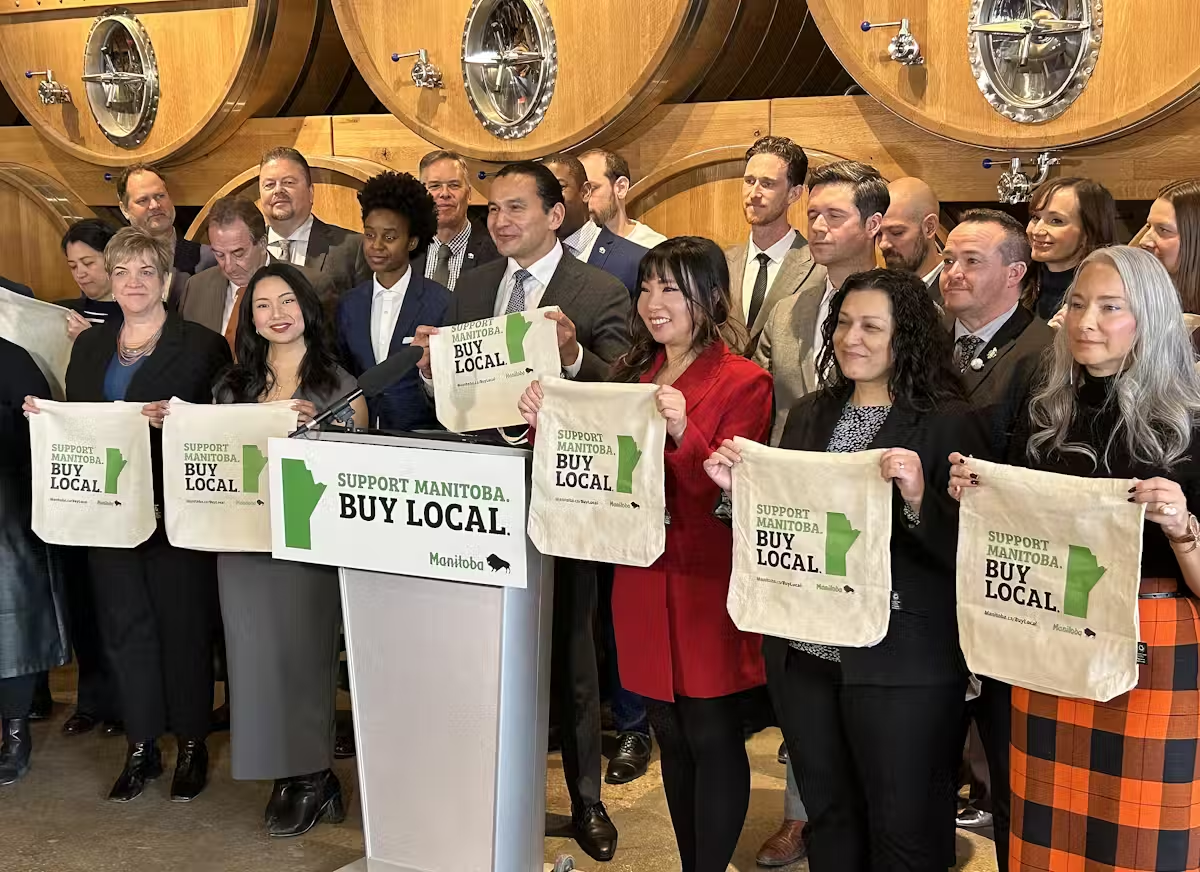
Manitoba Premier Wab Kinew and caucus members hold up tote bags during a press conference encouraging consumers to buy Manitoba goods and services in Winnipeg on Feb. 5, 2025. THE CANADIAN PRESS/Steve Lambert
Manitoba Premier Wab Kinew and caucus members hold up tote bags during a press conference encouraging consumers to buy Manitoba goods and services in Winnipeg on Feb. 5, 2025. THE CANADIAN PRESS/Steve Lambert
Ethical boycotting
How do we make sure that our co-ordinated consuming efforts are ethical? Philosophy professor Waheed Hussain argued that when we act as a co-ordinated group seeking to achieve social change, we should treat our consuming choices as “proto-legislative” — that is, as if they could become legislation.
This is because our efforts in this context are no longer aimed at merely satisfying our self-interest, but the common good, and so the standards should be higher. We should act in ways that are appropriately representative and that do not deprive our fellow citizens of their freedoms. Furthermore, Hussain argued that the reasons behind our consumption practices should be public and subject to scrutiny by our fellow citizens.
When we seek to effect social change across national boundaries, it has been argued that we should not impose our ideals of social change on foreign citizens. In this case our choices are subject to additional constraints. We should respect the values of the target country, for instance, and use our purchasing power in ways that help local workers and communities there.
What this all means for the Buy Canadian movement is a complex question. For instance, it might mean that a boycott of American products should not include some states like Kentucky, whose governor has openly opposed the tariffs. But at the very least, it’s an opportunity for us to reflect on the immense power we have as consumers, as well as the responsibilities that go along with it.
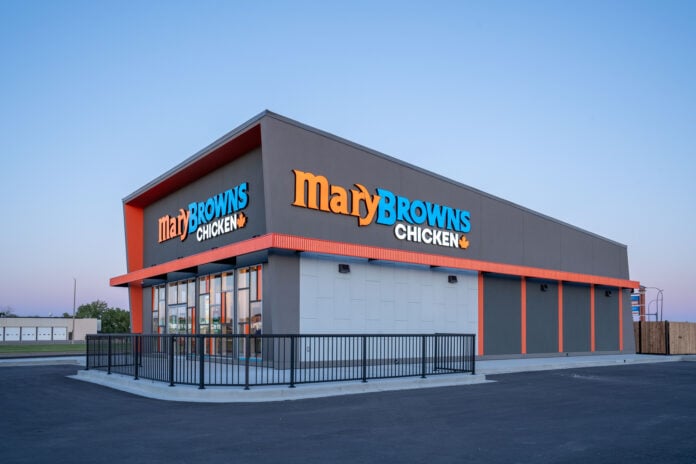
Mary Brown’s Chicken, Canada’s fastest-growing chicken quick-service restaurant (QSR) chain, has announced significant international expansion across multiple new markets as part of its bold growth strategy. The iconic Canadian brand, known internationally as MB Chicken, will continue to expand its footprint in existing markets such as Mexico and the UK, while also introducing its signature hand-crafted menu and proprietary cooking method to new locations across the globe in 2025 and beyond, it said in a news release.
“As we continue to build on our success in Canada, we are excited to bring Mary Brown’s Chicken to more countries, including Pakistan and India, while growing in Mexico and the UK,” said Tony Samuelson, President and Global Chief Operating Officer.
Tony Samuelson
“Our Made Fresh from Scratch promise and commitment to delivering exceptional hospitality resonates across diverse food cultures and we’re thrilled to share our fresh, flavourful offerings with new communities around the world.
“Our menu combines traditional recipes with innovative new offerings that reflect local tastes while staying true to our Canadian roots. Our recent launch of the K-Crunch sandwich, inspired by Korean flavours, is an example of how we continue to innovate while maintaining the classic Mary Brown’s Chicken experience.”
Expansion Highlights
Pakistan: Mary Brown’s Chicken will open its first locations in Lahore, with two restaurants launching simultaneously in the upscale DHA Sector 5 and the brand-new Doleman Mall. Additionally, a drive-thru location is under construction, set to open in Q2 of 2025, with plans for an opening in Capital Islamabad by the end of 2025.
India: Starting in April 2025, Mary Brown’s Chicken will open a new location every month this year, with initial focus on New Delhi and the Punjab State.
Mexico: Mary Brown’s Chicken is set to open four drive-thru locations on prime streets in Merida, along with a concession in the city’s Baseball Stadium, further extending its presence in this exciting market.
United Kingdom: Mary Brown’s Chicken is gearing up for openings in Preston and Southampton in March and April 2025, with additional locations already in development in Scotland, Northern Ireland, Jersey and across England.
“These key openings mark an exciting period of global growth for Mary Brown’s Chicken, following successful international ventures in Northern Ireland, England and Mexico in 2024. The brand is aiming to open 150 international locations over the next five years as part of its broader vision to become a leading player in the global quick-service restaurant landscape,” said the company.
“Mary Brown’s Chicken’s success is driven by its commitment to high-quality, made-from-scratch food, including signature items like the Big Mary sandwich and hand-cut Taters. The brand’s proprietary cooking method, which involves hand-cutting and hand-breading chicken daily with a signature blend of spices, ensures that every meal delivers the same fresh, flavourful experience that customers know and love.
“With over 280 locations across Canada, Mary Brown’s Chicken remains focused on its domestic growth as well, aiming to expand to 500 locations while continuing to build its international presence.
“Mary Brown’s Chicken continues to build on its legacy of 18 consecutive years of same-store sales growth and has earned the prestigious Franchisees’ Choice Designation for 13 years in a row from the Canadian Franchise Association.”
The brand is 100 per cent Canadian-owned, being first established in St. John’s Newfoundland in 1969.
Retail Insider is streamlining its Canadian retail news from around the web to include a handful of top news stories that can be viewed quickly during the day. Here are the top stories from the past 24 hours.
Founder of Also Sophia, Sophia, beautifully displays the beloved 'Ramadan Mubarak' table sign—one of the brand’s most popular home decor pieces. (CNW Group/Also Sophia LTD)
Also Sophia, a pioneering brand in culturally inspired seasonal decor, is marking its fifth anniversary with an expanded Ramadan and Eid home decor collection. The 2025 collection is now available in major retail stores across Canada and, for the first time, in key markets across the Middle East, including the UAE, Saudi Arabia, Kuwait, Oman, and Qatar.
Since its inception, Also Sophia has sold high-quality, culturally resonant decor for Ramadan and Eid. What began as a side project for founder Sophia Noreen while working in healthcare leadership has now grown into a nationally recognized brand, forming strategic partnerships with major retailers like Walmart Canada.
A Growing Market for Cultural Celebrations in Retail
“This is a milestone year for Also Sophia,” says founder Sophia Noreen. “Five years ago, we took a leap to create space in retail for Ramadan and Eid decor. Today, Muslim families across Canada and the Middle East can find meaningful, beautifully crafted decor in major stores. That’s a win for diversity in seasonal retail.”
With a growing demand for inclusive seasonal decorations, Also Sophia has successfully integrated Ramadan and Eid decor into mainstream retail. Previously, Muslim consumers in Canada often had limited access to festive home decor tailored to their cultural and religious celebrations. Also Sophia filled this gap, ensuring that Ramadan and Eid are represented in the same way Christmas and Hanukkah have been for years in the retail space.
Image: Also Sophia
2025 Collection: A Fusion of Tradition and Modern Elegance
The 2025 Ramadan and Eid collection from Also Sophia includes a curated selection of lanterns, banners, tableware, and modern decor pieces that blend traditional motifs with contemporary aesthetics. The goal is to offer decor that is not only festive but also stylish and versatile enough to suit a variety of home settings.
Retailers have responded positively to the demand for diverse holiday decor, with Walmart Canada continuing its successful partnership with the brand. The expansion into the Middle East marks a significant milestone, further positioning Also Sophia as a leader in the growing market for culturally specific seasonal decorations.
Championing Representation in Retail
Beyond its commercial success, Also Sophia plays a role in increasing representation in the retail industry. The brand’s presence in major stores is a step forward in normalizing diverse cultural celebrations and fostering greater inclusivity.
“With each passing year, we see more representation of minority celebrations in the seasonal aisles of mainstream retailers,” says Noreen. “It’s not just about selling decor—it’s about making sure every family, regardless of their background, can celebrate their traditions with the same accessibility and joy as any other holiday.”
Supporting Women-Led Businesses and Community Engagement
As International Women’s Day approaches, Also Sophia stands as a prime example of a successful women-led business making a lasting impact. Noreen’s entrepreneurial journey showcases the power of perseverance, creativity, and a commitment to representation in retail.
The brand also embraces collaboration over competition, inviting influencers and small businesses to engage in potential partnerships. Seasonal pop-up events at select Indigo and Chapters bookstore locations in Canada further strengthen community engagement and consumer connection.
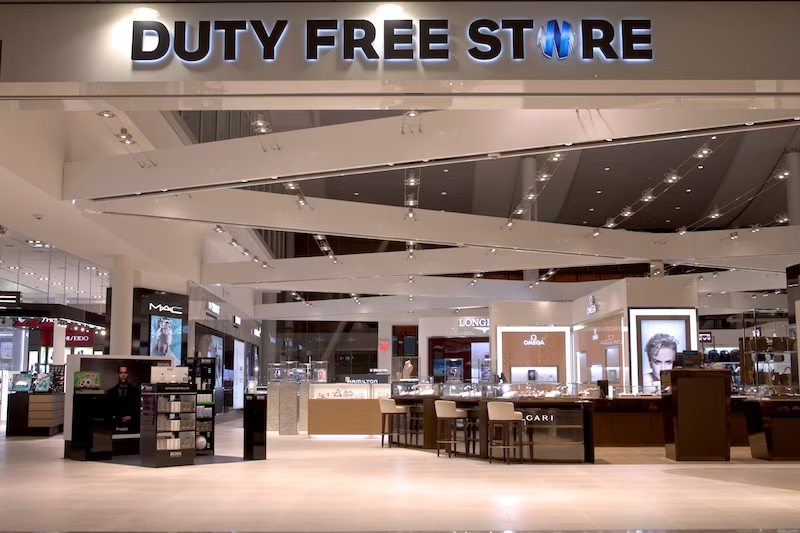
Nuance Duty Free at Pearson Airport in Toronto. Photo: Unifor
Unifor has officially welcomed 245 part-time workers from the Nuance Group (Canada) Inc. at Toronto Pearson International Airport. The workers, who are employed in duty-free and specialty retail stores at Pearson, voted overwhelmingly—over 96%—to join the union in late February. This move marks a significant milestone for retail workers at Canada’s largest airport as they seek better wages, benefits, and job security.
“We are thrilled to have Nuance members join Unifor,” said Unifor National President Lana Payne. “We look forward to bargaining your first contract and improving working conditions for airport workers, including pushing back against contract flipping, and making sure you’re treated with the respect you deserve.”
The diverse workforce at Nuance includes beauty advisors, sales associates, delivery personnel, specialty retail staff, and warehouse workers. Many of these employees have faced challenges common in the retail sector, including precarious employment, fluctuating hours, and limited benefits. By joining Unifor, they aim to improve their workplace conditions and establish a stronger voice in negotiations with their employer.
Nuance Duty Free at Pearson International Airport in Toronto. Photo: Nuance Duty Free
Fighting for Better Conditions
One of the primary reasons Nuance workers sought union representation was to address concerns around wages, benefits, and contract flipping—a practice where companies repeatedly replace contractors to avoid long-term employee commitments. Unifor has been actively advocating against this practice, emphasizing the need for stability and fairness in employment at Canada’s airports.
“This unionization marks a significant step towards ensuring fair treatment and advocating for our rights in the workplace,” said Sandeep Varma, a Nuance Group employee. “Together with Unifor, we look forward to building a stronger, more supportive work environment for everyone.”
Unifor’s organizing campaign at Nuance began in January, with efforts intensifying in the weeks leading up to the vote. The overwhelming support from workers underscores the urgent need for improved workplace standards and protections in the retail sector at Pearson Airport.
The Role of Nuance at Pearson Airport
Nuance Duty Free is a key player in retail operations at Toronto Pearson International Airport, operating under the global travel retail giant Avolta AG. Avolta has a presence in 63 countries with approximately 2,200 shops located at airports, cruise liners, seaports, and tourist locations. At Pearson, Nuance operates duty-free and specialty retail stores in both Terminal 1 and Terminal 3, catering to international and U.S.-bound travelers.
The stores offer a variety of tax-free products, including luxury cosmetics, fine wines, premium liquors, fragrances, gourmet chocolates, and authentic Canadian souvenirs. Additionally, Nuance provides a Reserve & Collect service, allowing travelers to pre-order items online and conveniently pick them up at the airport before their flights. This model enhances the shopping experience by ensuring access to a wide range of products at competitive prices.
The federal government can talk endlessly about eliminating interprovincial trade barriers, but ultimately, it is up to the provinces to take real action. Canada now has a clear front-runner in this effort: Nova Scotia.
Premier Tim Houston and his government have recognized the steep cost that interprovincial trade barriers have imposed on their province and the Atlantic region. Being geographically distant from major markets has already put Nova Scotia at a disadvantage, making it difficult to compete against larger provinces unless a sector has developed a unique competitive edge—such as the province’s thriving wine industry. However, with trade barriers limiting access to larger provincial markets, growth in the food sector has been stifled.
Now, Nova Scotia is raising the stakes. Bill 36, the Free Trade and Mobility within Canada Act, is a significant step forward in eliminating these internal trade obstacles. The legislation ensures that goods manufactured or produced in another province or territory that comply with that jurisdiction’s regulatory standards will not be subjected to additional fees or testing by Nova Scotia.
Premier Houston put it succinctly:
“If it’s good enough for another province, it’ll be good enough for Nova Scotia because I trust other provinces and territories to have appropriate requirements that keep their citizens safe.”
But this commitment to trade liberalization must be a two-way street. Other provinces—and the federal government—need to follow suit. It’s called mutual recognition, and it should become the standard nationwide.
For the food industry, this means that any provincially licensed facility across the country can provide ingredients and products to Nova Scotia’s food manufacturers, restaurants, and retailers—so long as their home province reciprocates and accepts Nova Scotia-made products. This shift would enhance consumer choice, drive competition, and create opportunities for small businesses. The result? Lower prices, more innovation, and stronger regional economies.
The Economic Toll of Protectionism
For too long, interprovincial trade barriers have prioritized protectionism over value, quality, innovation, and economic growth. These barriers were largely invisible but economically devastating, preventing smaller provinces like Nova Scotia from reaching their full potential. In theory, Canadian provinces should have the easiest trade relationships in the world—no border brokerage, no international regulatory alignments—yet internal barriers have choked opportunities for decades.
If mutual recognition were to expand across the country, many provinces stand to gain significantly, particularly Alberta, Saskatchewan, and Atlantic Canada. Removing unnecessary regulatory duplication will stimulate investment and growth in key sectors, including agri-food.
Overcoming Resistance
Of course, passing legislation like Bill 36 is the easy part. The real challenge lies in overcoming opposition from special interest groups, unions, and industry lobbies that resist competition and mutual reciprocity. These groups have long benefited from protectionist measures that shield them from outside competitors. A truly open internal market would mean fewer government-mandated inefficiencies and could threaten some entrenched provincial interests.
A common argument against mutual recognition is that it could erode provincial identity—particularly when it comes to food. But identity and culture do not emerge from regulation; they thrive on innovation and passion. The belief that strict provincial regulations are necessary to preserve distinctiveness is misguided. True uniqueness in food and agriculture is not built through bureaucratic red tape—it is built through ingenuity and consumer trust.
What’s Next?
Nova Scotia has set the bar high. Other provinces should take note: economic protectionism is outdated, and interprovincial trade reform is long overdue.
Now, Premier Houston, perhaps it’s time for a conversation about another major trade barrier within Canada—our overpowering provincial marketing boards, particularly in the dairy sector.
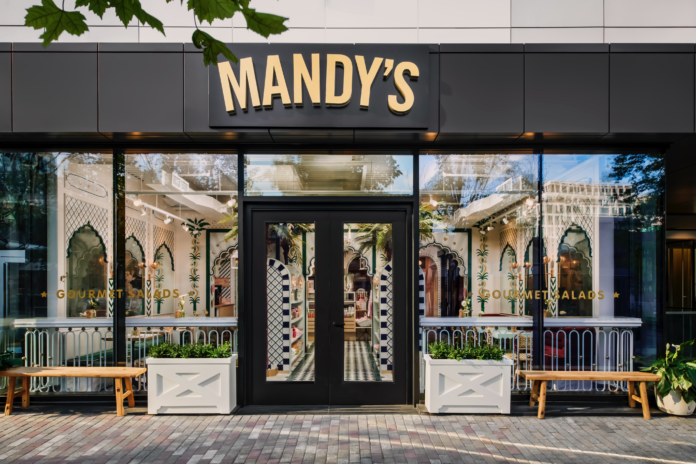
Mandy's Salads at 110 Bloor St. W. in Toronto. Photo: Mandy's Gourmet Salads
Mandy’s Gourmet Salads is ramping up its expansion efforts across Canada, with plans to open 30 to 40 locations nationwide over the next five years. The Montreal-based brand, known for its creative salad offerings and vibrant restaurant interiors, is targeting key urban markets, including Vancouver and Calgary, as it looks to extend its footprint beyond Quebec and Ontario.
Vanessa Fracheboud, President of Mandy’s Gourmet Salads, confirmed that the company, which currently operates 15 locations across Quebec and Ontario, is actively searching for its first location in Vancouver while also finalizing new restaurant openings in Toronto and Ottawa. “We are expanding, I think we’ve been very loud about it in the past few months,” said Fracheboud. “We wanted to close the loop on the GTA extension, at least for now, and then we will be moving towards Western Canada.”
Mandy’s is opening two new locations in Toronto’s Yonge and Eglinton and Canary District, further solidifying its presence in the city. According to Fracheboud, the Yonge and Eglinton location was a natural choice. “It’s an interesting mix between urban, busy, but also very neighborhood- and community-oriented, a little bit like Westmount in Montreal,” she explained. “We always want to stick close to urban centres where there’s lots of traffic, young families, and young entrepreneurs.”
The Canary District location, on the other hand, was selected for its distinct “Distillery vibe,” as well as its proximity to parks and trails. “It was a no-brainer,” she said. “The population is dense enough to have a Mandy’s without cannibalizing our other locations.”
In Ottawa, Mandy’s is setting up shop in The Glebe. “Canary District and Ottawa are the two that are creating the most noise at the moment,” Fracheboud noted. The Ottawa location is scheduled to open in June 2025, following the South Shore of Montreal location near Quartier DIX30 in April. Yonge and Eglinton is slated for July at 2670 Yonge Street, with Canary District expected to open in spring 2026.
Western Canada Expansion: Vancouver and Calgary in Focus
With Ontario and Quebec well underway, Mandy’s is now looking westward. “Right now, we have a lease under review in Vancouver. I have not signed it yet, but it’s under review. There’s a non-binding LOI,” Fracheboud revealed. “I want to saturate the market as fast as possible, but without diluting the brand.”
In Vancouver, the company is eyeing downtown, East Vancouver, Kitsilano, and North Vancouver, while in Calgary, the downtown area is the primary target. “For Calgary, we want to make sure that we come in first with a brick-and-mortar, not with a ghost kitchen. That’s not who we are,” she emphasized. “We are really guest experience-oriented, and to come into a new market, we need to ensure people get the full Mandy’s experience before introducing a ghost kitchen.”
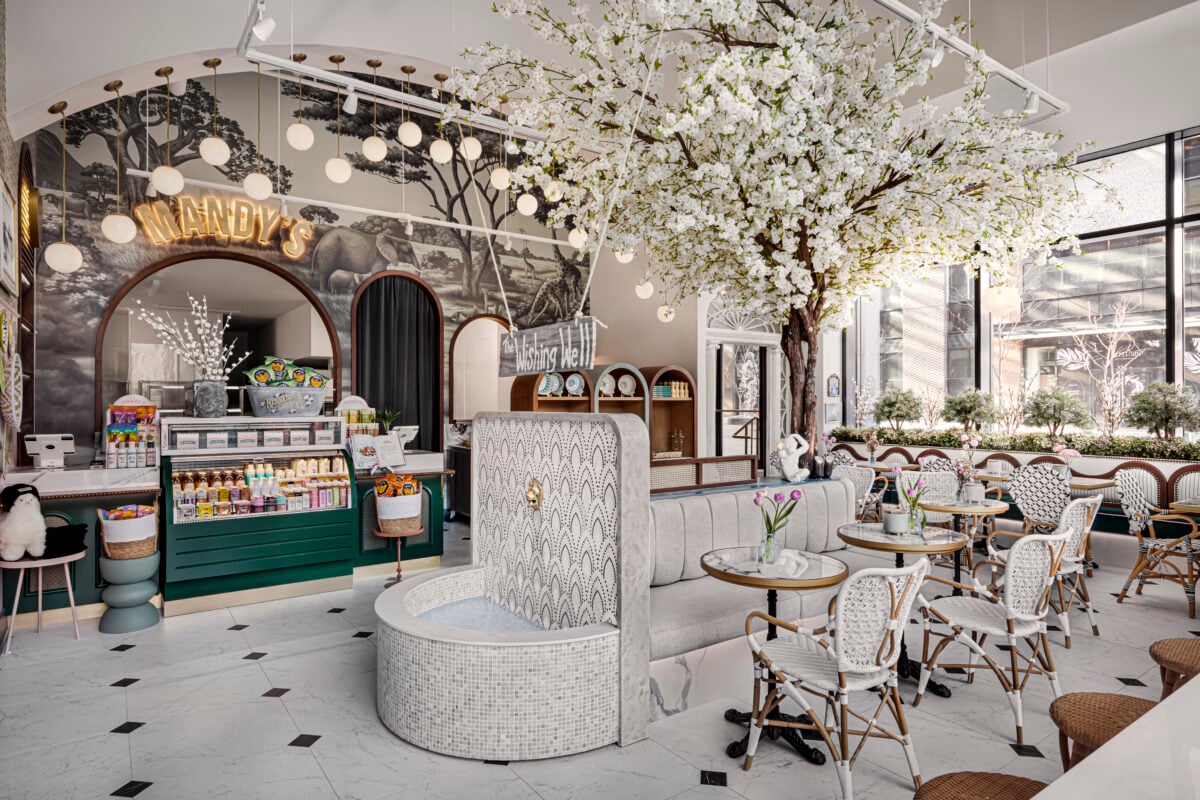
Inside Mandy’s Salads at 110 Bloor St. W. in Toronto. Photo supplied
Maintaining the Brand’s Essence Amid Growth
Despite the rapid expansion, Mandy’s remains committed to maintaining its signature aesthetic and guest experience. “You’ll always have a wall with photography, family pictures, and hand-painted plates from unique artists,” Fracheboud said. “Each location has a different inspiration, but the foundation remains the same.”
The brand is also highly selective about its real estate choices. “We have refused a few great locations because the building itself was not 100% aligned with who we are,” Fracheboud said. “The stretch goal is 40 locations, but we won’t compromise on our brand identity.”
Mandy’s at Kitchen Hub (Image: Unbound Productions)
Expanding Product Offerings and Automation
Beyond its restaurant expansion, Mandy’s is growing its product lines. The company’s salad dressings are already available in over 1,000 grocery stores across Canada, and a new grocery product is in the works. “We have one top-secret project that I will not disclose, but it’s a very fun one for groceries,” Fracheboud teased.
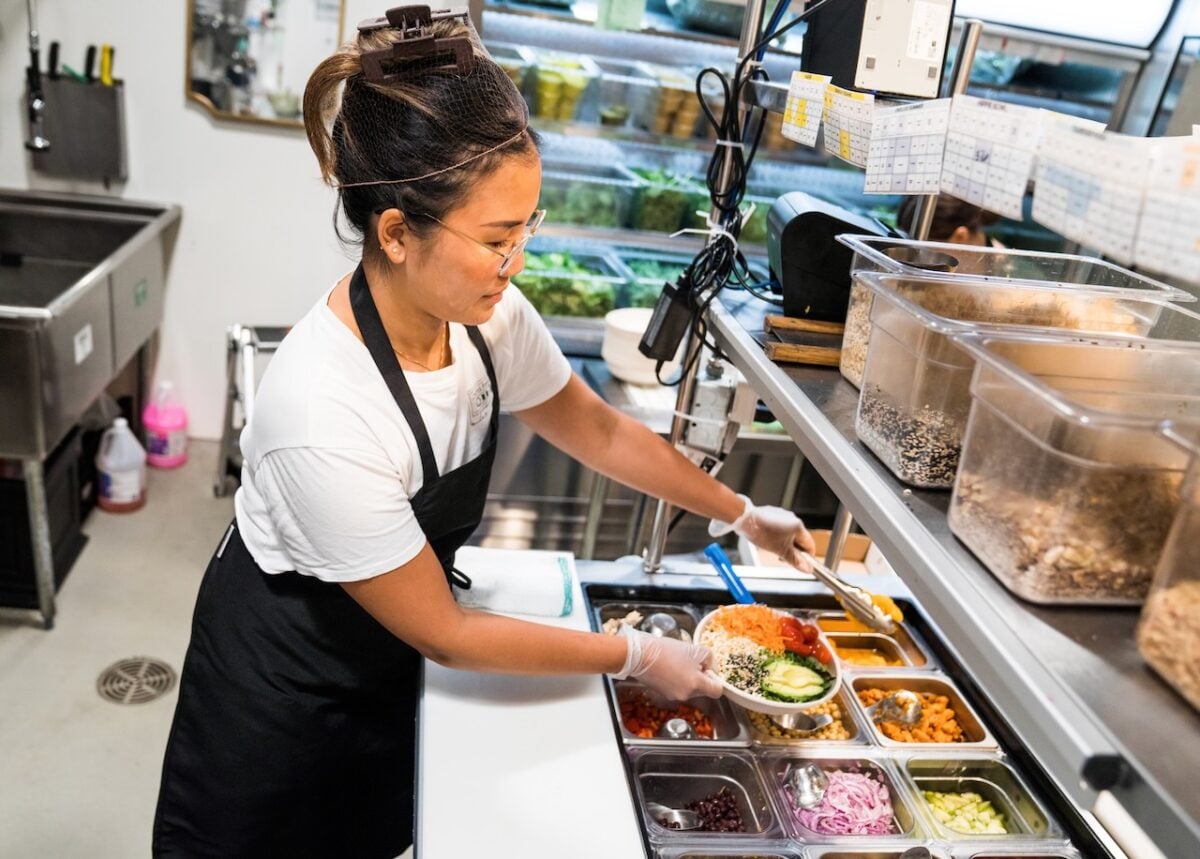
Mandy’s is also piloting automation to improve efficiency. “We are piloting a robot called Remy to help build salads faster,” she said. “It won’t prepare the entire salad, but it will do the foundation so our employees can focus on guest experience. Everyone is super excited about this initiative.”
Mandy’s Salads at The Well in Toronto (Image: Mandy’s Salads)
A Strong Canadian Identity
With recent economic and trade uncertainties, Mandy’s is working to ensure its supply chain remains strong by diversifying suppliers, investing in local farming partnerships, and optimizing logistics to minimize disruptions. “Approximately 10% of our food purchases come from the U.S., but we are bringing most of it back to Canada,” Fracheboud said. “We are all in this together, and we have to do what’s right for our country.”
Mandy’s also prioritizes Canadian-made products in its restaurant build-outs. “99.5% of our kitchen equipment is from Canada,” she said. “Even for decor items like ceramics, we are now being more diligent about sourcing locally.”
Looking Ahead
Mandy’s Gourmet Salads has come a long way since its humble beginnings in the back of a women’s clothing store in Westmount. Today, the brand is not just a restaurant chain but a lifestyle, offering cookbooks, grocery products, and a carefully curated dining experience.
With ambitious plans for 30-40 locations and a focus on quality over quantity, Mandy’s is set to become a household name across Canada. “We create something unique that will be very hard to recreate at home,” Fracheboud said. “Our customers keep coming back, and that’s what makes this journey so exciting.”