Retail Insider is streamlining its Canadian retail news from around the web to include a handful of top news stories that can be viewed quickly during the day. Here are the top stories from the past 24 hours.
Prime Minister Justin Trudeau's government lifted the GST/HST from some essential items for a two-month period before and after Christmas. (Chris Young/Canadian Press)
As the GST/HST holiday approaches its conclusion on February 15, Moneris, has released new data offering insights into consumer spending patterns during the first month of the tax break. The analysis, covering December 14, 2024, to January 15, 2025, compared with the same period a year earlier, reveals that the holiday did not significantly stimulate consumer spending.
According to Moneris, overall spending across Canada declined by 4% year-over-year, with transaction counts dropping by 1%. This slight reduction in consumer activity suggests that even the potential savings from the tax holiday were insufficient to encourage Canadians to shop more frequently or spend more per transaction.
Sean McCormick, Vice President of Business Development and Data Services at Moneris
Sean McCormick, Director of Business Development – Data Services and LAKA Sales Leadership at Moneris, noted, “While the tax break aimed to spur spending, Moneris’ data shows it may have unintentionally slowed it down. With a 3% decline in overall transaction sizes year-over-year, the data suggests that the break may not have had its anticipated effect.”
Regional Variations Highlight Mixed Impact
Provincial comparisons reveal further nuances. Ontario, one of the few provinces to match the federal tax holiday, experienced a 3% decrease in transaction counts and a 5% drop in transaction sizes. Atlantic Canada remained stable with no change in transaction counts but failed to show any notable growth.
In Western Canada, British Columbia saw a 2% decline in transaction sizes, while Alberta and Saskatchewan experienced modest decreases in transaction counts, ranging from 1% to 3%. Interestingly, Saskatchewan stood out as the only province to report an increase in transaction size, rising by 4%, suggesting that local factors may have influenced spending behaviour.
“While most regions saw declines—such as Ontario’s 5% drop—Saskatchewan’s 4% growth stands out, suggesting there’s more to uncover about what drives spending at the provincial level,” McCormick added.
Retail Categories See Mixed Results
Although the tax holiday did not result in a broad spending surge, certain retail categories experienced modest growth. Children’s and infant apparel stores saw transaction counts rise by 8%, though the average transaction size remained flat. Family clothing stores reported a 2% growth in transaction size, despite a 4% decline in transaction counts.
In contrast, hobby, toy, and game stores witnessed a 5% drop in transaction sizes, with transaction counts holding steady. Restaurants and fast-food establishments were among the hardest hit, with restaurants experiencing a 6% decline in transaction counts and a 5% drop in average spend. Fast-food venues fared slightly better but still saw a 1% decrease in transaction counts and an 8% reduction in transaction size.
“The tax holiday brought growth to certain sectors, but for restaurants and fast-food establishments, the story was different,” McCormick explained. “Our data shows a decline in both transaction count and average spend, likely reflecting post-holiday budget tightening.”
Timing and Economic Factors Influence Consumer Behaviour
The timing of the tax holiday, coinciding with the latter part of the holiday shopping season, may have limited its impact. Many consumers had likely completed their major purchases before the tax break began, reducing opportunities for meaningful spending increases.
“The mixed results possibly highlight that timing plays a key role,” said McCormick. “With the tax break coinciding with the latter half of the holiday shopping season, many consumers may have already made their purchases, leaving limited opportunity for a significant impact on spending.”
Additionally, broader economic factors appear to have influenced consumer behaviour. Despite provincial tax-matching initiatives, similar spending patterns across regions suggest that the tax holiday did not align with the core drivers of consumer demand.
“The widespread decline in average transaction sizes suggests that provincial tax-matching policies may not align with what truly drives consumer spending,” McCormick noted. “Similar spending patterns across regions, regardless of tax matching, indicate that broader economic factors were likely at play.”
Preparing for the End of the Tax Holiday
As the GST/HST holiday comes to an end, businesses are reminded to revert to standard tax practices. Merchants who adjusted their systems to accommodate the tax break should ensure compliance with regular tax procedures to maintain smooth operations.
“As the tax holiday comes to an end, remember to switch back to standard tax rates after February 15, 2025. Staying on track with your regular tax practices will help keep your business running smoothly,” McCormick advised.
Moneris plans to release additional data once the tax holiday concludes, offering further insights into its overall economic impact. This analysis will include post-holiday spending trends, with a focus on events such as Valentine’s Day, which may provide a clearer picture of consumer behaviour in the absence of tax incentives.
While the GST/HST holiday’s impact was mixed, its results offer lessons for future policy initiatives aimed at stimulating consumer spending. As McCormick concluded, “The tax holiday didn’t lead to a broad consumer spending surge, but it did spark growth in certain retail categories. Understanding these nuances will be key to shaping effective economic strategies moving forward.”
There are vision care options for every lifestyle, taste, and budget. One popular choice gets rid of the frames altogether and offers individuals clear vision without glasses getting in the way of daily activities and having to worry about the weather or even breathing fogging up the lenses. Contact lenses offer a convenient and practical solution for glasses-wearers who want to ditch their frames.
Like glasses, contact lenses aren’t one-size-fits-all. Regardless of prescription needs or eye conditions that require specific tailoring, everyone can find a contact lens choice that’s just what the doctor ordered. Individuals can even shop for contact lenses online at trusted retailers, which have a variety of lenses for all vision needs.
Why Contact Lenses?
As it turns out, glasses can actually contribute to a smaller frame of vision. Glasses-wearers are subject to what they can see through the lenses, and frames have a habit of getting in the way. Sometimes, that does more harm than good.
Naturally, for people who tend to be on the active side, not having to worry about glasses falling off or breaking is a plus. Whether it’s sports, outdoorsy adventures, or even someone who’s constantly on the go, contact lenses are a great choice.
Of course, anyone who’s worn glasses in the rain or cold has experienced the frustration of foggy glasses or the rainy windshield effect without the help of windshield wipers. Contact lenses eliminate those particular issues and are the preferred option for people who don’t want to have to coordinate their style with different frames.
There’s a Contact Lens for Everyone
Not everyone needs corrective eyewear on a daily basis. For those people, daily disposable lenses are an easy choice. To boot, they also have the benefit of increased hygiene without the need for washing. This option is one-and-done.
While some people who need contact lenses every day still go for daily disposable lenses, many choose extended wear lenses instead. These are particularly useful for anyone who continually wears their contact lenses, including overnight use.
When it comes to the type of corrective eyewear someone needs, there are three basic options: precise correction contact lenses, toric lenses that help with astigmatisms, and multifocal lenses that integrate near and far sight prescriptions.
Finding the Right Contact Lenses
One of the biggest factors that goes into choosing the right contact lens hinges on someone’s lifestyle. Whether they’re an active wearer, a sporadic user, or have specialized vision needs will determine which type of lens will work the best. Lens materials can also make all the difference when it comes to comfort and oxygen flow.
Before making a final decision, it’s important to speak to an optometrist about each option to determine the fit and type together.
Taking Care and Making the Most of Contact Lenses
For anyone who might need a reminder, contact lenses slide up against the eye. No one likes it when dust or other irritants impair vision or aggravate their eyes. It’s important to create a consistent lens cleaning routine to prevent that from happening. Cleaning contact lenses will also ensure that any possible accumulated bacteria stays far away from someone’s eyes.
There are specific disinfecting solutions required to properly clean contact lenses. Users can’t go cleaning them with any old thing they have lying around. Contact lenses aren’t meant to last forever, either. Naturally, anyone wearing daily disposable contact lenses needs to put in a fresh pair during every use. But even longer-lasting lenses need replacing within whatever timeframe a provider has given. Those durations aren’t just a suggestion and help ensure healthy eyes. In that vein, avoid wearing contact lenses longer than the recommended duration or during activities like showering or swimming that could cause irritation or even infections.
All in all, contact lenses require a bit more care and upkeep than glasses, but with the right care, the benefits are well worth it.
In 2017, Tara Tomulka founded Rawcology, a health-focused Canadian snack brand. With the support of her sister, Laura Powadiuk, and sister-in-law, Megan Loach Tomulka, the family created a thriving business that combines nutrition, convenience, and flavour. Today, Rawcology offers three product lines and is available in over 1,500 retail locations across Canada, the United States, and internationally. The company’s mission is clear: to make it easier for everyone to lead their healthiest, happiest lives.
The roots of Rawcology stem from a pivotal moment in Tara’s life. Burnt out from a corporate communications career, she turned to nutrition as a means to improve her well-being. This transformation led her to become a holistic nutritionist through the Institute of Holistic Nutrition. Tara’s passion for food and recipe development also led her to teach raw vegan culinary arts at George Brown College, where she identified a gap in the market for healthy and delicious packaged foods.
Rawcology was born from this realization. Tara wanted to create snacks free from refined sugars, preservatives, and artificial additives—products that were not only nutritious but also delicious and accessible to everyone.
Left-to-right: Megan Loach Tomulka, Tara Tomulka, Laura Powadiuk. Photo: Rawcology
From Family Kitchens to Store Shelves
Rawcology quickly grew from a small operation to a family-run business when Megan Loach Tomulka and Laura Powadiuk joined Tara. Megan, who previously worked in fashion buying, was inspired to join after her pregnancy made her reevaluate food choices. Laura, coming from the mortgage industry, initially helped Tara part-time but soon became a full-time partner in the venture.
The trio’s shared commitment to health and wellness is central to Rawcology’s mission. With their roots in a family culture that values food and togetherness, the team has infused those values into the brand. Their goal has always been to create snacks that families can trust and enjoy.
Photo: Rawcology
A Commitment to Quality and Health
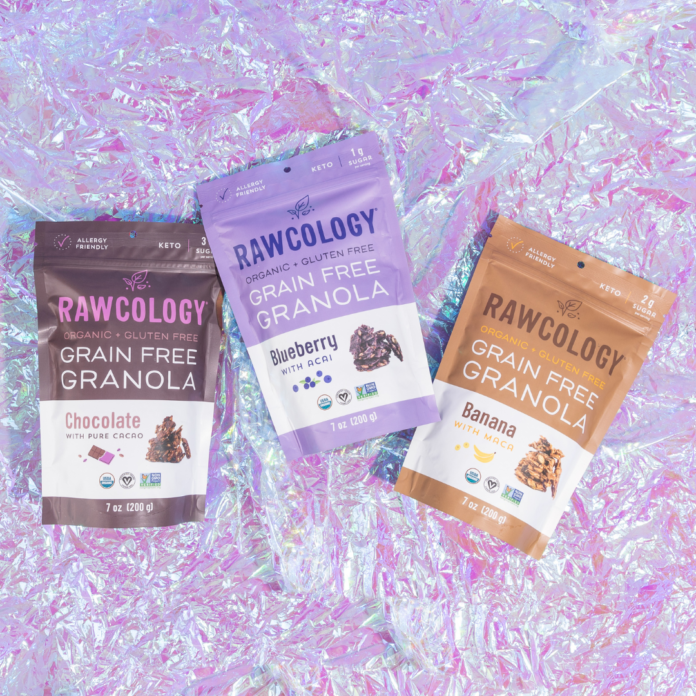
Rawcology’s product lines focus on nutrition, quality, and sustainability. The brand’s grain-free granolas are its flagship products, available in popular flavours like chocolate and blueberry. These granolas incorporate nutrient-dense superfoods such as wild blueberry powder and cacao, ensuring both health benefits and exceptional taste.
With only one gram of sugar per serving in their best-selling blueberry granola, Rawcology caters to health-conscious consumers, including families, diabetics, and those with dietary restrictions. The emphasis on using wholesome, functional ingredients sets Rawcology apart in the competitive snack market.
Breaking Barriers in Distribution
Rawcology’s products can be found in major retailers across Canada, including Loblaws, Sobeys, Whole Foods, and Metro, as well as specialty stores like Farm Boy. In the United States, the brand has gained traction with distribution in Sprouts Farmers Market and other specialty retailers.
The brand’s grassroots approach to growth was instrumental in its early success. By building strong relationships with retailers and leveraging local programs like Sobeys’ local initiative, Rawcology expanded its presence steadily. These efforts eventually led to national listings with major retailers, boosting the brand’s visibility and sales.
Photo: Rawcology
Overcoming Challenges
As with any growing business, Rawcology faced its share of challenges. The COVID-19 pandemic posed significant hurdles, particularly with in-store sampling and demos coming to a halt. To adapt, the team focused on innovative strategies such as sending free samples to retailers for customer giveaways and ramping up their online presence.
The pandemic also underscored the importance of resilience and creativity in business. By pivoting to e-commerce platforms like Amazon and Well.ca, Rawcology maintained its growth trajectory during a difficult period. Balancing the demands of running a family business with personal responsibilities further added to the complexities, but the team’s unity and shared vision helped them navigate these challenges.
Sustainability and Local Partnerships
Sustainability is at the core of Rawcology’s operations. The company actively pursues recyclable packaging solutions and operates as a zero-waste facility. Leftover crumbs from production are repurposed, either sold in bulk, donated to food banks, or sent to local rescue farms.
Rawcology also prioritizes local sourcing for its ingredients. Wild blueberry powder is sourced from Nova Scotia, while oats come from Canada’s Prairie provinces. By supporting Canadian suppliers, the brand reduces its environmental footprint while maintaining the highest quality standards.
Photo: Rawcology
What’s Next for Rawcology?
As Rawcology looks to the future, the company has ambitious plans for 2025. A new product category under a sub-brand is in development, and the team says it is excited about expanding their distribution network further. While details remain under wraps, the new offerings are expected to be a significant milestone for the brand.
With continued focus on innovation and sustainability, Rawcology aims to solidify its position as a leader in the healthy snack market. The team’s dedication to providing nutritious, delicious, and accessible products will drive the brand’s success in the years to come.
Artificial Intelligence - AI in Retail. Image: TMP Direct
Artificial intelligence (AI) has emerged as a transformative force in Canadian retail, impacting everything from inventory management to customer service. Tara Conway, a retail expert with deep industry knowledge, recently sat down with Retail Insider to discuss the rapidly evolving role of AI, the unique challenges facing retailers of all sizes, and the innovative strategies required to remain competitive. As Canadian retail enters an era of technological transformation, Conway’s insights provide a roadmap for navigating this complex landscape.
“AI is no longer a hypothetical or a ‘nice to have.’ It’s now essential,” Conway stated emphatically. She explained that most retailers have already embraced AI in some form, shifting the conversation from feasibility to execution. “You can’t debate whether AI can be used—it has to be used,” she added.
While the initial concern around AI often centred on potential job losses, Conway clarified that the current focus is on driving efficiency with existing resources. “The layoffs and shrinking of retail teams in recent years have put enormous pressure on resources. AI is enabling retailers to streamline operations, from inventory management to customer personalization,” she explained.
Tara Conway
Large-scale retailers, such as Canadian Tire, are at the forefront of this integration. “You’d be hard-pressed to find a retailer like Canadian Tire not leveraging AI. It’s embedded into their systems to manage high SKU counts and store footprints effectively,” Conway said.
Expanding AI Use Cases: Beyond Customer-Facing Roles
AI’s applications in retail extend far beyond online searches and chatbots. “Machine learning and AI are being used in areas like finance, business intelligence, and HR,” Conway noted. However, she acknowledged that some experiments, such as the use of AI in recruitment through Applicant Tracking Systems (ATS), have yielded mixed results. “The tools are only as good as the prompts you put into them, and many retailers have found that they aren’t working as effectively as hoped,” she said.
One particularly promising application is in call centres, where AI is revolutionizing customer service. “AI tools analyze website interactions and IVR (interactive voice response) data to generate answers for agents in real time,” Conway explained. “It’s not replacing humans but making them more efficient. This reduces call handling times and improves the overall customer experience.”
Marketing has also been a significant area of experimentation, particularly for smaller retailers. “Smaller retailers are using AI-driven marketing tools to test and learn without significant financial risk,” she said. “They’re often more agile and can adapt faster than larger organizations.”
Pod Reduction and Digital Integration: Rethinking Store Closures
The ongoing trend of store closures, or “pod reduction,” was another key topic Conway addressed. She emphasized the importance of integrating digital strategies to maintain brand presence in affected regions. “Everything I did when I was closing stores was to ensure I could target those regions digitally to keep sales alive,” she said.
Retailers considering pod reductions must think strategically about how digital platforms can backfill the loss of physical locations. “Pod reduction isn’t going away, but it has to happen in tandem with digital evolution,” Conway added.
Alternative Revenue Streams: Staples and Retail Media
In an era of shrinking profit margins, retailers are increasingly exploring alternative revenue streams. Staples, for instance, has integrated services like Service Ontario
kiosks into its stores to drive foot traffic. “Staples is a perfect example of a retailer optimizing its footprint to generate incremental benefits,” Conway said.
Retail media is another growing area of focus, particularly for larger retailers like Walmart. “Retail media isn’t new, but unless you’re the size of Walmart, achieving a meaningful revenue stream is challenging,” she explained. Walmart’s ability to tie its POS systems to digital media has created a robust platform for retail media, but Conway noted that smaller retailers may struggle with the complexities of managing such initiatives.
Smaller Retailers: Agility as an Advantage
While larger retailers may dominate in terms of resources, smaller retailers have their own advantages, particularly their ability to adapt quickly. “Smaller and mid-sized retailers are often more agile and can take risks with AI that larger organizations might avoid,” Conway said.
These retailers are increasingly leaning into AI-driven marketing tools, which allow them to reach their target audiences effectively without significant investment. “The lessons we’re learning from small and mid-sized retailers are invaluable,” she said. “They’re showing us how to innovate and adapt in a rapidly changing environment.”
Generational and Cultural Shifts in Retail
Canada’s diverse population and generational differences are creating new challenges and opportunities for retailers. “If a brand doesn’t exist on Instagram or TikTok, it’s not real to younger generations,” Conway observed. She pointed out that younger shoppers, such as Gen Z and Gen Alphas, have grown up with technology and expect brands to meet them where they are.
Cultural diversity is another critical factor. “The growing diversity in Canada’s population is driving demand for niche products and tailored shopping experiences,” Conway explained. She mentioned new-to-Canada retail entrants which cater to specific demographics. “These brands are thriving because they understand the unique needs of their target audiences.”
AI’s Role in Navigating Complexity
AI is proving invaluable in helping retailers navigate these complexities. By analyzing purchasing patterns and regional trends, AI can provide insights that allow retailers to tailor their strategies. “AI can help retailers make smarter decisions, but it requires careful implementation to avoid missteps,” Conway warned. She predicted that some retailers would experience failures in their AI initiatives due to a lack of best practices. “We’re in a period of rapid experimentation, and not all attempts will succeed,” she said.
Sustainability: Balancing Tech and Responsibility
While AI has taken centre stage, sustainability remains a critical issue for retailers. Conway noted that government regulations are likely to increase pressure on retailers to adopt sustainable practices. “Retailers must balance their investments in technology with commitments to sustainability,” she said.
Conway also highlighted the importance of associate-focused technology. “The phrase ‘AI plus HI (human intelligence) equals ROI’ is becoming more relevant,” she said. “Much of the new tech being developed is about enabling frontline associates to deliver better customer experiences.”
Looking Ahead: The Future of AI in Retail
As the pace of AI development accelerates, retailers must remain agile and open to change. “Last year, AI was hypothetical. This year, it’s all about real-world use cases,” Conway said. She predicted that 2025 would bring a mix of breakthroughs and setbacks as retailers refine their strategies.
Conway also emphasized the need for guardrails and best practices in AI implementation. “Retailers are still figuring out how to use AI effectively, and the next year will be crucial in establishing guidelines,” she said.
Kenton Chan, Co-Founder and Group CEO of Kevito Group, shared exciting updates about the company’s expansion plans for its Chatime Canada brand during a recent interview. As a leading player in Canada’s bubble tea market, Kevito Group currently manages 105 locations across the country, with 18 new outlets opened in 2024 alone.
“Last year, we were mainly focused on Ontario and British Columbia,” said Chan. “A few in Alberta, but the main focus has been BC and Ontario.”
Kenton Chan
Looking ahead, the company plans to open a similar number of stores in 2025, with Alberta playing a more prominent role in their expansion strategy. “We’re placing a renewed focus on Alberta, along with continued focus on Ontario and British Columbia,” Chan explained.
One of the most notable developments for the company is its growing partnership with Walmart. “We do have some exciting new partnerships with Walmart, actually,” Chan said. “We’ll be opening a few locations within their retail hubs across the country, starting with Edmonton. So far, we’re talking to them about eight to 10 locations, but they’ve told us that more will come throughout the year.”
Two have opened in Ontario. “We’re extremely happy with the performance so far. It seems to be a wonderful partnership.”
Chan highlighted Walmart’s strong customer base and foot traffic as key reasons for the collaboration. “We’ve found that a lot of younger professionals, families, and students going to Walmart align perfectly with our customer base,” he added.
The bubble tea industry in Canada has seen a surge in popularity, with a broader demographic now enjoying the drinks. “Bubble tea customers have expanded in terms of demographics,” Chan noted. “It’s no longer just younger Gen Zs. It’s now younger families, millennials, and even some unexpected fans who’ve become our biggest bubble tea enthusiasts.”
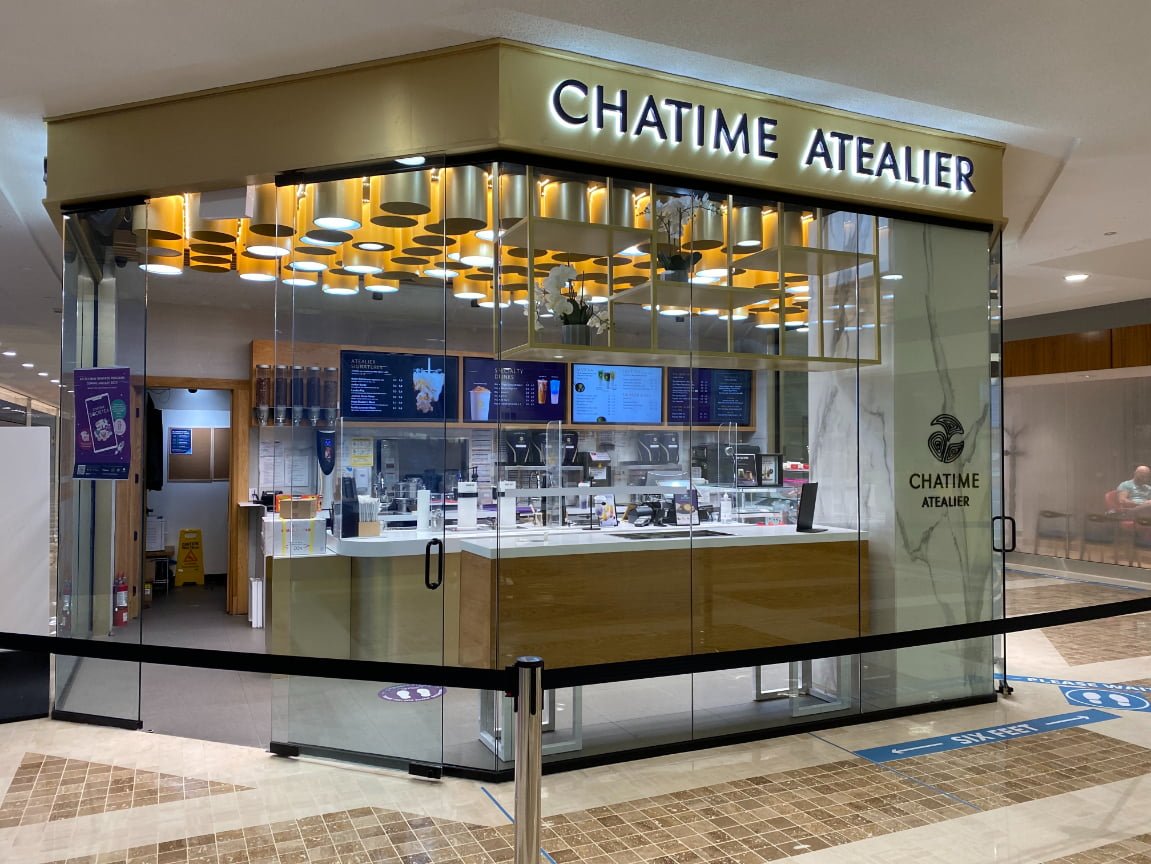
Chatime at Yorkdale – Photo by Dustin Fuhs
Looking toward the future, Kevito Group has set ambitious goals for growth. “Long term, we’re hoping to hit 250 locations in the next five years,” Chan revealed. “We definitely think it’s achievable, especially with the growth of the bubble tea industry.”
As Kevito Group continues to grow, the company is exploring new types of locations that were previously considered unsuitable. “The typical locations we looked at before were very focused on Asian-dominated areas or near universities and high schools,” Chan said. “But now, with the expansion of our customer base, we’re able to consider locations we never would have thought of five years ago.”
With strong partnerships and a loyal customer base, Kevito Group is well-positioned to lead the bubble tea market in Canada. “We’ve been lucky to be one of the first international brands to expand across Canada,” Chan said. “It’s wonderful to see customers bring their friends and share the drinks they’ve discovered along their Chatime journey.”
Chatime Canada, the largest and fastest growing bubble tea franchise, is celebrating the 11th annual Lunar New Year with some unique events.
Chatime Atealier in First Canadian Place, downtown Toronto – Photo by Dustin Fuhs
Until February 9, Chatime is inviting customers to join the festivities with a unique opportunity to win prizes while enjoying their favourite bubble teas. With the purchase of two large Chatime drinks, customers will receive a special Purple Pocket granting instant access to prizes and automatic entry into grand-prize raffles for rewards like an all inclusive trip to Cancun, a year of free Chatime, exclusive Lunar New Year merchandise and more.
“Lunar New Year is a deeply meaningful occasion, embodying the principles of community, prosperity, and joy – values that are fundamental to our mission and vision as a brand,” said Chan. “This year marks our 11th year of running this campaign and we are thrilled to continue the celebration, making it more exciting and inclusive every year.”
Roxanne Tsui
The company said the campaign reflects Chatime’s commitment to honouring cultural heritage while creating opportunities for customers to share in the joy of the season. Inspired by the tradition of exchanging red envelopes as a symbol of luck, Chatime has reimagined this practice to bring Lunar New Year excitement to its stores across Canada.
Revlon Canada is hitting the ice and skating into a new partnership with Olympian and professional hockey player Sarah Nurse. Joining Revlon’s growing family of ambassadors across the globe, including Madelyn Cline and Ashley Graham, Sarah will be the face of the brand’s ColorStay™ collection throughout 2025, the company announced on Wednesday.
“Revlon’s ColorStay range is a staple in my make-up bag, whether I’m gearing up for game day or just living my everyday life,” said Nurse. “I’m thrilled to join the Revlon team again, inspiring women across Canada to chase their dreams and do it confidently while rocking a stunning bold red lip.”
Krista Cunningham
“We were fortunate to work with Sarah Nurse early on in her career, and we are so proud to re-ignite this partnership with her,” said Krista Cunningham, General Manager of Revlon Canada. “Revlon was founded as a brand that celebrated a more liberated definition of beauty. One that encourages Living Boldly, embodying action, independence, inspiration and purpose. As a groundbreaking Canadian athlete who inspires women to follow their passions and create change, I can think of no one that better embodies the Live Boldly ethos than Sarah.”
Revlon said ColorStay, Canada’s #1 longwear brand, is formulated with skincare ingredients for ultra-comfort and Adapti-Flex Technology, so your makeup moves with you. With no transfer, no fading, and no compromise, it is the ultimate MVP for cosmetic lovers seeking high-performance products with the endurance to last all day – even on the ice. From face and lips to eyes and brows, ColorStay keeps your look on lock.
As part of this partnership, Nurse will be featured across the full marketing mix, including in-store displays, social and digital channels, and events.
Revlon was founded in 1932 and has been sold in Canada since 1938.
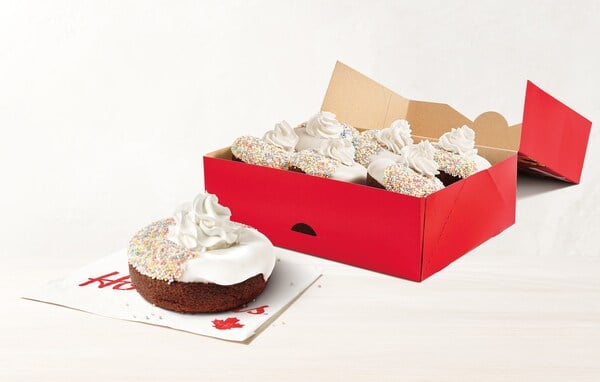
Tim Hortons Special Olympics Donut is back from Jan. 31 until Feb. 2 with 100% of proceeds donated to Special Olympics Canada (CNW Group/Tim Hortons)
Tim Hortons announced Wednesday that a record-breaking $1.3 million was raised through the sale of Special Olympics Donuts, with 100 per cent of proceeds being donated to Special Olympics Canada.
The funds raised will help Canadian athletes with intellectual and developmental disabilities access more opportunities to reach their full potential in sport and in life, it said in a news release.
Tim Hortons raises record-breaking $1.3 million through Special Olympics Donuts, with 100 per cent of proceeds donated to Special Olympics Canada (CNW Group/Tim Hortons)
“Reaching over $1 million raised through the Special Olympics Donut is an incredible milestone and a powerful reflection of Canadians’ commitment to inclusion, and the strength of our partnership with Tim Hortons. Every dollar raised helps provide inclusive sport opportunities at the community level for the more than 42,000 athletes across the country with intellectual and developmental disabilities, ensuring they have access to training, competition, and essential health programs,” said Gail Hamamoto, CEO of Special Olympics Canada.
“Beyond the funds, this campaign shines a national spotlight on the incredible abilities of Special Olympics athletes, inspiring more people to champion inclusion in their communities. Thank you to Tim Hortons and every Canadian who made this record-breaking impact possible! Together we are creating a more inclusive Canada.”
Tim Hortons said it also supports Special Olympics Canada through its FUNdamentals and Active Start youth programs, designed to help children with intellectual disabilities develop basic motor and sport skills through fun and positive movement experiences. The programs provide opportunities to develop physical fitness, demonstrate courage, experience joy, enhance skills and create friendships.
“Supporting Canadian communities is a key part of the Tim Hortons brand and we’re so grateful to Tims guests for their generous support. I’d also like to thank Tims restaurant owners across Canada and their team members for their commitment to making the Special Olympics Donuts campaign the huge success that it was,” said Axel Schwan, President of Tim Hortons.
“In 2024, Tims guests helped us raise an amazing $44.1 million through our various charitable initiatives like Camp Day, Smile Cookie, Holiday Smile Cookie, the Orange Sprinkle Donut campaign, and of course, Special Olympics Donuts. We’re looking forward to partnering again with our guests this year to create a big impact through each of these campaigns.”
In 1964, the first restaurant in Hamilton opened its doors. Tim Hortons is Canada’s largest restaurant chain operating in the quick service industry with nearly 4,000 restaurants across the country.
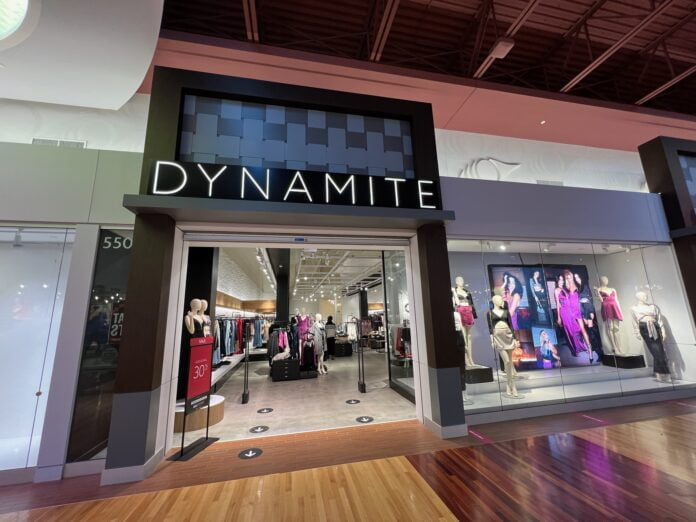
Dynamite at Tsawwassen Mills in Delta, BC (December 2021). Photo: Lee Rivett.
Groupe Dynamite Inc. (TSX: GRGD) has announced impressive preliminary results for the fourth quarter and full fiscal year ending February 1, 2025. The company reported comparable store sales growth of 9.5% for Q4 2024 and an even stronger 12.3% growth for the entire fiscal year. On a two-year stacked basis, the figures were even more striking, with 19.3% growth for Q4 and 20.5% for the full year.
Stacie Beaver, President & Chief Operating Officer of Groupe Dynamite, expressed satisfaction with the results, stating, “Our product assortment resonated strongly with our customers throughout the year, including during the key Q4 holiday period. Our premier real estate strategy, which positions us in high-traffic, high-quality locations, continues to pay off.”
Quarterly Performance Highlights
Groupe Dynamite demonstrated consistent growth throughout fiscal 2024. Quarterly comparable store sales growth figures were:
Q1 2024: +16.4%
Q2 2024: +14.7%
Q3 2024: +10.1%
Q4 2024: +9.5%
These results reflect the company’s strong product offerings, strategic real estate placements, and effective operational strategies.
Strategic Store Expansion and Optimization
The company focused on enhancing its retail footprint to support growth. In fiscal 2024, Groupe Dynamite expanded its presence in the U.S. by opening 17 new stores, including two new Garage locations in Q4. Simultaneously, it closed 12 underperforming stores and relocated four to more advantageous locations.
Store Count as of February 1, 2025:
Canada: 183 stores
USA: 115 stores
Total: 298 stores
The expansion strategy highlights Groupe Dynamite’s commitment to optimizing store performance while strategically increasing its U.S. presence.
Dynamite at Royalmount in Montreal. Photo courtesy of Dynamite
Strong Financial Outlook and Margin Expansion
Groupe Dynamite expects its adjusted EBITDA margin for Q4 2024 to surpass the previous year’s performance. This improvement is attributed to higher average unit retail prices, reduced markdowns, and lower selling, general, and administrative expenses as a percentage of sales.
According to Stifel’s analysis, the company’s Q4 performance exceeded expectations. Comparable store sales growth of 9.5% outpaced the anticipated 7.2%, and the adjusted EBITDA margin showed an unexpected expansion. Stifel noted, “Groupe Dynamite continues to generate healthy growth levels with comparable store sales growth above peer average, suggesting market share gains.”
Managing Tariff Uncertainty
Amid recent U.S. announcements regarding tariffs, Groupe Dynamite remains confident in its ability to navigate potential challenges. The company sources approximately 75% of its products from China, making it more exposed to tariff risks than some peers. However, management believes that its strategies and tools will mitigate any significant impact.
Additionally, potential changes to the de minimis exemption in the U.S. could affect cross-border e-commerce shipments. While Groupe Dynamite has benefited from this exemption, only 35% of its U.S. online orders are fulfilled from its Montreal distribution center, limiting the potential negative impact on profitability.
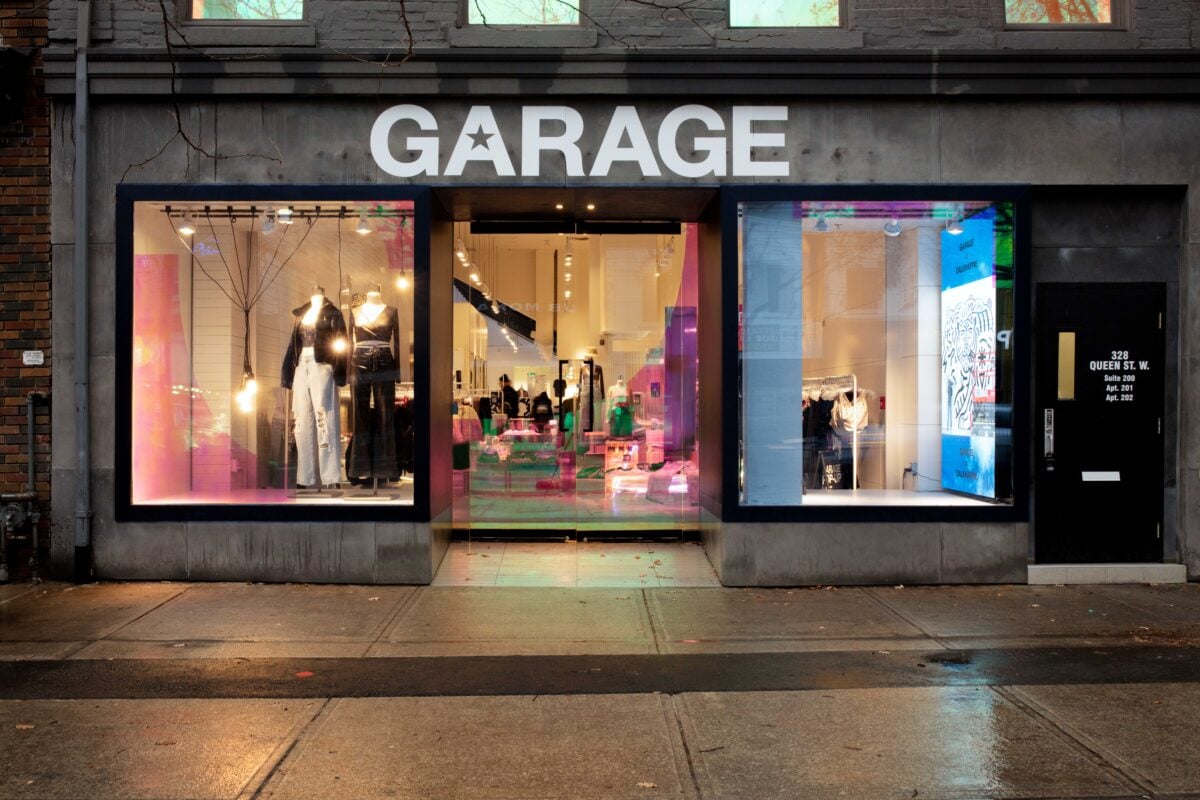
Garage Pop-up on Queen Street West in Toronto, 2021 (Image: Groupe Dynamite)
Investment Insights from Stifel
Stifel has increased its forecast for Groupe Dynamite, citing strong sales momentum and impressive operating metrics. Key points include:
Increased Forecast: Stifel now projects Q4 comparable sales growth of 9.5%, up from 7.2%. Adjusted EBITDA margin expectations have also improved, reflecting a 150bps year-over-year increase.
Resilient Operating Metrics: Groupe Dynamite operates with low inventory levels, averaging 45 days of sales, and maintains rapid product development cycles. Approximately 75% of SKUs have lead times under 15 weeks, with 26% under eight weeks.
Attractive Valuation: The company’s earnings per share (EPS) are projected to grow at a 20% compound annual growth rate (CAGR) over the next four years. With a healthy balance sheet and strong return on capital employed (ROCE) of 38%, Groupe Dynamite’s valuation remains appealing.
Fiscal 2025 and Beyond
Groupe Dynamite plans to release its full financial results for Q4 and fiscal 2024 on April 15, 2025. The company will also provide financial and operational guidance for fiscal 2025, outlining its strategic initiatives for continued growth.
Groupe Dynamite Inc. (TSX: GRGD) is a growth-oriented fashion retailer operating under two complementary brands—Garage and Dynamite. The company offers a wide range of women’s fashion apparel, catering to the needs of Generation Z and Millennials. With a commitment to innovation, disciplined execution, and inclusive values, Groupe Dynamite says it continues to shape the future of fashion while fostering leadership and creativity within its team of 6,000 employees.
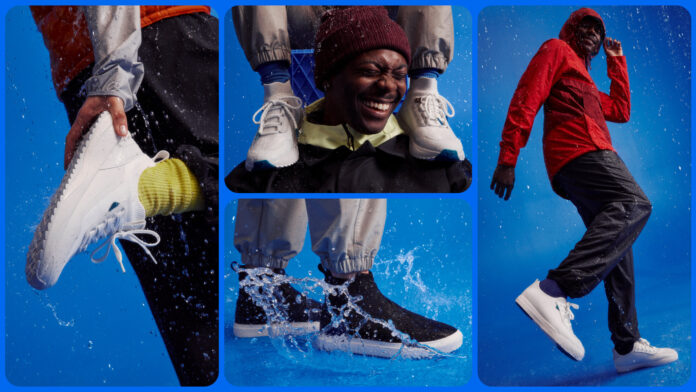
Canadian shoe brand Vessi is aiming to build on its waterproof tech with a new brand one year in the making. The complete redesign will roll out across stores and retailers in Canada and the US this February, it announced in a news release.
The waterproof sneaker brand debuted on Kickstarter in 2018, with early growth fueled by a promise of ‘no more wet socks’. Now, Vessi is introducing a focus on brand building to further differentiate itself and support its future growth plans, it said.
Why rebrand?
“Vessi celebrates the magic of water and the positive energy we feel when we’re close to it – rain and all. Much like the adage ‘There’s no such thing as bad weather, just bad shoes’ Vessi wants to change the way people experience wet weather by offering their unique blend of comfort, protection, and style, allowing people to live more freely in it,” explained the company.
“The rebrand brings this brand strategy to life in a new identity that sets them apart in a competitive market. This new look and energy will help strengthen its connection with their existing customers and drive future growth with new ones across North America.”
What’s changing?
Wordmark: A new bold wordmark capturing water and fluidity through a combination of soft and sharp edges, as well as inkwells that mimic the shape of droplets from our new logo.
Logo: A logo created from water – showcasing the key product benefit through three droplets arranged to create a triangle (the symbol for water) as well as forming a V shape.
Colour: Refreshing their teal brand color to a vibrant blue that exudes positivity and reflects the nature of water.
Launch Video: ‘Singing in the Rain’, Superman, Popeye, and Bugs Bunny all tapped to bring Vessi’s rebrand to life in a new video.
Mikaella Go
“This rebrand doesn’t change who we are, it shows who we’ve always been. That passion, that love for water and optimism in wet weather is a powerful shared value with our customers. It’s at the heart of everything we do, and now it’s reflected in everything you see,” said Mikaella Go, Co-Founder.
“Our products already wow customers with their magic—but there’s also a brand story connected to water and rain that resonates on an emotional level. This rebrand is all about bringing that story to life, giving meaning to our product’s benefits, and making it a key part of our growth strategy,” said Geoff Wilton, VP Brand.
“The collaborative rebrand with NARI elevates the brand’s magical core principles while aligning with a powerful new strategy for future growth. Our new energetic personality and design system invites everyone to experience our love and connection to water and rain,” added Andrew Passas, Creative Director.
The rebrand was carried out by NARI, a design and branding agency whose clients include Nike, Netflix, Adidas, and Rapha.
“Vessi’s new identity is a celebration of the now—a reflection of water’s elemental power, fluidity, and balance. It’s about stripping back the noise and reconnecting with what grounds us. This is a brand that moves with you, adapts to you, and empowers you to embrace every moment, completely. Effortless. Bold. Unapologetically present,” said Creative Director Caterina Bianchini.