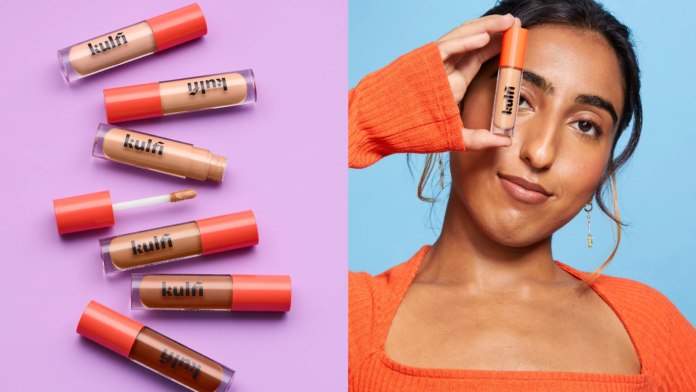
Kulfi Beauty, the South Asian-inspired makeup brand founded by Priyanka Ganjoo, is making waves in the beauty industry. The brand has just announced its expansion into every Sephora store in Canada and the US after seeing rapid growth and popularity since its launch in 2021.
A Meteoric Rise in the Beauty Industry
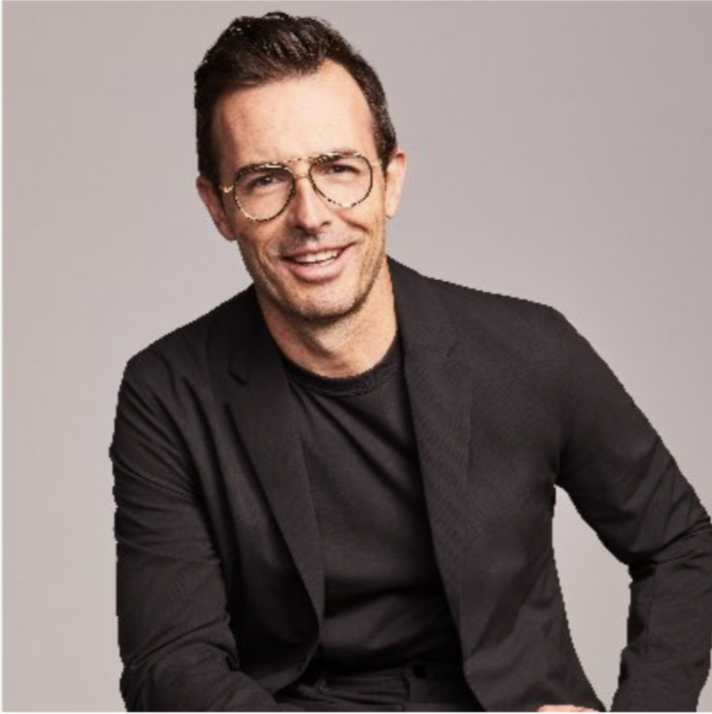
Priyanka Ganjoo, founder of Kulfi Beauty
Kulfi’s journey with Sephora began in September 2022 when it debuted on Sephora.com. This milestone marked Kulfi as the first South Asian-owned makeup brand to partner with the retail giant. Building on this success, Kulfi expanded into 59 physical Canadian Sephora stores a year later (and over 280 in the US) as part of Sephora’s “The Next Big Thing” program, which spotlights emerging brands.
The brand’s performance has been nothing short of impressive. According to data provided by Kulfi:
It has consistently been the top-selling brand in its end cap display.
The Kajal Eyeliner ranked as Sephora’s 7th best-selling pencil eyeliner collection in 2023.
The Main Match Concealer secured the 5th position among clean concealers on Sephora.com.
The newly launched Free the Brow gel-serum hybrid has already claimed the 9th spot in clear brow gel launches online.
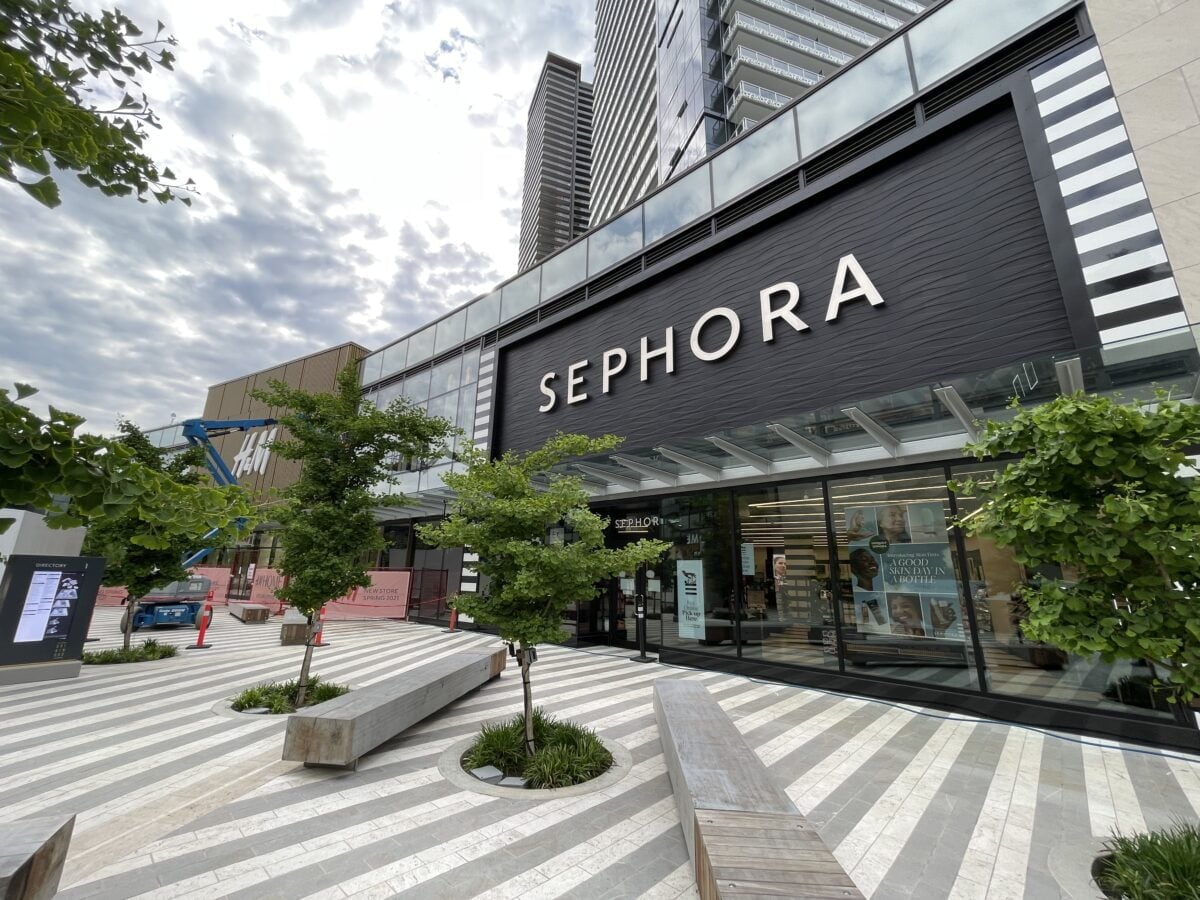
Sephora at The Amazing Brentwood. Photo: Lee Rivett
Exponential Growth and Future Projections
Priyanka Ganjoo, Kulfi’s founder said that the company grew 350% year-over-year in the Sephora business, with similar growth projected for this year.
The distribution of Kulfi’s sales is noteworthy:
Sephora U.S. accounts for about 80% of the business
Sephora Canada contributes around 15%
The remaining 5% comes from Kulfi’s own e-commerce platform
Expanding Horizons
With the latest expansion, Kulfi will now be available in all Sephora stores across the United States and Canada. While the brand will maintain its current single endcap shelf presence, Ganjoo has hinted at potential future growth.
Community-Focused Approach
The brand is heavily investing in community building:
A new social campaign with the tagline “Your invitation to play” will showcase Kulfi’s hero products and a new eyeshadow.
The brand is organizing its first in-person event in Canada to celebrate the launch.
In July, Kulfi introduced the Kulfi Besties Program, an ambassador initiative aimed at creating local chapters and hosting activations.
A review of the most read bulletins from Retail Insider this week, including significant developments in the Canadian retail landscape. Home Depot was hit by a $100K fraud scheme in Ontario, leading to the arrest of two individuals. This incident highlights the increasing sophistication of fraud targeting major retailers.
Pusateri’s Fine Foods, a high-end Toronto grocer, has initiated bankruptcy proceedings and is closing multiple locations, consolidating its operations to a single store. This restructuring reflects ongoing financial challenges within the company as it struggles to remain competitive in the market.
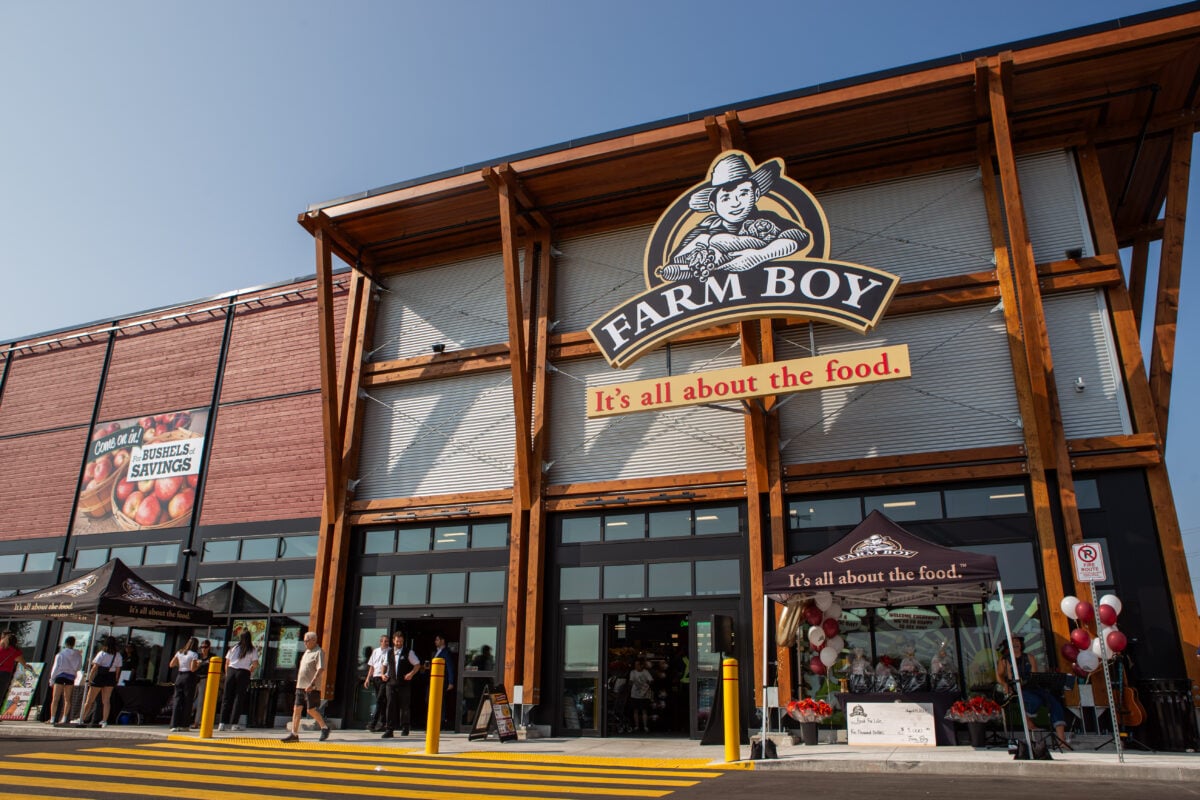
Additionally, Loblaw is piloting a new no name® store concept in Ontario, aiming to offer customers substantial savings. Meanwhile, Farm Boy celebrated the opening of its 50th location, and retail rental rates continue to rise across Canada due to high demand and a limited supply of prime spaces.
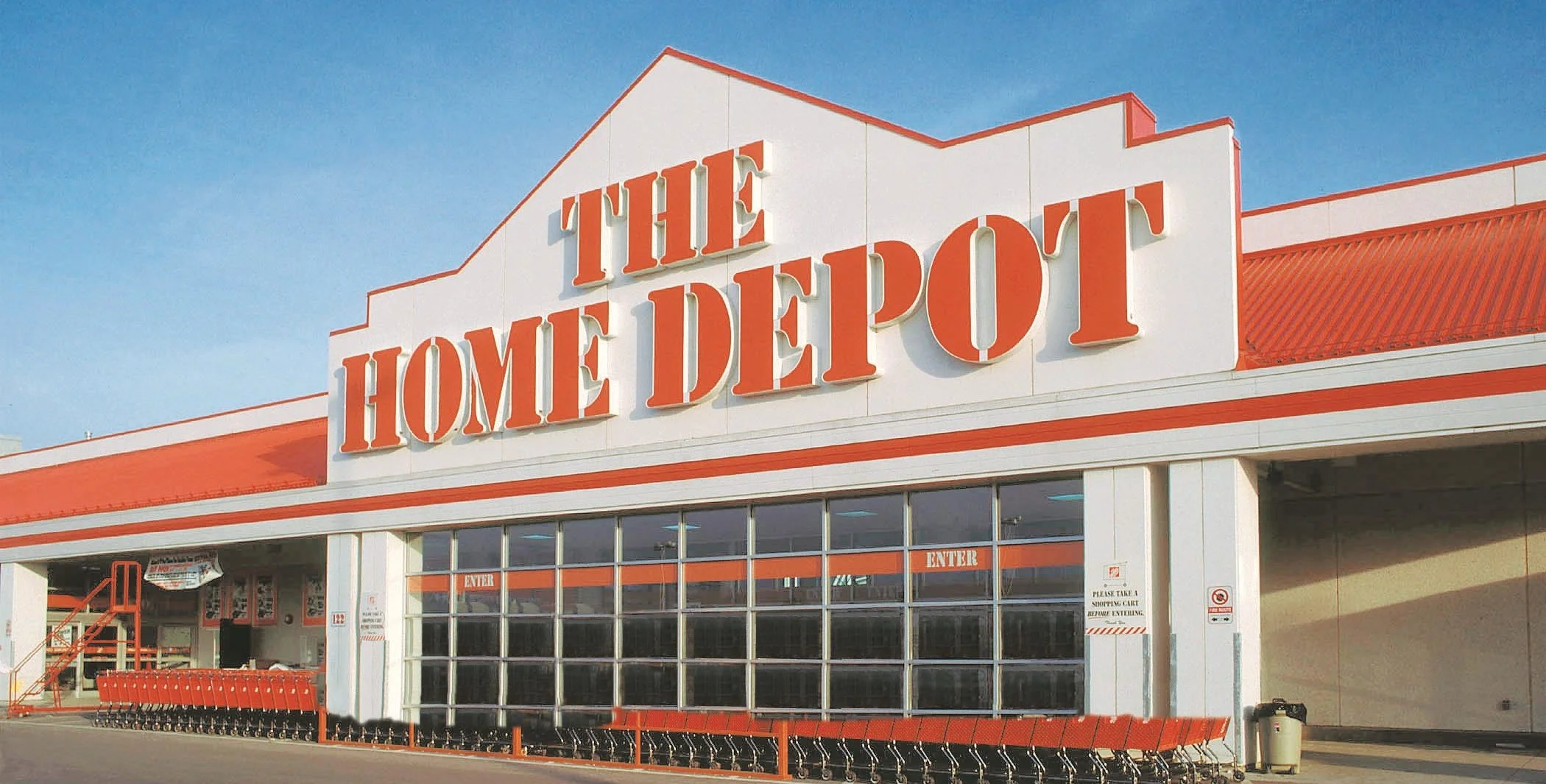
The Home Depot has fallen victim to a sophisticated fraud scheme across its stores in southern Ontario and the Greater Toronto Area (GTA). The incident has resulted in estimated losses of $100,000 and the arrest of two individuals.
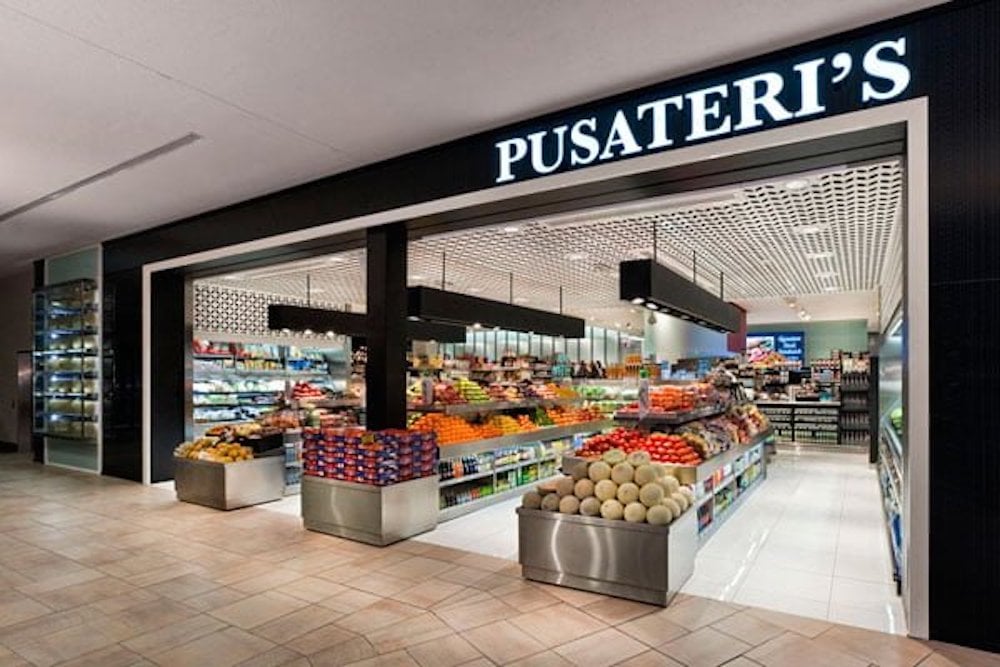
Pusateri’s Fine Foods at Bayview Village in Toronto. Photo: Pusateri’s
Upscale Toronto-based Pusateri’s Fine Foods is restructuring its operations by consolidating its presence to a single location on Avenue Road. The move comes as the company faces ongoing financial challenges, leading to the closure of multiple outlets and the initiation of bankruptcy proceedings for several entities within the Pusateri’s group.
mock up of new no name store front (CNW Group/Loblaw Companies Limited – Public Relations)
Loblaw Companies Ltd. announced Thursday its plans to pilot a new concept, value-based no name store in three Ontario markets. It said the no name store will help customers save up to 20 per cent on everyday grocery and household essentials, by lowering operating costs and carrying only a targeted assortment of products.
Ontario fresh food retailer, Farm Boy, has opened its 50th location in Burlington, Ontario, with 21 locations now in the Greater Toronto Area. The new store is located at 3230 Fairview Street. It features Farm Boy’s signature offerings, including a vibrant assortment of fresh produce, quality Canadian meats, local dairy, and a wide variety of popular Farm Boy exclusive private-label products.
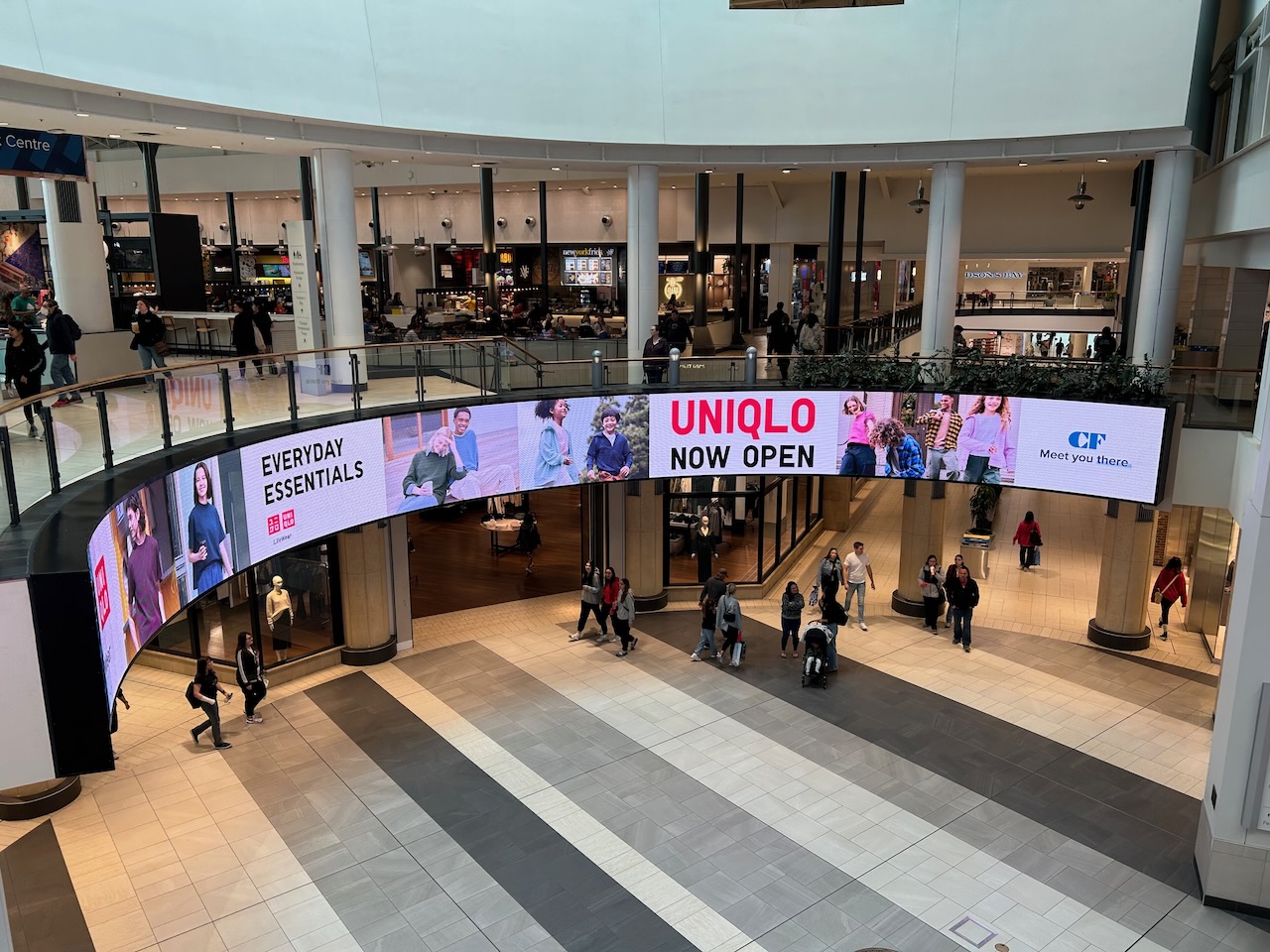
Uniqlo Signage at CF Chinook Centre (Image: Mario Toneguzzi)
Market conditions continue to push Canadian retail rental rates up across the board and no single format type is being left behind amid insatiable demand and a race for space, according to a report by real estate firm CBRE.
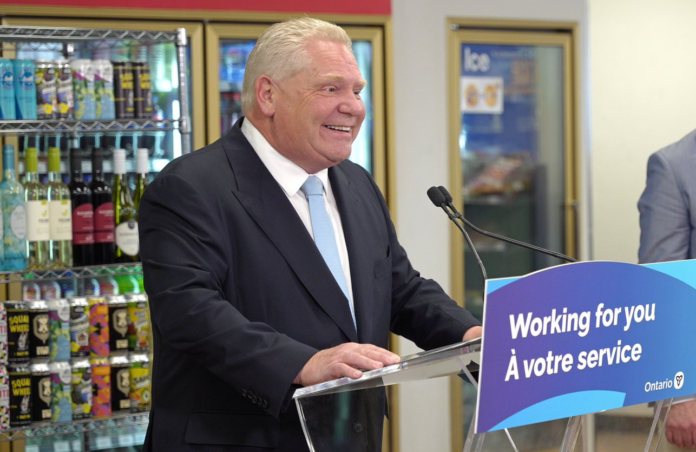
Starting September 5th, more than 4,000 convenience stores across Ontario will be licensed to sell alcohol, marking a major expansion of liquor sales beyond traditional outlets. This would allow alcohol in convenience stores on a larger scale.
The Alcohol and Gaming Commission of Ontario (AGCO) announced on Friday that it has approved 4,146 licenses for convenience stores to sell beer, wine, and ready-to-drink cocktails. It fulfills a promise made by Premier Doug Ford during his 2018 election campaign and accelerates the timeline for broader alcohol availability in the province.
Initially slated for completion by 2026, the expansion plan was fast-tracked in May, with corner stores now set to begin alcohol sales next week. The Ontario government has consistently framed this initiative as a means to provide residents with greater choice and convenience in their alcohol purchasing options.
Karin Schnarr, CEO of the AGCO, said in a statement, “As the next phase in Ontario’s expansion of the liquor retail market approaches, the AGCO is focused on ensuring licensees understand and comply with their obligations for the responsible sale of alcohol”. The commission says it will maintain a comprehensive compliance monitoring process and take strong measures to enforce social responsibility standards.
Grocery stores in Ontario already licensed to sell beer and wine were permitted to start offering pre-mixed cocktails and larger beer packages last month. Newly licensed grocery outlets will join the market on October 31st.
There have been challenges with expanding booze in Ontario. The province negotiated a $225 million deal with The Beer Store to break a previous 10-year agreement, ensuring the continuation of at least 386 Beer Store locations until July 2025 and a minimum of 300 stores until the end of that year. The Beer Store, owned by three international conglomerates, will maintain its recycling program until at least 2031.
The decision to allow alcohol in convenience stores outside the LCBO sparked labor tensions earlier this summer. Approximately 10,000 LCBO workers, represented by the Ontario Public Service Employees Union, went on strike for over two weeks. They cited concerns about the long-term viability of the LCBO in light of the expanded retail options.
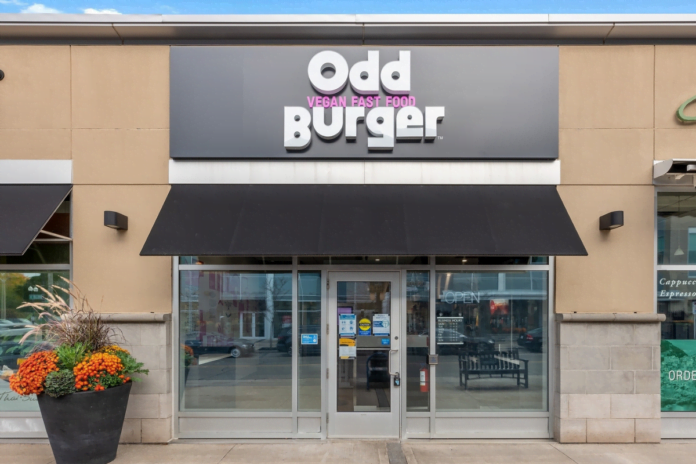
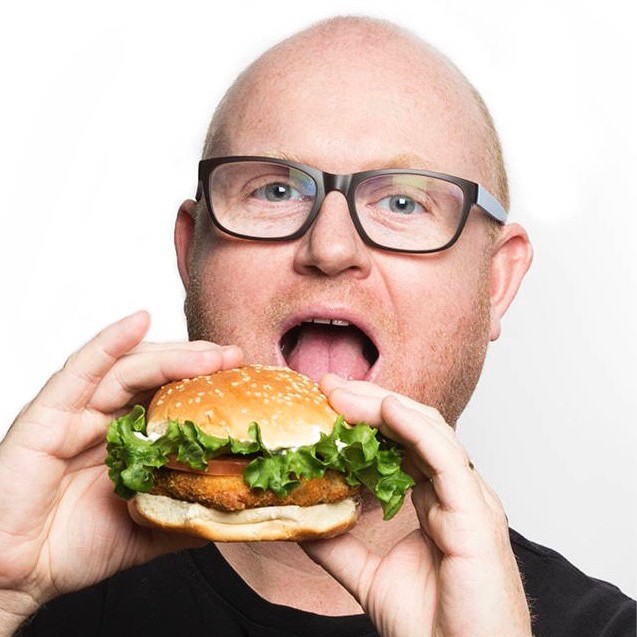
Toronto-based vegan fast-food restaurant chain and food technology company Odd Burger Corporation is reporting another quarterly loss but its highest quarterly revenue this year in its latest financial results for its third quarter, ended June 30, 2024.
James McInnes
“We are extremely proud of our third quarter financial results where we posted our highest quarterly revenue this year of $879,367,” said James McInnes, Co-Founder and CEO of Odd Burger in a news release.
“We also recorded a record gross profit of $405,651 or 46.13 per cent, which is the highest gross profit that the Company has achieved since reporting as a public company. This represents an increase of $171,395 or 73.17 per cent over the gross margin for the three months ended June 30th, 2023, and is the 6th consecutive quarterly increase in gross profit margin for the Company.”
Odd Burger said it has also made significant improvements in its profitability, reporting a net loss of $(120,461) this quarter, which is the lowest quarter loss for the company since being public. This represents a decrease of 85.69 per cent from the same quarter last year where the Company reported a net loss of $(842,074).
“The Company continued to advance with its expansion initiatives in the third quarter and had two successful restaurant openings in Edmonton, AB and Ottawa, ON. Both restaurants produced record turnouts for their grand opening events and have remained strong units since becoming operational. The Company also launched its mobile operations division for food trucks and food trailers in Calgary, AB where it saw a very strong turnout in its debut event at the Calgary Stampede. The Company is expected to open an additional six units in Canada before year end, bringing the total number of expected units operational to 23,” it said.
Odd Burger said it also successfully launched its Consumer Packaged Goods (CPG) line at Whole Foods Market in the third quarter. This represents the first major retailer to carry the Odd Burger CPG line across Ontario and is a significant step forward in expanding Odd Burger’s brand and diversifying its revenue model, it added.
“It is clear that we are beginning to see the benefits of our franchise model and manufacturing division on our financials, specifically on our gross profit margin and net loss,” said McInnes. “We have a clear sight to becoming a profitable company now, especially with our next set of store openings nearing completion and already locked in. We have a highly skilled and exceptional team, and I am confident in our ability to keep growing Odd Burger into the world’s largest and most profitable vegan fast food chain.”
SUMMARY OF QUARTERLY RESULTS
The following table sets forth unaudited selected financial information for each of the last eight quarters.
Quarter Ended
June 30, 2024
Mar 31, 2024
Dec 31, 2023
Sept 30, 2023
Revenue
$879,367
$800,481
$734,373
$883,596
Net Loss and Comprehensive Loss
$(120,467)
$(383,829)
$(275,808)
$(1,529,492)
Net Loss Per Share
$(0.001)
$(0.004)
$(0.003)
$(0.020)
Quarter Ended
June 30, 2023
Mar 31, 2023
Dec 31, 2022
Sept 30, 2022
Revenue
$860,020
$738,021
$781,511
$835,779
Net and Comprehensive Loss
$(842,074)
$(972,560)
$(1,257,980)
$(1,135,848)
Net Loss Per Share
$(0.010)
$(0.010)
$(0.015)
$(0.010)
Odd Burger Corporation is a franchised vegan fast-food restaurant chain and food technology company that manufactures a proprietary line of plant-based protein and dairy alternatives. Its manufactured products are distributed to Odd Burger restaurant locations through its foodservice line and also sold at grocery retailers through its consumer-packaged goods (CPG) line.
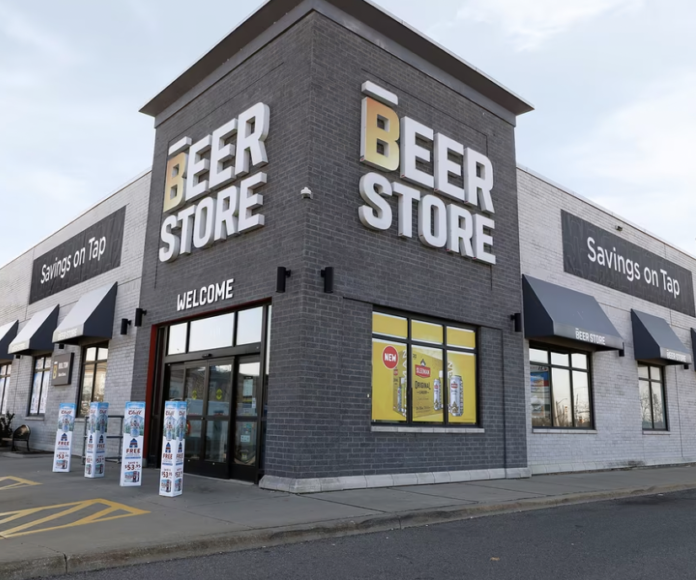
The Beer Store in Ontario has announced new partnerships and investments.
Highlights include the following:
The Beer Store has expanded its distribution fleet and operations to support new grocery and convenience store customers coming online.
As of today, TBS has supported shy of 4,000 convenience customers coming online. It’s estimated that upwards of 10,000 new points of sale will be added in the coming months. The Beer Store seamlessly supported the acceleration of large format packs in grocery over the summer and is well-positioned to continue supporting the transformation this fall.
Customers can now shop convenience items such as salty snacks, meat snacks and energy beverages from our partners including Old Dutch, Frito Lay, Jack Links, Great Canadian Meat and Red Bull. Items vary by retail store location and are also available online with eCommerce orders.
TBS will launch a new campaign to showcase its commitment to the customers of Ontario with a new media campaign. The campaign delivers a message of how The Beer Store serves the people of Ontario with choice, speedy service and a world-renowned commitment to the environment through our bottle return program.
Roy Benin
“Bring it on – we’re ready,” said Roy Benin, President of The Beer Store, “We see this as a new chapter for The Beer Store and we’re excited to compete. All of our channels – from distribution to retail to deposit return will continue to deliver for Ontario.”
The Beer Store said it also continues to invest and recently has invested over $100 million dollars in future-focused projects:
Retail store renovations to select stores across the province enhancing the shopping experience for our customers
A new, state-of-the-art distribution centre in Bolton, ON
Online sales and delivery, making TBS the number one alcohol delivery retailer in Ontario.
Third-party delivery partnerships with every platform, including Canada’s Skip the Dishes, resulting in 95 percent of stores having a channel for rapid delivery.
Upgrades to the point of sale technology to be more reliable and convenient for shoppers
Owned by Ontario-based brewers, The Beer Store is the largest beer retailer in Ontario. The Beer Store listed 1,107 brands, which more than 267 brewers provided in 2023. With 26 points of distribution strategically located across the province, The Beer Store distributed 2.9 million hectoliters of beer in 2023.
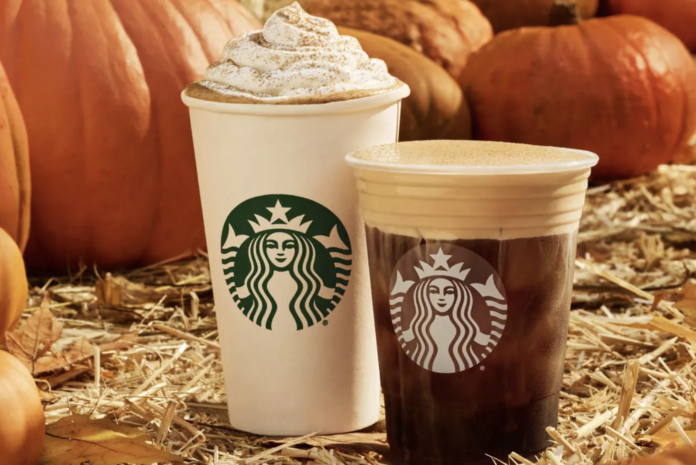
As the back-to-school season ushers in familiar routines, Canadians are once again gravitating towards their “third place”—the coffee shop. Among the seasonal offerings, pumpkin spice has firmly entrenched itself as the flavour synonymous with Fall. This trend, which Starbucks ignited in 2003, has become a cultural phenomenon, generating an estimated $500 million USD in revenue from pumpkin spice lattes and related products alone. That’s roughly 75 million cups, making it arguably the most popular seasonal drink of all time.
Despite its success, pumpkin spice represents just a fraction of Starbucks’ overall annual revenue, which exceeds $36 billion USD. The allure of this flavor lies in its ability to evoke a sense of nostalgia and comfort, key factors in its enduring appeal. However, questions are beginning to surface about the longevity of this trend. How much longer can this seasonal staple drive consumer interest?
Seasonal flavours like pumpkin spice are rare in their ability to mark the transition of seasons so distinctly. Starbucks’ success with this flavor is notable, yet the company may soon need to innovate to maintain its market position. Rising prices have led many consumers to recreate their favorite pumpkin spice beverages at home, a trend reflected in Starbucks’ recent quarterly results, which suggest a decline in customer visits. Many are opting for coffee at work, where it is often complimentary, or brewing it at home to save money.
As newer generations gain economic influence, their tastes are proving to be more diverse and dynamic. Not all flavours withstand the test of time—consider the decline of licorice, once a beloved treat in many parts of the world. To cater to evolving consumer preferences, offering new, unique flavors could be crucial. The concern is not just about maintaining sales but also about preventing flavor fatigue, as pumpkin spice’s overwhelming popularity may cannibalize the sales of other products.
This year, Starbucks launched its pumpkin spice campaign on August 21, the earliest ever. The early launch underscores the pressure on the company to boost sales in a challenging economic environment where growth in the food service industry is increasingly hard to come by.
Industry-wide sales data for pumpkin spice-flavoured drinks indicate looming challenges. Although dollar sales in the U.S. rose by 15% for the 52-week period ending in 2023, unit sales decreased by 1.5% for the second consecutive year, according to NielsenIQ. This suggests that while revenues are increasing, fewer drinks are being sold in the U.S. It’s reasonable to suspect a similar trend may be unfolding in Canada.
Furthermore, it’s worth noting that the pumpkin spice latte (PSL) itself is not without its controversies. For instance, the drink contains no actual pumpkin, a point of concern for some consumers. Additionally, a Grande pumpkin spice latte contains 50 grams of sugar—exceeding the recommended daily intake for an adult.
The industry doesn’t necessarily need to replace pumpkin spice but should consider evolving it—finding a “Pumpkin Spice 2.0.” Like most food trends, pumpkin spice may slowly fade as consumer interests shift. Peter Dukes, the creator of the pumpkin spice latte at Starbucks, once remarked that the flavour was never intended to be a commercial product. Yet, its uniqueness proved to be a defining factor in its success.
Looking ahead, exploring new flavours could be a strategic move. Consider the potential of sweet potato and marshmallow, rhubarb, and ginger, or even rhubarb and rose. In fact, rhubarb appears to be gaining popularity, offering an intriguing alternative to pumpkin spice.
After more than 20 years, perhaps it’s time to truly spice things up—no pun intended.
Retail Insider is streamlining its Canadian retail news from around the web to include a handful of top news stories that can be viewed quickly during the day. Here are the top stories from the past 24 hours.
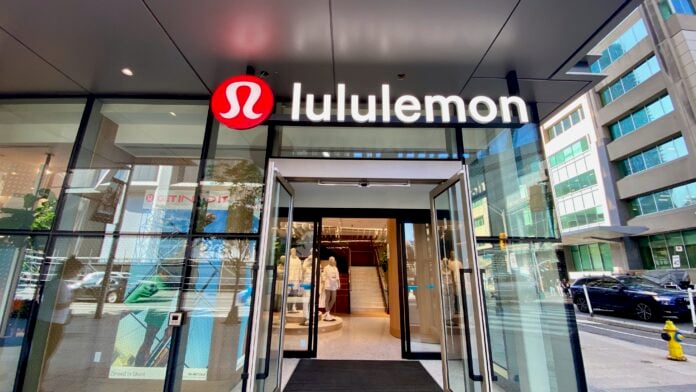
Entrance doors to Lululemon at Yonge and Bloor in Toronto. Photo: Craig Patterson
Vancouver-based athletic apparel retailer Lululemon Athletica has encountered unexpected headwinds in its latest fiscal quarter, prompting a revision of its annual outlook. The company reported its first revenue miss in over two years.
Calvin McDonald
The performance in the Americas saw comparable sales declining by 3%, which is in stark contrast to the company’s international markets where sales increased by 29%. Lululemon’s CEO, Calvin McDonald, acknowledged the issues in the U.S. market, stating, “Our teams continue to optimize our product assortment and remain focused on driving forward our opportunities in the market.”
Lululemon’s highly anticipated Breezethrough leggings, introduced in early July, faced a wave of customer complaints regarding fit issues, forcing the company to pull the product from shelves. In an earnings call, the company said that the pause on sales had a negligible impact on revenue and gross margin guidance for the year.
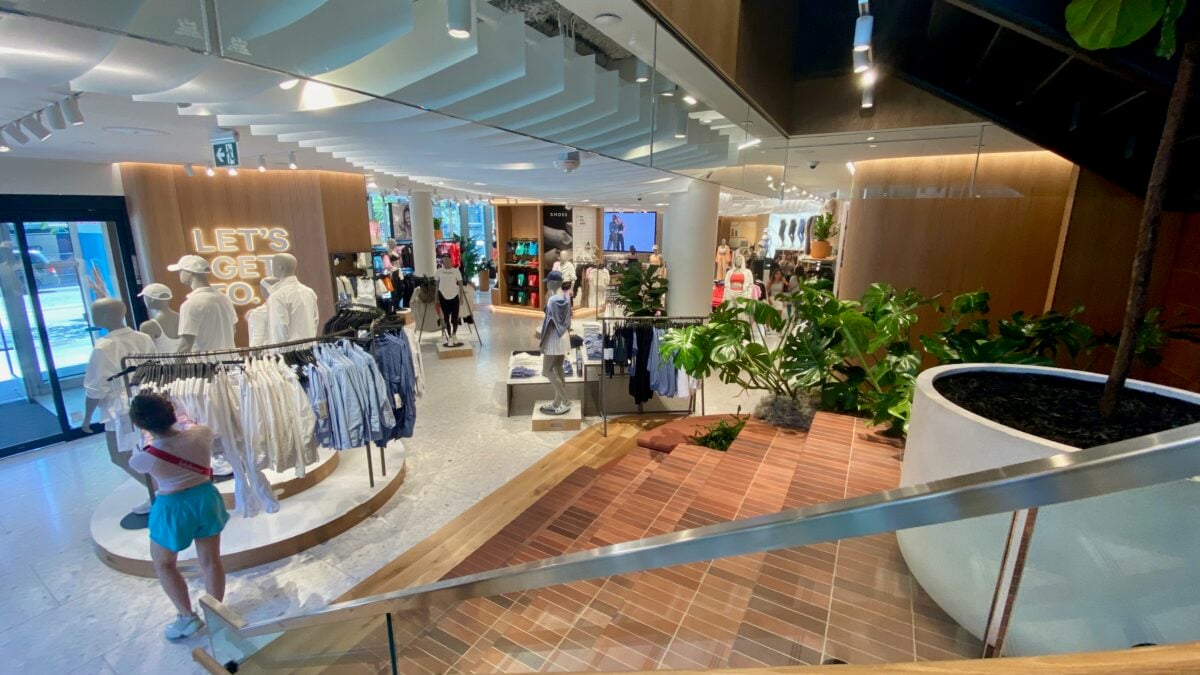
Looking down the grand staircase at the front entrance to the new Lululemon store at Yonge and Bloor in Toronto. Photo: Craig Patterson
In response to financials, Lululemon has adjusted its full-year guidance. The company now projects net revenue to fall between $10.38 billion and $10.48 billion, a reduction from its previous forecast of $10.7 billion to $10.8 billion. Similarly, earnings per share expectations have been tempered, with the new range set at $13.95 to $14.15, down from the earlier projection of $14.27 to $14.47.
There was also good news in the report. Lululemon reported earnings per share of $3.15, surpassing analysts’ expectations of $2.93. However, revenue of $2.37 billion fell short of the anticipated $2.41 billion, according to a survey conducted by LSEG (formerly known as Refinitiv).
Looking ahead to the third quarter, Lululemon says it expects sales growth to remain subdued at 6% to 7%, falling short of analysts’ projections of 9.2% growth. However, the company’s profit guidance for the upcoming quarter aligns closely with Wall Street expectations, suggesting that Lululemon is placing a renewed focus on operational efficiency and cost management.
Lululemon says it remains optimistic about its long-term prospects. The company continues to view international expansion, particularly in China, as a key driver of future growth. Additionally, Lululemon’s ability to maintain strong gross margins, which improved to 59.6% in the second quarter, demonstrates the brand’s enduring appeal and pricing power.
Lisa Hutcheson
Lisa Hutcheson, Managing Partner of Toronto-based consultancy J.C. Williams Group, said, “Lululemon has historically demonstrated strong performance, particularly during the pandemic when the demand for comfortable, work-from-home-friendly apparel surged and the overall apparel sector suffered – and is still struggling.”
“Moreover, despite Lululemon’s previous immunity to these industry-wide challenges, the landscape is shifting. The market is now more competitive with new entrants like Alo Yoga and Athleta intensifying the competition,” she went on to say.
“As consumer preferences evolve, Lululemon may face challenges in maintaining its current growth momentum if it does not adapt swiftly to these changes.”
George Minakakis, Founder and CEO of Inception Retail Group, said, “Lululemon is facing the same challenges many other retailers face: uncertainty on consumers’ confidence as many retailers are. However, I am surprised that they have had a negative product rollout because that happened about a decade ago, and there was a great deal of consumer backlash.”
George Minakakis
“So, I wonder if they have lapsed somewhere in their quality control and design,” Minakakis said.
“Their focus on China is admirable, given the growth they are experiencing, but China is rebounding from an economic slowdown. I would hate to say this, but Lululemon needs to keep its eye on the Chinese market. Local competitors can scale and sell similar lines for a lot less. Starbucks is a good example of that.”
Minakakis also noted the impact of interest rates on retail operations.
“International brands like Lululemon must be cognizant of economic uncertainties. Interest rates may be coming down, but the positive effects could take months to filter through,” he said.
Bruce Winder
Bruce Winder,retail analyst and author, said, “A disappointing quarter for the Canadian company as a slowing Americas market towed down strong international performance. Many will wonder if Lululemon has fallen to earth and lost its super power over other apparel companies. Maybe. Maybe not. Time will tell.”
“The company needs to rejuvenate its new product development pipeline in a much more competitive environment. The recent loss of Sun Choe can’t be easy,” Winder went on to say.
“The company also risks pricing itself out of a stingy consumer market where dupe alternatives have gained acceptance. Anecdotally, I have heard about quality and customer service issues from our daughter who used to swear by the brand and has now switched to another.”
“Great brand! Great margins! Needs to get its mojo back asap.”
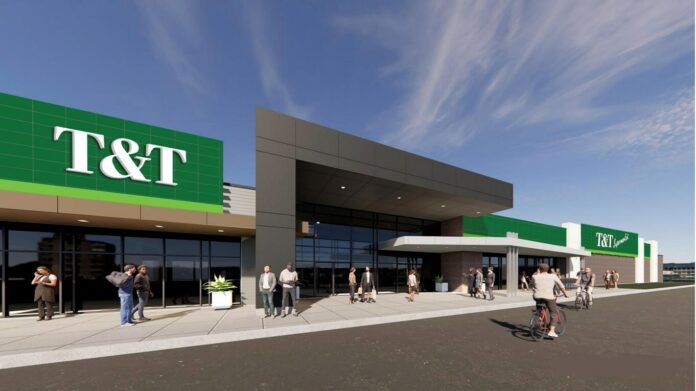
New store front design of the T&T Supermarket at 530 Oxford Street West, to open in Summer 2024 (CNW Group/T&T Supermarkets)
Canada’s largest Asian supermarket chain, T&T Supermarkets, will open a store in London, Ontario, on September 27, 2024. It will be located at 530 Oxford St W, at the intersection of Oxford St W and Wonderland Rd.
The 39,000 square foot store is poised to become the largest Asian supermarket in London, offering residents an extensive array of Asian groceries and prepared foods. The store’s arrival is particularly meaningful for T&T Supermarkets’ CEO, Tina Lee, who said that she has a personal connection to the city.
Click image for interactive Google Map
“As a former Western University student, I remember the three-hour carpools to Toronto just to shop at T&T,” Lee reminisced. “Those trips were more than just grocery runs; they were a cure for homesickness. Two decades later, I’m thrilled to bring the T&T experience to my old stomping grounds, knowing that London’s residents and students still crave what we have to offer.”
Tina Lee
The new supermarket will be housed in a renovated strip mall owned by York Developments. The store opening will generate 120 new positions in the community.
Customers can look forward to an immersive food culture experience at the new T&T. The store will feature fresh produce, an extensive selection of Asian groceries, an in-house bakery, and a variety of prepared food stations. Highlights include a hot meal buffet bar, sushi counter, Hong Kong-style barbecue pork, and the popular Tianjin crepe station, catering to diverse tastes and preferences.
The London location will also offer the convenience of online ordering for both home delivery and click-and-collect services through the T&T website and mobile app.
Since its founding in Vancouver in 1993, T&T Supermarkets says it has been dedicated to introducing Canadians to the myriad flavours of Asia. With over 33 stores across British Columbia, Alberta, Ontario, and Quebec, T&T Supermarkets has established itself as a cornerstone of Asian-Canadian food culture. Under the leadership of CEO Tina Lee, the second-generation successor to the company’s founders, T&T continues to expand its reach and influence in the Canadian retail landscape.
That includes recent store announcements in the US for Washington State and California, where T&T has recently focused expansion efforts.
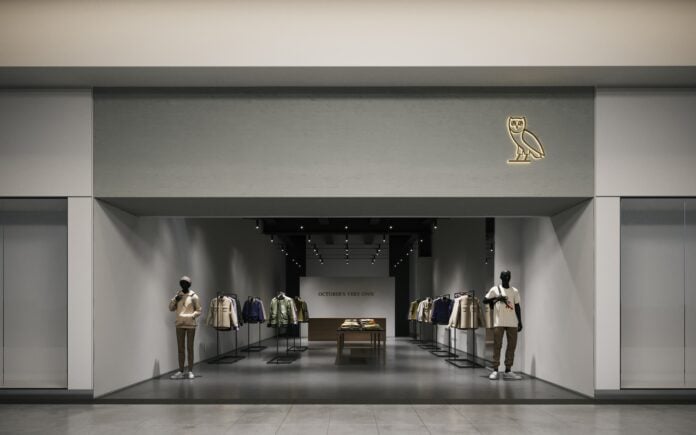
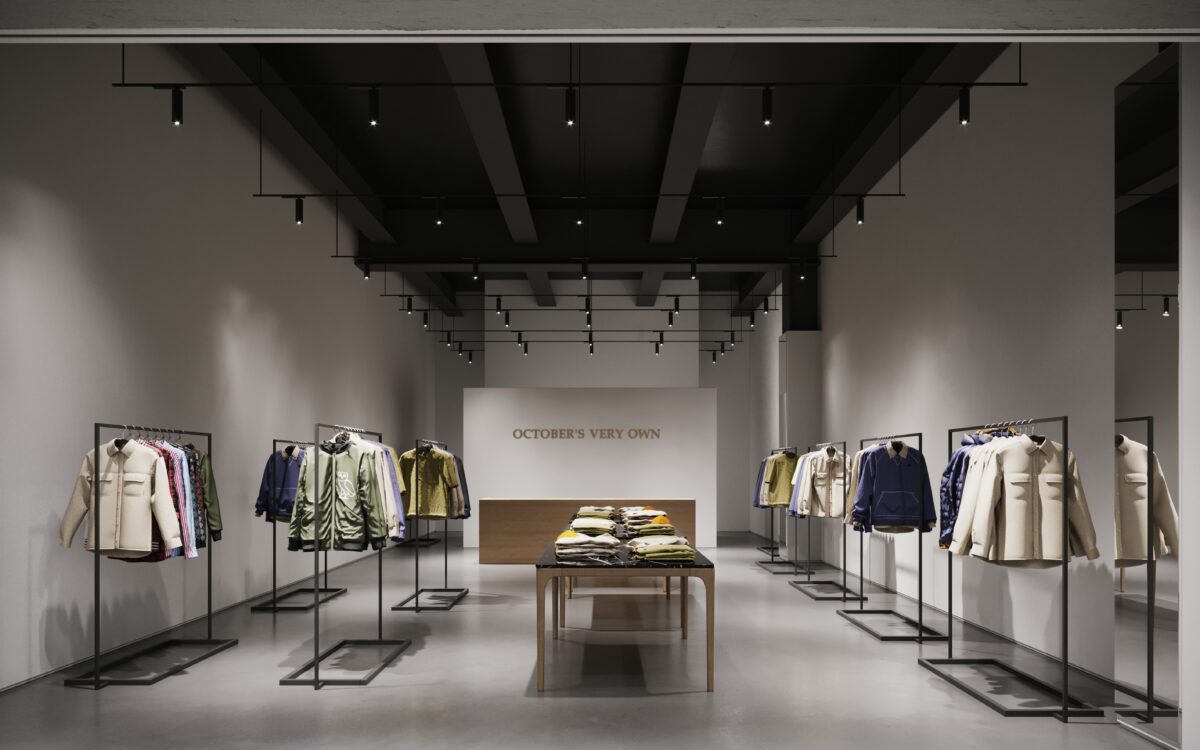
Rendering of the OVO store at Scarborough Town Centre in Toronto. Image supplied
October’s Very Own (OVO), the lifestyle and apparel brand co-founded by global hip-hop icon Drake, is set to open a temporary location at Scarborough Town Centre (STC) this weekend that will remain open for an undetermined amount of time.
The seasonal pop-up, located on the upper level near Entrance #2 of the mall, will showcase OVO’s most comprehensive product lineup to date. In a nod to its local roots, the store will feature an exclusive OVO East End capsule collection, alongside apparel from the Scarborough Shooting Stars, a Canadian Elite Basketball League team co-owned by OVO’s Nicholas Carino.
“I’m thrilled that the newest OVO store will reflect the neighbourhoods that have shaped me and so much of Toronto’s cultural and athletic talent,” said Nicholas Carino, affectionately known as “OVO Niko”, in a statement.
Rendering of the OVO store at Scarborough Town Centre in Toronto. Image supplied
The pop-up’s arrival at Scarborough Town Centre is a homecoming of sorts. Robert Horst, Oxford Properties’ VP of Retail and former Scarborough Town Centre General Manager, said “As a Scarborough native, I understand firsthand the impact OVO has on our community. Hosting an OVO seasonal pop-up with exclusive items and events is incredibly meaningful to Scarborough Town Centre and our customers.”
Drake wearing an OVO hoodie. Image: OVO
Horst elaborated, “We consistently engage with the community to discover inspiring local enterprises and help them establish a retail presence in our mall. This collaboration with OVO represents an exciting instance where a brand with local roots and global appeal is returning to its origins.”
Since its inception in 2011, OVO has grown from a series of collaborations with Roots Canada into a full-fledged global lifestyle brand. The company has expanded its retail footprint with stores in major cities across North America, including Toronto, Los Angeles, New York, Chicago, and Vancouver.
OVO’s product range has diversified significantly over the years, moving beyond its initial offerings of parkas and jackets to include a wide array of clothing and accessories. The brand has also gained attention for its high-profile collaborations, including partnerships with the Toronto Raptors, Canada Goose, and Air Jordan.
As OVO continues to grow, this seasonal pop-up at Scarborough Town Centre represents a strategic move to reconnect with its roots while simultaneously expanding its reach. For shoppers and fans alike, it offers a unique opportunity to experience the brand’s latest offerings in a setting that celebrates its local heritage.