Wingstop, the well-known U.S.-based restaurant chain specializing in chicken wings that entered Canada in 2021, is transforming the way it connects with customers by leveraging AI-driven technology. Speaking at Salesforce’s Dreamforce 2024, Samir Ray, Vice President of eCommerce at Wingstop, shared insights into the company’s strategy of using AI to personalize customer experiences across all touchpoints, driving loyalty and engagement.
Using AI to Personalize the Wingstop Experience
During his presentation, Ray explained how Wingstop’s journey to enhance customer experience began with the need to overcome common challenges. That included disconnected systems, siloed data, and impersonal interactions. In today’s market, one bad experience is enough to make a customer switch brands. To combat this, Wingstop has implemented Salesforce’s AI technology to create personalized, seamless experiences across digital platforms and in-store engagements.
Samir Ray, Vice President of eCommerce at Wingstop, on stage at Salesforce Dreamforce 2024
By utilizing Salesforce’s Data Cloud, Wingstop is able to unlock siloed data across departments and create a unified customer profile. This approach allows the brand to deliver personalized messages and offers to customers at every step of their journey, from marketing emails to digital orders. Ray emphasized that Wingstop’s small footprint and focus on takeout make it critical to get digital interactions right, as many customers engage with the brand online before entering a physical location.
Boosting Digital Sales with AI and Data-Driven Strategies
Wingstop’s use of AI has also led to impressive growth in digital sales. According to Ray, the company’s digital sales mix doubled during the pandemic, now representing over 60% of overall revenue. With AI and data analytics, Wingstop has been able to better understand customer preferences and create tailored experiences, driving loyalty even further.
Ray shared a real-time demonstration with the audience, showing how Wingstop uses AI to geotarget experiences. Attendees were able to visit Wingstop’s website and see personalized content tailored specifically to their location. This example illustrated how the brand is successfully leveraging unified data and AI models to enhance customer interaction and engagement.
Building the Future of Customer Experience with AI at Wingstop
Looking to the future, Wingstop is poised to continue scaling its AI-driven customer experience efforts. Ray highlighted that Wingstop’s growth trajectory is far from over, with the brand aiming to open thousands more restaurants worldwide. AI will be key to supporting this growth, helping the company personalize interactions for its 45 million customers and beyond.
Ray concluded by discussing the importance of aligning technology with people and processes to ensure a seamless experience for customers. He stressed that while technology is a critical enabler, success ultimately depends on having the right teams in place to execute AI-driven strategies. Wingstop’s mission, as Ray pointed out, is to “serve the world flavor,” and AI will be central to realizing that vision.
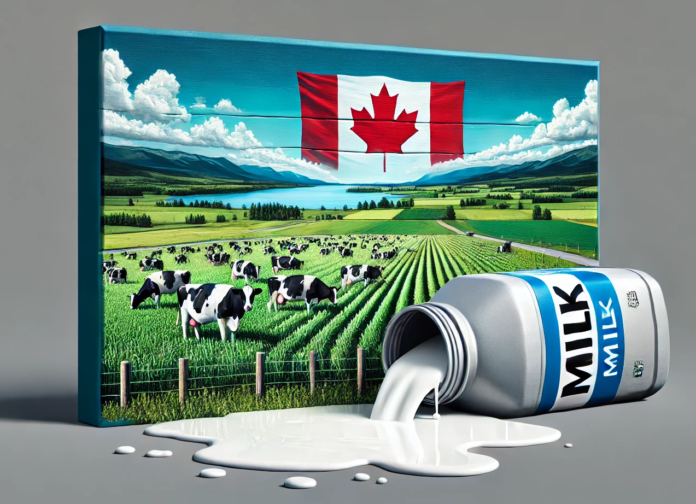
Billions of liters of milk wasted in Canada since 2012
In the vast and verdant lands of Canada, a surprising fact is set to emerge: over 6 billion liters of milk have been wasted since 2012, with higher estimates suggesting the figure could be closer to 10 billion liters over the last decade. Milk, valued at up to $14.9 billion CAD have been discarded on Canadian dairy farms since 2012.
This staggering amount of waste, detailed in a study slated for publication in January by the Ecological Economics journal—the top environmental economics journal in the world—reflects an outdated system that misaligns with today’s environmental imperatives and market demands.
Staggering Milk Waste in Canada Over the Last Decade
Canada’s dairy supply management system (DSMS), uniquely designed to match milk supply with demand through production quotas, theoretically should ensure not a single drop of milk is wasted on the farm. Unlike other countries, where market fluctuations can lead to overproduction and subsequent waste, Canada’s system aims to provide stability for farmers while meeting consumer needs efficiently. However, the reality is starkly different. Farmers, incentivized to maximize outputs to safeguard against variable cow lactation rates, often produce more milk than required, leading to significant waste.
This forthcoming research, a collaborative effort by authors from three different universities across three countries, underscores the global relevance of the issues at hand. The implications of their findings extend beyond greenhouse gases. The production of this wasted milk has consumed approximately 920 to 1,900 square kilometers of arable land and between 930 million to 1.9 billion cubic meters of water over ten years. These figures underscore a critical misuse of resources in a world where water scarcity and land degradation are ever-escalating concerns.
It’s also 8.4 million tonnes of CO2 emissions, which is like adding 330,000 cars to our transportation grid.
Milk in a grocery store. Photo via Reddit
Changing Canadian Dietary Preferences and Growing Food Insecurity
Moreover, this system’s rigidity does not reflect the shifting dietary preferences of Canadians, many of whom are turning towards plant-based alternatives due to health, ethical, or environmental reasons. At the same time, an increasing number of Canadians are relying on food banks to meet their basic needs—a situation that casts the wasteful practices under government-sanctioned quotas in a morally unacceptable light. These quotas, meant to stabilize the dairy sector for the benefit of all Canadians, seem to serve a select few at the expense of broader social welfare.
The Canadian Dairy Commission (CDC), a crown corporation, plays a pivotal role in overseeing these quotas. The mandate of the CDC needs a significant overhaul to reflect contemporary values and realities. Making milk waste on farms illegal would be a crucial first step. Additionally, the CDC should design a rescue program for surplus milk, converting it into powdered milk and storing it in a strategic reserve, similar to what is already done with butter. This would not only reduce waste but also provide a buffer against market fluctuations and ensure that surplus milk benefits Canadians rather than becoming an environmental liability.
The need for reform is clear. First, transparency within the DSMS needs to be enhanced. Just as the U.S. dairy industry has mechanisms to document and report milk waste, Canada could benefit from similar practices. This would not only provide a clearer picture of the waste but also encourage more responsible production practices.
Second, a reevaluation of the quota system is overdue. The current system is based on outdated assumptions about the nutritional indispensability of milk. By recalibrating quotas to better reflect the modern dietary landscape, which increasingly includes plant-based alternatives, Canada can take a step towards a more sustainable agricultural framework.
Exploring Surplus Milk Exports as a Temporary Measure
Finally, exploring the potential for exporting surplus milk could offer a temporary solution to manage excess production. However, this should be approached with caution to avoid unintended consequences, such as increasing global market dependency, which could undermine long-term sustainability goals.
If Bill C-282, which protects supply management during future trade negotiations, is so important to certain politicians, perhaps it’s time to start a conversation about how we can improve the system for the benefit of all Canadians.
It’s time to stop crying over spilled milk and start acting to prevent it.
Businesses aren’t the only ones benefiting from the use of artificial intelligence (AI). Cyber criminals are using the same technology to carry out more sophisticated cyber attacks, and small business owners are taking notice.
According to a new survey conducted by Insurance Bureau of Canada (IBC), two-thirds (65%) of surveyed small and medium-sized business owners and decision makers in Canada are concerned AI/new technology will make it harder to protect against cyber risks.
Mahan Azimi
“AI has made cyber attacks easier to automate and harder to detect and can pose a real threat to the integrity and security of any business,” said Mahan Azimi, Manager, Catastrophic Risk Policy, IBC, in a news release. “With AI applications and new technology becoming more numerous and widely used by cyber criminals, there is a growing need for business owners to improve their cyber resilience.”
“For example, AI applications such as ChatGPT have made it easier to create more convincing social engineering emails, while other new technologies are capable of adapting to cyber security defences in real time,” said the Bureau
“Despite this emerging risk, the survey results indicate that business owners’ preparation and investment in cyber resilience is on a downward trend. In 2023, 69% of small to medium-sized business owners who responded to the survey said they are doing what they can to reduce their business’s cyber risks. In 2024, that number fell to only 61%.”
The survey also found:
Nearly half (45%) of survey respondents believe there is a chance their business is currently vulnerable to a cyber attack or data breach, however, 62% do not consider cyber security a financial priority.
Only 45% of survey respondents have implemented defenses against cyber attacks while only 31% percent increased their cybersecurity protocols in the last year.
An even smaller number (18%) said they were insured against a cyber attack.
“As cyber criminals are quick to leverage AI and other new technologies, business owners need to stay one step ahead to safeguard their businesses, employees and their customers,” said Azimi. “It doesn’t need to be expensive or onerous. IBC has several free resources to help business owners better understand cyber risk and the steps business owners can take to improve their resilience. Becoming familiar with cyber insurance is also a crucial tool in managing your cyber risk.”
IBC has been supporting businesses’ efforts to increase their cyber resilience and understand risk mitigation measures, such as cyber insurance, through its annual Cyber Savvy public education campaign.
As well, IBC has created a self-assessment tool for SME owners considering a cyber insurance policy. This 10-question assessment can help business owners learn about the cyber security protocols and best practices that most cyber insurers look for when assessing risk. The assessment poses some of the questions that cyber insurers may ask during the application process.
The assessment and other resources for SME owners are available at CyberSavvyCanada.ca.
While confidence in their three-year outlooks remains high, Canadian business leaders are feeling the pressure to deliver on environmental, social and governance (ESG) commitments and find new ways to boost their organization’s productivity, according to the recent KPMG International’s2024 CEO Outlook.
The report said the CEOs of Canada’s largest and most-influential companies remain confident in their organization’s three-year growth prospects (76 per cent) and the Canadian economy (83 per cent). But 76 per cent also said they feel under more pressure to ensure the long-term prosperity of their business.
Similarly, the owners and C-suite level decision makers at Canadian small- and medium-sized businesses (SMBs) told KPMG in Canada in a survey last month that they are bullish in their organization’s three-year growth prospects (92 per cent) and the Canadian economy (88 per cent). But as many as 86 per cent say they are also feeling the pressure to ensure the long-term prosperity of their company, added the KPMG report.
Benjie Thomas
“It’s not surprising that CEOs are confident after piloting through one of the most-turbulent periods in recent business history, but they acknowledge they’re now feeling the growing pressure of leading their organizations,” said Benjie Thomas, Chief Executive Officer and Senior Partner, KPMG in Canada. “Now they are aggressively looking for ways to improve their company’s productivity, optimize revenue, take advantage of new technologies like generative AI, and become cyber-proof, trade-proof and inflation-proof.”
Confidence in three-year growth prospects
CanadianCEOs2024
CanadianCEOs2023
CanadianSMBs2024
CanadianSMBs2023
Global CEOs2024
Global CEOs2023
Own company
76 %
80 %
92 %
88 %
76 %
77 %
Domestic Economy
83 %
89 %
88 %
85 %
78 %
78 %
Global economy
69 %
69 %
84 %
81 %
72 %
73 %
The report said top issues identified by Canadian CEOs that could derail their three-year growth plans are: operational risks, cybersecurity and environmental / climate change. Similarly, global CEOs cited operational, supply chain, and cybersecurity risks as their top three concerns. Canadian SMBs ranked cybersecurity No. 1 followed by emerging and disruptive technologies, and energy security and affordability.
“Their top-of-mind concerns figure prominently around the economy, particularly uncertainty about a soft landing. Fifty-nine per cent of Canadian CEOs (vs. 53 per cent globally) and over a quarter (26 per cent) of Canadian SMB leaders say economic uncertainty is their biggest current challenge. Related to economic growth, nearly a third (31 per cent) of SMB leaders expressed concern over growing protectionist attitudes in some markets, including economic decoupling, compared to 19 per cent of Canadian CEOs and 14 per cent of their global counterparts,” explained KPMG.
The Canadian Federation of Independent Business (CFIB) and 20 other industry organizations have sent a letter to Minister of Finance Chrystia Freeland, calling on the federal government to scrap the planned increase to the capital gains tax inclusion rate and to make the Canadian Entrepreneurs’ Incentive available to business owners in all sectors.
Several industry and business organizations, such as Restaurants Canada, Grain Growers of Canada and the Canadian Medical Association, have signed the letter to this effect, said the CFIB in a news release.
News Release
Lifetime Capital Gains Exemption
The increase in the LCGE and its indexation into the future are welcomed announcements and should be retained and protected.
Canadian Entrepreneurs’ Incentive
For the CEI to encourage and support investment and entrepreneurship across the Canadian economy, it should not exclude any sectors. There is no public policy rationale to exclude a restaurant, hotel owner, physician’s office, or accounting practice from a beneficial tax policy available to a retailer or construction company. CFIB urges the government to simplify the CEI and broaden its eligibility to all sectors to support equity, simplicity, and transparency.
Inclusion rate
For its part, the increase in the inclusion rate will have significant negative consequences for Canadian SMEs owners holding investments within their corporations to re-invest in the future (e.g., support the purchase of new machinery, business expansion), as a cushion for economic disruptions and downturns, and eventually retirement. These changes will make it harder for many businesses to access financing to enhance productivity or grow, or to even withstand challenging times. CFIB urges the government to scrap the increase in the inclusion rate to 66.7%, which will affect many business owners who are part of Canada’s middle or aspiring middle class.
The assertion that the increase of the inclusion rate to 66.7% will only affect a small percentage of the wealthiest Canadians is misleading; many business owners, those they employ, and those they serve will also be affected.
To truly support Canada’s middle class and aspiring middle class, from plumbers to physicians, from dentists to chocolatiers, from veterinary examiners to farmers, the government needs to consider the above recommendations.
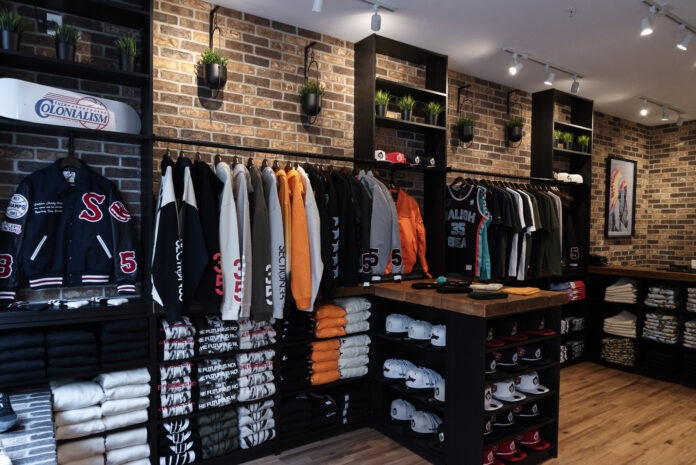
This investment marks a milestone in SECTION 35’s journey toward expanding its reach and deepening its impact in both the fashion industry and Indigenous communities, the company said in a news release.
“Founded by Justin Jacob Louis, SECTION 35 is more than just a streetwear label—it’s a movement that merges contemporary fashion with Indigenous culture and history. Known for its bold designs, meaningful storytelling, and collaborations with Indigenous artists, SECTION 35 has gained widespread attention for breaking boundaries and reclaiming space for Indigenous voices in the global fashion scene,” said the company.
It said the partnership with Raven will fuel SECTION 35’s growth plans, allowing the company to scale its operations, enhance its product offerings, and expand into new markets. This investment also aligns with Raven’s mission to foster the success of Indigenous enterprises that drive positive social, cultural, and environmental impact.
Justin Jacob Louis
“We are incredibly excited to partner with Raven Indigenous Capital Partners,” said Louis. “Raven’s belief in our company and its vision, through this investment, will allow us to continue honouring our people and culture through fashion, while building a sustainable, thriving business that reflects our values. With Raven’s support and partnership, we believe that the best is yet to come.”
Sean McCormick
“SECTION 35 represents the future of Indigenous entrepreneurship—innovative, culture-driven, and impactful,” said Sean McCormick, General Partner at Raven. “Our investment reflects our belief in Section 35’s ability to reshape perceptions of Indigenous fashion while creating real opportunities for Indigenous artists, creators, and communities. We are proud to be part of this next chapter.”
SECTION 35 said it remains committed to amplifying Indigenous perspectives in fashion and supporting community-focused initiatives. With Raven’s investment, SECTION 35 said it will also explore new ways to give back, uplift Indigenous youth, and create lasting social impact.
The brand was founded in Vancouver and is currently based in Chilliwack, BC. It blends contemporary fashion with Indigenous storytelling, art and culture. It was founded in 2016 with a mission to honour and amplify Indigenous art, fashion and culture through high-quality, stylish clothing designed for all. The company is currently planning an expansion into a new location at District 1881 to offer a better retail experience for its customers. The new location is expected to open in early November.
Raven Indigenous Capital Partners is a Vancouver-based venture capital firm that invests in innovative, scalable, and culture-driven Indigenous businesses. Raven’s mission is to empower Indigenous entrepreneurs who are generating positive social, environmental, and economic outcomes. By investing in Indigenous-led enterprises.
Musician and entrepreneur Rihanna attends an event for her lingerie line Savage X Fenty at the Westin Bonaventure Hotel in Los Angeles on Aug. 28, 2021. (Jordan Strauss/Invision/AP)
Over the past decade, there has been a significant rise of celebrity brands. Recent data from NielsenIQ, a global marketing research firm, shows just how significant this boom has become.
Celebrity beauty brands collectively achieved $1.1 billion in sales from November 2022 to November 2023. Interestingly, these brands experienced a growth rate of 57.8 per cent, far outpacing the overall beauty category’s growth of 11.1 per cent during the same period.
Celebrity brands are products or services created, endorsed or owned by famous individuals who leverage their fame to influence consumer decisions. With the rise of social media and the emergence of digital celebrities, these celebrity brands have become increasingly prominent.
On the surface, the appeal seems straightforward for both celebrities and consumers. Celebrities use their influence to develop brands that bypass the typical awareness stage, entering consumers’ consideration immediately upon launch.
Consumers, in turn, expect that a celebrity they admire will offer high-quality products that resonate with their preferences and values. However, this trust can quickly erode when products fail to meet expectations.
There are three key reasons that can often lead to the downfall of these ventures: product quality, authenticity and misalignment of positioning with the target market.
Selena Gomez poses at the Rare Impact Fund Benefit, on Oct. 4, 2023, at Nya Studios in Los Angeles. Her makeup brand, Rare Beauty, is one of the most successful celebrity beauty brands, making $350 million in 2023. (AP Photo/Chris Pizzello)
Consumers expect that products endorsed by their favourite celebrities will live up to a high standard. When this expectation is not met, trust is quickly eroded. This falls in line with the expectation confirmation theory, which suggests consumer satisfaction is shaped by the relationship between initial expectations and the actual performance of the product.
An example of this is Kylie Jenner’s skincare brand, Kylie Skin, which came under fire shortly after its launch for promoting a walnut scrub. Skincare professionals and consumers criticized the product, for being too harsh for the skin and potentially causing microtears. This raised questions about the product safety and hurt the brand’s reputation early on.
Consumers expect products to deliver on promises, and if quality is lacking, no amount of celebrity endorsement can save the brand.
The value of authenticity
Younger consumers especially value authenticity in celebrity brands. Consumers are increasingly drawn to brands that feel like a true extension of the celebrity’s personal brand and values.
When a brand feels disingenuous or disconnected from the celebrity, it often results in strong backlash. Given the heightened expectations surrounding celebrity-backed ventures, any perceived inauthenticity tends to amplify negative word-of-mouth, even more so than traditional brands.
For example, in the case of Millie Bobby Brown’s Florence by Mills, the brand faced early challenges, particularly regarding its authenticity and the quality of its marketing.
Shortly after its 2019 launch, Brown was criticized for faking a skincare routine video in which she appeared to mimic applying her products without actually using them. This misstep raised doubts about her involvement in the brand and its authenticity, leading to public backlash.
Misalignment between what celebrities think their target market wants and what the market actually desires can severely impact a brand’s success. An example of misalignment in brand positioning is Jessica Alba’s Honest Beauty.
Initially launched as part of the Honest Company, which focuses on safe, non-toxic baby products, Honest Beauty faced challenges when it expanded into skincare. Issues like the 2015 sunscreen backlash where consumers reported sunburns despite using the product, and other allegations of misleading product claims, eroded trust.
Additionally, while the brand was positioned as eco-conscious and affordable, some premium-priced products alienated a portion of the target audience, creating a disconnect between its mission and consumer expectations.
In essence, successful brands must align their positioning — how the brand is perceived in the minds of the consumers — with the celebrity’s image and their audience’s expectations to avoid such challenges.
The future of celebrity brands
As the market continues to evolve and consumers become more discerning about the products they buy, the success of celebrity brands requires more than just star power these days. The era of slapping a famous name on any product and expecting it to sell is over.
With the market becoming increasingly competitive, longevity is now a critical measure of success. While some brands may enjoy an initial boost of interest upon launch, the real challenge lies in sustaining that momentum over time.
To stand out in today’s crowded marketplace, celebrity brands must demonstrate substance, quality and purpose. Today’s consumers are looking for brands that go beyond the surface, offering consumers real value, authenticity and a commitment to social responsibility. Celebrity brands must work to prove their worth and longevity to consumers.
As we move forward, the focus will shift from the sheer number of celebrity brand launches to which ones are truly deserving of consumers’ trust in a space that continues to be increasingly competitive.
Omar H. Fares is a lecturer of Marketing in the Lazaridis School of Business and Economics, Wilfrid Laurier University.
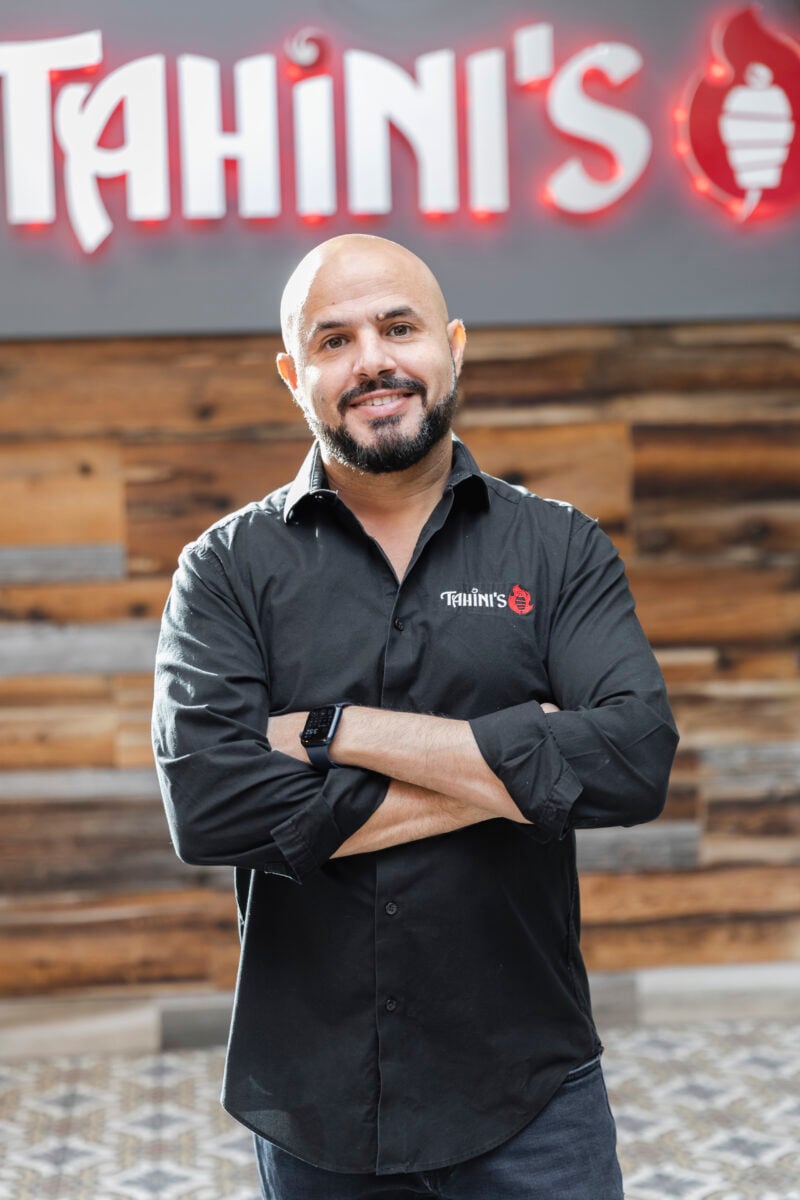
Tahini’s Restaurants, renowned for its Mediterranean fusion cuisine and recognized as one of Canada’s fastest-growing restaurant chains, has unveiled a major expansion plan after hitting a milestone 50th store opening in the country.
“We are thrilled to bring the unique flavours of Tahini’s to more communities across Canada and the United States,” said Omar Hamam, Founder and CEO of Tahini’s Restaurants. “Our 50th store opening is just the beginning of what’s to come. We are poised for double-digit growth in 2025 as we continue our rapid expansion and bring our beloved dishes to new regions.”
What began as a single, small restaurant in London, Ontario, has evolved into a thriving franchise celebrated nationwide. The opening of Tahini’s 50th store marks a significant milestone in the brand’s rapid growth and unwavering dedication to delivering exceptional dining experiences across North America, said the company. Building on this momentum, Tahini’s is set to launch 10 new locations by the end of 2024, including a second location in Ottawa, an expansion into Edmonton and new stores in North Vancouver and the Mainland region set for early 2025. Hamam said another 50 are expected to open next year.
The brand is in BC, Alberta and Ontario. It is talking with people in Saskatchewan, Manitoba and the East Coast.
Hamam said the brand is set to debut in the United States with several East Coast locations on the way, marking a bold step forward in its vision to become a leading brand in the North American restaurant market. Within the next year, he hopes to open six locations within the next year – New Jersey, Washington, Alabama, Orlando, Austin.
“I think the States is a very exciting market. It’s where all the magic happens as well.”
“We sell Mediterranean fusion cuisine. It’s not just Mediterranean food as in shawarma but it’s also infused with Indian cuisine. For example, a butter chicken shawarma or the Jamaican cuisine like the Jamaican jerk chicken shawarma,” said Hamam.
The company’s first franchisee opened in 2020 during COVID. Today, of the 50 locations, all of them, but two, are operated as franchises.
The 50th store opened recently in Edmonton, debuting in the Alberta city.
“Our offerings are very unique. We don’t sell just shawarma’s. Our food is very delicious and good. Canada is a very diverse culture and this is how the idea came first. So you always look at your customer and say okay what does the customer want, not what do you want to sell,” explained Hamam. “I thought Canada was a meltiing pot for all cultures. So I thought why don’t we make the concept a melting pot for all cultures. That’s when we came up with the flavours, different cuisines, infused with the Mediterranean concept.
“I think it was a great success because it proved that people loved these flavours. They loved the butter chicken shawarma. They loved the Jamaican jerk. And we’ve also gone and done things that were completely outside the box.”
Tahini’s is set to amplify its presence across Canada and the United States with ambitious plans for global expansion. The brand is projected to double its footprint, aiming for a total of 100 restaurants by 2025.
Hamam said today’s consumer wants to eat healthy and flavourful food.
The company also operates Tahini’s Kitchen within select FreshCo locations, a Sobey’s banner, and offering a selection of Tahini’s retail packaged products through select grocers. The brand has been fueled by nearly two billion views across all of its social media channels.
“Our social media is explosive. We have YouTube and TikTok followers more than almost any chain out there. We connect with the customers through our videos and our food,” said Hamam, adding there’s a combined five million followers of the brand on social media.
He attributed the success of the social media videos to the fact they are funny and the brand is having some fun with them as opposed to just sharing photos of food.
“People want to see funny things. So we just try to be as funny as possible and we try to give consumers an emotional connection with the brand.”
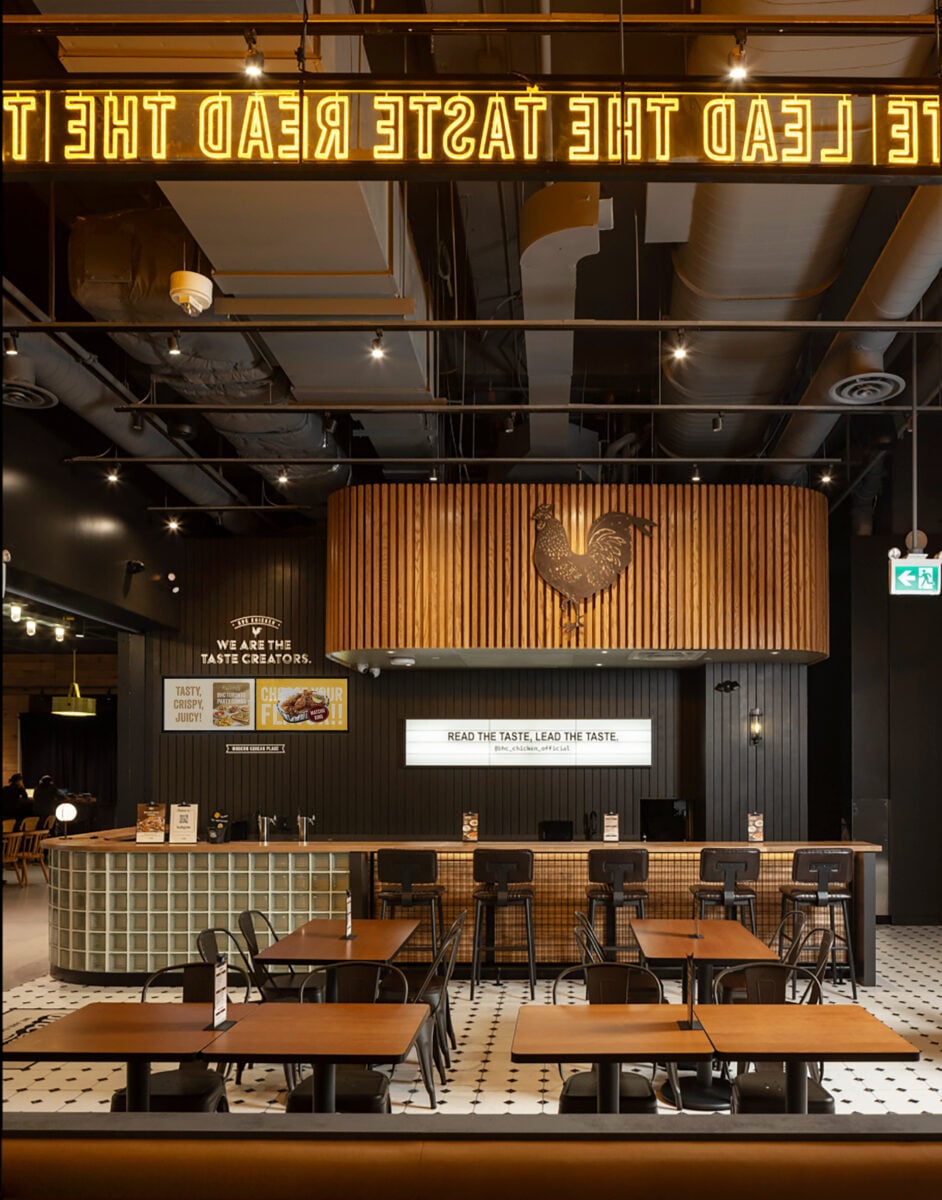
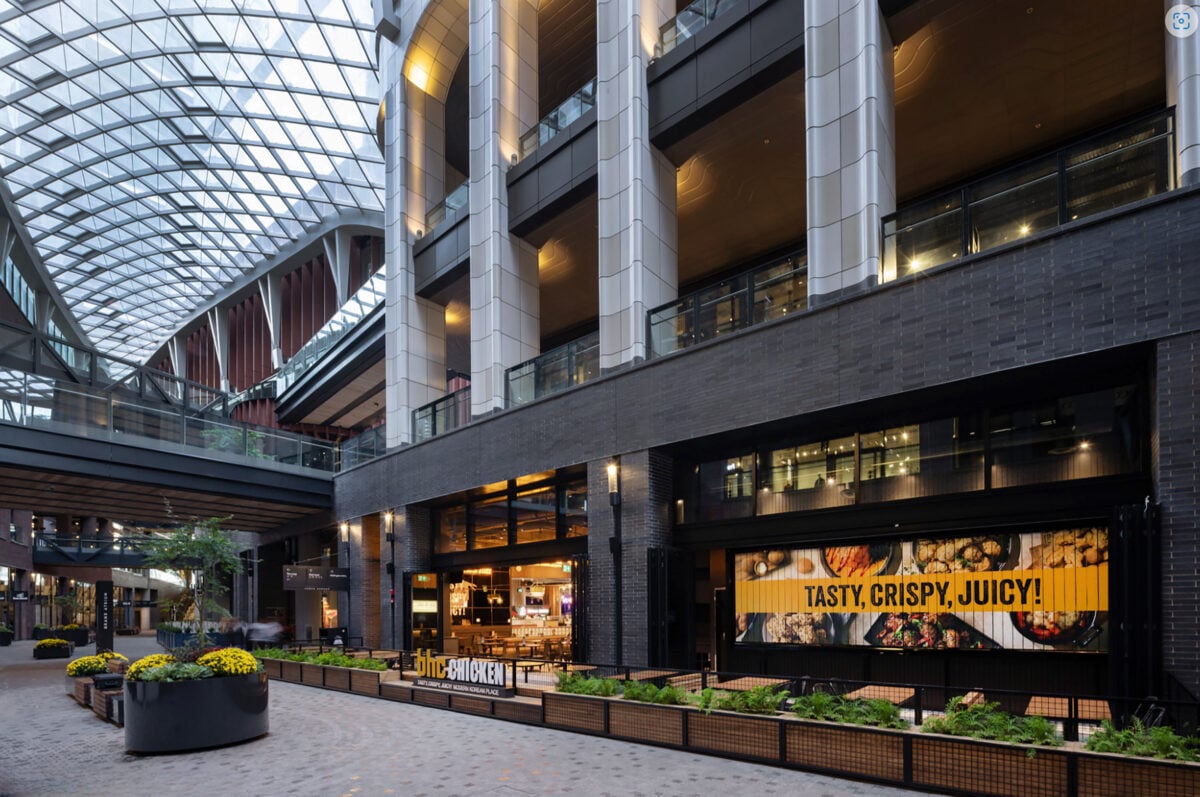
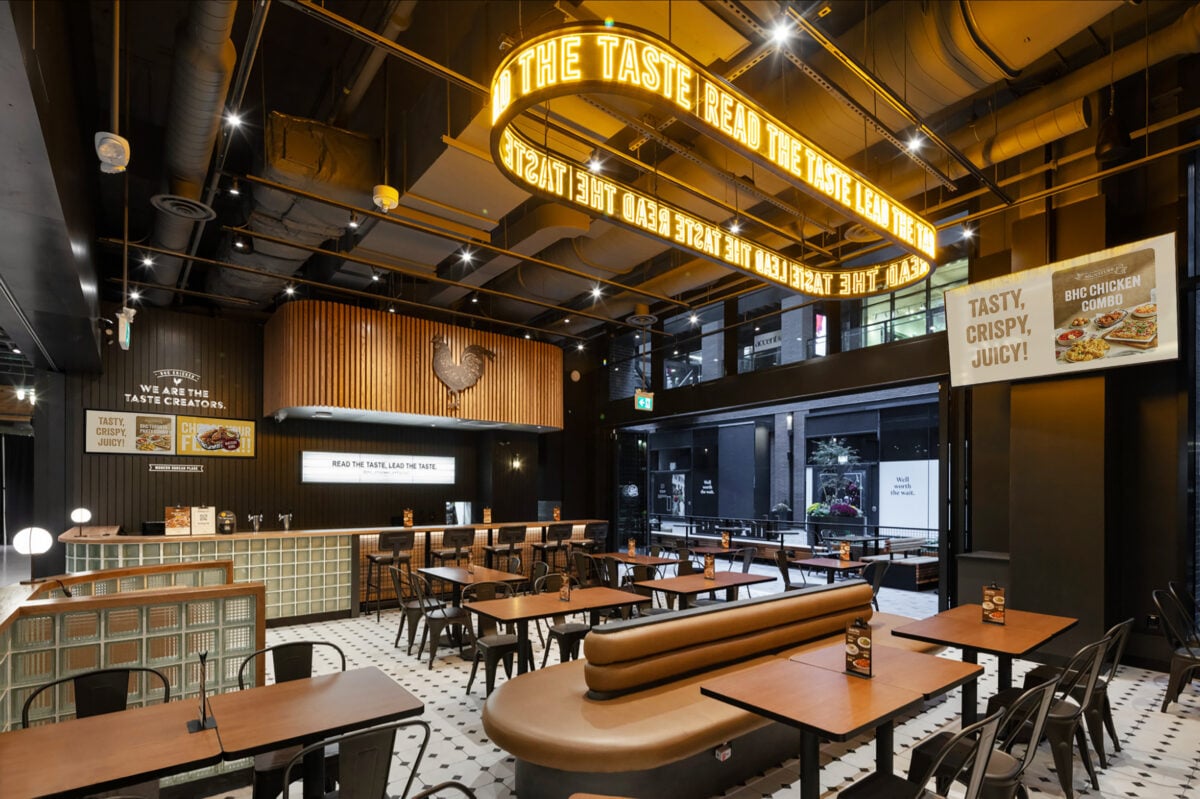
BHC Chicken at The Well in Toronto. Photo: BHC Chicken
Dining Brands Group (formerly BHC Group), a leading Korean food and beverage company known for its diverse portfolio of brands, has launched its first North American flagship store for its renowned fried chicken brand, BHC Chicken at The Well, located at 486 Front St W, Toronto.
David Song
David Song, CEO of BHC Chicken, said it is Korea’s leading chicken brand.
“Just over 10 years ago, BHC Chicken ranked around 10th in the industry, but through continuous innovation—such as developing new menu items and practicing cooperative management with franchisees—it has grown rapidly. In 2022, BHC Chicken surpassed $400 million in sales for the first time, becoming the No. 1 brand in the industry. Last year, it maintained its top position in sales for the second consecutive year, firmly establishing itself as Korea’s premier chicken brand,” he said.
“BHC Chicken has made three promises to achieve customer satisfaction on its way to the top: “Better taste,” “Better cleanliness,” and “Better service.” First, to offer “better-tasting” chicken, BHC Chicken focuses on developing new menu items. Each year, the brand releases more than two new menu items, providing customers with exciting new flavors while giving franchisees opportunities to boost sales.
“One such innovation is BHC Chicken’s signature menu, “Bburinkle,” which revolutionized the chicken industry. Following this success, BHC introduced other hit items like “Matcho King,” “Gold King,” “Mabeokle,” and the popular “Cheese Balls,” writing a success story of iconic dishes in Korea’s chicken industry. BHC Chicken continues to develop innovative menu items through relentless research at the BHC Group’s R&D centre.”
BHC stands for “Better Happier Choice.”
Song said the company operates about 2,200 stores in South Korea and a total of 23 global stores across six countries, including Canada, the United States, Hong Kong, Singapore, Malaysia, and Thailand. The Toronto flagship restaurant is BHC’s first location in Canada.
“Toronto is the largest city in Canada and serves as the country’s economic and cultural hub. It is also one of the largest financial cities in North America,” he said.
“The Toronto store is approximately 2,560 square feet and has around 90 seats. The Well is located in a newly trending area in downtown Toronto, making it a hot spot.
“We are currently seeking potential locations for additional openings. Company-owned stores will be limited to flagship locations, with plans to expand through franchising in the future.”
The Toronto restaurant will be serving the brand’s signature fried chicken dishes such as Bburinkle and Matcho King, along with popular Korean foods like Tteokbokki. The menu will also include items tailored to local tastes, such as Chicken Lasagna, Sandwiches, and Poutine, to cater to the Toronto market.
Dining Brands Group Co., Ltd. is the new name for BHC Co., Ltd., a global comprehensive dining company that operates various brands including the casual dining restaurant Outback Steakhouse, the premium Korean beef specialty restaurant Changgo 43, Korea’s leading chicken brand BHC Chicken, and other brands such as Keunmam Halmae Koean Restaurant and Super Duper. By the end of this year, it plans to operate 30 stores in seven countries, with further expansion to 500 stores across 11 countries within the next five years.
“Fried chicken, with its juicy and tender meat, rich flavors, and crispy coating, creates an ideal balance of taste that is loved not only in Korea but worldwide. BHC Chicken’s fried chicken is a timeless favourite, enjoying steady popularity both domestically and internationally. It is particularly well-received in countries like the United States, Singapore, Thailand, and more. In addition, BHC Chicken’s “Hot Fried Chicken,” a product developed with the brand’s unique technology, has seen a surge in sales in the Korean market. Without any sauce, “Hot Fried Chicken” uses a spicy seasoning to create a distinctive, bold flavor, appealing to consumers who prefer a crispy, spicy fried chicken without sauce,” said Song.
“Lastly, BHC Chicken’s “Bburinkle,” an innovative product that set a new trend in the chicken industry, remains the top-selling item, enjoying overwhelming popularity. First introduced to the Korean market in 2014, “Bburinkle” is celebrating its 10th anniversary this year. This new-concept chicken, featuring a special cheese seasoning developed by BHC Chicken, is paired with a sweet-and-sour “Bburinkle” dipping sauce, offering a fun and unique eating experience. By creating a new category in the Korean chicken market, previously dominated by traditional fried and seasoned chicken, “Bburinkle” continues to receive immense love to this day.”
Retail Insider is streamlining its Canadian retail news from around the web to include a handful of top news stories that can be viewed quickly during the day. Here are the top stories from the past 24 hours.