Advertisement
Home Blog Page 561

Loblaw and Walmart Could be Forced to Adhere to Grocery Code of Conduct with Legislation [Op-Ed]

Walmart Canada at Hillside Shopping Centre in Victoria, BC (Image: Walmart Canada)

The Parliamentary Committee in Agriculture in Ottawa has embarked on a mission to address the rising food prices, extending an invitation to both Loblaw and Walmart. In a letter from the committee to both Loblaw and Walmart sent on Friday, Ottawa urges both retailers to voluntarily comply with the proposed grocer’s code of conduct or risk facing legislative action. In other words, Canada is on the verge of adopting a government-coordinated, industry-led mandatory code—a development that heralds good news for Canadians, though many may not yet realize its significance.

Unprecedented unity among all political factions underscores the grocer’s code of conduct as a pivotal tool for stabilizing food prices over time. This code aims to furnish food companies with a safe harbour for dispute resolution through a designated secretariat, offering an alternative to the current norm where companies have no recourse but to endure unfavourable conditions. Its focus is not on dictating prices but on ensuring fair contractual practices for all entities involved, including startups, farmers and small family-owned food processors, thereby offering much-needed financial predictability to suppliers. The industry, plagued by unilateral decisions and broken agreements by grocers, stands to gain from the equitable playing field this code promises.

Loblaw Empress Walk (Image: Dustin Fuhs)

The code’s introduction might seem paradoxical to staunch free-market advocates and Conservatives who typically view government intervention with skepticism. Companies like Walmart and Loblaw, having achieved their market dominance through strategic decisions, are often celebrated for their success. However, the issue at hand transcends their accomplishments.

The food industry is distinct for two primary reasons: Firstly, it operates on razor-thin margins across the entire supply chain, necessitating meticulous planning and coordination. Secondly, the power dynamics are skewed, with suppliers needing to pay substantial fees to grocers for the privilege of doing business with them. It doesn’t work that way in other sectors. This dynamic has bestowed upon grocers’ significant gatekeeping power, influencing the market to their advantage.

This dominance has not only stifled competition but has also marginalized independent grocers, particularly affecting Canadians in smaller towns by limiting their access to nearby stores. The upward trend in grocery fees, primarily driven by Loblaw and Walmart, exacerbates the challenges for suppliers and independent grocers alike.

It’s crucial to understand that the code’s goal is not to reduce prices—such expectations would be fanciful—but to mitigate price volatility, a pervasive issue that overshadows the more fundamental problem of food inflation. While higher prices are concerning, it’s important to recognize food inflation as a normal economic phenomenon, essential for businesses to thrive and ensure the safety of food products. Achieving a food inflation rate of 1.5% to 2.5%—a range last seen in the summer of 2021 and anticipated to return by year’s end according to Canada’s Food Price Report forecast—is ideal.

Price volatility, exacerbated by increased grocery fees and the manipulation of prices around blackout periods, remains a significant concern if the aim is to reduce price volatility. Although the code may not eliminate these practices, it is poised to reduce their impact on retail food prices significantly.
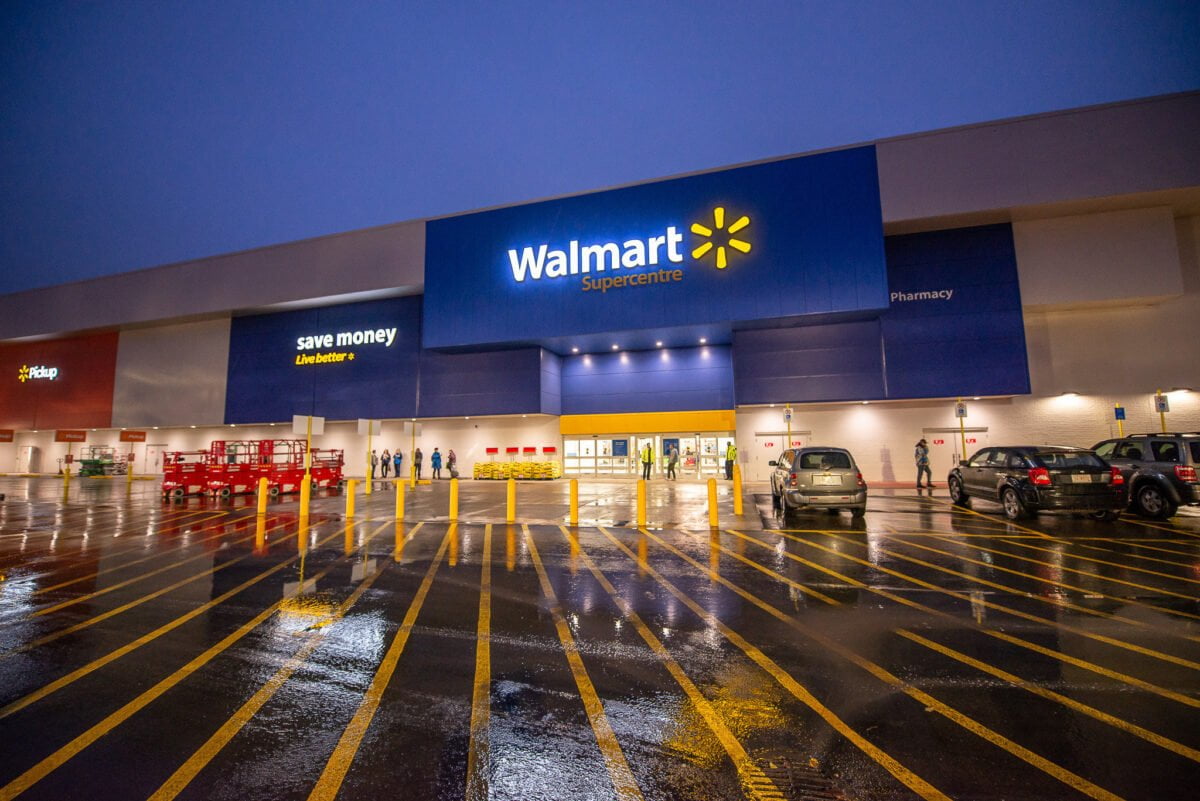
Walmart Canada Edmonton Kingsway Walmart Supercentre in Alberta (CNW Group/Walmart Canada Corp.)

Moreover, the code promises greater transparency within the food chain. An annual report by the secretariat, detailing compliant companies and highlighting those failing to adhere, introduces an unprecedented level of accountability in Canada’s food industry.

While the grocer’s code of conduct may initially seem counterintuitive to some, its benefits for consumers, suppliers, and the overall market cannot be overstated. It represents a step towards a more equitable and stable food industry in Canada.
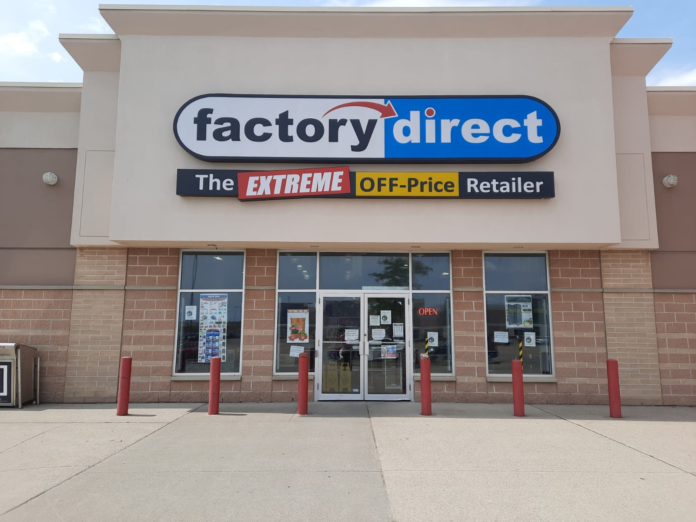
Factory Direct to Shut All 14 Stores Amid Bankruptcy, Liquidation to Begin Saturday

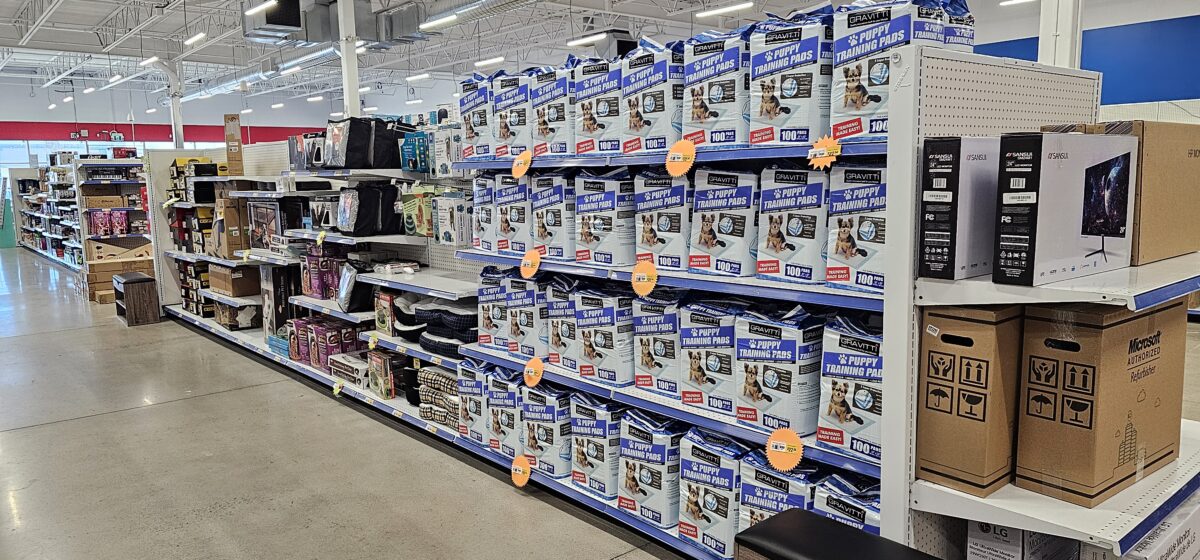
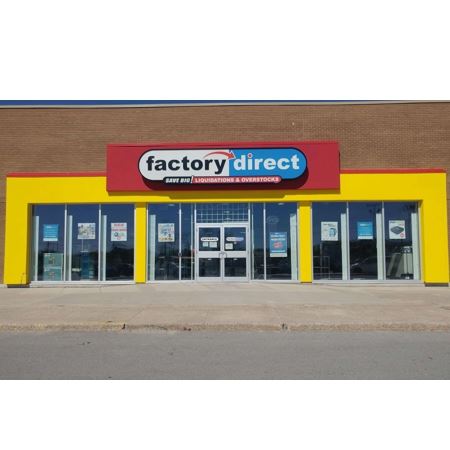
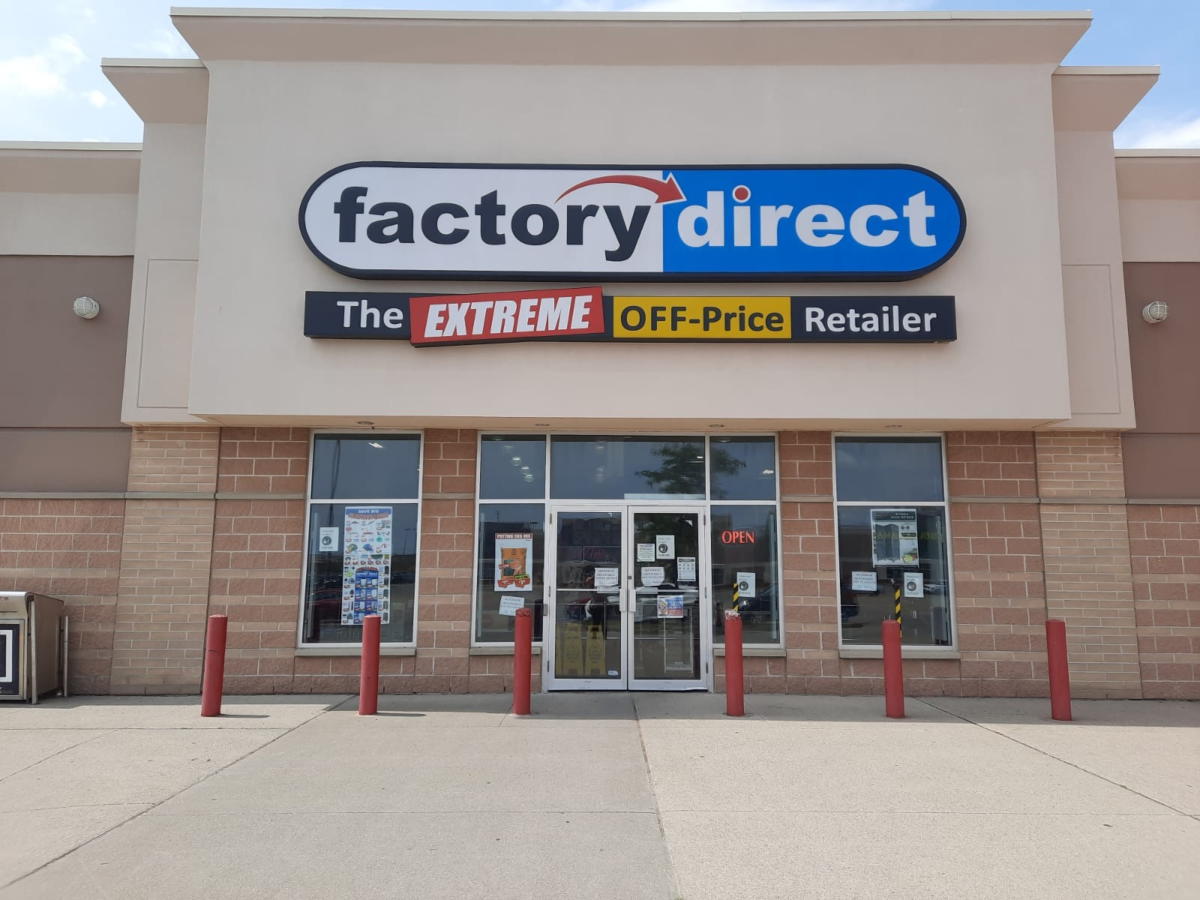
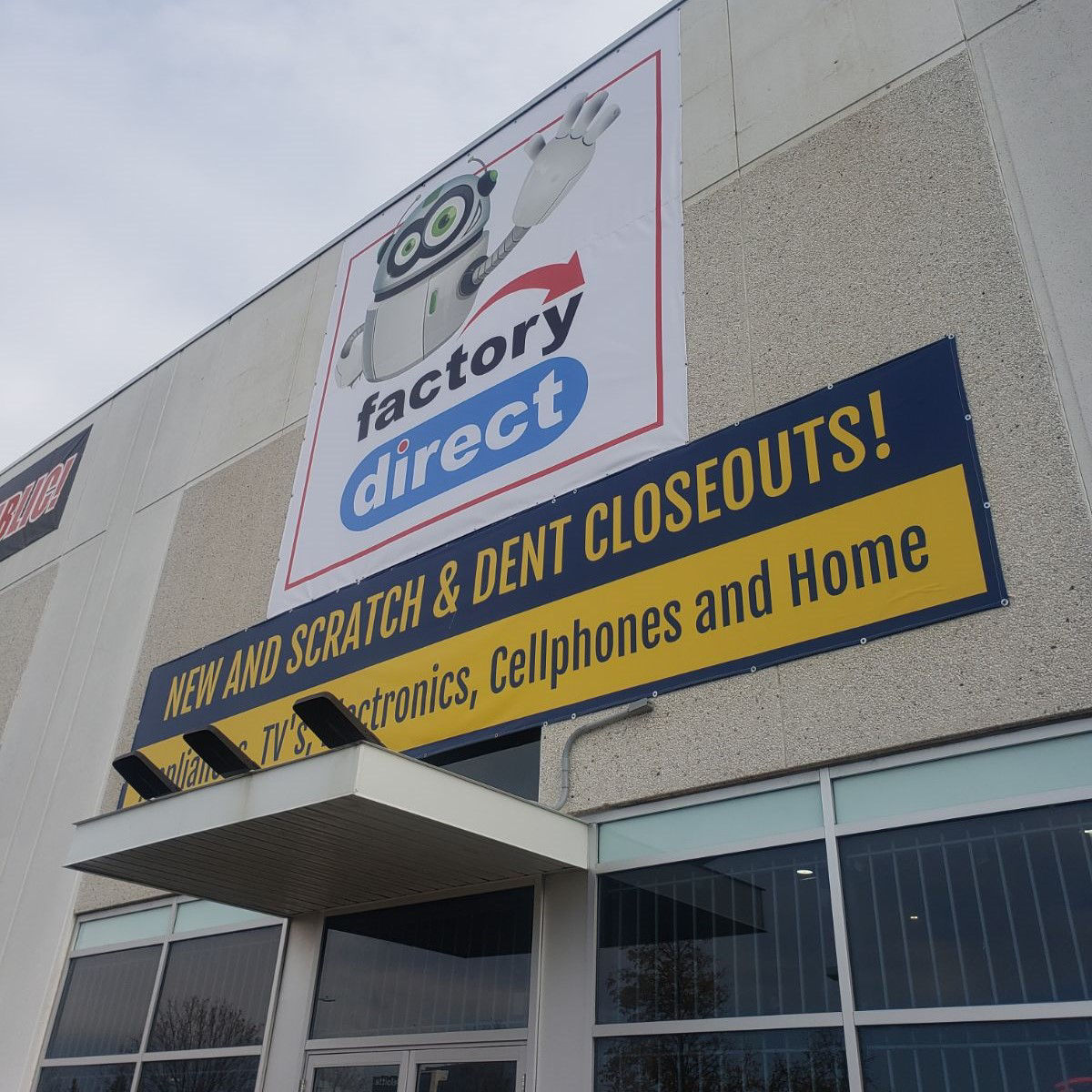
Factory Direct Niagara Falls (Image: Factory Direct)

Vaughan, Ontario-based discount retailer Factory Direct’s 14 stores are closing with liquidation sales beginning this weekend. Factory Direct filed an NOI under the Bankruptcy and Insolvency Act on February 7th and court approval on Thursday gave the green light to liquidate the chain.

Factory Direct said in filed court documents that it had struggled with declining sales and increased costs following the pandemic. The retailer listed liabilities of about $3.5 million as part of its filing, including approximately $1.6 million in termination and severance pay owed to its employees.  High economic inflation and increased minimum wage requirements resulted in significantly increased overhead costs for the company, which failed to see sales increase enough to make the business profitable. The company lost about $1.7 million for the 11 month period ending November 30, 2023, according to court documents. 

Much of Factory Direct’s merchandise also falls under the ‘non-essential’ category, including such things as televisions and mobile phones. Demand for these goods has decreased recently with an economic slowdown in Canada, including reduced consumer spending on non-essentials. Increasing inflation and housing costs are squeezing many Canadian households, which have shifted spending as a result. 

Photo: Factory Direct

Online marketplaces and related increased competition were also to blame for Factory Direct’s demise, according to filed bankruptcy documents, including wholesalers entering the direct-to-consumer business. 

Factory Direct’s 14 stores are all in southern Ontario, and many are month-to-month leases according to court documents. The large-format stores span as large as 14,000 square feet each. Stores are located in the Greater Toronto Area as well as Ottawa, Barrie, Brantford, Hamilton, Kitchener, London, Niagara Falls, and Windsor. At one time, the chain had 24 stores in Ontario and hundreds of employees. Part of the bankruptcy proposal includes compensation for employees under the Wage Earner Protection Program, as funds likely won’t cover what’s owed to the 200 remaining employees of the company following the bankruptcy. 

On Thursday, February 15, an Ontario judge approved a consulting agreement for the liquidation of Factory Direct, which will be handled by  A.D. Hennick & Associates Inc. and Danbury Global Ltd. Liquidation sales at stores begin the morning of Saturday, February 17. A wide range of products are available from major brand names with cell phones, computers, appliances, TV and home theatre, furniture, speakers, kitchen and other items. Brand names include Apple, Samsung, LG, Dell, Panasonic, Cuisinart, Danby and others. 

Image: Factory Direct
Photo: Factory Direct

Alex Hennick of A.D. Hennick & Associates said in an interview that Factory Direct was a terrific retailer, and that the business had struggled financially due to a variety of factors and as a result, is no longer viable. It’s an unfortunate situation that he said will become more commonplace with more retailer bankruptcy filings expected this year. Hennick said that he’s receiving considerably more calls this year than last from retailers struggling and looking to potentially file/liquidate, which indicates a concerning trend that we’ll be reporting on further in Retail Insider. 

Image: Factory Direct

Additional Images from FactoryDirect.ca

Store Images Pre-Closing

Factory Direct Barrie
Factory Direct Brampton
Factory Direct Brantford
Factory Direct Hamilton
Factory Direct Kitchener
Factory Direct London
Factory Direct Neapean
Factory Direct Niagara Falls
Factory Direct North York
Factory Direct Oshawa
Factory Direct Ottawa
Factory Direct Scarborough
Factory Direct Windsor
Factory Direct Woodbridge

What to Expect for the Canadian Retail and Hospitality Sectors in 2024 [Video Interview]

Image: Tourism Calgary

The Canadian retail sector in 2024 is a page out of a Charles Dickens novel where we had the best of times with robust consumer real estate construction and leasing activity with new retail brands expanding in the Canadian market along with sales surges in the luxury and value sectors, says Michael Kehoe, Broker/Owner of Fairfield Commercial Real Estate in Calgary.

Michael Kehoe

“Certainly the best of times in Alberta continue with significant population growth driving new household formation and retail and restaurant sales,” he said.  

“Charles Dickens would agree that it’s also the worst of times for some retailers as it was a mild fall and winter in some parts of the country and for many this resulted in underwhelming and lacklustre sales performance. Retail sales were up in some sectors but disappointing in others.”

Winners at The Norman Block in Calgary (Image: Fairfield Commercial Real Estate)

Kehoe said many retailers are challenged with controlling their overhead, particularly the cost of wages and salaries, escalating rents and occupancy costs. Other challenges continue like interest rates, supply chain issues, the payback of pandemic era government loans, slimmer tenant improvement incentives and now rising theft and shrinkage. There is definitely a flight to quality locations across the retail spectrum.  

“The major challenge in 2024 will be catching the consumer’s attention amid the noise of doom and gloom in the media with recessionary talk and geo-political events that include two wars. Consumer confidence is critical,” he said.

“The concept of organized retail over the past 900 years has evolved into what we now refer to as shopping centres and here we are in 2024 and it’s a landlord’s market. No surprise there. Over my 47 years in the industry, I can say that the pace of change at this time is unprecedented. The ability of today’s sophisticated shopping centre owners to quickly cycle space to new and fresh retail and food service concepts is impressive. This ensures that shopping centres remain relevant to the shopper with fresh offerings and experiences are available for consumers who have many shopping and dining options.”  

Kehoe said he is expecting 2024 will be a year of robust leasing activity, constant churn stores and restaurants coming and going.  

“On the human capital side of the business as a consumer real estate broker, I see many of my industry colleagues that have jumped ship, changed firms, walked the plank or just faded away. In retail brokerage there was a significant shuffling of the deck as brokers and sometimes entire teams changed firms or created new ventures. The large brokerage firms absorb smaller firms and compete for market share. Many of the big national brokerage firms know that it takes more than a big brand acronym and a fancy website to retain talent and stay competitive,” he said.

“One final point to make; watch for the emergence of “Net Zero Retail” in shopping centre construction and retail store and restaurant build outs. This is sure to drive up costs.  

Future Mad Radish and Renovated Starbucks at Yonge & King in Toronto (Image: Dustin Fuhs)

“The retail and food service business is a Darwinian struggle at the best of times. It’s no longer a matter of survival of the fittest. It’s survival of the innovative, the quick to adapt to change and new trends. As shopping centre landlords focus on tenant financial covenants, 2024 is the year of the survival of the financially stable.”

In this video interview, Michael Kehoe, Broker/Owner of Fairfield Commercial Real Estate in Calgary, discusses how 2024 is shaping up in the world of retail real estate, the challenges facing Canadian retailers and the food and beverage industry, where do we go from here and the trends to watch for this year, why it’s a landlords’ market today, and why it is still appealing for entrepreneurs to start up new businesses despite the challenges.

Connect with Mario Toneguzzi, a veteran of the media industry for more than 40 years and named in 2021 a Top Ten Business Journalist in the world and the only Canadian – to learn how you can tell your story, share your message and amplify it to a wide audience. He is Senior News Editor with Retail Insider and owner of Mario Toneguzzi Communications Inc. and can be reached at mdtoneguzzi@gmail.com.

The Video Interview Series by Retail Insider is available on YouTube.

Interviewed this episode:

Like, Share and Subscribe to Mario Toneguzzi on YouTube!

Follow Mario:

Also check out the other series offered by Retail Insider, including The Weekly podcast and The Interview Series, which are both available on Apple Podcasts, Stitcher, TuneIn, Google Podcasts, or through our dedicated RSS feed for Simplecast and other podcast players.

Follow Retail Insider:

Share your thoughts!

Anatomy of a Leader: David Lui, CEO of Kit and Ace and Co-Founder of Unity Brands

Anatomy of a Leader David Lui, CEO of KIT + ACE

Retail has been part of David Lui’s DNA from a very young age.

David Lui

“I was born and raised in an entrepreneurial family. My dad immigrated here to Canada,” said Lui, who is CEO of Kit and Ace and Casca Designs, and co-founder of Unity Brands. “I was inspired by what he was doing. He was running retail like grocery, restaurants. Somewhat typical of an immigrant family. 

“I was inspired and I just thought I want to get into the business. So what I did when I was 18, at that time there was a huge influx of folks from Hong Kong coming into the city, and I wanted to do something that was relevant to them. So I just made cold calls into Hong Kong to some companies to a fax machine. Received their response. Flew over there to negotiate. I won exclusive licence for a Hong Kong-based brand and brought it into North America.

“So I started opening my own freestanding stores. I had 12 stores. Six stores in Vancouver. Six stores in Toronto. Had a great 10-year run with it. Women and men’s apparel built more around the casual and work inspired and it was a very popular brand in Hong Kong at the time. My motto was let me bring something from their home to their new home in BC and Canada. That was my vision.”

Eventually, he moved out of the business due to some issues with a partner, took six months off and then went into corporate life.

David Lui (Photo: Andrew Marek – Supplied by David Lui)

Lui was born and raised in North Vancouver. 

“At the young age of 18 I had the decision of to either go post-secondary or go into business. So I just decided to go into business. I was too impatient. I wasn’t a fan of school. So I didn’t pursue school.”

He did however go back to school and received his Executive MBA in 2013 from the Ivey Business School at the University of Western Ontario.

Lui is a co-founder of Unity Brands, a company he formed with Joe Mimran and Frank Rocchetti. Unity Brands acquired Kit and Ace and Casca footwear. The company also purchased Mastermind Toys. He is also the co-founder and CEO of Motive Brands Collective, a company that specializes in investing in emerging consumer brands.

Lui has an extensive background in retail with over 30 years of retail and marketing experience and is known for his award-winning brand transformations, e-commerce and digital knowledge along with his passion for scaling businesses.

David Lui from Business in Vancouver Article, November 25th, 2003 (Photo: Dominic Schaefer – Supplied by David Lui)

He has worked and led many retail brands including Theme, Esprit, Mark’s, SportChek (Canadian Tire Corporation) and most recently, he was the CEO at Korite International. In 2022, he was ranked 11th in the Global CEO Awards. His portfolio includes being named CEO of one of the Fastest Growing Companies in Canada (2x), Fastest-Growing Company in British Columbia, Canada (2x), winner of Canada’s BDC Young Entrepreneur Award, and a Business in Vancouver Forty under 40.

“My parents being in retail it was just something I fell in love with,” said Lui. “Quite frankly I’ve never left retail. I just love the pace of it, the energy, ever-changing. I’m a bit of an adrenaline junkie – one that takes some risks.

“I tried my hand into software, marketing for software, there’s some transferable skills from a marketing perspective but I missed the action of retail. Quite frankly, I missed the action of apparel. I love the fashion. I love trends. I love how people dress. What is casual. What is formal. I just love apparel.”

Lui said his father taught him a lot as a young kid. How to stock shelves. How to stock milk. How to cut vegetables. He would accompany him on buying trips at wholesalers or auctions. 

“I was working the cash desk at a very young age. I just loved it. Meeting people with the customer on the floor. My dad taught me well. I think my dad probably wanted me to carry on the business but I decided I wanted to get into fashion,” he said.

David Lui from Richmond Review Article, December 6-7, 2003 (Photo: Chung Chow – Supplied by David Lui)

When it comes to business, Lui’s philosophy is the importance of reinventing oneself and challenging oneself.

“It’s never steady Eddie. It’s really continuously evolving. Challenge yourself. And don’t get complacent,” he said.

“Details. Be very detail oriented. If you’re an entrepreneur, you have to know your numbers. You have to know how things work. And as you progress, grow and scale, let your team do the work but have a foundation of understanding how things work that you can still stay on the pulse of it but not micro manage it.”

David Lui from Profit Magazine, June, 1996 (Photo: Perry Zavitz – Supplied by David Lui)

Lui said retail never was easy for him. Not an easy ride. It’s ever changing. Bricks and mortar to e-commerce and now a re-acceleration of bricks and mortar with an e-commerce and omni channel presence. Coming out with better product is the key.

“It’s a tough business but it’s an exciting one at the same time,” he said.

Image: David Lui

Lui is a busy man juggling all the brands these days. The busy schedule of an entrepreneur can take its toll both mentally and physically on people.

“About 13 years ago I decided I am going to get healthy,” he said. “When I went through my career in being busy, moved around quite a bit, fortunate to have an understanding wife that traveled with me, but I was 50 pounds heavier. I just decided that health was way more important.

“I decided I’ve got to get back into it, I confess. I do a lot running, cycling. That’s what I love doing. I think that calms my mind and I need to do more of that now. My kids always inspire me. At their activities and events. I would coach their soccer team. My family is definitely an electrical outlet for me because they charge me up.

“Work of course charges me up, too.”

Robotic Retail Gaining Traction in Canada, But Some Consumers are Being Left Behind [Op-Ed]

Automated retail, like this smart cart seen at a Sobeys grocery store in Oakville, Ont. in November 2019, is on the rise across Canada. THE CANADIAN PRESS/Nathan Denette

Canada’s first robotic cafe, RC Coffee, opened in Toronto in October 2020. The flagship location of the coffee chain revived the long-dormant retail concept of the automat: a restaurant where food and drinks are served by technology, rather than human staff.

The new coffee automat consisted of a touchscreen for placing orders, a window that allows customers to watch a robotic arm prepare their coffee, and a slot that dispenses the completed order.

Such new, digitally enabled forms of retail automation have been growing in popularity within Canada over the past decade, motivated as much by safety concerns surrounding the COVID-19 pandemic as perceived labour shortages in the service sector.

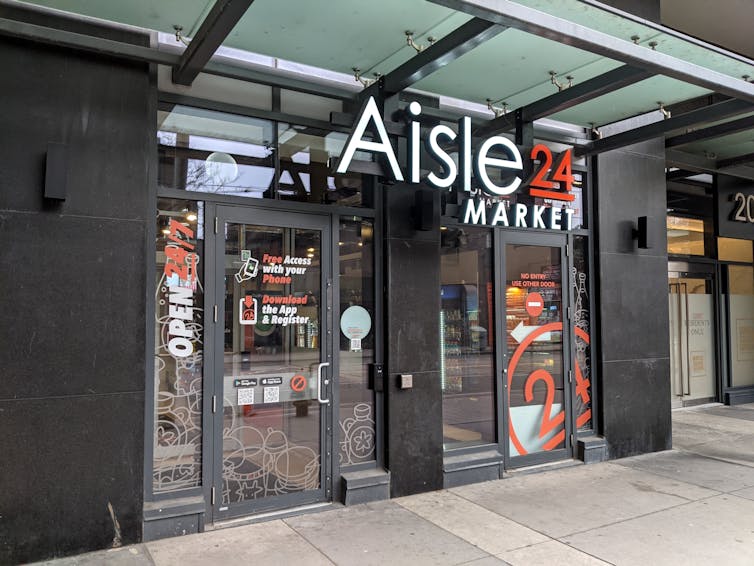
Toronto has seen the arrival of numerous autonomous business concepts, ranging from Aisle 24’s cashier-less grocery stores to PizzaForno’s 24/7 pizza vending machines.

As of the writing of this article, there are at least 10 coffee automats, six automated pizzerias and 14 unstaffed convenience stores within Toronto — and even more in the Greater Toronto Area.

There are currently ten RC Coffees in Toronto, including this one inside of Dundas Station, one of the busiest subway stops in the city. (Mathew Iantorno)

These novel businesses often emphasize unparalleled convenience enabled by innovative new technologies. As RC Coffee advertises on their website: “our ground-breaking robotic coffee is available 24/7 and stays open every day of the year.”

Although the contactless convenience of these stores can be captivating, it’s important to pause and consider who benefits most from these innovations and who is left behind.

No card, no phone, no service

One concern is that automated stores generally operate on a cashless business model. Checkout is accomplished through a touchscreen interface paired with a point-of-sale device that only accepts debit, credit or smartphone payments.

This practice aligns with the general decline in cash usage for retail transactions in Canada — a trend that was already underway before 2020, but accelerated during the COVID-19 pandemic.

Although convenient for many, cashless checkout arrangements can prevent certain individuals from patronizing these businesses.

Those currently experiencing homelessness are often cited as the primary demographic that still relies on cash; however, it is estimated that about 15 per cent of Canadians are “underbanked,” meaning they have limited knowledge of or access to digital banking services.

Since these underbanked individuals often hail from low-income communities, they are already disproportionately burdened by the transaction fees associated with debit payments.

The Aisle 24 location at Dundas Square Gardens provides instructions for downloading the app and creating an account on the front door. Customers cannot gain entry without registering. (Mathew Iantorno)

Aisle 24 goes one step further by requiring customers to download an app and create an account to enter their unstaffed convenience stores. This not only presents an obstacle for the communities mentioned above, but also impacts seniors, who still lag behind in smartphone adoption.

Automation and accessibility

Unlike the self-checkout aisles in grocery stores, which typically maintain staff to help troubleshoot technical issues, automated stores generally have no onsite employees. This poses a potential problem should a customer require immediate assistance — specifically, assistance related to a disability.

The Canadian National Institute for the Blind notes that touchscreen payment terminals often lack haptic feedback or other accessibility features, creating a barrier for Canadians with vision loss.

Similarly, instructions for navigating these autonomous experiences — which can already be physically or cognitively challenging due to their atypical interfaces and floor plans — are predominantly provided visually through electronic signage, printed instructions and floor decals.

Contact information is typically printed on an automat, but it is often difficult to spot. (Mathew Iantorno)

Although these businesses generally provide a phone number or email address for remote assistance, the absence of onsite staff raises questions about the compatibility of unstaffed retail with the Accessibility for Ontarians with Disabilities Act (AODA).

The customer service standard under the AODA mandates that all customers should have equal access to services without having to accept more inconvenience. It specifically addresses concerns about businesses over-relying on visual displays instead of customer service.

Disappearing public amenities

Lastly, the automation of these retail locations often closes off taken-for-granted public amenities. In large North American cities like Toronto, spaces like public parks, shopping malls and subway stations are increasingly being designed without expected amenities like sitting areas, drinking fountains and public bathrooms.

These omissions are often intentional design choices made by business owners or municipal stakeholders to deter loitering, reduce maintenance costs and prevent vandalism.

The architecture of automats like RC Coffee are characterized by such omissions. The bathrooms, indoor seating and free Wi-Fi that we would normally expect from a cafe are notably absent from these locations.

Instead, the building façades have been converted into seamless interfaces for taking orders. And, in many cases, amenities were previously available at these sites but were removed during renovations.

Transition of the 160 Baldwin Street retail location over time. Note the removal of amenities, including an awning that would otherwise provide shade and shelter to passersby. (Google; Mathew Iantorno)

Historical Google Street View data reveals that the RC Coffee on 160 Baldwin Street in Kensington Market, for example, was home to two traditional sit-in cafes prior to the opening of the automat in 2021.

This general divestment from providing public amenities slots into a broader trend within Canadian urban planning towards defensive architecture, often disproportionately targeting youths and those experiencing homelessness.

As unstaffed stores continue to displace traditional businesses, residents are being gently discouraged from spending time in public spaces outside of brief commercial transactions. Beyond simply being an issue of customer service, this move towards automation signals a significant transformation in how we interact with our cities and each other.

This article is republished from The Conversation under a Creative Commons license. Read the original article.

By Mathew Iantorno, Doctoral Candidate in Information, University of Toronto

Oakridge Park Announces 1st Luxury Retailers, Attracting Top Brands to Vancouver [Podcast]

Oakridge Park Announces Luxury Retail Expansion, Attracting Top Brands to Vancouver

Craig and Lee discuss Oakridge Park’s transformation into a luxury retail hub, which will include a mix of luxury and upper contemporary brands such as Christian Louboutin, Miu Miu, Alexander Wang, Maison Margiela, and Versace. This marks a significant upscale shift for the shopping centre which was formerly known as Oakridge Centre. With about 20% of its retail space dedicated to luxury brands, Oakridge is set to become an exclusive mall attracting a wealthy clientele. Craig shares insights from Crystal Burns of QuadReal, emphasizing the strategic positioning of Oakridge Park in Vancouver’s retail scene.

The discussion extends to the introduction of new-to-market brands to Vancouver and the implications for the city’s luxury retail landscape, highlighting the city’s capacity to support this influx of high-end retailers.

Rendering of the ‘luxury run’ at Oakridge Park. Image via QuadReal

Craig and Lee further explore the presence of existing brands in downtown Vancouver and their expansion to Oakridge, including Louis Vuitton, Prada, and others. They ponder the future of luxury retail in Vancouver, considering the potential for market share shifts between downtown and Oakridge Park. Craig says that he anticipates future announcements and discusses the development’s impact, drawing parallels with Royalmount in Montreal. The conversation concludes with optimism for Oakridge Park’s contribution to Vancouver’s status as a luxury retail destination, eagerly awaiting the project’s completion and the arrival of new retailers in the spring of 2025.

Discussed this episode:

The Weekly podcast part of the The Retail Insider Podcast Network by Retail Insider Canada and is available on Apple Podcasts, Stitcher, TuneIn, Google Play, or through our dedicated RSS feed for Overcast and other podcast players.

Subscribe, Rate, and Review our Retail Insider Podcast!

Follow Craig:

Follow Retail Insider:

Listen & Subscribe:

Share your thoughts!

Drop us a line at Craig@Retail-Insider.com. You can also rate us in Apple Podcasts or recommend us in Overcast to help more people discover the show!

Background Music Credit: Hard Boiled Kevin MacLeod (incompetech.com). Licensed under Creative Commons: By Attribution 3.0 License. http://creativecommons.org/licenses/by/3.0/

Interview on What it Takes: Lee Valley Tools Named Top Retailer in Ontario for Customer Service

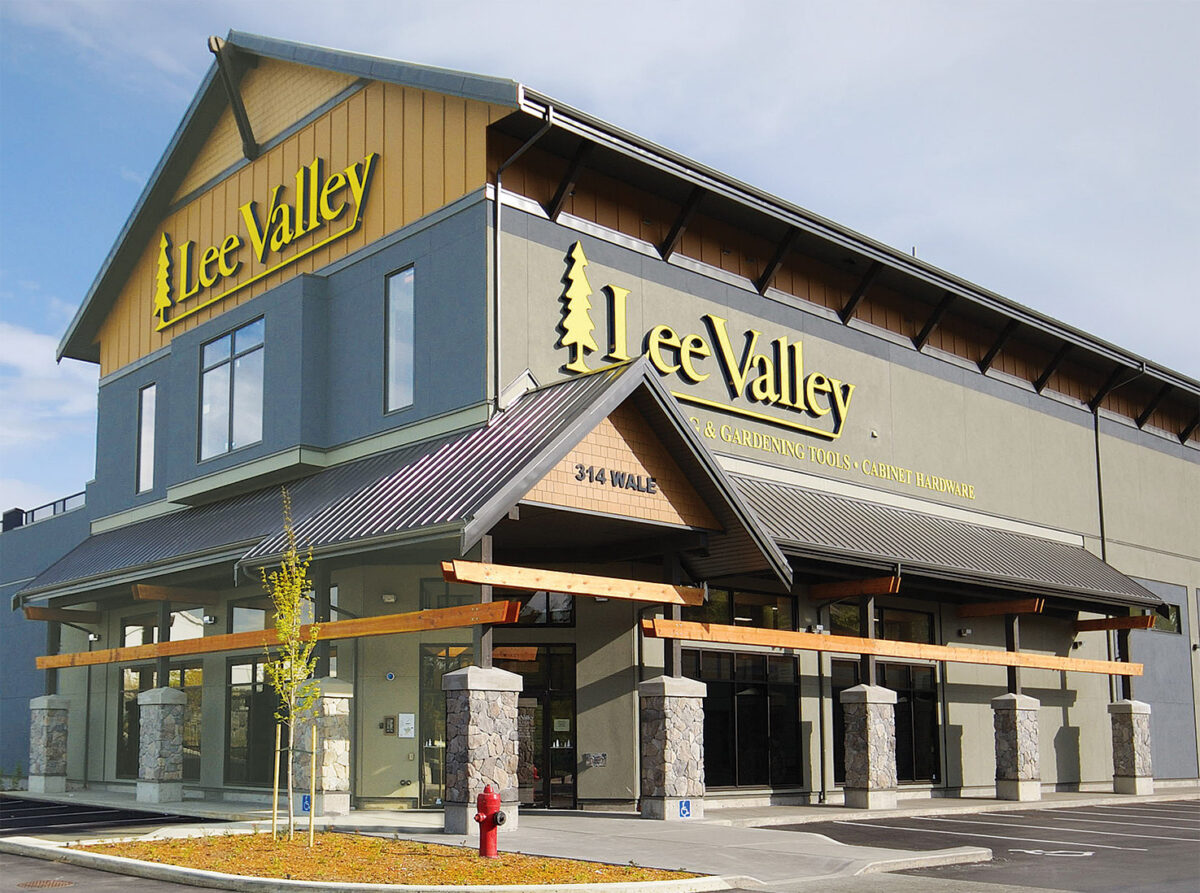
Lee Valley Ottawa (Image: Lee Valley)

One thing Ottawa-based Lee Valley Tools has focused on over the years has been elevating the consumer experience.

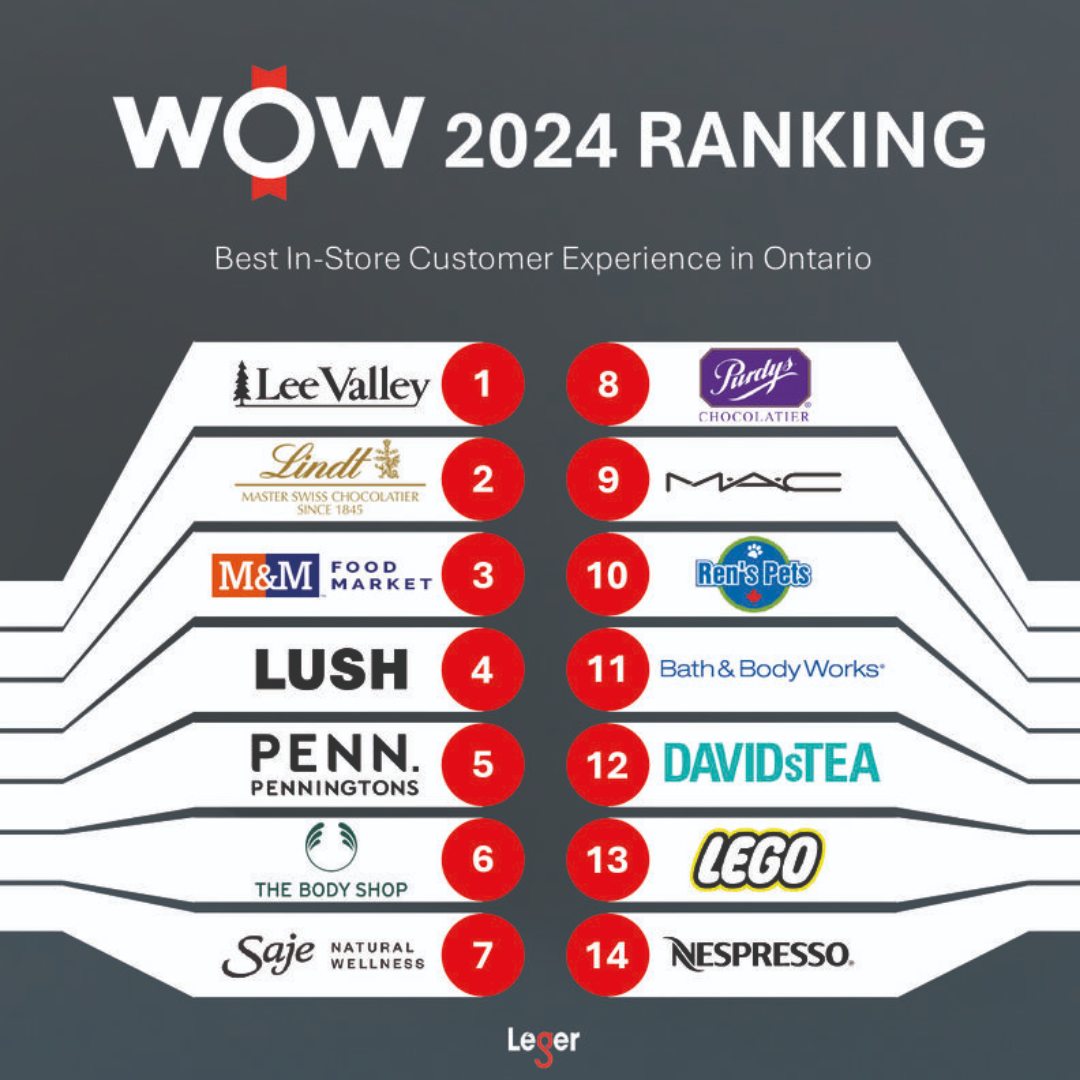
It’s what the brand has become known for in the marketplace. And recently the retailer was recognized as the top retailer in Ontario with the annual WOW In-Store study, published by Leger.

Jason Tasse

Jason Tasse, President and Chief Operating Officer, said the company is exploring pop-up locations as well as a full store in Toronto as it expands its brand in Canada.

“The fact that little Lee Valley against 162 brands, I think 30 per cent on the list are billion dollar companies, came out number one, for us, that’s what’s spectacular how this little company was able to achieve such a wonderful recognition,” said Tasse.

Image: Leger

Lee Valley Tools was founded in 1978 by Leonard and Lorraine Lee and today has 18 stores as well as one pop-up location in Saskatoon. There is also a satellite store in Almonte, Ontario called L.G. Lee and Sons. The company is from Victoria to Halifax.

The pop-up is in the Lawson Heights Mall in Saskatoon.

“It was a brand new initiative for us this year and it’s been a wild success,” said Tasse, adding more pop-ups are to come.

“We were going through our standard lease re-negotiation process with our landlord in Saskatoon and despite our best efforts, beginning the conversation typically a year before the lease ends, we were told with very short notice they weren’t renewing. I jumped on a plane, went to Saskatoon. We found a few locations and we really loved this location in Lawson Heights in one of the key malls there.

“But we had an extremely tight timeline. We had two months to fit up the store and move in. As a contingency plan, they had a pop-up initiative in the Lawson Heights Mall. So what we decided to do was as a contingency plan in case we couldn’t open for the holiday season, of at least a customer interface, a physical customer interface. And we’ve been talking about pop-ups for close to a decade. Let’s learn from it. Develop an internal capability. And what a wonderful way to capitalize on mall traffic because we’re a destination, specialty retailer to introduce our brand.”

No new stores opened in the past year but Lee Valley is actively looking and negotiating in the central Toronto area.

“We’re focusing on one right now,” said Tasse.

He said his primary objective is to “take this wonderful brand and help it reach its full potential.”

“Full potential yet to be defined. What I will tell you about Lee Valley being a family-run business, it’s not growth for growth’s sake or profit optimization. It’s growing responsibly in a way that we are able to preserve the brand, help it grow but not lose our way along the way.”

Tasse said the number one factor in the company’s success and in its Leger ranking is its people. 

“They’re amazing. I visit our stores on a fairly regular basis and I say no matter what we do with technology and internal relevance and assortment, the conversation that you have with our customer by far will define the Lee Valley brand. Good days. Bad days. Up and down economies. A new person to hobbying craft or an experienced one. It is absolutely the personal interaction between our customer and our people that make the biggest difference,” he said.

“The second I would say . . . is we are really, really involved when it comes to the customer experience . . . We have heavy commitment from the most senior leadership and ownership in the organization to the store to the customer relationship and we are involved unlike I would say any other company I’m familiar with or have had feedback on.”

Lee Valley Tools in Kingston, Ontario (Image: Lee Valley)

Tasse said the brand is also extremely passionate about its products with 355 retail employees across the company and 86 per cent of them identified as a subject matter expert in either gardening, woodworking, hardware, power tools.

“That means the chances of you walking into a Lee Valley store and talking to somebody who really knows what they’re talking about is like almost every visit. And for us as an organization, it’s strategically important. We’ve institutionalized the fact that we’re passionate about the tools and if you’re going to sell product, you better know your products.”

Tasse was appointed President of Lee Valley in January 2021.

“What’s really special about this reward is that it was pretty much the response of 12,000 consumers . . . This is Ontario population. Our buyers deciding. That makes it pretty special for us,” he said. 

“Our staff is really proud of it. This is a testament to the care and attention and the passion our employees share with the brand.

“Everything we do. All conversations in the organization. All touchpoints are relative to the customer focus and that’s special to have it at all levels of the organization like that and to win something like this just validates everybody’s hard work and genuine care. I use the word care intentionally because that’s what sets us apart. You can’t buy that.”

Lee Valley Tools in Victoria, BC (Image: Lee Valley)

Tasse said what the Leger award underscores is how important differentiating in today’s market is. 

“Retail is ever-changing. Relevance is always being redefined. But boy, at a time when everybody’s really focused on channel integration and technology, what’s most important? The analog, human element. Of course, brand is important, the product and price, and all that academic stuff, but just surrounding yourself with incredible people, that’s really what matters the most.”

Tasse said customer expectations are higher today. Transparency today is greater than it has ever been. 

“I would say there’s pressure on, if you’re faking it. But if you’re authentic, to the core, tell the world about it. We believe in that and it’s a good experience.”

He said the experience in-store is ever-changing and evolving. From entering the store, the idea is to grab the customer’s attention so they see it is unique in the marketplace. 

“We’re always different. Our differentiation begins with physically how we show up and then of course there’s the importance of the product,” added Tasse. “We’re heavily involved right from ownership to senior management to all levels. It’s always on our strategic agenda to remain and to really focus on the experience. And we’ve done everything from in-depth understanding of our customer base through research, we’ve worked with KPMG in defining our value proposition so that’s codified so we can understand it. And we are constantly experimenting in the store.