Ali Baker Discusses the Evolution and Future of Canadian Retail with Avison Young [Video Interview]
Craig and Ali Baker, Vice President at Avison Young in Toronto, discuss the dynamic landscape of Canadian retail, focusing on the transformative effects of the pandemic and the shift towards suburban markets.
In the conversation, Baker highlights the resurgence of suburban strip plazas and the competitive nature of these markets, driven by the pandemic’s influence on consumer mobility and retail preferences. Quick service restaurants, service retail, and boutique fitness studios are identified as areas of significant activity, indicating a move towards experiential and service-based retail offerings. The discussion also touches on challenges and opportunities in urban retail, emphasizing the importance of traffic generation and a diverse tenant mix for landlords.
Looking forward, Baker shares insights on emerging trends and the continued importance of physical retail spaces. Despite the challenges posed by inflation and changing consumer habits, she remains optimistic about the retail sector’s resilience and potential for growth. Baker’s experiences and observations offer a comprehensive overview of the current state and future prospects of Canadian retail, highlighting the industry’s adaptability and the critical role of strategic leasing and market understanding.
Episode Sponsor:
Salesforce – Turn today’s shopping trends into tomorrow’s retail success. Visit Salesforce to see the global insights from Salesforce to boost your bottom line.
If you prefer to listen to the audio version, it is available below:
The Interview Series audio podcasts by Retail Insider Canada are available on Apple Podcasts, Stitcher, TuneIn, Google Play, or through our dedicated RSS feed for Overcast and other podcast players. Also check out our The Weekly audio podcast where Craig and Lee discuss popular content published on Retail Insider which is part of the The Retail Insider Podcast Network.
Drop us a line at Craig@Retail-Insider.com. You can also rate us in Apple Podcasts or recommend us in Overcast to help more people discover the show!
Background Music Credit: Hard Boiled Kevin MacLeod (incompetech.com). Licensed under Creative Commons: By Attribution 3.0 License. http://creativecommons.org/licenses/by/3.0/
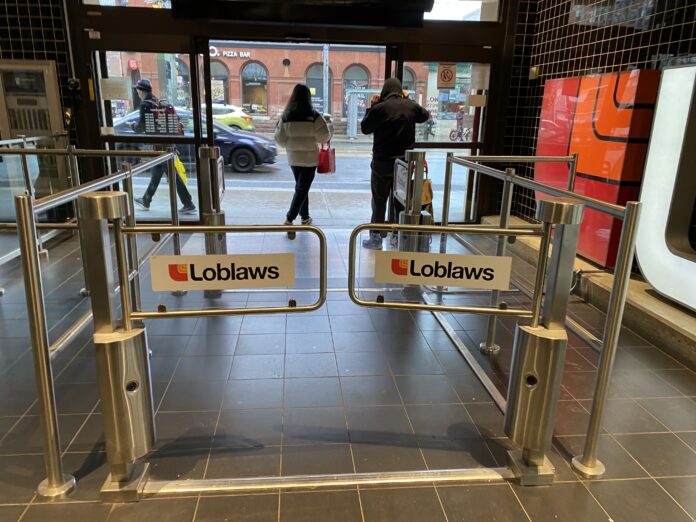
Loblaw Maple Leaf Gardens Security Gates (Image: Dustin Fuhs)
Buckingham Palace certainly had a rough week in the public eye, but so did Loblaw, once again finding itself at the center of a social media storm due to unflattering digitally altered images. It’s fair to say that Loblaw is currently facing some of the most intense criticism of any grocer in the country, if not in North America. Reporters from around the globe are now turning to Canadian experts to better understand what has been termed the “Loblaw phenomenon.” Despite Galen Weston’s disappearance from the airwaves almost a year ago, in April 2023, animosity toward the company and him remains palpable.
On social media, numerous websites are dedicated to criticizing Canada’s leading grocer, and this criticism has been ongoing for several months, showing no signs of slowing down. Nevertheless, Loblaw’s stock price remains remarkably strong, making it one of the best-performing stocks on Bay Street. At over $150 a share, it is 30% higher than 12 months ago and nearly 130% more than 5 years ago. Loblaw is undeniably a well-managed company, boasting a highly efficient food innovation supercluster called President’s Choice. In addition to its success in the food sector, Loblaw generates revenue from real estate, financial services, and Shoppers Drug Mart, which serves as a key component of its portfolio. Its breadth and diversification are truly impressive. Whether or not Loblaw’s critics like to admit it, the company, which is also the largest private employer in Canada, is thriving financially. However, from a public relations standpoint, the company is struggling.
Over the past three months, both Loblaw and Galen Weston have made several missteps. One notable incident involved Loblaw and Galen Weston apologizing for providing inaccurate information to members of Parliament when Mr. Weston spoke about Australia’s code of conduct. His opposition to the proposed code in Canada led him to mislead parliamentarians about how the code operated in Australia.
Galen Weston ( PHOTO BY SPENCER COLBY /The Canadian Press)Discounted Produce at Loblaw (Image: Dustin Fuhs)
Additionally, the company had to backtrack on its decision to end the 50% discount on expiring food, a move that did not sit well with Canadians. CTV News’ Hafsa Arif had to inform the public that the policy was ending across the country and that Loblaw’s discounting policy was to be aligned with the competition. Loblaw reversed its decision a few days after CTV News broke the story.
Loblaw also faced public outcry over its deal with Manulife, which it had to end. This incident once again made the company appear non-transparent, as backroom deals are often perceived as being against the public interest, particularly in sensitive areas such as health care.
Most recently, CBC News’ Sophia Harris reported—not Loblaw itself—that the company was implementing new anti-theft measures that might make shoppers feel guilty. Loblaw came under fire for introducing receipt scanners in four of its southern Ontario stores as a trial initiative. Positioned at the exit of the self-checkout area, shoppers must scan their receipts to unlock the gate and leave the store, with failure to do so triggering an alarm. This measure raises legal rights concerns, as well as fire and public safety issues. The news CBC broke was another public relations disaster for Loblaw.
Receipt Scanning at Loblaw (Image: u/blt4dtuf)
In response to these incidents, Loblaw has reacted to the news since it never bothered to announce any of the things they were doing. In the case of the latest measure, if shoplifting is indeed an issue, Loblaw should provide quantifiable numbers to the public to demonstrate the extent of losses incurred through shoplifting or organized crime, if applicable. This would allow consumers to better understand the company’s perspective. Instead, Loblaw appears to be a company that is only remotely interested in the well-established but fragile moral contract it has with the public, which is based on trust and compassion.
What is most troubling in recent months is the unsympathetic and corporate feel of the messages conveyed by Loblaw to the public. The approach seems to equate the relationship between shareholders and the public, when it should be fundamentally different. The public deserves a friendlier, more human approach, which other grocers seem to do much better.
In conclusion, if someone dislikes Loblaw for any reason, they can always shop elsewhere. However, in Canada, grocers tend to copy each other, so practices from a dominant player like Loblaw often become the norm. Therefore, complaints against Loblaw are not in vain, as they can have a broader impact on the industry as a whole.
Retail Insider is streamlining its Canadian retail news from around the web to include a handful of top news stories that can be viewed quickly during the day. Here are the top stories from the past 24 hours.
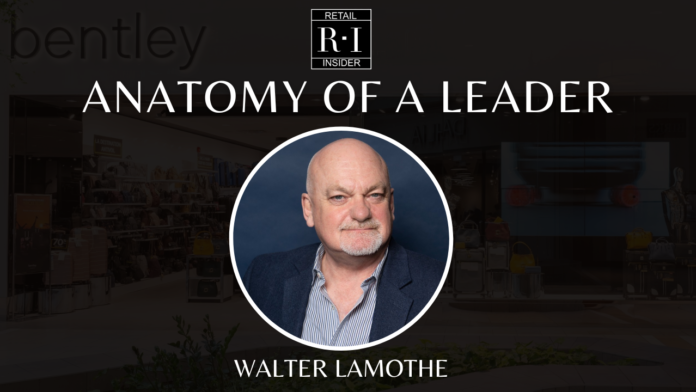
Anatomy of a Leader: Walter Lamothe, CEO of Bentley
Veteran retail executive Walter Lamothe has run several multi-million dollar national businesses during his career in the industry.
Growing up on the family farm, just outside of Ottawa, gave him some strong roots to establish himself and thrive in the business world.
To this day, Lamothe, the President and CEO of Bentley, still spends time at the farm where he can think about the business and where it’s going.
The family farm is part of the Ottawa Valley on Calumet Island on the Ottawa River. One side of the river is Ontario, the other side is Quebec. A very Irish, French and English community where he grew up on the Quebec side.
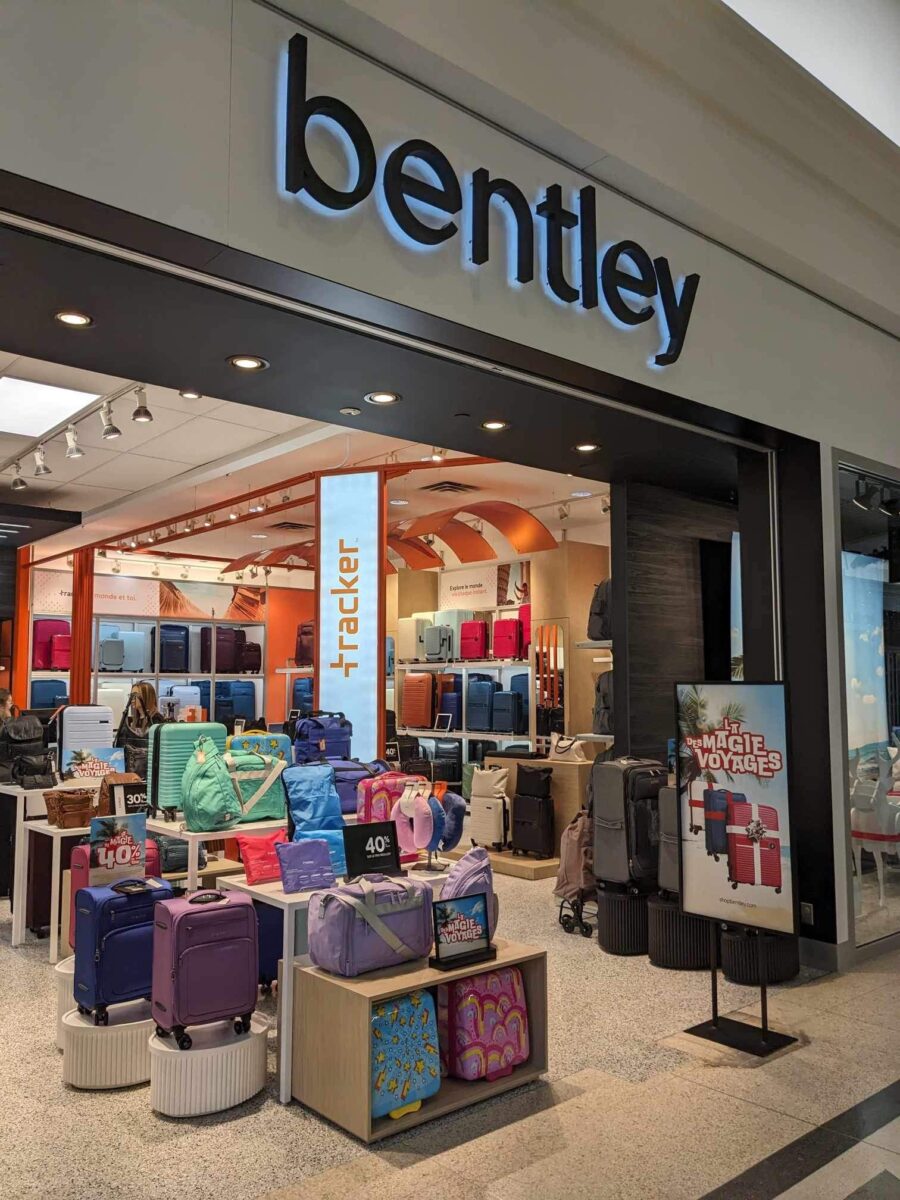
Image: Bentley
He initially grew up on the dairy farm but his father decided to pivot because of the rising costs in the industry and the farm began growing and selling vegetables .
“There was always a huge influence on the positivity of hard work. The biggest lessons I’ve carried through is when we went into the market gardens it was a direct contact with the consumer. If I look at what we were doing in dairy, we were a cog in the wheel . . . You don’t know where the end product is. You don’t know who the end consumer is,” said Lamothe, who owns the property today with his brother.
“But when we became a market garden we had to actually prepare, grow and deliver produce that the customers were looking for. I joke around because I say we did product development, we did merchandising, we did home delivery – Amazon wasn’t the first to do home delivery, we were way before them.
“And customers gave you instant feedback. I hate this. I love this. They bought it or they didn’t. They could rely on us. Every Tuesday it was at a town called Campbell’s Bay and we would deliver our vegetables and we would stop in the middle of the street. Women were home at that time. As a kid, I would knock on all the doors, they would come out and they would come out to the truck and we sold our goods. And on the way home we would find a place where we would go and sell the last of what we couldn’t sell during the day with somebody who wanted to bargain over the last bag of potatoes or something like that.”
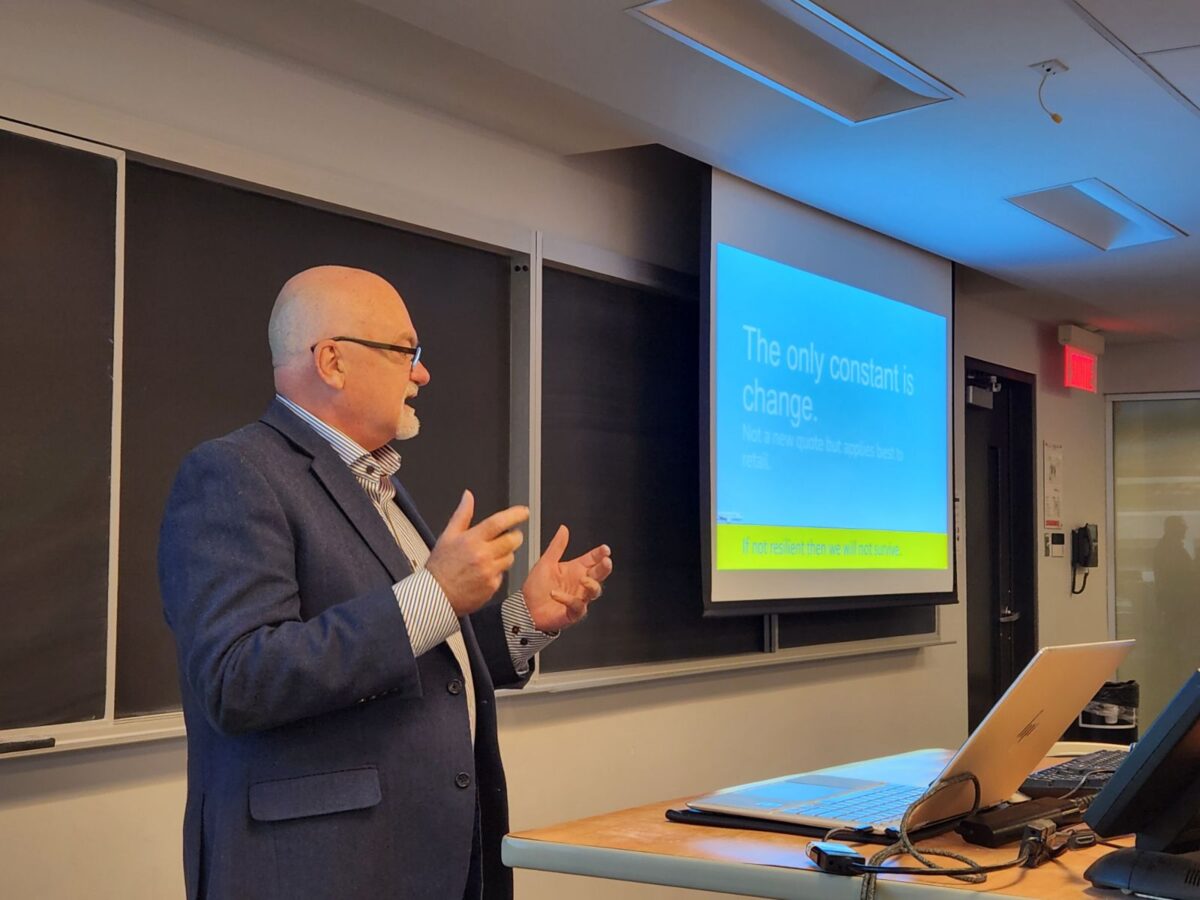
Image: Walter Lamothe
Hard work and paying attention to what the customer wants were key lessons he learned at an early age.
At the age of 17, Lamothe became a welder and moved out to Alberta where he lived for two and a half years.
“I loved the province but hated the job,” he said. “So one time after about two years of trying to figure out what I’m doing wrong I decided to kind of flush everything and kind of start anew in Edmonton. I probably picked the wrong month. It was January. Minus 20 degrees. And probably not the best work market either. I didn’t even know what to do. I’m actually one of the few guys that got refused by the army. The reason why they refused me is they asked me what my home address was. I told them I didn’t have one. They asked me what my job was. I told them I didn’t have one. They said when I had both they would take me in a minute.”
He then started his journey in the retail sector as a stock boy in a Jack Fraser store.
“It was a strange world for me. I didn’t own a suit. Didn’t wear a tie. I broke in doing 15 hours a week at $3 an hour. I said I like the prospect of this and stuck around. Did a few other things in between and sometimes worked three jobs to make ends meet including selling life insurance at the time,” said Lamothe.
When he moved back East, he took on a job with Tip Top Tailors as manager of a store at 21 years old in Hull, Quebec. After 12 years there in various roles and places, he went to work for Shirmax, a specialty retailer of fashion apparel.
“I learned a whole new set of lessons as to how to adapt and what a big corporation was doing to a small business,” he said.
Image: BentleyImage: Walter Lamothe
That led to executive jobs at Mexx Canada, Reitmans Canada and now Bentley, which has 158 locations across the country.
“You don’t have to be crazy to work in retail but it helps,” laughed Lamothe.
“The biggest thing has always been the customer. It has always been what is it that you can do. I’ve been a turnaround guy from store manager days. Just going in and seeing what the potential of the business could be, who the customer is, who the customer should be. Sometimes that’s not the same answer. And what is the white space that you can develop towards. And also managing towards the changing times.
“This whole COVID and post COVID and whatever the heck we’re in now. All of this is really just basically understanding how the consumer behaviours are changing. Never a dull moment. Then you have technology and everything to do with social media and how the consumers consume video and how that’s just a different delivery system.
“So when I look at retail today, I look back and say what’s different. Well back in the day when I was selling vegetables door to door it was still produce the best product, deliver to the customer, it was still get your feedback from the customers and get paid what you deserve. And you improved yourself year after year. It’s no different today. The only difference is how the delivery system is working. So instead of somebody showing up at your door selling the vegetables, you’re getting Walmart delivering it by ecom.”
Walter LamotheWalter Lamothe
There have been some tough times as well for him in the industry. But he said two things motivate people and himself. “Is what we’re doing worth it?” That’s the first thing. If it’s worth it, it’s a question of time, energy and finances. “If it’s worth it, who do you bring along for the ride?” Not just the employees who are important but anyone associated with the business. That’s when people pull together.
Everyone has their own philosophy of being a manager but to Lamothe it’s being open and “telling it as it is.”
“I often say I don’t have two agendas, I’m not smart enough,” quipped Lamothe. “Just be honest. Be forward. For me, don’t take anybody for granted. Tell it as it is. People are pretty mature and grown up and they appreciate that a lot better than saying everything’s fine when it isn’t.”
Lamothe continues to enjoy being on the farm. A place to fish and do other outdoor activities. It is his refuge.
“It’s a 150 yard driveway. You go into another universe . . . I do too big a garden and I cut too much grass and I like to have fires . . . When you’re in the job day to day, thinking about the item you just developed, or you’re thinking about the minutiae of the business, as soon as you’re away you’re thinking more about the three-year run of this thing. And there’s nothing better than gardening to do that. I like to control my thinking and say I want to think about this, there’s something I need to think about. So that’s what I will think about while I’m doing this task. I can actually control what I’m going to be thinking about.”
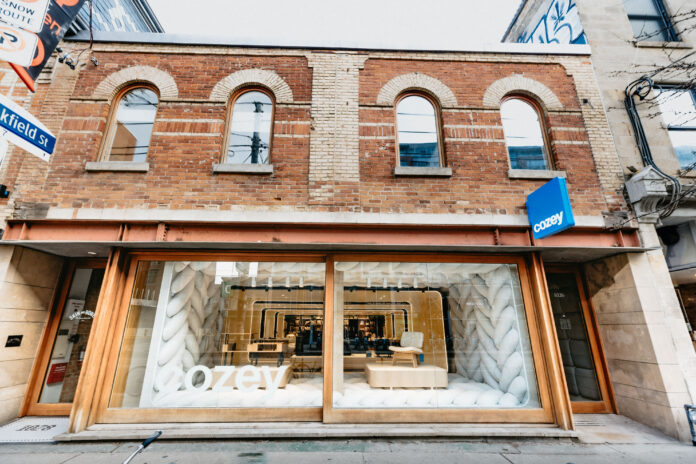
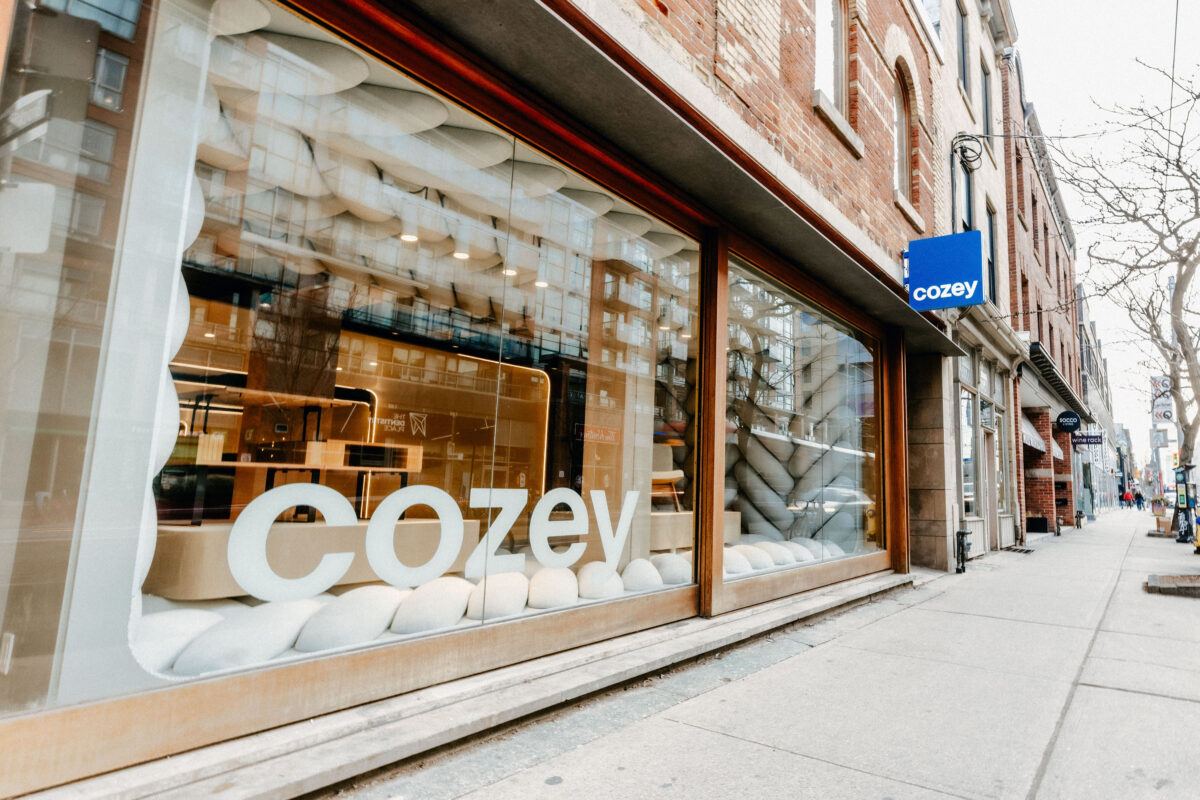
Furniture brand Cozey is opening its first showroom in Toronto on March 14.
The 3,600-square-foot showroom is located at 1026 Queen Street West at Ossington Avenue.
Frédéric Aubé
Founder Frédéric Aubé said the flagship store marks a significant milestone in Cozey’s journey.
“Our expansion into physical retail embodies our commitment to bringing simplicity, trust, and personalization closer to our customers. This store is a clear signal of our promise to our customers: to offer world-class service and innovative products that make a house feel like home,” he said.
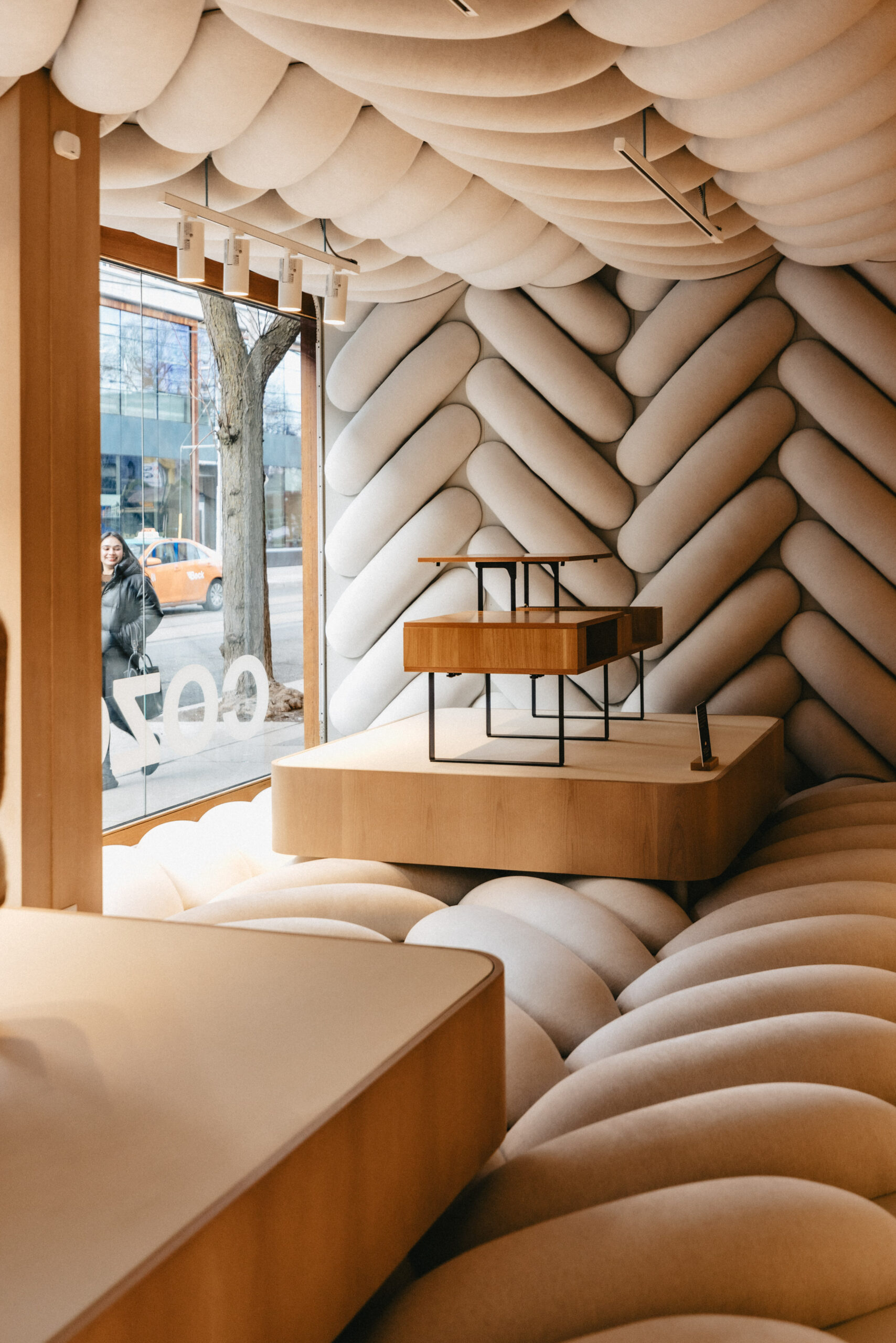
Cozey at 1026 Queen St W in Toronto(Image: Cozey)
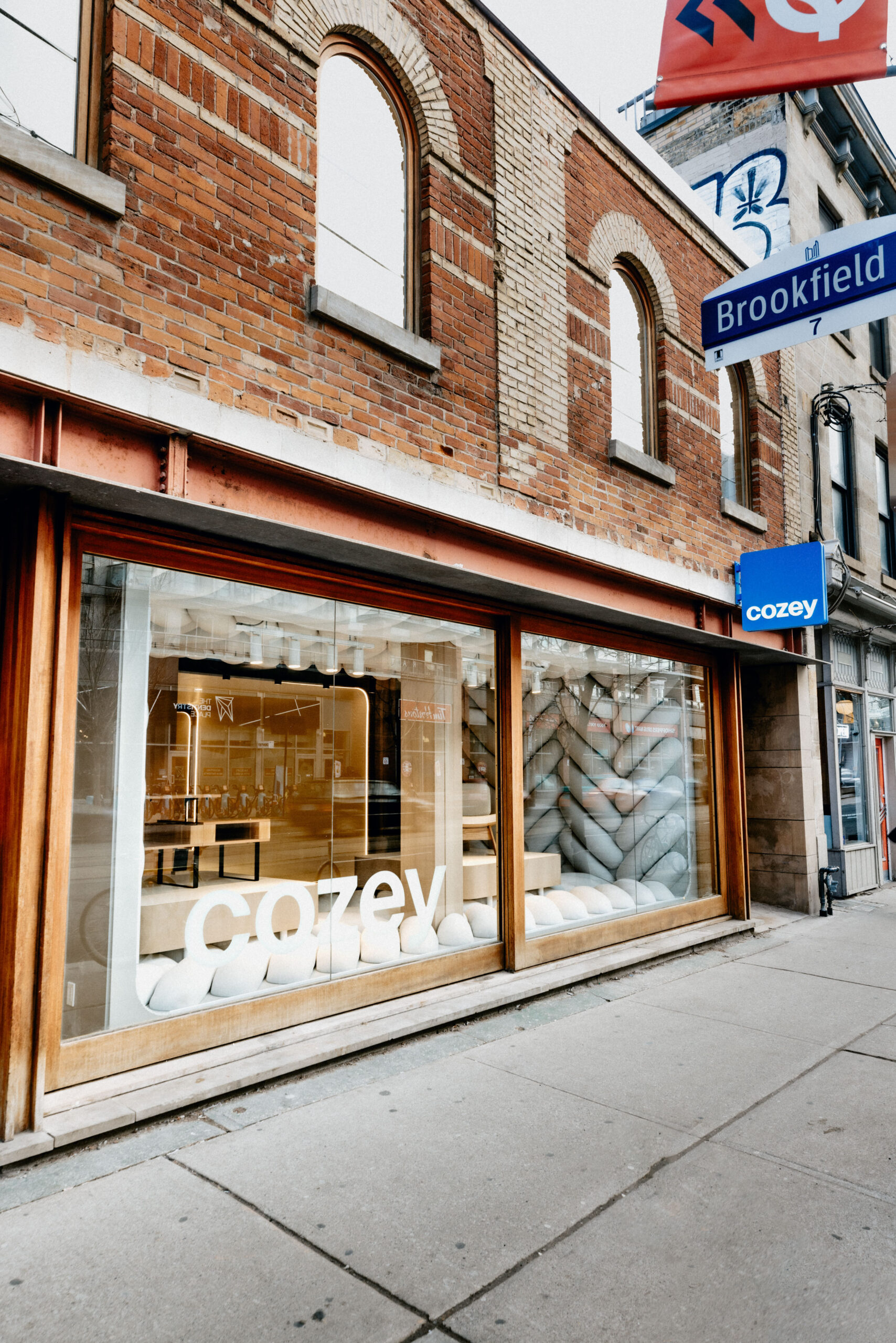
Cozey at 1026 Queen St W in Toronto(Image: Cozey)
Cozey at 1026 Queen St W in Toronto(Image: Cozey)
The idea for Cozey came to Aubé when he was a student at McGill University in Montreal studying finance and economics. The idea began in 2019 and the brand was launched initially online in June 2020.
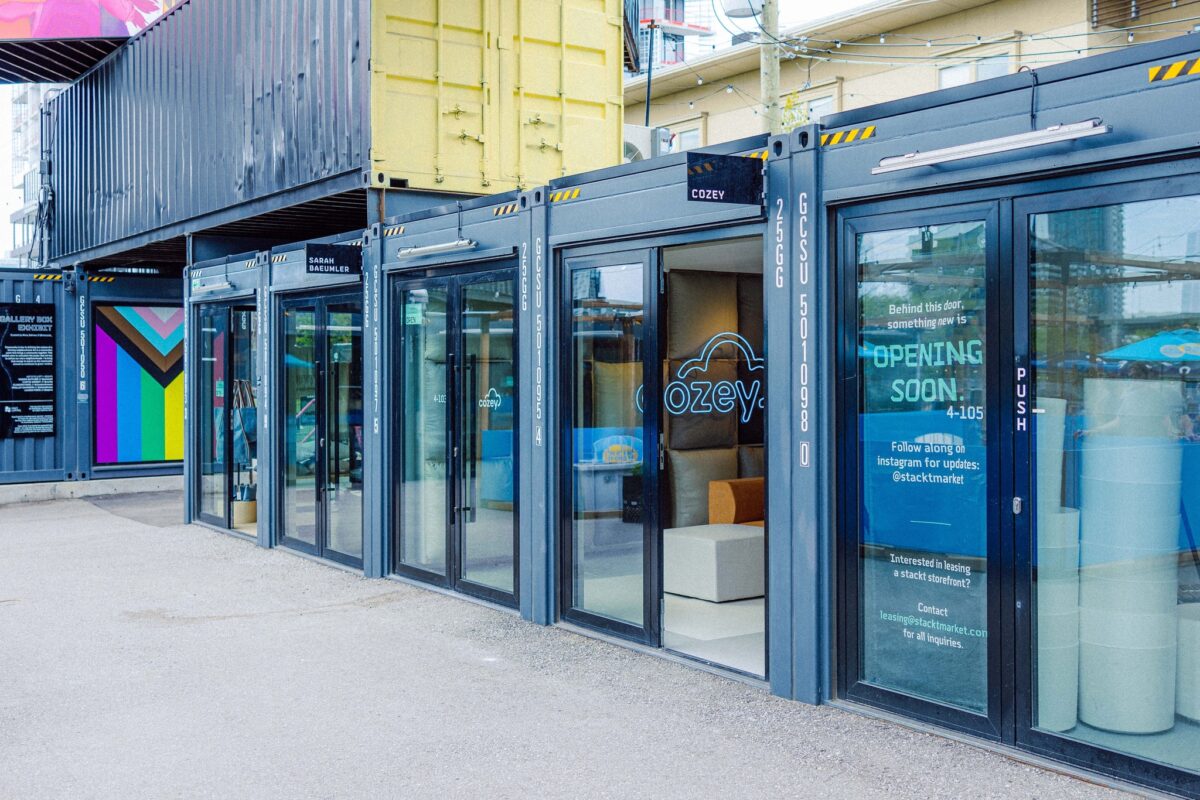
The concept was purely digital until last year when it opened a pop-up location at Stackt Market in Toronto in May 2023.
“That ended at the end of September and it was a practice for our first permanent store,” said Aubé.
“So we really used it as a testing ground for the store. Really wanted to see what customers were looking for, what type of questions they had, so that the last notifications of our store design could match what our customers were looking for.
“We learned a lot. And in terms of results and sales, in terms of conversions, in terms of financial objectives we had set ourselves, we exceeded that by a lot.”
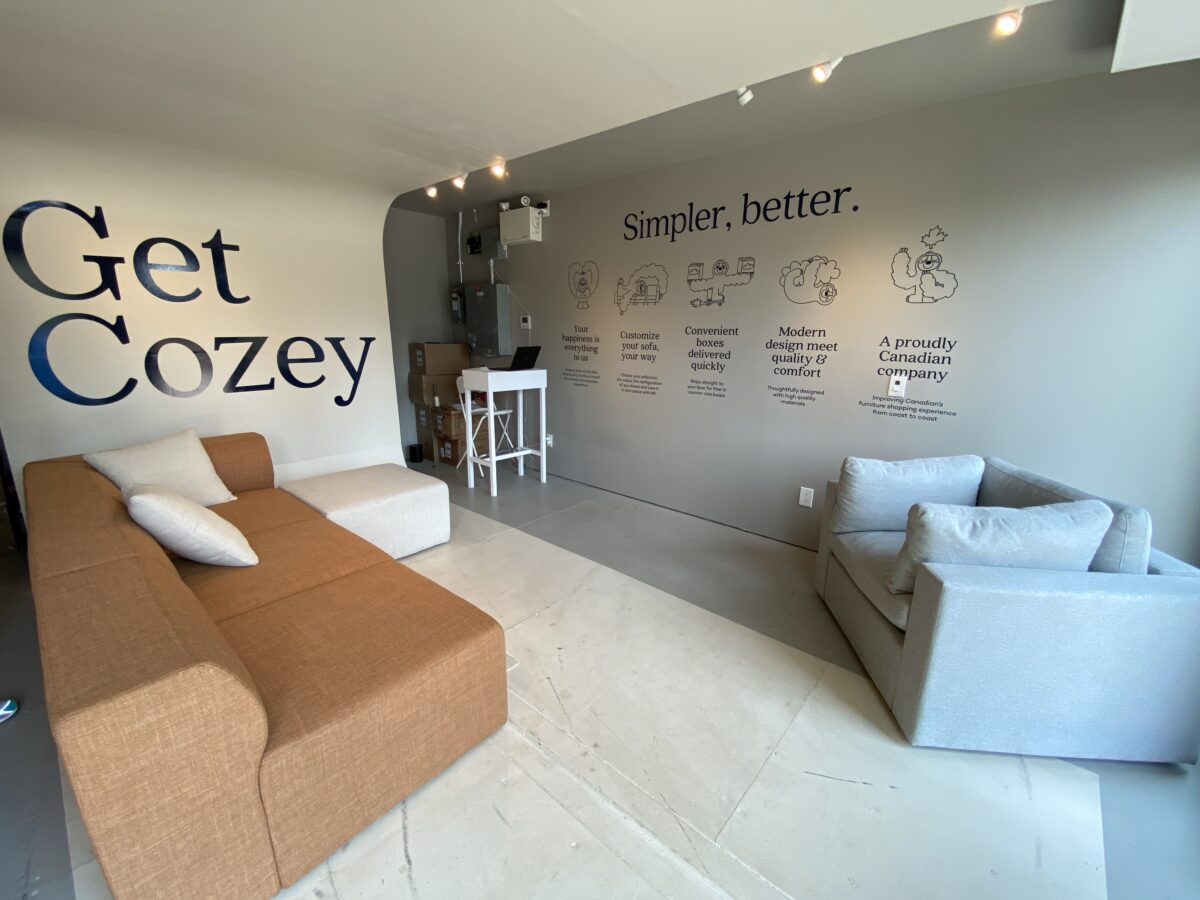
Cozey at Stackt Market (Image: Cozey)Cozey at Stackt Market (Image: Dustin Fuhs)
The pop-up was 240 square feet. At first it only had one sofa but the retailer found out that customers wanted to try all of the sofas. So by the end of the pop-up it had all of its models, some tables, smaller size sofas.
“That’s one of the learnings we had. We need to have lots of variety in the store and not just one model,” said Aubé.
The new store is a streetfront location with neighbours being a Starbucks, another coffee shop, and an interior living room accessories company.
“Ossington is a walking street with tons of cool and fun shops and restaurants and bars. It’s really a cool, hip neighbourhood you can wander around and that’s what we want it to be,” he said. “We didn’t want to be in a mall. We wanted to be in a place where people could walk, explore other shops, be outside, go to a bar, go to a restaurant, shop their favourite brands.
“That really resonated with us and our first flagship.
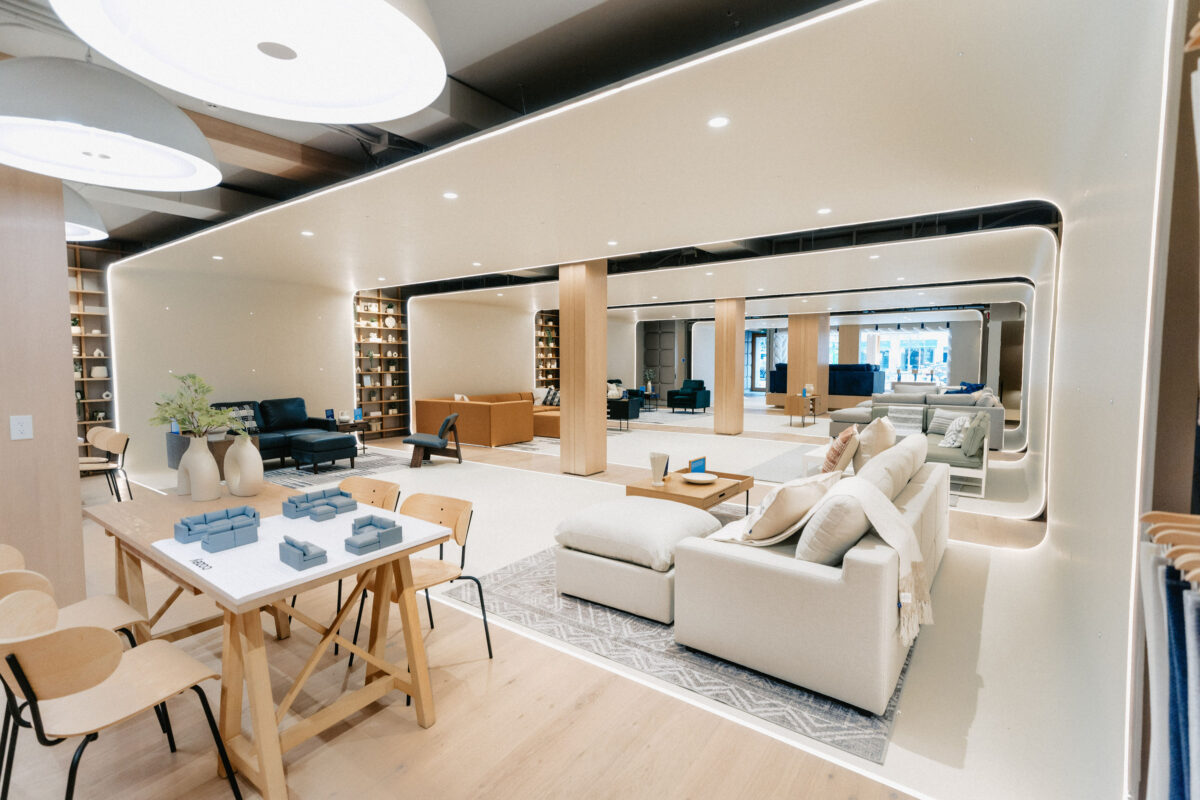
“The Cozey store isn’t just a showroom – it’s an interactive space that brings our online community to life. Here, you can touch, feel, and see how our designs transform spaces.”
Cozey is represented by Oberfeld Snowcap for its real estate needs.
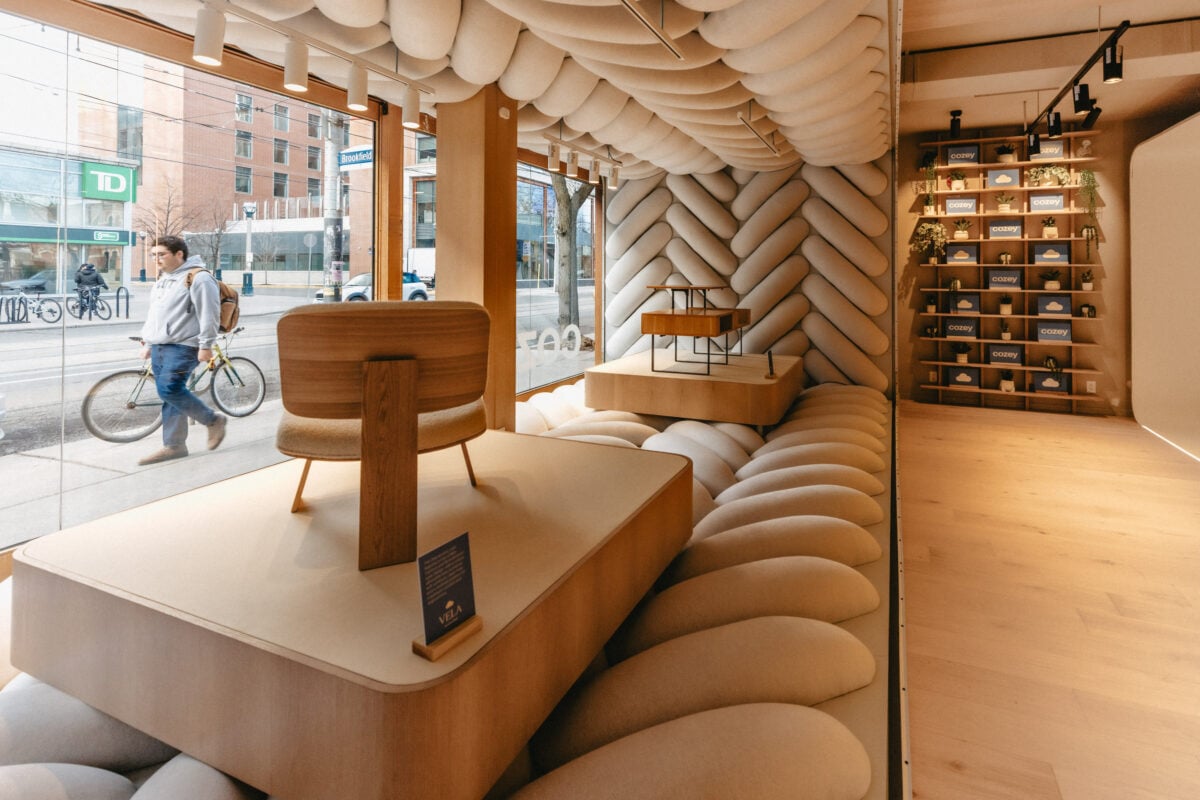
Cozey at 1026 Queen St W in Toronto(Image: Cozey)
At the back of the showroom is the Design Centre where visitors can see and touch Cozey’s rugs, accessories and fabric swatches as well as get help from Cozey professionals.
The showroom was “designed to be fully accessible and pet-friendly, the store reflects Cozey’s commitment to inclusivity and its core values of putting People First.”
The retailer has also launched its first pop-up in Montreal. The pop-up is at Quartier Dix30 in Brossard and it’s beside Lululemon and close to the Apple store.
Image: Cozey
Image: Cozey
Aubé said initially the new Toronto showroom was in a bigger space than what the company wanted.
“The idea for Cozey at first was just to create one simple sofa, elegant, easy to move, in boxes that could be assembled tool free, shipped to your door in a few days at a really attractive price point,” said Aubé in a previous interview with Retail Insider.
“It was a test to see if other people had the same problem as me of moving sofas around in a move or assembling sofas that take four tools and 12 bolts. And if so, can I sell those sofas on the internet.
“It was one sofa, four colours, really simple. And that’s how it started.
“It was the perfect timing to launch a sofa brand on the internet. We were in the midst of the pandemic where all the stores were closed. Everybody was looking for furniture and we had furniture in stock because of our model we hold the stock in and ship out directly to the customers’ homes. The business model was perfect because we had stocked and because we were able to serve customers. So the reception was above and beyond all of my expectations and it’s been like that since the beginning.”
Cozey at 1026 Queen St W in Toronto(Image: Cozey)
Aubé said it’s still to be determined if more locations are in the plans for the retailer.
“One store to start. We’ll see what happens. We really want to learn from it. We’ve never done retail. I think we’re pretty good at ecom but it was a long process for this first store. Construction almost for a year. Lots of permit approvals. Lots of design approvals. So we’re still recovering from that first experience and let’s see what the results are before starting to think what’s the second store, what’s the third store,” he said.
“The market in general I think has had a very rough time down from the pandemic highs. We’ve been lucky as a young growing company. We’ve had good times versus what the market has been seeing. Everybody in the pandemic was really comfortable buying online and I think that accelerated a lot of things but still there’s a good proportion of people that still want to touch, feel, sit on their sofas before buying it. That’s what we discovered. Every day dozens and dozens of people asking where they can try our sofas. Having this first location will give us a better understanding of what customers really want and to experience the brand as well.”
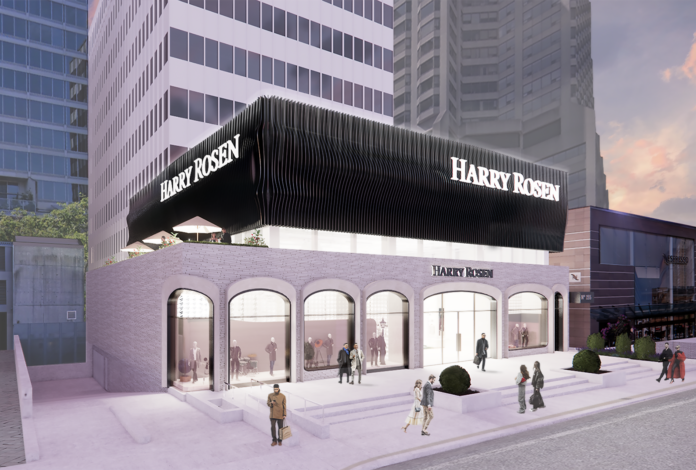
Rendering of the new Harry Rosen flagship store at 153 Cumberland Street (Rendering: dkstudio architects inc)
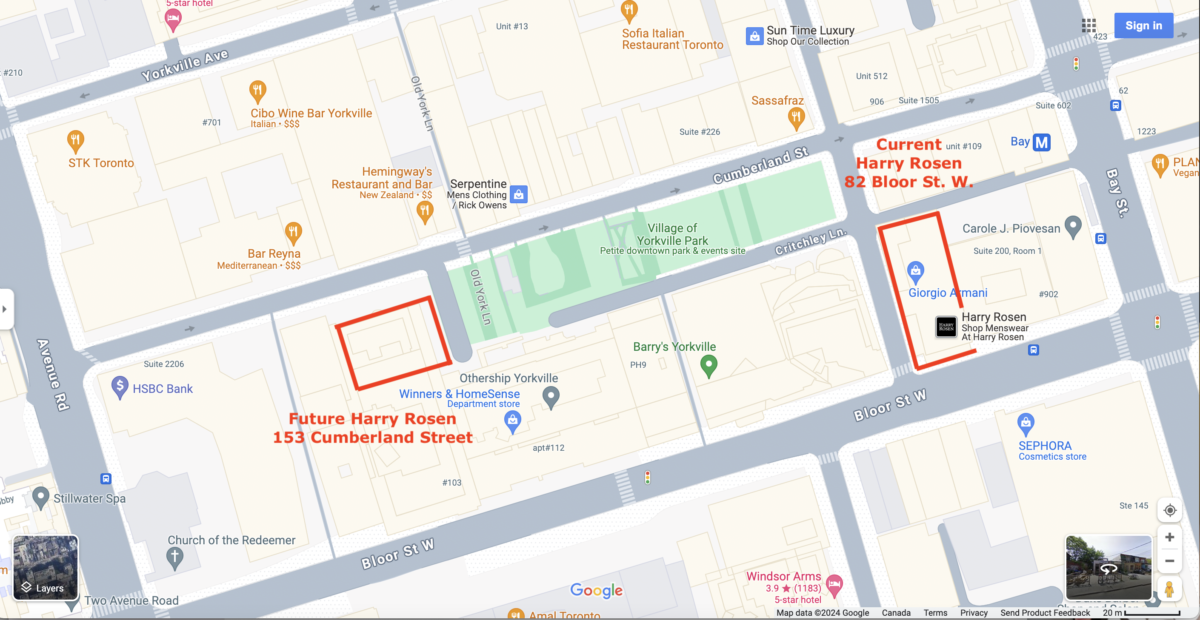
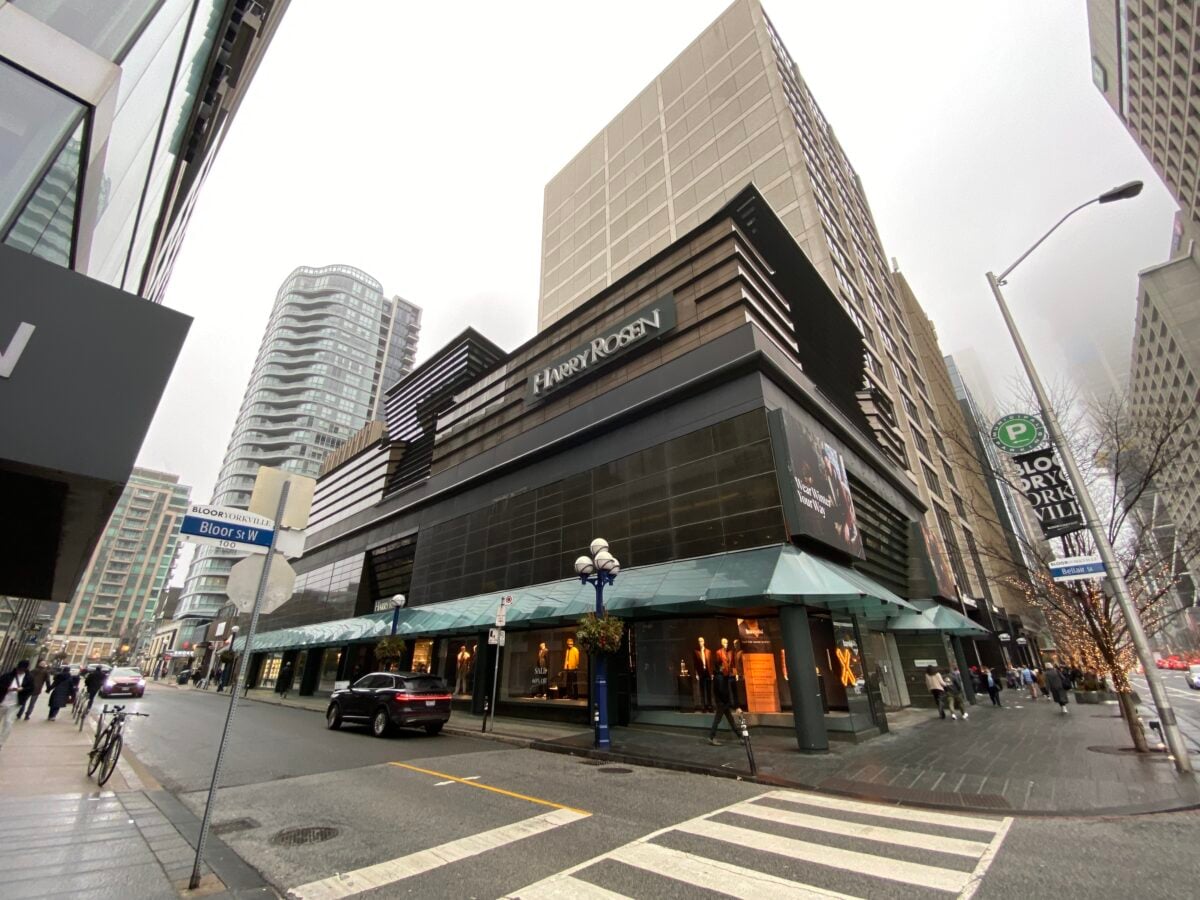
Toronto-based luxury menswear retailer Harry Rosen is relocating its flagship store at 82 Bloor Street West to a retail space nearby in the spring of 2026. Harry Rosen has been on Bloor Street for almost 55 years and has been in its current space for 37 of those.
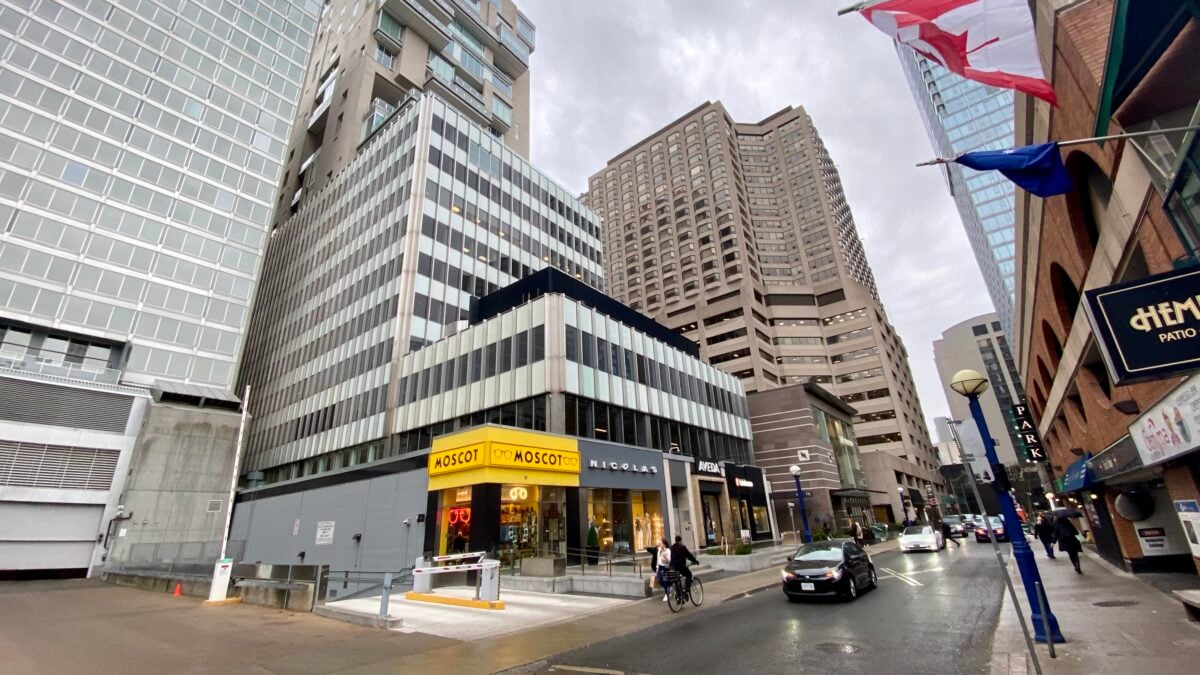
Harry Rosen’s relocated Bloor-Yorkville store will occupy three levels at 153 Cumberland Street, which is currently home to four retailers on the main floor and two office levels directly above. The four retailers will be looking for space nearby — on the east corner is a small Moscot store, and next to that is luxury fashion retailer Nicolas. A service hall separates those units from an Aveda retail space, which sits next to Lululemon which is already confirmed to be moving to a huge space directly at the corner of Yonge and Bloor, in April.
The new Harry Rosen store will span about 38,000 square feet over the three levels. The store “will feature updated design and customer-centric experiences that reflect the brand’s vision”, with designer brand shop-in-stores and a large patio looking over the adjacent Village of Yorkville Park. Included will be a client lounge and espresso bar.
Click image for interactive Google MapFuture Harry Rosen store at 153 Cumberland Street in Toronto – photo from March 14, 2024. Tenants Moscot, Nicolas, Aveda and Lululemon will relocate or exit the area. Photo: Craig Patterson Another view of the future Harry Rosen store at 153 Cumberland Street in Toronto. Photo: Craig Patterson
Harry Rosen President and COO Ian Rosen said that the new flagship store will be spectacular, featuring a new design concept that includes substantially more back-of-house operations, private client areas and tailoring. Brands carried in the new store will be consistent with what’s currently at 82 Bloor — shop-in-stores for brands including Tom Ford, Brunello Cucinelli, Zegna and Kiton will be part of the new Cumberland Street flagship.
Kingsett Capital owns the building at 153 Cumberland Street where Harry Rosen will be relocating. Ian Rosen said that negotiations were ongoing for the space, and that the retailer had been strategizing a new store in the area for at least five years. The lease on its current store at 82 Bloor is coming to an end and its site is earmarked for redevelopment.
The new Cumberland Street Harry Rosen could transform the character of the area — the retailer drives foot traffic and will offer services such as valet parking on weekends. It’s another major change for an area that is seeing a muli-year transformation. Ian Rosen said that the retailer analyzed traffic patterns and have found more consumers shopping in Yorkville as opposed to years past, when Bloor Street dominated retail in the area.
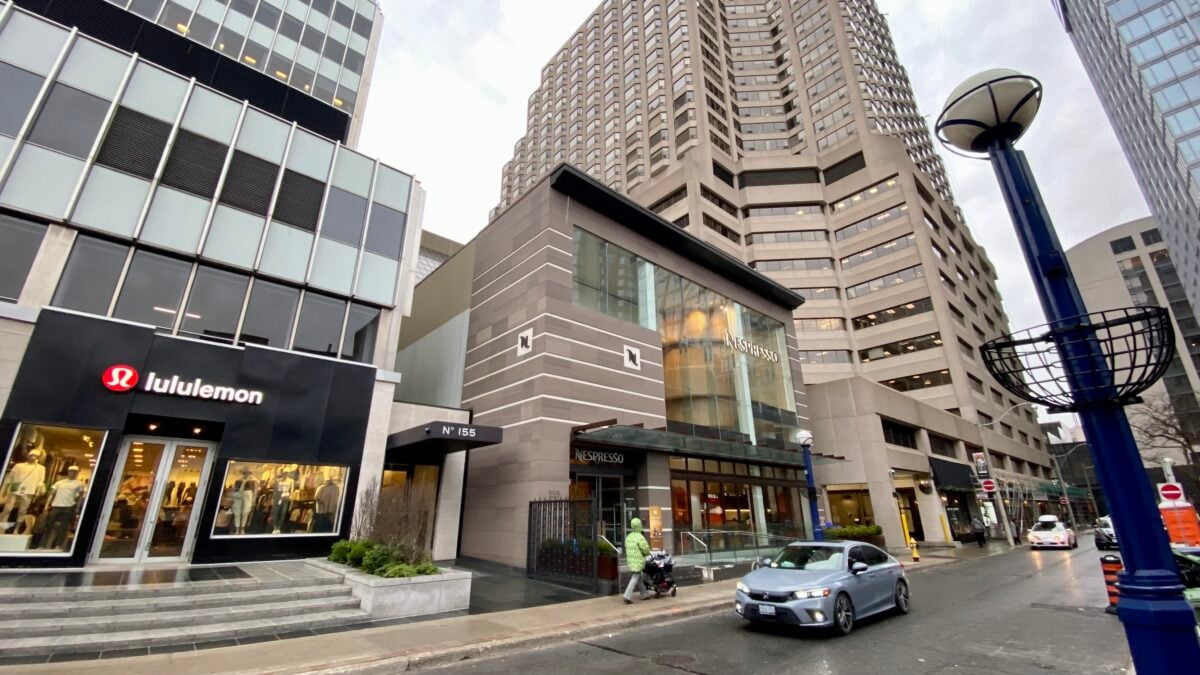
Neighbours to the new Harry Rosen include Nespresso, which operates a lofty flagship retail location next door at 159 Cumberland Street. To the east is the Village of Yorkville Park, which is particularly popular with people watchers in the summer. The new Harry Rosen store will feature exceptional visibility from the park.
Current Harry Rosen store at 82 Bloor Street West in Toronto. Photo: Dustin FuhsNespresso at 159 Cumberland Street — sources told Retail Insider months ago that Harry Rosen had also been looking at leasing this space plus adjacent space at 144 Bloor St. W. currently occupied by Burberry, to create a 30,000 square foot Rosen store on Bloor with Cumberland frontage. Photo: Craig Patterson
The 153 Cumberland Street building is located at the back-end of the 130 Bloor Street West commercial building which also features a residential building above it. The retail on the Bloor Street side includes Gucci, which will be expanding by a further 2,500 square feet this year after adjacent retailer St. John Knits shuttered a couple of months ago. A Lafayette 148 store is the other Bloor-facing retailer in the building.
The residential tower above features some of the most expensive condominium apartment units in the city. The tower, with the address 155 Cumberland Street, features a mix of half and full-floor residences above the office component of the building. The full floor residences span approximately 6,000 square feet with soaring ceilings and luxurious interiors.
The four retailers at the base of 153 Cumberland Street will either relocate or exit the area entirely. New York City-based eyewear retailer Moscot, with its 812 square foot storefront on the corner of the building, has struggled to make sales after opening in early 2022 and replacing a SEE Eyewear store.
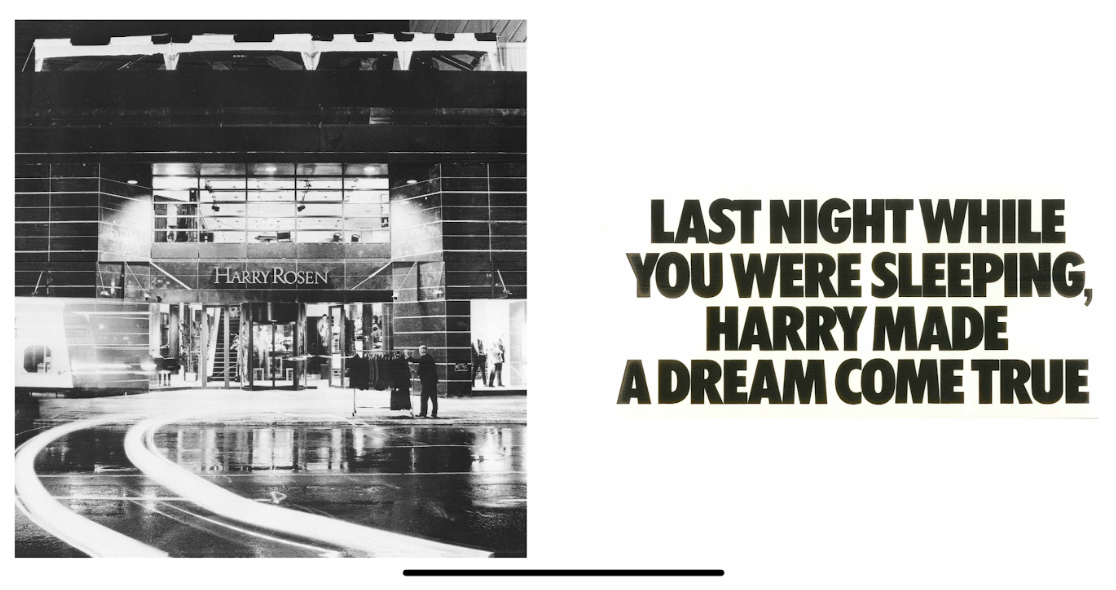
Newspaper clipping from 1987 when the 82 Bloor Street store opened. Image suppliedA new pizza restaurant will be opening across from the new Harry Rosen on Cumberland Street — an antiques retailer occupied the space prior. Photo: Craig Patterson
Retailer Nicolas has been in its 3,500 square foot space since the year 2000 — the retailer originally opened where the 10 Bellair Street condominium tower now stands, and moved to 153 Cumberland Street because of the former building’s demolition. After 24 years on Cumberland Street, owner Nic Kalatzis is looking again for space in the area, exceeding 2,000 square feet ideally he said.
It’s not known yet what will happen with the Aveda store, and next month it’s confirmed that Lululemon will relocate to a 12,000 square foot three-level space at 2 Bloor Street West.
Harry Rosen has been at 82 Bloor Street West for about 37 years in a building spanning more than 50,000 square feet over five levels. In 1987, late entrepreneur Harry Rosen himself was behind the building of the then 32,000 square foot store three level that became a beacon for menswear in the area. The Harry Rosen store saw an expansion in the fall of 2008 that added two levels on top of the original building.
In 1970, Harry Rosen opened his first store on Bloor Street, which was next door at 80 Bloor Street West. The Rosen store, in a retail space now occupied by Roots, was only about 4,000 square feet so its new location next door was a major upgrade at the time.
Founder Harry Rosen passed away on December 24, 2023 at the age of 92. He was remembered as a visionary and pioneer in the Canadian menswear industry.
The buildings across from Harry Rosen at 83-95A Bloor St. W. will be demolished for a new skyscraper. The 83 Bloor building, most recently occupied by Brooks Bros., will become a sales centre for the new condominium tower. Photo: Craig Patterson The office building at 1240 Bay Street, directly behind Harry Rosen’s current Bloor Street store, will be demolished in 2026 to extend the Village of Yorkville Park. Photo: Craig Patterson
The current building where Harry Rosen is located, as well as the adjacent 80 Bloor Street office tower, will be demolished for a mixed-use skyscraper that will soar more than 70 floors at the corner of Bloor and Bellair Streets. The office building behind the current Harry Rosen store, with address 1240 Bay Street, will be demolished in the spring of 2026 for an expansion of the Village of Yorkville Park. The nine level office building was built in 1967 and includes a vintage looking mini-mall that houses several small businesses.
We haven’t yet been updated on the date of demolition of 80-82 Bloor Street West, and construction of the new tower will cause considerable disruption to the area. Construction of the tower on the north side of Bloor Street could also happen at the same time as a massive project directly south across Bloor Street that could see a tower span more than 80 floors. A sales centre for a new condominium apartment building on the site will open this spring at 83 Bloor Street West, which will eventually be demolished along with a row of buildings directly west.
Hopefully the new developments will feature enough retail space to add more compelling retailers to the area. The submitted plans for the replacement of Harry Rosen/the 80 Bloor tower show about 10,000 square feet of retail space, only a fraction of what is currently there. The builder has the opportunity to create some exceptional two-level flagship-worthy spaces, as does the developer across the street. Both developments could see Bloor Street’s luxury run expanded eastward all the way to Bay Street.
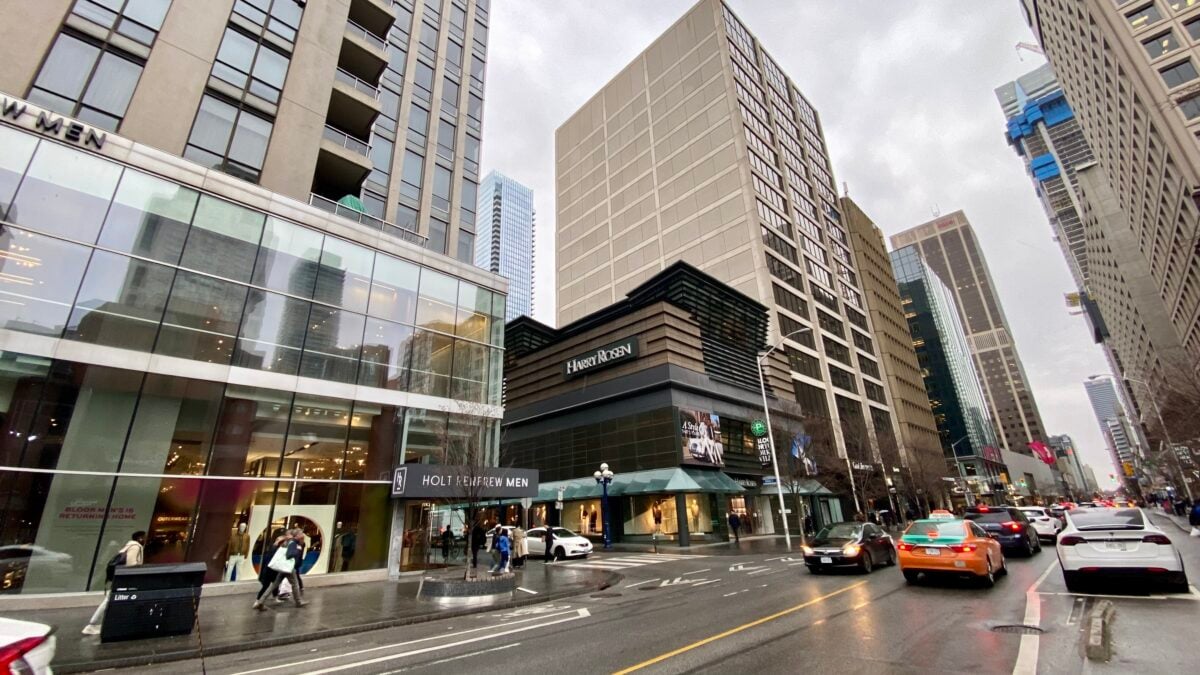
Looking towards the current Harry Rosen store at 82 Bloor Street West, and Holt Renfrew Men at 100 Bloor Street West. Holt Renfrew Men will relocate back into the Holt Renfrew store at 50 Bloor Street West before the end of 2024. Photo: Craig Patterson
Harry Rosen isn’t the only luxury menswear retailer to be exiting Bloor — across the street from Harry Rosen’s 82 Bloor flagship is Holt Renfrew Men, which will close later this year for a relocation back into the 50 Bloor Holt Renfrew flagship store. The exit of both Rosen and Holts from Bloor and Bellair Streets marks a major shift for the corner.
Harry Rosen also announced that it will be updating its West Edmonton Mall store in Edmonton, which will span about 13,000 square feet with a small expansion and full renovation. Rosen also revealed that the retailer will open a 16,000 square foot store at Oakridge Park in Vancouver in the spring of 2025. It’s part of a $50 million investment by the retailer into its Canadian operations. It follows the exit of Nordstrom from Canada last year, and the floundering of Saks Fifth Avenue which operates three struggling stores in the Toronto and Calgary markets.
We will be following up on this article with articles and podcasts discussing the shift in retail in Bloor-Yorkville, as well as an analysis of luxury menswear which is seeing increasing competition including from brands opening their own stores.
Retail Insider is streamlining its Canadian retail news from around the web to include a handful of top news stories that can be viewed quickly during the day. Here are the top stories from the past 24 hours.
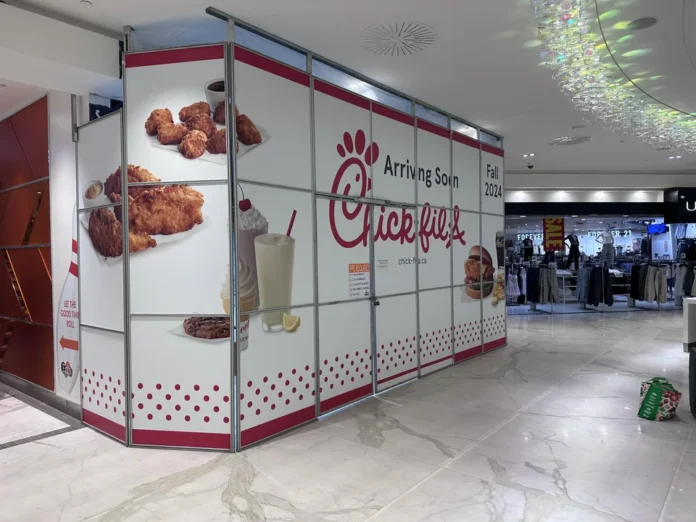
Future Chick-fil-A at West Edmonton Mall (Image: Reddit u/kkreklau)
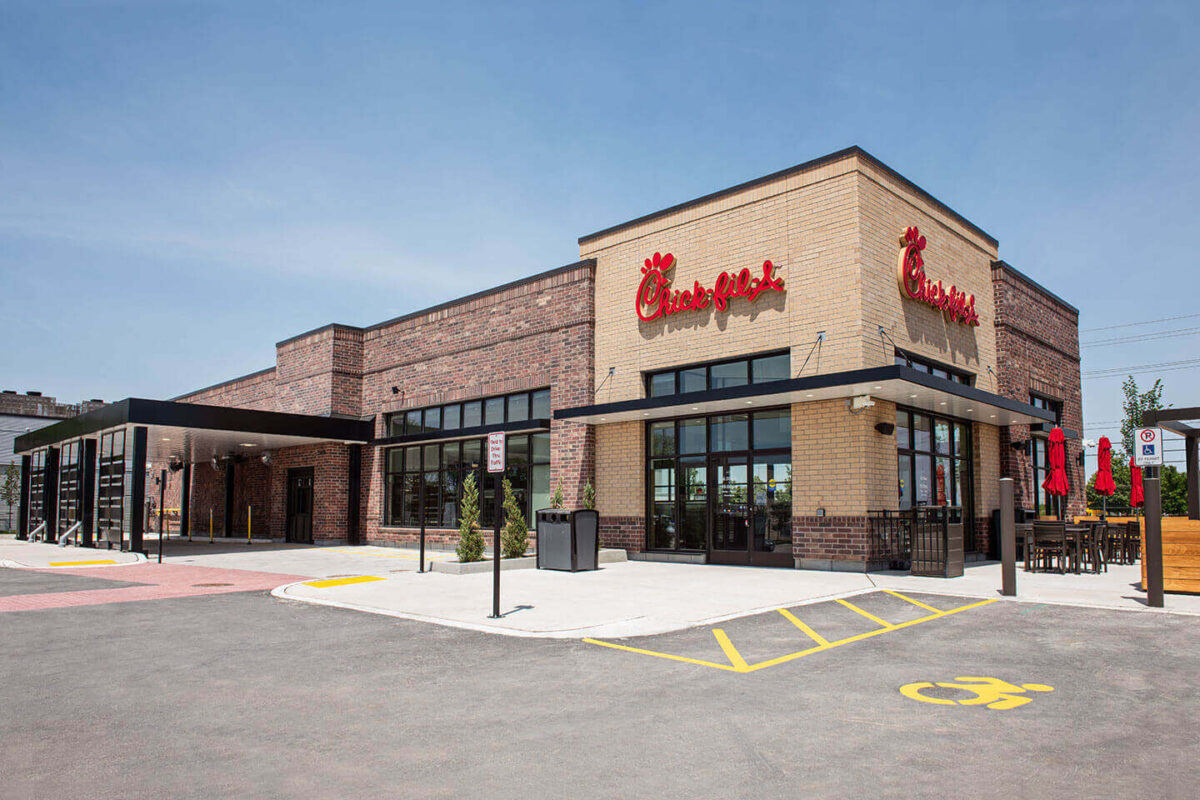
Quick service restaurant Chick-fil-A is aggressively expanding its footprint in Canada with plans to roll out up to 20 restaurants in Alberta by 2030.
Initially, three restaurants will open at West Edmonton Mall by late summer followed by locations in Calgary and South Edmonton Common. They will be the first to open outside of Ontario since the brand began in Canada at Yonge and Bloor in Toronto in 2019.
The West Edmonton Mall location will be in the Food Court by the World Waterpark. The Calgary location is along the busy Macleod Trail S.W. corridor.
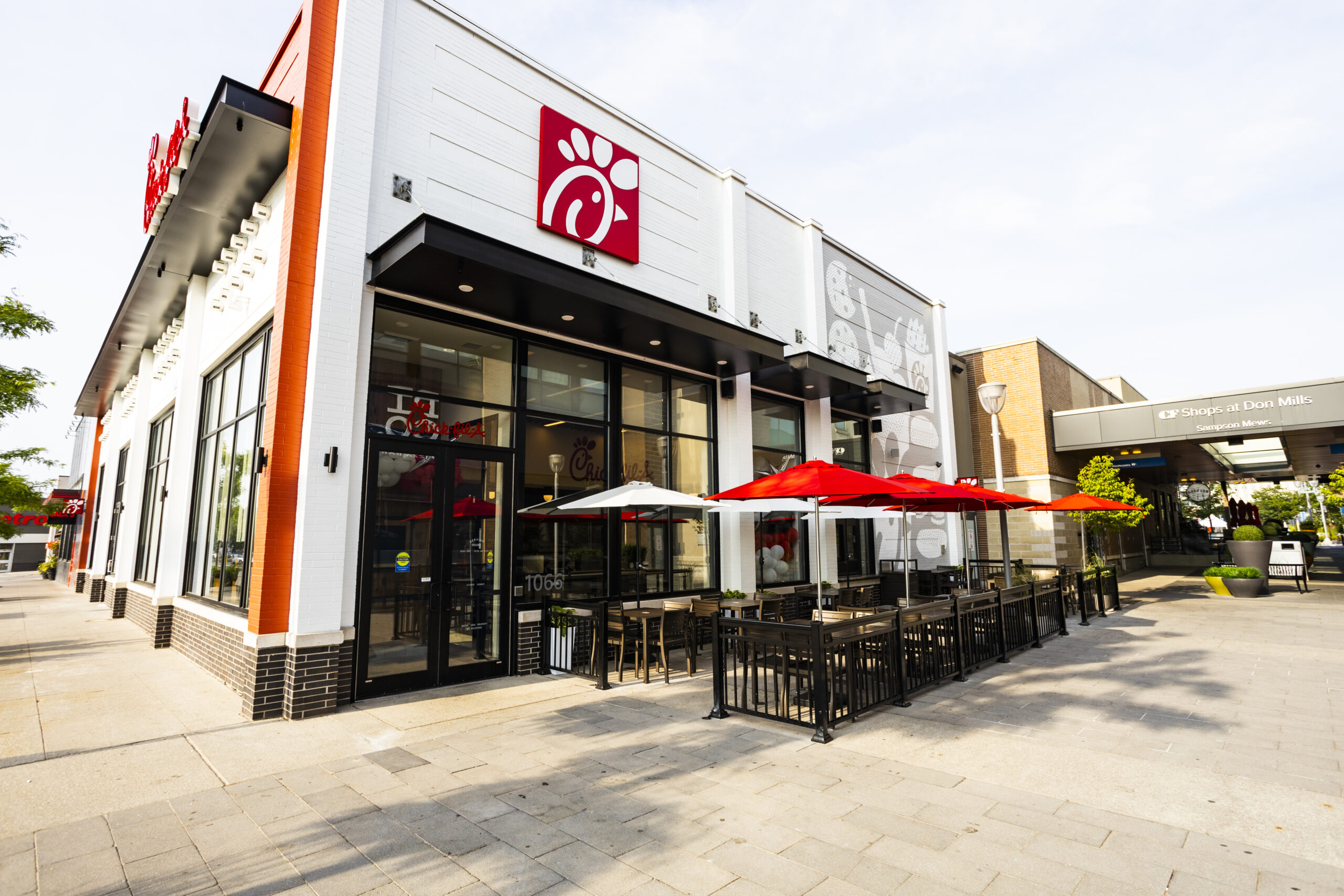
Chick-fil-A at CF Don Mills (Image: Chick-fil-A)
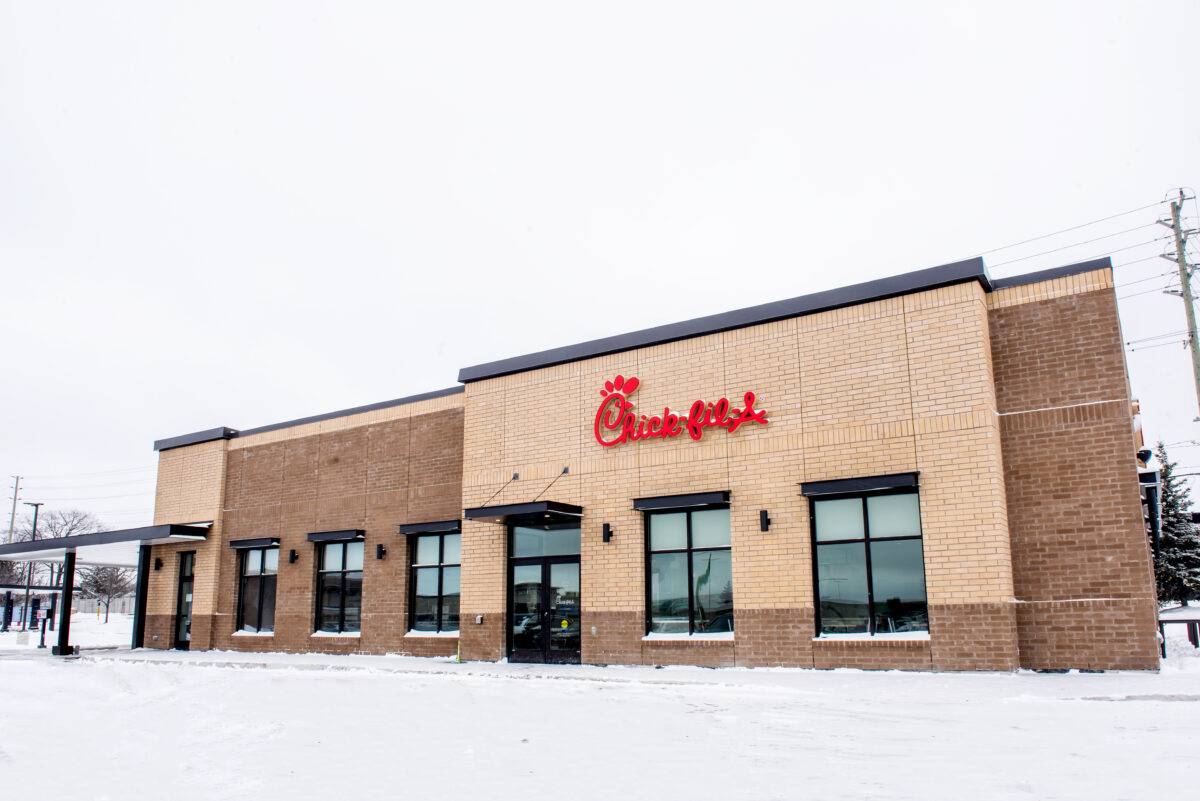
Currently, there are 13 locations in Canada, all in Ontario. The company is also expanding into Ottawa later this summer.
Paul Trotti
“Alberta has an incredible growth story and is an exciting place for us to continue our expansion in Canada,” said Paul Trotti, VP, International, Chick-fil-A, Inc., adding that each restaurant in Alberta will be led by an entrepreneur, an independent local owner/operator.
As part of the expansion in Alberta, the entrepreneurs who will be local Chick-fil-A Owners-Operators are expected to hire approximately 80-120 additional employees at each new location.
“We’re continuing to evaluate a lot of opportunities (in Alberta),” said Trotti. “Specifically, there’s great opportunities around Edmonton and Calgary. At this point, we’ve settled in on these first three because the site selection is so important for us. We won’t pick a site where we feel like we can’t give a great opportunity to an operator and have customers that we want to serve in a great density but at this point we’ve just announced those three.”
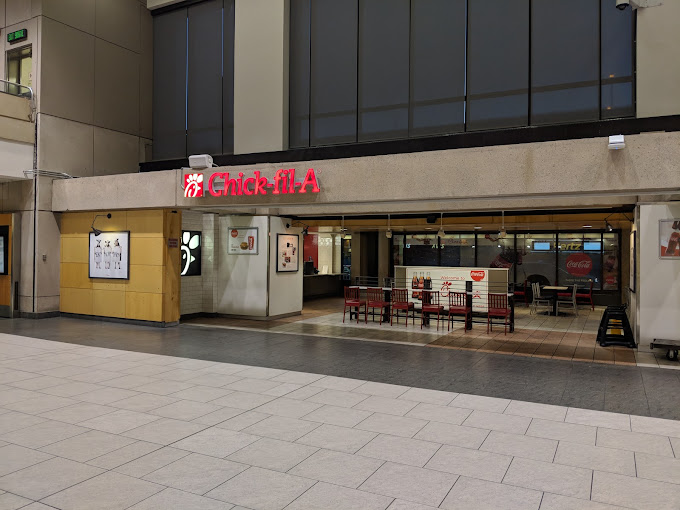
Chick-fil-A North Barrie (Image: Chick-fil-A)Former Chick-fil-A at Calgary Airport (Image: Huy Dang / Google)
In the past, the brand did have a location in the Calgary International Airport which eventually closed. A location like that is not part of the owner/operator model.
“We really feel like we get a chance to bring the full expression of the brand to Alberta through the owner/operator restaurants that we’ll bring to these three Alberta locations . . . We feel like this is truly the first time that they will get to experience not only the great food that we’ll serve but also the genuine hospitality that we hope differentiates us in the marketplace.”
Trotti said the company has been excited about the Ontario market and feels it’s experienced great growth there. Alberta presented several factors that were appealing for expansion including strong population growth and continued future population growth, a strong economy, attainable homeownership, and a great quality of life.
Rick Christiaanse
“Chick-fil-A’s expansion into Alberta will have a positive impact on our economy in the region by creating jobs and new entrepreneurial opportunities throughout the province,” said Rick Christiaanse, CEO of Invest Alberta, in a statement. “Alberta is one of the best places in Canada to do business. We have a talented workforce filled with big thinkers across many different industries. Chick-fil-A is a perfect fit for our rapidly growing and diverse region.”
Matt Jones
“Alberta’s government has created an investment-friendly environment where companies like Chick-fil-A continue to feel confident about expanding their business,” said Matt Jones, Minister of Jobs, Economy and Trade, in a statement. “With rapid growth and low taxes, our province is an ideal location to establish new stores. Alberta’s growing, young and diverse population means Chick-fil-A will have the future employees and customers they need to succeed. I am pleased to welcome Chick-fil-A to Alberta, and I am encouraged by their commitment to give back to our local communities to reduce hunger and food waste.”
Chick-fil-A Kitchener (Image: Chick-fil-A)
Trotti said the brand likes to be in power centres and in high traffic locations where customers live, work and play. He said about 5,000 square feet is the average for the company’s freestanding locations and about 3,500 square feet for mall locations. Trotti said the company is looking at expanding into other Canadian provinces.
Part of Chick-fil-A’s operation is community involvement:
Every time a Chick-fil-A restaurant opens, $25,000 USD ($33,623 CAD) is donated by Chick-fil-A, Inc. to Second Harvest, Canada’s largest food rescue organization, to support local non-profit organizations in the area to help reduce hunger and food waste. So far, Chick-fil-A has donated over $275,000 USD ($369,853 CAD) to local Canadian organizations in celebration of restaurant openings. That tradition will continue in Alberta;
Since the beginning of 2020, Chick-fil-A has donated more than $1 million USD ($1.3 million CAD) to support Second Harvest’s food rescue programs that have helped provide over 2.8 million meals worth of surplus food for people in need and supported the national expansion of Second Harvest’s food rescue app to 900 communities across Canada;
Participating Chick-fil-A restaurants donate surplus food to local shelters, soup kitchens and charities through the Chick-fil-A Shared Table™ program, which has resulted in ingredients for over 80,000 meals being donated by Chick-fil-A restaurants in Canada, with the number growing each day;
Canadian non-profits like East York Meals on Wheels, Yonge Street Mission, Children’s Aid Foundation of Canada and Living Lakes Canada have collectively received $475,000 USD ($638,837 CAD) from the Chick-fil-A True Inspiration Awards™, annual grants given to organizations that make an impact by Caring for People, Caring for Others through Food, Caring for Our Communities and Caring for Our Planet – falling within Chick-fil-A’s corporate social responsibility pillars, which help guide overall giving efforts; and
Chick-fil-A has awarded nearly $40,000 USD ($53,796 CAD) in scholarships since 2020 to 37 Canadian Team Members to support their goals of pursuing post-secondary education.
Chick-fil-A, Inc. is the third largest quick-service restaurant in the United States and has more than 3,000 restaurants across the United States, Canada, and Puerto Rico.
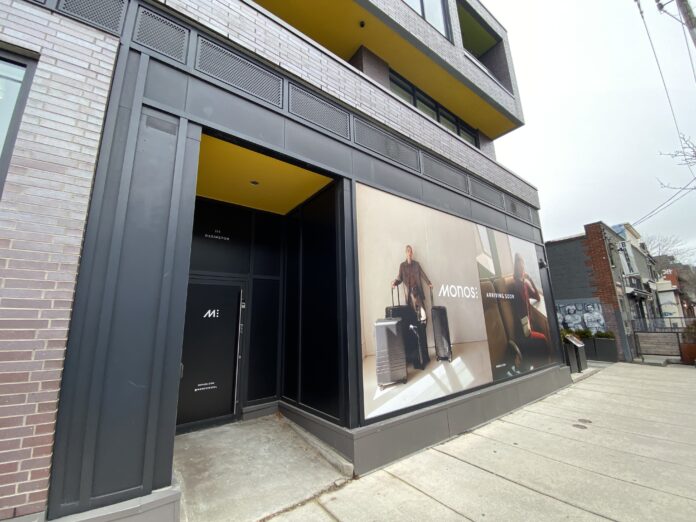
Future Monos Storefront on Ossington (Image: Dustin Fuhs)
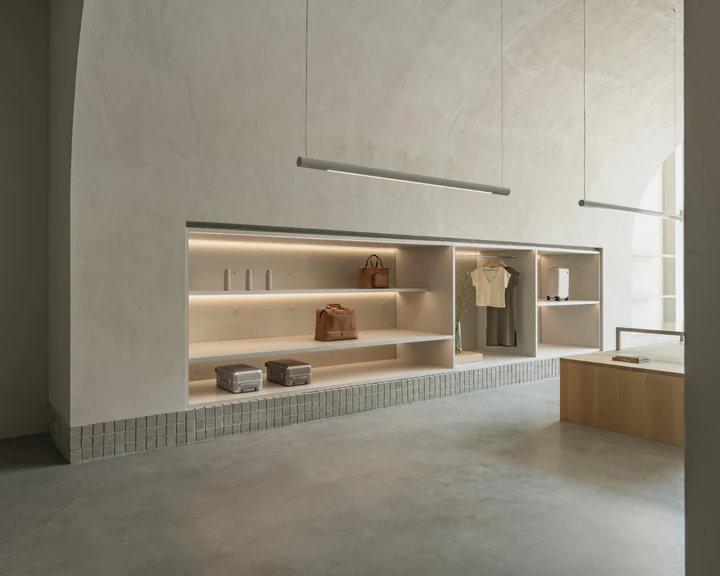
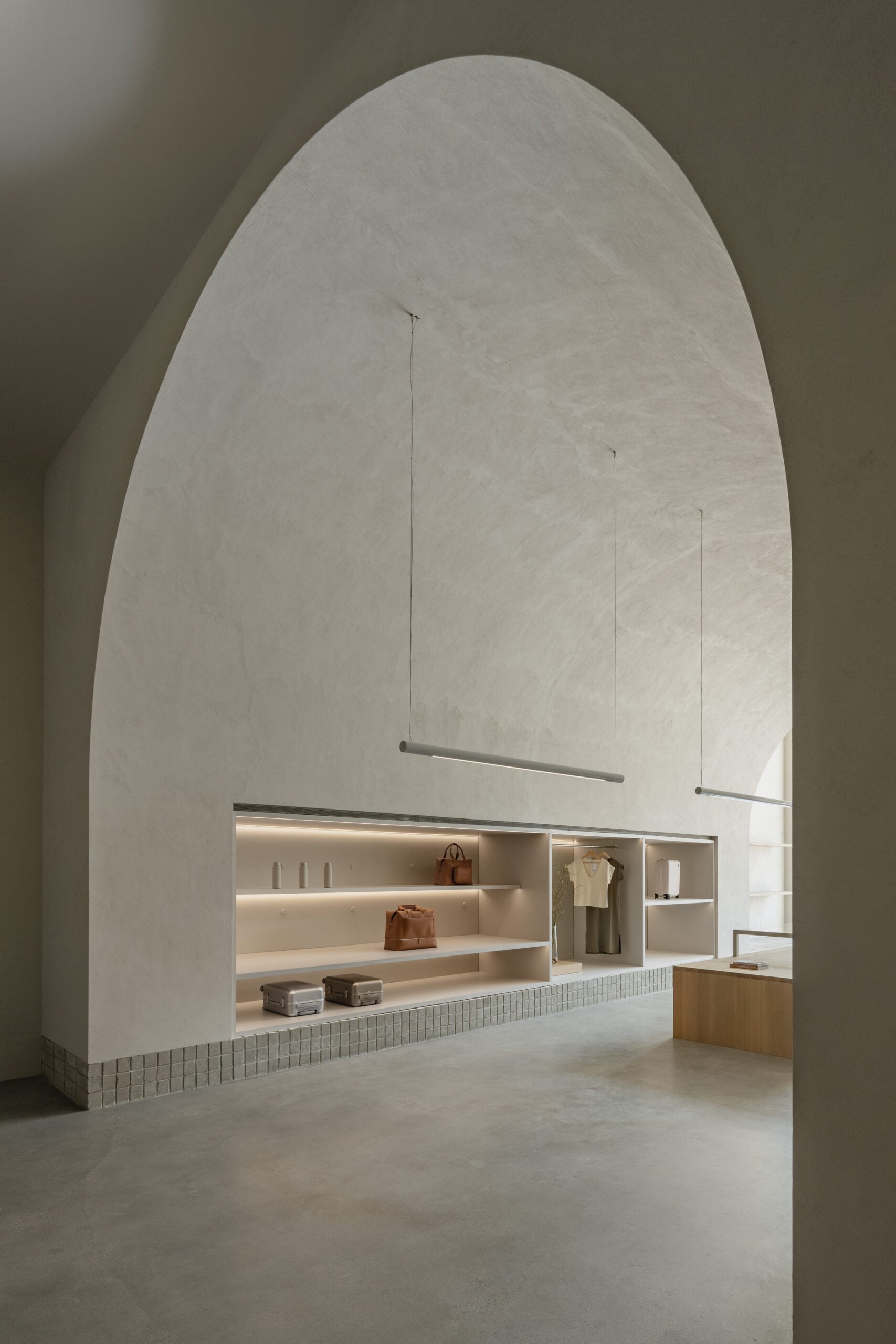
Following the successful opening last year of its Vancouver flagship store, Monos, a consumer travel lifestyle retailer, has plans to open its second location this summer in Toronto on Ossington Avenue and is looking to expand as well to New York City.
Victor Tam
“At Monos, we believe in the power of omnichannel retail. Our stores allow customers to step into the world of Monos – one built on thoughtful design and exceptional craftsmanship. The incredible response to our flagship in Vancouver has ignited our passion for bringing this experience to new cities, including Toronto. As we expand, we’re focused on replicating that experience to become a legacy travel brand by focusing on cities that perfectly align with our brand vision,” said Victor Tam, CEO and Co-Founder.
“The success of our Vancouver flagship has shown the power of our immersive retail experience, and we can’t wait to bring it to life in a city with a thriving retail scene, Toronto. We’re confident that our thoughtfully curated product experience and sleek, minimalist store design will resonate with Toronto’s residents and visitors. Opening a store here feels like a natural next step in our journey.”
Amanda Calouro, Senior Director, Retail Expansion, said the Toronto store will open in late Spring or early Summer.
Amanda Calouro
“We are well on our way with construction,” she said, adding it’s 1,857 square feet at 111 Ossington Avenue.
“It is in the condo building in a space formerly occupied by Fresh City Farms. Ossington in general is one of the most exciting neighbourhoods in Toronto. It is such a vibrant street. It always has so much life and activity and we really felt it was a great home for the brand. It serves as kind of the cultural hub within the city and we really think that our customers are going to love to find us there.
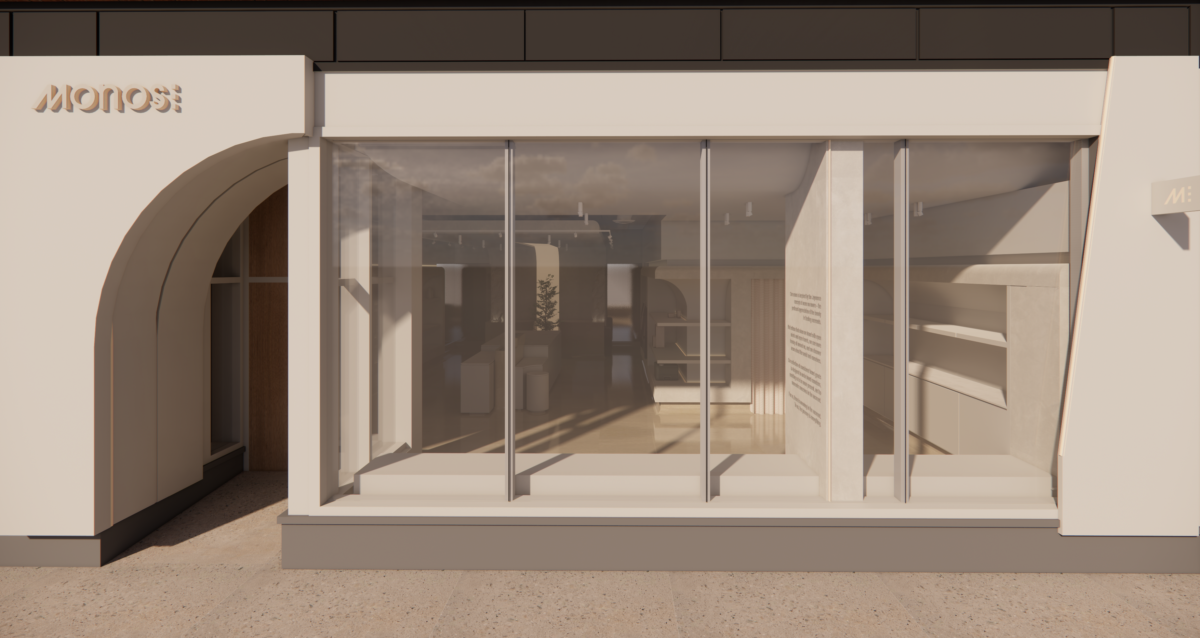
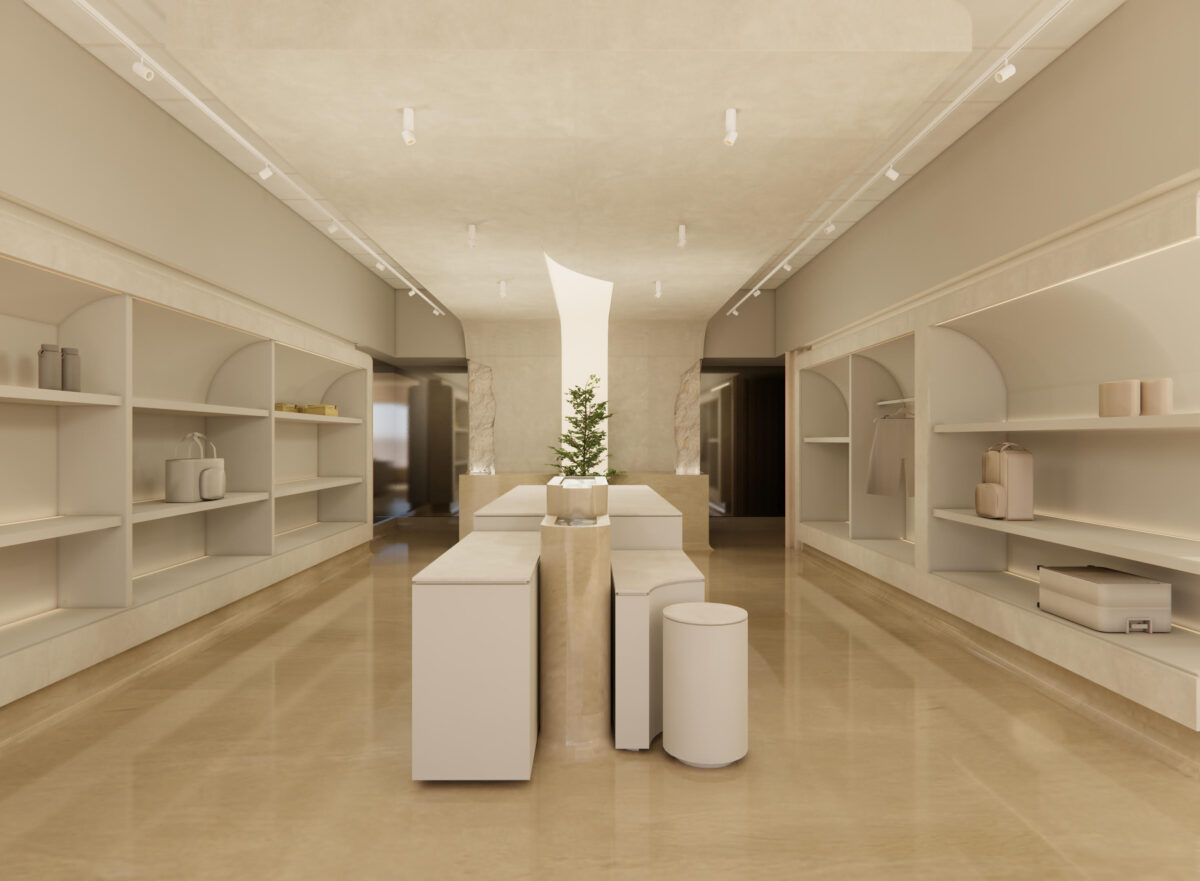
“With this space in particular, we’re really excited to bring a bit of escapism into the city. We’re really leaning into the Portuguese heritage and history of the neighbourhood and incorporating that into our design and our material palette. I’m really excited about Ossington. I think it’s going to be such a beautiful space and such a beautiful representation of the brand itself.”
The Vancouver location on West Fourth Avenue opened in July 2023. The store is about 1,953 square feet.
Calouro said the brand has its sights on a site in Soho in New York City.
“New York will be our first entry into the U.S. market. We are aiming Q1 of next year,” she said.
“We are definitely exploring opportunities and really ensuring that we get our retail concept right. So with Vancouver and Ossington we’ll be able to really understand where we are at from a retail perspective as we look to really amp up expansion in 2025. In 2025, we are looking to open eight additional stores.
“Within the eight there will definitely be some additional U.S. expansion. Major cities. Similar to how we would approach Canada. And we have our eyes on a few major cities in Canada as well. We want to ensure that we’re really expanding thoughtfully. We’re never going to be that brand that shows up everywhere.”
Calouro said the brand wants to meet its customers where they’re at.
“I think a lot of what is exciting in retail, and especially for the brand itself, is really allowing our customers an opportunity to experience the product in real life. Once they experience the quality and all of the features of the product, we know that we have created a Monos customer for life. It’s really been truly special watching them interact with our product,” she said.
“That’s why we’re really excited about retail expansion. We know that there is a demand to see the product in person and to be able to build those connections and get that feedback on the product in person – it is so invaluable.”
Calouro said the rebound in the travel sector has also helped the retailer.
“We are definitely seeing a lot of customers coming into our store in Vancouver with kind of those bucket lists of travel experiences that they’re really excited to get back out there and be traveling again. A lot of excitement about going out and seeing the world, getting some of those bucket list places off of their bucket list. It’s been really exciting to see in person. That rebound in the travel industry of course helps for sure.”
Image: Monos
Image: Monos
Monos at Stackt Market (Image: Monos)
Prior to opening its first bricks and mortar location in Vancouver, Monos set up a physical location as a temporary site at North America’s largest shipping container market – Stackt in Toronto.
The pop-up location was launched in 585 square feet.
Monos, launched in 2019, is a Canadian travel and lifestyle brand offering premium, beautifully designed suitcases, bags, and accessories, and inspiring people to travel in a mindful and present way – to embrace the journey as much as the destination.
Spring cleaning is a well-known tradition in many cultures. It signifies the arrival of a fresh start that shakes off the cobwebs of winter and welcomes growth and rejuvenation.
Businesses can also embrace this concept to reassess their strategies, clean up inefficiencies, and lay a strong foundation for the upcoming business cycle. This article will guide business leaders and entrepreneurs in revitalizing their focus and finding a new direction. Cleaning clutter, be it a disorganized plan or an inefficient practice, can reveal the barriers to innovation and growth and provide clarity to steer the business toward success.
Approaching your business with a spring cleaning mindset is about more than just tidying things up. It represents a compelling and strategic vision capable of driving businesses toward growth objectives.
Understanding the Need for Business Spring Cleaning
Business spring cleaning goes beyond clearing the physical space. It examines all business aspects, uncovering unnecessary complexities, unproductive processes, or outdated systems. Streamlining these factors results in a business equipped to tackle challenges in a smart way, paving the way for increased productivity and profitability.
“Companies can see profound changes after embracing business spring cleaning,” says Agatha Relota Luczo, Founder and Chief Creative Officer of Furtuna Skin. “Eliminating unproductive elements and encouraging a leaner, more efficient business structure leads to substantial increases in productivity and morale.”
This efficiency has a push effect. The newfound invigoration trickles down from top leadership to departmental managers and then to the employees who run the day-to-day workings of the business.
The Role of a Renewed Focus in Business
A renewed focus means aligning the business to its core aims and objectives. Over time, deviating from these primary goals amid the daily hustle and challenges is easy.
Renewing focus means reconnecting with the original business mission, restrategizing, and pointing all efforts toward core goals.
“Your work is going to fill a large part of your life, and the only way to be truly satisfied is to do what you believe is great work,” says Steve Jobs, co-founder of Apple Inc. “And the only way to do great work is to love what you do.”
Following a renewed focus helps uncover business strengths and areas for improvement, encouraging a forward-looking mindset. Such clarification catapults the company’s growth trajectory by providing a clear map to success.
Strategy 1: Conducting a Business Audit
A comprehensive business audit is an integral part of corporate spring cleaning. This deep dive into every aspect of an organization, from financial records to process efficiency, allows for a clear understanding of the business’s current state. Such auditing also uncovers hidden ineffective processes that might be getting overlooked.
Conducting a thorough business audit can bring many underestimated benefits. Companies can identify waste in their daily practices, which, when eliminated, can lead to substantial cost savings.
“A business audit isn’t merely an evaluative exercise,” Maggie Brown, Founder and CEO of Recess Pickleball explains. “It’s an opportunity for new possibilities capable of ushering in unprecedented efficiency and profitability.”
Strategy 2: Reevaluating Business Goals
As the business landscape evolves, so should your goals. Annual reevaluation of business goals allows businesses to maintain their relevance and stay on track. This also helps realign teams and resources efficiently, ensuring maximum productivity.
“Goals set years ago might no longer serve a business or their growth and investment strategy,” says Cody Candee, Founder and CEO of Bounce. “A reevaluation session can lead to the redefinition of these objectives, driving progressive change.”
This process of reevaluating and restating goals is not just about staying current. It’s about creating an environment that breeds innovation and improvement, carving out a clearer path toward success.
Strategy 3: Decluttering the Workspace
This strategy refers to both your physical workspace and digital environments. Clutter can be distracting, decrease productivity, and even lead to unnecessary stress. Sorting and organizing workspaces can create a more efficient, focused, and productive work environment.
“Your business deserves to reclaim its workspace,” says Roman Peysakhovich, CEO of Cleango, a company known for their commercial cleaning services. “They can do this by initiating a decluttering activity — and they should. A cluttered workspace will cost a company in terms of lost productivity and focus. Post decluttering, an office environment will drastically improve, fostering creativity and innovation.”
Decluttering is not a simple task, but it’s a progressive step towards creating a work environment that nurtures productivity, creativity, and, ultimately, success.
Strategy 4: Prioritizing Employee Welfare
Employees are the backbone of any business. Promoting their welfare can result in higher employee satisfaction, leading to increased productivity, lower turnover rates, and a healthier work culture.
“When you prioritize employee welfare, you witness an impressive transformation,” explains Dr. Michael Green, Chief Medical Officer of Winona. “Companies will notice lower absenteeism, higher job satisfaction, and an overall positive change in their work environment. This makes a dramatic difference in a business’s performance.”
Prioritizing employee welfare is not just about creating a happier workforce. It is an investment that generates significant returns in terms of productivity and efficiency.
Strategy 5: Revamping Marketing Strategies
Marketing evolves rapidly, necessitating businesses to stay updated. With the growing focus on digital marketing, seasonal evaluation of marketing strategies becomes crucial to ensure your business stays relevant in the competitive landscape.
“Revamping marketing strategies can lead to a surge in customer engagement,” says Erin Banta, Co-Founder and CEO of Pepper Home. “Companies realize that adhering to old marketing practices may be ineffective with the way things are working these days. Upon employing newer techniques, they often witness improved reach and growth.”
Breathing new life into marketing strategies is more than a branding exercise. It’s an opportunity to engage with your target audience more efficiently, leading to better outcomes.
Strategy 6: Streamlining Financial Management
Efficient financial management is crucial for the sustainability of any business. Streamlining finances involves standardizing processes, improving transparency, and enhancing data integrity. By doing so, businesses can have a clear picture of their financial health, make informed decisions, and ensure smoother operations.
Streamlining financial management can result in a considerable reduction in unnecessary expenses and foster a completely new approach to budgeting and fiscal planning.
“A streamlined financial management system can ultimately create a more cost-efficient structure,” says Bridget Reed, VP of Content at The Word Counter, a company known for their random word generator. “This enables a business to maximize its revenue potential today and well into the future.”
Strategy 7: Boosting Digital Presence
Whether it’s through a responsive website, a dynamic social media presence, or an engaging blog, boosting your digital presence can extend your reach, attract new customers, and strengthen relationships with existing clients.
“When companies revamp their online presence, they not only strengthen their brand identity but also can experience a significant growth in customer engagement, boosting their bottom line,” says Maegan Griffin, Founder, CEO and nurse practitioner at Skin Pharm, a company that provides Botox in Austin. “A strong digital presence is an effective tool for competitive differentiation and can act as a springboard for business growth.”
Evaluating the Impact of These Strategies
After implementing new strategies for business renewal, it’s critical to evaluate their impact. This involves tracking changes in efficiency, productivity, profit margins, and customer satisfaction.
Companies may witness a dramatic shift in their business outcomes after implementing spring cleaning strategies. Through continuous evaluation and adjustment of these strategies, companies can build on successes and quickly respond to challenges.
“Regular evaluation is not simply a means to measure success or failure,” explains Marcus Hutsen, Business Development Manager of Patriot Coolers. “It’s a tool for continuous improvement, helping businesses adapt, grow, and thrive in an ever-changing environment.”
Case Study Examples of Successful Business “Spring Cleaning”
Anecdotal stories can provide practical insights into how these strategies have helped businesses grow and thrive. Case studies can paint a clear picture of the impact of business spring cleaning while lending credibility to these methods.
Shaunak Amin, CEO and Co-Founder of SwagMagic speaks to the benefits of spring cleaning: “Teams can go farther when they have less to worry about. It helps clean your closets at home, so you can apply that exact same strategy to your business.”
With these practices in place, you can boost profitability and market presence. Those are just some of the potential of effective spring cleaning strategies and how any business can replicate similar success.
Embracing Change for a Positive Impact
Spring cleaning in a business context is about embracing change for a positive impact. It’s a strategic move that can spark innovation, enhance focus, and prompt businesses to re-adjust their strategies. This continual adaptation keeps a business practical, competitive, and, most importantly, sustainable in an ever-changing market.
Spring cleaning is just one of the steps builders, innovators, and creators can use on their journey to make something new and lasting in the world. With the right tools at our disposal and best practices for business care and management, we can build a better business future.
“All humans are entrepreneurs not because they should start companies,” says Reid Hoffman, co-founder of LinkedIn, “but because the will to create is encoded in human DNA — and creation is the essence of entrepreneurship.”
Spring cleaning holds the potential to unlock transformative growth. By conducting a thorough assessment, revamping strategies, prioritizing employee welfare, and staying agile in a rapidly evolving market, businesses can yield transformative results. It’s more than just a seasonal overhaul. It’s a strategic move towards operational efficiency, productivity, and long-term growth.