Home Blog Page 704

Asian Brand LOJEL Entering Canadian Market with 1st Store Opening in Vancouver This Summer [Interview]

Image: LOJEL

Retailer LOJEL is expanding into the Canadian market with its first store scheduled to open this summer in Vancouver.

Rachel Draper

Rachel Draper, General Manager, North America for LOJEL, said the brand is building its North American team in Vancouver. 

“You could go to New York, LA or Toronto but for us we’re really excited to open our first store in our backyard in Vancouver and specifically it’s a very green city, very diverse, multicultural,” she said.

Beyond Vancouver, Draper said the brand is particularly interested in growing very intentionally.

“We’re very fortunate to be a family business, privately owned. So when we look at growth we look at how do we reach our key audiences. It’s not just west coast Pacific although that is very tied to our audience. It’s getting into the key metro cities, the urban cities where you have people moving every day and travel hubs.

“We’re really excited about growth in North America. We obviously have a big ecom presence that we’re growing but are interested as well getting into the East Coast in some of those key travel hub cities such as Montreal, New York, etc. And that can look different. It could be a pop up or a traditional brick and mortar store like the Vancouver one.”
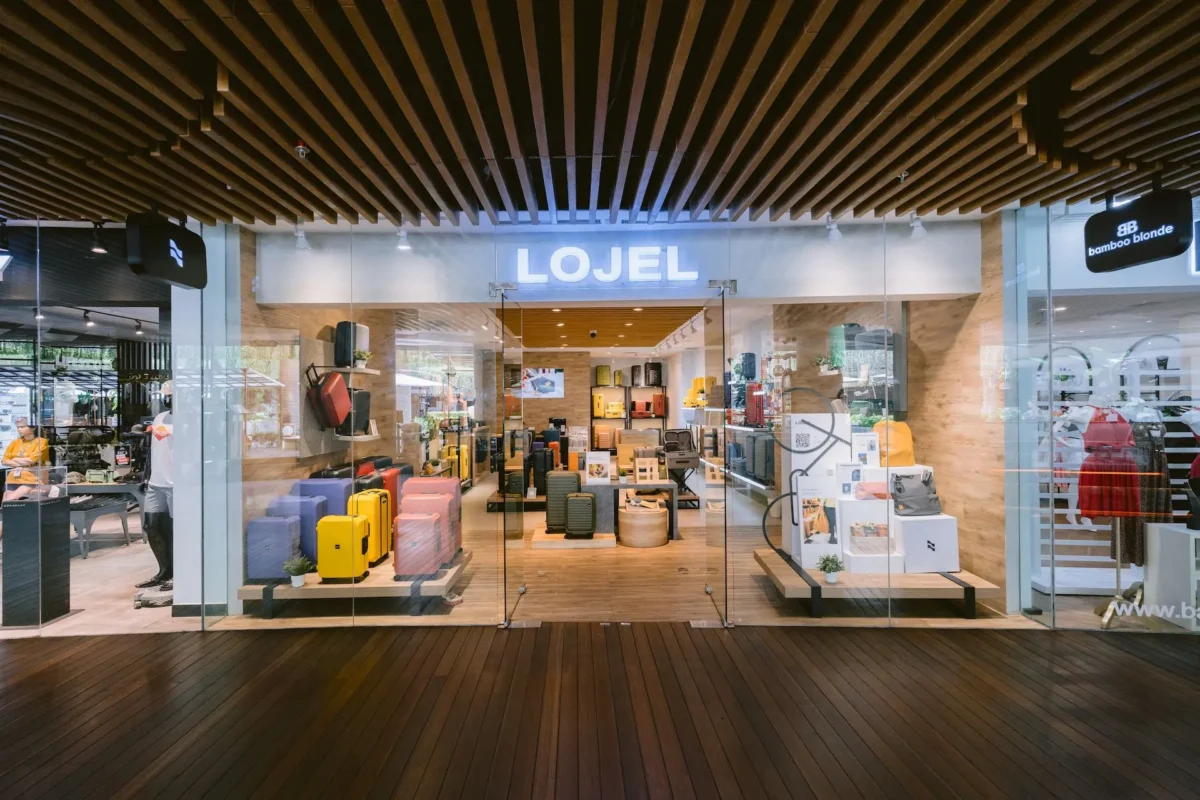

LOJEL Beachwalk Shopping Centre in Bali (Image: Beachwalk)
Kenzo Yoneno

LOJEL, which stands for Let Our Journeys Enrich Life, is a carry essentials brand.

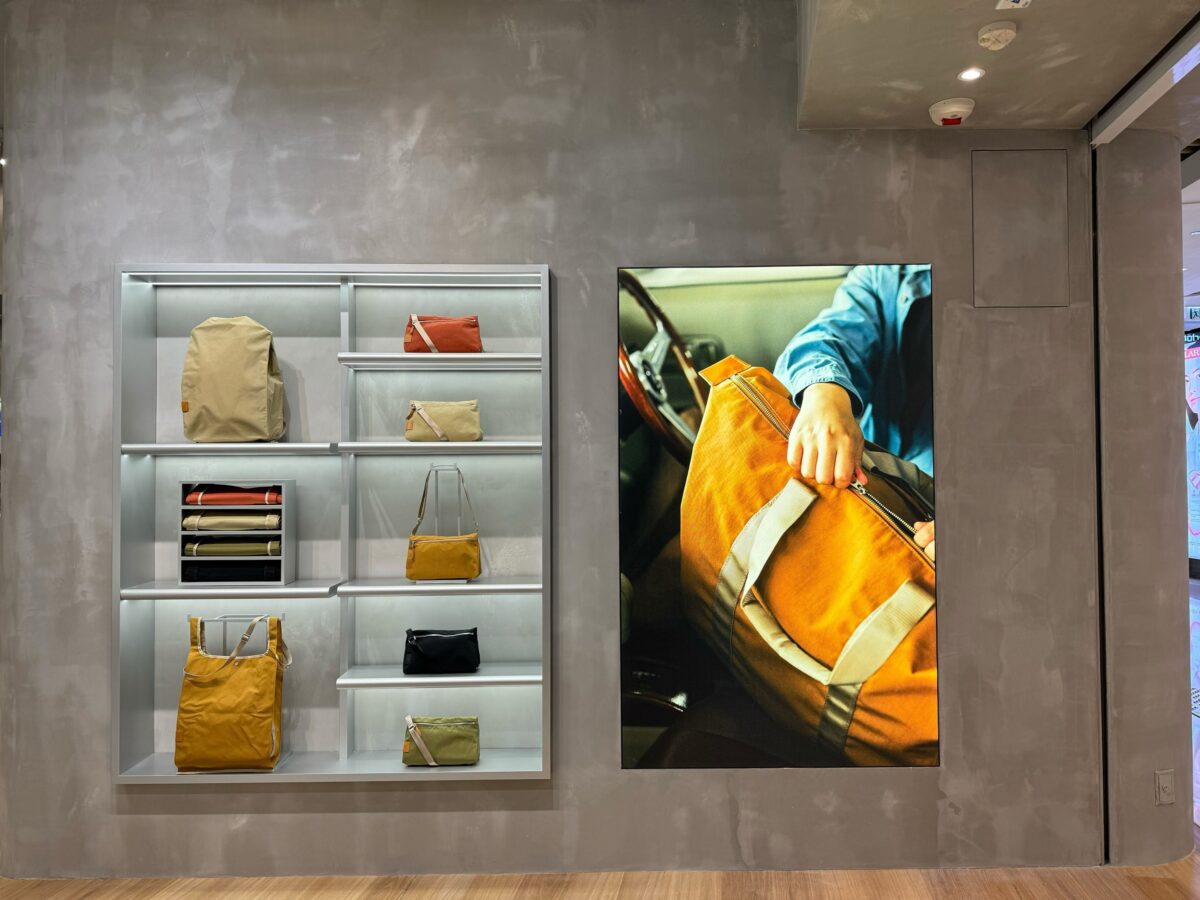
“We make products that simplify movement whether it’s every day or for travel,” said Kenzo Yoneno, Chief Product Officer. “We have products that range from phone straps all the way through to backpacks, wallets and to luggage. 

“We were founded in 1989 in Japan. We are a family-owned business. The current CEO is in fact the grandson of the person who founded it originally. We have a headquarter in Hong Kong and we have a North American headquarter in Vancouver.”

There are 18 stores in Asia Pacific.

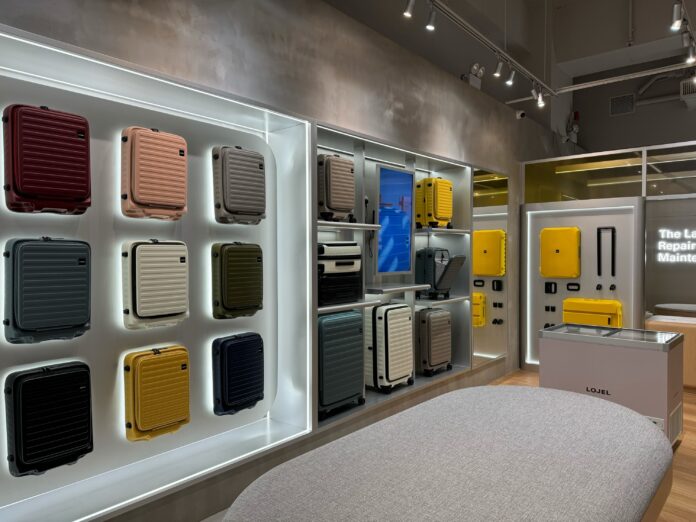
The Vancouver store will be opening on West Fourth in Kitsilano. Target opening date for the just over 1,800-square foot store is late summer.

“The landscape and environment on West Fourth has changed so much. A lot of brands have come first to market in North America on West Fourth so there are a lot of reasons for it but a big reason is our office (is close) to the store,” said Draper.

Mario Negris and Martin Moriarty of Marcus & Millichap handled the transaction for the new location.
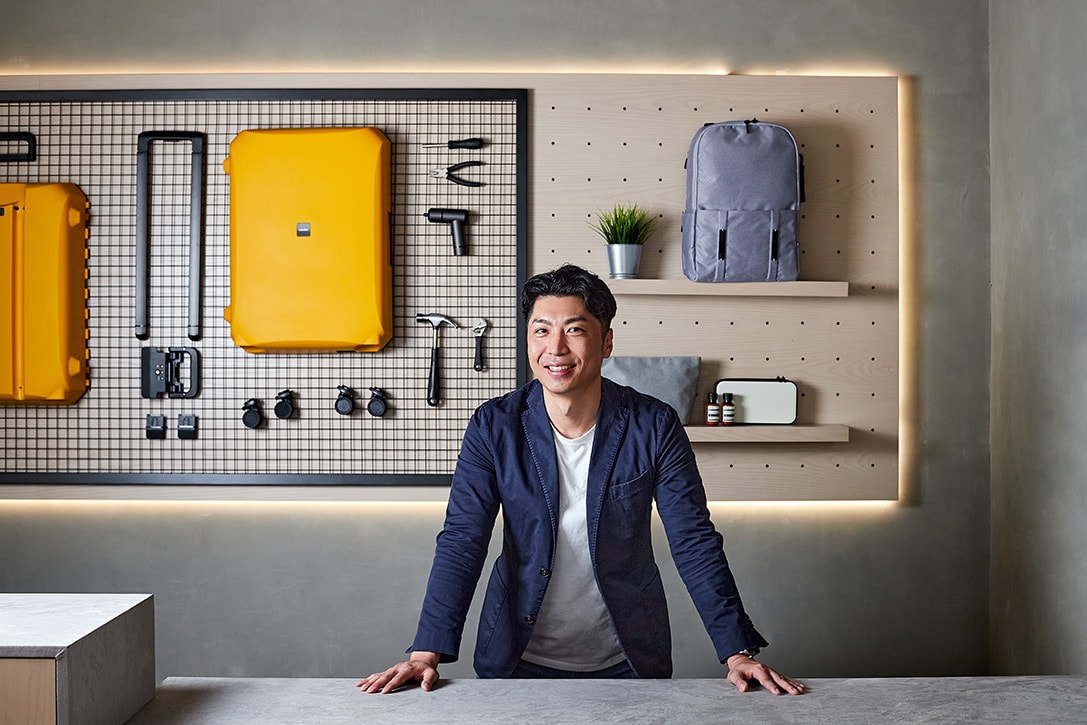
An Chieh Chiang, CEO of LOJEL.
Image: LOJEL

Yoneno said a big focus of the brand is sustainability.

“I believe that Vancouver has a massive reputation in that respect. The founding of Greenpeace was here. We thought that this would be an audience that would be receptive to our message. We’re very considerate in the way we make products and we build sustainability into it in very many different ways whether it’s through design for repair and other services that we provide. So we wanted to bring it to the Vancouver market in that respect because I think it will be receptive,” he said.

“Also, we’re in Asia Pacific. We see Asia Pacific more as part of a Pacific Rim type of region which encompasses Australia, west coast of North America and all what you would traditionally consider APAC (Asia-Pacific). So there’s kind of a synergy there. There are people moving from Melbourne to Vancouver, Tokyo to LA, Seattle to Seoul. So there’s a tremendous synergy in the Pacific region. Given our heritage is from Asia Pacific it seemed to make sense to also move onto the west coast.”

Yoneno, speaking about the brand’s acronym, said the company sees the word journey as being anything from popping out to the supermarket to get groceries to obviously a larger journey.

“Today’s industry brands are exhibiting a growing disconnection from the deeper purpose of movement, seen in standard-fare products that neither challenge norms nor present new solutions that facilitate better mobility,” said the company.

“LOJEL is about refocusing on how people move, but more importantly, why: connection. Putting the purpose of our journeys at the forefront of the discussion opens up opportunities for innovation. This process of discovery is what lets us empower people to move better and focus on what truly matters.

“Our mission is to spark the human connections that make the world a better place—by empowering people’s journeys with thoughtful carry essentials for travel and everyday movement. We are Driven By Diversity, Intentional By Design and Purposely Positive—core values upholding our ultimate goal to inspire movement within communities and across the globe.”
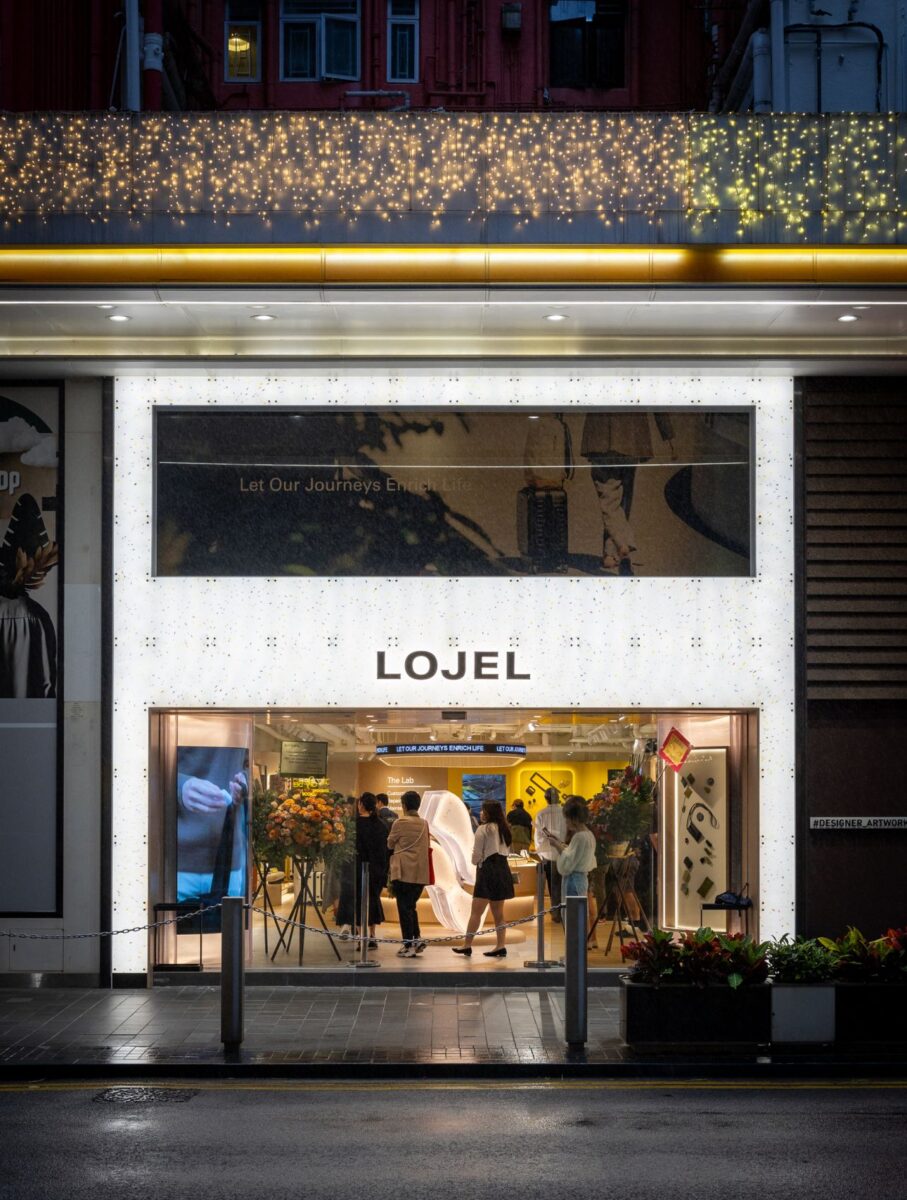
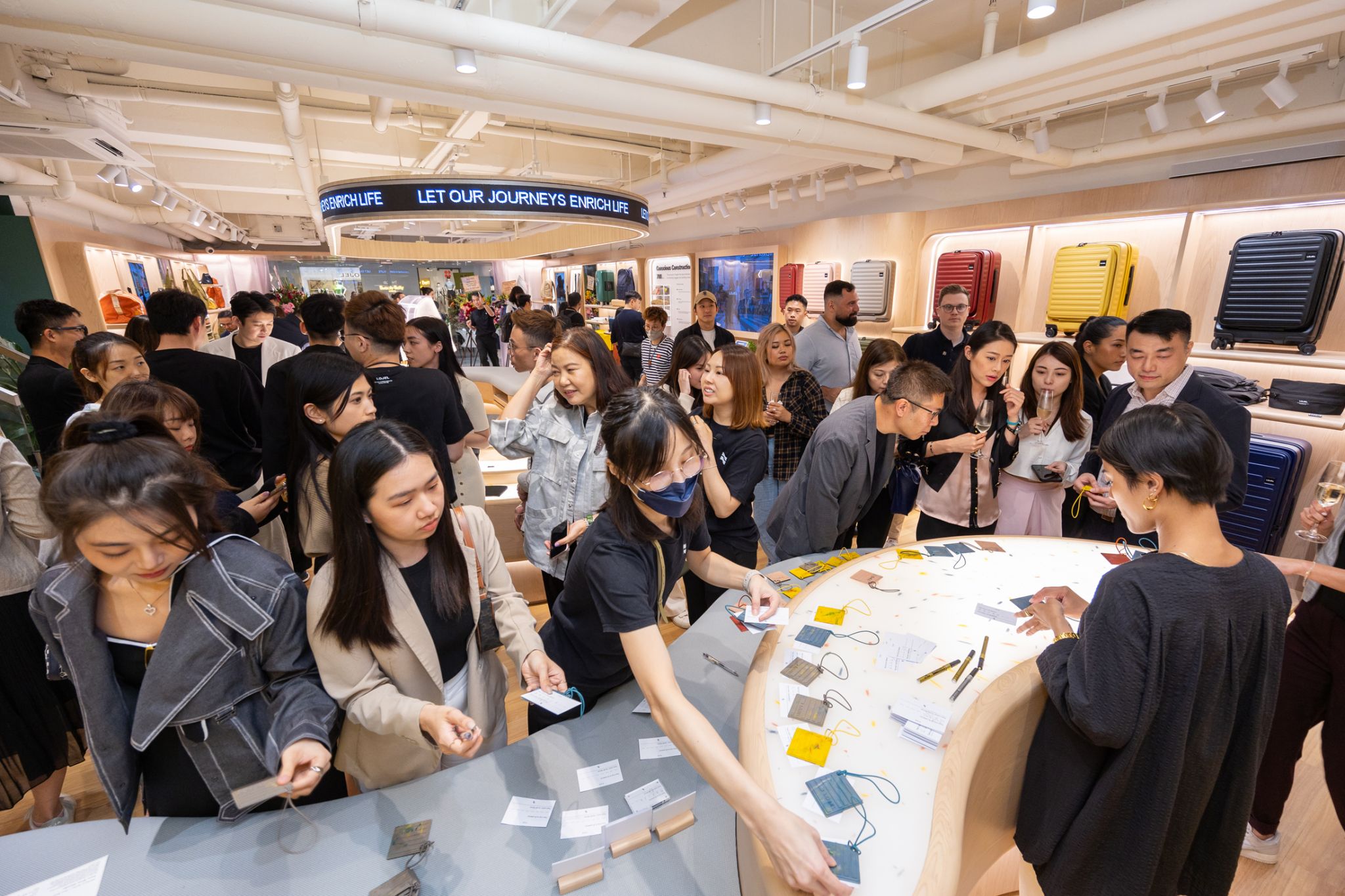
LOJEL Hong Kong (Image: LOJEL)

Sustainability is at the core of its mission. 

“By 2026, we aim to achieve B Corp certification, becoming climate neutral, and ensuring that 50 per cent of our products are crafted from recycled or sustainable materials. To achieve these goals, we’re building a team that’s ready to take on this challenge head-on,” it said.

Yoneno said the brand builds in the idea of sustainability beyond just materials.

“You see a lot of surface level noise about ‘we use 15 per cent recycled material, etc’. That’s not good enough for us. While we do work on the material front, one of the key foundational elements of our product design is what we call design for repair. What this means is that everything that’s designed is modular and can be repaired and replaced. Ultimately, entropy being what it is, things break down  . . . We acknowledge that and we make it easy to repair. How this ties back to retail is we have repair labs in our stores and we provide that service and we make it very clear whether it’s repair and eventually other things, customization, potentially upgrade, it’s a key part of our pledge to our customers that we stand by our product. We want it to last for a long time. We want people to buy less but better and that’s how we decide what we design and how we present it.”

LOJEL Canadian expansion job postings are available on the official LOJEL Linkedin page.

Canadian Retail News From Around The Web For June 12th, 2024

Canadian Retail News From Around The Web

News at a Glance

Retail Insider is streamlining its Canadian retail news from around the web to include a handful of top news stories that can be viewed quickly during the day. Here are the top stories from the past 24 hours.

Competition Bureau obtains court orders in investigation into Loblaw, Sobeys (Financial Post)

Why the Salvation Army Thrift Store is having trouble keeping up with demand (CTV)

Canadian Border Services Agency Strike: Negotiations Extended to June 14 (RCC)

How Loblaws grocery store prices compare to Dollarama (CTV)

Loblaws boycott: These Canadian shoppers say they’re done with the grocery giant forever (Yahoo)

Leon’s Furniture Limited Announces Appointment of Victor Diab as Chief Financial Officer (Yahoo Finance)

Sephora expands payment by employee device to Canada (Chain Store Age)

Pardon our dust: Why some businesses remain open during a building renovation (Globe & Mail)

Cadillac Fairview taking time with Vancouver Nordstrom site (Business in Vancouver)

Property owners quarrelling with Ottawa’s heritage designation plans for Rideau Street (Ottawa Citizen)

Shake Shack will finally open its doors in Toronto. Here’s what’s on the menu (Toronto Star)

Why an anonymous complaint has this Toronto corner store worried about the future (Streets of Toronto)

Landmark on Robson signals retail strip continuity with completion (Daily Hive Vancouver)

Luxury Watch Brands Roger Dubuis, IWC and Panerai Open Boutiques at the Park Hyatt on Bloor with Jeweller L’ORO [Photos]

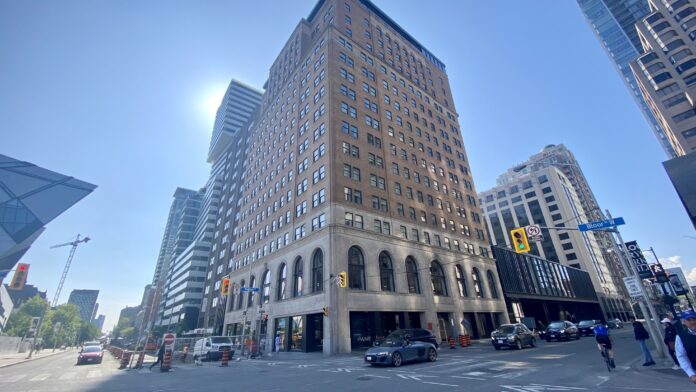
Park Hyatt Hotel at Bloor Street and Avenue Road in Toronto, June 2024. Photo: Craig Patterson

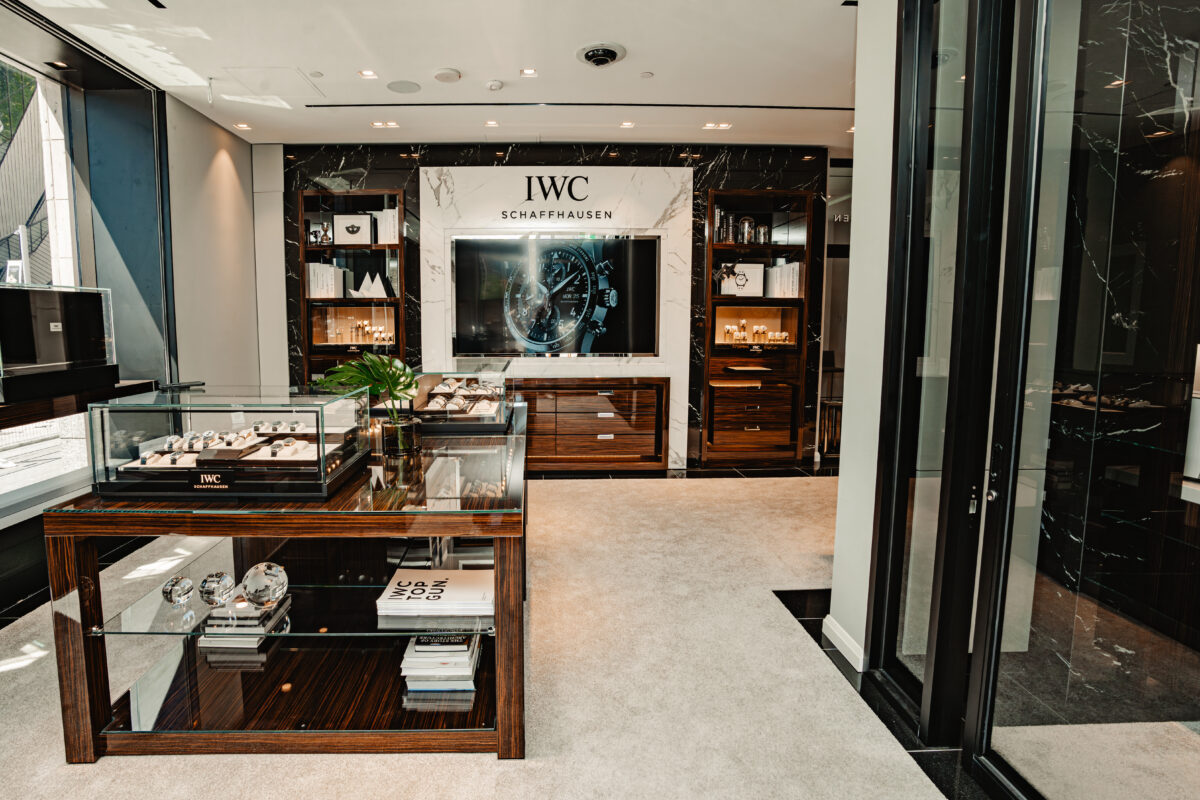
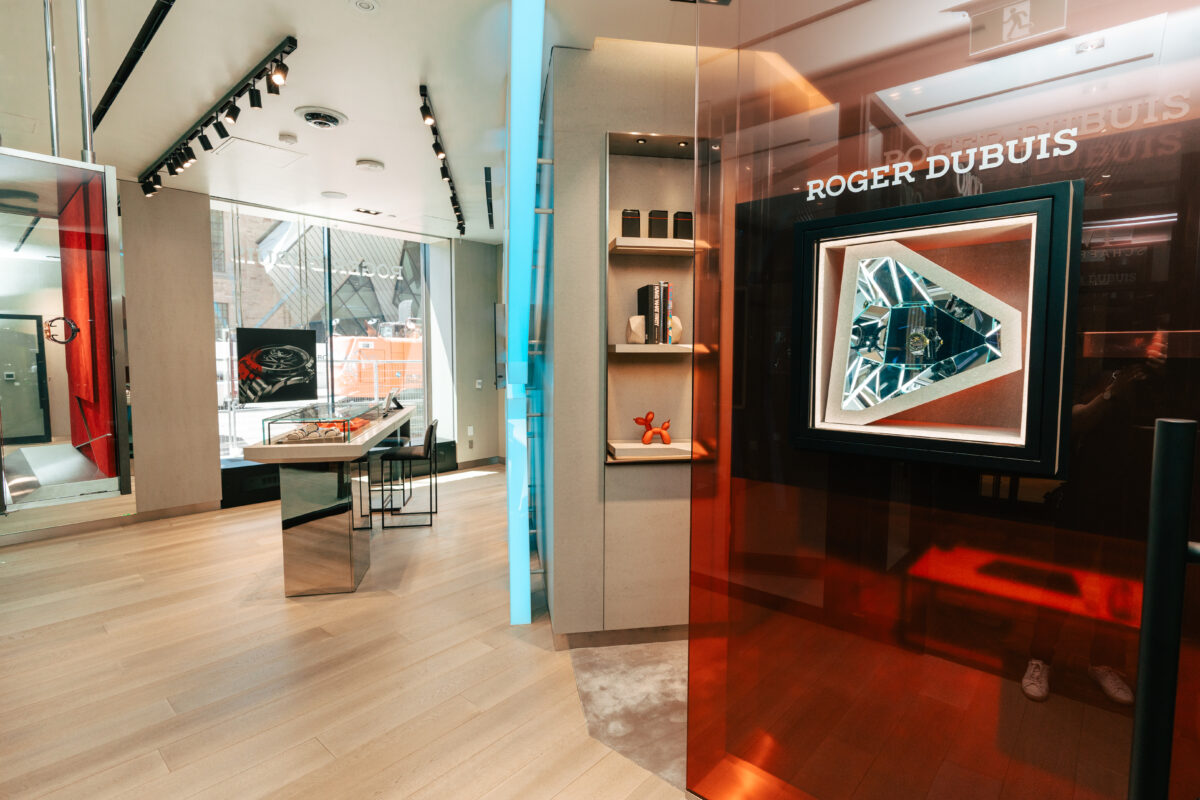
Toronto-based jewellery retailer L’ORO recently spearheaded an initiative that saw several beautiful retail spaces open at the Park Hyatt at Bloor Street West and Avenue Road in Toronto. That includes the opening of a new L’ORO multi-brand jewellery store space, and separate corporately-run boutique spaces for Richemont-owned watch brands Roger Dubuis, IWC Schaffhausen, and Panerai. 

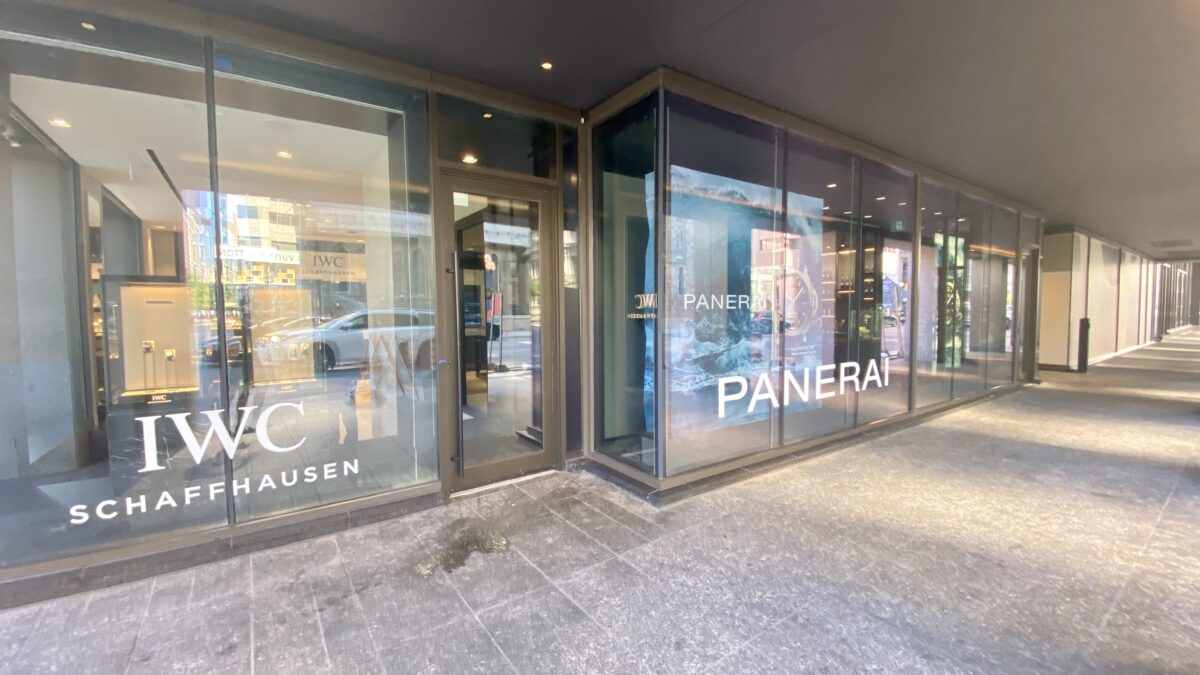
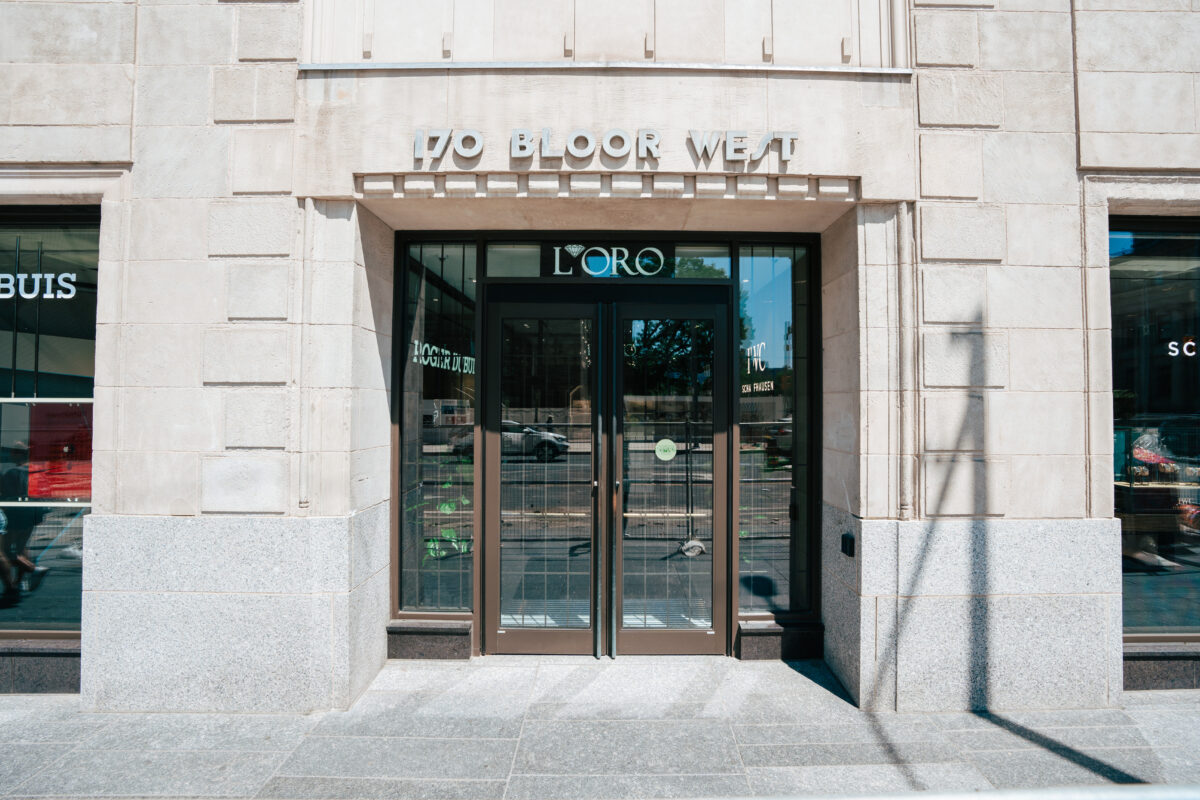
All three of the watch boutiques can be accessed from entrances within the L’ORO jewellery space, which has an entrance at 170 Bloor Street West. The Panerai and IWC boutiques also have street-facing doors onto Avenue Road. 

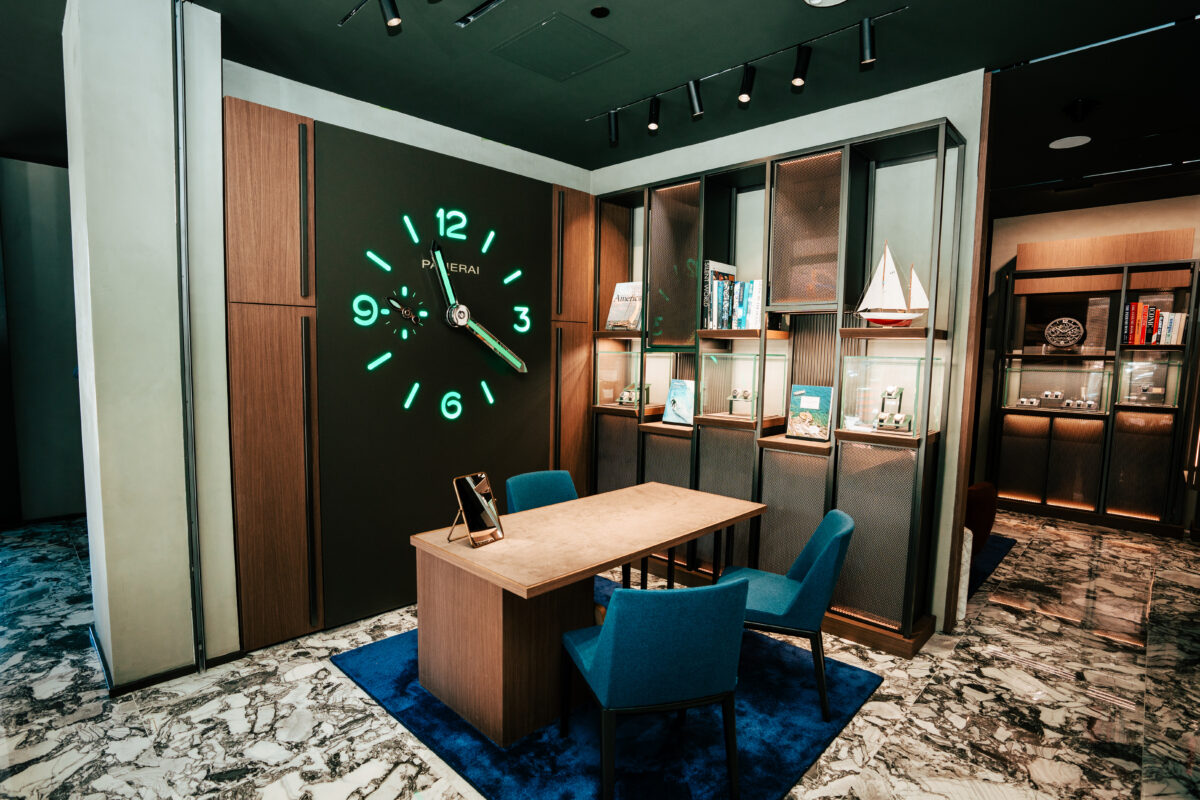
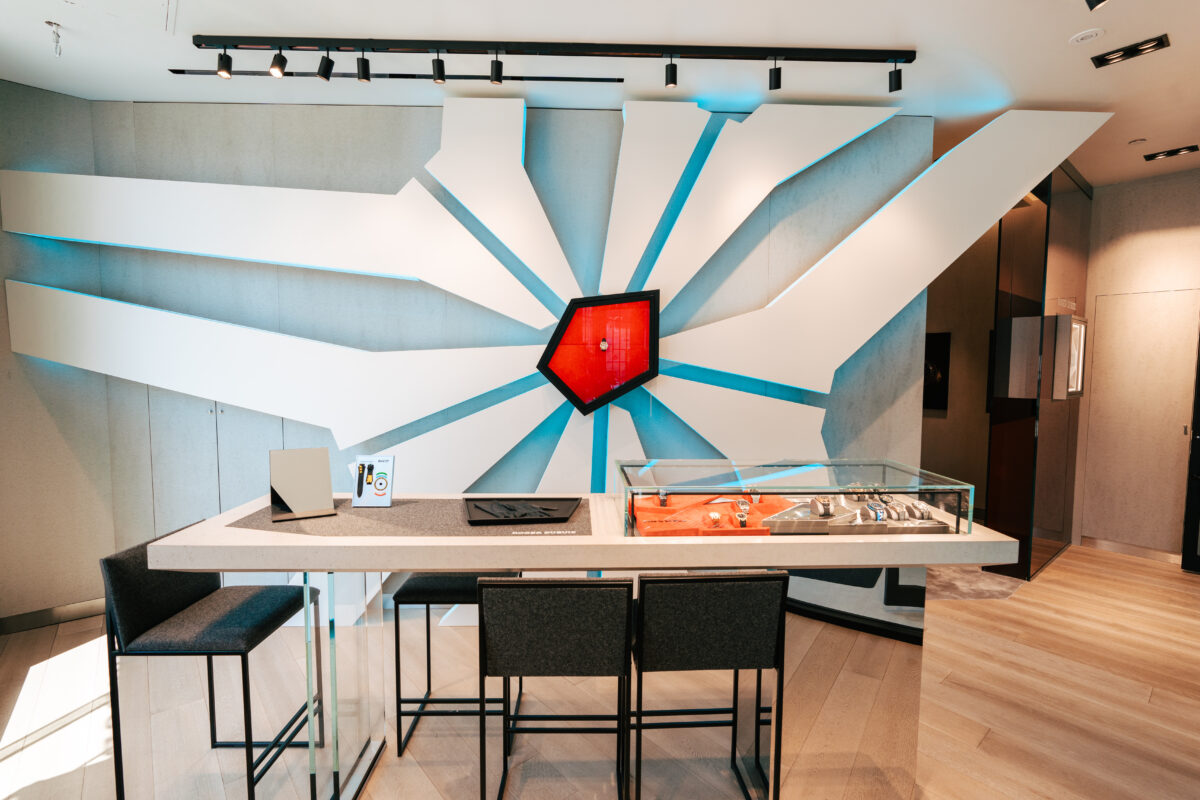
Each of the watch boutiques feature the brands’ latest store design, and each contains private salons for guests along with showroom spaces. The Roger Dubuis boutique has various watch styles priced into the six figures, according to L’ORO’s President Haigo Derian. The independent boutiques range from 600 to 850 square feet each. 

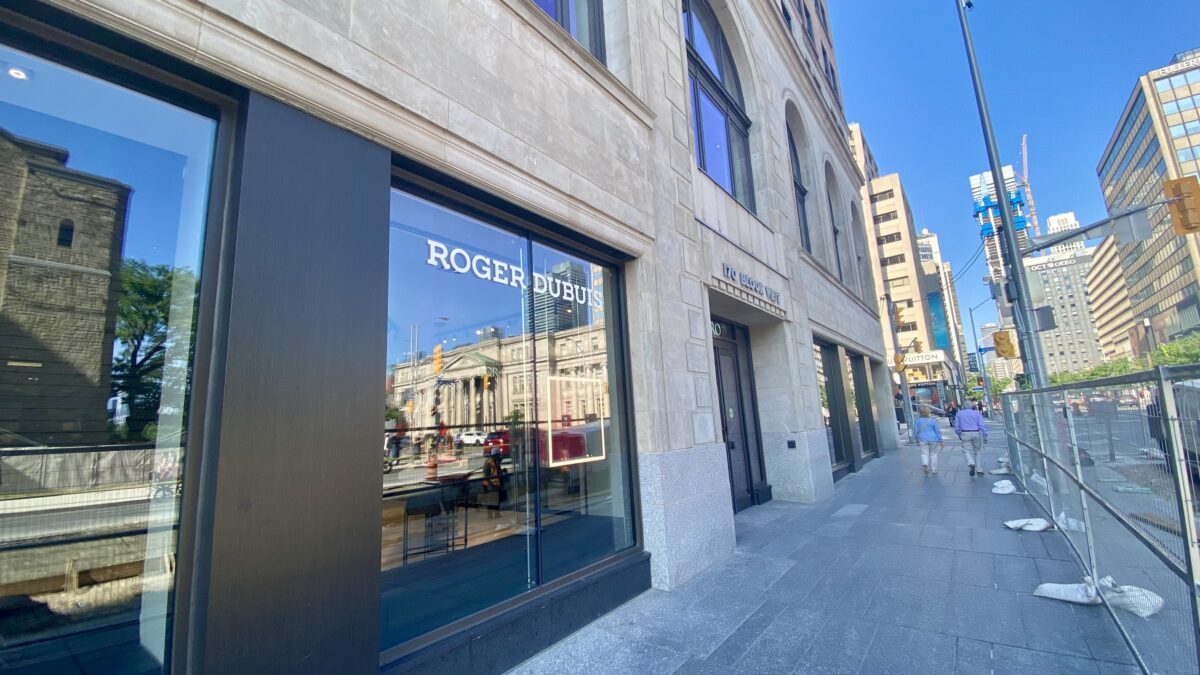
Roger Dubuis boutique window at the Park Hyatt in downtown Toronto – photo is on Bloor Street. Photo: Craig Patterson
Avenue Road entrances to the new IWC and Panerai boutiques at the Park Hyatt in Toronto. Photo: Craig Patterson

“We are honoured to have been awarded boutiques for Toronto Bloor Street, especially for brands as esteemed as IWC, Panerai and Roger Dubuis. Each location houses the essence and DNA for each luxury maison at its highest interpretation,” Derian said.  “This includes decor, interactive elements, and of course the widest and most specialty product offering available.”  

Derian noted that the new Bloor IWC location represents the first partner project in the country for the brand. He said that the new Panerai boutique is the first in Canada to utilize the watchmakers newest design concept including a watch-bar, and also noted that the Roger Dubuis boutique is a Canadian first. Product carried in each of the three boutiques include pieces that are unavailable within the traditional wholesale network in Canada.

The new luxury retailers are located at the base of the historic Park Hyatt Hotel, situated at the northwest corner of Bloor Street and Avenue Road. Oxford Properties, owner of the Park Hyatt Hotel, spent several years renovating the property while marketing its 20,000 square foot two-level podium retail space for lease. The last retail tenant to occupy the corner was Strellson, which shut its store in 2018. 

Inside the new Panerai boutique at the Park Hyatt in Toronto. Photo: supplied
Inside the new IWC boutique at the Park Hyatt in Toronto. Photo: supplied

“The footprint of this unique property encompasses our vision for luxury trends, especially considering its size and frontage,” Derian said, noting that the entire retail space spans about 130 feet on both Bloor and Avenue Road. At the heart of the multi-brand retail space is a new storefront for L’ORO. 

“At 170 Bloor Street West, clients will also find the newest L’ORO concept. Focusing on warm-luxury, the store is more of a meeting-place where fine timepieces, renowned jewellery brands, and our own house-creations come together,” Derian said. “French luxury maison Messika has a new home here too. Other watch and jewellery brands are in the works, but not yet officially announced. We are excited about the product offering available at this new and special L’ORO!”

L’ORO Jewellery also operates a store at CF Sherway Gardens in Toronto with adjacent Chopard and Omega boutique spaces, as well as at CF Markville in Markham. The L’ORO Group also operates seven Pandora mono-brand boutiques within Ontario and British Columbia. 

Inside the new Roger Dubuis boutique at the Park Hyatt in Toronto. Photo: supplied

Roger Dubuis’ entry into Canada is particularly notable, with the brand having only a handful of boutiques globally. There are only two Roger Dubuis stores in the United States, at South Coast Plaza in Costa Mesa, California, and on Hyman Avenue in Aspen, Colorado. Global cities such as London, Dubai, Hong Kong and Sydney also have standalone locations for the brand. 

Panerai and IWC both operate stores at Toronto’s Yorkdale Shopping Centre — they, along with Vacheron Constantin and Piaget, opened in the mall in 2016. Vancouver’s Alberni Street, another important luxury node for watches and jewellery in Canada, boasts storefronts for Richemont watch brands Panerai, IWC and Vacheron Constantine among others. The L’ORO Bloor Street partnership is unique, given that the other Richemont-owned watch boutiques at Toronto’s Yorkdale Shopping Centre and on Alberni Street in Vancouver are corporate stores.

The opening of the three luxury brands resulted in two other multi-brand retailers no longer carrying the same brands. Royal de Versailles, located 101 Bloor Street West, appears to no longer stock the IWC and Roger Dubuis brands, as the multi-brand Bloor Street Store prepares for a renovation that will include a new facade to match its recently opened Rolex partner store. Birks, located nearby at the Manulife Centre, no longer carries Panerai watches in a dedicated space that was unveiled in the renovated store in 2019. 

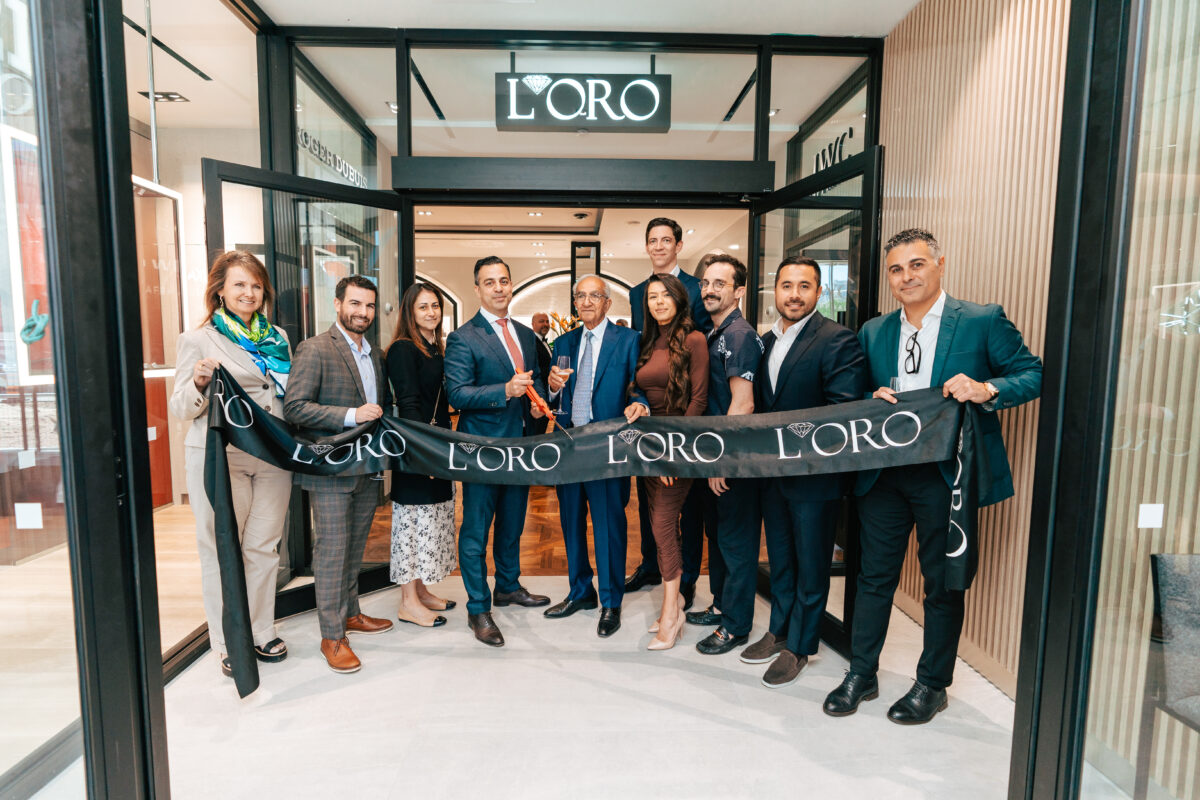
Grand opening event for L’ORO at the Park Hyatt in Toronto. Photo: supplied
Bloor Street entrance to the new L’ORO at the Park Hyatt in Toronto. Photo: supplied

The Park Hyatt Hotel is an iconic 17 storey heritage building that began construction at the end of the booming 1920s — a bankruptcy along with the stock market crash/depression resulted in its opening in 1936. For decades, the hotel was known as the Park Plaza Hotel, with a large lit sign on the roof which also has a bar. 

In 2017, new owner Oxford Properties extensively renovated the property to include the transitioning of the 1936-built 17 storey south tower to a 65-unit luxury residential rental building. The shorter 14 storey north hotel tower, built in 1956, still contains 219 hotel units as well as ground-level and podium commercial units. 

The corner of Bloor Street and Avenue Road in Toronto is also significant, given that it’s one of few major intersections in the city to feature four important heritage buildings at each corner. The buildings on the four corners includes: Northwest – Park Hyatt; Northeast – Church of the Redeemer (1879); Southeast – Lillian Massey Building/former Club Monaco (1912); Southwest – Royal Ontario Museum (1914). Each building features back-lighting, another rarity to see at all four intersections anywhere in Toronto. The former Club Monaco space in the Lillian Massey Building is currently home to a Brooks Brothers store, which is liquidating and preparing for closure following the bankruptcy filing of parent company Ted Baker Canada. 

Toronto’s luxury run is seeing a flurry of activity, including new store announcements and construction of flagships. Last week Retail Insider announced that jeweller Tiffany & Co. will relocate its storefront from 150 Bloor Street West to the new ‘Tiffany Building’ that will be created in the 1200 Bay Street building that has a retail address of 66 Bloor Street West. Tiffany & Co. will elongate the luxury run on Bloor from Bay Street to Avenue Road, which is seeing various other retailer movements. 

That includes Burberry, which is also relocating from a space at 144 Bloor Street West to 100 Bloor, next to a recently opened Van Cleef & Arpels flagship. In the same 100 Bloor podium, Holt Renfrew’s men’s store will exit at the end of the year to relocate back into the large 50 Bloor Holts flagship. 

Several retail spaces at 110 Bloor Street West are still under construction, with Saint Laurent recently opening a 10,000 square foot store with a brutalist concrete facade. It will join Anne Fontaine and Paris Baguette which will open on Bloor later this year, along with Alexander Wang which opened in the building in December of last year. 

Toronto Tops North American Cities for Celebrity Restaurants, Outpacing New York [Report/Interview]

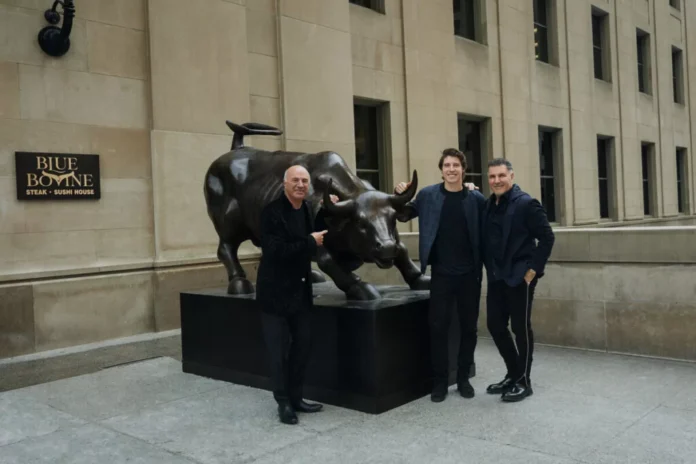
From left to right: Blue Bovine investor Kevin O’Leary, Toronto Maple Leafs player and investor Mitch Marner, and Nick Di Donato, CEO of Liberty Entertainment Group. (Photo by Ethan Shaw Door24 Luxury Videography and Photography)

Celebrity-backed restaurants are gaining traction in Canada, according to JLL’s latest Celebrity Restaurants Report.

Many celebrities have invested in opening restaurants, with a notable surge in 2021. Tied with Chicago and ahead of New York, Toronto has emerged as a top destination for celebrity restaurants in North America.

In Canada, celebrity chefs, athletes, and musicians account for more than 80 percent of the celebrity restaurants that have opened. These restaurants are located predominantly in retail and office properties, as well as in shopping centres.

(Image: Blue Bovine Steak+Sushi House)

Here are four key takeaways about celebrity restaurants from the report:

  • 361 celebrity restaurants opened in five years in the U.S. and Canada by famous folks from 2019 through 2024. This includes celebrity chefs, actors and musicians;
  • Celebrity restaurants are tourist attractions. Celebrity restaurants are often driven to popular tourist corridors like Las Vegas Boulevard and Nashville’s Lower Broadway;
  • Openings took off in 2021 as celebrity restaurant openings doubled from 2020 to 2021, at a time where overall U.S. restaurant openings only increased by 13 per cent;
  • Chefs and actors opened 69 per cent of celebrity restaurants. 37 per cent of the restaurant openings in the study were made by celebrity chefs. 32 per cent were backed by actors. 
Jordan Sleep-Tulloch

Jordan Sleep-Tulloch, an Associate with JLL with a former career in food and beverage, said in the tourist destinations in the U.S. celebrity restaurants are more prevalent than in Canada “because the U.S. has more markets like that to draw people from all over the world globally.”

“You get a higher concentration in the U.S. than you get in Canada,” he said. “The restaurant names if they are sort of aligned with the celebrity or the celebrity chef that sort of draws your guests into the door and then as an operator it’s your job to maintain a certain level of consistency to keep them coming back.”

Image: Matty’s Patty’s Burger Club

Paul Ferreira, Senior Vice President with JLL, said the restaurant business has always attracted celebrities to a certain extent.

Paul Ferreira

“There was always an allure to the restaurant business and the bar business and they always felt that it was a great place to leverage their profile and monetize it a little bit. So I think it’s always been a part of the industry,” he said. “You can go throughout history. There’s always been an element of that. And I think we’re just seeing it today with the latest crop of celebrities who now have extra ways to do it.

“If you think 20 years ago, they would attach their name in the marketing of that restaurant. Today you can get a celebrity attached to your concept that has a large social media following. A few posts and all of a sudden they can be effective just in that in addition to their names. So their ability to influence the success and the awareness of these concepts using the social media following only brings more strength to associating a concept with one of these celebrities.”

Sleep-Tulloch said the restaurants are using the celebrities as a marketing tool to extend their reach.

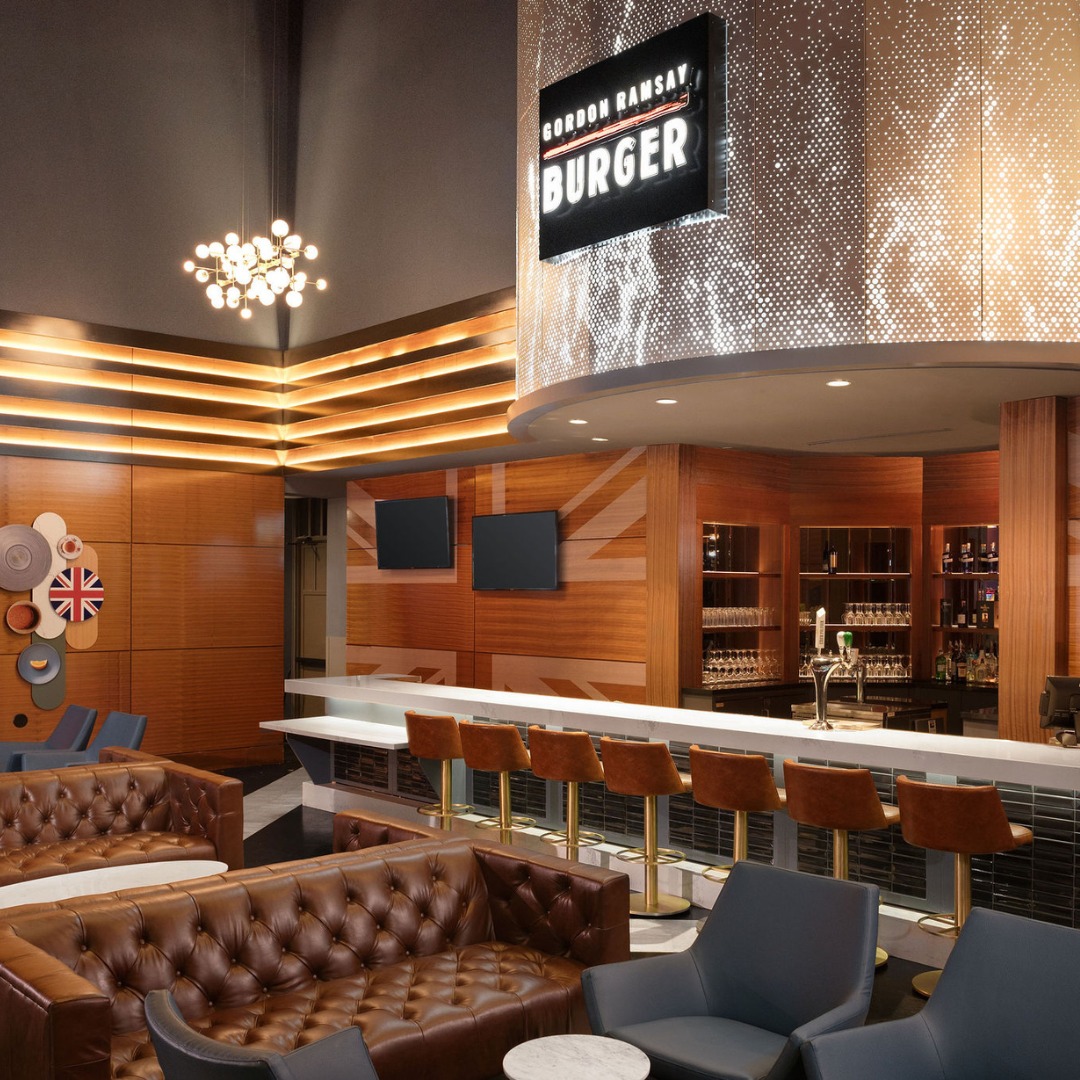
Gordon Ramsay Burger Vancouver (Image: Great Canadian Entertainment)

“When you look at some of the restaurants they’re involved with, the celebrity’s following is much larger than the restaurant’s following on a percentage basis,” he said.

Fast casual, followed by full-service, is the preferred concept among celebrities, according to JLL. Matty Matheson, LeBron James, and Drake are responsible for a significant portion of the celebrity restaurant openings in Canada over the past five years.

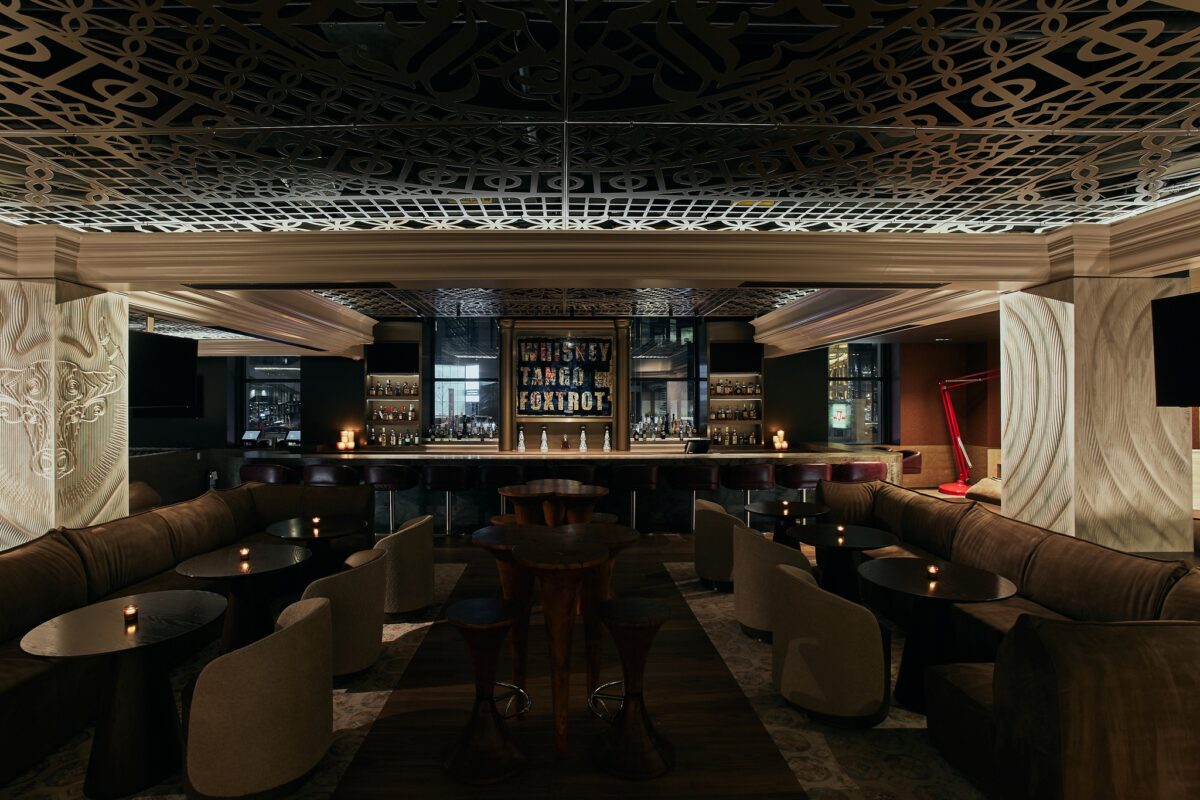
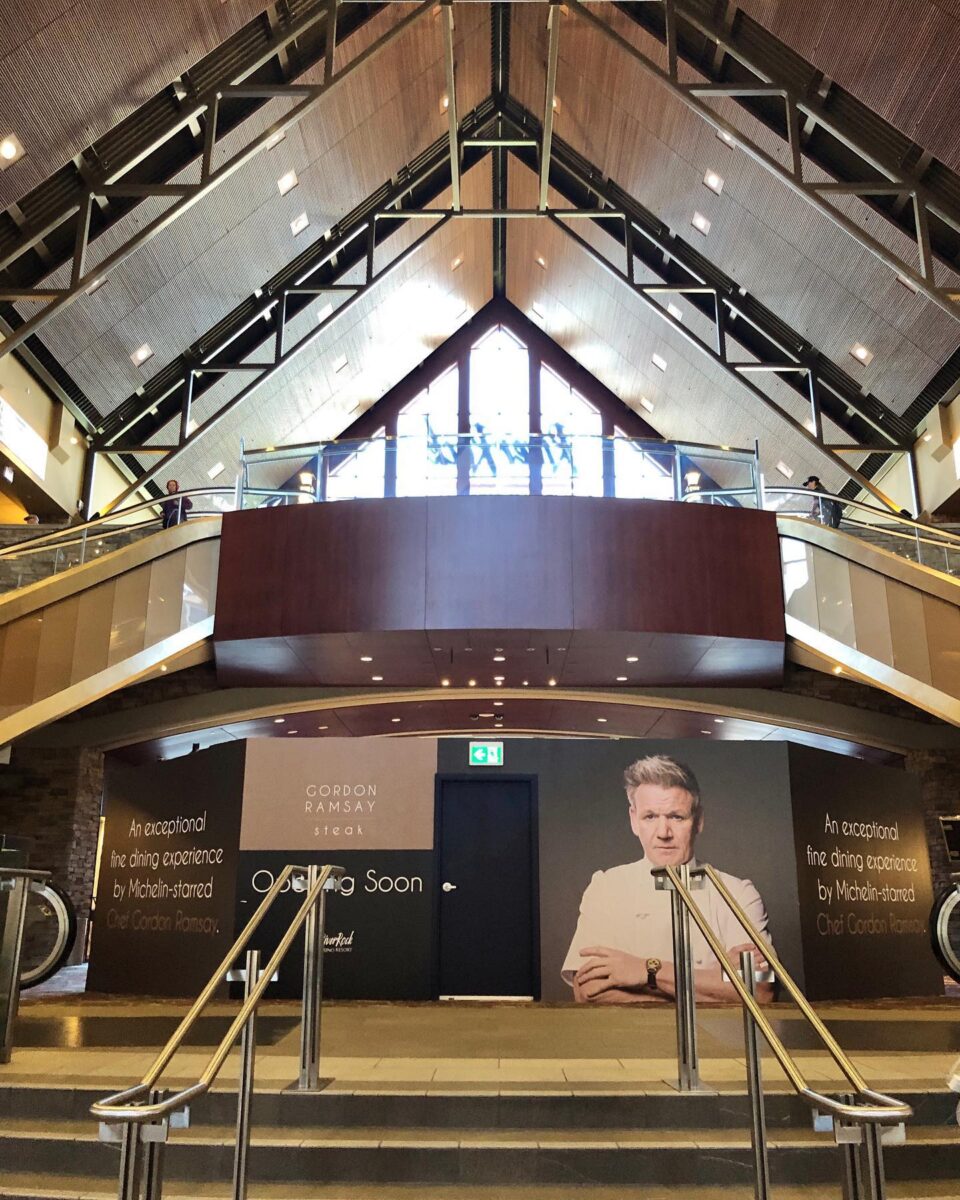
Celebrities tend to adopt more traditional concepts, often focusing on popular dishes like pizza, burgers, and chicken. Recent notable opening announcements include Kevin O’Leary’s partnership with Mitch Marner and Nick Di Donato to open the full-service Blue Bovine Steak and Sushi House in downtown Toronto’s Union Station, and soon-to-open Gordon Ramsay Steak in Richmond, B.C., added JLL.

Gordon Ramsey Steak Vancouver Construction (Image: @jennieyuen)
Image: T-Squared Social

Ferreira said there is also a broadening into larger entertainment concepts such as T-Squared Social in New York that has an involvement of people like Tiger Woods and Justin Timberlake. 

“It’s part of this movement towards entertainment concepts with better gamefied. This one in particular has golf simulators, it has bowling, it has other activities in it. So it’s an activity based entertainment concept,” he said. “But whenever anyone talks about it, you just always hear it referred to as Tiger Woods’ concept. 

“So while they are involved, they’re obviously not the only shareholders, they didn’t come up with the concept themselves. I’m sure they had influence. It just shows that generationally there’s always a benefit of having somebody connected to your brand just to create awareness instantly.

“The other thing is it creates expectations. People have a certain expectation of what Tiger Woods is all about and Justin Timberlake is all about and I don’t think they’re looking to them to have any culinary involvement with what the food is but at least an F&B concept that’s associated with their names is going to reflect what those two individuals are all about. So I think celebrities to a certain extent look at what they associate themselves with at the same time.”

Simons Taking Over Vacant Nordstrom Spaces in Toronto, Expanding Presence with 2 New Stores [Podcast]

Simons Taking Over Vacant Nordstrom Spaces in Toronto, Expanding Presence with 2 New Stores [Podcast]

Craig and Lee discuss La Maison Simons’ ambitious expansion into Toronto, focusing on the retailer’s move into spaces vacated by Nordstrom at CF Toronto Eaton Centre and the Yorkdale Shopping Centre. With a $75 million investment, Simons plans to open two new stores which could become the top-sellers in the chain. The expansion reflects Simons’ strategy to grow its footprint and cater to the city’s demand for diverse retail options.

At CF Toronto Eaton Centre, Simons will occupy approximately 110,000 square feet over three floors, featuring a main floor presence and a new hallway connecting the north and south ends of the mall. This corridor, a first in the mall’s history, will improve pedestrian access and enhance the shopping experience. In addition to Simons, a Nike flagship store and Eataly will also take up space in the former Nordstrom location, further enriching the mall’s retail offerings.

Yorkdale Shopping Centre will see Simons take over the first two levels of the former Nordstrom space, catering to the young, fashion-forward shoppers frequenting the mall. The new stores will include luxury designer departments and Simons’ popular private label merchandise, aiming to significantly boost the retailer’s sales. With these expansions, Simons continues its coast-to-coast growth, solidifying its position as a key player in the Canadian retail landscape.

Craig finally speculates that Simons will open in the former Nordstrom building in downtown Vancouver, in a similar fashion to what was announced for CF Toronto Eaton Centre.

Episode Sponsor: 

  • Salesforce – Turn today’s shopping trends into tomorrow’s retail success. Visit Salesforce to see the global insights from Salesforce to boost your bottom line.

Discussed in this Episode: 

The Weekly podcast part of the The Retail Insider Podcast Network by Retail Insider Canada and is available on Apple Podcasts, Stitcher, TuneIn, Google Play, or through our dedicated RSS feed for Overcast and other podcast players.

Subscribe, Rate, and Review our Retail Insider Podcast!

Follow Craig:

Follow Retail Insider:

Listen & Subscribe:

Share your thoughts!

Drop us a line at Craig@Retail-Insider.com. You can also rate us in Apple Podcasts or recommend us in Overcast to help more people discover the show!

Background Music Credit: Hard Boiled Kevin MacLeod (incompetech.com). Licensed under Creative Commons: By Attribution 3.0 License. http://creativecommons.org/licenses/by/3.0/

Consumers in Canada Prioritize Value and Trust Amid Inflation Concerns: PwC Report

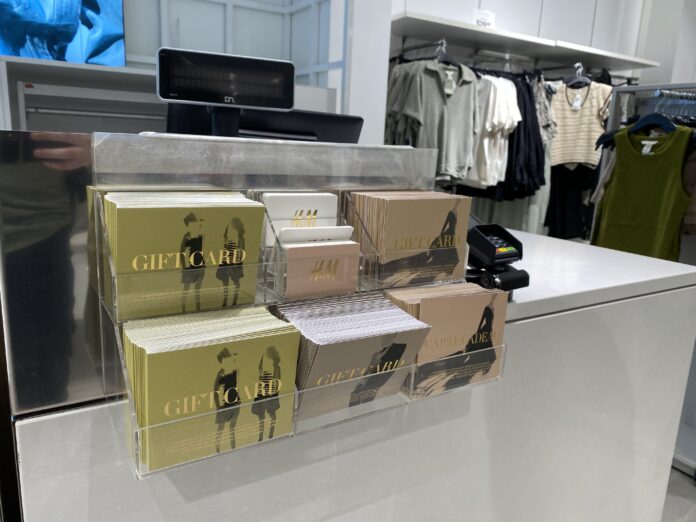
Gift Cards at H&M (Image: Dustin Fuhs)

Inflationary concerns continue to loom large in consumers’ minds.

PwC Canada’s 2024 Voice of the Consumer survey found that  44 per cent of respondents ranked inflation as the top threat facing the country, eclipsing economic volatility and health risks, despite the rise in the cost of living gradually slowing.

Other key findings include:

  • More than four in 10 (43 per cent) Canadian consumers would switch to a competing brand that offers better value for their money;
  • Respondents ranked retail and consumer goods companies third for trustworthiness, behind healthcare, hospitality and leisure sectors;
  • 35 per cent of Canadian consumers say self-checkouts would encourage them to shop in physical stores;
  • Despite the high cost of living, two-thirds will pay an above-average price for products that are locally produced, manufactured with a lower carbon footprint or have other sustainability characteristics; and
  • Canadian consumers will pay a sustainability premium of 6.9 per cent, compared to 9.7 per cent globally. One in five would pay a premium of 10 per cent or more.

Elisa Swern, PwC Canada’s National Consumer Markets Leader, said Canadian consumers tend to be pretty loyal to brands. 

Elisa Swern

“In this survey, given inflationary pressures, they said they will switch brands based on pricing and promotion which is pretty rare compared to what we’ve seen,” she said. 

“I think that value is not going to go away. Consumers’ perception of value is not going to go away. As interest rates start to go down and we start to see a bit of the loosening of the belt from a discretionary spending perspective, we’ll start to see maybe a lessening of it. But I think it’s here to stay. It’s a bit of a wakeup call for all retailers to really understand what value means to their customers and how they achieve that.

“There has to be a value to why there’s a price premium whether it’s luxury goods or the type of services that you’re having or the differentiation in your product. But still I think consumers are pretty smart now especially with the use of social media and being able to compare everything all the time.”

Swern said trust is even more important than it’s ever been in today’s retail industry. 

“What’s important is that companies are transparent. Companies make mistakes just like people make mistakes. But it’s about what you’re doing about it, how you’re taking care of things and that you’re being transparent about them. Like cyber incidents for example. Disclosing to the public that you have a cyber incident, disclosing to the people who are impacted by it that their data was impacted by it and what it could mean, what they should be doing, what they should be thinking about,” she said.

“That shows transparency and trust. Does it make consumers nervous and uncomfortable, yes? And you see that also in the data. Consumers are starting to pay attention a lot more to who they’re giving their data to and what they’re sharing.

“Trust is important when consumers are going to share their data. In particular they want to share it with a company who they feel they’re going to get some benefit from and companies that they trust.”

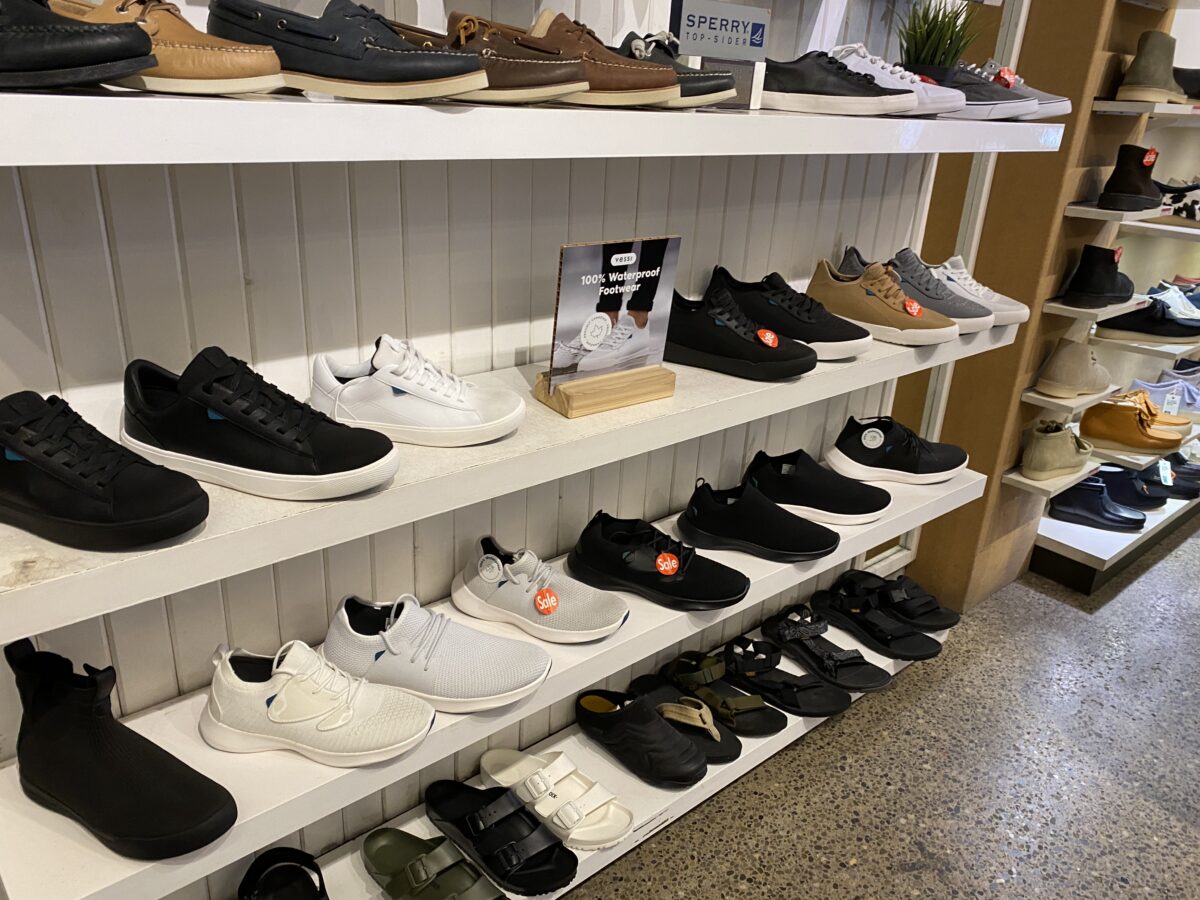
Vessi at Get Outside on Queen Street (Image: Dustin Fuhs)

Swern said this year’s survey also indicated that Canadian consumers would be willing to pay more for sustainability.

“But I think it will come down to the value that they’re seeing in it and how the value of the companies and the trust in the companies align to their own values,” she said.

“When you look at trust and you look at what’s important to consumers, sustainability and the E part on ESG becomes more relevant and important, customers are going to want to deal with companies who they trust, who they feel are transparent with that data and that are doing things that make sense, from both sides of the coin. The consumer wants to feel trust and wants to work with a company where they see these activities underway. For the retailer or the packaged goods company, they also have to be thinking what the value is for them. Otherwise it’s just an additional cost onto their cost of goods.”

India-Based Fashion Retailer ‘Soch’ Enters Canada with 1st Store, Launches International Expansion [CEO Interview]

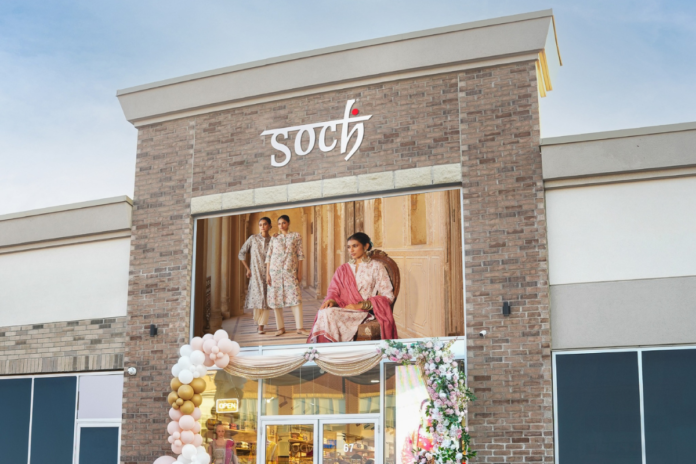
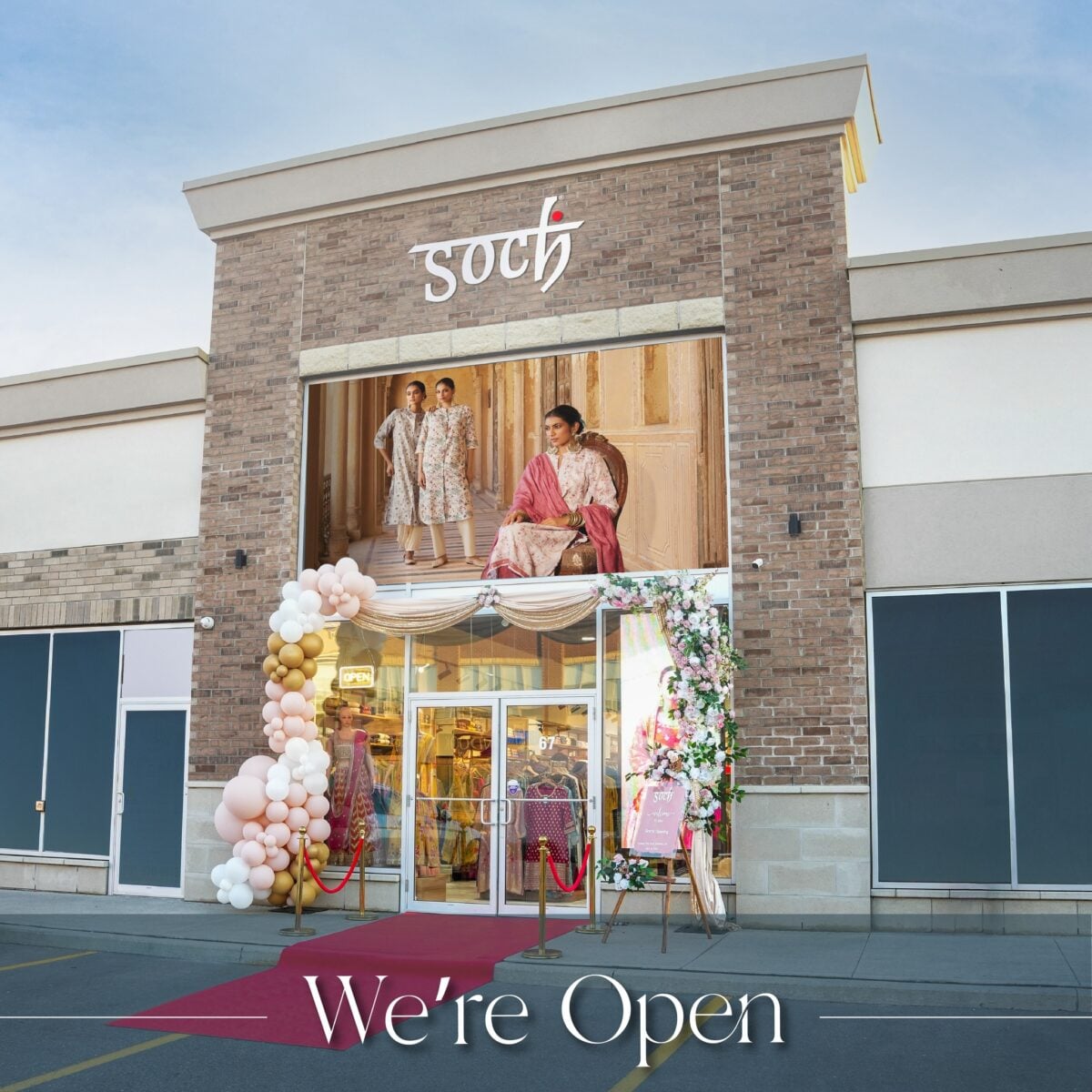
Soch Brampton (Image: Soch)

Unique retailer Soch, which specializes in Indian ethnic women’s wear, has launched in Canada with its first store in Brampton, Ontario. 

Vinay Chatlani

Vinay Chatlani, Executive Director & CEO of Soch Apparels, said the Bangalore, India-based company currently has 176 stores. 

The Brampton store is the first for the brand outside of India.

“I’m third generation retail. The retail started a long time ago. For Soch specifically, the first store was in 2005 in Bangalore,” he said.

“We have been looking at southeast Asia, North America and Canada and we saw a good location. It was a franchisee that is actually known to an Indian franchisee of ours. We’ve seen the performance of similar brands, or other brands, in this space and we just thought it was a good place to start. It was either going to be some place in New Jersey or Canada and we just found a really good spot for this store.”

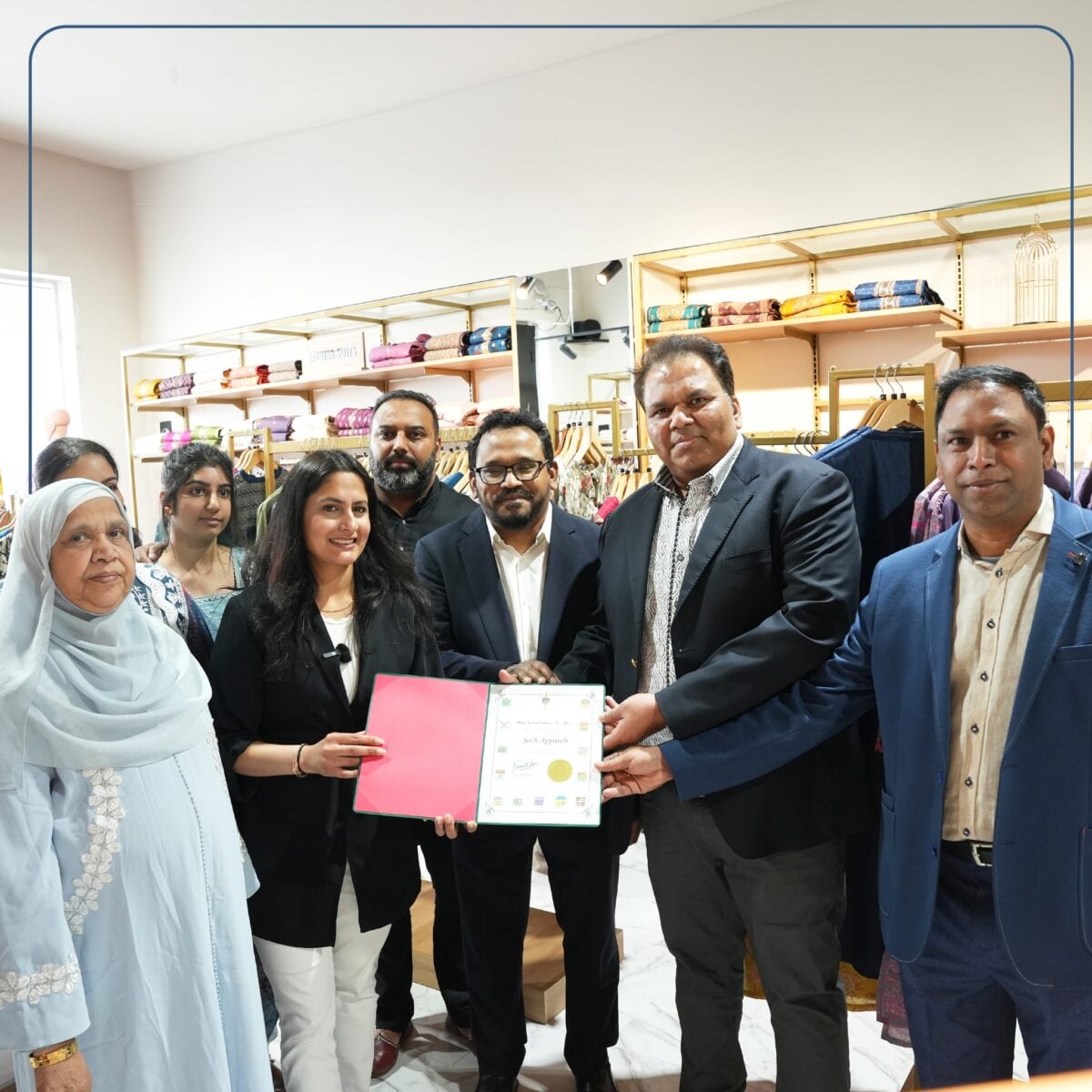
Image: Soch Canada

Chatlani said the Brampton area has a good Indian population.

“While we might slowly get into doing a lot more fusion clothing, it’s predominantly ethnic wear right now so it is going to appeal mostly to the Indian population and that’s where one of the biggest populations is,” he said.

“I think Toronto could take another store or two. We’re looking at Vancouver and Montreal next. We’re hoping to have three open in the next two years in Canada.”

The Brampton store is about 1,250 square feet. It’s on the smaller size of the range Soch normally does with stores ranging from 1,200 square feet to 2,400 square feet.

“We deal only in women’s ethnic wear. So it’s Indian clothing. We do feel that we have a mix of fairly contemporary stuff and we also have a fair amount of traditional stuff,” said Chatlani.

“I think as a brand we lean more towards evening wear and occasion wear not necessarily bridal because that’s what a lot of brands do. They specialize in bridal. But we do keep stuff for most occasions.”

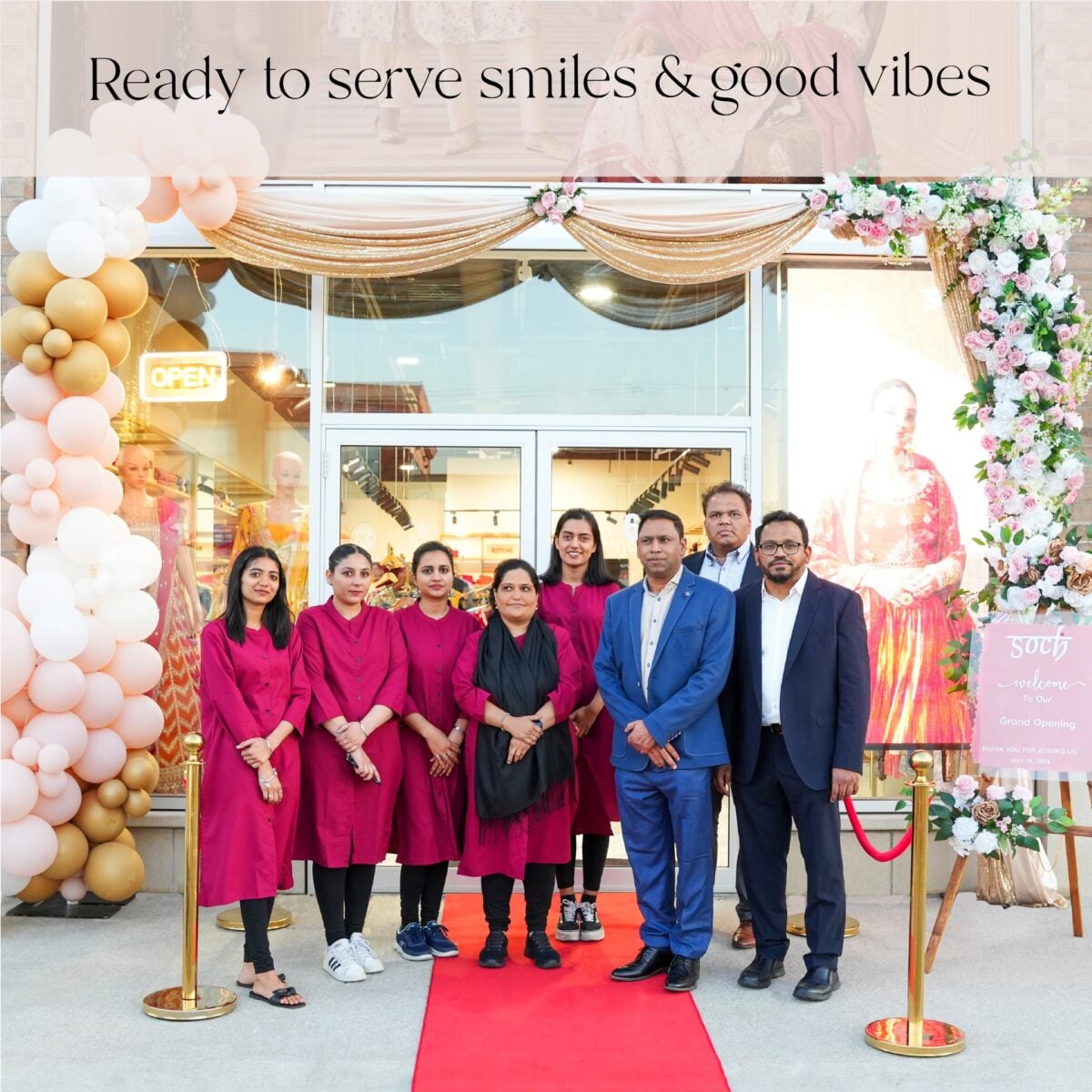
Image: Soch Canada
Soch Brampton (Image: Soch)

He said the customer demographic in India is about 60 per cent in the 18 to 35 year old age bracket.

“I think it also depends on the category because we also sell saris which tends to lean towards a slightly older audience. In Canada, we think that the average may be slightly older because younger Indians, especially second, third generation Indians, probably just wear Indian clothing more for occasions and special events,” added Chatlani.

“It’s our first store. We’re really excited to do our international expansion. We’re probably going to be closing on two stores in Malaysia (soon). But we’re hoping to get a couple in the U.S. in this year and hopefully our second Canadian store by the end of the year.

“We’re also excited to start playing around with western wear and fusion wear if the demand asks for it. I think it’s something that we were wanting to do since pre-COVID but obviously everyone wanted things to settle down and we finally got the right partner. So we’re excited about the journey.”

Texas-Based Wingstop Sets Out Plans for Aggressive Canadian Location Expansion [Interview]

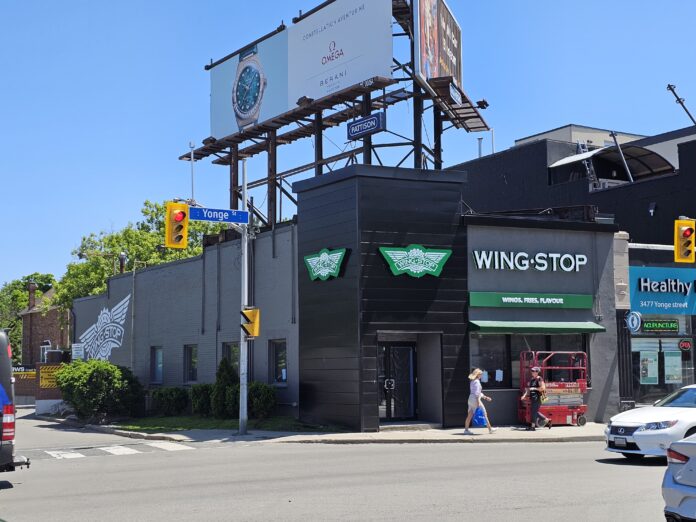
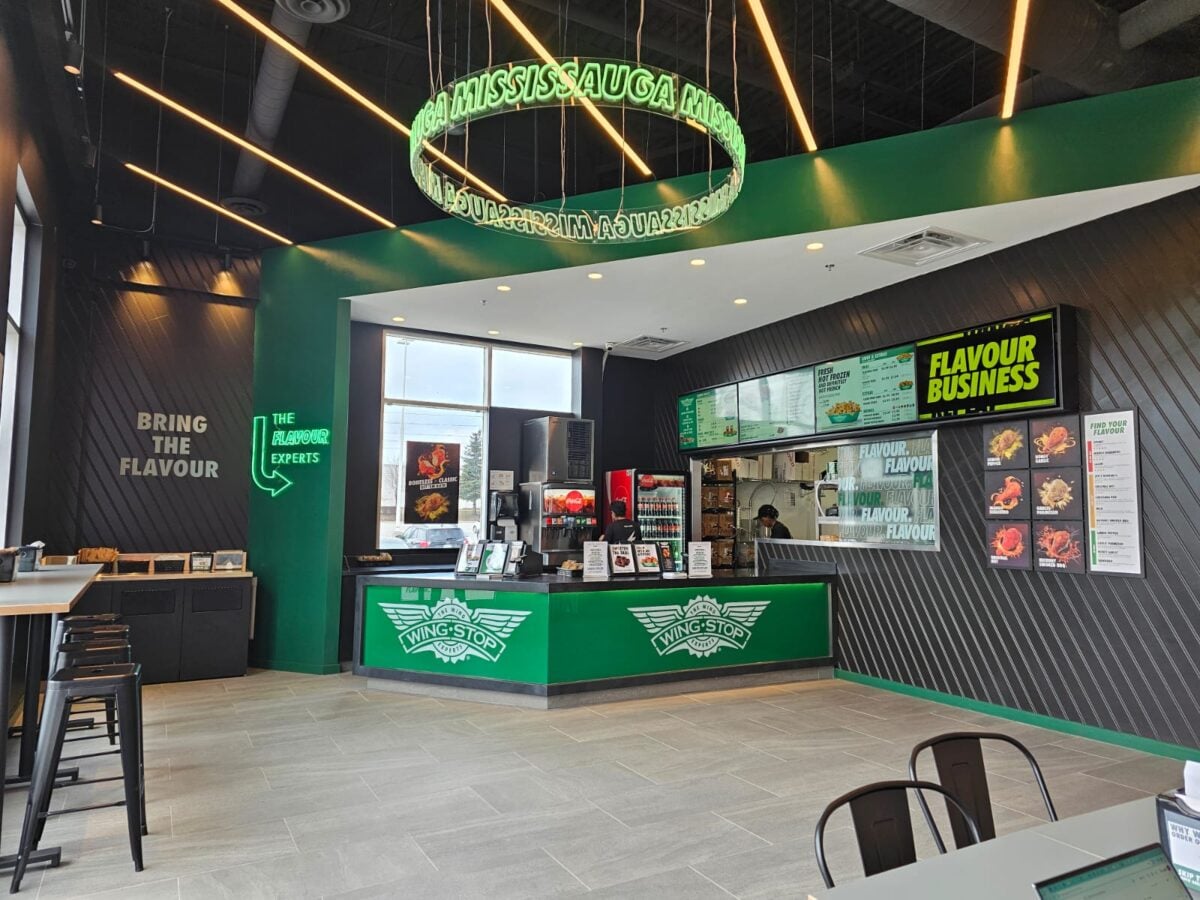
Image: Wingstop Canada

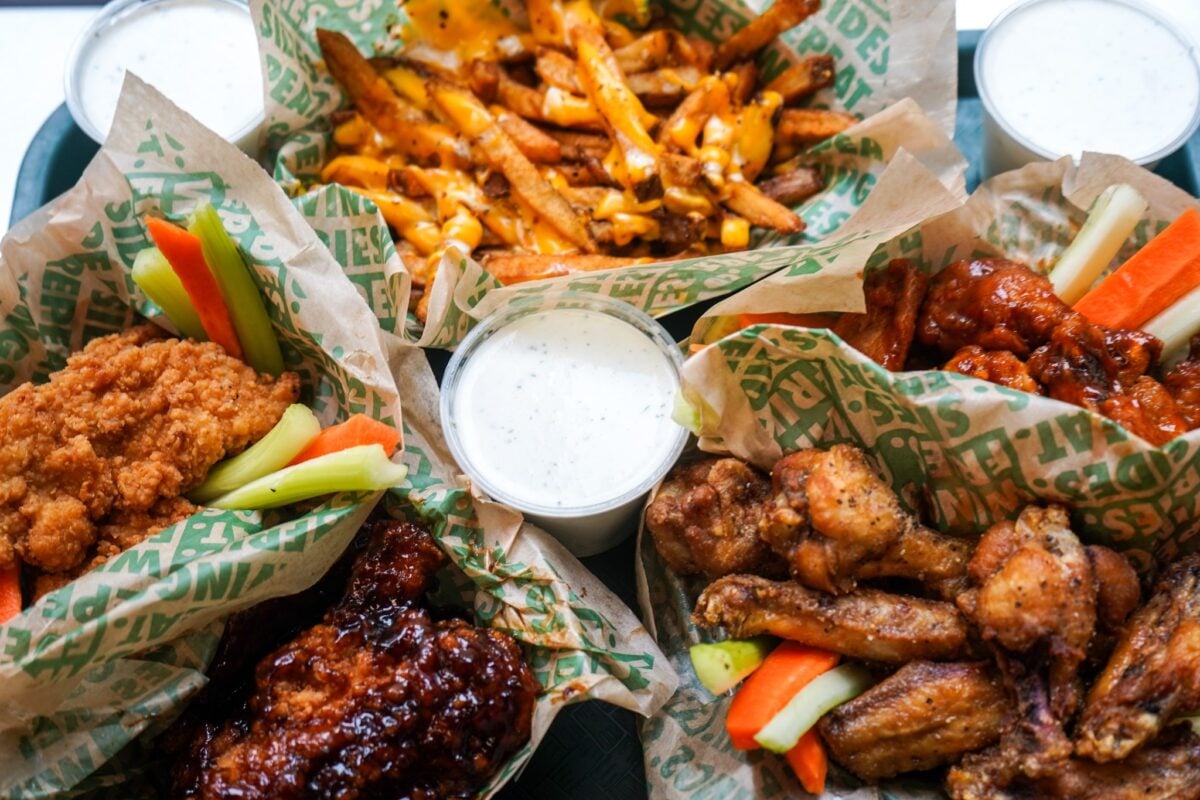
Wingstop began as a small buffalo-style chicken wing restaurant in Garland, Texas, and today it has more than 2,000 restaurants open across the globe with plans to significantly expand its footprint in Canada.

“Wingstop has been around for well over 30 years in the U.S.,  and currently sitting just over 2,200 locations globally with plans to 10x their international growth over the next few years,” said Matt Jenkyns, Chief Operating Officer, Wingstop Canada at JPK Capital.

Matt Jenkyns

In 2021, JPK Capital acquired the master franchise rights for Wingstop in Canada. 

“In Canada, we’re obviously a big part of that International growth strategy for Wingstop. We’ve committed to a minimum of 100 units across the country over 10 years.”

Image: Wingstop Canada

The brand opened its eighth Canadian location in March. The first opened in July 2021 in Toronto. The ninth location is opening in the middle of June in North York.

“We will expand coast to coast with no plans for any sub-franchising. It’s going to be JPK Capital owning and operating each location,” said Jenkyns.

The American-based brand, which began in 1994, opened its first franchised location in 1997 and by 2002 it had served the world one billion wings. 

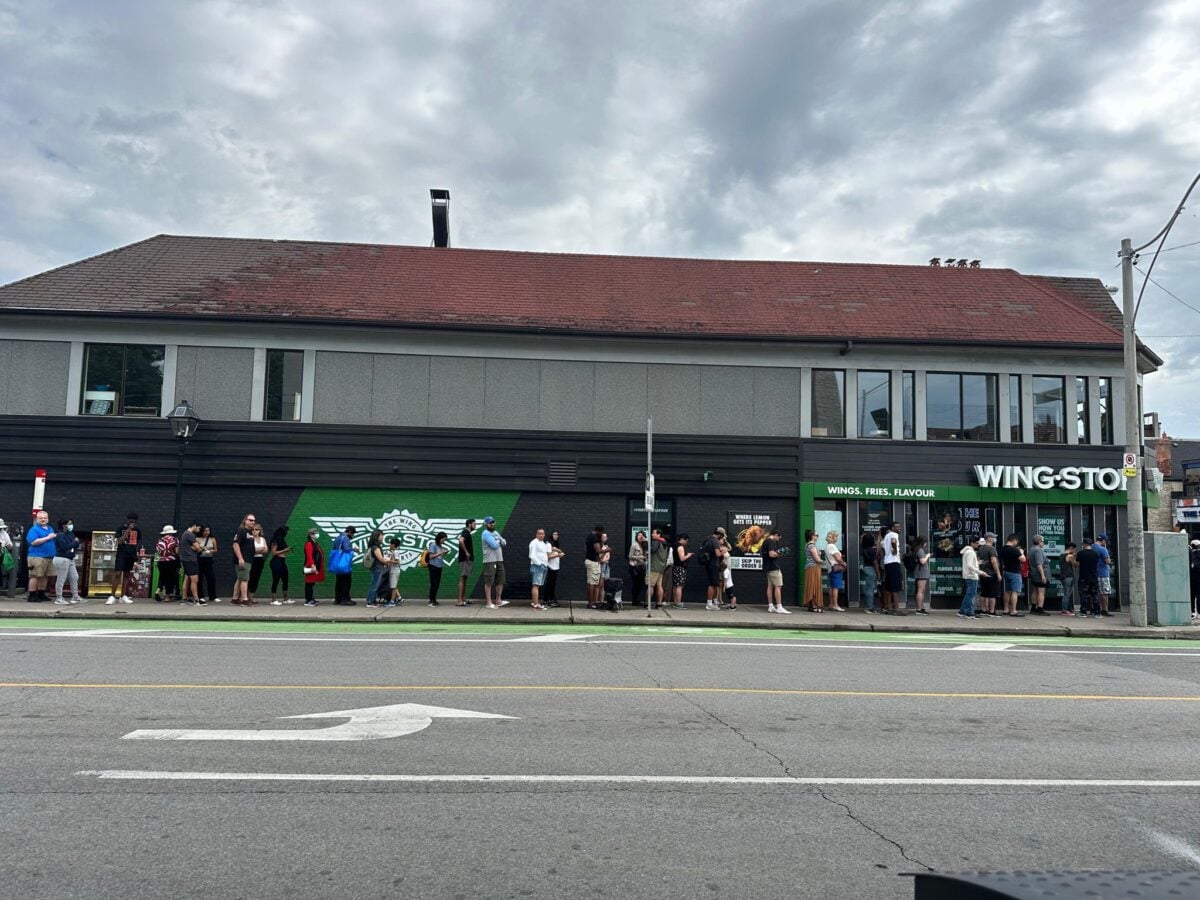
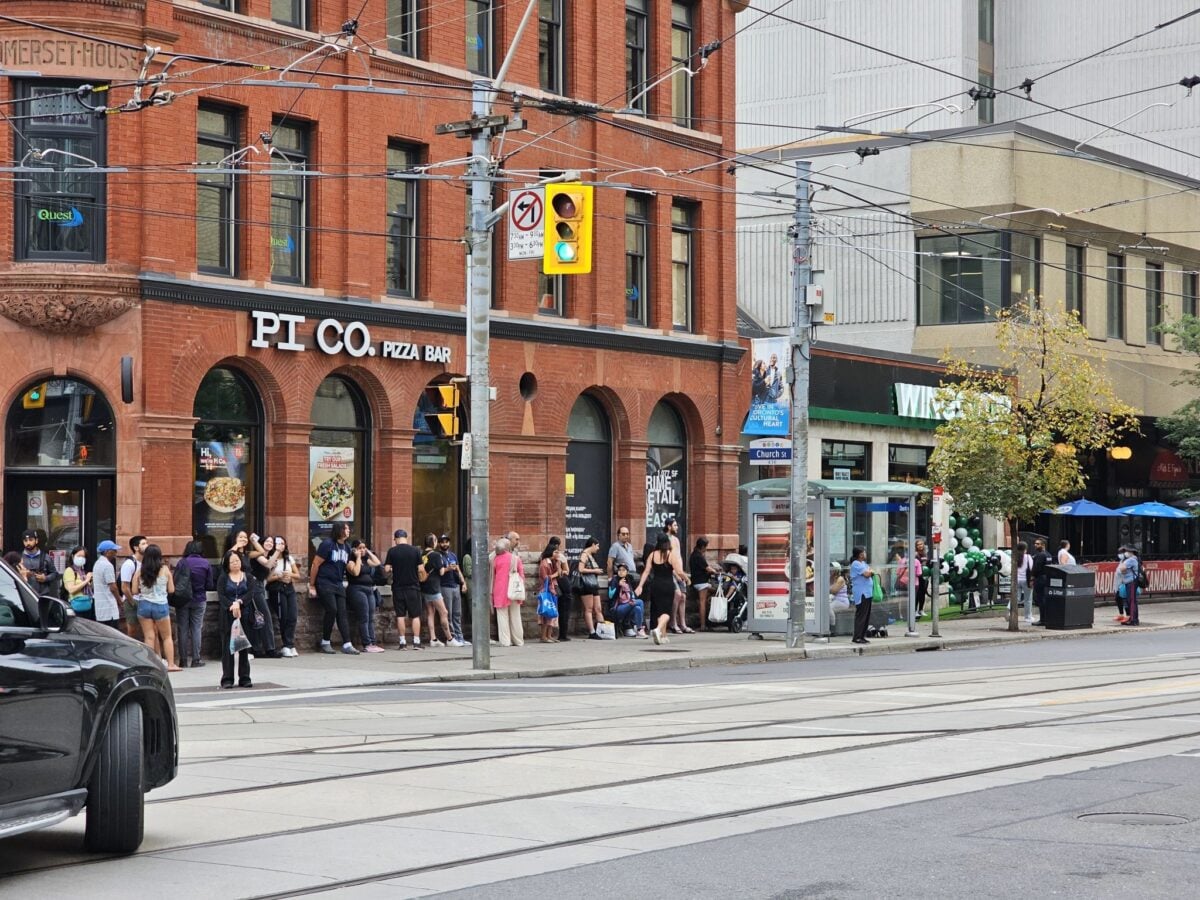
“I won’t speak to our sales volume but it’s no secret that when we open a location there’s hundreds of people lined up before we open,” said Jenkyns. “I think that’s something that’s been highly attractive to landlords.”

Image: Wingstop Canada

Sari Samarah, President, CEO and Broker of Record and Eli Vladimirsky, Director of Advisory and Transaction Services, for Value Insight Realty, are helping the Wingstop brand find locations in Canada.

“We started off on the smaller side, but I would say 2,200 square feet is the sweet spot for us.” said Jenkyns. “And we have some coming that are upwards of 3,000 square feet.”

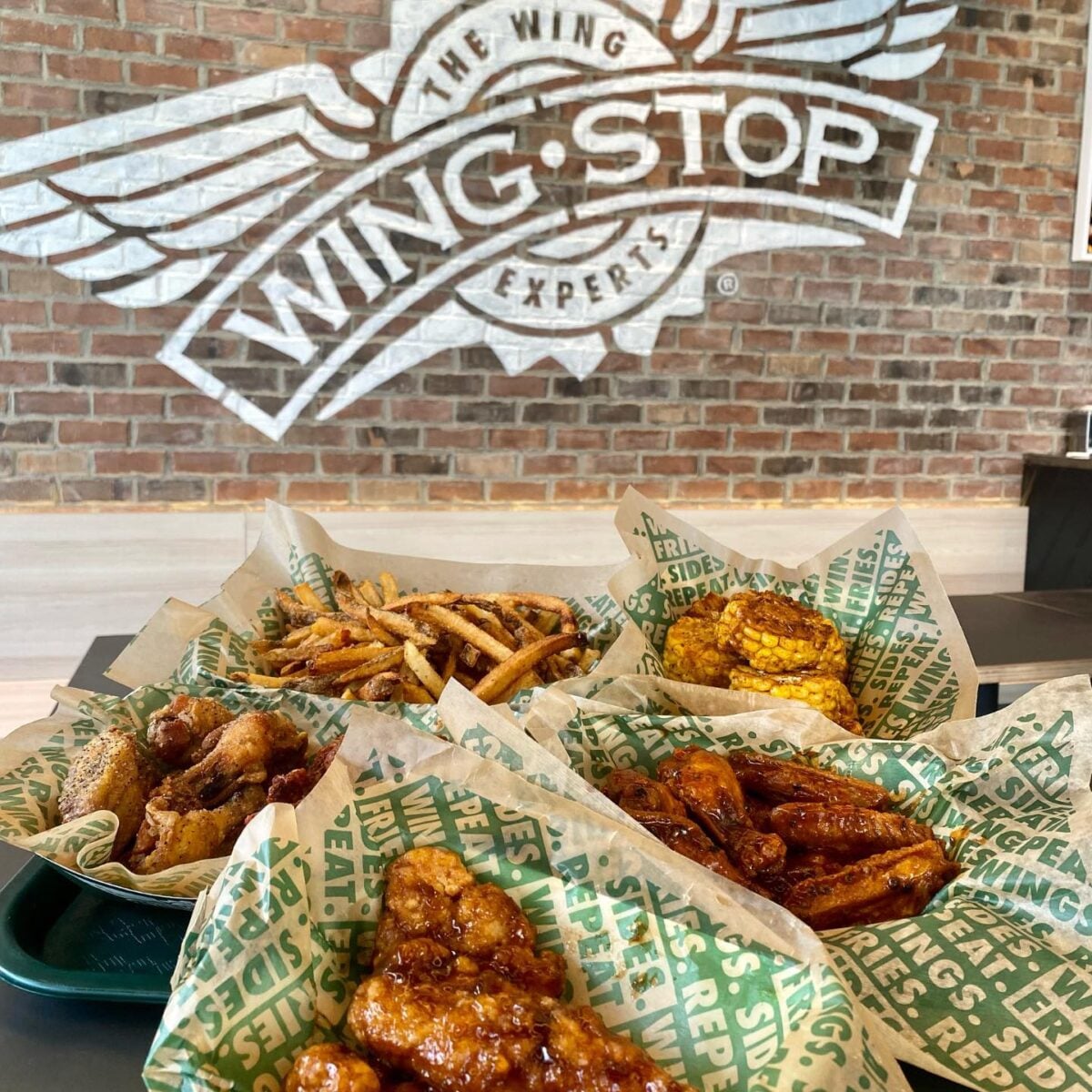
Image: Wingstop Canada
Wingstop at 432 Church St in Toronto (Image: Wingstop Canada)

The locations are not licensed.

“Wingstop is in the Fast Casual segment, and there’s not too many in Canada that occupy that space. If you were to look at a lot of the brands that people would perceive to be our competitors, a lot of them are sports bars who sell a ton of alcohol and wings are the loss leader,” said Jenkyns.

“For us, we’re fast casual. There’s no alcohol. The wing is the centre of the plate and sole focus for our brand. That’s probably the biggest thing that makes our brand positioning unique. 

“We’re mostly in strip malls, but really for us we’re open to anything and everything. I think the common denominator throughout how we do business is a focus on quality. So when it comes to real estate, now that we have presence in the GTA and we’ve signed some really great spaces . . . now so many people are coming to us and now is the time we’re having to really focus on that quality and make sure with all the opportunities that we always maintain the focus on having the most prominent space. All of that presence you get from the street is only going to help our brand recognition. So it’s incredibly important to us that we have a nice frontage, quality real estate.”