Advertisement
Advertisement
Home Blog Page 898

Retail Pulse Check: July 22, 2020

Retail Pulse Check

Webinar Recording is now available for On Demand Viewing! Click here to register and watch the unedited discussion between Craig Patterson and Stephen O’Keefe.

This week on Retail Pulse Check, industry experts Craig Patterson and Stephen O’Keefe discuss Walmart’s recent multi-billion dollar investment into its Canadian operations, how the ‘defund the police’ movement could impact Canadian retail, and the intricacies of navigating the mask mandate that has been implemented in certain parts of the country. 

The conversation also focused on retail’s accelerated movement towards ecommerce in the wake of COVID-19 and how this could drastically alter Canada’s physical retail landscape. Darryl Julott from Digital Main Street joined Patterson and O’Keefe briefly to talk about the various DMS programs available for retailers struggling to leverage themselves in the digital world.

Speaker Details:

Craig Patterson, Founder, Editor-In-Chief @Retail Insider

Craig Patterson is the founder and Editor-in-Chief of Canada’s most-read online retail industry news publication, Retail Insider. He is also a Director at the University of Alberta School of Retailing, as well as a research consultant at Retail Council of Canada. Craig has studied the Canadian retail landscape for over 25 years, and has also been involved with strategy pertaining to urban revitalization in several cities, as well as retail and shopping centre-related design. He is an industry consultant who also gives retail tours and and is a public speaker. He is a graduate of the University of Alberta and holds a Bachelor of Commerce degree and Bachelor of Laws degree.

Stephen O’Keefe, Founder @Bottom Line Matters

Stephen O’Keefe is a 30 year veteran of the retail industry having worked with major brands such as Sears, Hudson’s Bay, and Walmart where he was Vice President of Loss Prevention and Risk Management. He founded Bottom Line Matters as a source for retailers of all sizes to draw upon his experience and expertise and deal with what matters – maximizing their bottom line. Stephen clients have included major retailers, BIAs, vendors as well as the Industry Association itself. He was awarded the Lifetime Achievement Award for his work with the retail loss prevention community, sharing best practice to combat shrinkage and advocating for legislative changes to support retail business.

Pandora Jewellery Launches First-in-Canada Concept Store in Montreal [Photos]

NEW PANDORA FACADE IN MONTREAL EATON CENTRE. PHOTO: PANDORA

Danish jewellery brand Pandora has launched its first new concept store in Canada at the Montreal Eaton Centre in downtown Montreal. The store will act as a prototype with innovations that could be rolled out into other stores depending on customer feedback.

THE NEW STORE’S INITIAL CONCEPT WAS ‘TOUCH AND FEEL’ WHICH HAS BEEN IMPACTED BY COVID-19 GUIDELINES

The Montreal Pandora store opened on Friday of last week on the street level of the Montreal Eaton Centre, replacing a former location nearby at Place Montreal Trust. The new Pandora store features a refreshed design as well as new elements with a focus on customization and personalization.

That includes a ‘charm bar’ where shoppers can mix and match bracelets and charms. The intended format prior to COVID-19 was a ‘touch and feel’ concept though at the moment sales associates assist with product behind glass for sanitation purposes.

An in-store ‘treasure table’ features new products as well as best sellers and core collections — Pandora partners to create unique limited edition designs which have become highly covetable with fans of the brand. The new Montreal store also features a ‘gifting wall’ housing a curated selection of gifts sorted by profiles and special occasions such as birthdays, anniversaries, gratitude and other themes.

Sustainability is also a focus for the new Montreal store, featuring lighting designed to reduce energy consumption by at least 20% compared to other Pandora stores. The store’s design itself is modern and inviting, acting as a showpiece within the Montreal Eaton Centre in a retail space next to a Uniqlo flagship store which is set to open in several months.

It’s only the third new concept store for Pandora in North America, according to the company’s North American president Sid Keswani — other updated Pandora concept stores include a unit launched last year near New York City at Westfield Garden State Plaza in New Jersey, as well as a new store earlier this year at Westfield Galleria is Roseville California, near Sacramento.

PHOTO: MAXIME FRECHETTE

PANDORA’S REBRAND HAS TAKEN A CUSTOMER-CENTRIC ROUTE

After some struggles, Pandora began a rebrand last year with a focus on being customer-centric. Mr. Keswani explained that the relaunch’s focus includes “passion, people and places”. Besides the new components for personalization, digital elements were used to make the retail space more compelling.

The company’s footprint is massive with a presence in more than 100 countries on six continents. That includes more than 2,700 Pandora stores globally and nearly 7,800 points of sale. Pandora operates 23 corporate stores in Canada as well as an e-commerce site, and the company also has 55 franchised stores and about 100 shop-in-stores in this country.

Pandora’s fan base is extensive and stores often see lineups around Mother’s Day, Christmas and other holidays. Collaborations with Harry Potter and Disney have also proven to be very popular with some items being limited edition. This year marks Pandora’s 20th anniversary and on the 20th day of each month the brand is re-introducing one charm from its archives.

The average Pandora shopper owns between five and six charms according to Mr. Keswani — customers will add to their collection periodically. To diversify the product offerings, Pandora also features matching collectables including rings, bracelets and pendants.

INTERIOR OF NEW PANDORA STORE. PHOTO:MAXIME FRECHETTE

Philanthropy is also part of Pandora’s ethos and recently, the company partnered with Unicef to help children during COVID-19. Locally, Pandora recently donated proceeds from sales to nurses helping with the pandemic.

Pandora’s personalization strategy addresses a trend seen particularly in younger generations such as ‘Gen Z’ which is becoming accustomed to unique products. Other jewellers also jumped on the bandwagon though Pandora will have one less competitor in 2020 after Links of London recently shuttered its global operations. We reported in years past how Links of London had introduced engraving and customization into its Canadian stores and before its demise, Links had planned to open stores across the country.

The Montreal Eaton Centre, which recently saw its Time Out food hall reopen following a closure due to COVID-19, is nearing completion with a full renovation as well as exciting new retailers having been added. That includes a Decathlon sporting goods store which opened last year as well as a renovated Sephora flagship store. A Uniqlo store, said to be the largest in Canada, is currently under construction and will open in the fall. The Montreal Eaton Centre, owned by landlord Ivanhoé Cambridge, saw a $200 million overhaul that involved joining the Complex Les Ailes retail centre with a smaller Montreal Eaton Centre on a site once occupied by a one million square foot Eaton’s department store. Retail Insider profiled the centre extensively in an article last year.

Pandemic Accelerating Need for Rapid Change in Canadian Retail: Study

The huge impact of the COVID-19 pandemic on the retail sector will spur rapid change, driving a radical rethink of the customer journey, particularly looking at the rising influence of urban Generation Z consumers, according to the latest PwC Canada’s 2020 Consumer Insights Survey.

The report said retailers will need to focus on several key shifts in setting out their long-term strategies. Retailers will need to pay attention to Gen Z, who’s shopping habits will shape buying behaviour. They are 25 percent more likely to shop online, and those that go into a store to shop will do so if they can justify the trip.

Also, 40 percent look at a shopping trip as a source of fun and are more likely to want additional services. As more organizations settle into new ways of working, including remote working over the longer term, e-commerce is expected to increase and retailers will need to put more effort into their online and in store experiences, said the PwC report.

“Retailers should determine where and in what circumstances it makes sense to have a physical store and where they need to repurpose their store format and size to respond to consumer shifts and preferences,” added PwC. “In the grocery category, for example, some larger stores may adapt certain spaces for micro-fulfillment of e-commerce orders to support express pickup or delivery. By rethinking the role of the store, investing in seamless digital solutions and offering the right product mix, retailers can position themselves to win in this new environment.”

COVID-19 HAS ACCELERATED THE RETAIL SHIFTS THAT PREVIOUSLY WERE HAPPENING SLOWLY

Anita McOuat, Partner and National Leader – Technology, Media & Telecom (TMT) and Consumer Markets with PwC, said COVID-19 has really accelerated many of the shifts that retailers have already been undertaking in recent years. It’s just put the pressure on retailers to adapt their product mix and operations to this new environment a lot faster than they might have planned.

“We’re seeing the impact of COVID-19 on retail really varying by category. For instance, food would be different than clothing. And we’re really seeing a difference in the way that Generation Z consumers are shopping . . . Retailers in general need to think about the investments they’re making today and really look for that Gen Z cohort as the crystal ball of what will be the consumer of the future.”

GEN Z WILL FORM THE FUTURE OF THE RETAIL SECTOR

Gen Z is the group that followed Millennials and today are typically between the ages of 18 and 22. They will be the shoppers and consumers that form the basis of the retail sector in the coming years as their earning power grows throughout their careers.

“This is a group that is 25 percent more likely to shop online compared to the Boomers. And those that go into the store to shop will only go if they can justify the trip to themselves,” sais McOuat. “So we asked them, what would make you go into a physical store? And overwhelmingly it’s for an experiential reason or a social reason. Really, if it’s going to be fun I will go to the store. Can I put it on Instagram? Is it a fun place to go with friends?

“And the other thing that was really a stark generational difference is the interest in personal shopping services. Gen Z shoppers are much more interested than Boomers in personal shopping. We saw the greatest difference there.”

Before the pandemic, consumer confidence was healthy, with significantly more Canadian respondents (34 percent) saying they expect to spend more in the next 12 months than those looking to decrease their spending (20 percent). But as confidence lags amid ongoing economic uncertainty, we can expect consumers to be more careful with their spending as the lockdown eases, suggesting they’ll gravitate towards products or services that they judge as providing superior value, said the PwC report.

McOuat said retailers in the future will have to think about whether they can repurpose their stores to provide that fun and personal experience that Gen Z shoppers will be demanding. Can the stores be repurposed to become a fulfillment centre for their online channels? That could mean keeping the real estate of certain stores but turning them into a smaller warehouse essentially. Or perhaps turning part of the store into a fulfillment centre?

She said retailers will consider whether they can put services into their stores so that people have a reason to come in beyond just getting the physical, tangible product. They’re coming in because there’s service.

“Some of the (changes in the future) require large investments in operations and supply chain, behind the scenes. And those investments are often three year or five or 10 year shifts. So retailers really cannot start soon enough if they have not started already to make those shifts because the Gen Z cohort will be the primary spenders in five or 10 years,” said McOuat. “So you won’t be ready if you’re not investing now.”

TAURI Thermo-Tablet / Kiosk in Canada – Pre-Screening Staff/Customers/Visitors

exc-5f1787bcc9031f13d51d056d

Toronto – July 21, 2020: As an authorized dealer of innovative AV technology solutions CP-Stoneman Inc. are pleased to introduce the TAURI™ programmable temperature tablet with integrated (on-board) ReAX™ control system features permitting integration with third party building technologies (Wi-Fi, Enterprise Networks, Video Security, AV, etc.).

With the ongoing unprecedented challenges as a result of the COVID-19 pandemic, we will need to invest in innovative solutions and operational procedures to safeguard all of us. In recent days, it became clearer that local governments are mandating through various bylaws and regulations in wearing of face masks, pre-screening staff and visitors daily to reduce the spread of COVID-19. We are charged with continued safe distancing and controlled public gatherings. This too will become a new “normal” as we move forward to a “return to business/work” society.

To address these complex and challenging issues of our time, CP-Stoneman Inc. recommends the TAURI™, a best in class infrared temperature sensor/detector providing the first layer of protection for your facility and business operation. Surprisingly very simple to set-up and operate, Wi-Fi & Bluetooth enabled with extensive features to integrate with building access/security systems and external video displays and other building systems. The TAURI™ Tablet is available in Three (3) sizes, along with various mounting orientations (tabletop, wall, floor stand). YES. Tauri includes Mask/Face detection and gesture recognition to alert entry point monitoring.

Tarek Marroushi, VP at CP-Stoneman Inc. stated “We believe TAURI will be the must have and default programmable temperature check tablet solution that addresses COVID-19 issues in public spaces and facilities”.

About CP-Stoneman Inc (CPSI). Located in the GTA, CPSI is an integrator – solution provider specializing in innovative and engineered Audio-Visual communications systems for public transit systems, healthcare facilities and institutional facilities. Visit www.cp-stoneman.com

About TAURI™ & ReAX™. TAURI™ is an innovative series of programmable infrared temperature-sensing tablets from Aurora Multimedia (Morganville, NJ) an AV technology manufacture in collaboration with Glory Star (Hong Kong) a global tablet manufacturer with offices in Switzerland, USA, China and Hong Kong. ReAX™ is an AV/Media Control platform developed by Aurora Multimedia for Commercial and Residential AV Integration. Visit www.auroramultimedia.com.

Canadian Fashion Retailer ‘Mendocino’ to Permanently Shut Stores Amid Insolvency

MENDOCINO STORE AT SQUARE ONE SHOPPING CENTRE. PHOTO: OXFORD PROPERTIES

Toronto-based women’s fashion retailer Mendocino says that it will shut most or all of its stores amid insolvency. The company’s 20+ units, operating under Mendocino and M Boutique banners, are located in Southern Ontario, primarily in the Greater Toronto Area.

MENDOCINO TO SHUT MOST OF ITS STORES AMID INSOLVENCY

Publication Insolvency Insider reported that the insolvent Mendocino filed a Notice of Intention pursuant to the Bankruptcy and Insolvency Act to restructure the business. A filing document by KSV Advisory Inc. notes that Mendocino is not bankrupt at this point although some or all of the company’s stores will be closing as the retailer focuses on selling online.

Mendocino was founded by husband-wife team Jan Kaplan and Norma Caron in 1987. The multi-brand retailer carries a range of popular brands focusing on a mid to upper-mid price-point. About a decade ago Mendocino launched the M Boutique concept which features a fast-fashion offering at a lower price point. The M Boutique website notes that the retailer focuses on “lifestyle” while “empowering women, embracing your curves and a shared love for all things fashion.” In-store stylists are part of the mix.

The Mendocino website states that its stores are closed due to COVID-19, though the M Boutique website is operational. Using a web archive, we were able to access the Mendocino website which noted five Mendocino-branded stores as of January of this year. That includes units at 2526 Yonge Street in Toronto, Bayview Village in Toronto, CF Sherway Gardens in Toronto, Square One in Mississauga, and 283 Lakeshore Road East in Oakville. Mendocino had other stores in the past including at CF Toronto Eaton Centre, a large unit in the 2016 expansion wing at Toronto’s Yorkdale Shopping Centre which closed in 2017, as well as a store at The Colonnade at 131 Bloor Street West in Toronto which was replaced by Escada in 2013, among others.

M BOUTIQUE AT SQAURE ONE SHOPPING CENTRE. PHOTO: OXFORD PROPERTIES

The lower-priced M Boutique concept has considerably more stores in Ontario, including in Toronto: on Queen Street West, Queen Street East in Toronto’s Beaches area, 2526 Yonge Street, CF Shops at Don Mills, Yorkdale, CF Fairview, CF Sherway Gardens, and Scarborough Town Centre. Other Ontario stores include Square One in Mississauga, Vaughan Mills near Toronto, Oshawa Centre in Oshawa, Mapleview Centre in Burlington, CF Masonville in London, and CF Lime Ridge in Hamilton. Other units presumed to have closed permanently include First Canadian Place in Toronto, CF Toronto Eaton Centre, the Holt Renfrew Centre in Toronto, Upper Canada Mall in Newmarket, Bloor West Village in Toronto, Yonge-Eglinton Centre in Toronto, and Promenade in Thornhill.

Mendocino filed its Notice of Intention last week noting, “At present, creditors are not required to file a proof of claim. The Trustee will provide you with further information and a proof of claim form, if necessary, at a later date.”

Documents obtained by Retail Insider show that Mendocino has debts of $5,783,300.49. The one secured creditor for the debt is the Toronto Dominion Bank which is owed $2,693,726.64.

Other unsecured creditors range from vendors to landlords to even cleaning companies and the Workplace Safety and Insurance Board (WSIB). The WSIB alone is owed over $10,000 according to disclosure documents. American Express Canada is owed over $300,000 and the US division of American Express is owed over $393,000.

Vendors owed money include Levi Strauss Canada with more than $300,000 outstanding, Bestseller Canada (which itself filed for bankruptcy protection this year) being owed more than $141,000, Citizens of Humanity owed about $25,000, and Dex Bros being owed nearly $12,000, among others. Getting future deliveries could be a challenge for Mendocino if credit insurance is an issue particularly at this time.

HIGH RENTS ARE PARTLY TO BLAME FOR MENDOCINO’S FINANCIAL CHALLENGES

Several major landlords are also owed money by Mendocino for outstanding lease payments — it’s clear that high rents are partly to blame for the retailer’s financial challenges.

Mendocino owes Cadillac Fairview more than a million dollars in rents according to documents. That includes almost $243,500 for space at CF Toronto Eaton Centre, almost $330,000 at CF Sherway Gardens in Toronto, more than $108,700 at CF Fairview Mall in Toronto, over $51,000 at CF Shops at Don Mills, over $85,500 at CF Markville near Toronto, nearly $132,000 at CF Masonville Place in London, and nearly $87,000 owing for the space at CF Lime Ridge in Hamilton.

Oxford Properties is another landlord owed substantial money by Mendocino. That includes nearly $273,000 outstanding for real estate at Toronto’s Yorkdale Shopping Centre, over $136,000 for space at Scarborough Town Centre in Toronto, nearly $85,500 owing for rent at Upper Canada Mall in Newmarket, and more than $71,500 owing at Hillcrest Mall in Richmond Hill.

Various other landlords are also owed money according to Mendocino’s filings. That includes to landlord Ivanhoé Cambridge which is owed over $111,000 for unpaid rents at Vaughan Mills near Toronto as well as nearly $84,500 at Mapleview Centre in Burlington. Brookfield is owed over $72,000 for outstanding rents at Toronto’s First Canadian Place. RioCan is owed about $86,000 in rents for its midtown Toronto shopping centre. The landlord for the Promenade in Thornhill is owed almost $69,000.

Mendocino’s business model will transform substantially as part of its restructuring in an effort to remain a going concern. The company was said to be struggling financially before the COVID-19 store shutdowns which accelerated the restructuring process. “As a result of challenges resulting from the pandemic, the Company recently made the very difficult decision to discontinue all or substantially all of their stores and focus on an e-commerce model.” The company went on to note that “The protection resulting from filing the NOI will provide the stability required in order to advance and execute the Company’s restructuring plan.”

Closing all of its stores would likely be a bad move for Mendocino, especially if it plans to rely on web sales to keep the company going. Last year the International Council of Shopping Centres published a report noting a ‘halo effect’ where physical stores help substantially drive online sales while offering consumers both channels. Having no stores could pose a challenge for future operations, particularly if home delivery would be required for customer purchases. Some have said that Canada may be over-saturated with women’s fashion retailers and despite challenges to many, some will continue to operate stores in Canada while offering some of the same brands as those carried by Mendocino.

A landlord Retail Insider spoke to on Monday said that more retail chains in Canada will be announcing significant store closures in the weeks and months to come. Rents, staffing and other costs have resulted in challenging finances for many businesses in Canada that were particularly hit hard by the March 2020 COVID-19 store closures. It remains to be seen if consumers will come back to stores over the summer and into the fall. Some landlords are reporting encouraging sales numbers for some retailers which is good news — while foot traffic is down in many places, those who are venturing out are often buying as opposed to browsing. At the same time, online shopping has exploded in Canada and the trend is expected to continue indefinitely as many are spending more time at home to prevent becoming infected.

Popular Toronto-Based ‘Maker Pizza’ Concept Expanding with New Locations

FACADE OF MAKER PIZZA AT AVENUE RD. PHOTO: MAKER PIZZA

Toronto-based Maker Pizza is expanding, and in more ways than one.

The popular pizzeria has managed to navigate the COVID-19 shutdown tremendously well, and now as the world begins the transition into a ‘new normal’, Maker Pizza is expanding in size, both physically and conceptually.

MAKER PIZZA IS EXPANDING TO A NEW TORONTO NEIGHBOURHOOD

The newest Maker Pizza location will be part of the Bayview & Hillsdale mixed-use commercial and residential development on the west side of Bayview Avenue — south of Sudan Avenue and north of Hillsdale Avenue East — in Toronto. Due to be completed next year, this development is set to house Maker’s newest 2,000-square-foot home. This store will mark the third location for the popular pizzeria, adding to the original location at 59 Cameron Street and another at 1537 Avenue Road, both in Toronto.

The team behind DWSV Realty negotiated the lease on behalf of Maker Pizza under the direction of David Wedemire and Stan Vyriotes. DWSV is representing Maker Pizza in future location negotiations also.

MAKER PIZZA WILL OCCUPY THE CONRER SPACE IN THE BAYVIEW-HILLSDALE DEVELOPMENT. IMAGE SUPPLIED BY DWSV.CA
MAKER PIZZA WILL OCCUPY SPACE ‘RETAIL 1’ IN THE PLAN ABOVE. LEASE PLAN SUPPLIED BY DWSV.CA

Maker Pizza Owner, Shlomo Buchler, spoke to Retail Insider about the many expansion plans in the pipeline for the five-year-old brand, some of which include a menu overhaul and retail expansion.

“We’re really excited about the location in Leaside. It’s a great neighbourhood and we think it’ll be the perfect area for Maker,” said Buchler. “We have many offshoot initiatives coming out of Maker right now. We are reworking our menu — due to be completed for September time — which will feature a whole new lineup of sandwiches.”

CELEBRITY CHEF MATTY MATHESON

Originally, Maker Pizza was the creation of both Buchler and famous Toronto-based chef and internet personality Matty Matheson. The Parts & Labour star collaborated with Buchler to create Maker Pizza’s elite recipes back in 2015. This partnership and friendship has grown over the years, and today Matheson plays an active role as an equity partner in the brand. “Our long-standing friendship has also developed into an amazing partnership over time,” said Buchler, “this kind of relationship is such a rarity.”

Traditionally, Maker Pizza offers a classic take-out menu of moderately priced sandwiches, salads, wings, and pizza, crafted with top quality ingredients by professional pie masters. Due to COVID, the menu has been condensed to just the most popular items for the time being — an initiative many in the hospitality industry have implemented to maintain efficiency during this difficult time.

MAKER PIZZA HAS EMERGED FROM COVID-19 SHUTDOWNS STRONGER THAN EVER

According to Buchler, Maker fared quite well throughout the retail shutdowns. Its business model is designed for take out and delivery so that clearly cushioned the COVID blow.

“The beginning of COVID was difficult, obviously. We weren’t really sure what was going to happen. We saw a dip in sales in mid-March but we were really lucky and by mid-April our sales were actually higher than they had been pre-COVID. They’ve been pretty steadily climbing ever since. We count ourselves very lucky. Although we have seen a dip in catering, especially at the Cameron Street location because offices are still empty downtown.”

This has clearly leveraged them into the post-COVID world, with Buchler even hinting towards more Maker locations to come soon, all within the GTA. “We have been looking at locations in Forest Hill and Swansea. The development in Leaside was obviously delayed due to COVID so there’s a possibility that another location could open even before that one does. Time will tell.”

Buchler also spoke candidly about Maker’s newest initiatives, some of which included a coffee concept out of the new location, a retail element, and a partnership with famous pastry chef Mathew James Duffy.

“We are partnering with a rather big coffee house, that for now will remain unnamed, and we’ll be launching our own coffee brand in the near future. We’re taking it slow because we really want to do it right with proper training and everything. We don’t see the point in doing it unless we give it our all. We are also expanding our cookie lineup and adding a retail element to our stores. Team building is very important to us and between me and Matty (Matheson) and now partnering with Mathew (James Duffy), I’m really excited to see what we can create. Mathew is our new Culinary Director and he’s so talented. It’s very exciting.”

EXTERIOR OF MAKER PIZZA LOCATION AT CAMERON ST. PHOTO: MAKER PIZZA

In terms of its business model, the take-out and delivery aspect will remain the same. However the seating areas are due to be downsized. This decision will be implemented in the new stores and alterations will be made to existing stores in light of the ‘new normal’, which, for now, does not permit indoor dining in Ontario. The seating areas that previously sat just upwards of 20 people in each existing location will be reduced to make room for a more conducive kitchen space in both stores.

“Obviously the nature of dining in has changed and we don’t really see the benefit of having such a large seating area anymore. Going forward with the new locations we’re going to focus less on seating and more on kitchen space. We are also overhauling the kitchen at Cameron Street, which will mean taking from the seating space there. We think that’s the smartest move, all things considered. We will keep limited seating for the future though.”

The horizon is looking pretty sweet for Maker Pizza, as it slowly rolls out its new initiatives. However, despite the many changes, Buchler was adamant that the essence of Maker remains the same. “We value quality over anything else. We never want to stand still and we like to think that over the years our offerings have grown from strength to strength. We’re always looking to improve, and despite the expansion plans we are determined never to compromise quality for quantity. We are taking our time with all the new concepts and ensuring we do everything even better than we have previously. Our goal is to continue to improve just on an even larger scale.”

Government Amending Canada Emergency Wage Subsidy Good for Retailers Says Associations

WOMAN PURCHASING GROCERIES AT LOCAL BUSINESS

The Government of Canada is making significant changes to the Canada Emergency Wage Subsidy program to broaden its reach and provide better targeted support so that more workers can return to their jobs quickly as the economy restarts.

“We are ensuring that Canadians are able to get back to work as quickly as possible. The adjustments we are proposing would ensure that the CEWS continues to address Canadians’ needs while also positioning them for growth as economies continue to gradually and safely reopen,” said Bill Morneau, Minister of Finance.

CEWS CHANGES ARE DESIGNED TO GET PEOPLE BACK TO WORK

The government changes will:

  • Allow the extension of the Canada Emergency Wage Subsidy (CEWS) until December 19, 2020, including redesigned program details until November 21, 2020;

  • Make the subsidy accessible to a broader range of employers by including employers with a revenue decline of less than 30 percent and providing a gradually decreasing base subsidy to all qualifying employers. This would help many struggling employers with less than a 30 percent revenue loss get support to keep and bring back workers, while also ensuring those who have previously benefited could still qualify, even if their revenues recover and no longer meet the 30 percent revenue decline threshold;

  • Introduce a top-up subsidy of up to an additional 25 percent for employers that have been most adversely affected by the pandemic. This would be particularly helpful to employers in industries that are recovering more slowly;

  • Provide certainty to employers that have already made business decisions for July and August by ensuring they would not receive a subsidy rate lower than they would have had under the previous rules; and

  • Address certain technical issues identified by stakeholders.

The government said that since its launch about 3 million Canadian employees have had their jobs supported through CEWS.

CEWS was put in place for an initial 12-week period from March 15 to June 6, providing a 75 percent wage subsidy to eligible employers. On May 15, Morneau announced that the government would extend CEWS by an additional 12 weeks to August 29.

Diane J. Brisebois, President and CEO, Retail Council of Canada, said the organization welcomes the government’s new initiative and RCC has been working diligently over the past several weeks to identify potential improvements to the CEWS program based on the realities faced by its retailers.

“The main issue RCC identified was that the program be reoriented to support businesses during their recovery period. We are pleased that the government responded to our concerns by transforming the program to allow for proportional support, rather than a single threshold that either triggered or denied the full benefit,” said Brisebois, adding that the announcement provides a ramp on the CEWS program that will help retailers continue to receive a portion of the 75 percent wage support even as its retailers start to see a gradual return to normal revenues, but where revenues remain lower than they would have been historically.

“RCC and its retail members are also pleased to see that businesses who have had any reduction in revenue will now receive a subsidy proportional to their revenue loss. RCC advocated strongly for this straight-line approach and we are pleased to see it included in (the) announcement.

These are two critical wins for retailers for whom the wage subsidy is the make-or-break tool to retain and hire back more than a million employees across Canada.”

CEWS REFORM WAS URGENTLY NEEDED IN THE RESTAURANT SECTOR

David Lefebvre, Restaurants Canada Vice President, Federal and Quebec, said the organization is satisfied with the improvement presented to the CEWS federal program.

“We now ask Parliament to adopt all core changes as quickly as possible,” he said.

In a release on July 10, Restaurants Canada said that at least 400,000 people previously employed in the Canadian foodservice sector were still out of work which was still half of the jobs that the sector lost since the start of the pandemic and a third of the foodservice industry’s workforce still not recovered.

“Reforms to the federal wage subsidy are urgently needed to help foodservice businesses bring more Canadians back to work amid ongoing restrictions,” said Lefebvre in early July. “44 percent of restaurant operators who responded to our latest survey said they did not apply for the subsidy for at least one of their establishments because it would not meet the requirements.”

SMALL BUSINESSES WILL NEED HELP UNDERSTANDING COMPLICATED CEWS RULES

Dan Kelly, President of the Canadian Federation of Independent Business, said small businesses will be able to make their staffing plans for the rest of the year with a better understanding of how much government support will be there depending on their sales. Extending the subsidy and providing firm details are critical parts of getting Canadians back to work.

“CFIB welcomes the change that will extend eligibility for the wage subsidy to all businesses with any level of revenue loss over the months ahead. The all or nothing approach cut out many firms that were not able to predict their sales levels or had revenue losses under the 30 percent threshold. Many more small firms will now be eligible for a smaller subsidy which will allow them to be more confident in making hiring decisions while their revenues remain uncertain,” he said.

“But the new rules are incredibly complicated and small business owners will need significant help in understanding whether they will qualify and how much support they may receive. There are top-ups for those with revenue losses greater than 50 percent and safe harbour rules for those who would otherwise get a smaller subsidy in July and August. Over one third of CFIB members report their sales are less than half of normal levels. Many of these decisions make good sense, but a detailed analysis is required to fully understand all of the implications. CFIB is committed to working with the federal government to help communicate the new rules to small business owners and provide advice on any necessary changes.”

Kelly said the CFIB urges the federal government to make quick progress to reform other key business support programs, including proceeding with promised changes to eligibility for the Canada Emergency Business Account, and expanding the size of the loans and the percentage forgiven upon repayment. It is also critical that immediate changes be made to the Canada Emergency Commercial Rent Assistance program as it is just not working for most small business owners.

“Getting support directly to tenants and rethinking the 70 per cent revenue drop test are top priorities for small business,” said Kelly.

“Small firms look forward to the day that subsidies can be replaced by sales. But over half of small firms report it will take them six months or more to return to normal revenue levels. While (the) announcement will help smooth this transition for many, quick action on retooling all programs to aid during the recovery is urgently needed.”

Canadian Ethical Jewellery Brand ATTIC Launches Virtual Engagement Ring Shopping Experience

INTERIOR OF ATTIC SHOWROOM AND STUDIO. PHOTO: ATTIC

By Kendra Thompson

Amidst the celebration of their fifth anniversary, Toronto-based ethical jewellery brand ATTIC is making moves into the future of engagement ring and fine jewellery shopping in a virtual world.

The brand is no stranger to online retail; they offer their full Made to Order collection online, and in the fall of 2019 launched their Ready to Ship core collection of solid gold essentials that ships within 2-3 business days. Their latest endeavour is a new web platform, designed to virtually recreate the experience of shopping in-studio for more intricate custom rings, like engagement rings. Create your ATTIC Ring is an online studio where clients can design their own ATTIC ring from the comfort of their home.

Founders Melissa Gobeil and Susan Shaw wanted to give autonomy and education to customers shopping for engagement rings and other fine jewellery at a distance. “The idea to virtually recreate the experience of coming to the studio was conceptualized even before the pandemic began,” says Gobeil. “In our increasingly digital world, this was the logical next step for us to offer our services to a wider range of customers across the country and world.”

Shoppers can browse a curated collection of conflict-free Unique Diamonds (from Misfit Diamonds), including salt and pepper, grey, icy, champagne, and rosecuts. Next, they can pair the gem directly with the ATTIC Ring Setting of their choice, in addition to further customizations, like gold karat and colour, and side diamonds.

The move has proven to be quite timely, given how COVID-19 is changing the shopping behaviours and retail experience of people across the globe. “Over these last few months, we’ve been amazed at how many people have been excited to work with us remotely to design their engagement rings,” says Shaw. “We never want health and safety concerns, distance, or uncertainty around the process to be barriers in finding the perfect custom piece of jewellery to celebrate yourself or your loved one.”

Another aspect of ATTIC’s new web platform is Jewel School; a series of educational posts around common fine jewellery terminology and FAQs designed to recreate the experience of sitting down with a designer at a jewellery studio.

“Lots of information about materials and processes gets shared when you visit ATTIC in person,” says Shaw. “Jewel School was created to guide clients and support them in making informed decisions.”

IMAGE SHOWING THE DIFFERENT ASPECTS OF ATTIC JEWEL SCHOOL. IMAGE: ATTIC

The page covers a variety of topics from the four Cs of diamond grading, to rose-cut vs brilliant-cut diamonds, to the anatomy of a ring, and many more.

“Jewel School is also meant to ignite a sense of wonder and play,” says Gobeil. “Fine jewellery is notoriously mysterious, and we wanted to pull back that curtain a bit and invite people in to explore and learn."

Over their five years in business, ATTIC has paired unique designs with innovative tactics, never sacrificing the ethics and sustainability built into their foundational ethos. ATTIC’s jewellery is locally made—from solid gold for longevity and beautiful wear—in-house and in collaboration with some of the city’s best craftspeople. They use 100% recycled gold wherever possible, their diamonds are conflict-free, and they work to bring greater transparency and traceability to supply chains and provenance of gemstones. Additionally, the brand recently became a member of 1% for the Planet, committing to donate 1% of annual revenue to environmental non-profits.

ATTIC’s downtown Toronto showroom and studio is now open again by appointment for those who can and want to view the jewellery collections in person. However anyone unable to shop in-store will certainly enjoy the ease and autonomy that comes from ATTIC’s new virtual custom design experience.

Canadian Malls Need to be Revolutionized Post-Pandemic: Report

BLURRED IMAGE OF SHOPPERS INSIDE MALL

The Canadian retail sector is set to be revolutionized as shoppers redefine the role of the store and embrace technology while retailers and mall owners grapple with the repercussions of the COVID-19 pandemic.

REVOLUTIONIZING MALLS IS THE WAY FORWARD

According to the report The future of the mall: Building a new kind of destination for the post-pandemic world, by Deloitte, there are five critical changes that mall landlords, retailers, and the entire industry must embrace to protect the sector and keep Canadians coming back into stores.

They are: Focus on safety and convenience; Rethink the role of the store; Make way for the food revolution; Embrace technology; Become a new destination.

“Now more than ever, landlords and retailers need to work hand in hand in an effort to get ahead of the evolving trends and create a reason for Canadian consumers to return to in-store shopping post-pandemic and have a smooth, stress-free experience,” said Marty Weintraub, partner and national Retail leader at Deloitte Canada. “The mall of the future will be a destination that feeds the functional requirements of our lives as well as our need to be social. It will be a thriving community where people will live, work, play, and eat. It will not be your parents’ mall—so much so that we may no longer call it a ‘mall’ at all.

“One thing is certain: a revolution is coming to our retail experience. It’s clear that the pandemic has changed how people feel about interacting with the world around them. These changes could last long into the future, which means retailers and landlords alike have both a great opportunity and obligation to reimagine the entire customer journey and create a totally new kind of destination that will keep visitors coming back for years to come.”

Michael Kehoe, Lead Ambassador in Canada for the New-York based International Council of Shopping Centers, said the most prominent takeaway from the Deloitte opinion on the future of the mall is that consumer real estate landlords need to create “a new destination” to be competitive.

“Retail real estate and shopping centres are always changing and evolving. Bricks and mortar retail will always change and adapt to market conditions and consumer demand and the pace of that process is being accelerated,” said Kehoe, a veteran of more than 40 years in the industry and broker/owner of Fairfield Commercial Real Estate in Calgary. “Shopping centres as we know them now will reconfigure, redevelop, de-mall, add density to become more community oriented with a more localized leasing focus to better serve their customers, and the trade areas where they are situated to be relevant destinations.

“The shopping centre has had 10 years of disruption in the past five months and it is clear that the Darwinian struggle that is retailing is no longer the survival of the fittest. It will be the survival of the creative.”

COVID-19 HAS ACCELERATED RETAIL CHANGES THAT WERE ALREADY IN THE WORKS

Weintraub said the COVID-19 pandemic has served to accelerate changes that were already underway and accelerate innovation among mall owners and retailers alike. Canadian consumers were already starting to change how they shopped, and now they are looking for a significantly better experience that connects the online world to an elevated in-person experience for the long term. The unknowns coming out of the pandemic have added even more variables into this evolution that need to be navigated, such as how long social distancing measures will be maintained as well as the accelerated shift in consumer behaviours, he said.

“A lot of these shifts were happening before COVID. We’re seeing a very strong movement of consumers to put their wallet with retailers and businesses that have navigated the crisis really well and have led with purpose really. So showing care of community, care of people,” he said.

“That’s a good example of a trend and a mindset shift that’s here to stay. We’ve seen a massive adoption of ecommerce and digital. One because there was no choice but again that’s one we’re already seeing some ratcheting down in terms of preference to shopping online but it’s not going to go down to where it was pre-COVID and it’s not going to be as high as we saw early in the pandemic either.”

He said one of the newer trends is the focus on safety. While post-pandemic some changes may take place where certain of today’s practices will no longer be around, he said some aspects of hygiene are now burned into people.

With all the store closures taking place these days and into the near future, Weintraub said the mall can no longer be just about shopping. With fewer traditional stores, there will be a move to convert spaces to more community-oriented uses and experiences.

One other trend into the future, Weintraub said, will be more residential use at malls. That could include either building on top of the mall or building condos on parking lot land for example beside the mall.

FIVE KEY CHANGES MALLS SHOULD INVEST IN POST-COVID

According to Deloitte, here’s a closer look at the five key changes mall owners and retailers need to invest in order to survive and thrive in the post-pandemic world and get Canadians coming back in store:

  1. Focus on safety and convenience: “The new mall will need to carefully balance consumers’ desire for social interaction with their need for a safe, easy shopping experience. Retailers and landlords need to address customers’ concerns by finding innovative ways to adjust how they organize their stores, interact with customers, collect payment, and deliver products. The key to getting people back into malls will be for owners and retailers to work together to invest in customer safety, and to provide tools and applications that make for a smoother, more convenient shopping experience.”
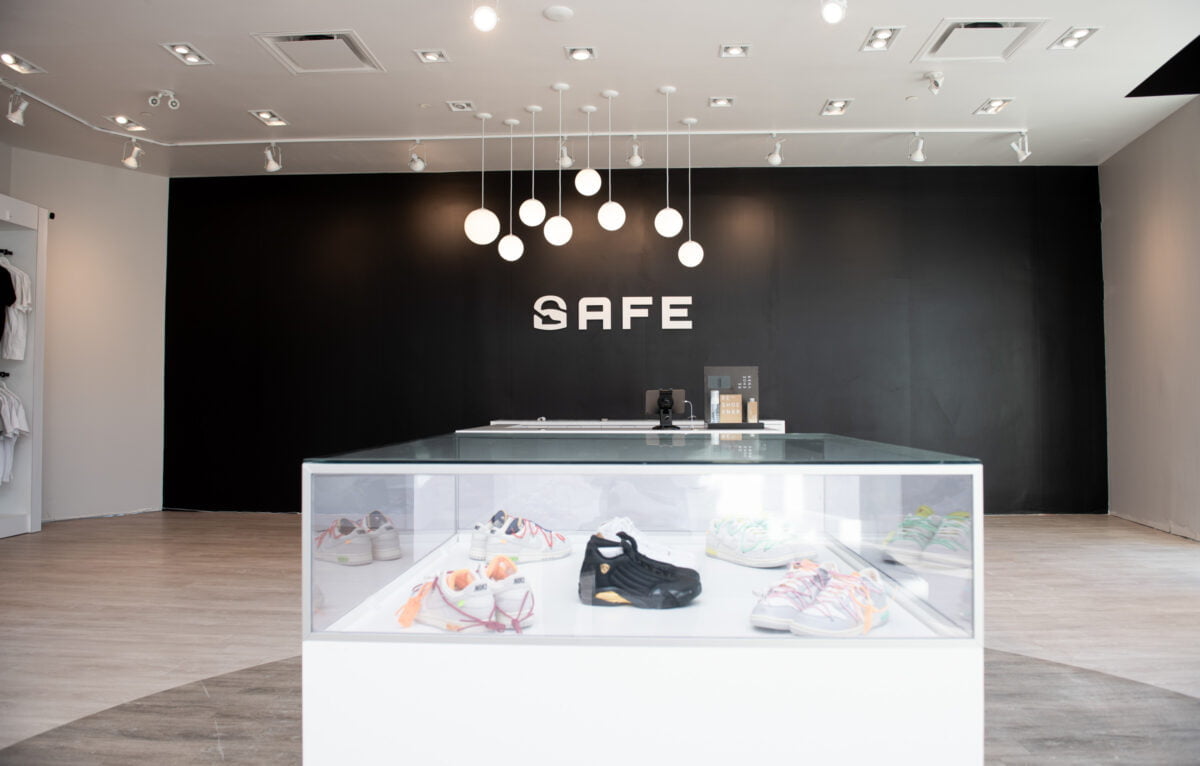
  2. Rethink the role of the store: “Given mall foot traffic had fallen by 22 percent in the country’s top 10 malls even before the COVID-19 outbreak (2019 vs. 2018), retailers need to reconsider the size and number of stores that will meet their customers’ needs, eliminating poorer-performing stores and focusing on showroom, pop-up locations, and other innovative formats. The growth of online shopping (with 78 percent of consumers expecting online shopping to increase in popularity post-pandemic) calls into question the need for an extensive network of stores. Consumers will no longer come in just to browse; they will arrive already knowing what they want, and the associate’s role will be to facilitate the purchase through an exceptional customer experience.”
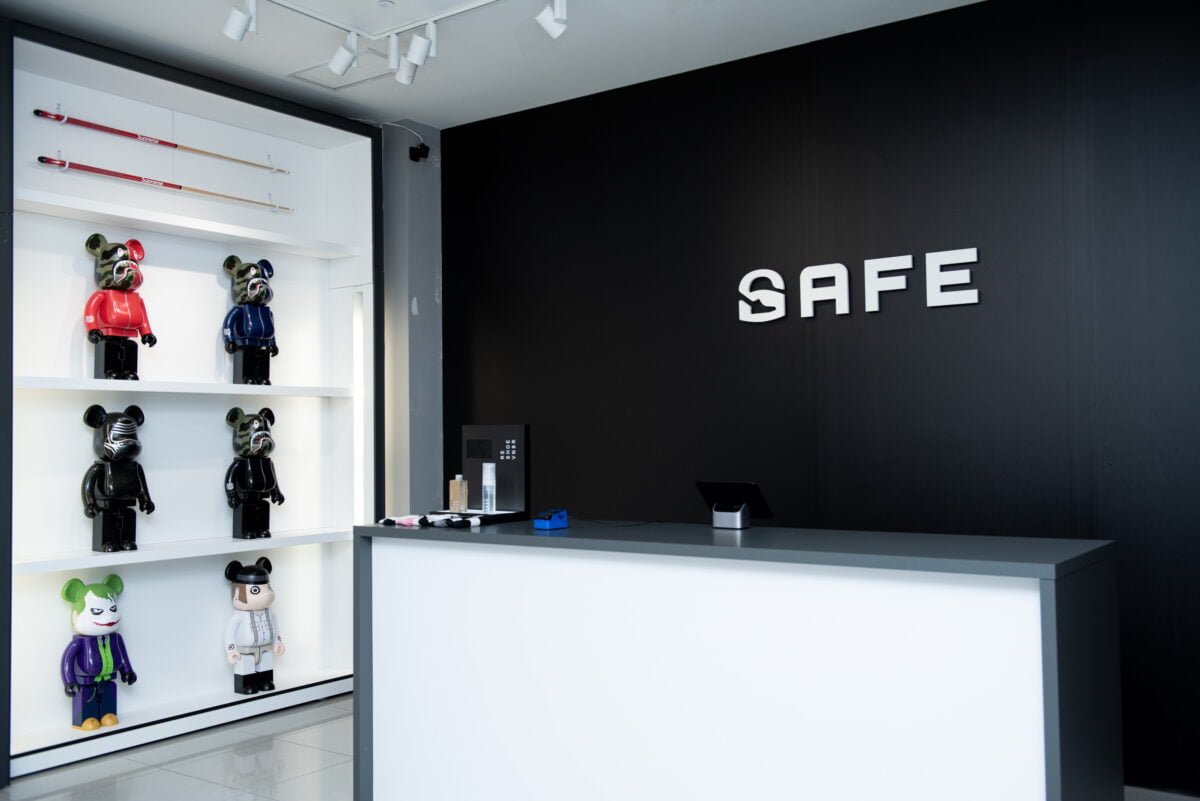
  3. Make way for the food revolution: “As less relevant fashion retailers move out of mall locations, their departure will make room for landlords to bring in an exciting new breed of restaurant offerings. This will feed the consumer’s desire for social experience and will likely become the new anchor bringing visitors to the mall. As a social experience, dining out appeals to all customer segments—and it cannot be replicated online. Smart mall owners are viewing food and beverage venues as the new anchor that will enhance their destination appeal. When it comes to the experience of food choices in the mall, a renaissance is coming.”
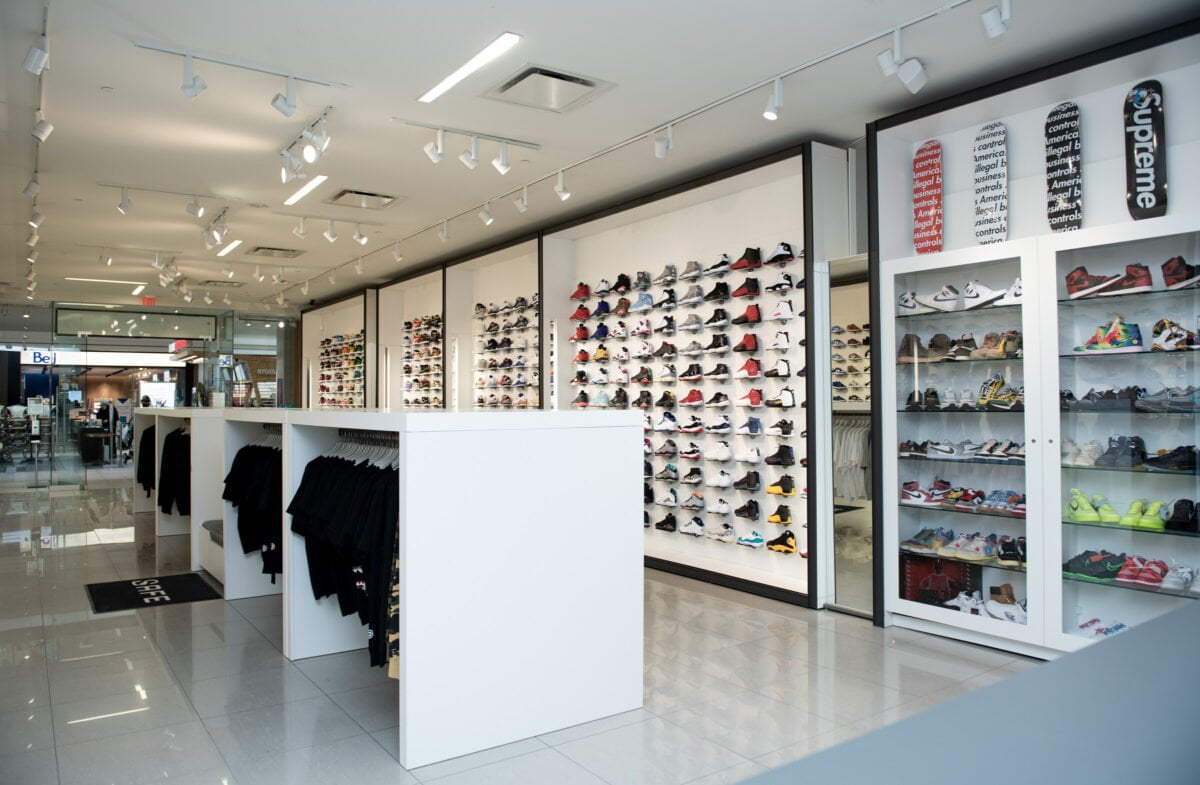
  4. Embrace technology: “Retailers need to take a page from digital-first companies—it’s never been more important to build a seamless and integrated physical and digital brand presence. Customers are increasingly looking for a digitized experience both online and off, enabled by technological innovation at every turn. Malls and retailers need to use digital tools to maximize productivity and efficiency and create a dynamic, engaging experience, such as product testing and simulation using AR and VR technologies, an ‘endless-aisle’ distribution strategy that can deliver in 24 hours or less, pop-up shops to showcase new products both in person and online, as well as online concierge services, digitized browsing, and virtual fitting rooms.”
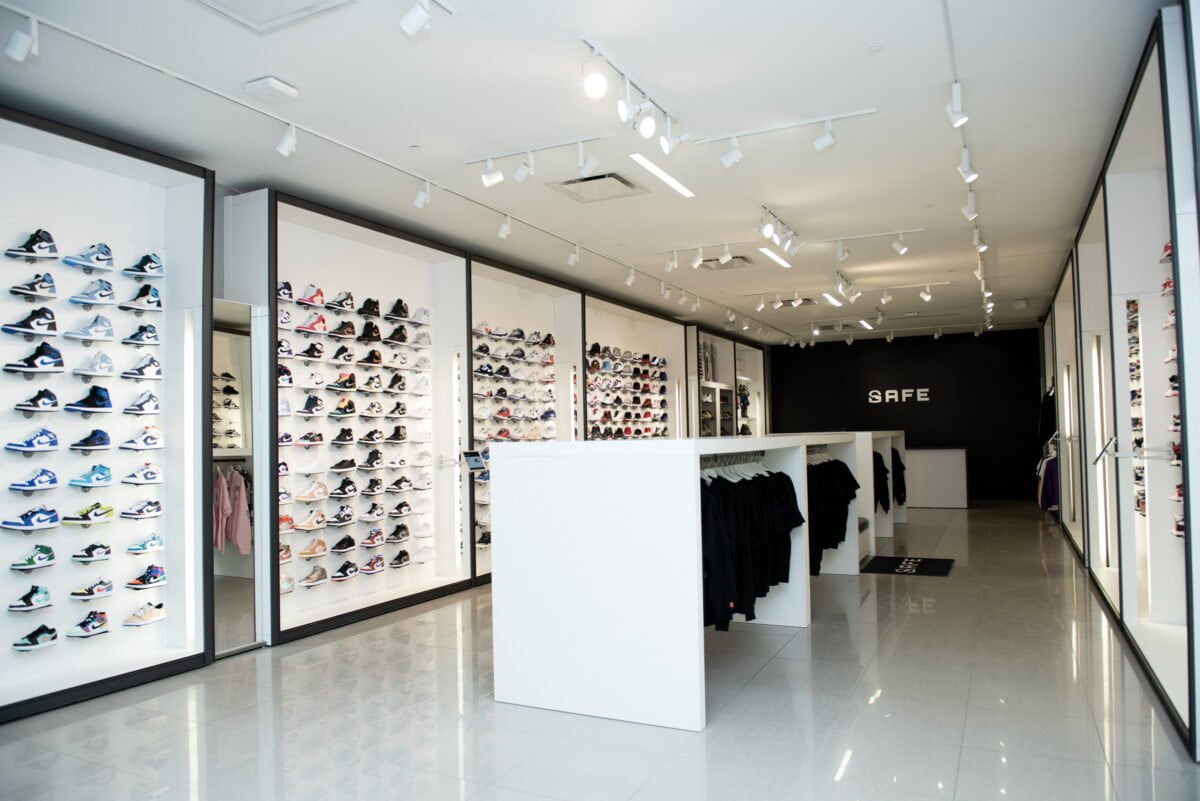
  5. Become a new destination: “Most of all, the mall must become the new meeting place for the community—a multi-purpose destination that offers extensive leisure activities as well as other functions, like office, residential, and cultural amenities. Shops should be mixed in with other complementary uses, giving visitors an interactive experience in which the entire environment comes into play. Owners may need to rethink their rental models to allow for different types of retail experiences, such as short-term pop-ups or exhibitions. There is a great opportunity here to be innovative.”

Shopify Partners with Canadian Government to Move Small Businesses into Digital Economy

On July 15, Canadian multinational ecommerce company Shopify — in partnership with the Government of Canada — announced the launch of ‘Go Digital Canada’, to assist thousands of small businesses with their transition into the digital economy quickly and efficiently.

The event — which included Minister of Small Business, Export Promotion and International Trade, Mary Ng — saw Shopify introduce the initiative in direct response to the COVID-19 pandemic.

“As Canadians, we are resilient – finding solutions where others just see a challenge,” said Mary Ng. “Our government is working hard to harness this entrepreneurial spirit and help Canadians turn their innovative ideas into successful businesses – and help them rebuild in the months to come. Shopify is an incredible made-in-Canada success story, and their work to help Canadian entrepreneurs go digital, as we increasingly shift online in response to COVID-19, will help create even more Canadian success stories. Now is Canada’s time.”

SHOPIFY IS SUPPORTING SMALL BUSINESSES WITH GO DIGITAL CANADA

Small businesses create the backbone of the Canadian economy, representing nearly 98% of companies in the country. The COVID-19 shutdowns have threatened to decimate many of these businesses, as most are struggling with little knowledge of how to leverage a business onto a digital platform. Small businesses are being forced to pivot their business models, reinventing themselves to adapt to the ‘new normal’ in order to survive, and Go Digital Canada is ready to help in this transition.

Go Digital Canada, available at shopify.ca/canada, is a central resource hub designed to make it easier than ever for Canadian business owners to get online, providing access to a suite of free resources and tools offered by Shopify and its ecosystem partners and industry experts.

Canadian entrepreneurs can launch their online store for free, with 24/7 support and access to resources that will help them to build, run, and grow their business with confidence. Go Digital Canada was developed to support the digitization of businesses in Canada wherever they are in their journey; whether business-owners are new to ecommerce or looking for more tailored solutions to scale their existing business, Go Digital Canada has the necessary tools.

Canadian small businesses across the country can launch their business online for free with an extended 90-day trial (for new merchants that register before October 1), and can access a suite of resources and tools to build their store including step-by-step guidance with Shopify Compass, live webinars, and 24/7 support from the Shopify team. The platform gives business owners the opportunity to tailor their online stores to suit individual needs and preferences, from setting up online payments, gift cards and local pickup/delivery options, to launching free email marketing campaigns (until October 1).

SHOPIFY HAS PARTNERED WITH DIGITAL MAIN STREET TO LEVERAGE SMALL BUSINESS ECOMMERCE PLATFORM

Beyond that, Shopify have also partnered with Digital Main Street, a non-profit organization that helps main street retailers with the adoption of technology. This collaboration is designed to further elevate the quality of the online store, as qualifying independent businesses are referred to Digital Main Street’s ‘ShopHERE’ program where they can have their online store built for them at no-cost.

“Shopify proudly calls Canada home, with our values rooted in supporting the small businesses that make up the backbone of the Canadian economy,” said Harley Finkelstein, Shopify Chief Operating Officer. “Our partnership with the Government of Canada to launch Go Digital Canada is the latest way we’re helping to remove barriers for entrepreneurs, by giving them the tools and resources they need to digitize their business with confidence, at no cost.”

Beyond helping businesses navigate the digital economy, Shopfiy recognizes the importance of building a business around a seamless omni-channel experience. For this reason, Shopify is providing eligible merchants with a free Tap & Chip Reader and POS Pro (until October 31) to help retail stores as they reopen.

To learn more about Go Digital Canada in partnership with the Government of Canada, and the free guidance, tools, and resources available to future-proof Canadian businesses, visit shopify.ca/canada. Canadian organizations looking to partner with Shopify to join Go Digital Canada, and help bring more Canadian businesses online are encouraged to contact go-digital-canada@shopify.com. And to learn more about Digital Main Street’s ShopHERE program click here.