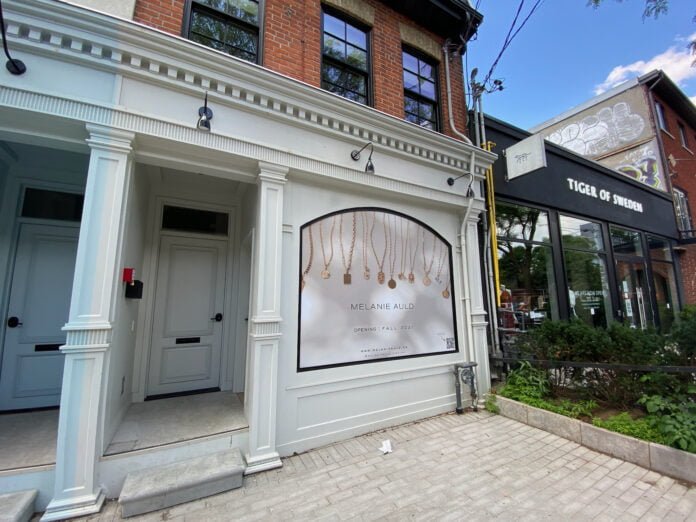
Vancouver-based jewelry company Melanie Auld will be opening a storefront on Ossington Avenue in Toronto.
Construction hoarding has been installed in preparation for the retailer’s second location.
The Melanie Auld flagship location in Vancouver, which opened in 2019, is an 805 square-foot showroom that features the jewelry collection. In addition, there is also a collection of hand-crafted Murano-glass vessels and ceramics from Italy, the home of Auld’s family.
The Ossington Avenue neighbourhood is undergoing a significant transition, with a number of long-term staples moving out and new brands setting up shop.
Retail Insider recently toured “size?”, which opened its Canadian flagship at 1000 Queen Street West at the corner of Queen and Ossington this summer. Sundays Furniture (also from Vancouver) has set up a pop-up in the neighbourhood.
We will be following the expansion of Melanie Auld Jewellers as it expands its operations to Toronto and any future plans.
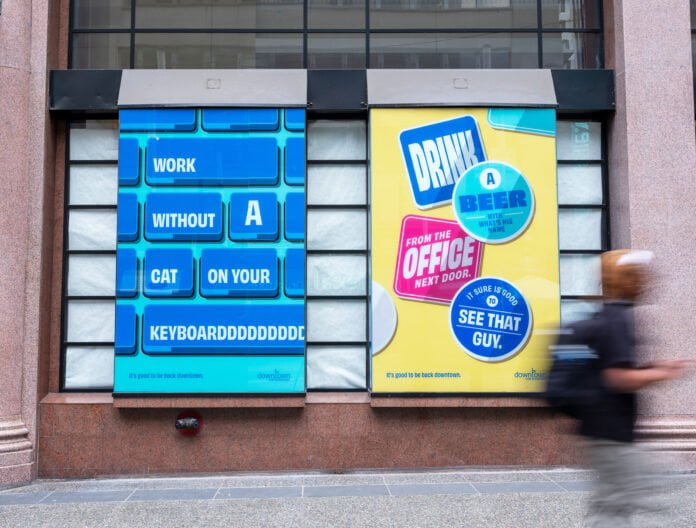
The Downtown Vancouver Business Improvement Association has launched a new initiative that allows Vancouverites to get discounts at local coffee shops by creating fake calendar events. It’s part of an effort to attract consumers back to the downtown core after the pandemic saw a reduction in foot traffic.
Nolan Marshall III
When visiting dtvancoupons.com, locals can choose from a number of Google Calendar meeting titles that bring the authenticity of an important reason to get away from the office and gain access to offers.
“COVID-19 caused a drastic decrease in traffic downtown and shrunk the daytime workforce from 116,000 people daily in 2019 to 11,000 people daily in 2020. We saw a great opportunity to encourage Vancouverites to return to downtown by homing in on that one office moment that we all love the most– escaping for happy hour. And in the process, we’re able to support some local businesses that were hit hardest by the pandemic.” says Nolan Marshall III, DVBIA’s President & CEO.
Image: DVBIA
The program is currently set up with six businesses:
Colony Granville
Open Outcry
Gyoza Bar
Cold Tea
Bel Cafe
Hawksworth Restaurant.
The DVBIA represents over 7,000 businesses in a 90-block area in the downtown core.
Owned by entrepreneur Doug Putnam, the brand joins his other retail concepts Sunrise Records and entertainment retailer FYE. Retail Insider did a tour of the 2nd Canadian location of FYE when it opened at CF Toronto Eaton Centre in June 2021.
Retail Insider interviewed Putnam in November 2020 where he shared that the new venture would be taking over 45 vacated leases to start the new T. Kettle brand. With provinces having different strategies to re-open and combat the pandemic, stores in locations such as Alberta and Newfoundland saw openings before other stores in the country.
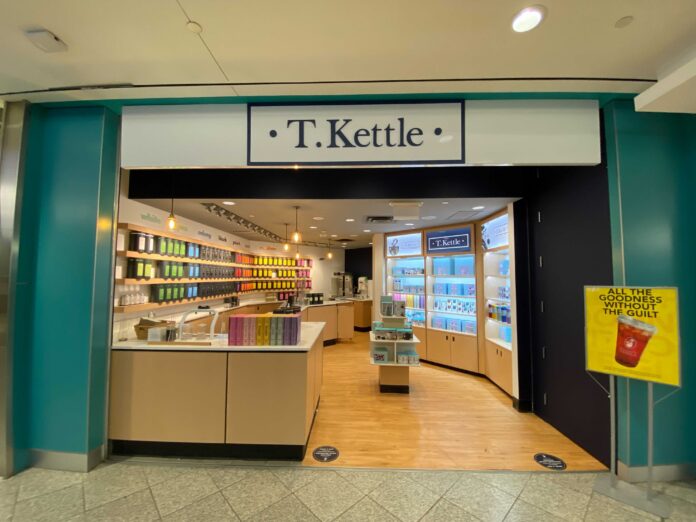
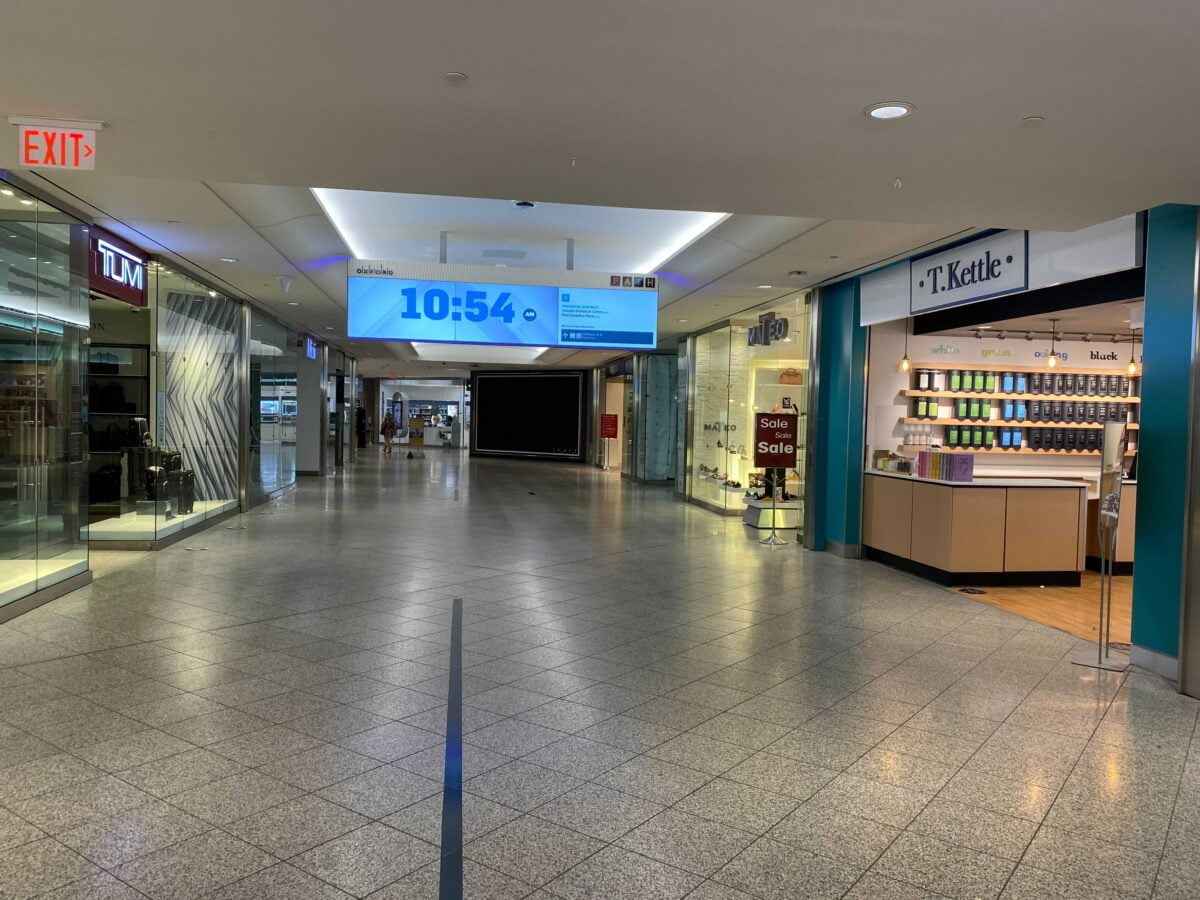
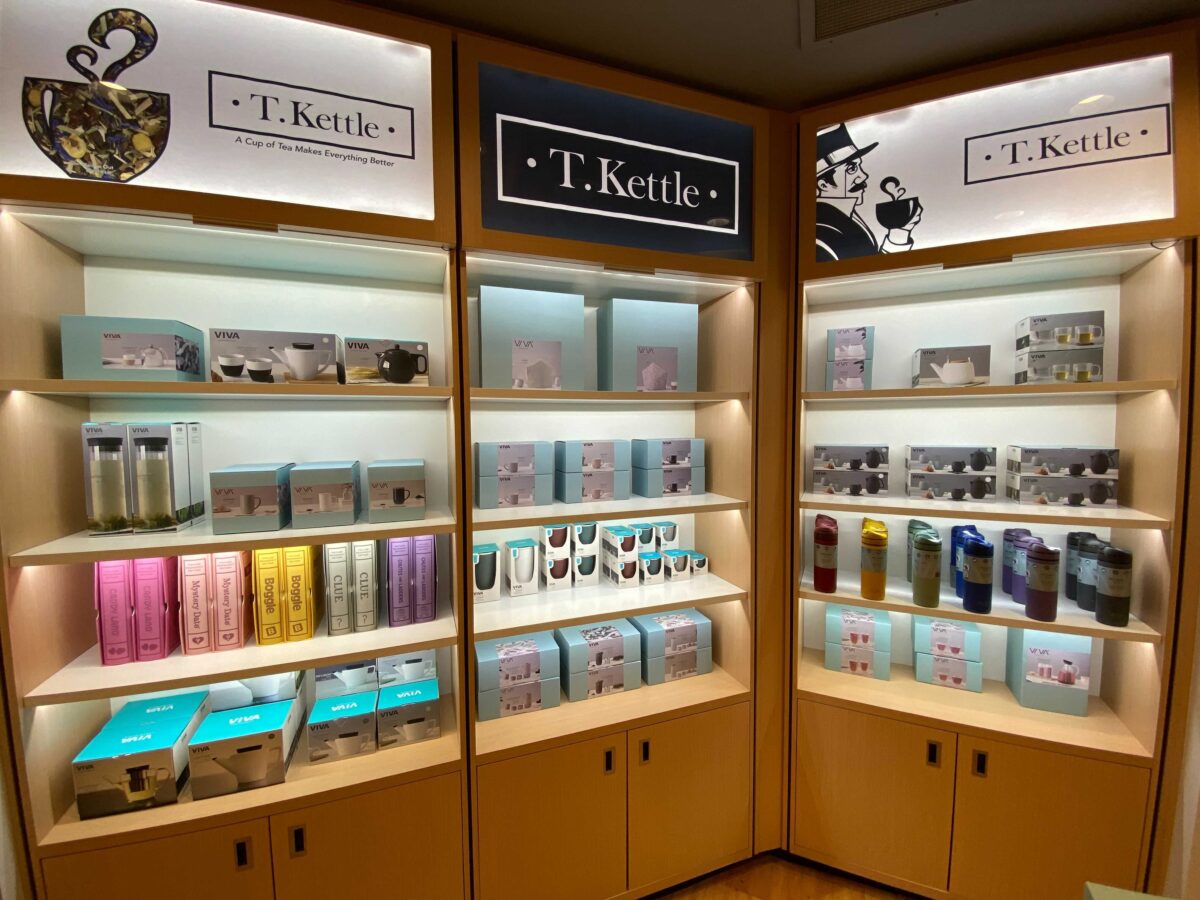
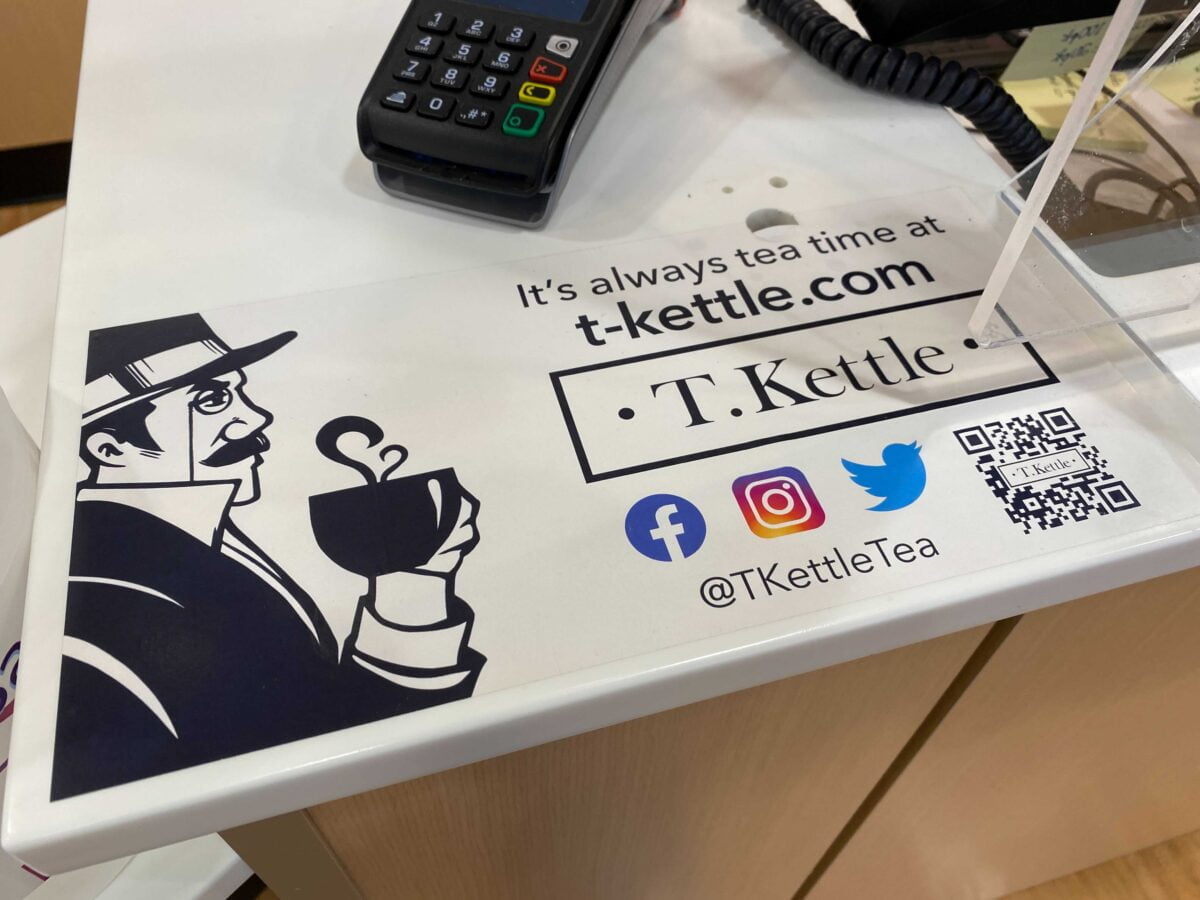
T. Kettle in Royal Bank Plaza – Photo by Dustin Fuhs
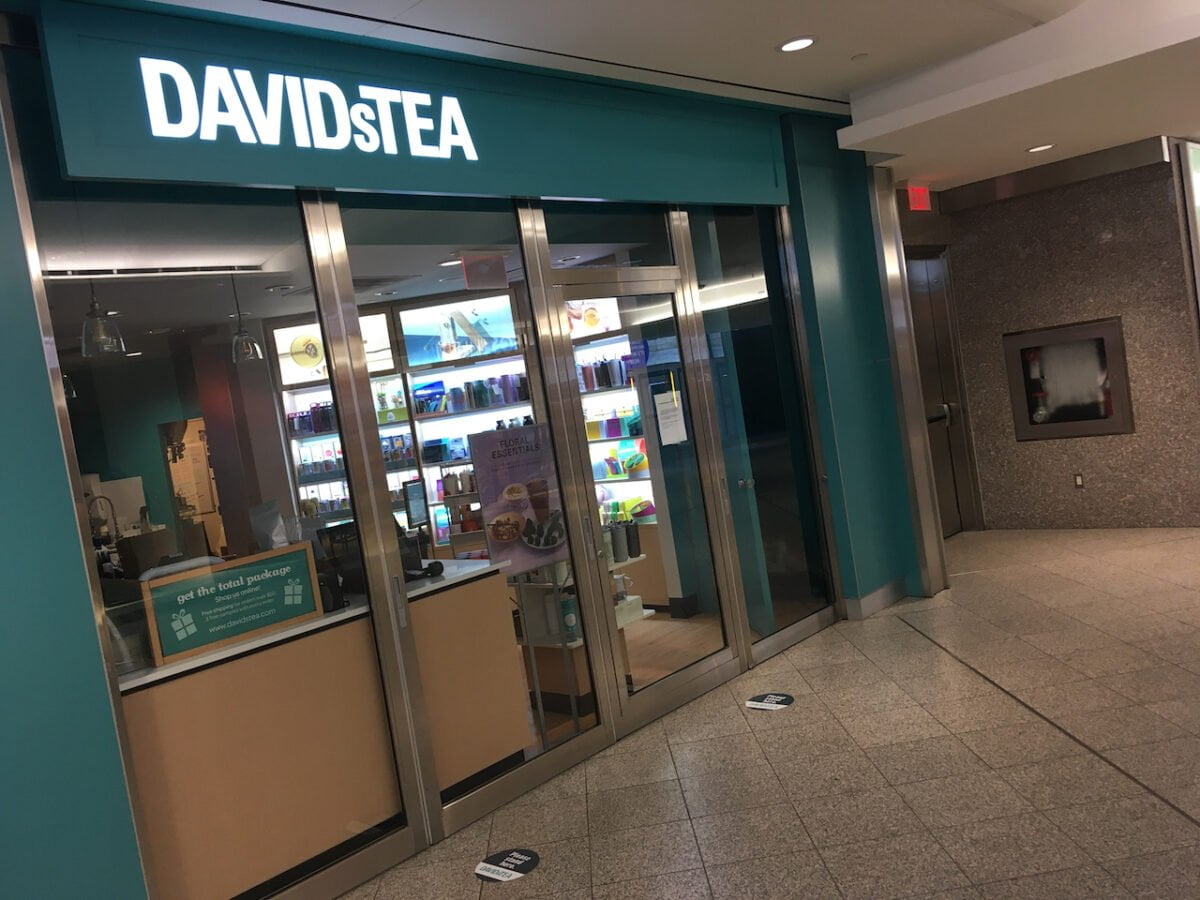
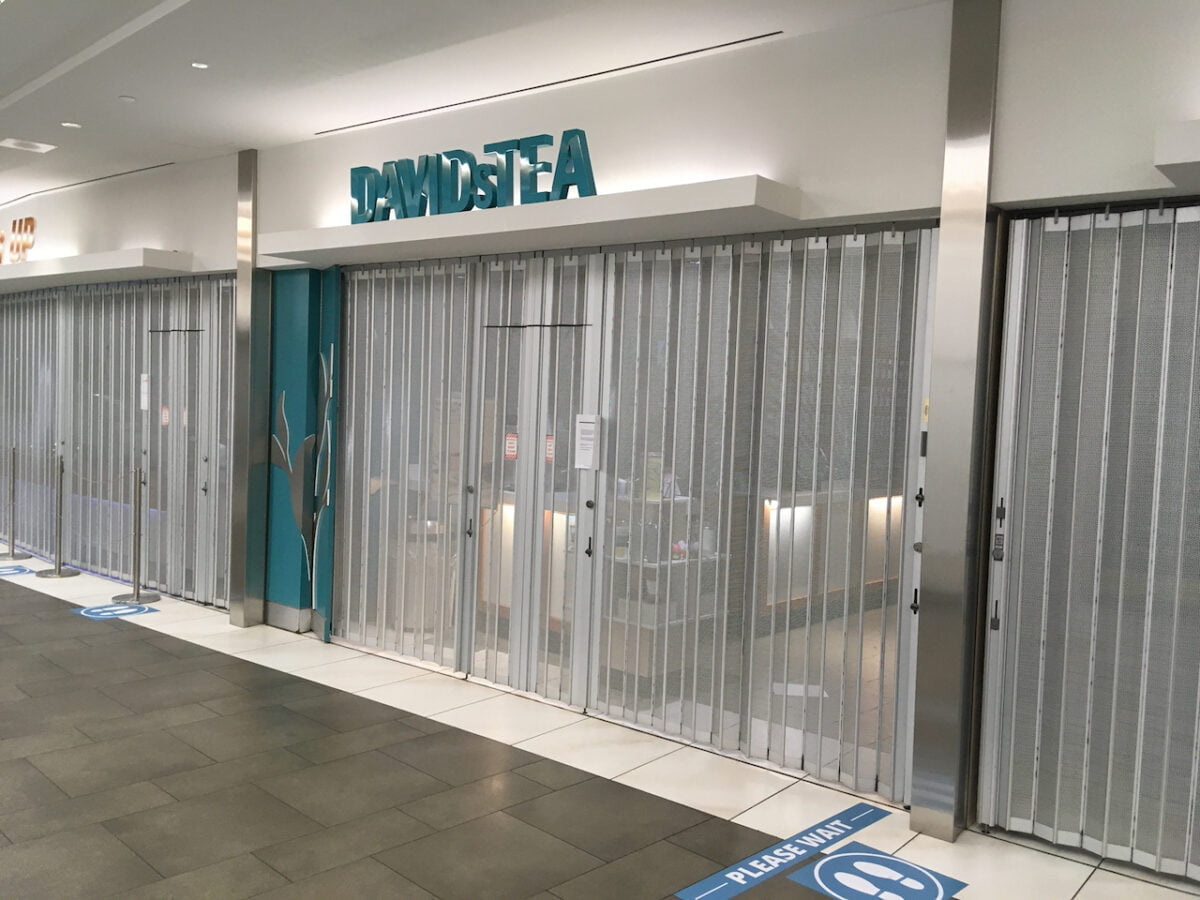
David’s Tea closed its Royal Bank Plaza location in July 2020 in addition to 165 other storefronts, leaving more than a thousand employees unemployed. The company elected to only keep 18 stores after the reorganization, which saw a focus on the retailer’s e-commerce business and grocery partnerships.
The brand kept its CF Toronto Eaton Centre location open while closing the two PATH locations (Royal Bank Plaza and First Canadian Place). David’s Tea also shuttered stores throughout the city, including a street level location on Yonge Street at 10 Dundas, The Hudson’s Bay Centre at Yonge & Bloor Streets and on Queen Street West.
Employees that lost their jobs due to the closure of the stores were part of a large pool of unemployed retail workers as the shutdown came during the peak of the pandemic. Some talent were hired by T. Kettle which saw the opportunity to bring on knowledgable and fully-trained staff from the beginning.
David’s Tea in Royal Bank Plaza – Photo by Dustin Fuhs
David’s Tea in First Canadian Place – Photo by Dustin Fuhs
T. Kettle in Royal Bank Plaza – Photo by Dustin Fuhs
The Royal Bank Plaza location was seen as a high-impact destination pre-pandemic, with direct access to the TTC and the last building commuters would walk through before Union Station.
Over the course of the pandemic the PATH was subjected to a number of government restrictions, including months with non-essential retail being forced to close and then being restricted further with stores that only had external doors being permitted to open.
For most of the last 18-months, the 1,200+ businesses in the 75+ buildings that connect to make the Guinness World Record’s largest underground shopping complex were excluded from conducting in-store sales.
In addition to having a significant drop in traffic, the concourse has been affected by retail tenants deciding to stay closed indefinitely while others have left completely.
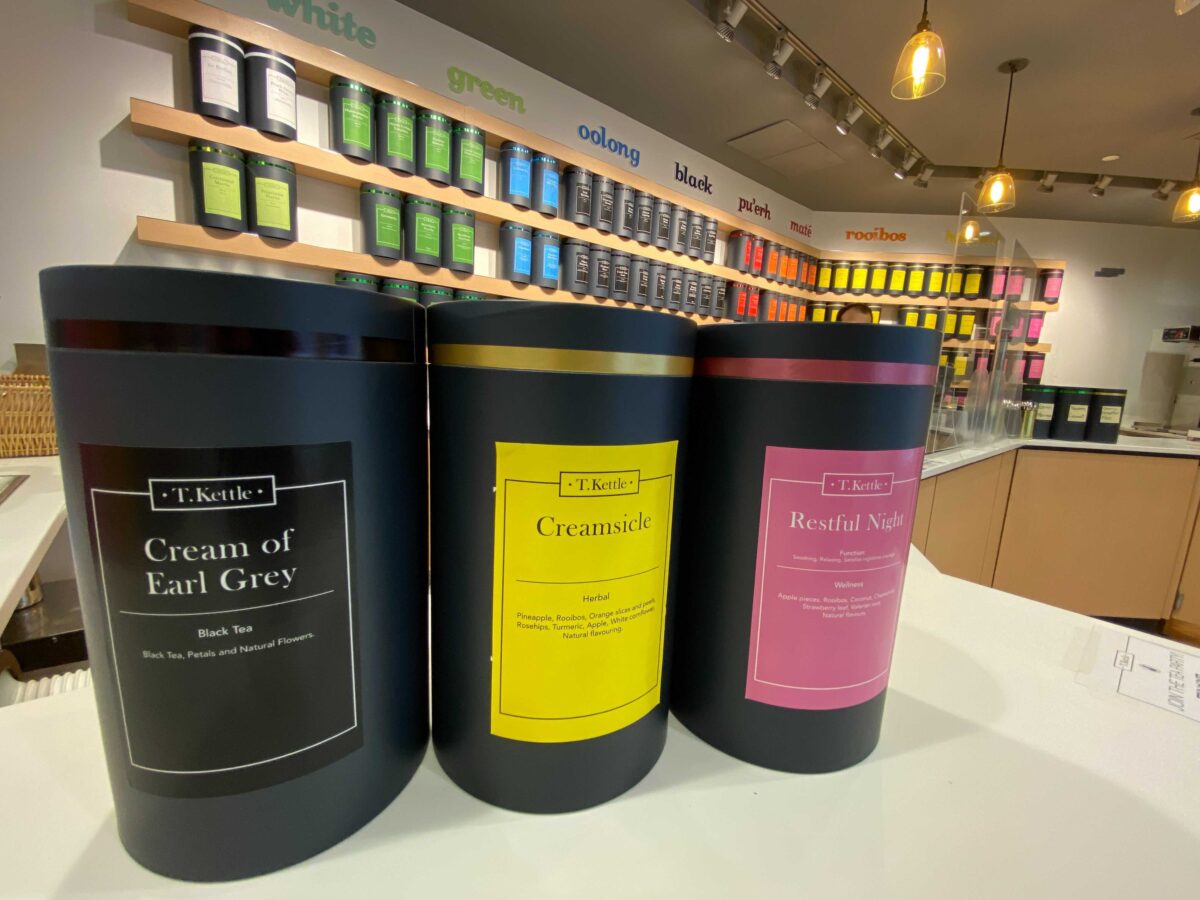
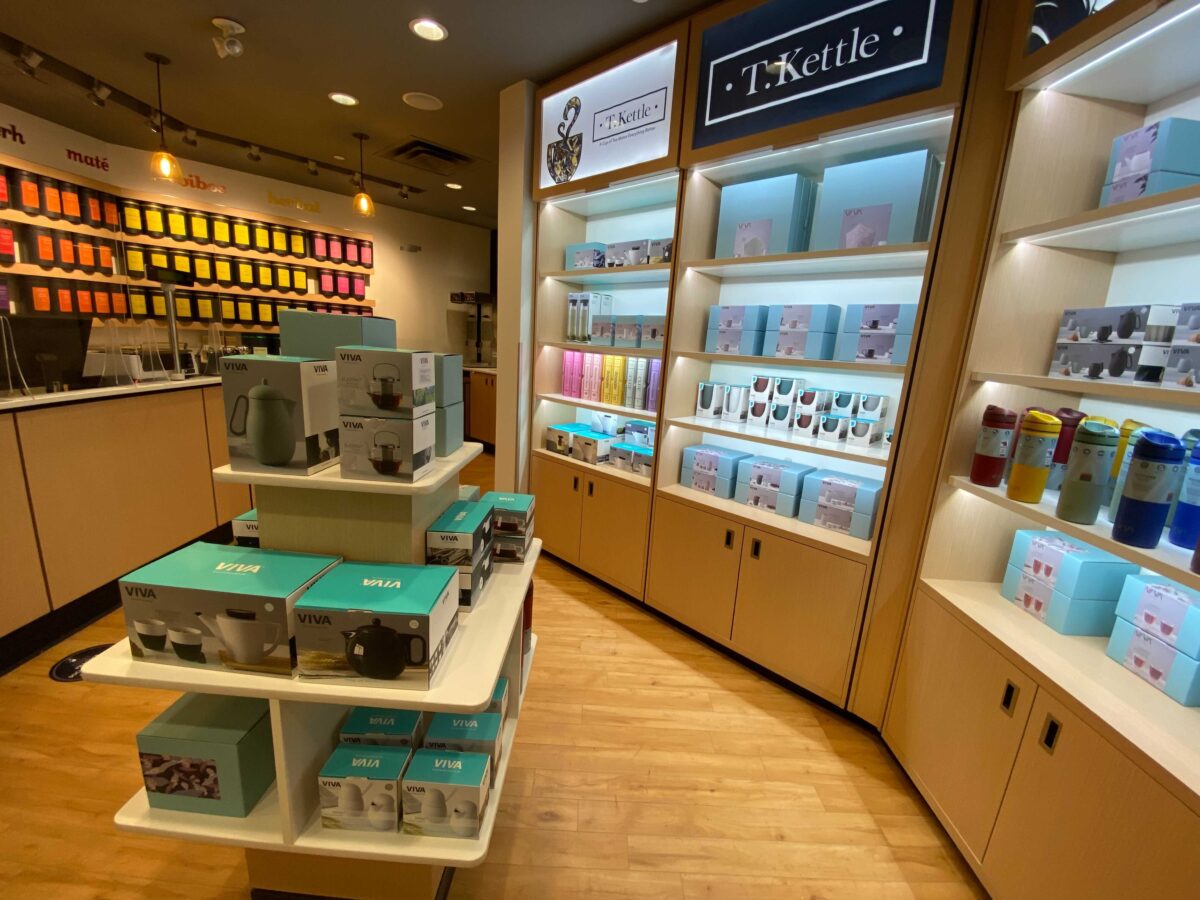
T. Kettle in Royal Bank Plaza – Photo by Dustin FuhsT. Kettle in Royal Bank Plaza – Photo by Dustin FuhsT. Kettle in Royal Bank Plaza – Photo by Dustin Fuhs
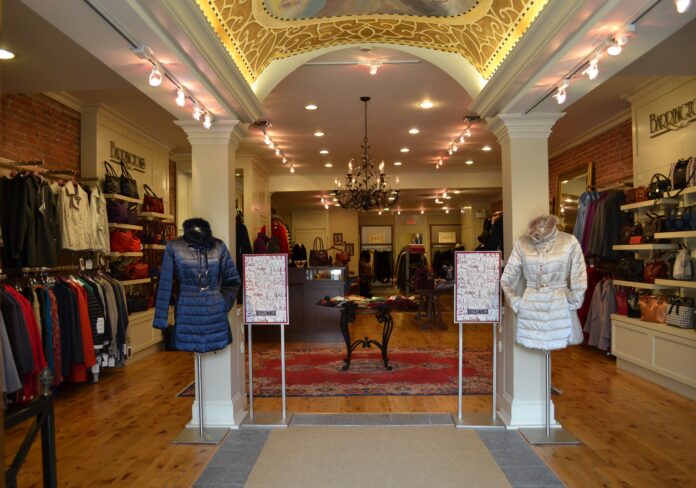
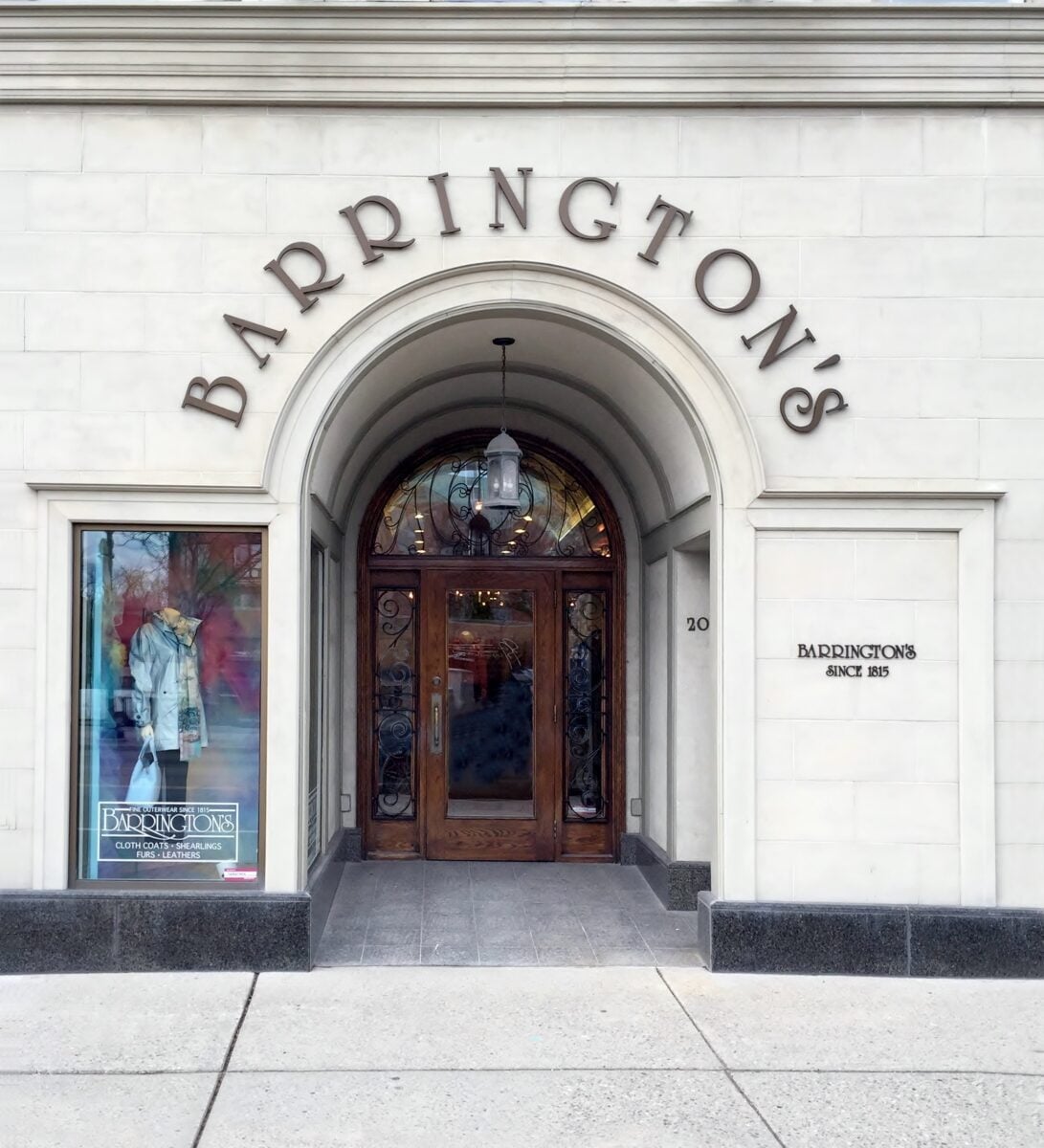
Outerwear retailer Barrington’s in downtown Oakville may be celebrating this year its 70th anniversary as a company but its roots go back to 1815.
“We were originally furriers and we have been furriers for six generations without interruptions since 1815,” said Paul Barrington. “When my father started the business 70 years ago we only sold fur coats.”
“We’re celebrating our 70th anniversary in retail in Canada. The rest of the history pre-dates to Europe. That’s multi-generational. We’ve been in Oakville in retail for 70 years,” said Brenda Barrington, adding it’s the longest running retail store in Oakville.
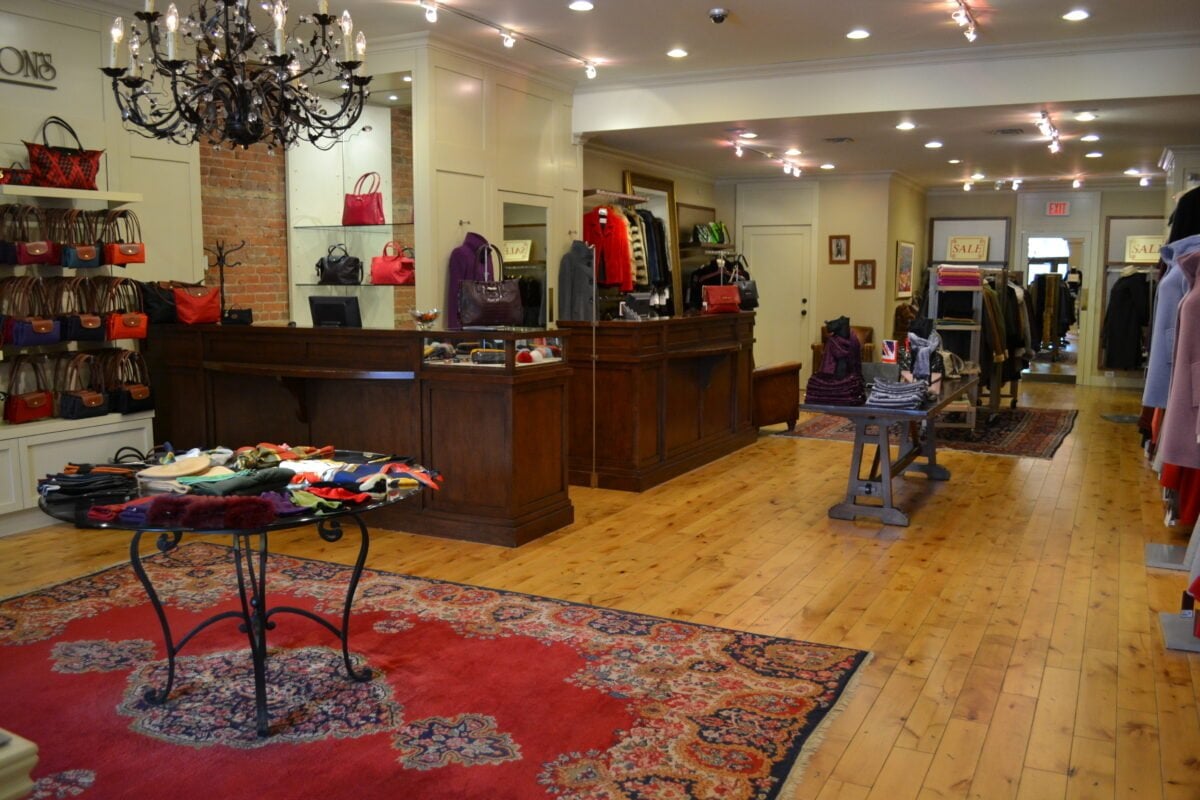
The current store, in about 3,500 square feet, is its fourth location in Oakville and the retailer has been there for more than 40 years.
Image: Barrington’s
Paul’s father, Robert, ran the store from its inception until 1991.
“While Paul’s dad was running the store we were entirely a traditional fur store,” said Brenda. “He manufactured all of his own merchandise. Paul’s dad was a well-trained furrier. And in 1991 when we took over the Oakville location we kind of morphed into more of an outerwear presence. We diversified incredibly and broadened our customer base. Broadened our inventory but we’ve also always kept it very focused and specialized. We are just outerwear and accessories that work back into outerwear.
“We don’t sell clothing. We don’t even have fitting rooms. We are a coat store but we’ve certainly broadened our offerings from fur. We carry down coats. We carry cloth coats. We carry leather coats, you name it. If it’s a type of coat, we carry it. We do a lot of slicker rain wear in the spring. We do a big private label line too that’s manufactured for us here in Toronto. It’s a very high end fabric and we have it all made in Toronto exclusively for our store which is a big part of our business too.”
Other items sold in the store include scarves, knitwear and handbags.
Within the last two years both of Barrington’s daughters – Brooke and Carly – joined the company full time. The long-term plan and hope is that they will take over the company in the future.
Image: Barrington’s
“That’s been a real asset especially given the last year because they have really strong social media, e-commerce skills that we have benefited from immensely in the last year and a half,” said Brenda.
Like all retailers and small businesses, the past year and a half due to the COVID-19 pandemic has presented many challenges.
“But because we’re small and independent, we were able to pivot fairly quickly. We adjusted our inventory. We kind of micromanaged our expenses, our inventory, our supply chain, like never before. We joked that we went back to Retail 101. It just became basic, basic retail,” said Brenda. “You just had to watch everything so closely.
“Why we survived is because of our customer base. We were so fortunate. There were two key factors. We have multi-generational customers. That’s what you get after 70 years. You get that depth.
“Before COVID we were in a pretty good position with our e-commerce. It certainly didn’t take off like it did the last year and a half but we went into COVID with a good online website, with a good e-commerce business. We ship across Canada and we have customers in every province. So that really helped. That depth. And they were already using our website.”
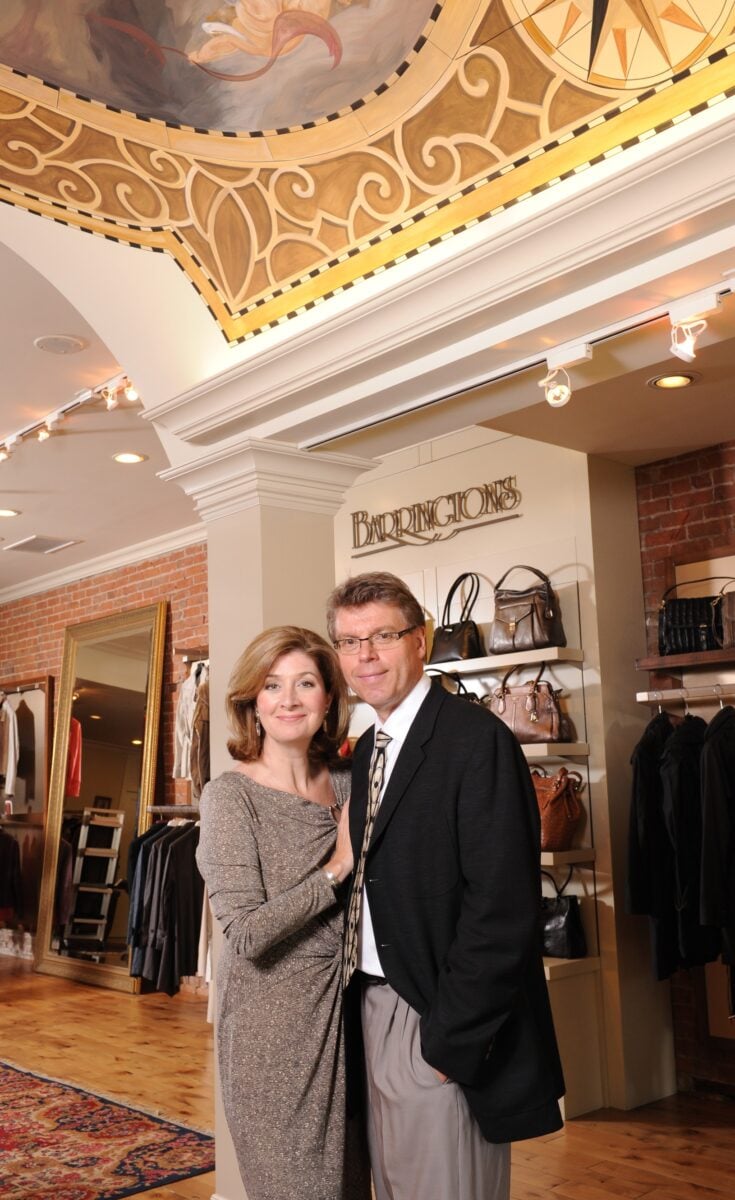
Brenda & Paul
(Photo by Chantal Ayotte)
But when COVID hit, that use accelerated and the Barrington’s had their daughters’ skills available to facilitate that demand.
“Our online business while we were in lockdown number one took off. It was really actually very exciting and it was the only positive thing happening in those dark days when we were closed and closures just kept getting extended. We were doing online business. Our customers supported us and our customers pivoted to online,” added Brenda.
“We had customers that had never purchased online with us before, they were always in-store customers, and they started buying online. That has maintained, encouragingly so, because it’s maintained even when we’ve reopened. Our online business is strong and it’s remaining strong even as we’re back into in-store shopping.”
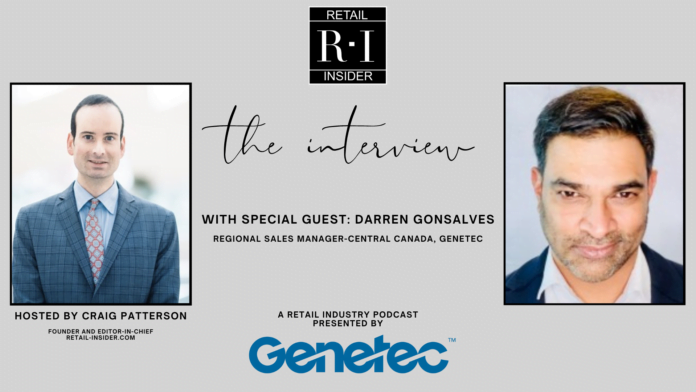
This week Craig speaks with Darren Gonsalves from Genetec on ways retailers are monitoring and protecting their businesses, especially in these tough times compounded by the COVID-19 pandemic.
The Weekly podcast by Retail Insider Canada is available on Apple Podcasts, Stitcher, TuneIn, Google Play, or through our dedicated RSS feed for Overcast and other podcast players.
Discussed this episode:
Darren Gonsalves, Regional Sales Manager-Central Canada at Genetec
Genetec: Leading technology provider of business intelligence, unified physical security, public safety, and operations. Genetec develops open-platform software, hardware and cloud-based services for the physical security and public safety industry. Its flagship product, Security Center, unifies IP-based video surveillance, access control and automatic license plate recognition (ALPR) into one platform. A global innovator since 1997, Genetec is headquartered in Montreal, Canada, and serves enterprise and government organizations via an integrated network of resellers, integrators and consultants in over 80 countries. Genetec was founded on the principle of innovation and remains at the forefront of emerging technologies that unify physical security systems.
Subscribe, Rate, and Review our Retail Insider Podcast!
Drop us a line at Craig@Retail-Insider.com. You can also rate us in Apple Podcasts or recommend us in Overcast to help more people discover the show!
Background Music Credit: Hard Boiled Kevin MacLeod (incompetech.com). Licensed under Creative Commons: By Attribution 3.0 License. http://creativecommons.org/licenses/by/3.0/
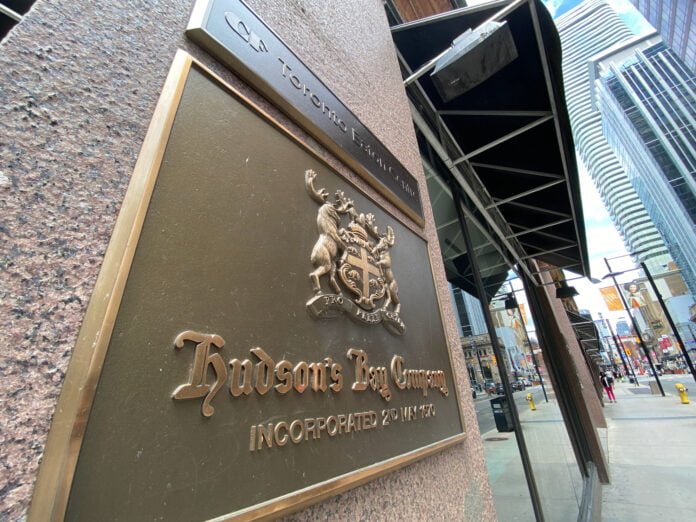
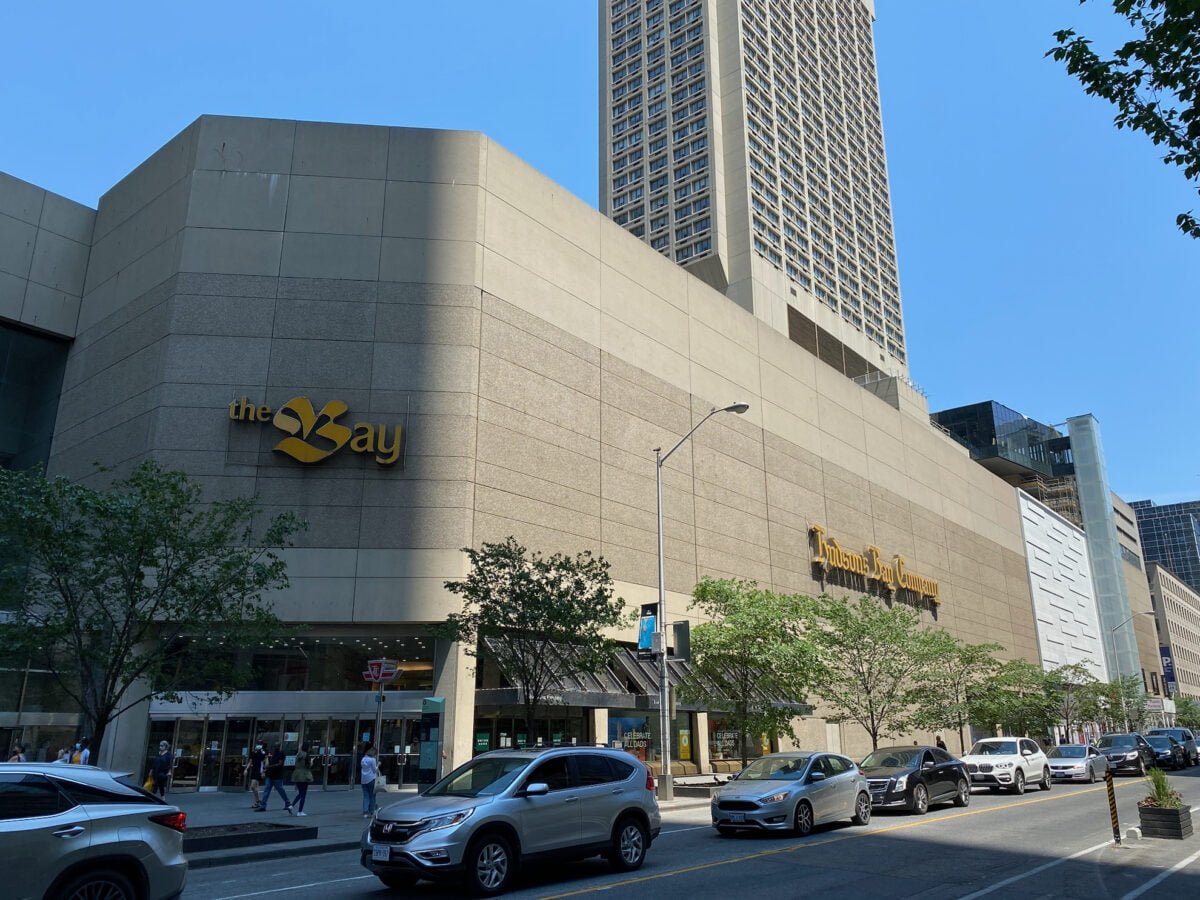
Hudson's Bay at CF Toronto Eaton Centre - Photo by Dustin Fuhs
Canadian department store retailer Hudson’s Bay is shifting its business model by separating its physical retail store business from its online business. It’s part of a move by the retailer to focus on e-commerce and is the latest significant move indicating the retailer’s shift away from relying on its physical stores at a challenging time during the pandemic.
The separated businesses will have different names. The e-commerce business will be called ‘The Bay’, which is a nod to the name the retail chain formerly held prior to the renaming of the department stores as ‘Hudson’s Bay’ in 2013. The 86 physical stores that the retailer operates will continue to be called Hudson’s Bay.
The e-commerce business ‘The Bay’ will be responsible for brand direction, marketing, buying, planning and technology for both businesses according to the company. Iain Nairn, who has led the retailer as President and CEO since early 2020, will lead The Bay e-commerce business as President & CEO. Wayne Drummond, who formerly led the now-shuttered Hudson’s Bay stores in The Netherlands and was most recently Chief Merchant of Hudson’s Bay, has been appointed President of the physical stores business. The run of Hudson’s Bay stores in The Netherlands was ultimately unsuccessful and all 15 stores shut in late 2019.
The move to segregate physical and online stores is said to be part of a growth strategy for Hudson’s Bay in Canada, which operates the now-86 standalone stores as well as a robust e-commerce business. “This new operating model structures the organization to materially accelerate the biggest growth opportunities for each business, with dedicated leadership focus for each,” Hudson’s Bay said in a statement.
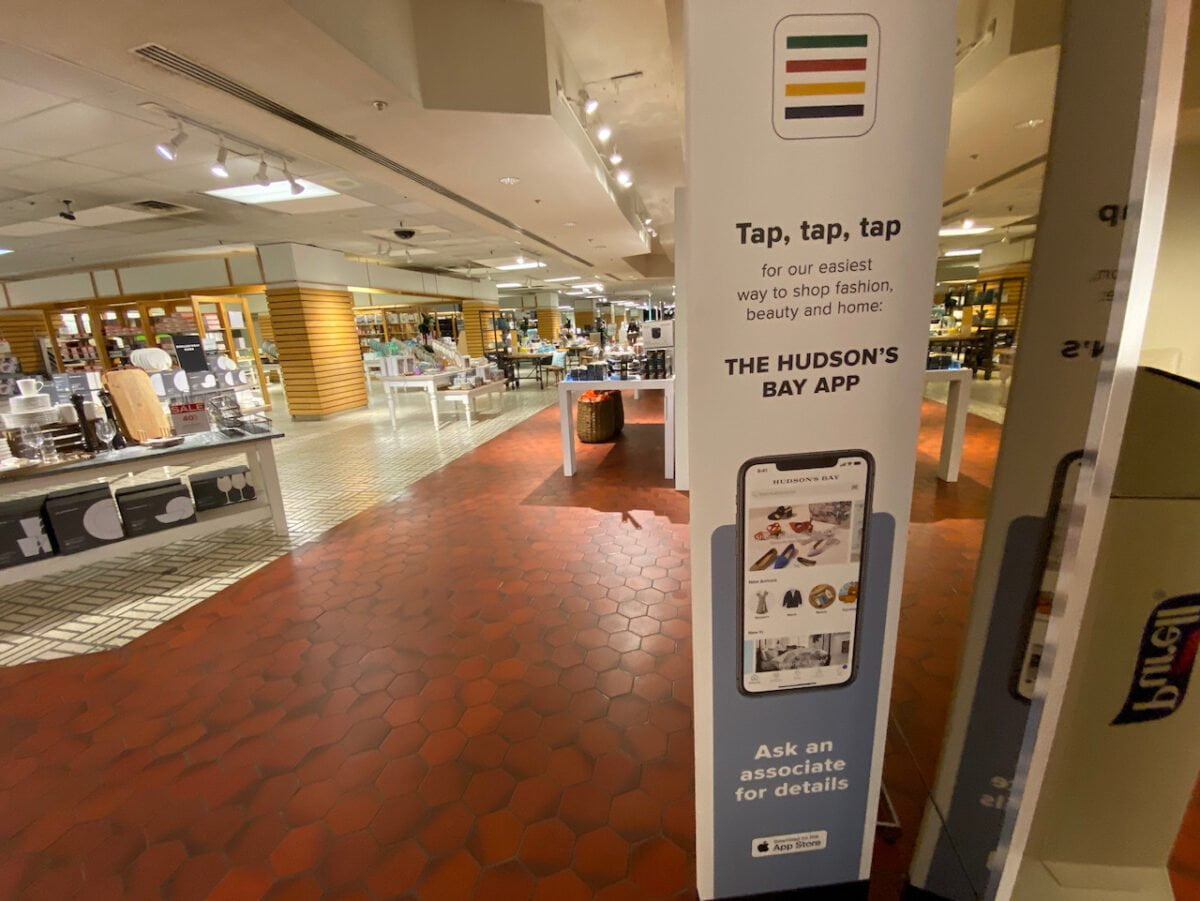
Hudson’s Bay App signage at the 44 Bloor Street East store – Photo by Dustin Fuhs
“The businesses will work closely together to deliver a seamless customer experience while making strategic investments in their respective growth plans. For customers, this will elevate the overall experience with significant enhancement to services, whether they shop in store or online,” the statement went on to say.
The Hudson’s Bay Company had been making significant changes to its business model including adding a marketplace component to its website.
“Establishing e-commerce and stores as distinct businesses is a pivotal next step in the future of Hudson’s Bay. With the launch of Marketplace on thebay.com earlier this year, Hudson’s Bay set in motion a rapid expansion of its ecommerce business to gain significant market share and become the country’s largest premium hybrid online shopping experience,” said Richard Baker, Governor, Executive Chairman and CEO of the Hudson’s Bay Company. “To date, digital performance and onboarding of new sellers has dramatically exceeded expectations. Furthermore, this move enables each team to make unencumbered strategic investments into their respective businesses to deliver an incomparable customer experience for Canadians.”
The online Marketplace is already said to be seeing success after launching in April of this year. More than 1,500 brands have been added or expanded while more than 25,000 new products have been made available via the new Marketplace Technology platform. Website thebay.com is said to be the sixth largest e-commerce business in Canada.
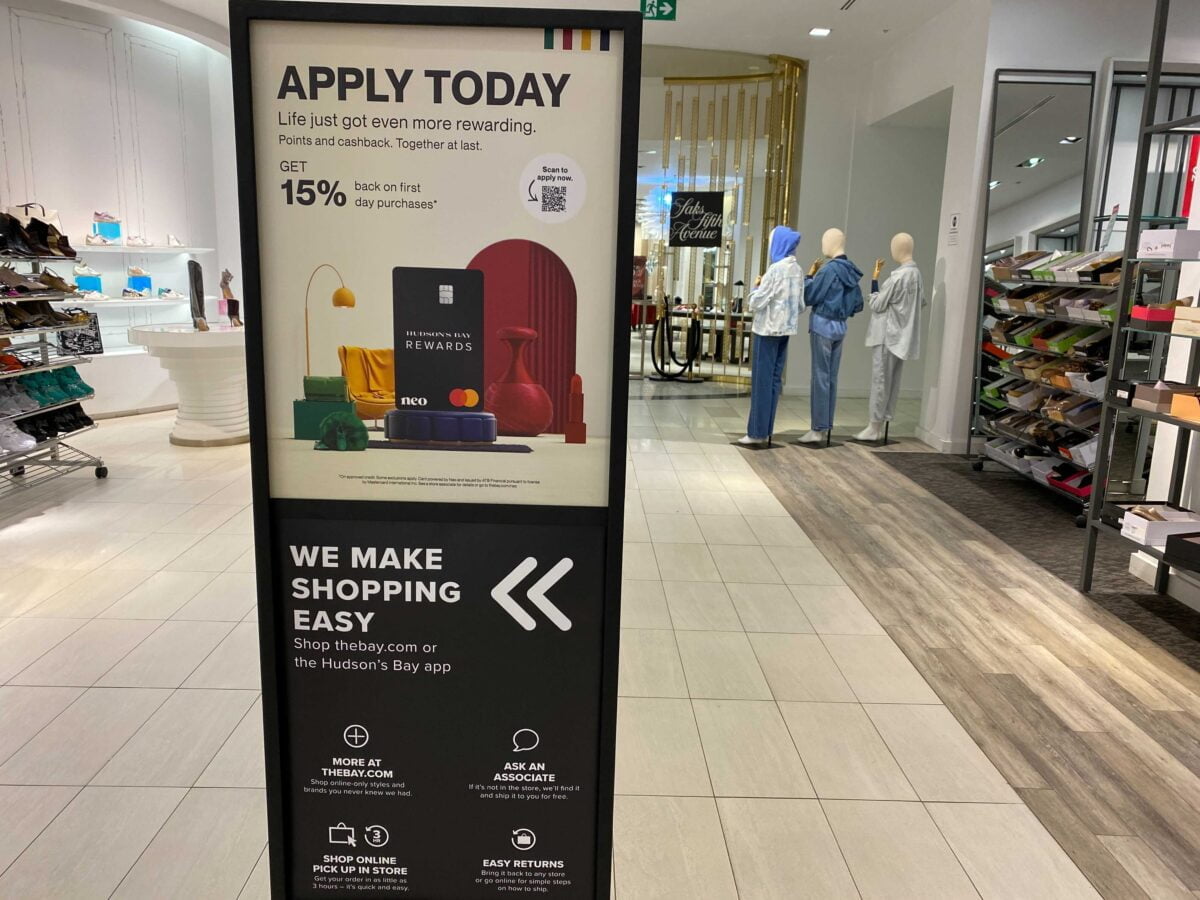
In-Store Marketing at Hudson’s Bay on Queen Street in Toronto – Photo by Dustin Fuhs
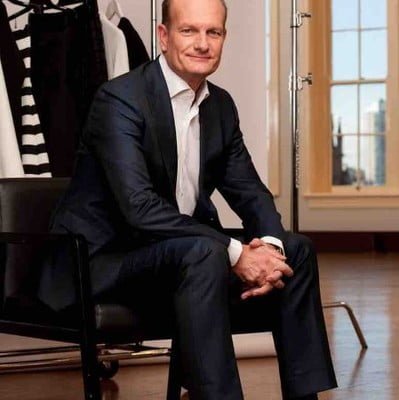
Iain Nairn
New online business The Bay’s Iain Nairn said, “The digital-first transformation of The Bay takes us to the next level, with significant focus on technology investment and innovation – including the creation of Technology Hubs in both Toronto and Seattle, increased fulfillment capabilities, expanded marketing and extended vendor partnerships for a highly-curated assortment.”
The physical Hudson’s Bay stores will continue to play an important role in terms of presence for the retailer in Canada. Changes have been made to some suburban stores including locations at Londonderry Mall in Edmonton which recently saw updates including centralized checkouts on each of its two levels along with showrooms for baby goods and housewares. Some stores have also seen departments downsized with walls being put up to reduce retail space. Downtown flagship stores are also being downsized including the Calgary store which was recently reduced to three floors from six.
Hudson’s Bay stores president Wayne Drummond said, “Hudson’s Bay stores will become discovery destinations and serve as an important touchpoint for customers. With stores in major cities across the country, Hudson’s Bay provides Canadians access to the product they need and want, while offering high-touch services that many others cannot.”
The company said in a statement that returns, exchanges, Hudson’s Bay Rewards and Hudson’s Bay credit cards will continue to be accepted both online and in stores.
The move comes after the Hudson’s Bay Company separated the physical and online businesses for luxury division Saks Fifth Avenue and off-price division Saks OFF 5TH. Several months ago the Hudson’s Bay Company sold a minority state of Saks Fifth Avenue’s e-commerce business to private equity form Insight Partners for USD $500 million, valuing the new online business to be known as ‘Saks’ at USD $2 billion while the physical store division with 40 locations was named ‘SFA’. The online business for Saks OFF 5TH was recently spun off and valued at USD $1 billion.
This week as well, the Hudson’s Bay Company announced a partnership with WeWork that will see co-working added to some current and former Saks stores under the banner SaksWorks. It remains to be seen what’s planned for Saks stores in Canada which are said to be struggling.
Bruce Winder
Bruce Winder, author of RETAIL Before, During & After COVID-19 and President, Bruce Winder Retail, said, “In my opinion, this separation has more to do with valuations than operations. Department stores generally have lower price-earnings (PE) multiples vs. e-commerce companies and this allows HBC to sell off part of the online entity for more money to raise funding to pay off debt, invest back into the business or harvest a dividend.”
“This is similar to how the firm separated Saks’ online business from the bricks and mortar side. I personally think that the department store side of The Bay needs to shrink significantly and indeed become more experiential if they are to survive. Time will tell how HBC manages the bricks side of this equation and if investments will be made.”
Others share the sentiment that more physical Hudson’s Bay stores could shutter in Canada as the retailer shifts to an online footprint. Whispers and rumours that the Hudson’s Bay store at the northeast corner of Yonge and Bloor Streets in Toronto would shutter were denied by the retailer recently. Regardless, the condition of some of Hudson’s Bay stores in Canada indicate that significant investments are needed to bring them in line with an elevated retail experience that the retailer is aiming for.
Hudson’s Bay on Bloor – Photo by Dustin Fuhs
George Minakakis
George Minakakis CEO of Inception Retail Group Inc., said, “It seems opportunistic. I am unclear how they can retain sales revenue at either business to make them look viable. It looks like they are taking from Peter to create Paul. It will create confusions and frustrating friction for consumers. If I were the owner of Hudson’s Bay I would be inventing my resources quite different to ensure the longevity of the brand. I believe this just weakens the brand and hastens a negative outcome for stores. Clearly this is seen as an IPO opportunity much like the strategy with Saks.”
Liza Amlani
Liza Amlani, Principal and Founder of Retail Strategy Group, said, “A bold move and a huge mistake. As successful retailers are blurring the lines of ‘channel’ and dramatically shifting towards omni, the Hudson’s Bay Company is doing the exact opposite. Shouldn’t the focus be customer-centricity and an aligned merchandising strategy to increase footfall? Wouldn’t separating online and offline alienate customers and distance you even more from understanding your customer? This move will show customers that perhaps you are not listening to feedback including changing store formats and increasing customer service and brand ambassadors on the shop floor.”
David Ian Gray
David Ian Gray, founder and strategist at DIG360, said, “The irony is that retail and brands are doubling down on removing so-called silos that exist between channels and functions in order to better serve the Customer seamlessly. This does the opposite. However, this split is not about ‘the Customer’, rather it is all about ‘the Investor’. The Investor is King. In my opinion, betting on Marketplaces seems to be the latest ‘Hail Mary’. But how many ‘marketplaces’ will shoppers shop and sellers list on? The objective cannot be to become a marketplace, but to become one of the top three. The rest will be ignored by too many and fall short.”
Gary Newbury
Toronto-based retail supply chain and last mile expert Gary Newbury said, “After 350+ years of trading, HBC has arrived at a pandemic-induced decision point. It has already been busy reversing it’s former bricks and mortar expansion plans pre-pandemic, then distracting itself by complaining malls not being ‘top rate’ to avoid lease payments and now, with a new retailer who has been able to persuade the Board to further retrench from its fleet to migrate the brand more to an online platform, but this is Canada, not Europe where the consumer densities are higher by several magnitudes.”
“This, unfortunately, is very product centric way of thinking, when the rest of the industry is looking to bring online and stores together under an omni (combined) model to create more of a blur in the consumer’s mind, bring more digital tools into stores and move towards customer centricity,” Newbury went on to say.
“It’s a bold move, and if fully support with scalable local fulfillment investment strategy, an aggressive growth plan and a clear go to market proposition, this should enable success… oh, but thinking a brand experience on a transactional platform can mirror a high touch, high service in store experience only serves to underline the potential flaws in this commercial thinking.”
“Underneath it all, it seems, is still a strong ethos of maximizing shareholder value on real estate realization, rather than a bold new retailing move to set the market alight. And being primarily in a category which demonstrates an extremely high return rate, I suspect we will see another ‘great idea’ in a couple of years as the ‘learning’ that, typically, e-commerce is at best marginally profitable in higher margin categories. When it comes to apparel, all I can see is red ink quickly accumulating.”
Newbury concluded by saying, “Be ready for more press releases of ‘teething challenges’, ‘integration and supply chain issues’ and ‘leadership changes’ in 2022. The smarter move would have been to either close retailing altogether and shift the real estate or invest heavily in the current stores (with some further rationalization in overstored territories) and servicing e-commerce sales from backroom sortation capabilities, rather than remote warehouses.”
Hudson’s Bay has been in the news quite a bit over the course of the pandemic. One big story was the retailer’s not paying rent for some of its stores which led to litigation across the country. The Hudson’s Bay Company was ordered to pay rent for some stores by the courts and the retailer is said to have settled privately with some landlords in other cases.
We’ll continue to follow this story as it’s becoming clear that the Hudson’s Bay Company will continue to make significant changes to its business model amid a digital revolution in retail that has been accelerated by the pandemic.
The COVID-19 pandemic has been exceptionally challenging for the retail industry in the past year or so but despite the tough times McArthurGlen Designer Outlet Vancouver Airport has been in expansion mode.
The shopping centre has opened 13 new stores in the past 12 months and it has four additional openings planned for the end of 2021.
Robert Thurlow
“In the last 12 months despite it being a pandemic and people nervous about what’s going on in every kind of business landscape, we actually opened over a dozen new stores here at the centre,” said Robert Thurlow, General Manager at McArthurGlen Designer Outlet. “And interestingly 80 per cent of those are permanent deals not temp deals.”
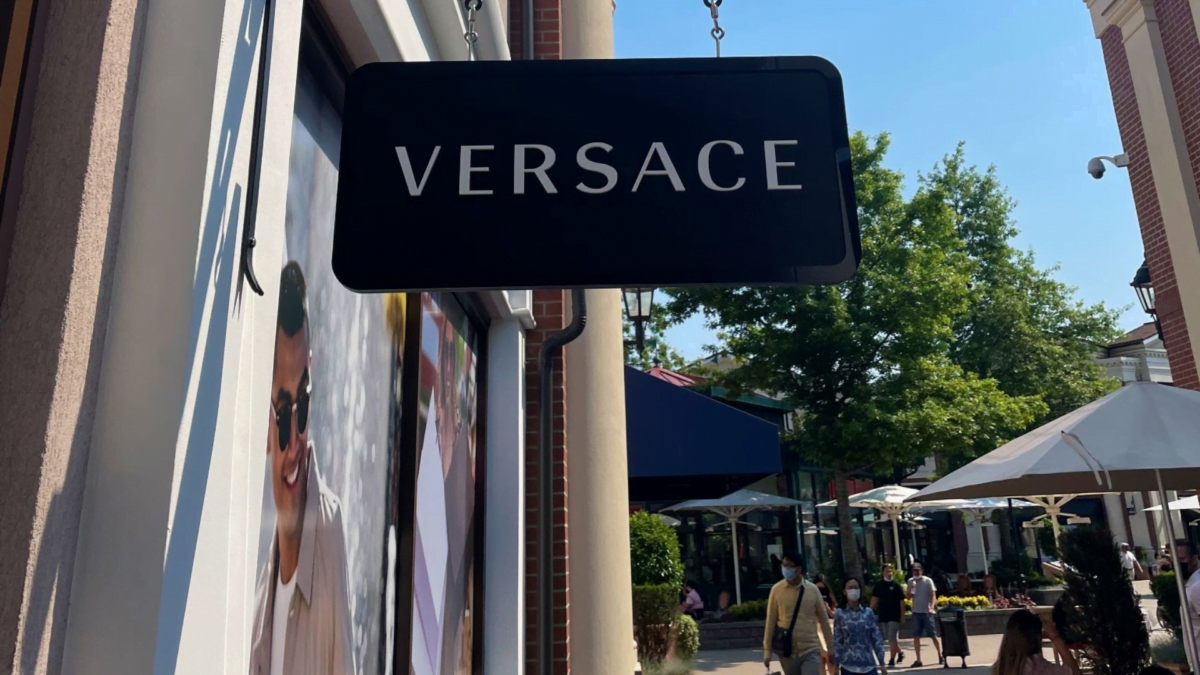
The most recent was Versace.
“There was a lot of nervousness, especially around retail 15 months ago. Retail ecommerce for example exploded in early 2020. Lockdowns of course limited the ability of brick and mortar stores globally and then what I really saw later was that now that in-store shopping is much more accessible consumers have really switched back to it. Certainly here,” said Thurlow.
Image: McArthurGlen Designer Outlet
“And it seems that customers really do prefer bricks and mortar shopping even if ecommerce is more widely available than before which of course it is. But I really think the early surge in those online sales was really a matter I guess of what I would call necessity rather than real consumer preference. And I have to say we’ve been really fortunate we’ve only had the one closure here in BC, we were only closed from mid March of last year through mid May and we’ve been open ever since.”
The shopping centre has 103 stores currently. The centre opened in 2015 with its Phase 1 which included 240,000 square feet of retail space and 75 stores. Just prior to the pandemic, Phase 2 was completed and opened in August 2019 which added another 85,000 square feet and another 28 stores.
The centre is currently just over 325,000 square feet.
“We have land up in the northeast corner of the centre where we have a potential little over 65,000 further square feet and about another 30 stores that can be in that area,” said Thurlow. “That will get us to a total centre of a little under 400,000 square feet and 130 stores.
“That was part of the original strategic plan of the centre – that the centre would be built over three phases. Phase 3 doesn’t have a date on it yet but we’ll be reviewing that in 2022.”
The stores which have opened in the past 12 months at McArthurGlen are:
Aldo
Aritzia
Herschel
Matt and Nat
Mackage
MaxMara
Oak and Fort
Tory Burch
Versace
A&W (Food and Bev)
Freshly Squeezed (Food and Bev)
Food Folk Eatery (Food and Bev)
Hugos Taco (Food and Bev)
“I know people are wondering about what’s going on in retail. I have seven future deals in play – four of those will be opening by the end of 2021 and three of them will be early in 2022. What’s been exciting is that retail is so lively and there is still activity going on in retail. Through these difficult times you’ve got to kind of lead with optimism and strategy and you need to get yourself through it and we’re very fortunate that we are the true designer outlet centre in the region. We are probably the only real true outdoor environment where you can really come in shop with the type of brand mix that we have in the region,” said Thurlow.
Image: Versace at
McArthurGlen Vancouver Airport
“That’s played well into our performance as well. People feel very comfortable shopping here in what is kind of an outdoor village maybe rather than going into an indoor kind of location.”
Thurlow said traffic to the shopping centre has been growing month by month by month.
“It’s a great indicator but it also shows the strength of the local catchment because I’m very much in the exact same position this summer as I was last summer. Borders were closed. I didn’t have my American visitors. I didn’t have international visitors. So last summer and this summer I’ve really been living off of my local catchment which has been very strong,” said Thurlow.
“Since reopening last year, I have actually 26 per cent more visitor numbers this summer than I did last summer.”
Tourism does make up a nice portion of the McArthurGlen business but the centre has been able to really gain a lot of that back from the increased frequency and spend it is seeing from local consumers.
“It really has been quite remarkable. I do think our brand mix and the new brands we’ve added in especially with so many of them being really well known in the BC area, they really resonate with the local consumer and we’ve really seen them to the centre to visit not only those brands that they know but certainly, and this has been across our portfolio interestingly in Europe, in the increase in the category of what I would call outdoor athletic brands,” he said.
There’s no escaping the fact that the past 16 months or so have been incredibly challenging for most retailers operating across the country. Lockdowns and the persistence of social restrictions and protocols have hampered the efforts of brands, significantly limiting their potential to succeed and, subsequently, their ability to grow. However, as communities in provinces and territories from coast-to-coast gradually approach more favourable conditions, providing at least a meagre glimpse into a post-pandemic environment, experts are forecasting a return to consumer spending and a possible retail renaissance for those poised to capitalize on anticipated demand. In fact, according to Nathan Janzen, Senior Economist at Royal Bank of Canada, if the fourth wave of the pandemic can be contained, everything seems to be in place for a retail return.
“We’re fairly optimistic about retail over the coming months,” he says. “And optimism around retail performance continues to grow. The second half of the year is going to look a lot better for the economy than the first half. Right now, there’s really only one major headwind to growth, and it’s comprised of virus spread and containment measures. But, if impacts of the fourth wave of the virus can be minimized, we’ve perhaps seen the worst of the pandemic and associated lockdowns. And if we take away that headwind completely, it seems that there are opportunities for the industry to bounce back. Government supports have been larger than normal for households that have lost work, and spending options have been severely limited. As a result, households have accumulated a lot of savings. The spending power is already there. The only question is when households will feel comfortable going out and spending again.”
Recovery and a return to growth
Janzen goes on to explain that a full recovery of the industry is not expected to happen overnight and that there may be more time required for some given the sector and vertical that they operate within. He points to the high contact service sector – including hotel accommodation and food services – and fashion and apparel brands as those most heavily hit by impacts of the pandemic. Conversely, he recognizes sectors such as home improvement that have experienced success, despite lockdowns, as households have kept spending closer to home. In fact, he says that home renovation activity in Canada during the first quarter of 2021 was somewhere in the region of 16 percent above pre-pandemic levels. It all adds up to what he describes as a “different” kind of economic backdrop that’s highlighted by a disparity of challenges.
“There’s still a lot of weakness within different industries,” he says. “But they’re highly concentrated in the sectors that have been most dramatically impacted by lockdowns. And as provincial economies continue to open up, we’re expecting to see at least some kind of growth pretty much right across the board.”
Digital shift changing retail rules
Of course, physical lockdowns and social restrictions have not been the only impediments to success for the industry over the course of the past year-and-a-half. Disruptions to manufacturing and global supply chains have wreaked havoc on retailers as well, resulting in delayed shipments and inefficient inventory levels. And, fluctuations in vendor pricing and availability, combined with the plethora of other inconsistencies that the pandemic has brought about, have made forecasting next to an impossibility for many, resulting in a degree of uncertainty about the future. Despite these challenges, however, one area of the retail operation that has served to prop up otherwise pallid performance is ecommerce. In fact, according to retail consultant and expert, Ed Strapagiel, the digital channels have not only helped sustain sales, they’ve significantly changed the way the retail business operates.
“The economy at the moment isn’t too bad,” he says. “The unemployment rate is running a little high and the GDP growth rate is running a little low. But, for the most part, despite coming through a year-and-a-half of pandemic, the economy’s holding itself together reasonably well. During this time, the growth in ecommerce has gone a long way toward making up for at least some of the shortfall created by a lack of in-store sales. It’s representative of a digital transformation that’s accelerated by about 5 or 10 years. Many consumers switched to buying their products online, and in many cases, it was the only option that they had. And the impact has been profound, changing the economics of retail substantially. Now, brands need to figure in extra costs associated with order fulfillment, whether that’s curbside pickup or home delivery. It changes the profit equation of retailers who will be charged with figuring it out in order to succeed and maximize their profit going forward.”
Rise of a new normal
Figuring it out will not only mean optimizing revenue and growth, however, but will serve to address and appease a shift in consumer sentiment and preference when it comes to the digital channels. According to Statistics Canada, as a result of temporary store closures and physical distancing measures that took place in Spring 2020, online shopping immediately became a much more attractive proposition and alternative to the in-store experience. Many within the industry were quick to develop or enhance their ecommerce offering and capabilities – innovation and agility that resulted in an astounding 70.5 percent increase in retail ecommerce sales in 2020, accounting for 5.9 percent of total retail sales for the year, up from 3.5 percent in 2019. The explosion in online sales during the pandemic period has been remarkable. And it’s a change in consumer behaviour that Strapagiel doesn’t believe will ever recede completely.
“If the pandemic eases off, things will start heading back to where they used to be pre-pandemic,” he predicts. “But they’ll never get there. The genie’s out of the bottle. As a result, we’re going to have a new normal. But it’s really tough to judge exactly what that’s going to look like in such unique circumstances. In order to address this uncertainty, retailers have got to take a step back and really plan and strategize. Up to now, what’s happened to retailers in general has resulted in a scramble and a struggle to survive. They’ve got to take the time now to sort it all out. What ecommerce means for one type of retail business is entirely different for another kind of store. In the end, however, all of the rules of retail have changed seemingly overnight. Old adages like ‘we lose a bit on every sale but we make it up in volume’ just aren’t going to apply anymore in this new normal.”
Strong bounce-back expected
Despite the challenges retailers across the country will face in adjusting to a new normal, both Strapagiel and Janzen agree that opportunities will also be presented in the form of renewed consumer confidence and spending. It’s a projection that bodes well for the industry whose players will be desperate to make up for a pandemic shortfall heading into the lucrative holiday shopping season. And, although much of the spending is expected to be directed toward the high contact sector as a result of pent-up consumer demand for experiences, Janzen says that it will also be reflected in retail sales, contributing toward a strengthened economy over the second half of the year.
“There’s normally a lot of concern coming out of a recession,” he points out. “There’s often a lot of structural damage that takes a long time for the economy to bounce back from. People have lost jobs and businesses have closed. It usually takes time for demand to recover and for businesses to reopen and rehire workers. However, I think that there’s some optimism this time around that the bounce-back could be faster, even for some of the hardest hit industries and sectors. So, it’s not so much whether or not there will be a recovery over the second half of the year, which is very much expected. It’s a question of whether the recovery might be too fast and too strong, which could then stoke some inflation pressures.”
Labour shortage impediment?
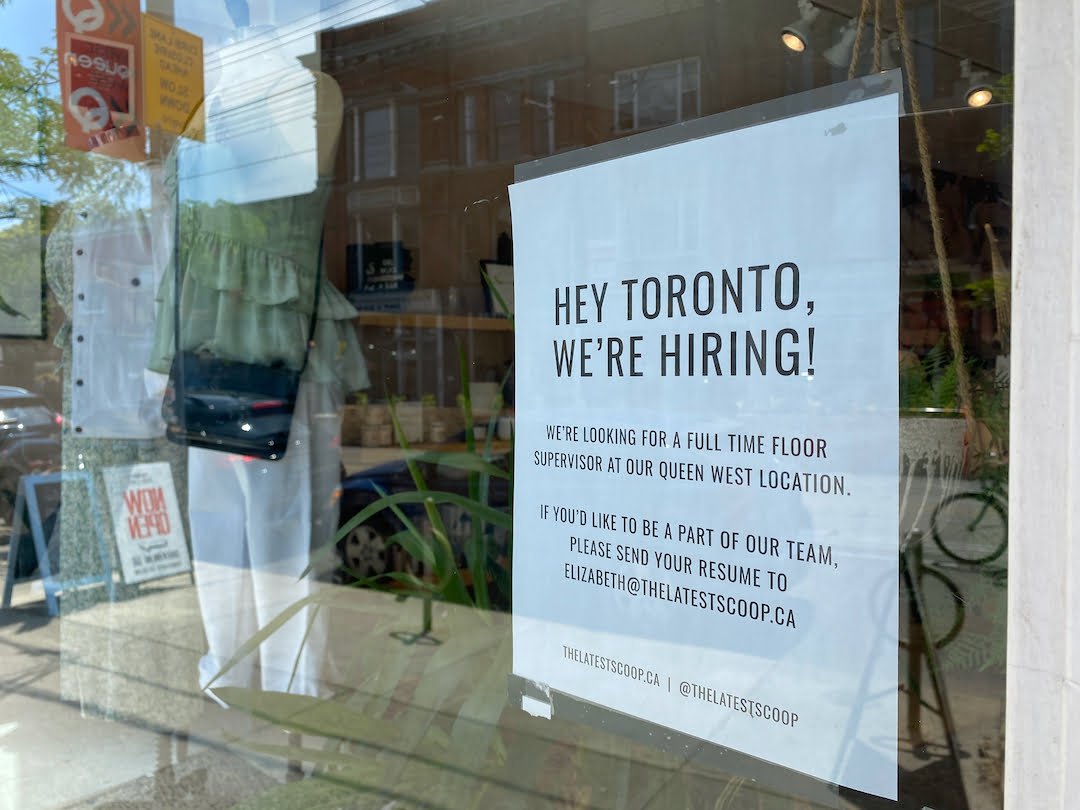
Hiring Sign on Queen Street – Photo by Dustin Fuhs
Strapagiel also recognizes that recovery for the economy and the retail industry may be swift, adding that it’s obviously contingent on the severity of the impact of the fourth wave of the COVID-19 virus. However, he does point to the issue of the acquisition of physical human resources as one of the biggest challenges that retailers face over the few short months ahead as we approach the most critical period on the retail calendar.
“I suspect that spending levels will be strong,” he asserts. “But, will retailers and associated businesses be able to staff up appropriately? There’s a labour shortage at the moment, or so it seems. In fact, it may actually be a wage shortage as retail service workers are questioning whether or not they want to risk their lives for minimum wage. On the consumer side, they will revel in the opportunity to get out again, walk through stores to see what’s new and to spend. People are going to get out more, so they’re going to need more things. They’re going to let loose for a little while. It’ll likely result in some inflation, but the average consumer isn’t going to care. In the past, when we’ve experienced periods of high inflation, consumers just kept on buying.”
Optimism and opportunity
If fourth wave lockdowns can be avoided, we may be approaching the end of a very long period of restrictions and stagnated growth, as well as some reason for encouragement and optimism. A combination of consumer household savings accumulated during the pandemic and an increasing desire among consumers to spend and experience represents massive opportunities for retailers to capitalize on a possible boom that could teeter on something of a retail renaissance, at least for a short time. However, although this might be true, Strapagiel cautions retailers, suggesting that they proceed with focus and consideration.
“If you think back about a year-and-a-half ago, nobody had any idea at all as to how COVID was going to impact retail or any other industry. We all knew that it wasn’t going to be good. But we didn’t have enough specifics. Now, as we seem to be coming out on the other end of it, the pendulum is swinging the other way. We just don’t have a good handle on how far it’s swinging back. Therefore, it’s important not to overreact to what might look like an increase in sales. It’ll be dangerous to mistake the bounce-back for the return of good times. In order to optimize success through the next 6 to 12 months, retailers are going to really need to think things through and incorporate safety measures and backup plans into the business, taking their recovery in stride.”
August 11, 2021 – Mall Maverick, an agency specializing in digital marketing solutions for shopping centers, has proudly partnered with Adeptmind, a leading AI retail technology company, to bring advanced search functionality to the websites of mall operators across North America.
As the leading omnichannel marketing solution for shopping centers, Mall Maverick provides their clients with high quality, dynamic and responsive websites, curated to evolve with the changing retail industry. This strategic partnership will see Adeptmind’s digital discovery solutions incorporated into Mall Maverick’s current CMS offerings including full product search with various skus and details, with wishlist feature capabilities to drive more in store foot traffic.
“To capture the attention of shoppers, our clients heavily rely on strong SEO to drive sales and traffic,” says Mall Maverick COO, Alex Tang. “Our partnership with Adeptmind will help us to integrate the latest product discovery technology into our clients’ websites, reimagining how customers shop the mall. We’re really excited to see the results of how this technology offering will progressively elevate and grow our clients digital marketing efforts.”
“The pandemic has sharply changed the way we shop. To remain relevant, shopping centers need a strong, searchable and convenience-oriented digital presence that engages shoppers during the increasingly important pre-shop phase,” say Jesse Michael, Managing Director, Adeptmind. “Our partnership with Mall Maverick will help us deliver real change in the retail marketplace, by offering shopping center operators the technology they need to stay on the radar of today’s ever-evolving shopper.”
###
About Mall Maverick
Mall Maverick was founded in 2009 and has since been elevating and exceeding the status-quo in the shopping center digital marketing space. With the custom built easy-to-use Mall Maverick CMS, clients have beautifully designed websites, interactive center maps and directory boards, along with access to dozens of special features such as newsletter campaign management, emergency pop-ups, and custom-built loyalty programs, just to name a few. To learn more about how the Mall Maverick solution can revolutionize your shopping center marketing efforts go to mallmaverick.com.
About Adeptmind
Adeptmind was founded in 2017 by two former employees of the Microsoft-exited tech startup Maluuba. As a leading AI based, e-commerce product discovery company, Adeptmind uses state-of-the-art active and deep learning techniques to enhance the customer purchasing journey. Located in Toronto, Adeptmind supports more than 400 retailers, shopping centers, and small and medium size businesses with innovative technology around the world. To learn more, visit the Adeptmind website at www.adeptmind.ai and follow Adeptmind on LinkedIn.