

The importance of a mall anchor has always been a key factor in a shopping centre’s success and with the demise in Canada of retailers such as Sears and Target the reality for landlords is they have to be creative in filling the void created by the departure of some anchor tenants.
“The importance of a mall anchor depends on what else is available at competitive malls and shopping areas. In a competitive marketplace, a mall’s anchor could determine whether the rest of the tenants are profitable or not,” says James Smerdon, Vice President, Director | Retail Consulting for Colliers International, a commercial real estate firm.
“Twenty per cent of the vacated Target stores remain vacant. The rest have been leased to other retailers. The problem is that the Sears vacancies come at the worst time for landlords because in most markets, retailers have recently had their pick of Target stores. I think the Sears vacancies will be tougher to fill and will require much more creativity on the part of landlords.”
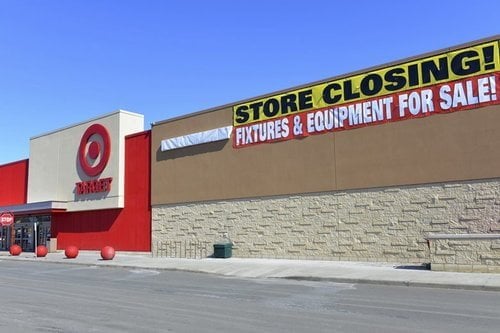
PHOTO: OSLER 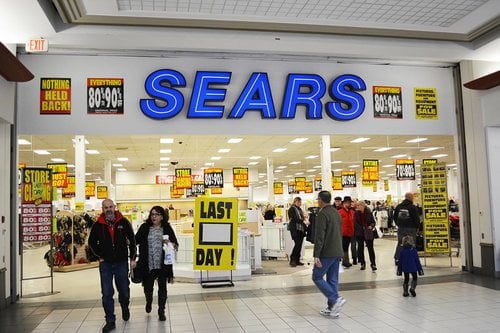
PHOTO: KELOWNA CAPITAL NEWS
Colliers’ national spring retail report said anchor tenants fulfill three vital roles for every shopping centre:
They establish credibility at the early stage of a development project which strengthens the overall desirability of the centre and creates an environment of confidence among smaller tenants, thereby increasing absorption and lease rates;
For the life of the centre’s operations, the anchor tenant(s) attract a volume and type of shopper that complements the mall’s CRU (commercial retail unit) tenants. Some estimates have the importance of this function called the “anchor effect” at upwards of 15 per cent on top line CRU revenue. Essentially, the anchor tenant is responsible for the profitability (or not) of the rest of the centre’s tenants; and
In a broader sense, anchor tenants can influence the community around them. As shopping centres are redeveloped into higher density town centres, and as grocery stores continue to thrive in strip centres across the country, it is not hard to see or imagine the different demographic character, residential absorption, and pace and type of office users resulting from different anchors.
So moving forward, what are the options for landlords who have large vacancies to fill as a result of retail closures such as Sears? The Colliers’ report cites three ways landlords today are contemplating filling that former anchor tenant space:
Back fill with another anchor. Barring any restrictions posed by parking, other existing leases, municipal regulations and so forth, there are a handful of potential candidates for the space, however be prepared to bend over backwards to secure a long-term deal. Some large-format anchor tenants that continue to perform relatively well in Canada include Walmart, Costco, Canadian Tire, Simons, Nordstrom, and Lowe’s, among others. Only a couple of these favour mall sites;
Invest in re-demising the space with the intention of replicating the anchor effect with several smaller tenants rather than one larger tenant. Retailers such as Apple, Winners, HomeSense, independent and chain restaurants, and other medium to larger format tenants like fitness clubs and entertainment venues may individually or collectively accomplish what the original anchor was intended to do; and
Consider non-retail potential for the space which may support other existing tenants with the same effect as a traditional retail anchor tenant – by generating foot traffic volume. This could include drastic measures such as redeveloping the vacant store into alternative uses such as residential, hotels, offices, institutional space, park space, maker labs, craft breweries, food halls, among others. Or, in an ironic twist, online retail warehouses and fulfillment centres could work as well.

“The bottom-line for Canadian shopping centres is that there are options when anchor tenants go dark. None of the options are easy, and it will take all of the creativity of leasing and development teams to make it work,” said the Colliers report.
“It will be essential to ensure the customer profile of the new anchor tenant aligns with the customer profiles of surrounding CRUs. If done correctly, the end result may be a stronger, more valuable property, and a strategy to be ready to take on the next big vacancy when it inevitably comes.”
The Colliers report said total national retail sales in 2017 of $588.83 billion were 6.46% more than 2016.








One thing I found interesting when visiting family in Italy, was that many of the suburban malls there do not have anchors, as the department stores tend to only have city centre locations.
So a mall does not always need a large anchor.
Very good point. We’ve spoken to some Canadian landlords who also indicate that traditional anchors are no longer nearly as important to their properties and portfolio. Legacy real estate is even more of a problem now because of this, given the need to find uses for millions of square feet of vacated real estate as traditional anchors become fewer and fewer.