

Value Village, the largest for-profit thrift operator in the Canada for value priced pre-owned clothing, accessories, and housewares, has released its 2024 Thrift Report indicating how thrifting, a once niche activity, is growing into a mainstream retail choice for Canadian consumers.

“Our data clearly shows that Canadians’ attitudes and interests towards thrifting is changing how people shop,” said Nicole McPherson, Vice President of Canada Field Operations, Value Village. “With more than 40 per cent of Gen Z thrifting, we expect momentum and trends in the industry to continue. The change is driven by a number of factors including economic, environmental and social benefits.”
Value Village said the survey confirms that secondhand shopping is growing in popularity across all age groups and demographics, making it clear that thrift is reshaping the retail landscape:
- 90 per cent of Canadian consumers have engaged with a thrift store through shopping, donating, or both (up from 83 per cent in 2022); nearly one in three have thrifted in the past year alone, and more than 40 per cent of Gen Z are thrifters.
- In-person thrift store experiences continue to dominate. Secondhand shoppers report spending 6.8 times more at brick-and-mortar thrift stores compared to online resale. Eighty-three cents of every dollar they spend on pre-owned apparel is spent in-store.
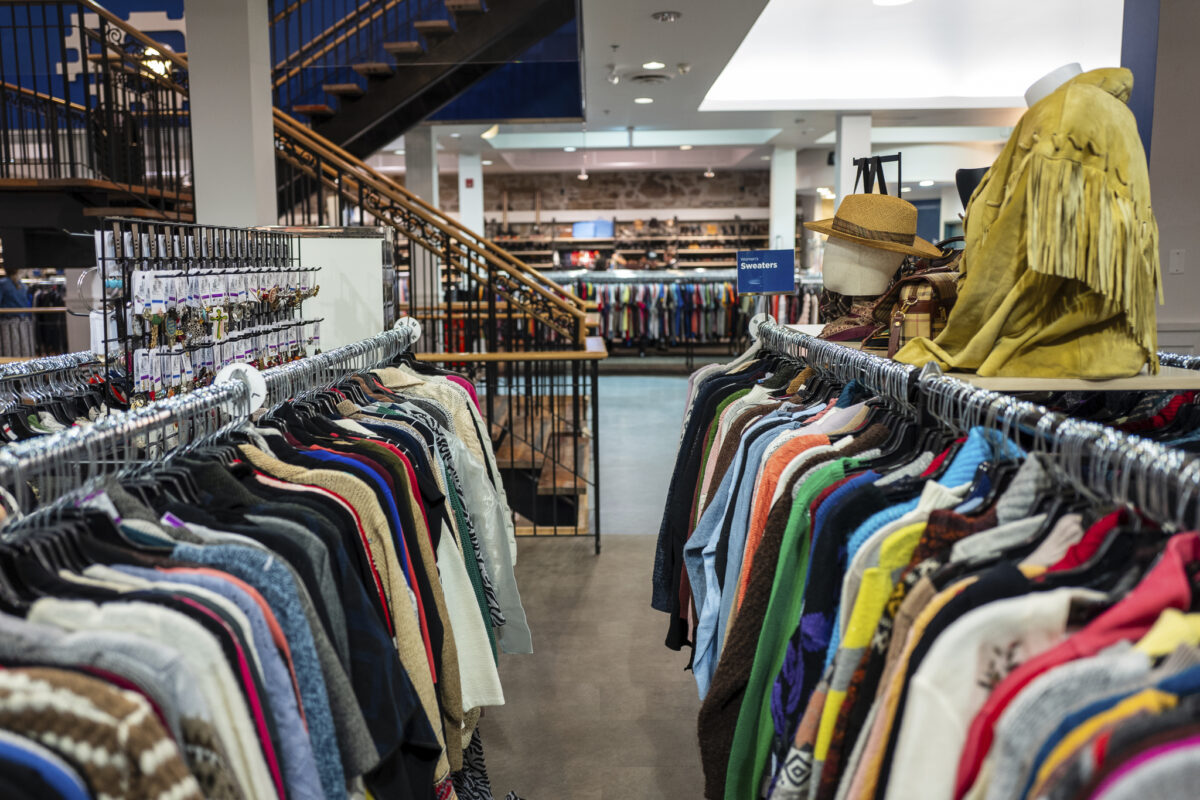
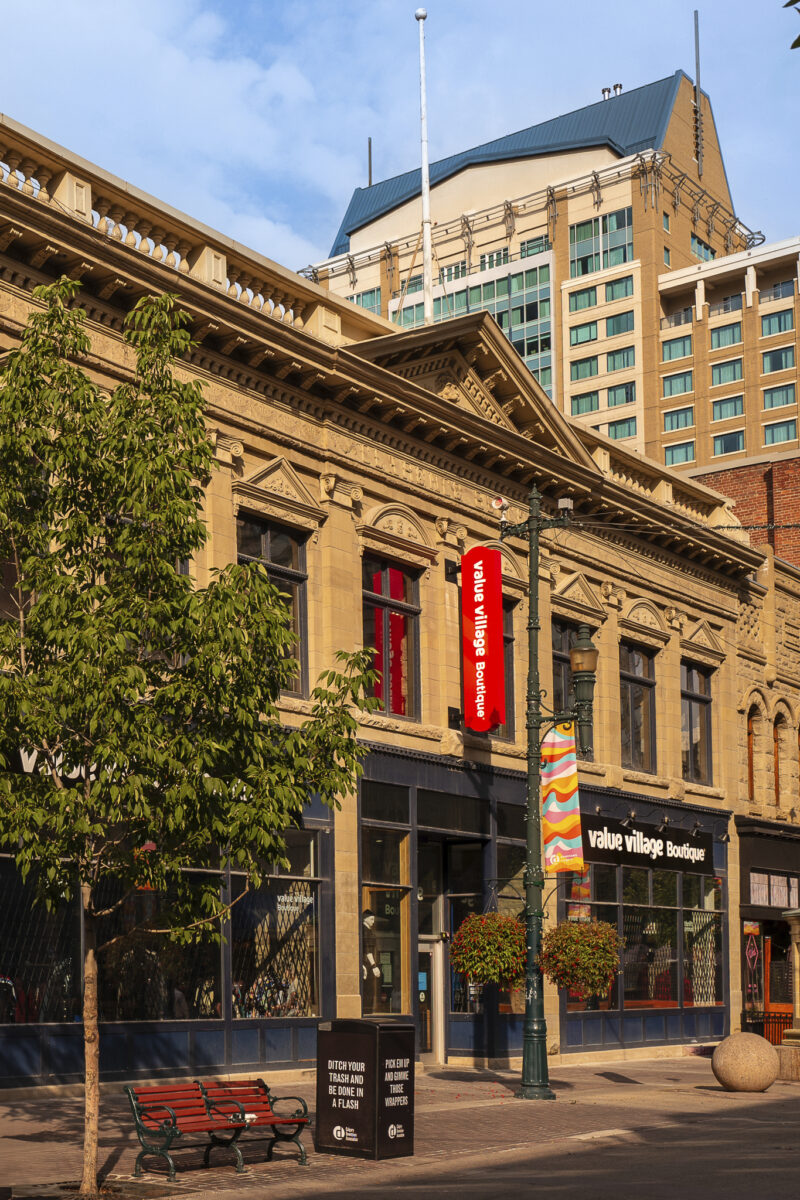
Calgary Value Village Boutique. Photo by Samantha Ungaro
Value Village said the survey shows that more than three in 10 consumers say that secondhand clothing makes up more than a quarter of their wardrobe, and nearly 40 per cent of thrifters purchase secondhand clothing at least once per month. Gen Z consumers rely on secondhand clothing even more – six in 10 say more than a quarter of their wardrobe is secondhand.
The survey found that Canadian consumers say they shop many secondhand categories beyond apparel, with more than eight in 10 having bought at least one non-apparel category. Leading categories include books (46 per cent of Canadian consumers), furniture (38 per cent of Canadian consumers), home décor (34 per cent of Canadian consumers), and housewares/kitchenware (32 per cent of Canadian consumers).

“Thrift, a once-niche retail segment, is having a major cultural moment,” said Value Village Chief Executive Officer Mark Walsh. “It is incredibly encouraging to see shoppers of all ages, and particularly younger generations, embrace the secondhand economy. This is the kind of mentality that is going to start to truly make a difference in embedding a reuse mindset in our global culture.”
Other key findings from the survey:
- Drivers behind the popularity of thrift go beyond the historic draws of thrifting; while wallet-friendly prices and eco-friendly satisfaction continue to factor into shoppers’ decisions, there are several broader cultural trends contributing to the gain in momentum around thrifting;
- There is an emphasis being placed on unique style. Six in 10 respondents like owning unique, one-of-a-kind items. More than one in three thrift shoppers say that secondhand is more stylish than new clothing;
- Treasure hunting is a consistent draw. Half of thrift shoppers say they started thrifting because of the potential treasure hunt, and more than seven in 10 thrifters say they enjoy the treasure hunt of searching for items; a large majority of thrifters (two in three) say they have found a treasure while thrifting;
- Thrifting is becoming a social pastime. Citing the enjoyment of shared experiences with friends and family, more than 40 per cent of thrifters say they consider thrift shopping a social activity that they like to do with others. Nearly eight in 10 thrifters say they spend more than 30 minutes in a store when thrifting.
- Value Village said it has found a reuse for over 3.2 billion pounds of reusable clothing and housewares over the last five years, while also generating $580 million in revenue for its non-profit partners’ vital community programs and services.
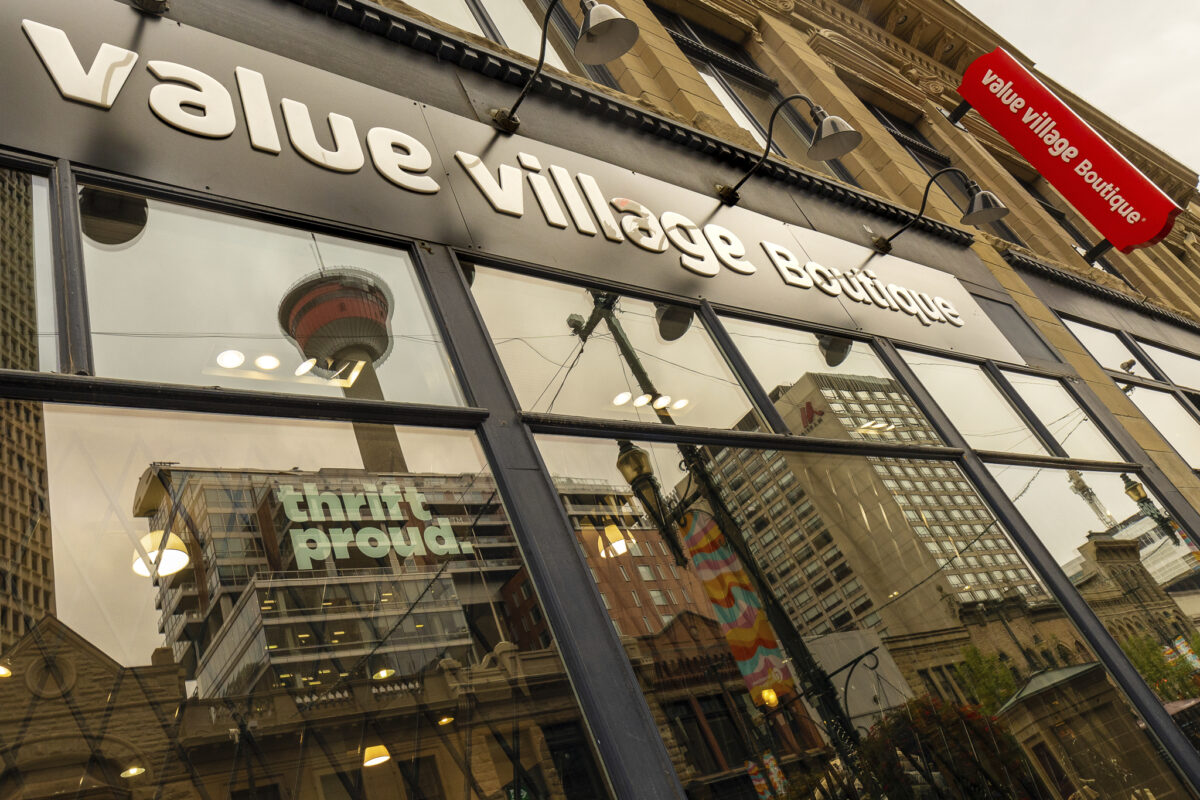
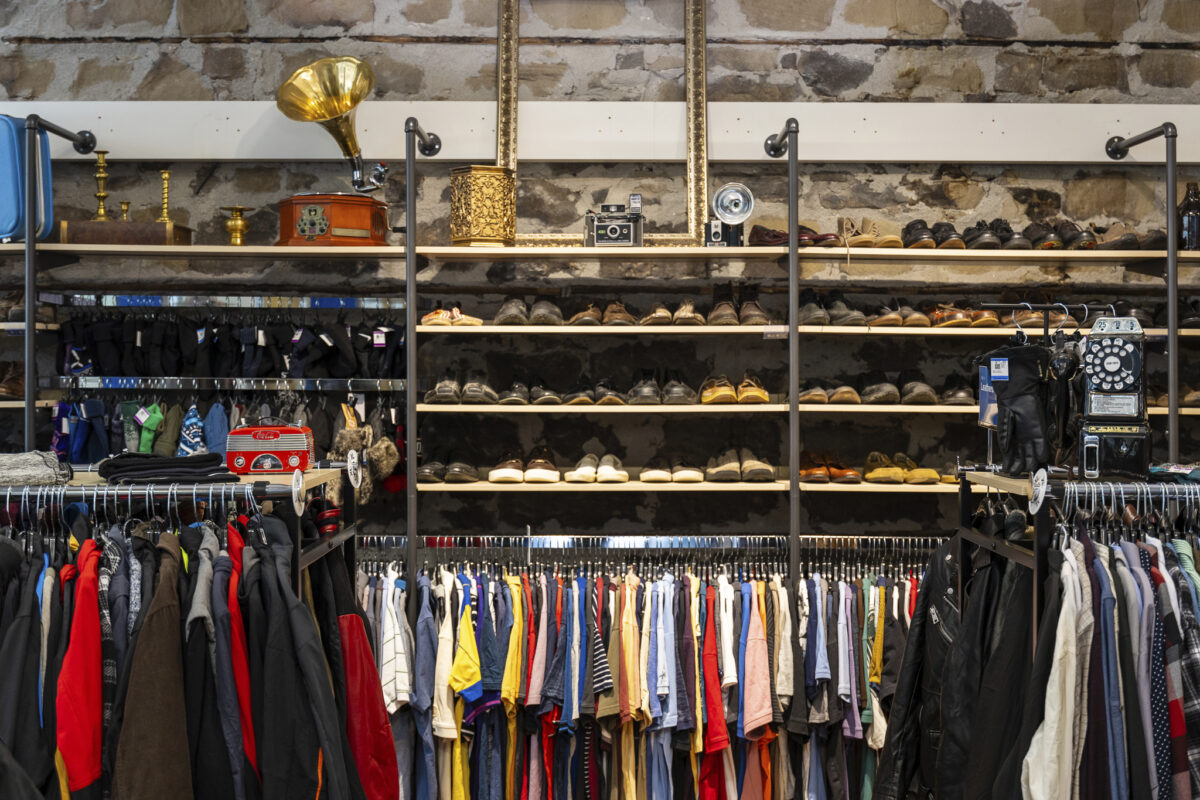
Recently, the retailer opened its latest boutique concept in downtown Calgary on Stephen Avenue.
“Our Value Village boutiques tend to be located in more urban areas where retail space might be more limited. A few of our boutiques, like Calgary’s Stephen Ave or Toronto’s Brunswick House, are located in iconic or historic buildings, which offers a unique shopping experience for thrifters. Our sales floors are also merchandised a little differently than our traditional stores,” explained McPherson.
“The stores themselves are smaller than our standard Value Village locations and focus more on women’s and men’s clothing, shoes and accessories, and occasionally books and media. Due to the smaller size, our Value Village Boutique locations do not have Community Donation Centres like our traditional retail stores. Yet, despite some of these differences, our boutiques follow the same model of our larger stores where our merchandise is sourced through our more than 20 nonprofit partners across Canada.
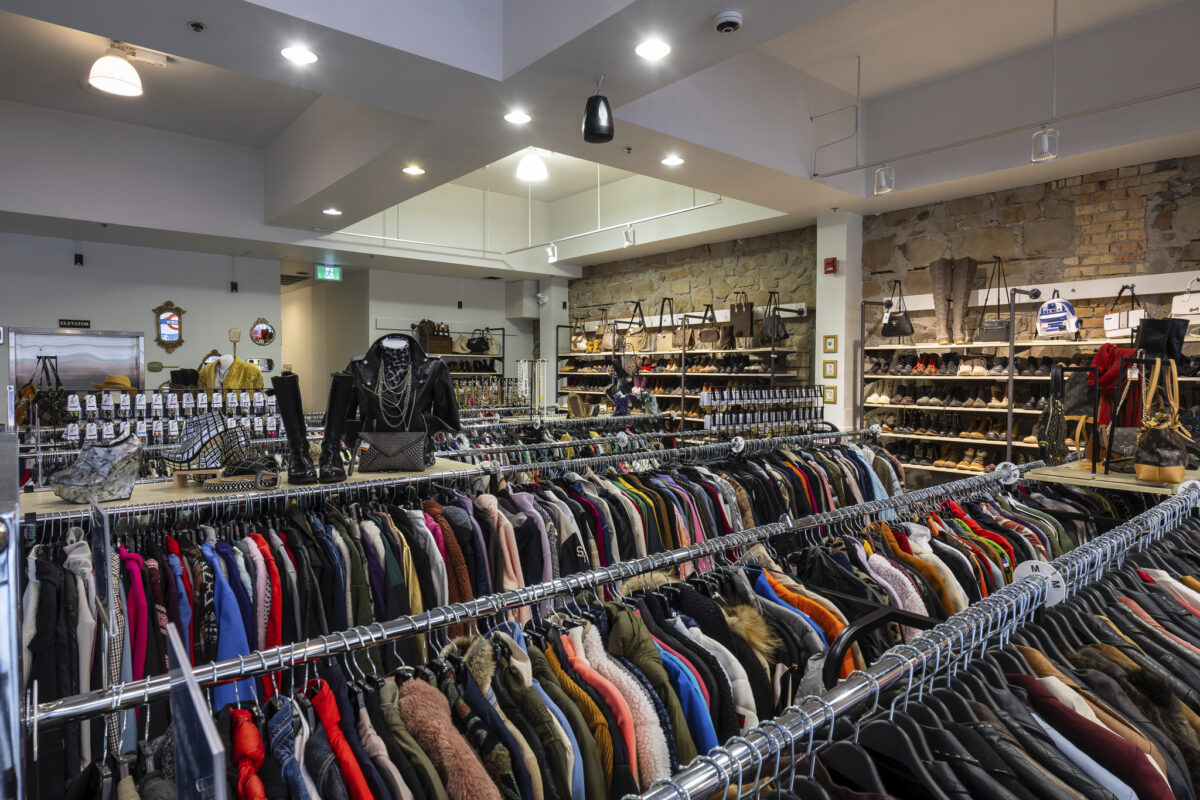
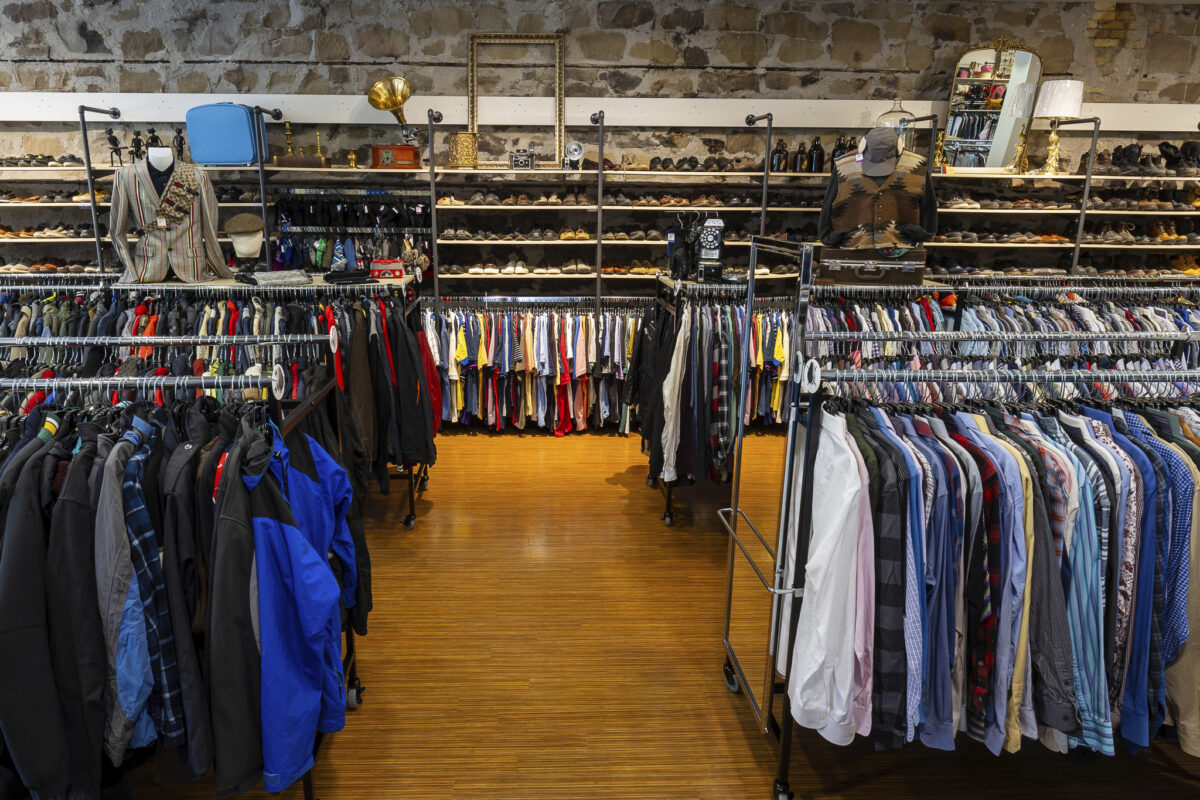
She said the company currently has seven boutiques in Canada, including four in Toronto, two in Vancouver and one in Calgary.
“We are always looking for opportunities to bring our thrift experience to communities. Company wide, we are targeting opening approximately 25 or more new stores annually from 2025 through 2027. There’s no doubt that Canadians’ attitudes and interests towards thrifting is changing. Data from Value Village’s 2024 Thrift Report highlights how thrifting, a once niche activity, is growing into a mainstream retail choice for Canadian consumers,” added McPherson.
Randy Harris, President and Founder of Trendex North America, said “Sales of the Canadian resale apparel market in 2023 totalled C$4.2 billion vs C$71.6 billion in the United States. Last year Canadas Value Village was Canadas largest seller of preowned clothing.”
Related:












According to Trendex North America sales of the Canadian resale apparel market in 2023 totaled C$ 4.2 billion vs C$71.6 billion in the United States..Last year Canadas Value Village was Canadas largest seller of preowned clothing.
Thrifting hasn’t been niche, at least for me and several of my friends, for decades. I was introduced to Value Village (and IKEA) during the recession of the early 1980s by my mom, who grew up in the Depression era. It’s a guilt-free yet fun way to shop without spending lots of money, but today it’s also about quality. Shopping secondhand is how I’ve found quality furniture constructed of real wood and well-made clothes.
I think it would be amazing to have Value Village Boutiques in smaller cities such as Kelowna Kamloops, Red Deer, Medicine Hat. I’m curious whether there’s been any thought about transforming the Bay Stores into Boutiques?