

Starbucks announced Wednesday that, starting with the launch of its holiday menu on November 7, the company will no longer charge extra for customizing beverages with a nondairy modifier, making it easier for customers to make their beverage their own.
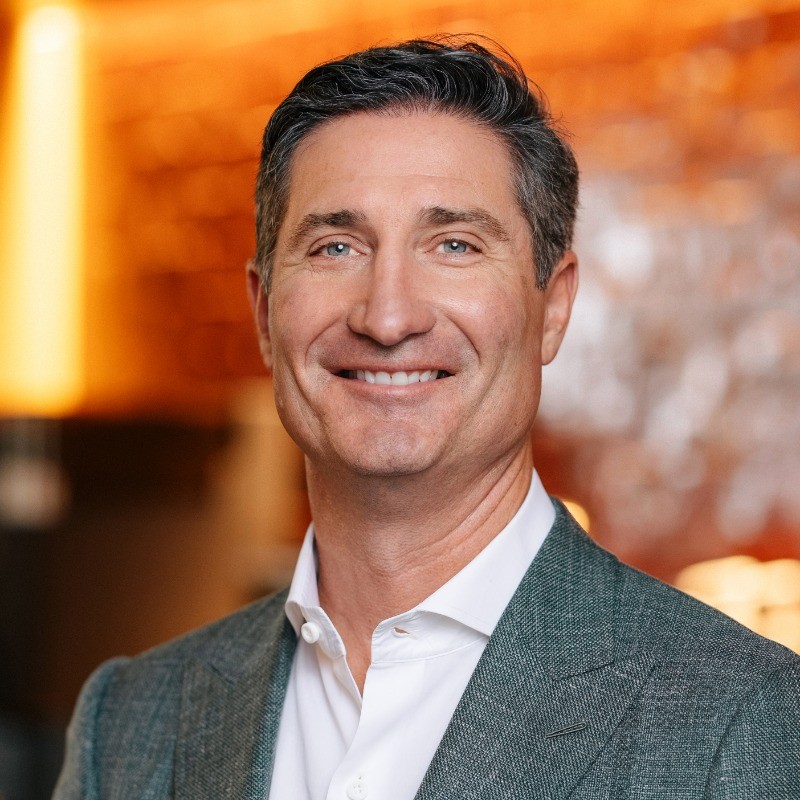
“Core to the Starbucks Experience is the ability to customize your beverage to make it yours. By removing the extra charge for nondairy, we’re embracing all the ways our customers enjoy their Starbucks,” said Brian Niccol, Starbucks chairman and chief executive officer, in a news release.
“I made a commitment that we’d get back to Starbucks, focusing on what has always set Starbucks apart – a welcoming coffeehouse where people gather and we serve the finest coffee handcrafted by our skilled baristas. This is just one of many changes we’ll make to ensure a visit to Starbucks is worth it every time.”
Substituting with nondairy – whether its soy, oat, almond, or coconut beverage – in a handcrafted beverage is the second most requested customization from customers, behind adding a shot of espresso. When this change goes into effect on November 7, more than a quarter of current customers in Canada who pay to modify their beverage will see a price reduction of more than 10 per cent, said the company.
In August, Seattle-based coffee giant Starbucks announced a significant leadership change in response to recent challenges and investor concerns. The company appointed Niccol, who was chairman and CEO of Chipotle, to take the helm as its new chief executive officer, replacing Laxman Narasimhan after just over a year in the role.
The unexpected move came as Starbucks grappled with weakening demand and mounting pressure from disgruntled investors. Narasimhan, who assumed the CEO position in March 2023 following Howard Schultz’s interim leadership, stepped down immediately.
The leadership transition occurred against a backdrop of declining sales and market challenges for Starbucks. The company reported its first quarterly sales decline since late 2020 in the January-March period, followed by another drop in the subsequent quarter. These setbacks have been attributed to various factors, including increased competition from lower-cost rivals in China and boycotts in the Middle East due to perceived support for Israel.
The Starbucks Coffee Company, which began in 1971, has close to 40,000 stores worldwide.
Related articles:















Starbucks made the right decision, even if it did come years too late.