Over $282 million in economic impact and over $152 million in direct spending is expected during Taylor Swift | The Eras Tour presented by Rogers in Toronto through November 14, 15, 16, 21, 22, and 23.
The estimated impact numbers released by Destination Toronto highlight the significant benefit that comes from visitors traveling to the city for a concert, or for any major event or conference.
Retailers, restaurants, hotels and a host of other local businesses are reaping the economic benefits from having such a mega star performing in the city.

“The Eras Tour is a great example of the impact major events have on our destination,” said Andrew Weir, CEO & President at Destination Toronto. “Whether it’s concerts like Taylor Swift, international meetings and conventions, or signature annual festivals like Pride, TIFF or Caribbean Carnival, events that draw visitors to our city also bring visitor spending that positively impacts our local economy and a wide range of businesses and jobs.”
Of the $152 million in direct spending, $141 million—nearly 93 per cent—is estimated to come from out-of-town visitors and $11 million is estimated to come from local Swifties. The direct and indirect tax impacts of the string of six concerts are expected to generate nearly 40 million in tax revenue across all levels of government, said Destination Toronto.


Michael Kehoe, Broker of Record with Fairfield Commercial Real Estate, said large-scale events over the past 150 years dating back to the World Fairs of the late 1800’s and beyond and the arrival of the circus in the early 19th Century always had a positive economic impact on the host cities.
“Fast forward to the present day to a range of major events ranging from national championships like the Grey Cup or the Brier to FIFA, Stanley Cup final games all the way up to the spectacle of the Taylor Swift concerts, they create tremendous exposure for their host cities and countries through extensive media coverage,” he said.
“A major advantage for cities hosting large-scale entertainment or sporting events is the significant boost to tourism and related industries and a significant impact on the national and regional and local economies that generate revenue, attract visitors and boost local pride.
“The economic impact of these events that draw both domestic and international visitors who require accommodations, transportation, food & beverage and shop in retail stores have a significant trickle down effect that benefits many. The international recognition boosts national pride while attracting new visitors who may return in the future. The economic impact of the Taylor Swift circus in Toronto and Vancouver is truly a phenomenon. This Eras Tour is an economic ecosystem unto itself and the benefits will reverberate throughout the respective city and provincial economies into the immediate future.”
Swift is playing at Vancouver’s BC Place Stadium December 6, 7 and 8.

“The impact of the Swifties and the BeyHive to the economy is tremendous and I don’t think we give enough fans credit. From fashion to accessories and footwear to dining out during these concerts, the economic impact is substantial. It’s extraordinary and the lift in sales is not always forecasted so many brands come up empty. Leveraging market insights and events like these are critical in planning the product mix. Working closely with influencers alongside the performer’s marketing team will lead to an increase in sales, engagement and footfall leading up to the event. Meaning, sales will not only impact retail but also tourist hot spots, hotels and restaurants,” said Liza Amlani, Principal and Founder of the Retail Strategy Group.
“Toronto is saturated with pop ups and special events all around the city. It’s been an exciting time for Swifties and anyone that’s involved will reap the benefits.”

Bruce Winder, named to RETHINK Retail TOP Retail Experts List for 2024 and author of RETAIL Before, During & After COVID-19, said when a city hosts a major event there can be significant benefits and costs.
“On the benefit side, you have the incremental spend and tax on hotel and lodging, restaurants, parking, merchandise sales, transportation and other entertainment or sports taken in while in town and the potential goodwill built for the city (if they do a nice job hosting the event) that could lead to a future increase in tourism and visits,” he said.
“On the cost side, large events generate incremental cost for police and law enforcement, vehicle and pedestrian congestion, emergency and paramedics, clean up before and after the event, added wear and tear on city infrastructure and more.
“There will always be winners and losers for every large event, depending on who you are.”

George Minakakis, Founder and CEO of the Inception Retail Group, said “Swifties” spend money.
“Events like this are a magnet for future events. This proves that Canada is cool and cultured; its people want to be entertained and party. The Pandemic fears are behind us,” he said.
“The residual effect of Taylor Swift’s engagements in Toronto and Vancouver has a positive economic impact. Hotels, restaurants, transportation, and merchandise all benefit. For example, the New Orleans event brought in $500 million, a 900% increase.
“It also has the potential to make Toronto and Vancouver bigger appeals for other entertainment events, which would drive more tourism. This could bring back a much-needed kick in the pants that being entertained, living, and working in the city is fun again. For sporting and other events to have the same impact, they must create FOMO (Fear of Missing Out). You need to have greater appeal for a similar residual effect. If the Toronto Argonauts signed Travis Kelce, we might need a bigger stadium. But let’s keep it in perspective: Taylor Swift is more than a singer and entertainer; she’s a role model who has done it her way, and that’s a major appeal.”
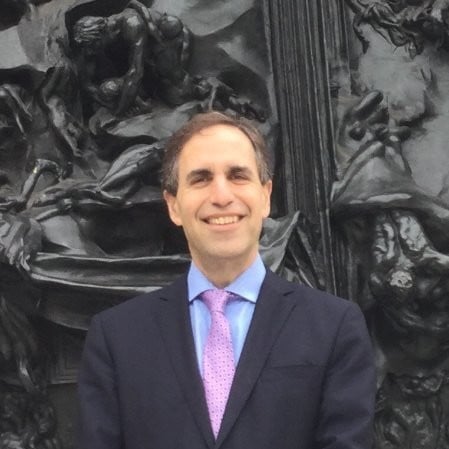
Avery Shenfeld, Chief Economist at CIBC Capital Markets, said in a research note “supposedly, the tourist spending tied to the Eras tour is giving Toronto a nearly $300 million economic lift, and if you added in the spending of those living here, and the Vancouver dates, you might easily double that.”
“Technically, that could show up as few decimal places in monthly GDP over the November December period if measured on a gross spending basis. But there’s less than meets the eye when you boil these sorts of events down to their net impacts on economic activity,” he said.
“For one, many of these tourists are coming from other parts of Canada. The money that Emma and Claire saved up for flights to Toronto or Vancouver, tickets, meals and concert merch will eat into what they have left for other discretionary spending back home. Toronto’s gain might be Fredricton’s loss. Similarly, lucky Toronto and Vancouver ticket holders will have less to spend in upcoming months on other entertainment options.

“There’s also a strong import leakage from the gross spending figures, because, presumably, Taylor (and her entourage) are going to take their cut from the ticket sales back to America. Private jet flights to Kansas City Chief games don’t come cheaply. It’s unlikely that many of the t-shirts and friendship rings sold this week will have a made-in-Canada sticker.
“Gross spending on hotels and restaurants also overstates the net impact on the hospitality sector, because those rooms and tables wouldn’t otherwise have all sat empty. Some may have stayed away from the city to avoid elevated hotel rates and limited availability. Moreover, Toronto has placed restrictions on travel near the concert venue that could keep non-Swifties at home in fear of traffic or other hassles.”
He said the World Cup story will be similar, but with its own twist.
“For that event, the Toronto city government will be on the hook for nearly $400 million in costs, supposedly in return for a similarly-sized economic lift from tourism. But for the tourists coming from Canada, those funds might have been spent on other activities here, and the government will be using scarce tax dollars that would otherwise have flowed into the local economy on other programs. Once again, the net impact is much smaller than the gross impact,” he said.
“None of this is to downplay the joy that Swifties and soccer fans will reap if their favourite song gets played or their team wins. But generating economic growth requires activities that create jobs that last more than a few days, which create ongoing income that can add to spending on a sustained basis. One-off events might, if large enough, create a blip, but one that gets reversed when the event is over, and the event-goers’ depleted savings or credit card bills need attention.”
Destination Toronto said Swiftmania will be sweeping Toronto at a critical time of year when business travel is starting to wind down and holiday leisure travel has not quite picked up.
Related articles: