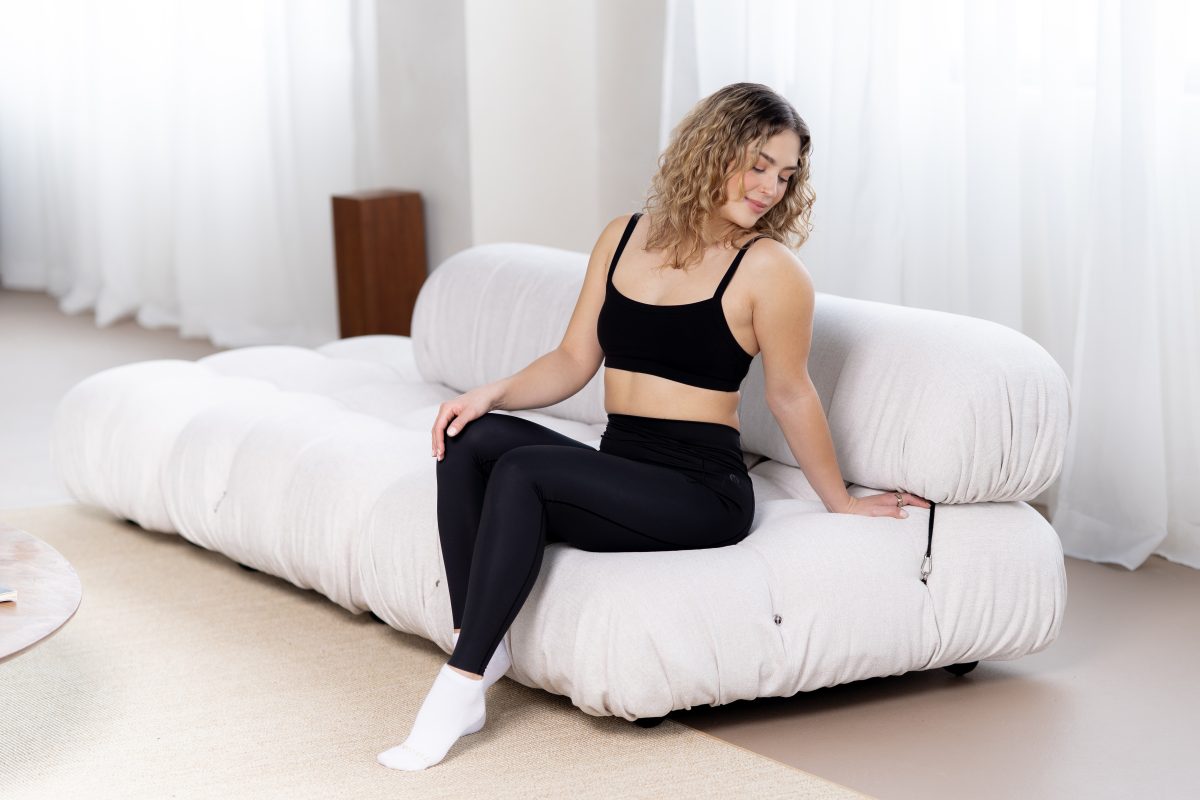
After three years of research and development, Toronto-based startup Tression recently launched its premium line of everyday trousers and leggings engineered with clinically functional graduated compression.
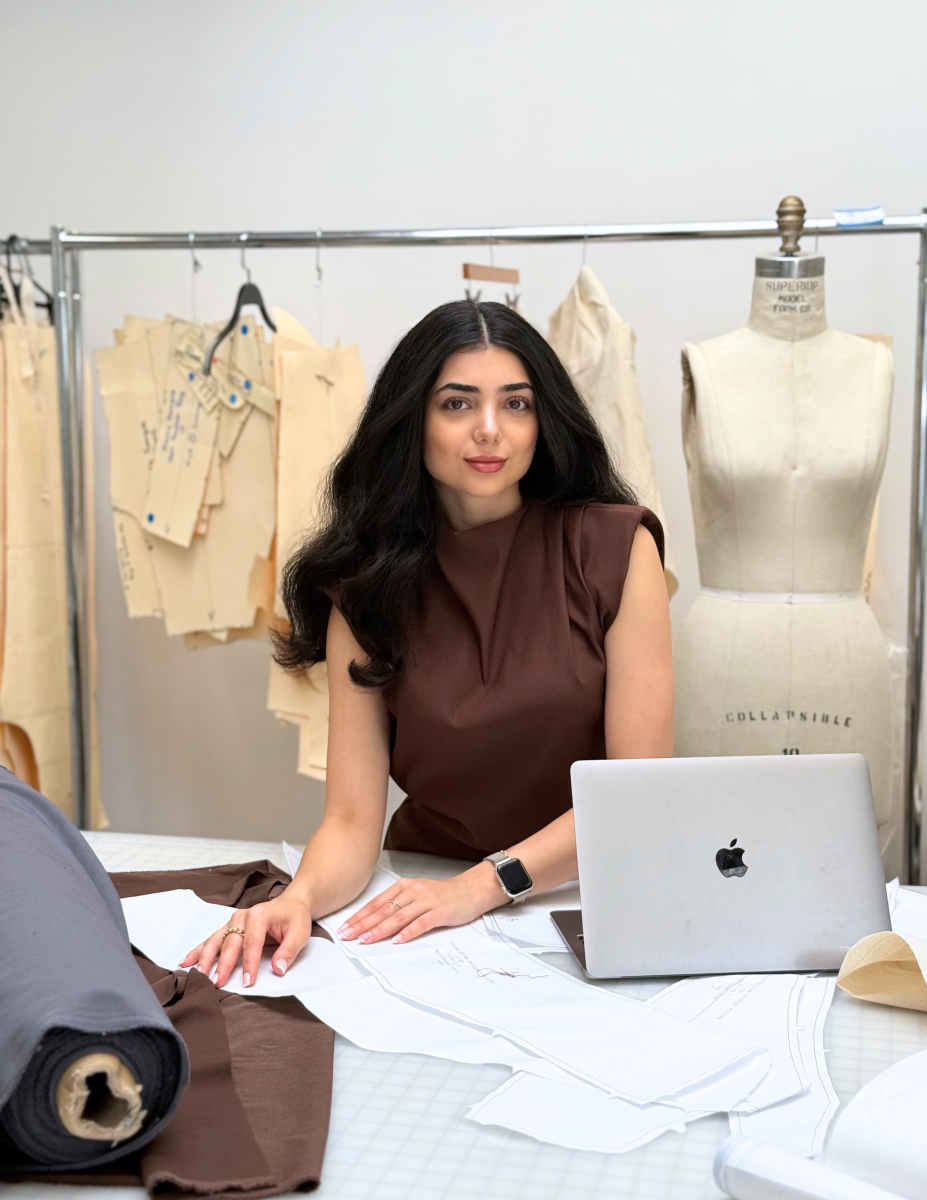
The collection introduces a new approach to compression therapy by integrating medical-grade functionality into elevated, modern wardrobe staples designed for daily life, said founder Parisa Agahi, who is based in Toronto.
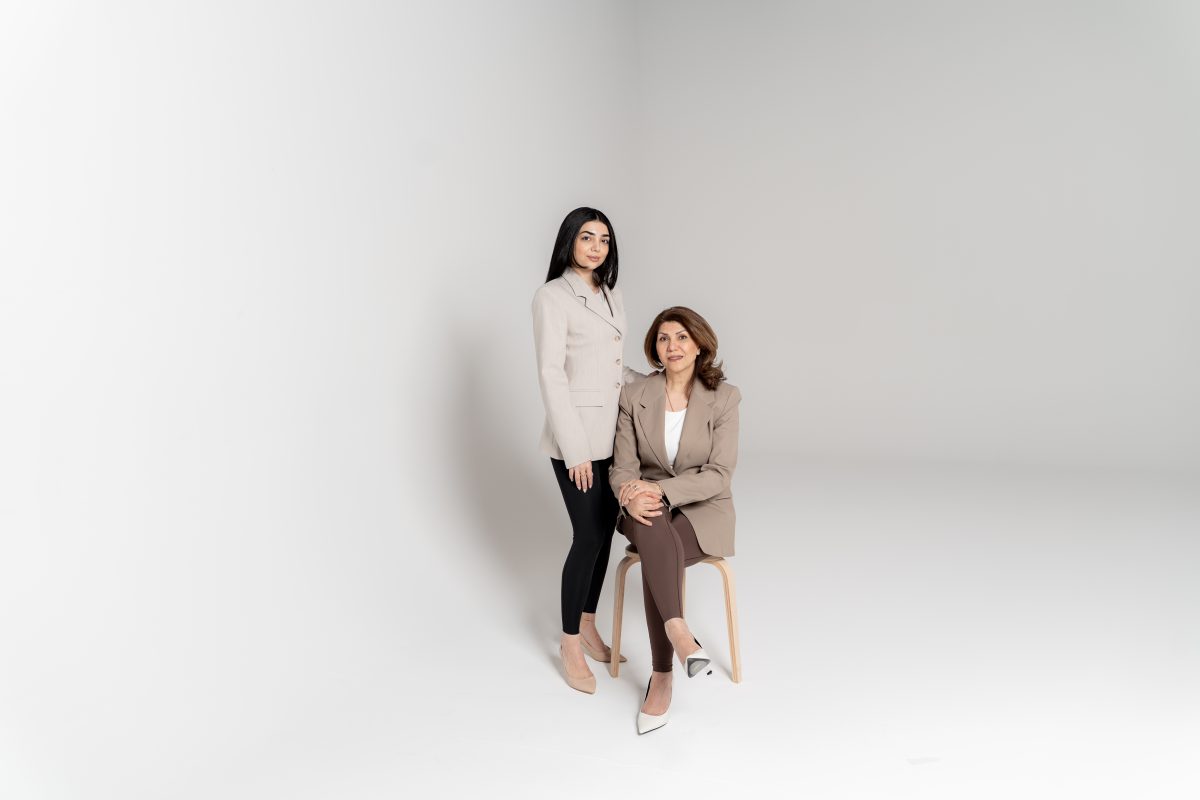
Agahi was inspired to create Tression after witnessing her mother’s (Farzaneh Refahi) difficulty wearing prescribed compression consistently. This personal experience shaped the company’s mission to make supportive apparel that women genuinely want to wear — from workdays and travel to everyday routines.
“Women shouldn’t have to choose between feeling supported and feeling confident,” said Agahi. “We set out to create garments that seamlessly integrate into daily life while delivering the benefits of 20-30 mmHg graduated compression in a way that feels empowering rather than clinical.”
Compression therapy has long been prescribed to support circulation, reduce leg fatigue, and help manage chronic venous conditions, yet adoption rates remain low due to discomfort and clinical aesthetics. Tression was founded to address this gap by reinventing compression garments with a focus on design, comfort, and wearability, she explained.
Agahi said the launch comes amid growing consumer interest in preventative wellness and functional apparel, as more individuals seek products that support comfort, energy, and longevity throughout the day. Tression positions itself at the intersection of fashion, health, and innovation — bringing a new category of performance-driven everyday wear to market.
The collection is available through Tression’s website (tression.com) with shipping across Canada and the United States.
“My mother has had varicose veins for many years, more than 20 years,” said Agahi.
“And for that, she was prescribed and often recommended to wear compression garments. For her, she has had to wear the full-leg compression product that goes up to the waist, and that tends to be the most challenging, one of the types of compression garments that are out there which is the most restrictive.
“It’s very difficult to put on. You always have to layer it because it’s sheer material. It’s see-through, and it gets very hot in the summer. So for all of these reasons, even 20 years ago when she was first prescribed, she didn’t really like them. She didn’t wear them.
“Her condition got worse over the years because she didn’t manage the condition as she was recommended by her healthcare provider. And in the pandemic, because I was sitting down a lot, I started to feel a lot of aching in my legs. And when I went to the doctor, they said, “Well, if your mom has varicose veins, this might be an early sign of varicose veins for you as well. So let’s give you a prescription of compression stockings’.”
Agahi was very familiar with this as her mother never liked them. Agahi thought that the product really did not change in 20 years.
“I started talking to friends and family because there was no way, as someone in her 20’s, I was going to wear a stocking every day for the rest of my life. So I started talking to other people to see what others were doing. There is no way we’re all just wearing this every day, right?,” she explained.
“And that’s when I realized not only are there a lot of other people similar to my mom and similar to me who don’t like the existing products and aren’t wearing them, but also it’s not limited to just people with varicose veins. It’s a host of other health conditions … that you need to wear compression garments for, but also pregnant women postpartum, those that are flying, those that have a sedentary job, for example. They need to stand or sit for long hours every day. It’s actually one in every three individuals globally that is told to wear compression.”
The products are made in China.
“We’re looking at some partnerships now and, of course, in the future. There are lots of opportunities for us in the healthcare space. So there are, for example, clinics, physiotherapy clinics, foot clinics that offer compression garments,” she said.
“We actually have a couple of partnerships in our pipeline. The first one is with a bioped company. That’s all in our plan. We just partnered with a Pilates studio also in Toronto, so that’s a whole other opportunity and space for us—Pilates, yoga, fitness studios.
“Lots of opportunities in the airline industry, in the hospital healthcare space, just boutique clothing stores as well.”
Agahi said there’s many trends toward wellness-focused shopping in general and, of course, within apparel as well.
“For us it took three years of research and development to get here. My background is in business and science,” she said.
“And that was certainly helpful to understand the physiology of how compression garments work, how technical our product needs to be, and, of course, the business fundamentals. But in terms of the fashion side of things, I knew nothing about the world of fashion.
“And that was a big and steep learning curve for me to understand how a product is designed, how we can even connect with manufacturers. The manufacturing and production side of the product, I would say, was the toughest part of it, and that’s why we had that delay.

“There were numerous times where we had to start from scratch just because a partnership or a manufacturer that we were working with for a year it turns out the material and the product wasn’t quite there. And I would say the biggest challenge was we were developing a product that had to be both fashion and medical compression.
“So when I would go to factories that have made compression in the past, their material is entirely different from what we wanted. And when I went to fashion factories, they knew nothing about the world of compression. So that was a challenge.
“And that made me realize quickly that we needed to own the patent and be the leader of the construction and the technology of our product because it was so unique.”
More from Retail Insider: