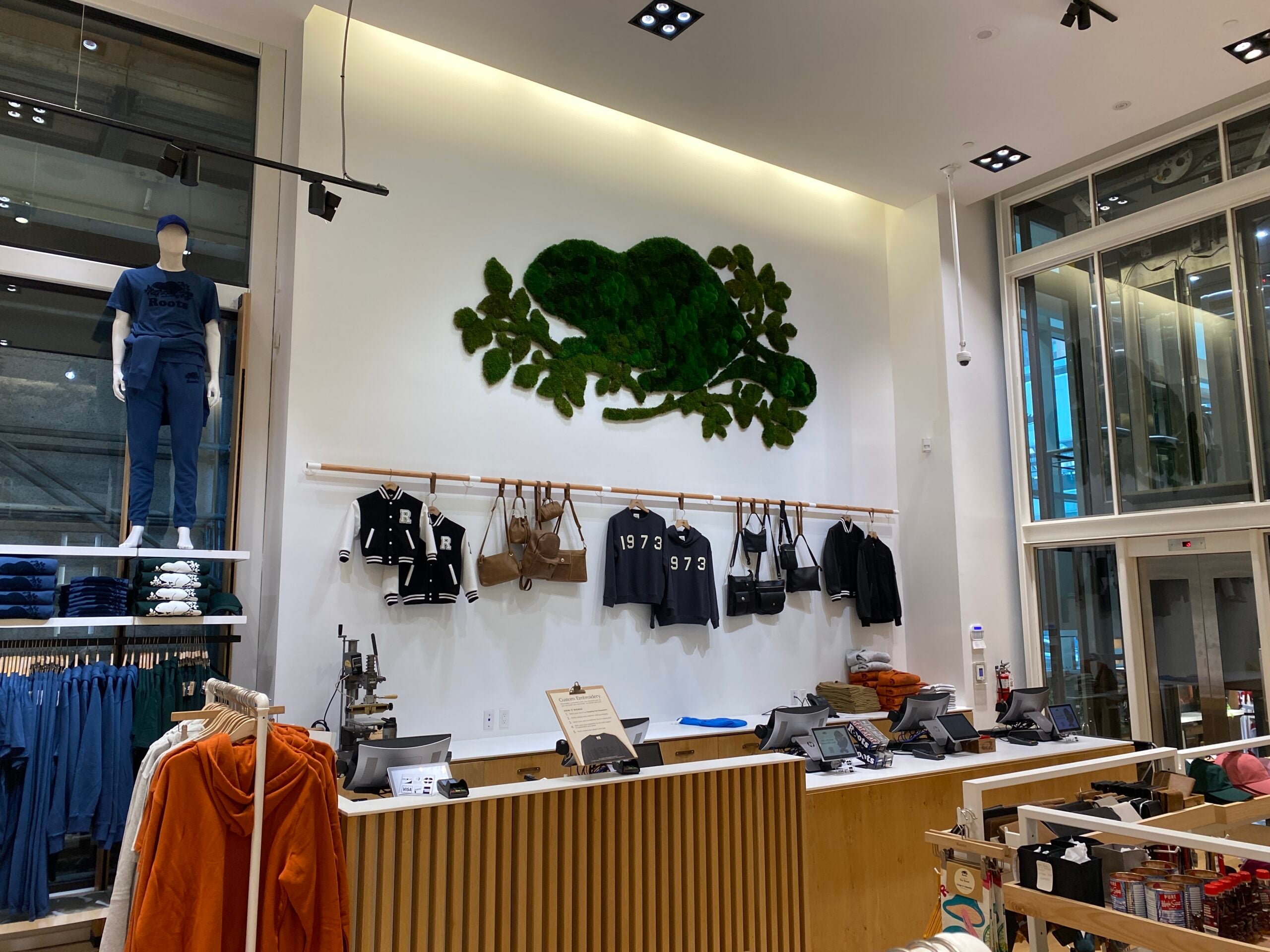
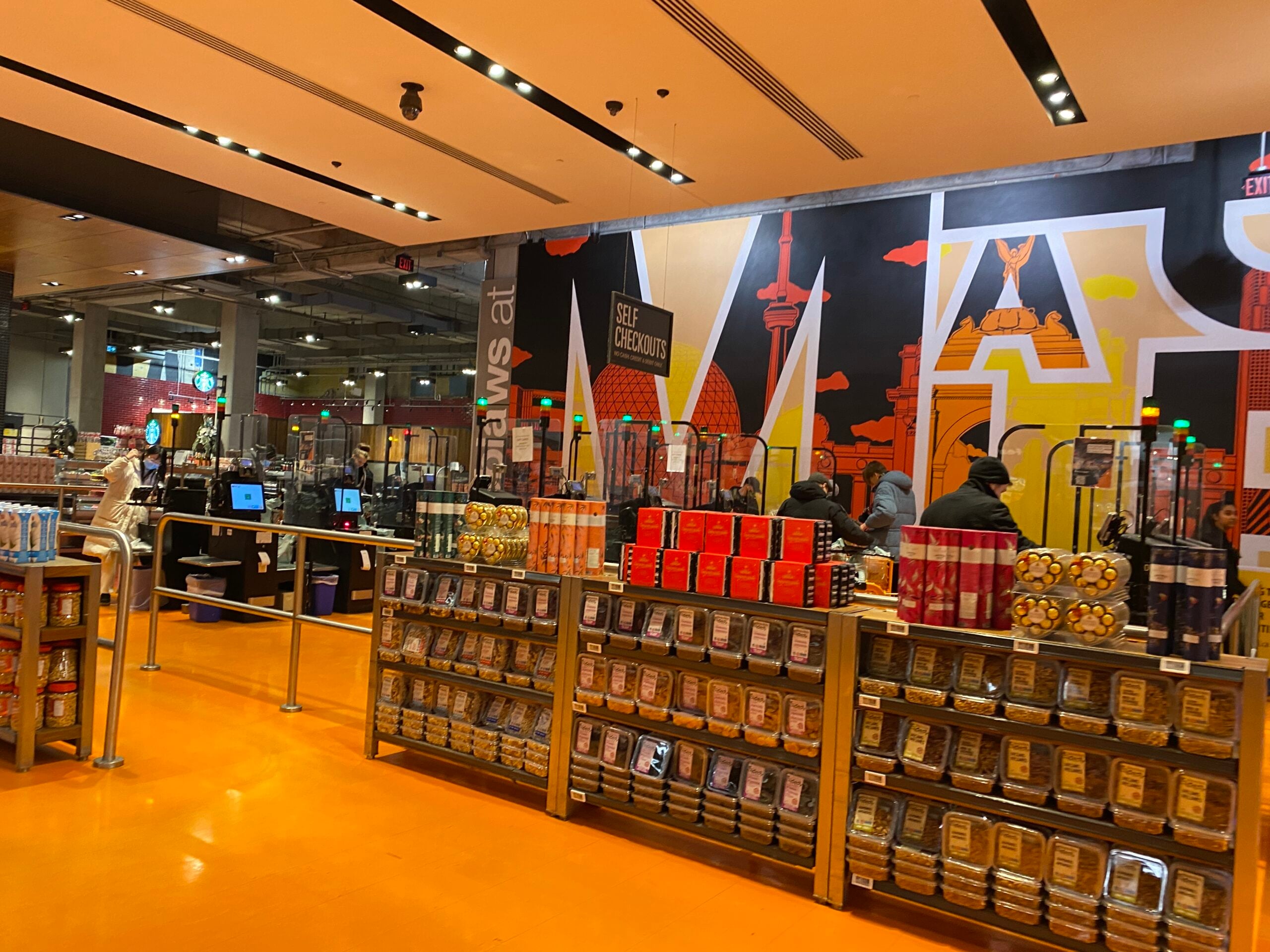
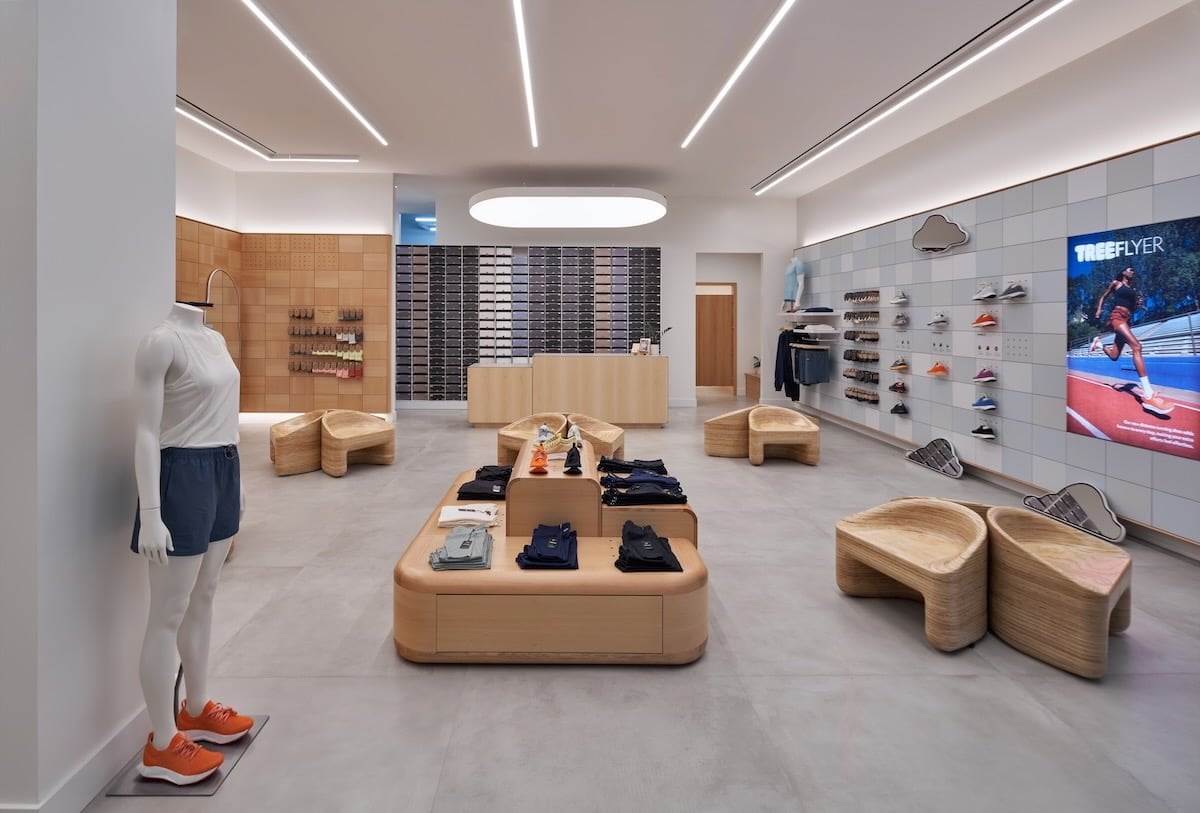
Mid-market retail has been facing challenges for years. As early as 2015, publications like this one documented the sector’s struggles, and casualties so far include Sears, The Body Shop, and Bed Bath & Beyond. The reasons cited range from supply chain disruptions and labor challenges to the burdens of private equity and unsustainable debt. But among these, the most pervasive is consumers’ flight away from the mid-market. What is unique about the current moment is that there is a real opportunity to turn things around.
Defining the Mid-Market Dilemma
The mid-market’s identity crisis stems from its nebulous definition: not discount, yet not luxury. At Faculty of Change, our anthropologists invest hundreds of hours annually in ethnographic research. They’ve repeatedly validated that customers seek status, exclusivity, and quality at luxury retailers, while discount retail appeals for its price and convenience. Historically, mid-market retail promised the best of both worlds, offering superior quality to discount options without the premium of luxury. Over time, prices rose and perceived quality eroded, disrupting the balance that was key to this market. The post-pandemic landscape presents both monumental challenges and fresh opportunities for strategic renewal — a process of leveraging core capabilities to spur new growth.
Challenges to Overcome
Based on our scanning of the retail market and ethnographic studies, customers frequently talk about their challenges with the mid-market which are quality, the rise in resale/vintage and limited access. This highlights where the opportunities for strategic renewal lie.
Customer’s impression of product quality, once the segment’s hallmark, is diminishing, leading consumers to pivot towards discount alternatives or save up for luxury splurges. The rise of vintage and resale markets, seen on platforms like Facebook Marketplace, offers quality and affordability and so encroaches on traditional mid-market territory. Meanwhile, the dwindling presence of mid-market retailers in already shrinking retail spaces, caught between the increase of luxury experiences and the convenience of big-box retail, is compounding the challenges of accessibility and visibility.
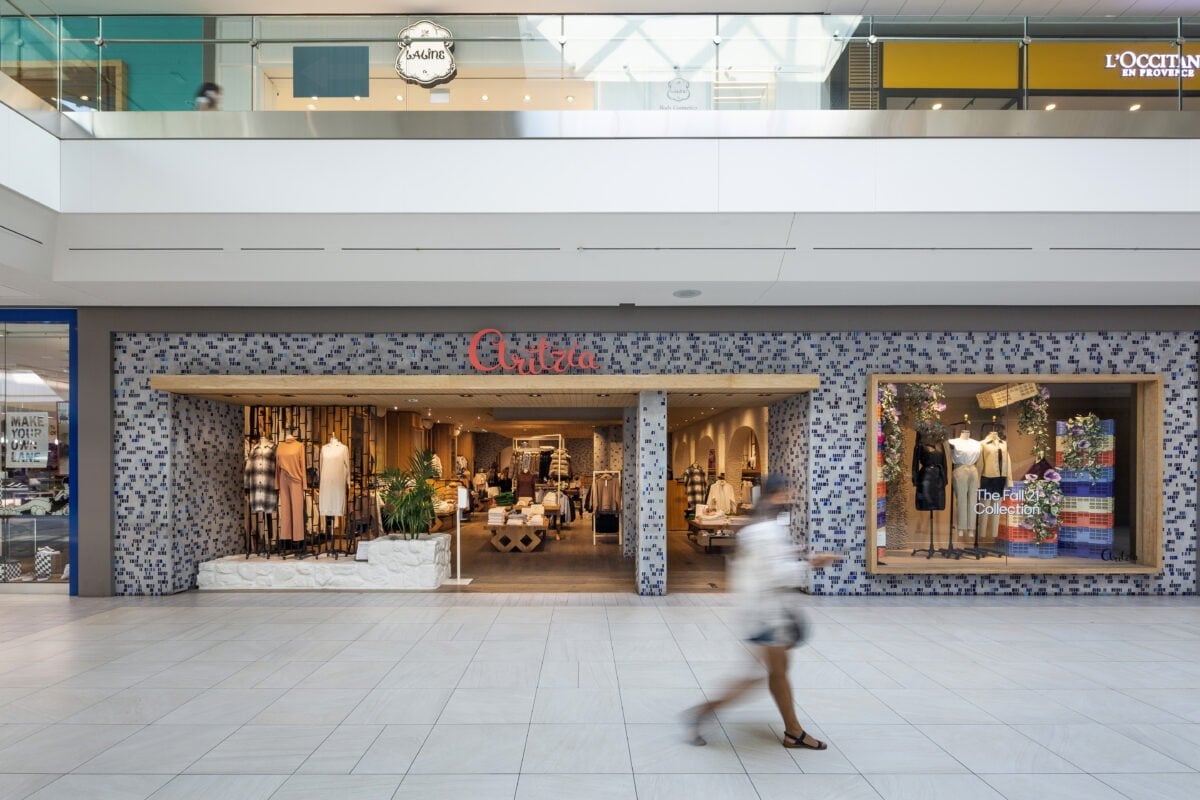
As a practical example in apparel, the Aritzia story is indicative. While recovered from last winter’s lows, the stock still trades at roughly half its 2022 levels. From the consumer perspective (as seen on forums like Reddit), the quality has fallen off, leading customers to ask, “is it worth it?” They can either purchase vintage or resale clothing for less or splurge for luxury items that they know they can resell when their tastes change.
Increasing customer interest in vintage and resale items is a small but emerging challenge to the mid-market. In the minds of customers, when looking for a sub $2,000 sofa, Leon’s competitor set is not Rove and Article as much as it is Facebook Marketplace. Second-hand allows customers to meet their quality benchmarks (which are otherwise perceived to only be available at luxury stores) at a more affordable price.
Lastly, the places where consumers would come across mid-market retailers are disappearing. With tier 1 malls focusing on luxury retail experiences and tier 2 and 3 malls being converted into residential developments, the number of potential great locations for mid-market retailers are disappearing. Every town has a big box mall nearby and luxury retailers are destinations unto themselves. They do not need to be widely retailed. Additionally, given the volumes that mid-market retailers do, ecommerce tends to be subscale. This results in limited competitiveness against the DTC brands that are trying to grow in their markets.
Spotlights of Success
Despite these adversities, the mid-market segment has had its success stories in categories like affordable workwear, athleisure, and home goods — sectors thriving on consistency and functionality. These underscore a critical strategy: applying legacy capabilities and strength to redraw what the market is. Retailers in these segments build off their history and capabilities to better align to specific customer needs and values, thereby rebalancing the mid-market equation.
– **Banana Republic’s Renaissance**: The brand’s 2021 relaunch, expanding into baby, home goods, and athleisure, underscores the power of cultural relevance — a focus traditionally reserved for luxury brands. This pivot not only spurred growth but also realigned Banana Republic with contemporary consumer values, carving out a new customer base from luxury segments.
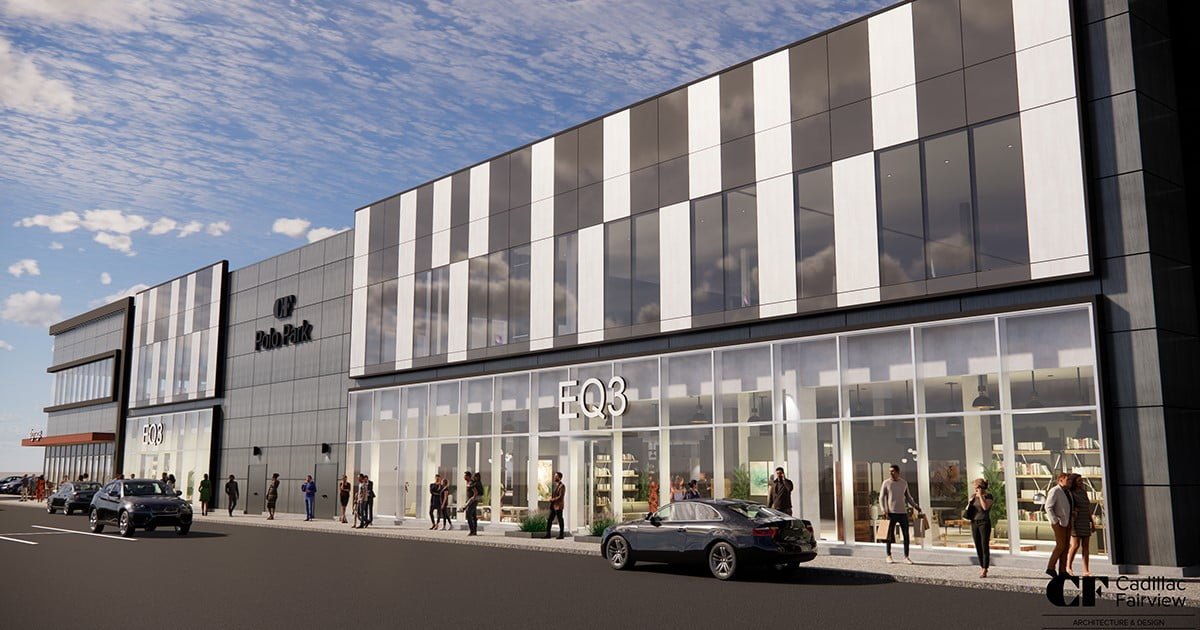
– **EQ3’s Strategic Positioning**: In the home goods domain, EQ3’s emphasis on quality manufacturing has allowed it to capitalize on the public’s disillusionment with many DTC brands. The company’s expansion into the U.S. market, leveraging the demand for durable, high-quality furnishings, illustrates a successful counter to the challenges facing mid-market retailers.
Call to Action: Embrace Strategic Renewal
For mid-market retailers pondering their future, the time is ripe for strategic renewal. The cornerstone of this is answering a few questions: What does the company excel at? What are the unique strengths that will make the company competitive? What has changed in the lives of target customers? How has what they value shifted? How can the company’s expertise be applied to provide unique value to customers?
By reframing customer needs and values, retailers can uncover growth opportunities and, navigate the rocky retail landscape with agility and clear direction. The path forward involves not only a re-evaluation of product offerings and quality but also an innovative approach to customer engagement and value creation. In the dynamic retail ecosystem, strategic renewal is not just an option — it’s an imperative for survival and growth.