

Self-checkout was supposed to solve everything. Labour shortages. Rising wages. Customer demand for speed. Retailers across Canada invested millions in automation, convinced that convenience would unlock growth and protect margins.
Instead, it’s created a mess. Theft is soaring. Customers are frustrated. And the promised labour savings have been wiped out by shrinkage. As Sylvain Charlebois reported in Retail Insider earlier this month, some grocers are now removing self-checkout lanes and reopening staffed registers—not out of nostalgia, but because the business case collapsed.
This is the convenience trap in action. And it’s not limited to self-checkout.
Across Canadian retail, executives are betting on convenience as their competitive strategy. Push customers to e-commerce. Automate the in-store experience. Digitize everything. Make it faster, easier, more self-serve. The assumption is simple: if we’re the most convenient option, customers will choose us and margins will improve.
But here’s what they’re missing: convenience doesn’t win. At best, it just buys you time.
Why Convenience Feels Like Strategy (But Isn’t)
The appeal of convenience is obvious. It seems measurable. Quantifiable. Modern. You can show the board a clean ROI projection. You can track adoption rates of your app. You can measure average transaction time.
But convenience investments share a critical flaw: they don’t create defensible competitive advantage. They create operational parity.
Think about self-checkout. When one grocer installs it, competitors match within months. The “convenience advantage” disappears instantly. You’ve spent millions on technology that’s now table stakes, created new operational problems (like theft and customer frustration), and you’re no more differentiated than you were before.
The same pattern plays out with digital investments. Curbside pickup. Mobile ordering. Delivery partnerships. These aren’t strategies—they’re responses to changing customer expectations. And responses, by definition, aren’t differentiation. They’re just keeping pace.
The Hidden Costs No One Talks About
Beyond the obvious costs—capital investment, technology maintenance, training—convenience strategies carry hidden penalties:
You attract the wrong customers. Convenience appeals to price-sensitive, promiscuous shoppers who will abandon you the instant someone offers marginally less friction. These aren’t loyal customers. They’re transaction-seekers.
You shift work without shifting value. As Charlebois points out, grocers have transferred labour to customers without offering any benefit. Customers now scan, bag, and troubleshoot errors while paying 27% more for food than five years ago. That’s not a value proposition. That’s asking customers to work harder and pay more for the privilege.
You create operational complexity. Every new convenience feature adds complexity to your operations. More technology to maintain. More integration points. More failure modes. And when it fails—like self-checkout’s constant “wait for assistance” messages—the convenience promise becomes a source of frustration.
The Real Winners Aren’t Competing on Convenience
Here’s where it gets interesting: the companies we think of as most convenient aren’t actually competing on convenience at all.
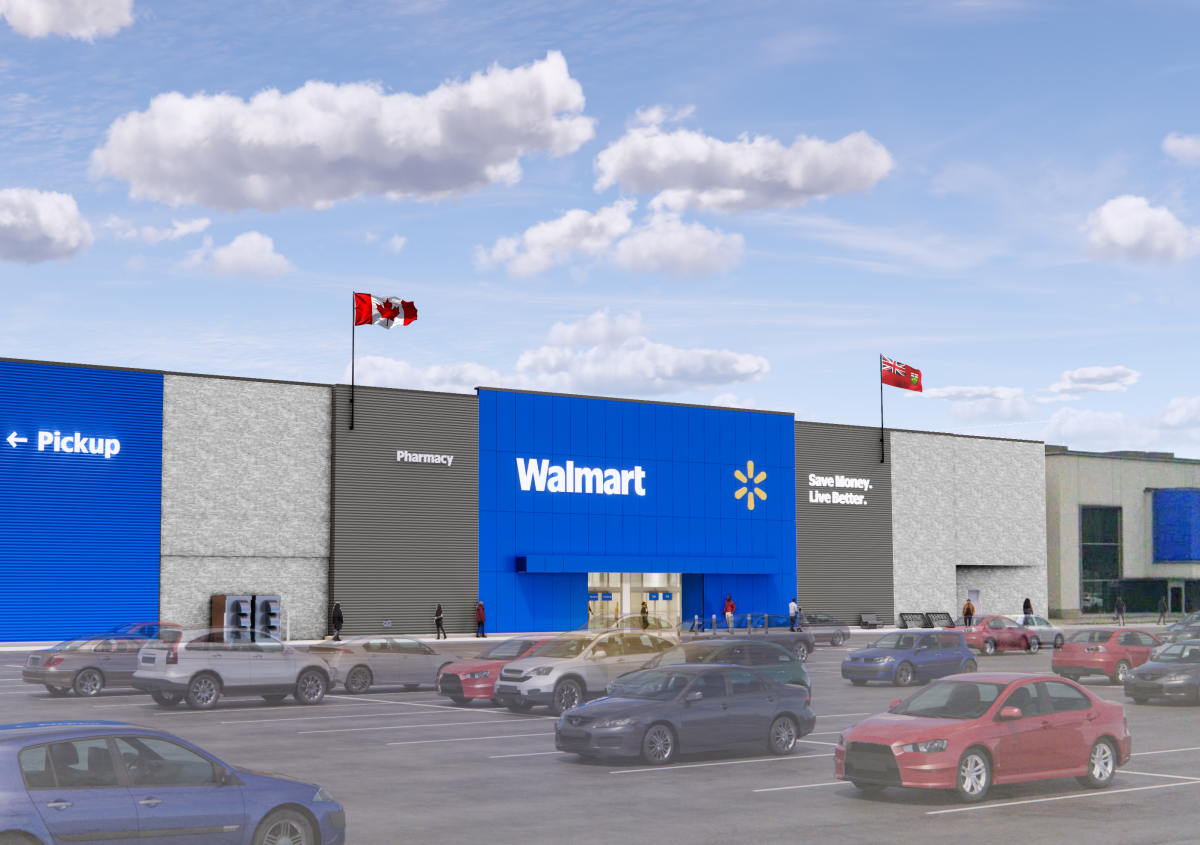
Take Walmart. Yes, they have stores everywhere. Yes, they offer pickup and delivery. But that’s not what they’re competing on. Walmart competes on operational excellence—massive scale, ruthlessly efficient supply chains, and supplier negotiations that let them pass savings to customers across every category.
The convenience is a feature of that operational excellence, not the strategy itself. Their “Everyday Low Prices” promise is delivered through quality execution: reliable products, consistent availability, predictable value. The convenience just makes that quality easier to access.
The convenience doesn’t create the advantage. The quality creates the advantage. The convenience just removes barriers to accessing it.
What Happens When You Start With Quality Instead
The alternative isn’t to ignore convenience. It’s to understand what convenience should actually do: enable access to the quality outcomes customers value.
This means asking different questions.
Not “How can we make checkout faster?” but “What checkout experience actually serves our customers’ needs?”
Not “How do we push more transactions to our app?” but “What problems does our app solve that improve outcomes for customers?”
Not “How do we automate everything?” but “Where does human interaction create value customers will pay for?”
When you start with quality—defining what outcomes your customers actually value—convenience becomes a tool to deliver that quality more effectively. Not the strategy itself.
Consider Decathlon or Uniqlo. Both retailers use RFID tags on merchandise. Customers drop items in a bin, the system calculates the total instantly. No scanning. No errors. No “unexpected item in the bagging area.”
That’s not convenience for convenience’s sake. It’s technology deployed to deliver a quality outcome: an accurate transaction that respects the customer’s time and trust. The convenience serves the quality promise.
The Strategic Question Canadian Retailers Need to Answer
Here’s the test: If a competitor matches your convenience investments tomorrow, what competitive advantage do you have left?
If the answer is “none,” you’re not competing on quality. You’re competing on convenience. And convenience advantages are temporary at best, counterproductive at worst.
The retailers who will thrive aren’t the ones investing most heavily in convenience. They’re the ones who understand what quality means in their category, then use convenience to make that quality more accessible.
That might mean removing self-checkout if it degrades the transaction experience. It might mean maintaining staffed departments even when automation is cheaper. It might mean slower checkouts that actually work rather than faster ones that frustrate.
The convenience trap is seductive because it promises measurable results and modern solutions. But convenience without quality is just efficiency at delivering mediocrity. And in 2025, customers can tell the difference.
The question for Canadian retail leaders isn’t “How do we become more convenient?” It’s “What quality do we deliver that customers value enough to choose us?” Answer that first. Then figure out how to make it convenient.
Because if you’re betting everything on convenience, you’re not building a competitive advantage. You’re just buying time until someone else out-conveniences you.
If you are interested in learning more about the convenience delusion and other strategies that keep companies from competing on quality, you can request a copy of The Courage to Compete on Quality here.











I’ve never understood why retailers think that self checkout makes the process faster or easier for consumers. It forces us to read a screen, handle each item, look for the bar code, and scan it. Why did you ever imagine that would be faster or easier than simply standing there while someone who knows what they are doing, does it?