

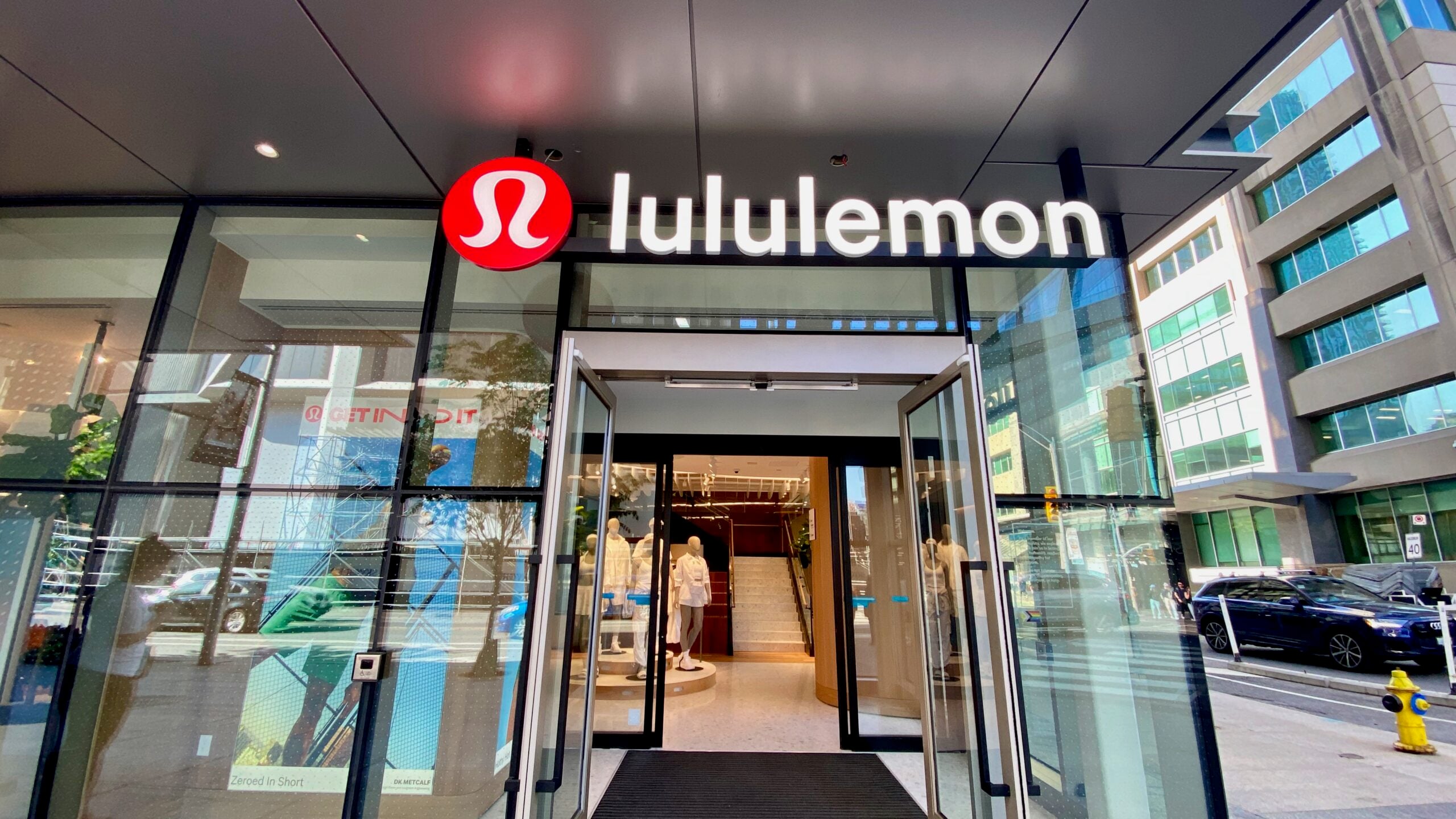
Chip Wilson just did something fascinating. The 69-year-old Lululemon founder, who owns 8% of the company’s stock (worth roughly $2.8 billion), nominated three new directors to the board on December 29th. But this isn’t your typical activist investor move.
Wilson didn’t pick finance executives. He didn’t pick turnaround specialists. He didn’t pick retail veterans.
He picked a former running shoe co-CEO, a sports media CMO, and a video game company president.
On the surface, that seems random. But when you understand what Wilson is actually diagnosing about Lululemon’s decline, the nominations become a masterclass in how established companies lose their way—and how they might find it again.

The Diagnosis: Death by Playing it Safe
In his 2018 book Little Black Stretchy Pants, Wilson wrote something that explains everything happening today:
“In many ways, lululemon has created its own way to survive, just like individuals do. In lululemon’s case, it decided to survive by not rocking the boat, not risking and never sticking its neck out. What lululemon receives from this survival mechanism is incremental growth with no bumps… On the other hand, there is a lot lululemon does not get from its survival mechanism. It does not get entrepreneurial-inspired employees or new top talent who are looking to be mentored by superior management. It does not get to learn from mistakes and adjust accordingly. Lululemon does not get breakout ideas because they are deemed too risky.”
The numbers tell the story Wilson is reading: Lululemon’s stock is down 44% in 2025. Revenue is declining for the first time since the pandemic. The CEO is leaving in January with no successor in place—the third CEO departure with no succession plan. The company that once commanded premium prices through product innovation now competes primarily on brand prestige and convenient distribution.
Competitors like Alo Yoga and Vuori aren’t winning because they’re cheaper. They’re winning because they’re doing what Lululemon used to do: obsessing over product quality, listening to athletes, and building communities around excellence.

The Three Directors: A Prescription for Strategic Renewal
Wilson’s board nominations aren’t random. Each nominee represents a specific capability Lululemon has lost:
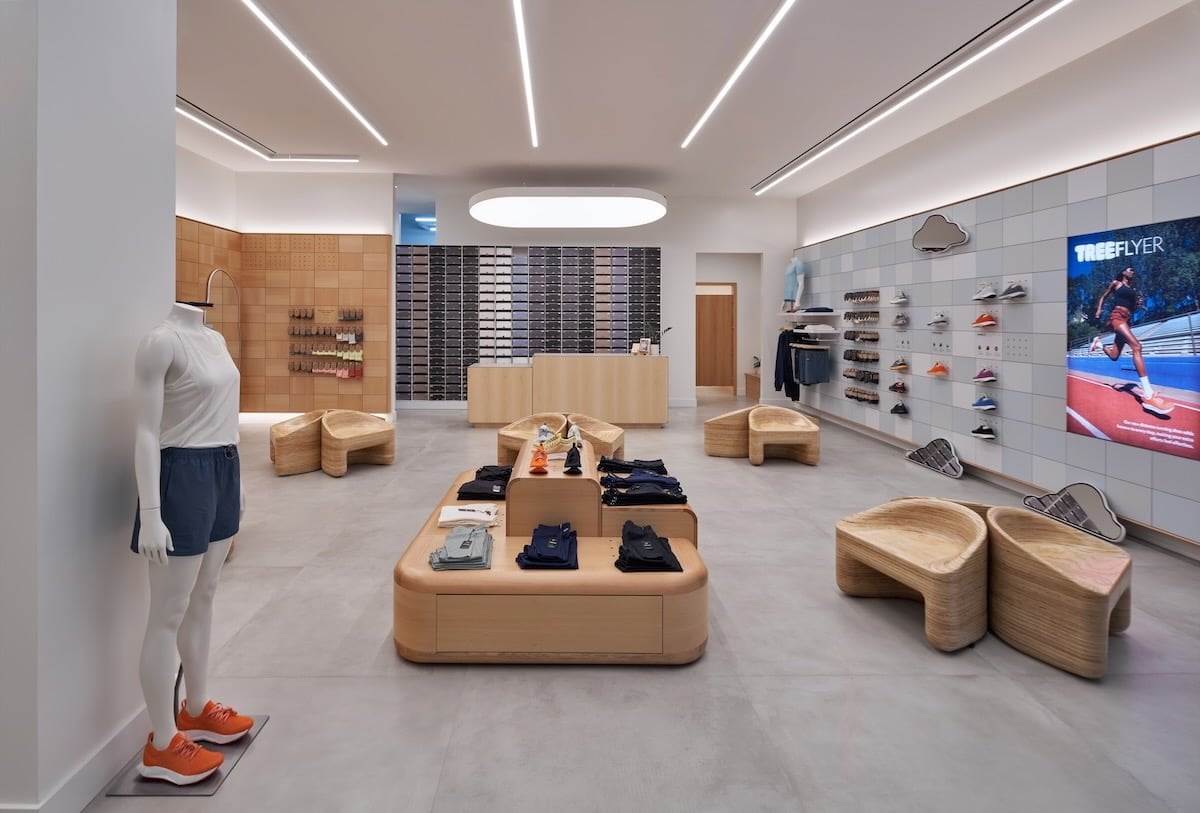
Marc Maurer (former On Holding co-CEO) represents premium positioning through operational discipline. During his 12 years at On, the company’s revenue nearly quadrupled while increasing prices and maintaining brand control.
On grew from 25% direct-to-consumer in 2019 to 42% by 2024—capturing higher margins while reinforcing premium positioning. When Chinese and Indian manufacturers flooded the running shoe market with cheaper alternatives, On maintained pricing power because their product genuinely performed better.
Laura Gentile (former ESPN CMO, founder of espnW) represents authentic audience understanding. She didn’t just market to women—she recognized that 44% of NFL fans and 45% of baseball fans were women who felt marginalized by sports media.
Rather than token gestures, she built espnW as a multimedia platform that served female sports enthusiasts authentically. Her post-ESPN critique of ESPN’s NFL partnership showed she’ll advocate for brand integrity even when it contradicts financial expediency.
Eric Hirshberg (former Activision Publishing CEO) represents creative excellence at scale. Under his leadership, Activision’s stock surged 500% while he balanced franchise management (Call of Duty) with innovation risk (Skylanders).
He understood that neither endless iteration nor radical reinvention works—you need disciplined innovation within your core capabilities. His decision to step down in 2018 to pursue music full-time demonstrated something rare: the integrity to leave when his passion shifted rather than collecting a paycheck.
What Lululemon Actually Needs: Reframe, Renew, Restart
This is Strategic Renewal in action — the process by which established companies prosper from change rather than become casualties of it.
REFRAME: Lululemon needs to remember what business it’s actually in. It’s not in the “athleisure lifestyle brand” business. It’s in the “best performing athletic apparel” business. Wilson understood this from day one: “We create components designed by athletes for athletes.” The company’s original customers weren’t buying yoga pants for brunch. They bought them because they performed better in downward dog than anything else available.
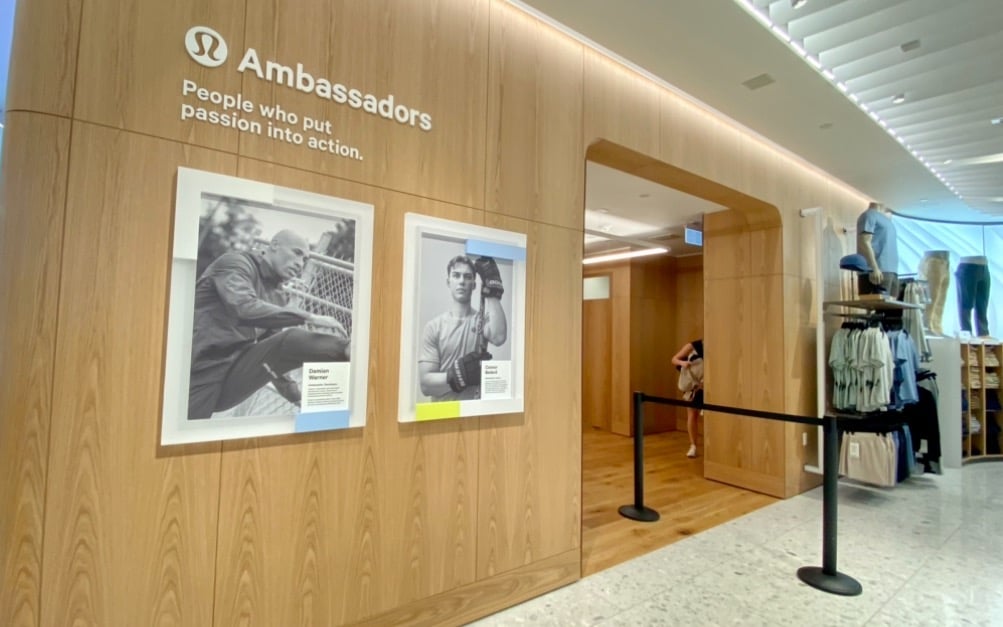
RENEW: The company needs to realign its capabilities with what customers actually value. Wilson’s Ambassador program succeeded because yoga instructors became product testers who provided real feedback that shaped design. That’s competing on quality, including delivering superior outcomes through continuous improvement based on authentic user input.
Compare that to today, where Lululemon competes primarily on distribution convenience (stores everywhere) and brand prestige (the logo). Neither creates sustainable advantage. Someone can always make shopping easier. Cultural winds shift without warning.
RESTART: The company needs to communicate its renewed approach to the world. Not through marketing campaigns, but through product excellence that speaks for itself. Barnes & Noble didn’t turn around by advertising more—they stopped accepting publisher promo money and featured books their teams genuinely believed were good. Returns dropped from 30% to 7% because customers trusted the curation again.
Chip Wilson wrote in 2018: “If creative product people and financial operators can appreciate the intelligence that each contributes, the company gets a synergistic multiplier of 3.
This isn’t just Lululemon’s challenge. It’s the fundamental tension every mature company faces when leadership turns over. New boards and CEOs inherit businesses built by founders who competed on quality. But they inherited companies in markets where that quality leadership has established dominant position. The temptation is overwhelming to optimize what exists rather than innovate what’s next.
Wilson may not win his proxy fight. Lululemon’s board will likely defend their current strategy. Institutional shareholders may side with management continuity over founder activism.
But whether he wins or loses, Wilson has done something valuable: He’s diagnosed exactly what happens when companies stop competing on quality and start competing on convenience, prestige, or price. He’s shown what those companies lose: entrepreneurial talent, innovation capability, and the ability to learn from mistakes.
Most importantly, he has demonstrated that strategic renewal, the process of helping established companies prosper through change, requires courage. The courage to reframe what you thought you knew about your business. The courage to renew capabilities that have atrophied. The courage to restart communication around what genuinely makes you different.
Lululemon became great by competing on quality, with technical fabrics that outperformed anything else and were designed with input from athletes who used them daily. The company Wilson is fighting for is the one he founded, a company that elevated the industry from mediocrity to greatness through an obsessive focus on product excellence.
The question isn’t whether Lululemon needs change. The market has already answered that. The question is whether the board has the courage to admit that the last five years of “playing it safe” has been the riskiest strategy of all.










While the article calls out valuable points, it sounds like it was written by CW.