Yves Veggie Cuisine Ends 40-Year Run in Canada

Date:

Share post:

Yves Veggie Cuisine, the Canadian brand that helped define the meat-free movement for decades, will disappear from grocery aisles this year. Its parent company, Hain Celestial Group, announced that production will wind down, ending a 40-year presence in the country’s food landscape.

The company confirmed that Yves Veggie Cuisine will not be sold to another operator. Instead, products will remain available on store shelves until fall and into early winter 2026, as inventory is gradually depleted.

“This decision was not made lightly. The meat-free category has been declining for several years, which led to the business becoming increasingly challenging and difficult to sustain,” a spokesperson for Hain Celestial said in a statement.

A Founding Vision in Vancouver

Yves Veggie Cuisine was founded in 1985 by chef and entrepreneur Yves Potvin in Vancouver. At the time, vegetarianism was still a niche lifestyle, and vegan products were virtually nonexistent in mainstream supermarkets. Potvin, who later became known for his innovations in food technology, introduced what would become one of North America’s first veggie hot dogs, a product that quickly captured the attention of consumers seeking alternatives to traditional meat.

Originally launched as Yves Fine Foods, the company rebranded as Yves Veggie Cuisine in 1992. By the late 1990s, it was producing hundreds of thousands of plant-based items each week, including deli slices, veggie bacon, burger patties, and ground round. Potvin was widely credited with inventing the veggie wiener, a product that came to symbolize the brand’s role as a pioneer in plant-based eating.

Rise of a Household Staple

For many Canadian families, Yves Veggie Cuisine became a reliable fixture in the fridge. Known for its soy-based deli meats including ham, turkey, and salami, the brand also offered veggie burgers, meatballs, and hot dogs that were easy to prepare.
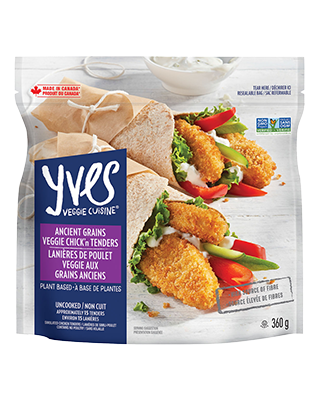
Photo: Yves Veggie Cuisine

The company targeted not only vegetarians and vegans but also “flexitarians,” consumers who reduced their meat intake without eliminating it completely. That group, which grew steadily during the 1990s and early 2000s, helped fuel demand for products that were convenient, nutritious, and affordable.

By 2002, the company reported annual revenue of roughly $35 million. That same year, it supplied a soy-based burger to McDonald’s Canada, marking a breakthrough into mainstream fast food.

Acquisition and Expansion

In 2002, Yves Veggie Cuisine was acquired by the Hain Celestial Group, a U.S.-based company specializing in natural and organic products. The deal allowed the brand to expand its reach across North America, securing distribution in major grocery chains.

Hain Celestial continued to market Yves Veggie Cuisine as a leader in the plant-based space, emphasizing its role in everyday meals and its commitment to better-for-you products. The brand became a trusted name in Canadian households, frequently promoted as a healthier alternative to conventional meat.

Accolades followed. In 2018, BrandSpark International named Yves Veggie Cuisine the most trusted vegan brand in Canada, a recognition of both its longevity and its consumer loyalty.

Decline of a Category

Despite its historic success, Yves Veggie Cuisine’s fortunes shifted in recent years. While plant-based eating continues to attract headlines and investment, the category has experienced uneven consumer demand. Sales of meat alternatives have slowed in both Canada and the United States, leaving legacy brands under pressure.

Hain Celestial pointed to those challenges in its announcement, saying that declining demand made the business increasingly unsustainable.

On social media, Yves Veggie Cuisine confirmed the move. “Unfortunately, we are announcing that Yves will begin its farewell from store shelves,” the brand posted. “While we’re still producing for now, you’ll continue to find our products through fall and into early winter 2026.”

Photo: Yves Veggie Cuisine

Consumer Reaction

The announcement triggered an outpouring of responses from longtime customers. Many described the brand as a staple of their kitchens, praising its reliability in providing meat-free options long before plant-based eating became mainstream.

“We recognize that this announcement may be disappointing to many loyal consumers who have supported Yves over the years,” the company said in a follow-up statement. “We are deeply grateful for their trust and commitment to the brand.”

On Instagram, shoppers lamented the news, sharing memories of incorporating Yves Veggie Cuisine into family meals and school lunches. Some expressed frustration that no comparable brand exists in the Canadian market, leaving them with fewer choices.

Legacy and Impact

Yves Veggie Cuisine’s discontinuation underscores the volatility of the plant-based food sector, even as consumer awareness of vegetarian and vegan diets has never been higher. The brand’s contributions remain significant: it helped normalize meat alternatives in grocery stores, offered innovation in product development, and influenced a generation of flexitarian consumers.

Founder Yves Potvin has continued to shape the food industry, launching new ventures in plant-based protein after selling his company. His role in developing the veggie wiener and other staples is often cited as foundational in the evolution of the industry.

Though the brand will soon vanish from shelves, its impact remains. Yves Veggie Cuisine’s 40-year history stands as a reminder of both the challenges and opportunities in plant-based food production.
More from Retail Insider:

3 COMMENTS

  1. A lot of new brands entered the vegan space at the same time, so it was inevitable that not all of them would succeed. Though Yves won’t admit it, I’d argue that saturation is the real culprit here, rather than a declining market. Yves is decent enough and competitive in price, but they haven’t really innovated much in recent years as newer, more sophisticated competitors hit the shelves.

    Hopefully their exit leaves room for a better Canadian alternative.

  2. I think it was too high in salt so that is why I stopped buying it and other companies too. I’d rather buy beans and make my own dish.

Comments are closed.

RELATED ARTICLES

Subscribe to the Newsletter

Subscribe

* indicates required

RECENT articles

Alimentation Couche-Tard Q2 merchandise and service revenues hit $4.8 billion

Same-store merchandise revenues increased by 1.8% in the United States, and by 1.3% in Europe and other regions, while it decreased by 0.4% in Canada, said Couche-Tard.

Canadians rein in holiday spending as affordability concerns weigh on shoppers: Vividata

Vividata research finds consumers are cutting discretionary purchases, comparing deals and weighing delivery costs, with shopping preferences varying significantly by age.

La Caisse invests another $30 million in Cozey as furniture retailer targets U.S. expansion

Montréal-based Cozey will use new financing to expand its physical store network and international presence, including plans for its first permanent New York location in spring 2027.

Stealth Health Eyes Further Acquisitions After MedExpress Canada Deal

Canadian healthcare company Stealth Health has acquired MedExpress Canada and plans further acquisitions in Canada and the United States. CEO Matthew Mazzuca discusses the company’s growing technology platform, pharmacy infrastructure and ambitions for a hybrid physical and digital healthcare network.

TJX Canada Posts Stronger Profitability as Winners, Marshalls and HomeSense Sustain Sales Growth

TJX Canada reported US$1.607 billion in third-quarter revenue and 6% comparable-sales growth, with increased customer transactions and larger baskets. Adjusted segment profit margin rose 120 basis points to 16.1% as Winners, Marshalls and HomeSense continued expanding their Canadian network.

Avril Transforms Former Holt Renfrew Store in Montreal into Grocery and Dining Destination

Avril Supermarché Santé has opened a 12,800-square-foot grocery, wellness and dining location in Montreal’s former Holt Renfrew building. The $5.4-million investment is part of the Quebec retailer’s urban expansion strategy, with three additional stores planned for 2027.

More than one in four shoppers report AI-related shopping scams: Malwarebytes

Malwarebytes research finds 28 per cent of consumers experienced AI-related shopping scams in the past year, raising concerns about fake retail websites, product images and fraudulent delivery messages.

Inside Staples Canada’s Plan to Operate Toys“R”Us Across Nearly 300 Stores

Staples Canada is introducing Toys“R”Us and Parties“R”Us departments across close to 300 stores through 2027. Chief Merchandise Officer Mike Rinaldi explains the operating model, flexible formats, merchandising responsibilities and first Richmond Hill location following the former toy chain's restructuring.

Canadian Consumer Spending Continues to Grow in Q3 as Big-Ticket Purchases Rebound: RBC

RBC reports Canadian cardholder spending rose 1% in the third quarter, with stronger activity tied to big-ticket purchases, regional differences and growing financial stress in Ontario and B.C.

T&T Supermarket More Than Doubles Former Loblaw Store Sales as Canadian Expansion Gains Momentum

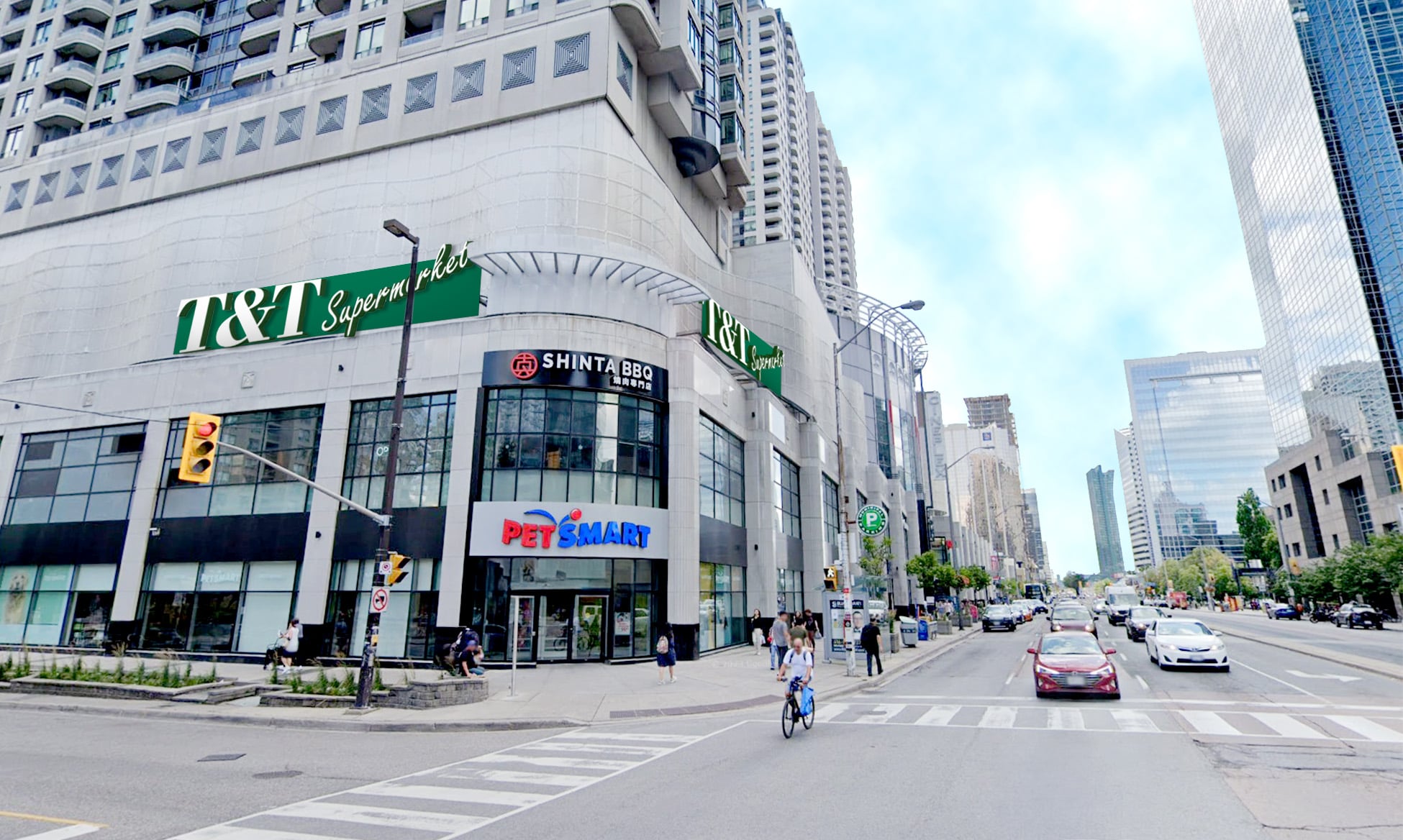
T&T Supermarket is generating more than twice the sales of the former Loblaws store at Empress Walk in North York, according to Loblaw CEO Per Bank. Strong performance at Erin Mills adds momentum as the Asian grocery chain expands into major Canadian shopping centres and repurposed retail properties.

Canadians Face Holiday Spending Pressure as Half Carry Credit Card Debt: NerdWallet

NerdWallet’s 2026 Holiday Spending Report finds 28% of Canadians feel pressure to spend more to avoid disappointing loved ones, while 15% of last year’s holiday shoppers are still paying off credit card debt.

AI-assisted gift shopping prompts more thought about recipients

A survey of 8,718 AI users found that most shoppers who used the technology for holiday gifts said it encouraged them to think more carefully about recipients, despite concerns about disclosing its use.

The Children’s Place Liquidation Adds to Leasing Challenges at Canadian Malls

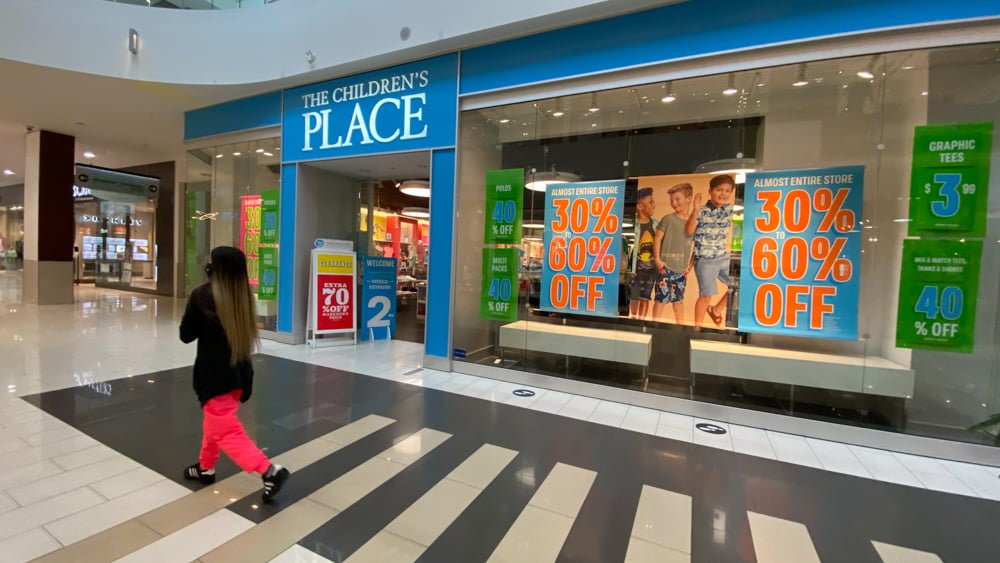
The Children’s Place and Gymboree are liquidating 56 Canadian stores, adding to shopping centre leasing requirements following other national retailer departures. Landlord financial disclosures and original ICSC productivity data reveal differing replacement leasing opportunities across Canadian malls.

Daily Synopsis: November 23, 2026

Children's Place begins liquidating Canadian stores, 50 year old Brampton grocery store closes, lululemon opening in Guelph, and other news.

Higher Food Prices, More Drugs, Emptier Carts

Sylvain Charlebois examines renewed grocery price pressures, declining inflation-adjusted food sales and how wider use of GLP-1 medications could change what Canadians buy. The commentary also considers domestic food processing and transportation infrastructure.

Fashion Art Toronto to Bring 30 Independent Brands to Former Hugo Boss Flagship on Bloor Street

Fashion Art Toronto will bring approximately 30 independent Canadian fashion and lifestyle brands to the former Hugo Boss flagship at 83 Bloor Street West on November 28 and 29, 2026. The free pop-up will combine retail, art and creative programming across three levels.

Canadians Plan to Spend Less This Holiday Season as Deal-Seeking and Buying Canadian Gain Ground: RCC

Canadians plan to spend an average of $911 this holiday season, down 6.5% from 2025, as shoppers prioritize promotions, value and Canadian-made products, according to a Retail Council of Canada survey.

CABUY Builds Directory of 60,000 Canadian-Made Products as Buy Canadian Interest Grows

Burlington-based CABUY has built a bilingual directory featuring more than 60,000 products from approximately 800 Canadian manufacturers. Founder Bernie Langlois explains its product-origin screening, early business model and potential role in helping retailers discover domestic suppliers.

Metro Accelerates Discount Grocery Expansion with 16 More Locations Planned

Metro plans 16 additional discount grocery locations in fiscal 2027, including nine Ontario Metro-to-Food Basics conversions and seven new stores across Ontario and Quebec. The strategy reflects growing demand for value and a selective approach to retail real estate investment.

Buy Now, Pay Later Debt Risks Grow as Consumers Struggle to Manage Multiple Payments

New research finds 40% of Americans have used Buy Now, Pay Later to afford purchases, while overlapping payments and missed due dates are creating financial strain.