

Yves Veggie Cuisine, the Canadian brand that helped define the meat-free movement for decades, will disappear from grocery aisles this year. Its parent company, Hain Celestial Group, announced that production will wind down, ending a 40-year presence in the country’s food landscape.
The company confirmed that Yves Veggie Cuisine will not be sold to another operator. Instead, products will remain available on store shelves until fall and into early winter 2026, as inventory is gradually depleted.
“This decision was not made lightly. The meat-free category has been declining for several years, which led to the business becoming increasingly challenging and difficult to sustain,” a spokesperson for Hain Celestial said in a statement.
A Founding Vision in Vancouver
Yves Veggie Cuisine was founded in 1985 by chef and entrepreneur Yves Potvin in Vancouver. At the time, vegetarianism was still a niche lifestyle, and vegan products were virtually nonexistent in mainstream supermarkets. Potvin, who later became known for his innovations in food technology, introduced what would become one of North America’s first veggie hot dogs, a product that quickly captured the attention of consumers seeking alternatives to traditional meat.
Originally launched as Yves Fine Foods, the company rebranded as Yves Veggie Cuisine in 1992. By the late 1990s, it was producing hundreds of thousands of plant-based items each week, including deli slices, veggie bacon, burger patties, and ground round. Potvin was widely credited with inventing the veggie wiener, a product that came to symbolize the brand’s role as a pioneer in plant-based eating.
Rise of a Household Staple
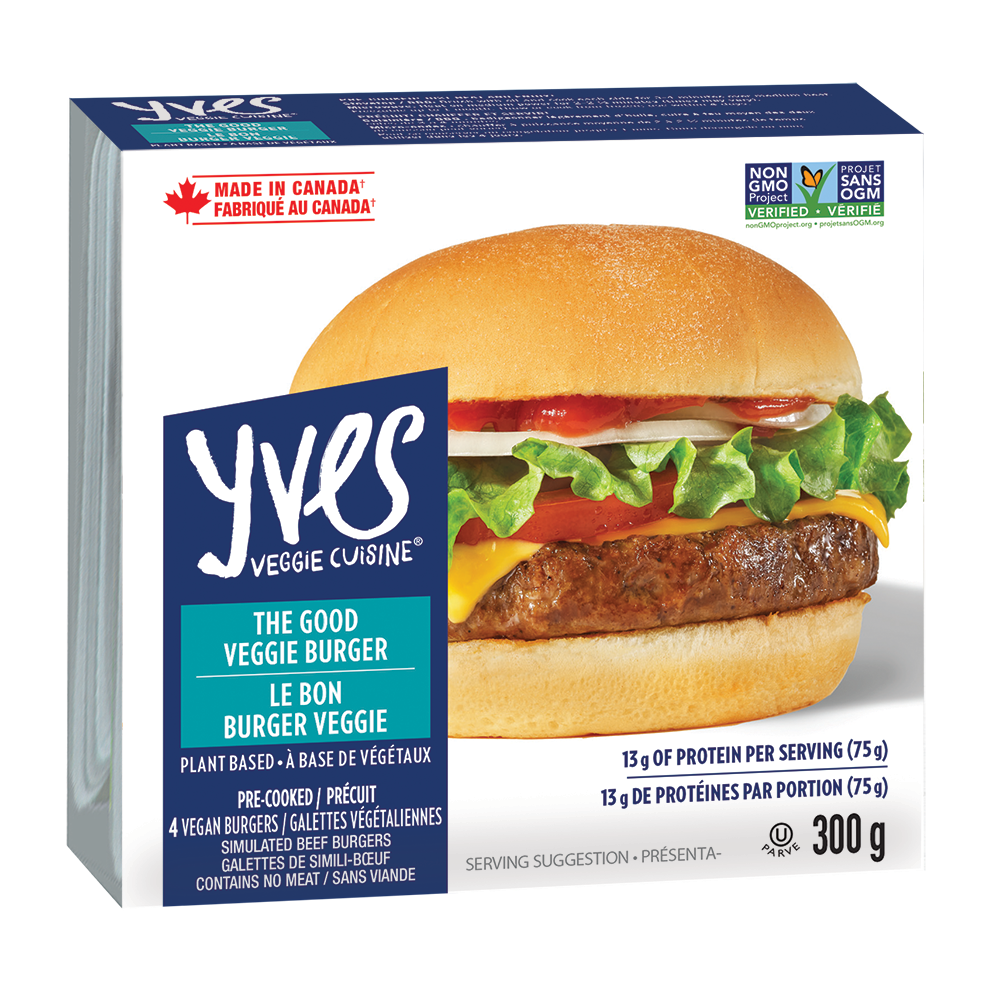
For many Canadian families, Yves Veggie Cuisine became a reliable fixture in the fridge. Known for its soy-based deli meats including ham, turkey, and salami, the brand also offered veggie burgers, meatballs, and hot dogs that were easy to prepare.
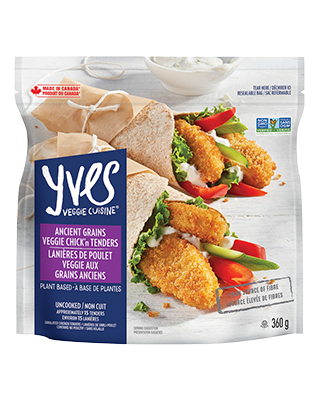
The company targeted not only vegetarians and vegans but also “flexitarians,” consumers who reduced their meat intake without eliminating it completely. That group, which grew steadily during the 1990s and early 2000s, helped fuel demand for products that were convenient, nutritious, and affordable.
By 2002, the company reported annual revenue of roughly $35 million. That same year, it supplied a soy-based burger to McDonald’s Canada, marking a breakthrough into mainstream fast food.
Acquisition and Expansion
In 2002, Yves Veggie Cuisine was acquired by the Hain Celestial Group, a U.S.-based company specializing in natural and organic products. The deal allowed the brand to expand its reach across North America, securing distribution in major grocery chains.
Hain Celestial continued to market Yves Veggie Cuisine as a leader in the plant-based space, emphasizing its role in everyday meals and its commitment to better-for-you products. The brand became a trusted name in Canadian households, frequently promoted as a healthier alternative to conventional meat.
Accolades followed. In 2018, BrandSpark International named Yves Veggie Cuisine the most trusted vegan brand in Canada, a recognition of both its longevity and its consumer loyalty.
Decline of a Category
Despite its historic success, Yves Veggie Cuisine’s fortunes shifted in recent years. While plant-based eating continues to attract headlines and investment, the category has experienced uneven consumer demand. Sales of meat alternatives have slowed in both Canada and the United States, leaving legacy brands under pressure.
Hain Celestial pointed to those challenges in its announcement, saying that declining demand made the business increasingly unsustainable.
On social media, Yves Veggie Cuisine confirmed the move. “Unfortunately, we are announcing that Yves will begin its farewell from store shelves,” the brand posted. “While we’re still producing for now, you’ll continue to find our products through fall and into early winter 2026.”
Consumer Reaction
The announcement triggered an outpouring of responses from longtime customers. Many described the brand as a staple of their kitchens, praising its reliability in providing meat-free options long before plant-based eating became mainstream.
“We recognize that this announcement may be disappointing to many loyal consumers who have supported Yves over the years,” the company said in a follow-up statement. “We are deeply grateful for their trust and commitment to the brand.”
On Instagram, shoppers lamented the news, sharing memories of incorporating Yves Veggie Cuisine into family meals and school lunches. Some expressed frustration that no comparable brand exists in the Canadian market, leaving them with fewer choices.
Legacy and Impact
Yves Veggie Cuisine’s discontinuation underscores the volatility of the plant-based food sector, even as consumer awareness of vegetarian and vegan diets has never been higher. The brand’s contributions remain significant: it helped normalize meat alternatives in grocery stores, offered innovation in product development, and influenced a generation of flexitarian consumers.
Founder Yves Potvin has continued to shape the food industry, launching new ventures in plant-based protein after selling his company. His role in developing the veggie wiener and other staples is often cited as foundational in the evolution of the industry.
Though the brand will soon vanish from shelves, its impact remains. Yves Veggie Cuisine’s 40-year history stands as a reminder of both the challenges and opportunities in plant-based food production.






A lot of new brands entered the vegan space at the same time, so it was inevitable that not all of them would succeed. Though Yves won’t admit it, I’d argue that saturation is the real culprit here, rather than a declining market. Yves is decent enough and competitive in price, but they haven’t really innovated much in recent years as newer, more sophisticated competitors hit the shelves.
Hopefully their exit leaves room for a better Canadian alternative.
I think it was too high in salt so that is why I stopped buying it and other companies too. I’d rather buy beans and make my own dish.
Another Canadian brand bought buy the US and then shelved. Sad…