Loblaw Companies Limited is accelerating its expansion of lower-priced food offerings at Shoppers Drug Mart, more than doubling its planned 2026 rollout from the target announced in September. The move reflects an effort to generate additional sales from existing pharmacies as healthcare services continue to outperform the chain’s traditional front-store business.
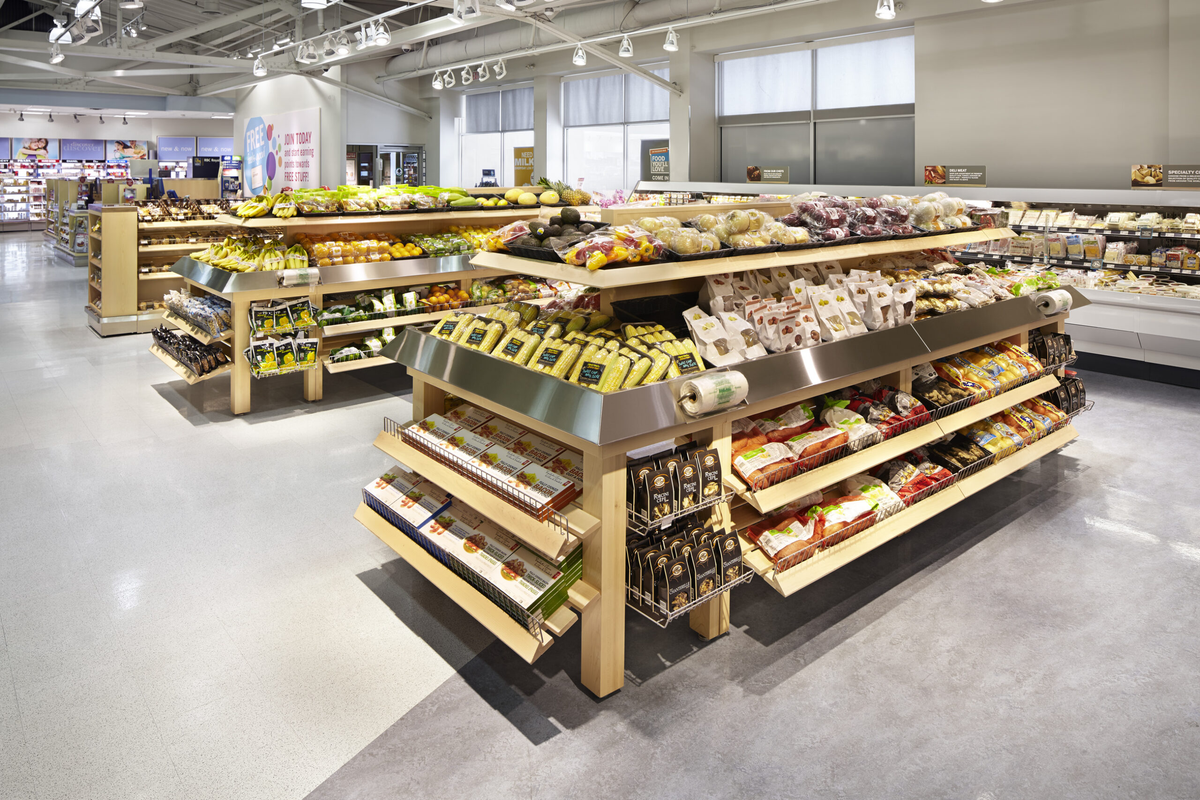
During Loblaw’s November 19 third-quarter earnings call, president and CEO Per Bank said the company expects to complete food realignments at 95 Shoppers locations by year-end, compared with a September target of 43. Loblaw is also expanding multicultural food assortments across a much larger network, with almost 500 stores expected to carry the products by the end of 2026 and another 300 locations planned for 2027.
The initiatives represent separate approaches to increasing food sales within an established pharmacy network. Management has reported encouraging early results, although the financial contribution of the expanded assortments remains undisclosed.
Food Rollout Accelerates Beyond September Plans
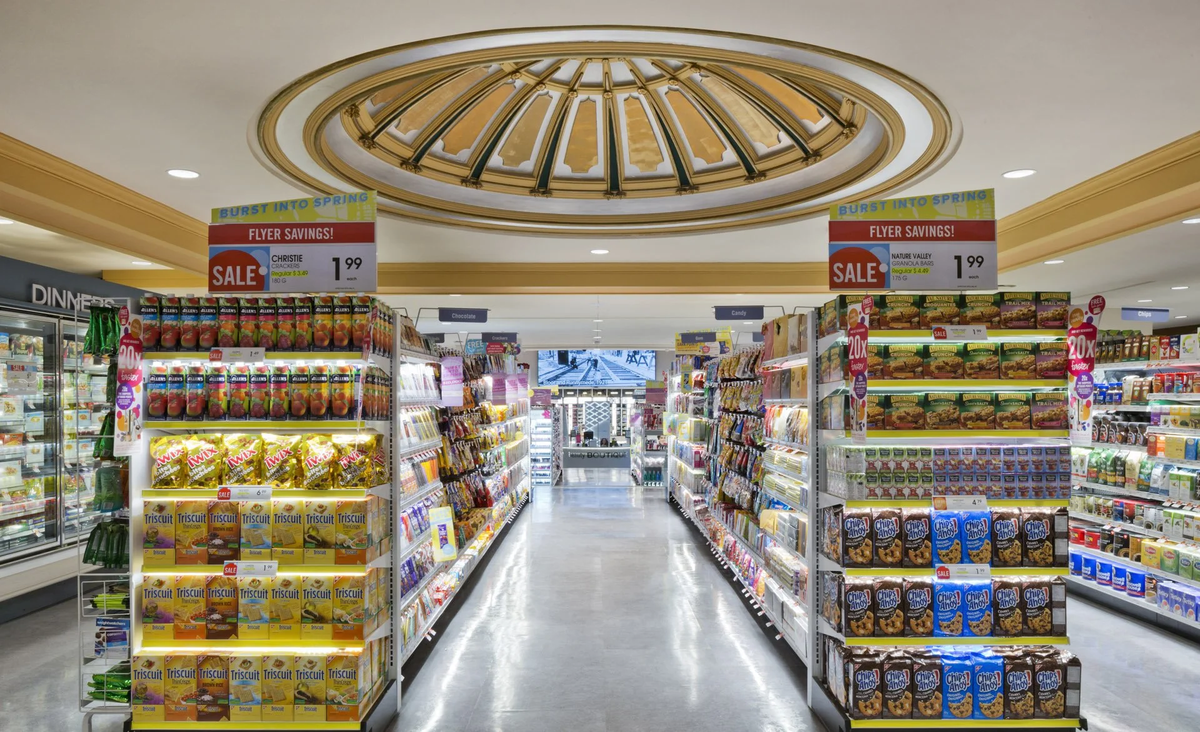
Shoppers’ food realignment initiative began as a three-store pilot introducing additional food products at lower prices. Bank said the program had expanded to 18 locations, with management planning a considerably broader rollout.
“Our three-store pilot expanded to 18 locations, and we do expect to have 95 completed by year-end,” Bank told analysts.
The revised target marks a substantial change from Loblaw’s September 1 investment announcement, when the company reported 17 completed food realignments and expected to reach 43 stores by year-end.
The increase amounts to 52 additional planned locations, approximately 121% above the earlier target. It reflects an acceleration in management’s plans, not confirmation that the additional stores have completed the changes.
Retail Insider reported in July on Loblaw’s efforts to introduce lower-priced food while expanding Shoppers’ pharmacy and healthcare services. The November update indicates management is moving beyond a limited test toward wider deployment.
Bank pointed to merchandise performance as justification for the expansion.
“We are seeing a strong sales lift in the newly added products, and it also generates higher unit sales across existing food products,” he said.
The results suggest the new assortment is attracting purchases while supporting sales of products already carried by participating stores. Loblaw has not quantified the increase or disclosed whether it has improved overall customer traffic, margins or profitability.
Multicultural Food Expansion Targets Hundreds More Stores
A separate initiative will extend multicultural food assortments across a much larger portion of Shoppers’ network. Bank said almost 500 locations are expected to carry the expanded products by the end of 2026, with another 300 stores planned for next year.
The programs operate at different scales. The 95-store target concerns food realignments, while the multicultural initiative involves expanding the availability of selected merchandise across hundreds of additional locations.
Loblaw has not indicated that stores receiving multicultural products will undergo comparable layout changes. The company has also not identified the specific brands, product categories or markets involved.
There is a practical commercial argument for the strategy. Shoppers operates in neighbourhoods with different demographic profiles and shopping preferences, making locally relevant assortments a potential way to improve sales from existing retail space.
Additional products could help the chain compete for smaller purchases that might otherwise go to specialty grocers, convenience stores or supermarkets. Whether that translates into incremental customer visits, or shifts purchases between Loblaw banners, remains unknown.
The company has not provided a provincial breakdown or clarified how the rollout will apply across Shoppers Drug Mart and Pharmaprix locations.
Front-Store Growth Trails Pharmacy Services
The expansion comes as Shoppers’ pharmacy and healthcare operations continue to generate considerably stronger comparable-sales growth than its front-store business.
According to Loblaw’s third-quarter financial results, drug retail comparable sales increased 4.8%. Pharmacy and healthcare services comparable sales rose 7.6%, while front-store comparable sales increased 1.6%.
Chief financial officer Richard Dufresne attributed front-store growth to strength in beauty and over-the-counter products. Loblaw did not identify food realignments as a measurable contributor to the quarterly increase.
The performance gap provides context for management’s interest in broadening Shoppers’ merchandise offering. Pharmacy services are delivering stronger growth, while the front store competes for spending across beauty, personal care, household essentials and convenience products.
Additional food offerings could encourage purchases alongside prescriptions and other merchandise. Competitive pricing may also appeal to shoppers looking for a few everyday items without making a separate supermarket trip.
The financial calculation is more complicated than generating additional sales. Food categories can involve different gross margins, replenishment costs and inventory requirements from beauty and other front-store merchandise.
The new assortment must generate sufficient incremental revenue to justify the space and operating resources involved, including any sales displaced from existing categories. Loblaw has not disclosed the information required to assess those returns.
Existing Stores Provide an Expansion Platform
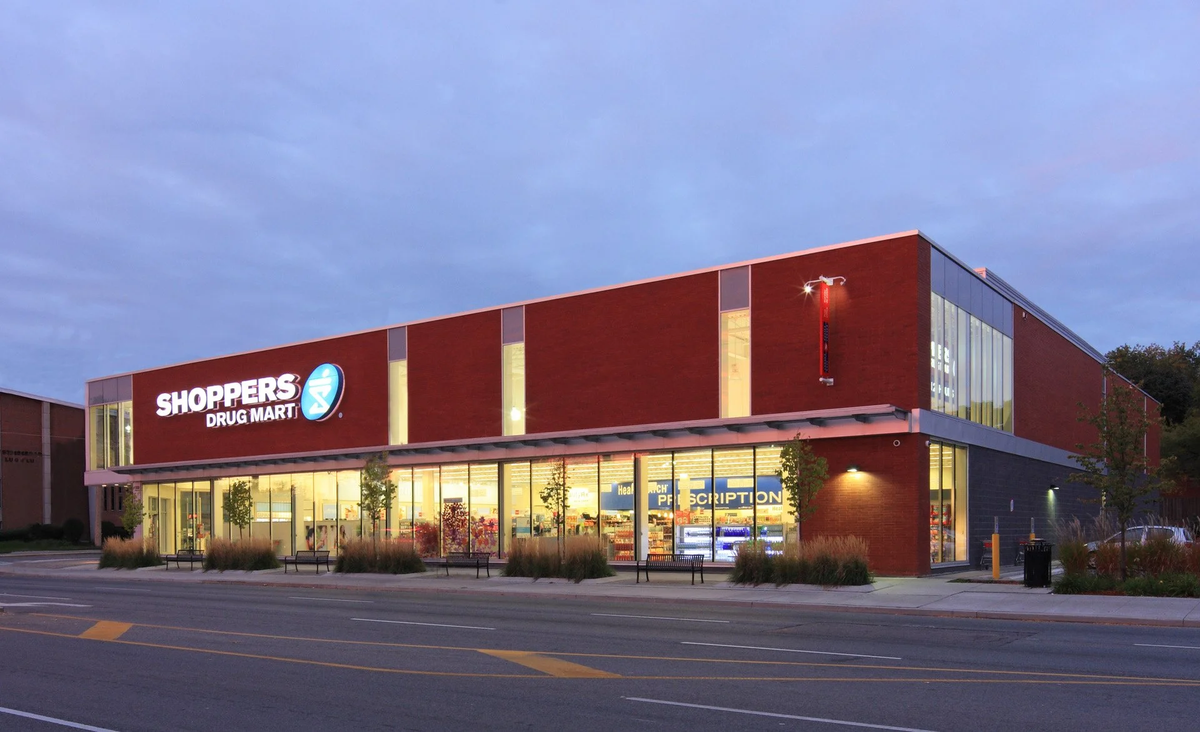
Shoppers and Pharmaprix operate a combined network of nearly 1,400 pharmacies across Canada. That footprint gives Loblaw an established platform for introducing additional merchandise without necessarily opening new locations.
The opportunity is relevant to neighbourhood stores, where proximity and convenience can influence smaller shopping trips. Customers may purchase food at a pharmacy when the assortment meets their needs and prices are competitive.
The relevant measure for Loblaw will include shelf-space allocation, inventory turnover, labour requirements and category margins will determine whether the changes improve overall store productivity.
Loblaw has not disclosed the space requirements of its food initiatives or announced a corresponding leasing or construction program. The strategy may change how existing retail space is used, but it does not establish that Shoppers is preparing a widespread physical expansion.
Beauty and Digital Retail Remain Priorities
Food is one component of management’s broader effort to strengthen Shoppers’ front-store performance. During the earnings-call question-and-answer session, Bank also highlighted e-commerce and plans to introduce additional beauty brands.
He said approximately 700 stores offer buy online, pick up in store services, while Shoppers’ new president is placing greater emphasis on digital retail. Bank also indicated that more beauty brands would be added over the coming year, without identifying them or providing a detailed schedule.
“I stay confident in our momentum that we have in Shoppers Drug Mart front store,” Bank said.
The initiatives address different commercial opportunities. Beauty can support higher-value purchases, digital services can improve convenience, and food can broaden the range of everyday products available within the network.
Management has not disclosed how much each initiative contributes to front-store comparable sales or profitability. That limits any assessment of which investments are delivering the strongest returns.
The Next Test Is Store Productivity
Loblaw’s accelerated food rollout indicates management sees sufficient promise in the initial results to expand the initiative well beyond its September plans. Performance across a larger and more varied network will provide a more meaningful test.
The critical question is whether additional food sales improve overall front-store productivity after accounting for inventory, operating costs and merchandise competing for limited shelf space. Without those figures, the scale of the rollout says more about management’s confidence than its financial success.
Shoppers already has the locations and customer relationships needed to pursue a larger share of everyday spending. Whether food becomes a meaningful contributor will depend on how efficiently the chain converts that opportunity into profitable sales.