Canadian appliance retailer Coast Appliances has entered creditor protection under the Companies’ Creditors Arrangement Act (CCAA), marking a dramatic collapse following mounting financial pressures, operational disruptions, and the sudden resignation of its entire leadership team.
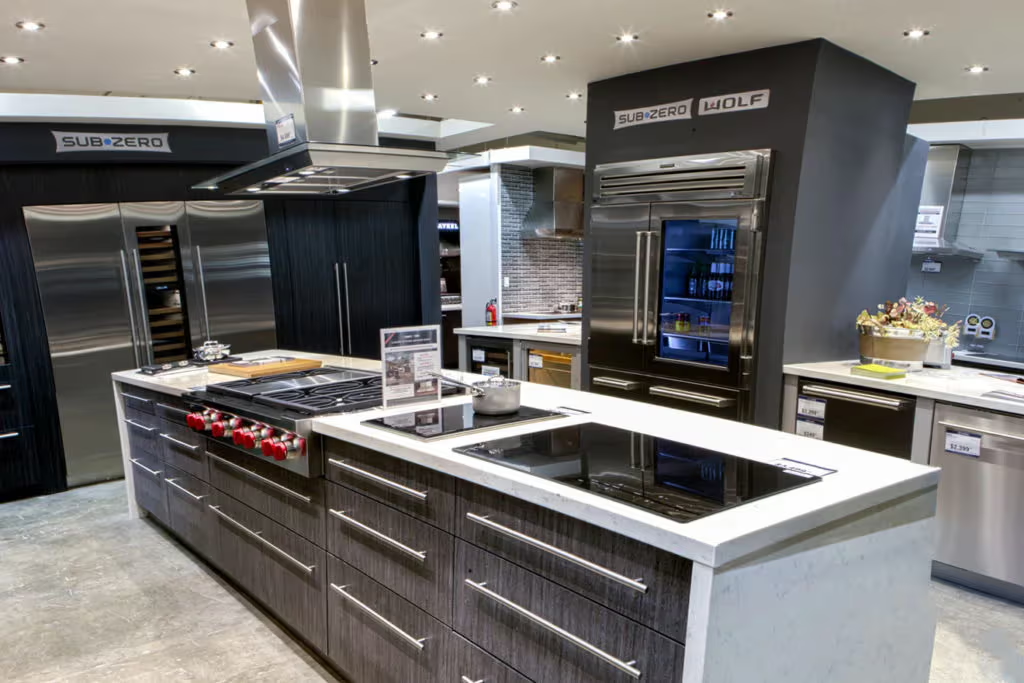
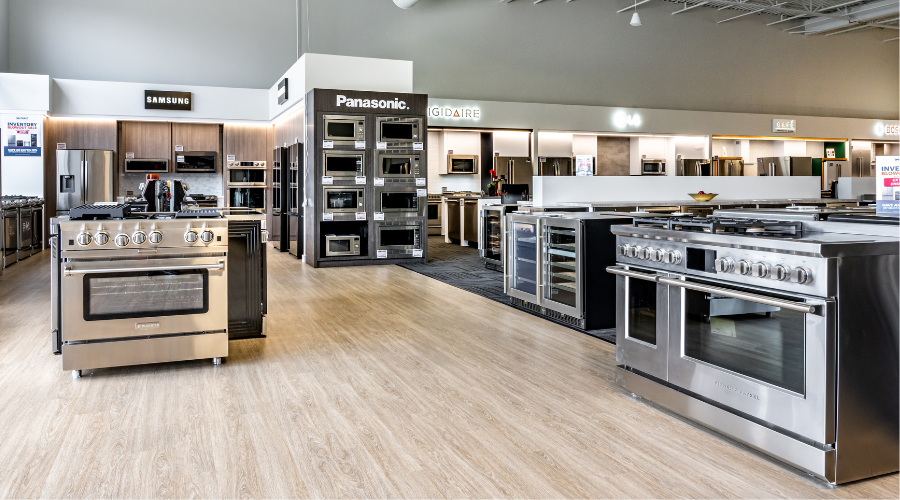
On April 17, 2026, the Supreme Court of British Columbia granted an initial order placing Coast Appliances under CCAA protection after an application led by the Bank of Montreal, acting on behalf of a lending syndicate. At the time of filing, the company carried approximately $69 million in debt and operated 17 showrooms and nine distribution centres across Western Canada and Ontario.
The Coast Appliances CCAA filing comes just days after a critical breakdown in governance. On April 15, the company’s full board of directors and Chief Executive Officer resigned, leaving the business without formal leadership immediately prior to the court process. The timing suggests a significant disconnect between management and lenders as the company approached insolvency.
Governance Breakdown Preceded Court Filing
The abrupt leadership exit is a defining element of the Coast Appliances CCAA filing and signals a deeper structural failure within the organization. In many insolvency situations, management remains in place to guide restructuring efforts. In this case, the complete departure of leadership just 48 hours before the filing points to a loss of confidence and control at the highest levels.
Lenders, led by the Bank of Montreal, stepped in to initiate proceedings, effectively taking control of the restructuring process. PricewaterhouseCoopers has been appointed as the court monitor and will oversee operations during the CCAA process.
Failed Turnaround and Mounting Financial Pressure
Coast Appliances had previously attempted to stabilize its business through significant private equity investment. By fall 2024, TriWest Capital Partners and related investors had injected approximately $60 million into the company in an effort to support a turnaround. However, those efforts ultimately failed as market conditions deteriorated and operational challenges intensified.
The company also failed to meet minimum equity thresholds earlier in 2026, which further constrained its ability to access financing and continue operations. A targeted sale process conducted prior to the filing attracted only one offer, which lenders deemed non-viable.
Housing Slowdown and Consumer Pullback Hit Core Business
The Coast Appliances CCAA filing reflects broader pressures impacting big-ticket retail categories in Canada. A significant portion of the company’s revenue was tied to residential construction and housing activity. As interest rates remained elevated, both single-family and multi-unit housing developments slowed, reducing demand from builder clients.
At the same time, inflation and higher living costs weighed on consumer spending. Demand for large household purchases such as appliances declined, creating a dual impact on both wholesale and retail channels.
These macroeconomic factors, combined with supply chain challenges and import cost pressures, contributed to a sustained erosion of the company’s financial position.
Operational Disruptions and Cyber Incident Added Pressure
Operational challenges further destabilized the business in the days leading up to the filing. A reported cybersecurity incident in mid-April disrupted internal systems, affecting inventory tracking and order management during a critical period.
The timing of this disruption, occurring just before the leadership resignation, suggests it may have accelerated the company’s move toward creditor protection.
Customer Deposits Raise Concerns
The Coast Appliances CCAA filing has also raised concerns among customers who placed deposits on undelivered products. Court materials indicate that the company held approximately $15.5 million in customer deposits at the time of filing, while only a fraction of that amount remained in available cash.
Under CCAA proceedings, customers with deposits are typically treated as unsecured creditors. This places them behind secured lenders in the priority of repayment and introduces uncertainty around whether those orders will be fulfilled or funds recovered.
Reports of delayed or missed deliveries, along with inventory held in warehouses, have already emerged in certain markets.
Investigation and Legal Pressures Compounded Challenges
Adding to the company’s challenges, Coast Appliances was facing an investigation by the Competition Bureau of Canada related to its marketing practices. The investigation focused on pricing and promotional claims, and a potential adverse outcome could have resulted in financial penalties.
This additional layer of legal exposure likely reduced the company’s attractiveness to potential buyers and further limited restructuring options.
While the CCAA process is typically used to facilitate restructuring, early indications suggest Coast Appliances is moving toward a wind-down of operations. The court-appointed monitor has engaged a third-party firm to begin store closing and asset sale processes, signaling a shift toward liquidation rather than recovery.
This development underscores the severity of the company’s financial position and the limited likelihood of a going-concern solution.
Broader Implications for Canadian Retail
The Coast Appliances CCAA filing highlights the vulnerability of retailers operating in categories closely tied to housing and discretionary consumer spending. It also underscores the risks associated with rapid shifts in economic conditions, particularly when combined with operational disruptions and governance challenges.
For the broader retail sector, the situation serves as a reminder of the importance of financial discipline, supply chain resilience, and strong governance structures in navigating periods of economic uncertainty.
As the process unfolds, stakeholders including customers, suppliers, and investors will be closely watching the outcome, particularly as asset sales and creditor recoveries begin to take shape.