Giftbit’s latest Holiday Digital Rewards Index, based on 2025 platform activity across thousands of business customers, shows how businesses use rewards to engage customers and employees, and what recipients actually choose during the holidays.
A few interesting 2025 findings:
- Grocery gift cards are having a moment! Reward value surged 1,067% in December while travel barely moved (+27%). A striking contrast as affordability and practical gifting take center stage in 2026.
- Black Friday isn’t just about discounts. Loyalty rewards jumped 84% in November, highlighting how businesses ramp up customer incentives ahead of the holiday rush.
- Employee appreciation is a December phenomenon. Employee reward value reached 7.4 times its usual monthly level, raising questions about year-round recognition versus the year-end gifting rush.
- More rewards, slower reactions. Median gift card claim times more than tripled from November to December (45 to 162 minutes), offering a curious glimpse into how recipients engage with rewards during the busiest gifting season.

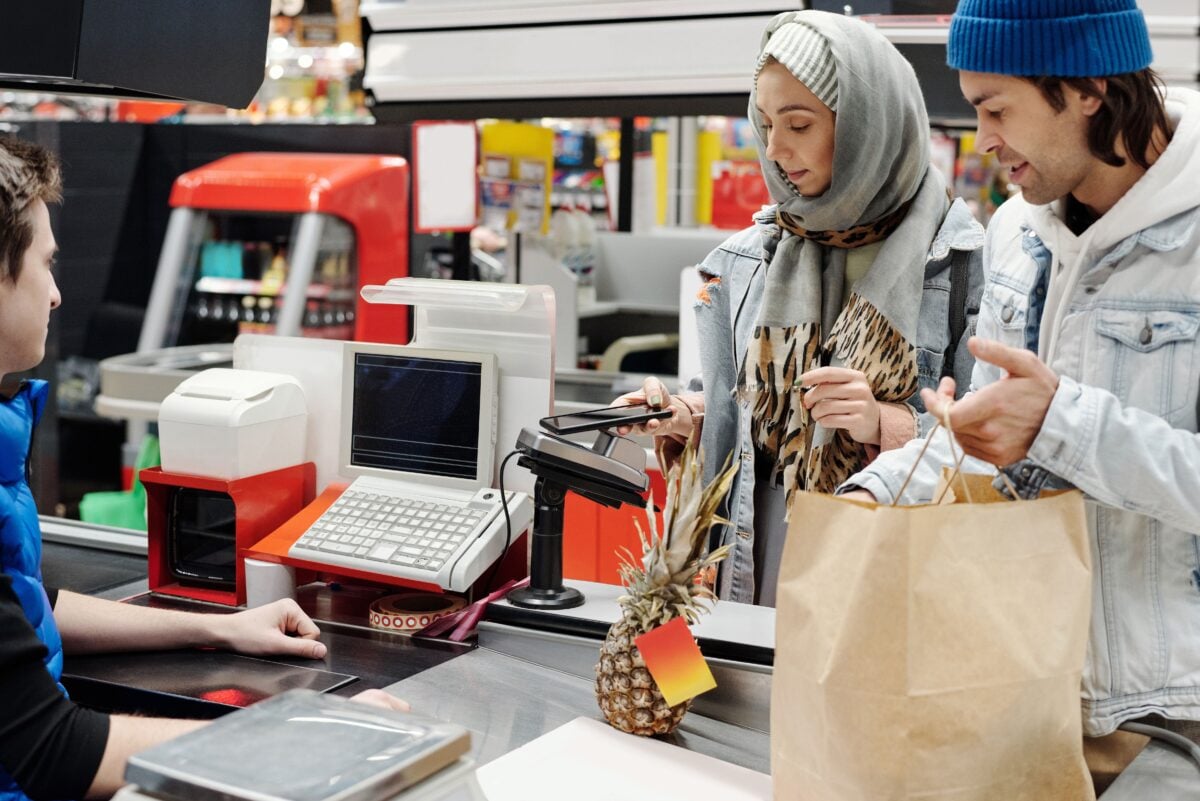
In an interview with Retail Insider, Leif Baradoy, CEO of Giftbit, explored the upcoming shopping season.
What factors do you believe drove the 1,067 per cent surge in grocery gift card reward value in December 2025, and what does this suggest about how businesses and consumers are responding to affordability pressures?
The biggest factor is simple: people chose it. Most Giftbit rewards let the recipient pick where the value goes, so a 1,067 per cent jump in grocery (December compared with the September to October average) is a record of what people wanted when the decision was theirs.
Right now, people want what is practical. People chose grocery gift cards last year, followed by sporting goods, toys and apparel. Travel and hospitality grew just 27 per cent. The affordability pressures you mentioned are real, and our data suggests that people use rewards to cover expected costs that occur during the holiday season: a big holiday meal, gifts, and kids’ winter gear.
I’d want to be careful not to pin recipient selection to one cause, since household expenditures are usually higher in December regardless of what is happening in the economy. The holidays often stretch household spending, so a reward that helps with the grocery bill in December is practical and useful.
Give people a choice of a reward and their selection will show what matters to them right now.
How are businesses using digital rewards and loyalty incentives differently during the holiday shopping season, particularly in the lead-up to Black Friday, and what does the 84 per cent increase in loyalty reward value in November indicate?
Loyalty moves first. In our 2025 data, loyalty reward value jumped 84% from October to November, landing 93% above its ten-month average, then eased back in December.
I interpret that as businesses being deliberate. Loyalty teams act early so they can stand out from the holiday rush. Businesses send thank-yous and retention rewards in November, which recipients use in December.
Employee rewards run on a different clock and peak in December. The data showed us the holiday reward season is really two seasons: your customers in November, your own team in December.
What the 84%jump in loyalty reward value tells me is that loyalty programs understand timing is part of the reward. A thank-you that lands while someone is planning their holiday shopping does more work than the same thank-you in late December.

Employee reward value reached 7.4 times its usual monthly level in December 2025. Why is employee recognition so concentrated at year-end, and are businesses showing signs of shifting toward more consistent, year-round rewards?
Year-end is when the budget, the calendar and the sentiment all line up. Annual bonuses, holiday appreciation gifts, and team celebrations land in the same few weeks. In December, employee reward value hit 7.4 times the January to October monthly average, and that one month was about 39 per cent of the year’s employee reward value.
Employee recognition is concentrated at year-end to further demarcate appreciation for the efforts of the past year and motivate for the year ahead.
The rest of the calendar year has interesting data trends, too. We saw increased employee recognition in May and August, which tells me some companies are recognizing people around moments that matter to their teams, not only around the fiscal year.
I think gratitude works best when it’s consistent. Rewards are about building a relationship, and relationships don’t run on a once-a-year schedule.
Median gift card claim times more than tripled from November to December, rising from 45 to 162 minutes. What might explain this change, and what does it reveal about recipient engagement and behaviour during the holiday season?
December is our busiest month and it is also where recipients take the longest time to react, measured by reward claim times. For example, a Starbucks reward that’s typically claimed by a recipient in 7 to 9 minutes early in the year took a median of 168 minutes in December.
We don’t have casual data on recipient selection times, but I speculate that it’s simply because people are busy. They’re travelling, with family, off work and away from the inbox or app where a lot of rewards land. And when a reward comes with choice, people take time to decide where it’ll be most useful for them over the holidays.
There are exceptions to recipient claim times: prepaid cards and gaming rewards. Those don’t slow down. When the use is immediate and single-purpose, there’s no pause.
Slower claims don’t mean lower engagement. December was still the biggest month for claimed rewards, at 13.1 per cent of the year. The practical takeaway: send earlier in December so people have time to claim and use the reward during the holidays.
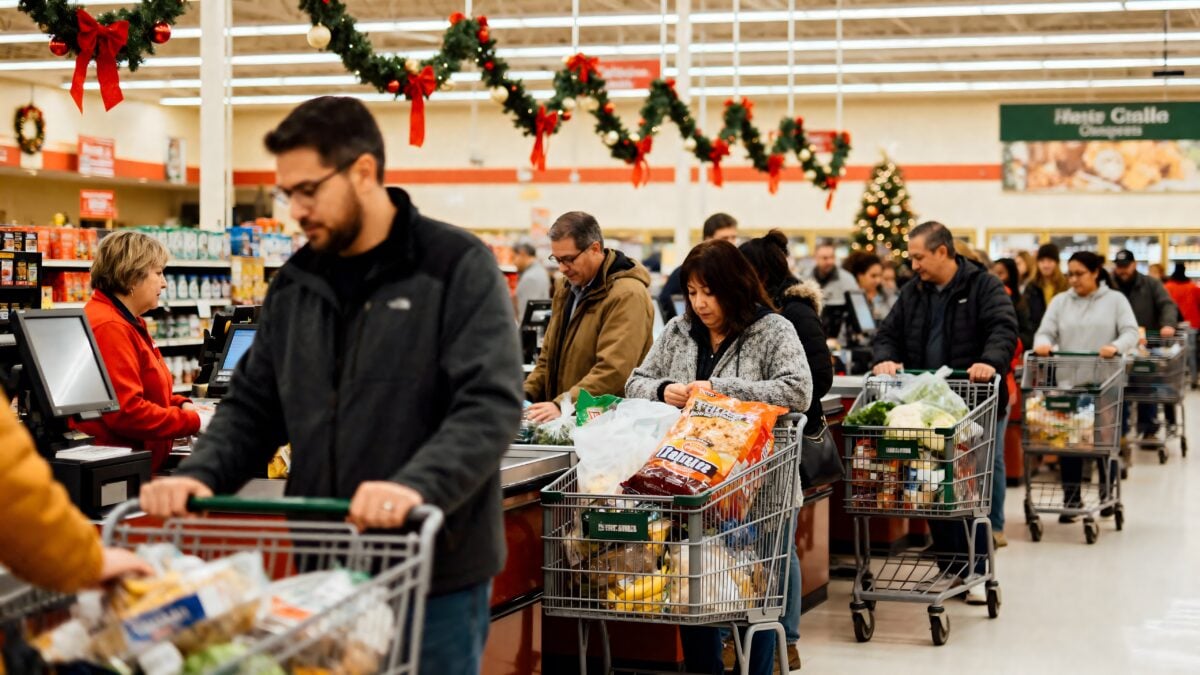
As the 2026 holiday season approaches, what changes do you expect in the types of digital rewards recipients choose, and how might economic conditions, consumer spending pressures and evolving business priorities influence reward strategies this year?
I expect practicality to keep winning. Last year, recipients put holiday rewards toward groceries, family gifts and winter gear. I don’t see pressure on household budgets easing in December this year.
With inflation and economic pressures, businesses are reviewing the impact of their budgets. Rewards and incentives should be scrutinized to ensure they’re delivering business outcomes. The same economic pressure impacts employees and consumers, making rewards and incentives more compelling, motivating, and memorable. Businesses can influence people more powerfully with rewards and incentives when people are looking for their dollars to go further.
For businesses that are using rewards and incentives to drive outcomes, here are three things to keep in mind:
Choice. Data shows that people’s priorities shift with the season, so offer people a choice between many rewards, not just one.
Timing. Plan in two waves: schedule loyalty and customer sends by late October, approve employee budgets and recipient lists by mid-November, and send rewards meant for holiday-use in early to mid-December.
Transparency. Budgets are under a microscope, and teams want to see what was sent, what was claimed and what happens to value that wasn’t. If we know, you know.
The holidays move fast. A reward that arrives on time and goes toward something people actually need is the one they remember in January.
More from Retail Insider: