A Toronto-based healthcare clinic is introducing a preventive care model focused on women’s health, using sex-specific medicine and comprehensive assessments to address health needs across adulthood. Lume Women + Health, founded by three physicians and a business executive, offers a Personal Health Assessment designed to examine eight areas of women’s health, including cardiovascular, metabolic, brain, bone and muscle, cancer prevention, hormone, sexual and psychological health.
The clinic’s approach is based on the premise that women’s health risks and healthcare needs change throughout their lives, particularly during reproductive years, perimenopause and post-menopause.
According to the company, its assessment is designed to connect different aspects of health rather than address individual symptoms or conditions in isolation.
“The best thing we can do for women’s health is start earlier,” said Dr. Woganee Filate, co-founder and CEO of Lume Women + Health.
“At Lume, our assessments go deep, connecting the dots across every area of health so each decision our patients make is an informed one. When women can act on that knowledge early, they can step into the years ahead with confidence.”


Multidisciplinary approach to women’s health
Lume’s model brings together physicians and other healthcare professionals, including registered dietitians, pelvic physiotherapists, clinical psychologists, naturopaths and chiropractors, to develop individualized health plans.
The clinic says its framework considers hormonal health across eight pillars, with intimacy and psychological well-being included alongside more traditional areas of preventive healthcare.
The company points to research from the McKinsey Health Institute indicating women are diagnosed later than men for more than 700 diseases and spend 25 per cent more of their lives in poor health.
The clinic’s founders say their approach is intended to address gaps in how women’s health is assessed and managed.
Co-founder and Chief Innovation Officer Dr. Amy Louis-Bayliss spent 16 years specializing in emergency medicine before retraining in women’s health and disease prevention. She also holds a diploma in medical education and previously served as postgraduate medical director for emergency medicine at the University of Toronto.
Co-founder and Chief Medical Officer Dr. Sarah Naomi Shaw has spent three decades working with girls and women. She previously practised family medicine in downtown Toronto for 15 years and holds a doctorate in human development and psychology from Harvard University, along with medical training from McMaster University and the University of Toronto.
Filate is an adult respirologist and sleep medicine physician, holds a Master of Health Science in Community Health and Epidemiology from the University of Toronto, and is a Menopause Society Certified Practitioner.
Corporate partnerships target executive women
Alongside its clinical services, Lume is developing partnerships with Canadian businesses and organizations to provide healthcare support for women in executive roles.
The company’s corporate program is built around recruitment, employee retention and workplace culture, with an emphasis on supporting women as their professional responsibilities and health needs evolve.
Lindsay Stollery Jephcott, co-founder and chief growth officer, brings business leadership, investment and board experience to the company. She holds an MBA from the Rotman School of Management and previously served as chief information officer for the Angus Glen and Kylemore Group of Companies.
The corporate initiative positions women’s health support as an organizational consideration, with the company seeking to work with Canadian employers to provide access to specialized care.


Founder publishes book on sleep and midlife health
Filate is also preparing to release a book examining sleep health during perimenopause, midlife and beyond.
Sleep Well: A Science-Backed Guide for Perimenopause, Midlife, and Beyond is scheduled for publication Dec. 15, 2026, through Penguin Random House Canada. The book will examine how sleep changes through midlife and approaches to improving sleep.
Lume says its broader focus is on preventive healthcare, with assessments and support intended to help women understand health risks and make informed decisions throughout adulthood.
In an interview with Retail Insider, Jephcott spoke about the clinic.
Lume Women + Health was founded around the idea that women’s health requires a more comprehensive, sex-specific approach to medicine. What gaps in the existing health-care system did you identify that led you to establish the clinic, and why do you believe traditional approaches have not adequately addressed women’s health needs?
When we founded Lume, the problem was hard to ignore: medicine was largely built around the male body, and the health-care system has been slow to respond to women’s distinct needs. I came to this from business rather than medicine, and what struck me was that the gap is measurable.
According to the McKinsey Health Institute, Canadian women live longer than men but spend about a quarter more of their lives in poor health. That gap shows up in three places. It starts with research: over 15 years, only about 7% of projects funded by the Canadian Institutes of Health Research focused on female-specific health, and less than 1% went to female-specific cardiovascular research. It carries into diagnosis, where Heart & Stroke’s Ms. Understood report found early heart attack signs were missed in 78% of women, and Canadian women with endometriosis wait an average of 5.4 years for a diagnosis. And it shapes how care is delivered, with short, single-issue visits and close to six million Canadian adults without a regular primary care clinician.
Midlife is where we see this coming to a head. Women are navigating hormonal transition, cardiometabolic risk, bone loss, and changes in mood and sleep at the same time, often while managing careers and caring for family, and no one is looking at the whole picture. The Menopause Foundation of Canada’s 2025 report found that one in 10 women are leaving the workforce because of unmanaged menopausal symptoms, which makes this an economic issue as much as a health one.
That’s why we built Lume: sex-specific, evidence-based preventive care that looks at a woman’s health as a whole, identifies risks earlier, and works alongside her family physician to help her take a proactive role in her long-term health.

Your Personal Health Assessment examines eight pillars of health, ranging from cardiovascular and metabolic health to hormone health, sexual health and psychological well-being. How does this integrated approach differ from the way women typically access health care, and what are some of the most important health risks it can help identify earlier?
Most women experience health care in fragments: a Pap test here, a prescription renewal there, a separate referral for mood, another for sleep or hormonal changes, and often a long wait in between. Each piece may be done well, but no one is putting the pieces together. We believe women are healthiest, and most empowered, when they’re seen and cared for as a whole person, and that’s what led us to develop our 8 Pillars of Women’s Health.
Our Personal Health Assessment looks at all eight pillars together: cardiovascular health, metabolic health, brain health, hormonal health, bone and muscle health, sexual health, psychological well-being and cancer prevention. Our physician-led team takes the time to build a complete picture. Then they turn it into a clear, personalized plan that each woman can take action on.
That whole-picture view lets us catch risks earlier, including:
● Hidden cardiovascular risk. Female-specific conditions like preeclampsia, gestational diabetes, polyendocrine metabolic ovarian syndrome (formerly known as PCOS) and early menopause are all risk factors for heart disease. A history of preeclampsia, for example, is linked to roughly four times the risk of later heart failure and twice the risk of coronary disease and stroke. Yet once a woman leaves obstetric care, she’s rarely asked about these histories, and they aren’t part of any standard cardiovascular risk tool.
● Silent bone loss. At least one in three Canadian women will have a fracture caused by osteoporosis. On average, women lose 10% of their bone mass in the three years around their final period. Assessing risk early means we can prevent instead of reacting after a first fracture.
● Vulvar, urethral and vaginal changes. The genitourinary syndrome of menopause affects up to 85% of women and can cause vaginal dryness, urinary symptoms and pain with intercourse. Every woman we see gets a thorough vulvovaginal exam and a clear explanation of her options for managing symptoms.
● Mood and cognitive changes. These are often dismissed as “just stress,” but they can have treatable hormonal, sleep or thyroid causes.

Women experience significant hormonal and physiological changes through perimenopause, menopause and beyond, yet many health concerns during these stages remain under-recognized. What are some of the biggest misconceptions or gaps in understanding women’s midlife health, particularly around sleep, cardiovascular health, bone health and cognitive function?
The biggest misconception is that menopause is a brief inconvenience defined by hot flashes. It’s actually a whole-body transition that lasts an average of four to seven years, and it can shape a woman’s health for decades afterward. Roughly 10 million Canadian women are in perimenopause or beyond, and the Menopause Foundation of Canada found that 46% feel unprepared. Most didn’t know that anxiety, depression, or memory changes can be symptoms, and fewer than one in four said their family physician brought up menopause on their own.
Sleep. Poor sleep tends to get written off as part of getting older or being busy. But an analysis from the Canadian Longitudinal Study on Aging found that menopause itself is linked to more trouble falling asleep and a higher likelihood of sleep apnea. Sleep apnea is often missed in women because it doesn’t always look the way we expect. Both are treatable, and both affect heart, metabolic and mental health.
Cardiovascular health. Many women still think of heart disease as a man’s disease. In fact, it’s the leading cause of premature death for Canadian women. Risk rises after menopause as blood pressure, cholesterol and body composition shift. Those changes are measurable, and midlife is exactly when prevention has the most impact. Most women also don’t realize that their reproductive health history can foretell a lot about their future risk.
Bone health. Osteoporosis has a profound effect on how women age. The menopause transition is a period of rapid bone loss that usually goes undetected, so the conversation about bone health needs to happen in a woman’s 40s and 50s, while there’s still time to prevent further loss. Right now, the system is missing those opportunities every day. Fewer than 20% of Canadians who have a fracture go on to be properly diagnosed or treated.
Cognitive function. Brain fog is real, common and usually temporary, yet many women quietly worry it’s early dementia. It isn’t. That said, women are at higher risk for dementia, and two-thirds of people living with dementia are women. We need to support women through brain fog and be clear that it’s not the same thing. We also need to talk about the risk factors women can change. Approximately, 45–50% of dementia risk is modifiable in midlife through steps like treating hearing loss, meeting cholesterol targets, keeping blood pressure normal and staying physically active. That’s real power for women to take control of their health futures.
Finally, fear and misinformation surrounding hormone therapy remain widespread. Current Canadian guidance supports menopausal hormone therapy as safe and effective for most healthy women with symptoms who are under 60 or within 10 years of menopause. All of our physicians at Lume have additional training and are certified by The Menopause Society
in the US. Women deserve a balanced, individualized conversation about every option, hormonal and non-hormonal.

Lume is also partnering with Canadian companies to provide health support for executive women. Why should employers view women’s health as a business and workforce retention priority, and what role can organizations play in addressing health challenges that affect women during key stages of their careers?
Many employers still see women’s health as a niche issue, and the numbers tell a very different story. The McKinsey Health Institute estimates that closing the women’s health gap could add $37 billion a year to Canada’s GDP by 2040, with about three-quarters of that impact falling during women’s working years. That’s a significant opportunity, and much of it plays out at work.
Women’s health needs shift throughout their careers, from fertility and pregnancy to perimenopause and menopause, alongside higher rates of autoimmune, hormonal, mental health, cardiac and bone health concerns that too often go unaddressed. Menopause is the clearest example. The Menopause Foundation of Canada and Sun Life found that unmanaged symptoms cost the Canadian economy $3.5 billion a year, including roughly 540,000 lost workdays, and one in ten working women has turned down a promotion or career opportunity because of them. Deloitte’s Women @ Work 2025 report found that 19% of Canadian women are considering leaving their jobs because of menopause, more than double the global rate.
Many of these health inflection points arrive just as women move into senior roles. Women aged 45 to 55 are among the fastest-growing segments of the Canadian workforce, and they’re the leaders companies have spent years developing. When their health isn’t taken seriously, too many of them scale back or walk away, which is a retention problem and a big part of why we still don’t see enough women at the top.
Employers can make a meaningful difference by treating women’s health as part of their talent strategy. That means giving women access to proactive, expert care that looks at the whole person, reviewing benefits for gaps in menopause, mental health, fertility and preventive care, equipping managers to offer real support, and normalizing flexibility during demanding health transitions.
We’re seeing that shift happen across corporate Canada. Lume now delivers roughly 200 medical education talks a year to Canadian organizations, and we partner with some of the country’s leading banks, accounting firms and law firms to provide comprehensive health assessments led by physicians who specialize in women’s health. When women get the right care at the right time, they stay, they lead and they thrive, and so does the business.
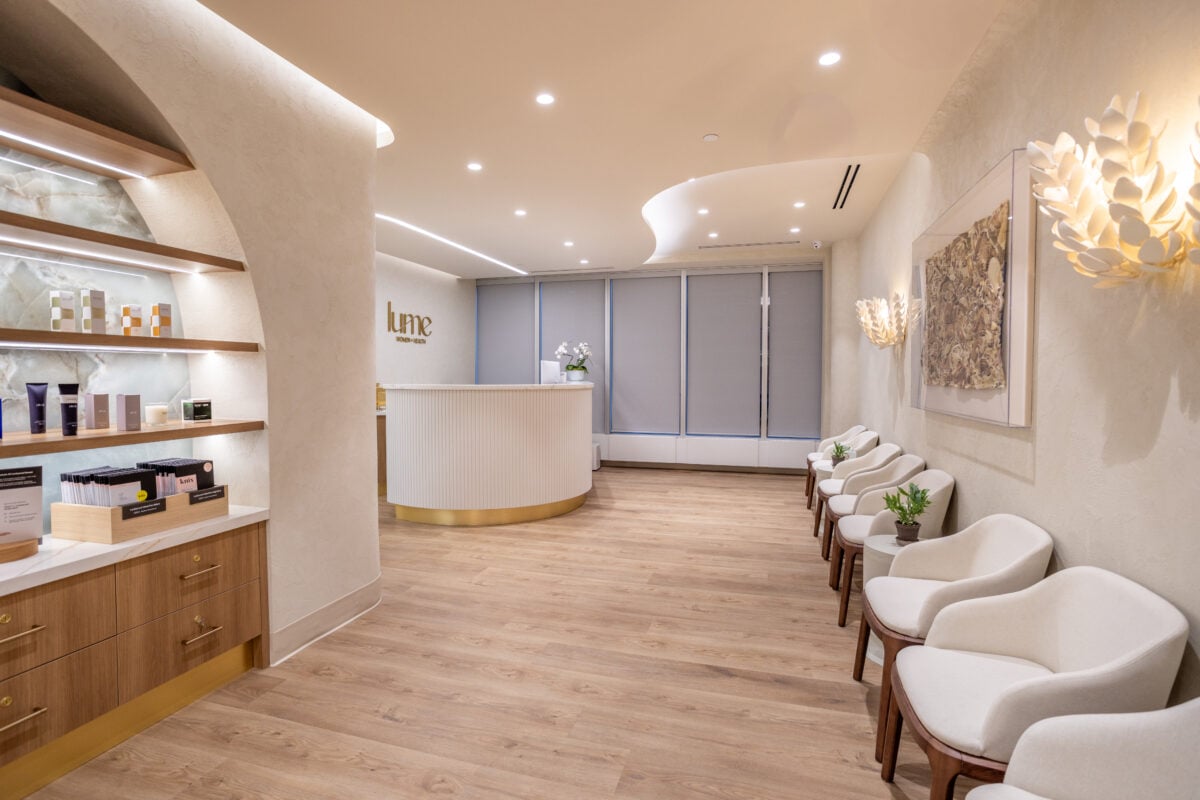
Preventive and personalized health care is attracting growing attention, but it can also raise questions about accessibility, cost and how evidence-based medicine is delivered. What do you see as the biggest opportunities and challenges in expanding this model of women’s health care in Canada, and how do you hope Lume will influence the broader health-care landscape?
I see tremendous opportunity for women’s health in Canada right now. We remain the only G7 country without a current national women’s health strategy, but momentum is building. Organizations like Women’s Health Collective Canada and the IWK Foundation are calling for coordinated national action, while employers, insurers and governments are increasingly recognizing women’s health as both a healthcare and an economic priority. At the same time, the science is advancing rapidly, and we’re gaining a much deeper understanding of how sex-specific factors, from pregnancy history to the menopause transition, influence a woman’s long-term health risks. The opportunity now is to translate that growing body of evidence into better, more proactive care for women.
There are real challenges too, and we take them seriously. The first is access: this kind of comprehensive care isn’t covered by the public system, which is part of why our work with employers matters so much, as it’s one way to bring this care to more women. The second is evidence, not excess. Preventive care can tip into over-testing, which brings anxiety, false positives and unnecessary procedures, so every test and recommendation we offer is backed by strong evidence and Canadian clinical guidelines, and tailored to each woman’s individual risk. More isn’t better; better is better. The third is expertise. Clinicians with deep training in menopause and midlife women’s health are still scarce in Canada, and building and sharing that expertise is part of our responsibility.
As for Lume’s broader influence, I hope we can show what’s possible when women’s health care is whole-person, lifelong and sex-specific. We want to measure our outcomes rigorously and contribute to the Canadian evidence base, and we want to partner with researchers, employers and the public system so what we learn benefits far more women than the ones who walk through our doors. The goal isn’t a better experience for a few women, it’s better outcomes for all women in Canada.

More from Retail Insider: